
When war erupted across the Northern Hemisphere in the late 1930s, the improvements in technology since World War I allowed for a new type of unit: special forces. These soldiers used new weapons, technology, and tactics to perform specific missions, setting the stage for today’s elite special forces units like the US Navy SEALs and British SAS. While many casual readers of history know about the British commandos and American OSS operatives of World War II, there were actually several other special forces across both the Allied and Axis nations. Some faded away into history, while others directly transitioned into special forces units that are still active today.
1: Z Special Unit of Australia
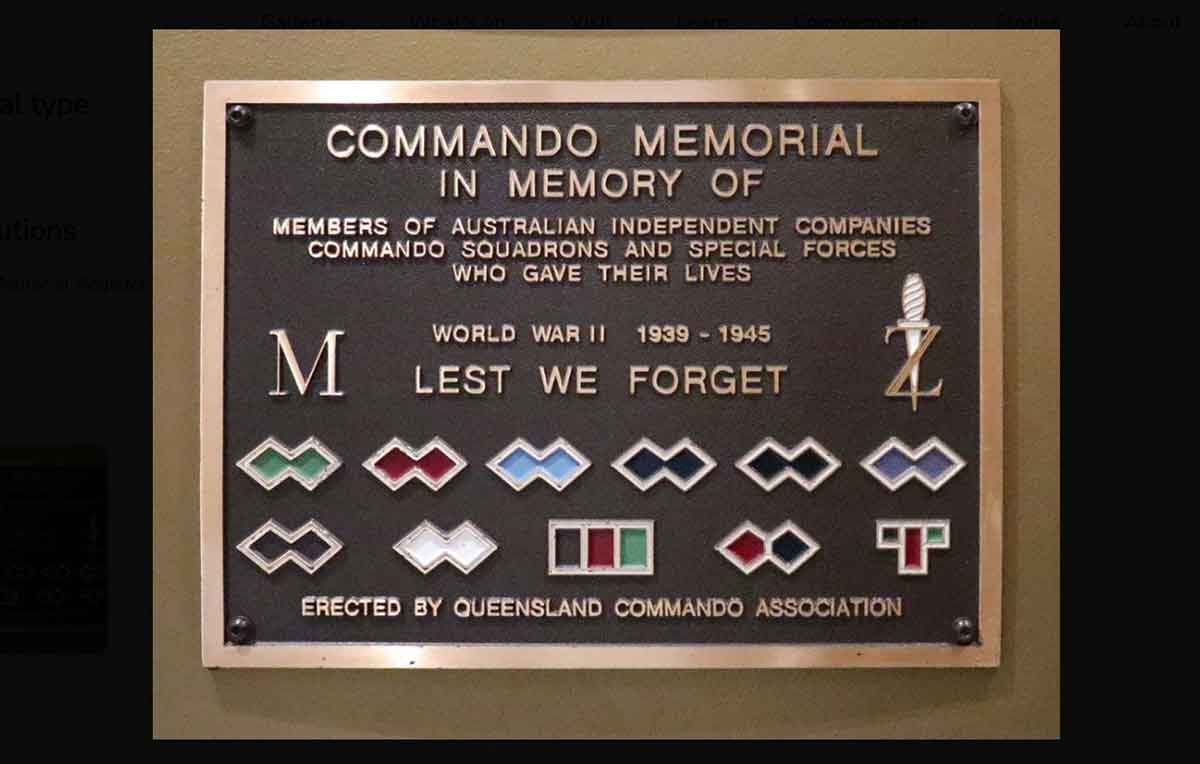
Many casual readers of World War II history may be unfamiliar with the contributions of Australia, whose foreign policy was still heavily linked to Britain as a member of the British Commonwealth. As a result, Australian troops participated in Europe, North Africa, and the Pacific. Some units went straight from fighting against the Germans and Italians in North Africa to fighting the Japanese in the Pacific. In April 1942, Australia created its own special forces units, with volunteers being placed in a “Z” holding unit in June. A reconnaissance (espionage) unit was later placed under the holding name “M.”
Z Special Unit was sent to operate primarily in Southeast Asia, especially the Dutch East Indies, with assistance from Dutch, Indonesian, Timorese, and New Zealand operatives. It successfully completed Operation Jaywick against Japanese vessels in Singapore’s harbor, disabling seven ships. Unfortunately, a second planned operation, Operation Rimau, was not successful.
Z Unit operatives were often parachuted into operations or dropped off by submarine; they conducted a total of 81 missions during the course of the war. Their efforts helped local anti-Japanese forces wage guerrilla warfare against their occupiers, straining the Japanese war effort.
2: Brandenburgers of Germany
Many World War II enthusiasts have heard of the Gran Sasso Raid and Operation Greif, both led by Otto Skorzeny, but fewer may be aware of the Brandenburger special forces units of Germany. These units operated early in the war, primarily on the Eastern Front and in North Africa, and were composed of men who fluently spoke the local language. Like other special forces units, the Brandenburgers typically operated behind enemy lines and utilized special training. They are most well-known for operating in the Balkans, where local resistance to German occupation was significant.
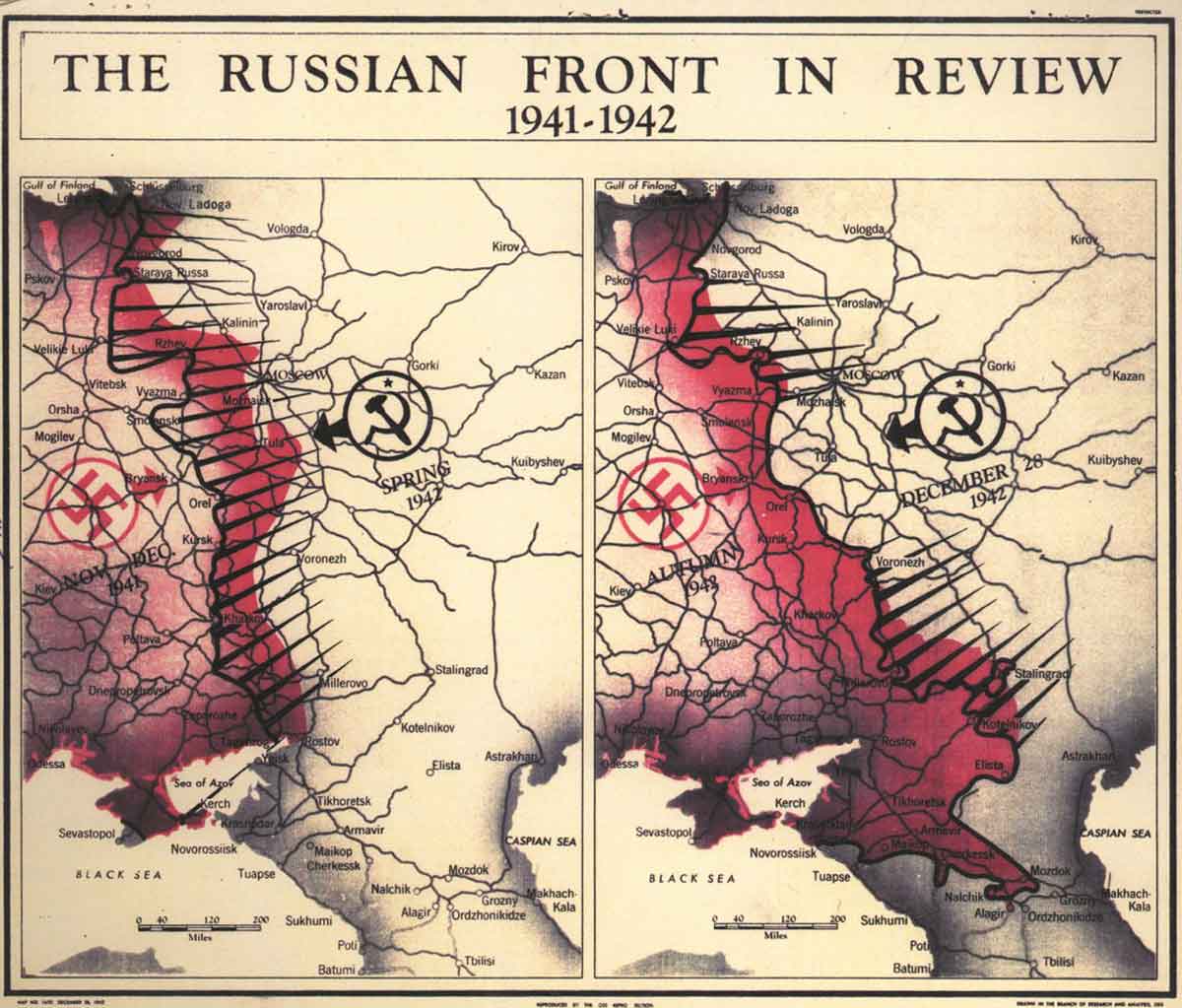
In late 1942, during the German advance toward Stalingrad, the Brandenburgers famously disguised themselves as Soviet NKVD secret police and convinced a local garrison to abandon the oil infrastructure they were guarding in the city of Maikop. This allowed the Germans to seize the facility intact, which was a major goal. Typically, the Red Army destroyed any valuable infrastructure and equipment when retreating to deprive the Germans of its benefits. By autumn 1944, however, the German command decided that specialized units were no longer efficient. Most Brandenburger units were incorporated into traditional military units for the remainder of the war.
3: Japanese Suicide Forces
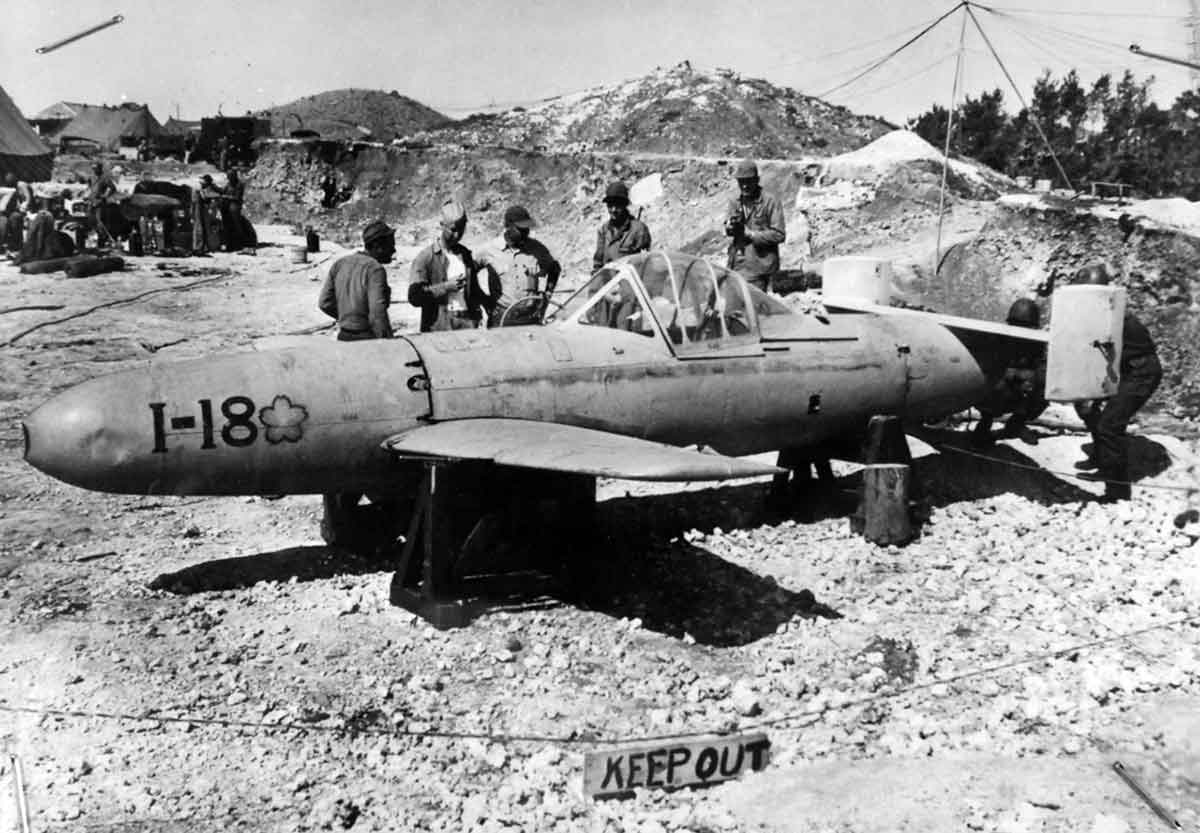
By the end of 1944, many Japanese leaders realized that the war could not be won. One strategy to combat the overwhelming Allied advantage in manpower and equipment was to use suicide attacks. After all, it was very difficult to stop an enemy who was already planning to die. Many Japanese pilots volunteered for kamikaze missions, for which they were highly praised and militarily decorated. Culturally, most Japanese preferred suicide to surrender, which they deemed dishonorable. This meant Allied invasions of Japanese-held islands were often brutal affairs—defenders almost always fought to the death.
Specialized units of suicide soldiers were planned late in the war when the Allies were preparing an invasion of the home islands of Japan. Operation Ketsu-Go was the Japanese response to the massive invasion. Men were hastily trained to conduct suicide missions, creating a huge fighting force of pilots and sailors who would crash their craft into any Allied transport seen carrying soldiers. Divers and frogmen were trained to swim under Allied ships and attach explosives to them. Ultimately, these suicide-trained forces were never used, as Japan surrendered following the detonation of two atomic bombs in August 1945 rather than face invasion.
4: Arditi Units of Italy
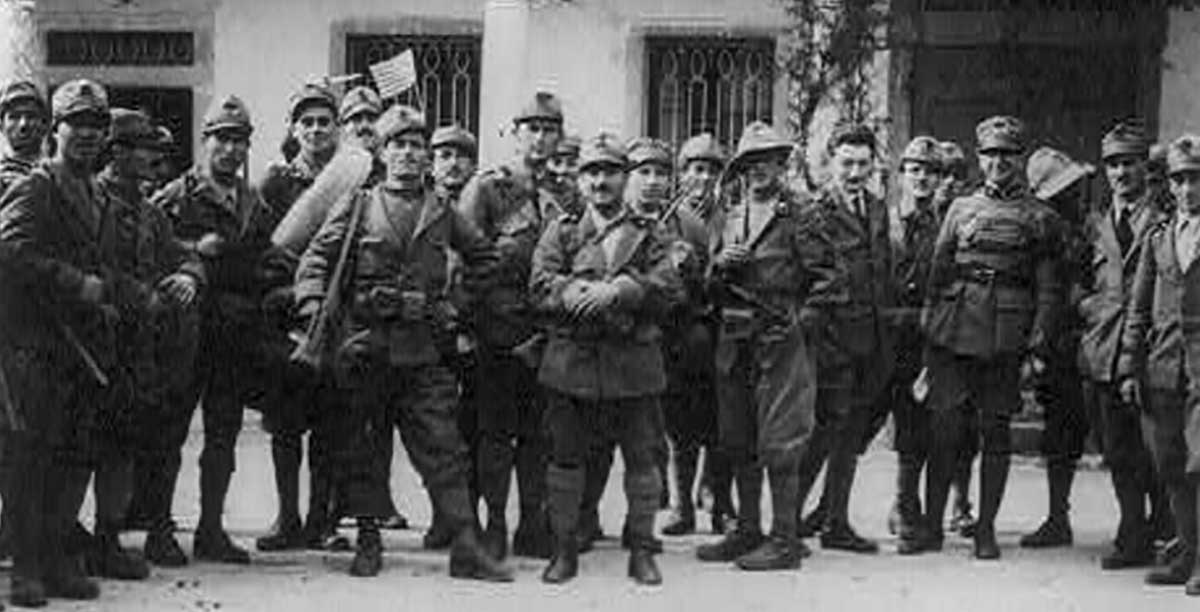
During World War I, Italy was one of the handful of nations that fielded special forces units. In April 1942, a new Arditi unit was formed for the Second World War, followed by another in July, hoping to capitalize on the Arditi reputation for boldness during the First World War as stormtroopers. Only men with combat experience could volunteer for these new Arditi battalions. In January 1943, both battalions were sent to Tunisia to help thwart the Allies’ North Africa Campaign.
Unfortunately for the Arditi battalions, they had little success in stopping the Allies in North Africa. Often, the Allies knew about the missions before the Arditi commandos landed—thanks to the success of Project ULTRA’s codebreaking. In July 1943, the X Arditi Regiment assisted with the defense of Sicily, fighting bravely but unsuccessfully. A few months later, most Arditi personnel joined the Allied cause in southern Italy when the Kingdom of Italy surrendered and switched sides. A few, however, joined the German-allied Italian Social Republic in northern Italy. The Italian Civil War lasted until May 1945.
5: Soviet SPETSNAZ in World War II
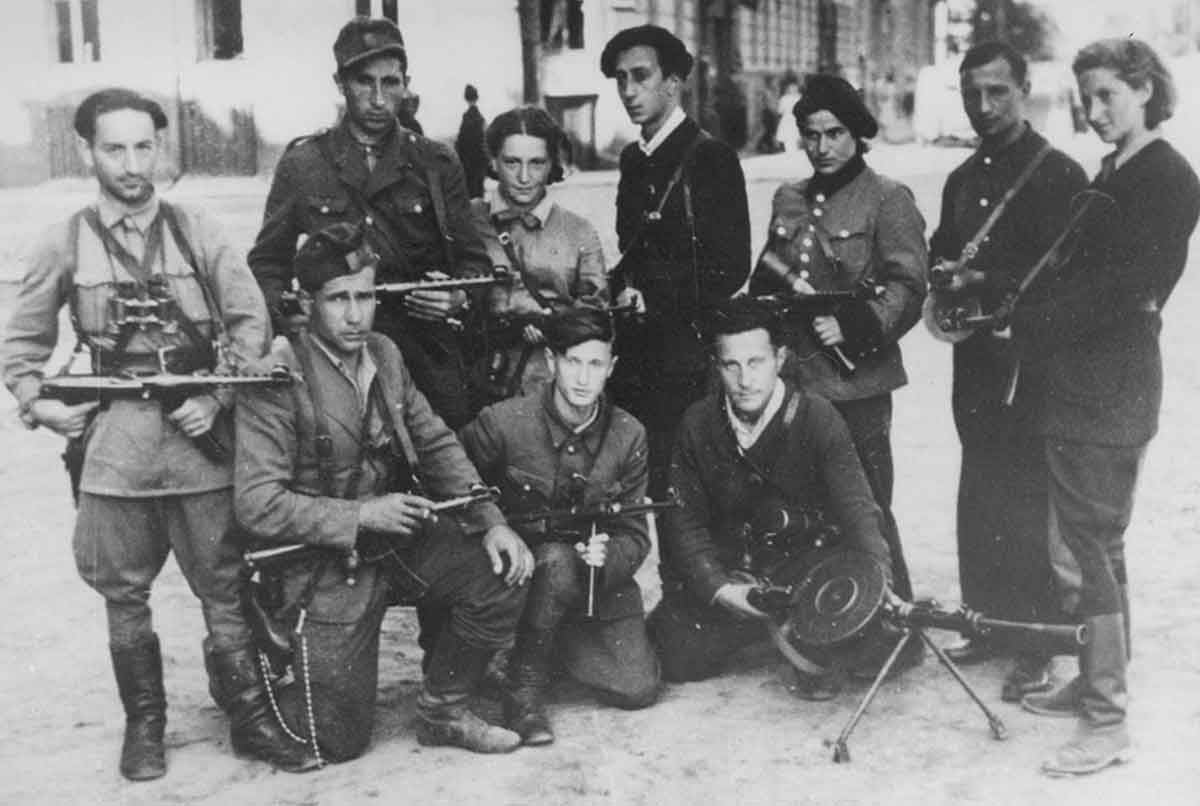
Most readers of history know about the Soviet Spetsnaz special forces from the Cold War era, particularly the Soviet war in Afghanistan. However, their origin was during World War II, created just after the German invasion in June 1941. Formal units were formed beginning in August, focused on reconnaissance. The plan was to train these specialized units to operate behind German lines and wreak havoc. By November 1941, over 100 small Spetsnaz groups were ambushing German supply and communication lines, gaining valuable intelligence that they would send back to Moscow.
These recon groups typically avoided combat, but would engage in sabotage if it was convenient, such as mining bridges that were being used to transport German equipment. Other Spetsnaz units were more directly focused on sabotaging infrastructure. In January 1942, these units, including experts from the Spanish Civil War of the 1930s, traveled behind German lines to destroy key infrastructure.
Two and a half years later, when the Red Army was on the offensive, Spetsnaz units were again used to target German infrastructure. Some teams dressed in German uniforms moved around freely, aiding anti-German partisans (political fighters) in Eastern Europe.
6: US Army Alamo Scouts
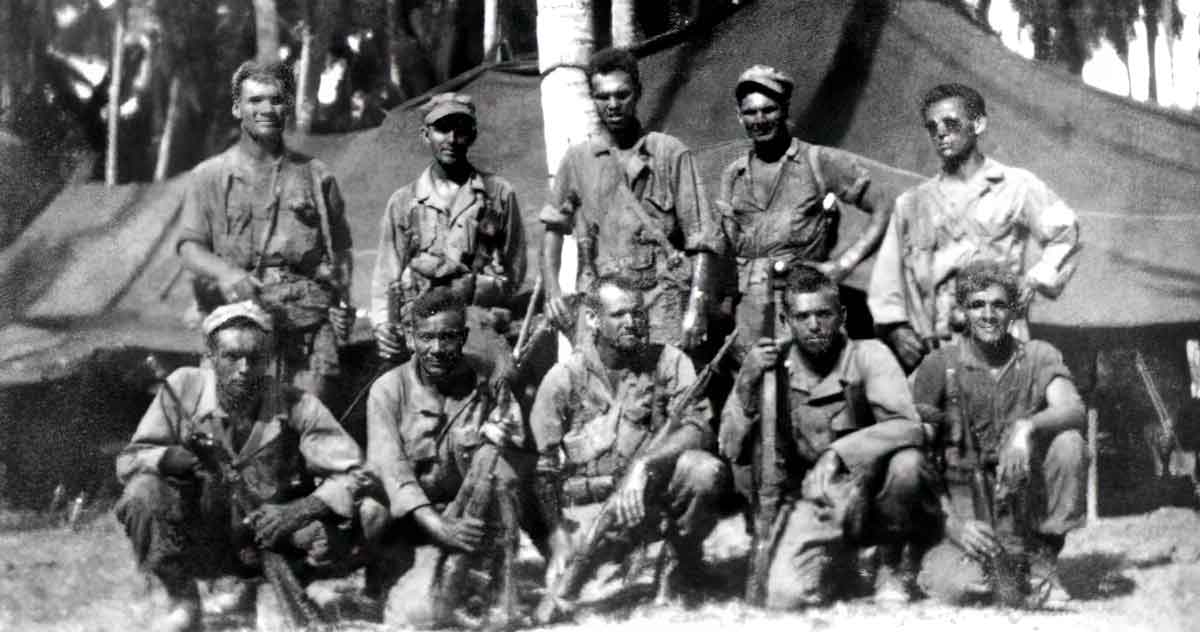
In the Pacific Theater, the United States used the strategy of island hopping to invade and seize only key islands that could be used for airfields and ports. Due to the small size of these islands, US troops were almost always fighting in close quarters with motivated, fanatical defenders. To help gain an advantage, it was decided to create small, elite reconnaissance teams that could strike the Japanese from behind the front lines. They would be experts in jungle warfare, amphibious operations, and reconnaissance. On November 28, 1943, Lt. Gen. Walter Krueger ordered the establishment of the Alamo Scouts.
Volunteers went through a rigorous six-week training course, and the Alamo Scouts of the US 6th Army special reconnaissance unit became operational in February 1944. These small teams conducted over 100 missions before the end of the war and did not lose a single man in combat. Roughly 325 men served in the Alamo Scouts and conducted raids on Japanese positions, including freeing Allied prisoners-of-war in a daring three-day operation in early 1945. As part of their reconnaissance mission, the Alamo Scouts took over eighty Japanese prisoners during the duration of their operations, which ended post-war in November 1945.
7: First Special Service Force (US-Canadian)
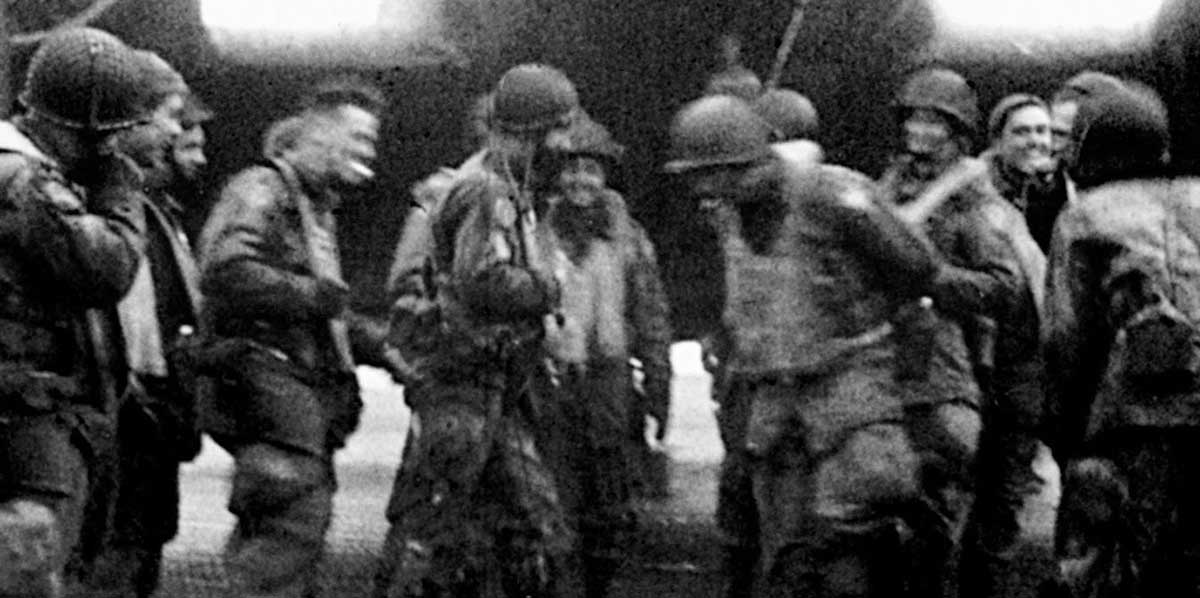
On June 16, 1942, Major General Dwight D. Eisenhower ordered the creation of a special forces unit similar to those already developed by the British. This order went to Lt. Col. Robert T. Frederick, who sought both American and Canadian volunteers to train in unconventional operations and be prepared to attack behind-the-lines targets in German-occupied Europe. To prepare to attack German targets in Northern and Eastern Europe, Montana was chosen as a training site to simulate similar hostile weather. Norwegian ski troops were even brought in to train the volunteers in long-distance skiing.
In 1943, the First Special Service Force added amphibious training to their skills, and they finally saw combat in the Italian Campaign beginning in November. A month later, the unit famously seized a large hill that had been defended against several other units. In August 1944, it also participated in the invasion of southern France (Operation Dragoon). Unfortunately, the unit was disbanded on December 5, 1944, as it was no longer using the elite tactics and specialized skills for which it was trained. Despite its disbanding before the end of the war, the First Special Service Force was highly decorated by Allied governments.
How World War II Shaped Modern Special Forces
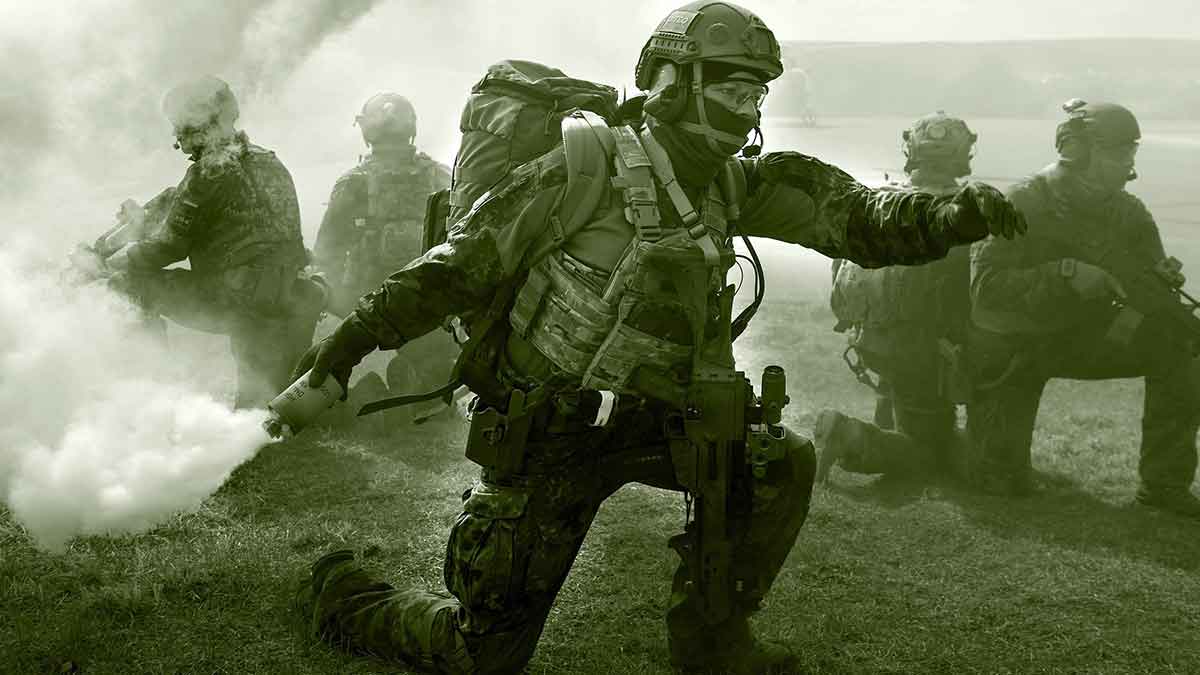
Most World War II special forces units disbanded at the end of the war during mass demobilization. However, the threats of the Cold War quickly renewed demand for similar units. In 1952, the United States military brought back special forces with the 10th Special Forces Group. The following year, the 10th SFG saw combat for the first time in the Korean War (1950-53). A decade after the 10th SFG was founded, the widely renowned Navy SEALs were established, first seeing combat in the Vietnam War. These became the two best-known special forces groups of the Cold War, with the 10th SFG being the first of the Army Green Berets.
The complexity of military operations during the Cold War era resulted in the creation of many special forces teams around the world, with the US military also creating Marine Force RECON and Raider teams, Air Force Special Tactics Pararescue teams, and the Central Intelligence Agency’s Special Operations Group.
During World War II and the Cold War era, many nations created their own special forces units, including the German KSK, British Special Air Service (SAS) and Special Boat Service (SBS), and French Special Operations Command (SOC). The Soviet Union created its own Cold War special operations groups, such as the Alpha counterterroris