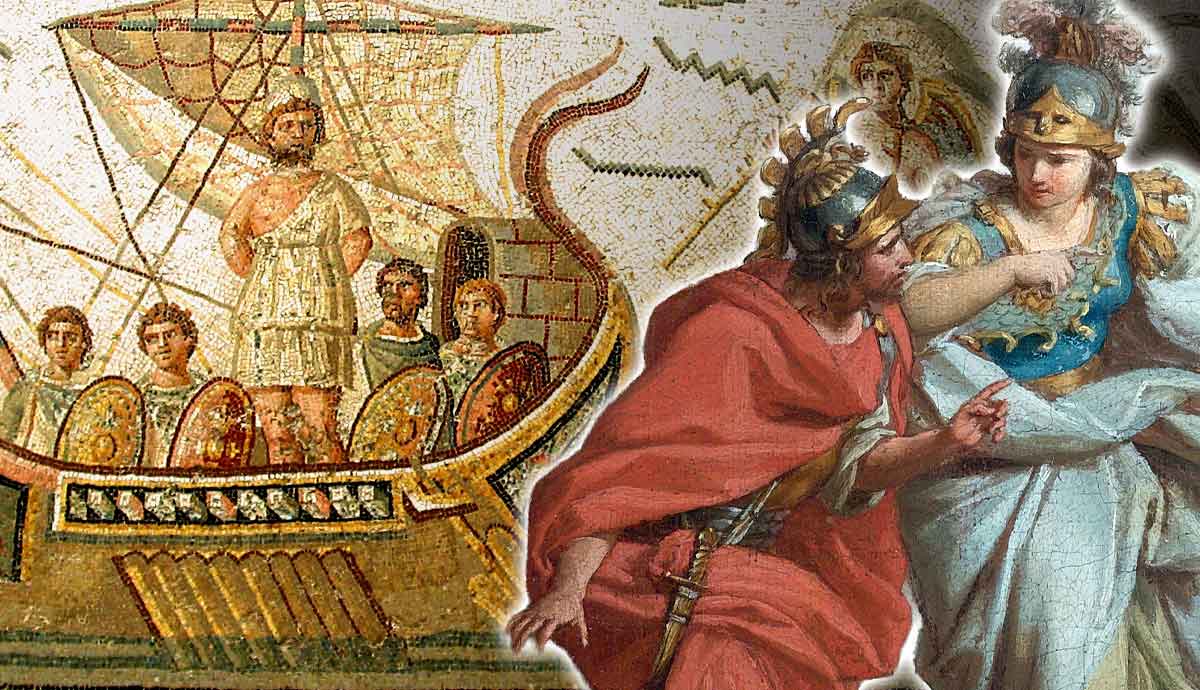

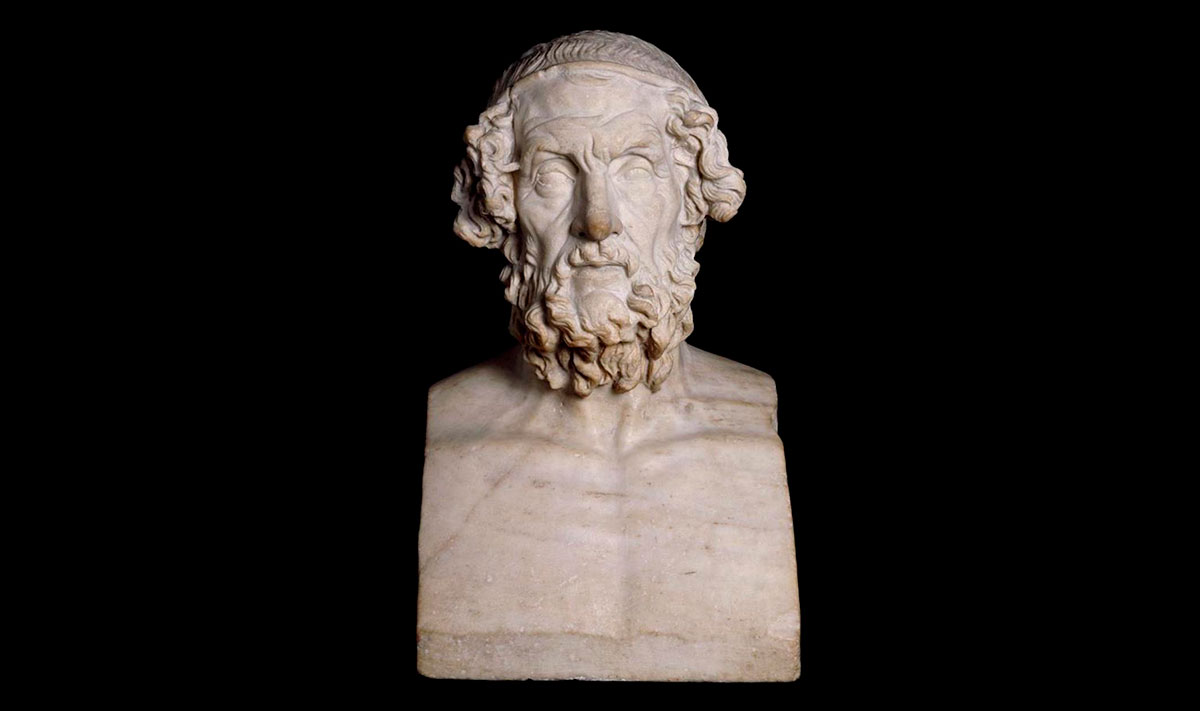
While the Odyssey’s 8th-century B.C. authorship credited to an obscure, allegedly blind poet called Homer remains under debate, it inarguably lives on as one of the cornerstone “great books” of Western literature. Despite the tome’s voluminous 24 books (i.e., chapters) and some 12,000 lines, all written in classical dactylic hexameter verse, the plot is open-and-shut if boiled down to Hollywood “high concept” terms: a valiant soldier’s Herculean quest to return to his wife and homeland after years away at war.
The Iliad, Part II
That soldier, of course, is Odysseus (“Ulysses” or “Ulixēs” in Latin), one of the legendary leaders among the Greek armies that invaded and eventually conquered the coastal fortress city of Troy. While most historians believe there was an actual war between the Greeks and Trojans (the latter located in today’s westernmost Turkey), the entire saga was first mythologized into the Iliad and then the Odyssey “sequel” by Homer. Both were initially passed down through the generations through the oral storytelling tradition.
In the Iliad (from “Ilium,” the Greek name of Troy), Homer lays the blame on Troy’s Prince Paris for starting the hostilities, set off when he spirits away the fair Helen, wife of Sparta’s King Menelaus. None too happy, Menelaus and his brother Agamemnon enlist the mightiest Greek warriors to sail to Troy and lay siege. The war lasts ten long years, and the Greeks eventually triumph, despite losing their seemingly invincible Achilles, but only due to a little trick that famously involves a colossal wooden horse, a cache of hidden soldiers, and a naïve Trojan citizenry that should have feared the Greeks “even when they offer gifts.”
Gods, Monsters, and Men
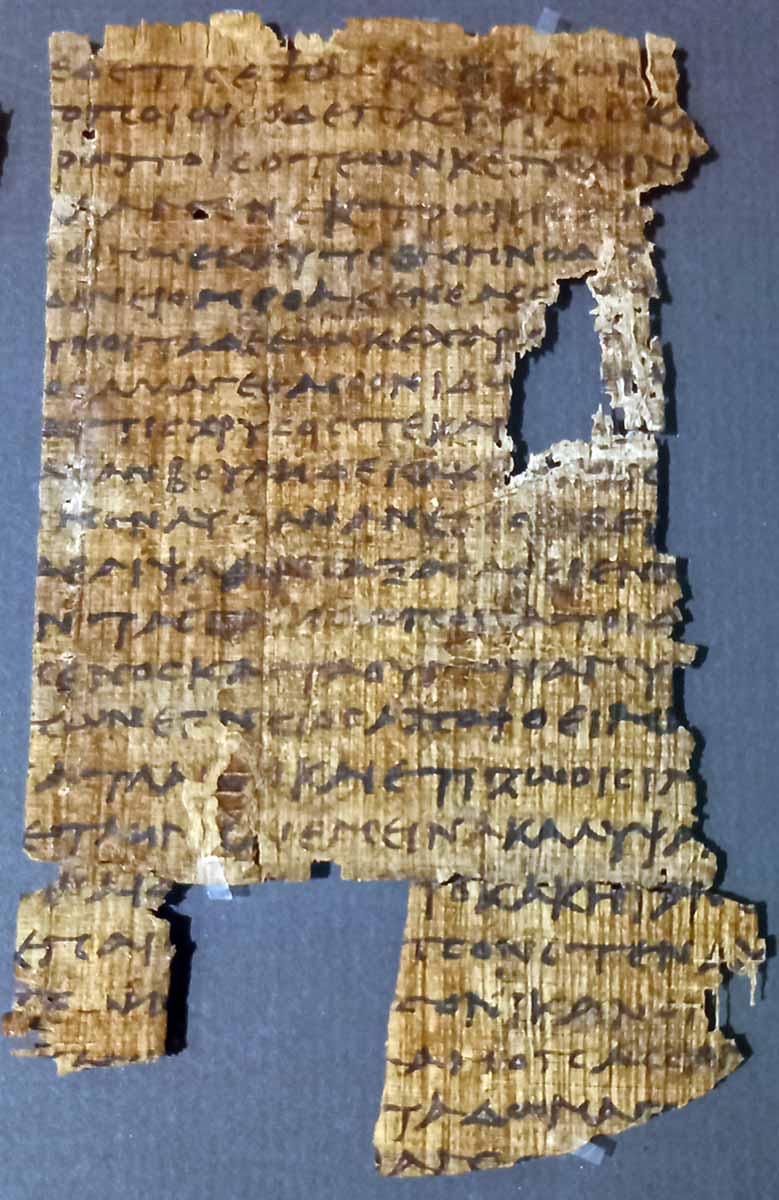
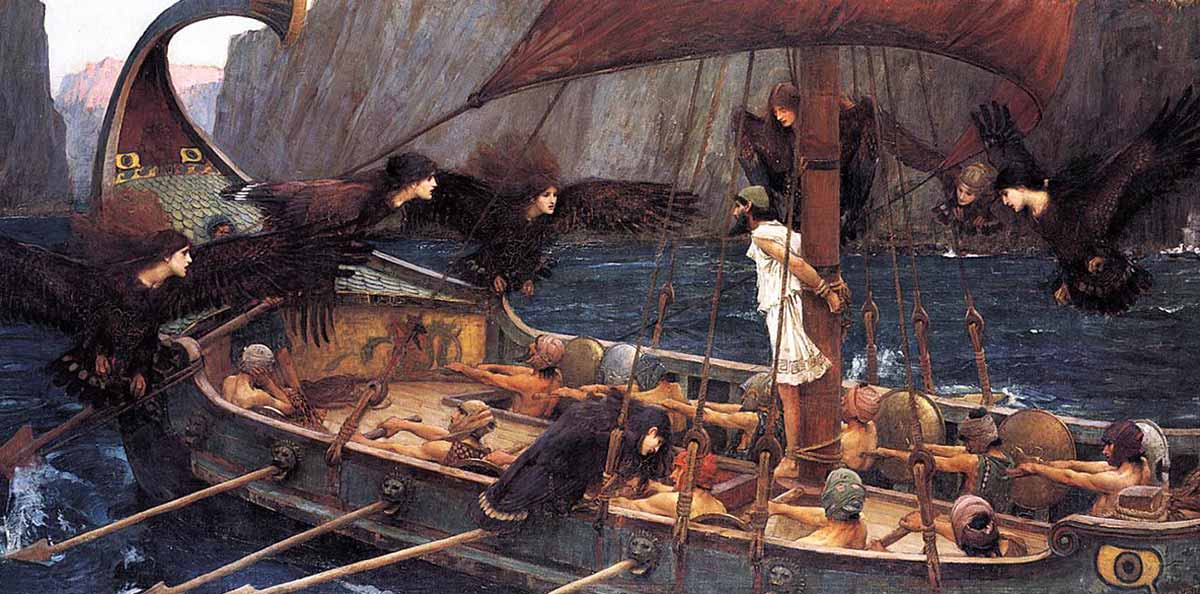
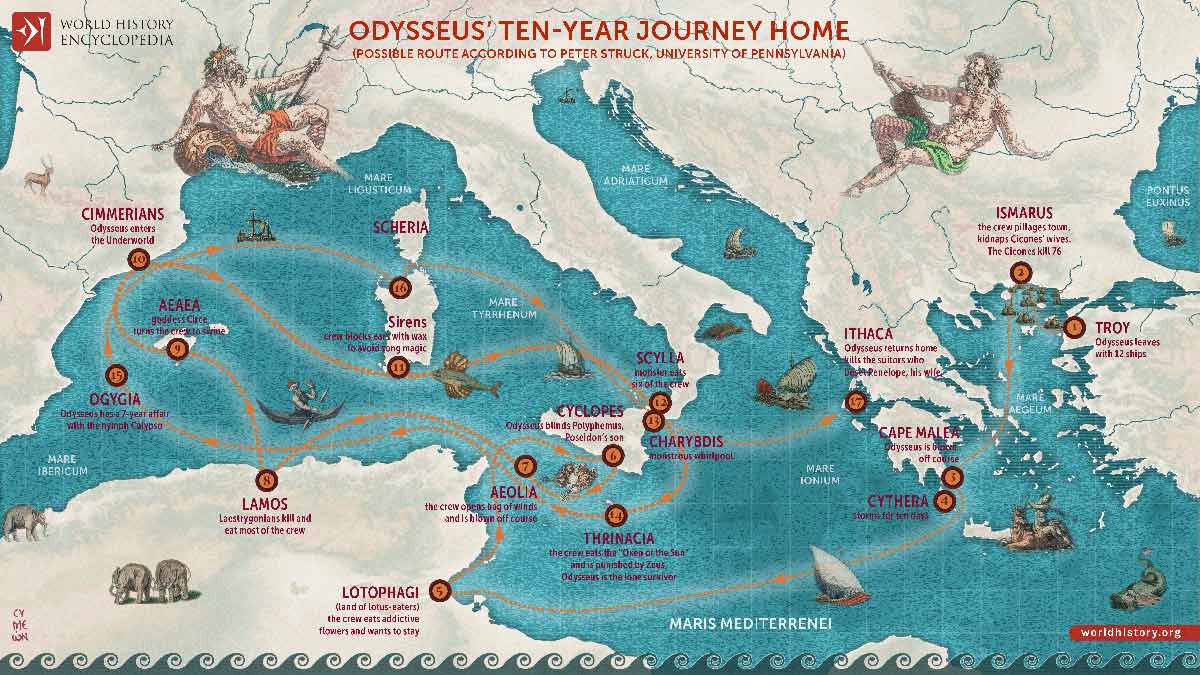
While Homer’s follow-up also condenses a ten-year span, it covers much more territory (practically the entire Mediterranean in fact) while at that same time trimming its main mortal characters down to three: the “long-suffering” Odysseus, king of Ithaka (aka Ithaca); Penelope, his legendarily loyal wife back home; and Telemachos, his grown son. That Homer curiously shuffles the overall narrative to and fro and inserts what today can be labeled story “flashbacks” retelling Odysseus’ iconic death-defying adventures (the Cyclops, the Sirens, the Lotus-eaters, et al.) arguably points to the epic poem as passing down through history as the tapestry-like creation woven from several narrators, not just one.
Speaking of sewing, this indeed is Penelope’s distaff diversion, as well as sleight-of-hand, in her daily battles against a jackal pack of “haughty suitors” who have rudely taken up residence at the palace. With her husband long gone and feared dead, these brazen interlopers continually badger the queen for her hand in marriage, meaning that one of them will be the new king, of course. The wily Penelope pledges that she will make her choice once she finishes a shroud she is weaving for her father-in-law. What’s a chaste, faithful, “trad” wife to do? By day she labors at weaving the garment, but each night she undoes the work so that she’ll never finish.
Completing Homer’s character triumvirate is Telemachos, whom Odysseus was reluctantly forced to leave as an infant to go off to battle. While his father is no doubt the hero of the Odyssey (after all, it’s named after him), Homer’s first four books tell of the son’s own voyages to seek proof that his father is still alive and where he might be. He sets off on that quest at the urgings of the shape-shifting goddess Pallas Athene (aka Minerva), who is Odysseus’ divine benefactor and booster throughout this tale. She takes his side in opposition to Poseidon, roiling and riled-up god of the sea, who has it in for Odysseus ever since he blinded Poseidon’s monstrous man-eating son, the Cyclops Polyphemus, on the island believed by some to be Sicily.
In a textbook example of a story opening in medias res (“in the middle of things”), the Odyssey’s narrative commences not when Odysseus sails from Troy with his men up the coast to Ismarus, chronologically, but only alludes to that violent clash later on. Given that writer/director Nolan is almost ritually drawn to out-of-sequence plots, even disjointed ones (see Oppenheimer, Inception, Memento, et al.), this observer can pretty well prophesize that his Odyssey will retain and perhaps even complicate Homer’s fractured, fateful timeline over its three-hour length.
Star Treks and Screen Voyages
Odysseus’ superhuman quest is indeed a timeless one and the through-line of scores of legends and lore transcending East and West. Consider the word “nostalgia,” meaning a “longing for home,” an emotion that has surely prompted eons of wistful daydreams or retro physical journeys. Now there are those hardened sages who warn that “you can’t go home again,” but that certainly didn’t stop young Dorothy Gale in Hollywood’s wonderful 1939 The Wizard of Oz, who only had to chant “there’s no place like home” and click her heels to magically return to her family’s Kansas farm.
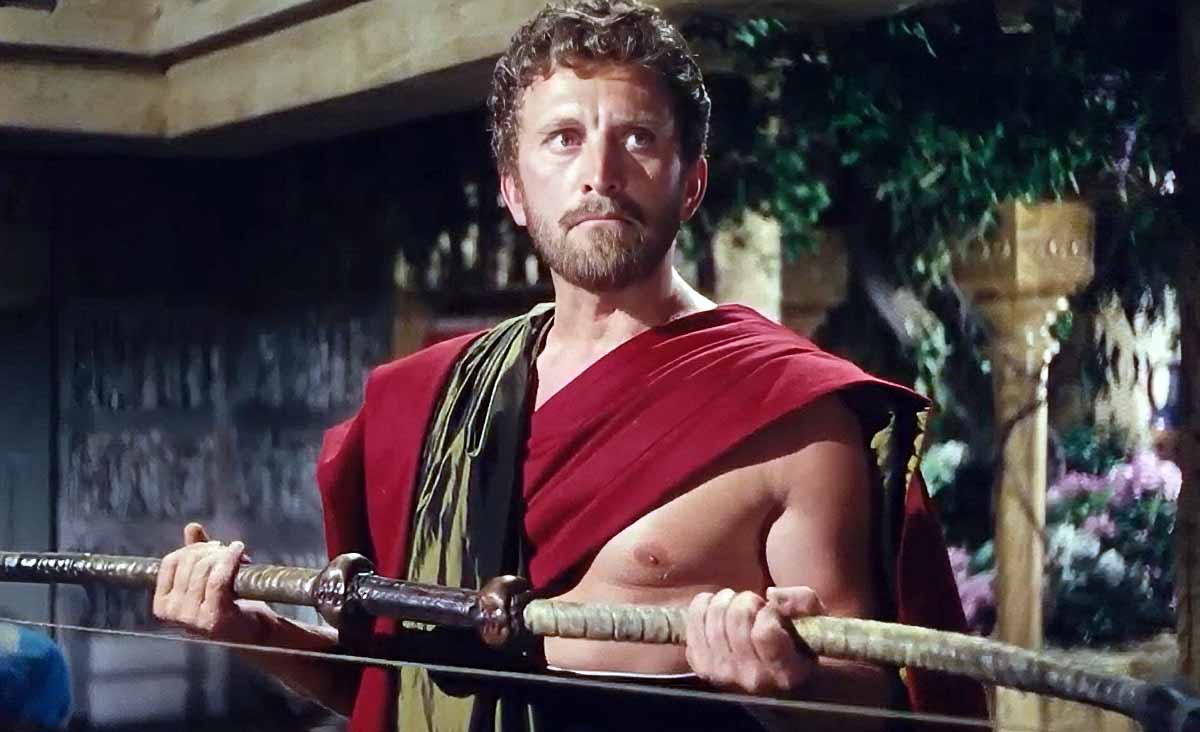
It’s unsurprising then that the Odyssey has inspired dozens of dramatic journeys, directly and indirectly, old and new, testifying to its deep, buoyant resonance. Nolan has hardly been the first to tackle it on the big screen. There are short, silent, European versions going back at least to 1911. These early “sword and sandal” costume pictures strode into the sound era, with one high point coming with matinee idol Kirk Douglas’ brawny, bearded turn as Ulysses in a lush 1954 Technicolor version produced by Italian film titans Carlo Ponti and Dino De Laurentiis. On U.S and European TV as well, Homer has had long “legs,” charging into several episodic iterations, including a star-studded, visually ravishing 1997 miniseries that featured Armand Assante in the lead role and Greek diva Irene Papas as Odysseus’ mother.
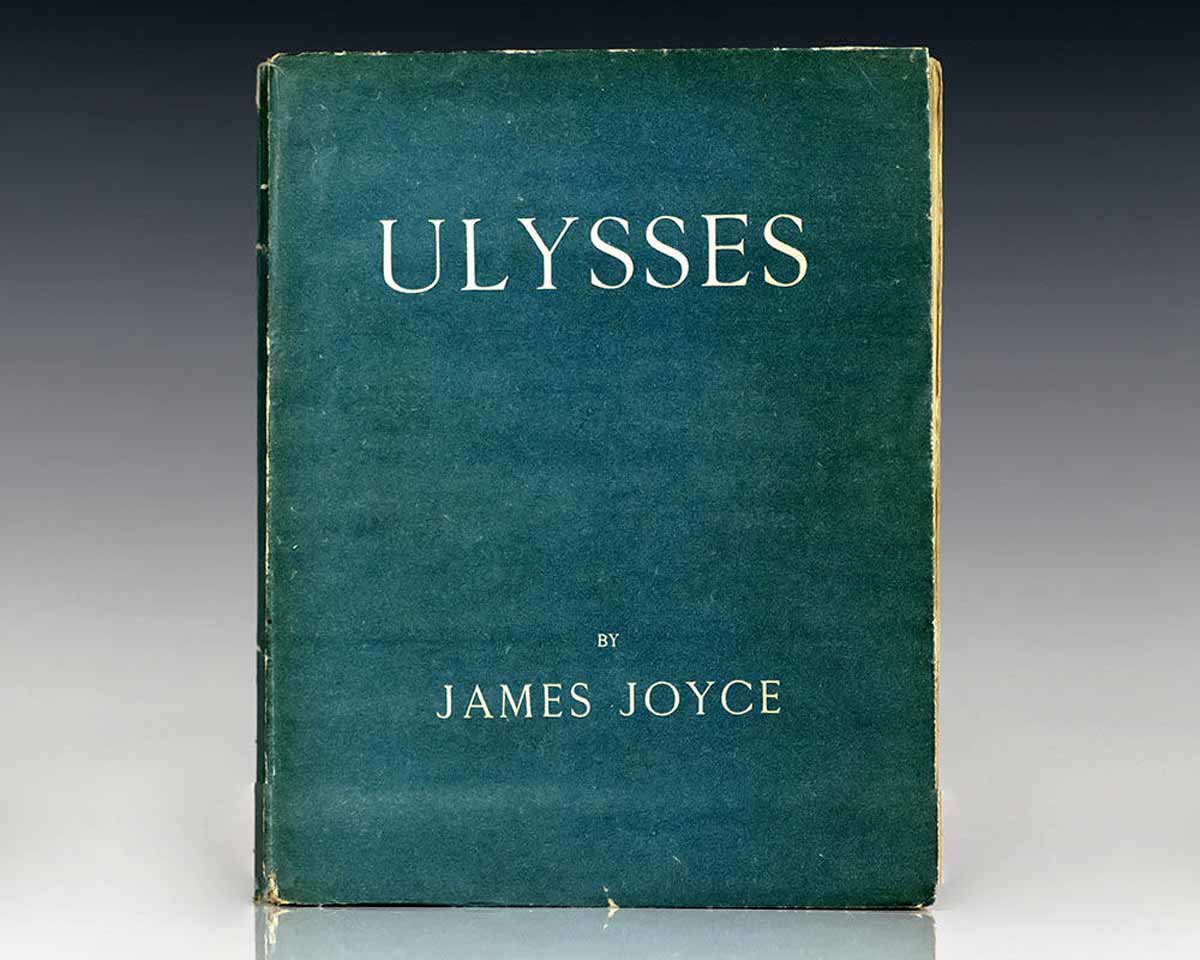
It’s lesser known that Odysseus’ wanderings have served as the source for fictional riffs far and wide, often ironically. In 1922, trailblazing Irish “stream of consciousness” author James Joyce published the scandalous Ulysses, shrinking the adventures down to 24 hours in the everyday, anti-heroic lives of a Dublin man, his wife, and a young stranger. In a contemporary comedic vein, the filmmaking brothers Coen (Joel and Ethan) cleverly mined Homer for 2000’s O Brother, Where Art Thou?, in which escaped convict George Clooney must survive sultry sirens, a big bad bandit, and even the Ku Klux Klan in his paternal quest to return home and keep his ex-wife from marrying her “bona fide” Southern suitor. More serious, yet seriously flawed, is director Anthony Minghella’s frigid 2003 Cold Mountain, in which a Civil War deserter (Jude Law) turns Odysseus’ trek home into a marathon with all the speed of molasses flowing uphill.
Devoted cinephiles will also know that in French New Wave auteur Jean-Luc Godard’s brilliantly modernist Contempt (1963), he cast the eminent German director Fritz Lang as “Fritz Lang,” arduously filming his version of the Odyssey at Rome’s storied Cinecittà studios. Even deeper down the meta movie rabbit hole, Lang’s feckless screenwriter (Michel Piccoli) begins to suspect his bewitching blonde wife (Brigitte Bardot) is no Penelope when it comes to keeping her marriage vows.
IMAX, Not iMac
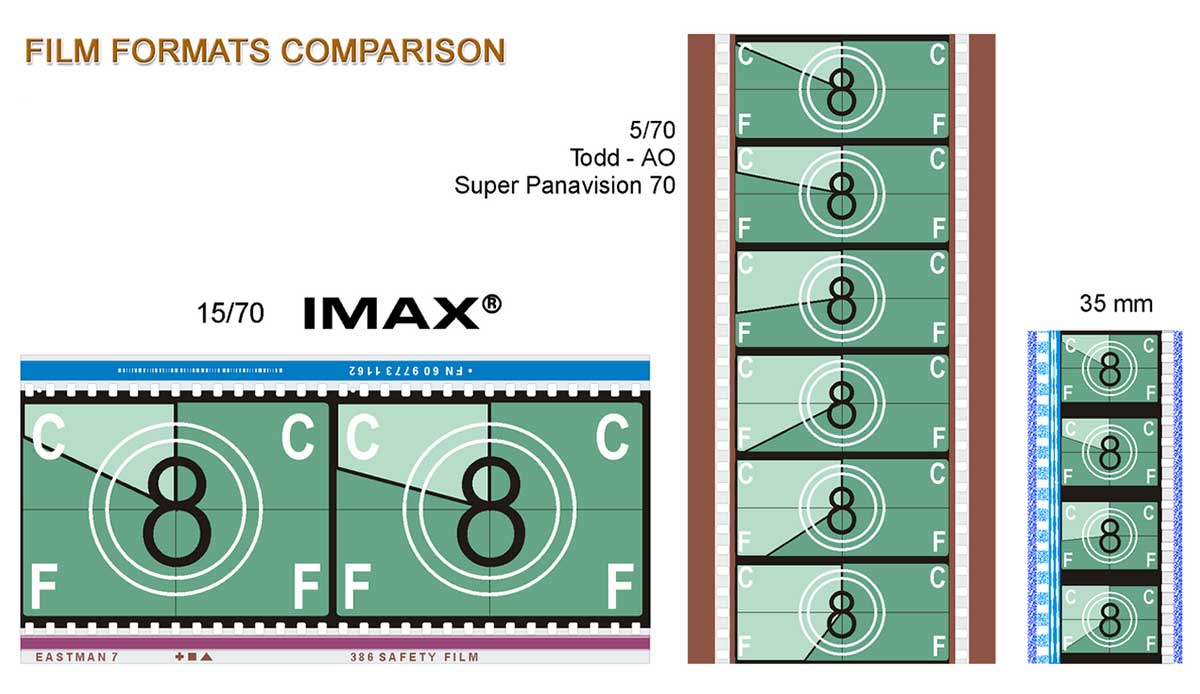
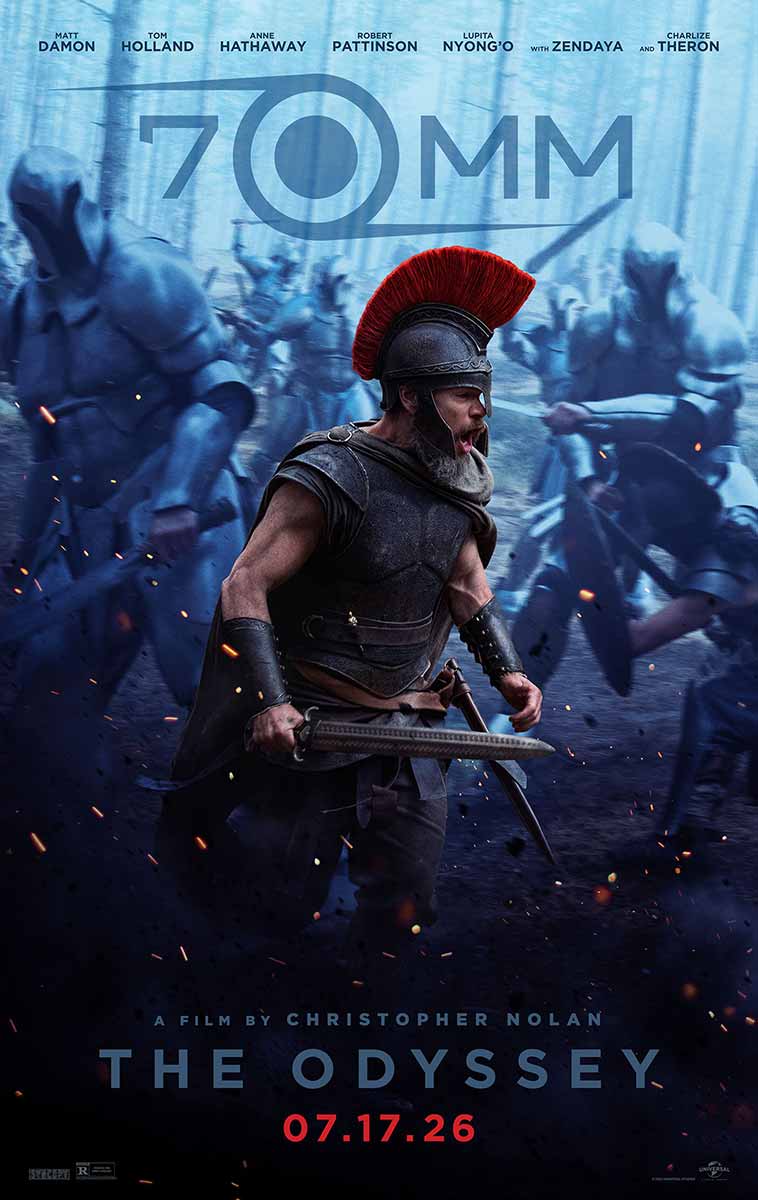
Nolan is no stranger to cinematic risk, and has long been undaunted by the Hollywood box-office seers who’ve predicted his doom, most recently with Oppenheimer, which not only won seven Oscars (including best picture and director) but took home a billion dollars in global ticket sales. More than a few mordant observers thought he ginned up his Cold War atomic-bomb biopic with gratuitously incendiary sex scenes formulated only to feed the hydra-headed commercial hoi-polloi. Since Homer’s Odysseus (Matt Damon) has few conjugal moments with his stalwart wife Penelope (Anne Hathaway) on Ithaca, perhaps Nolan will spice up his picture with a torrid romance between his shipwrecked, pre-GPS sojourner and the lonely nymph Kalypso (Charlize Theron), who for seven years keeps him as her playmate on her fantasy island of Ogygia?
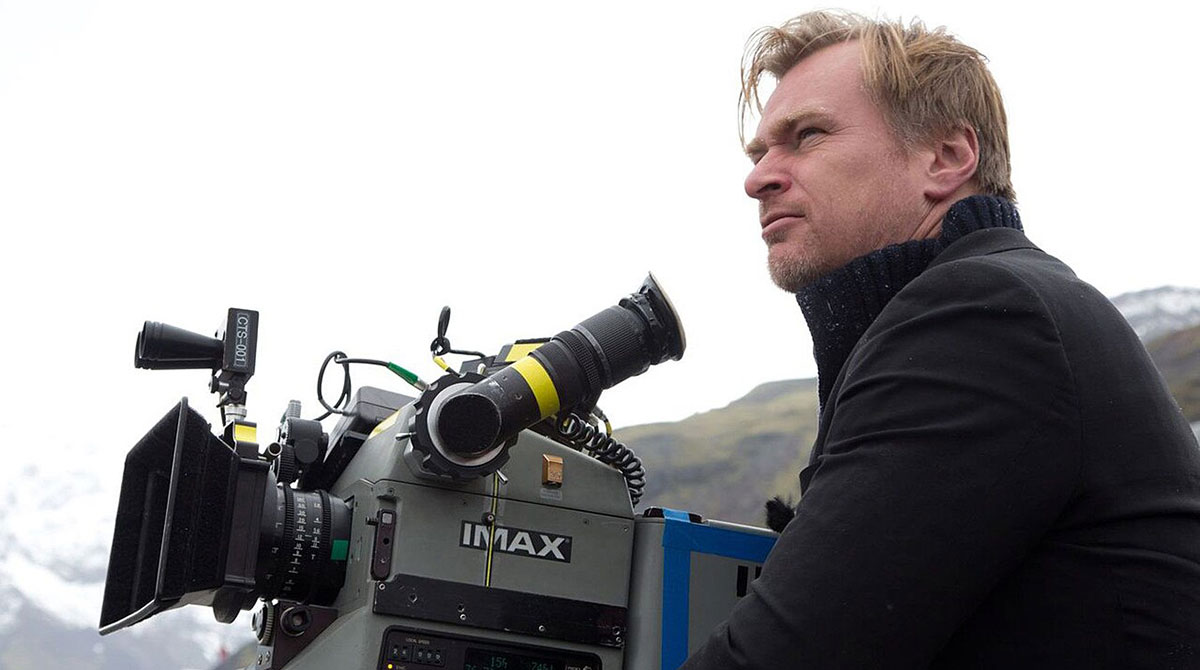
Nolan’s Olympian task will be to keep 21st-century, spectacle-seeking, text-challenged audiences captivated by a costume action drama short on spaceships, lightsabers, evil aliens, and fantastic planets. His solution no doubt will be to use the gargantuan IMAX screen like a vast immersive canvas fit for the gods as well as mortals, and where he’ll want viewers to marvel at only a fraction of the Promethean two million feet of 70mm film he shot in all, culled from locations in six countries including Greece, Italy and Morocco.
Say what you will about Nolan’s commercialized leanings that bare his artistic Achilles’ heel, but there is no question that his fidelity to the tools of old-fashioned analog filmmaking in the manner of British director David Lean (or Hollywood’s Cecil B. De Mille) puts him closer in artistic temperament to 20th century big-screen classicism than to today’s “edgy” postmodern simulated storytelling that is often as hollow and empty as, well, that legendary Trojan horse.
Honey, I’m Home!
By Zeus, Homer’s old-school Odyssey in no way lacks the big, cataclysmic, Armageddon-like climax that younger audiences have come to expect, even demand, from their blockbuster superhero fantasy flicks. Indeed, as written, Homer’s gory coup-de-grace finale that takes place with Odysseus’ ultimate return to Ithaka might test the macho directing mettle of the joined forces of Sam Peckinpah, Sergio Leone, Martin Scorsese, and Quentin Tarantino. Can audiences expect, gulp, the split-second zinger when the bloodthirsty Odysseus sends an arrow through the neck of his haughtiest rival, Antinous (Robert Pattinson), while he’s blithely downing a goblet of wine?
For all its blood, guts, and maritime thrills and spills, the Odyssey is and should be a paean to marital love and devotion, sentiments here outlasting the ravages of time, separation, war, and death itself. Whether such old-fashioned themes will score a bull’s eye with jaded audiences in an age trampled by divorce, high infidelity, and dysfunctional families is a question, for now, only the movie gods can answer.
Despite its epic length and the leagues of fleeting, faceless characters that cross paths with Odysseus and his son, ingrained in Homer’s archetypal opus is a fistful of vivid passages that have long hit home with readers from Athens to Atlanta. For this one and countless others, it’s the poignantly passing moment when the hero reaches Ithaka, 20 years on, to find his decrepit dog Argos waiting. While no one recognizes his aged and disguised master, old Fido does. And, with that, his own lifelong quest comes full circle too.