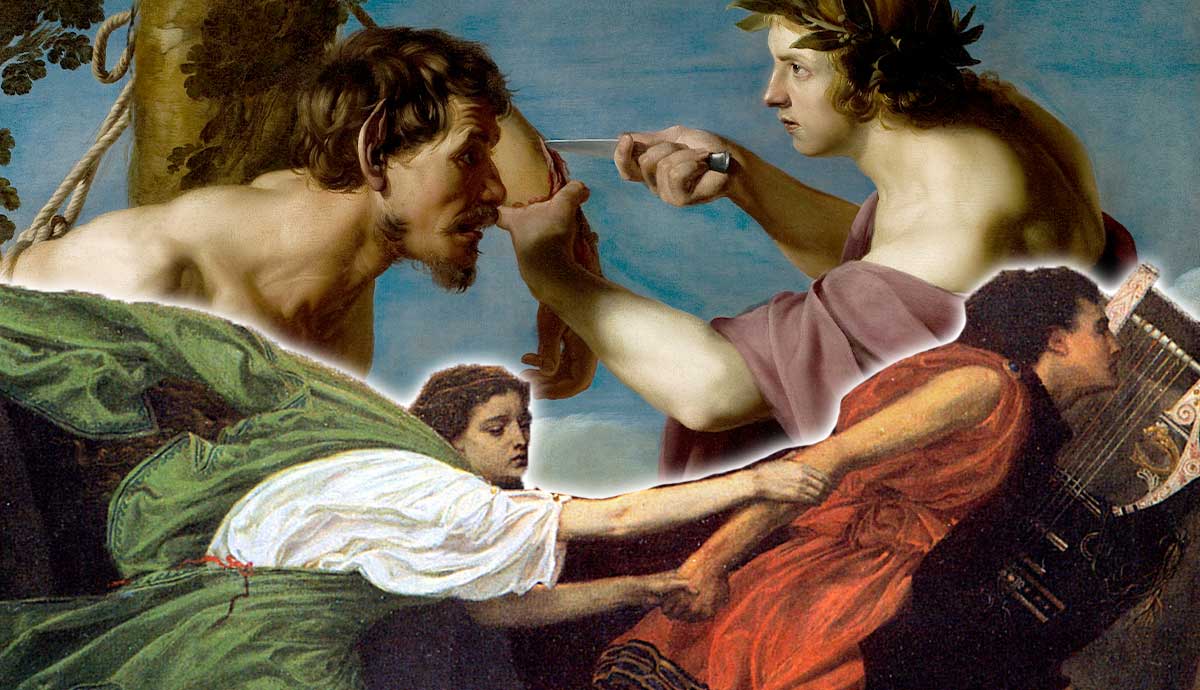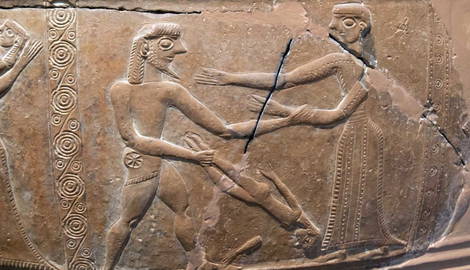

The most significant parts of the Epic Cycle of the Trojan War are undoubtedly the two Homeric poems we have in their entirety: the Iliad and the Odyssey. However, before Odysseus set sail on his long journey home, he had to win the war for the Greeks, a feat he accomplished by devising a plan for building the famed Trojan horse. The details of this fateful event occur in the Little Iliad, a poem that unfortunately exists only in fragments.
The Little Details Before the Little Iliad
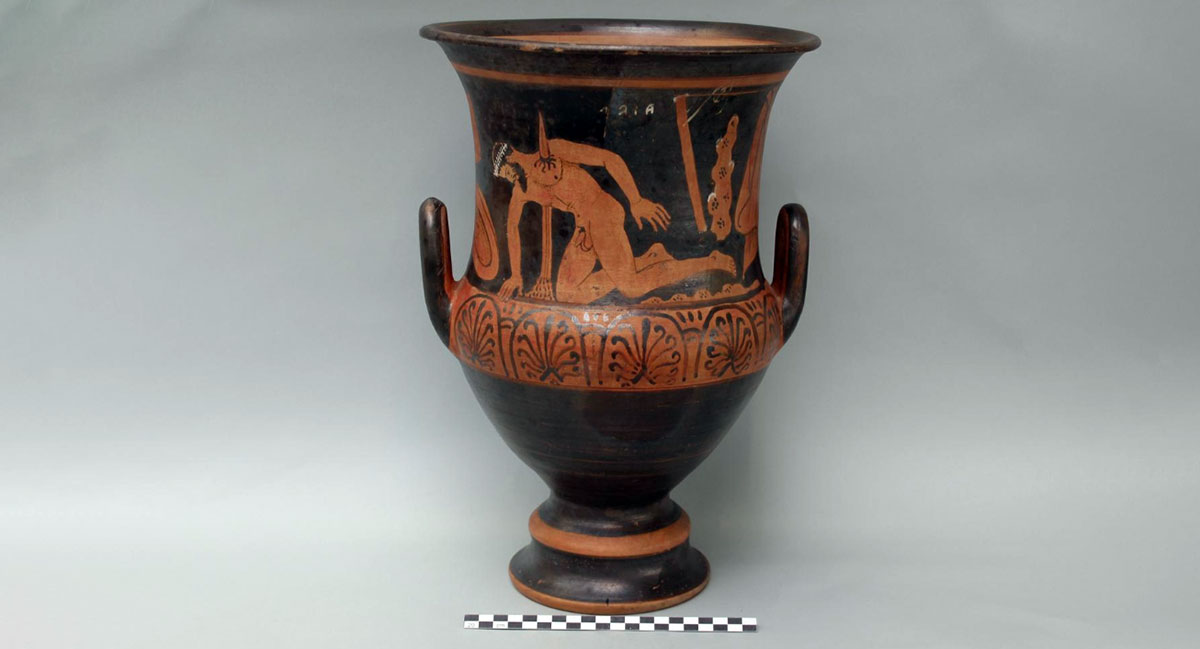
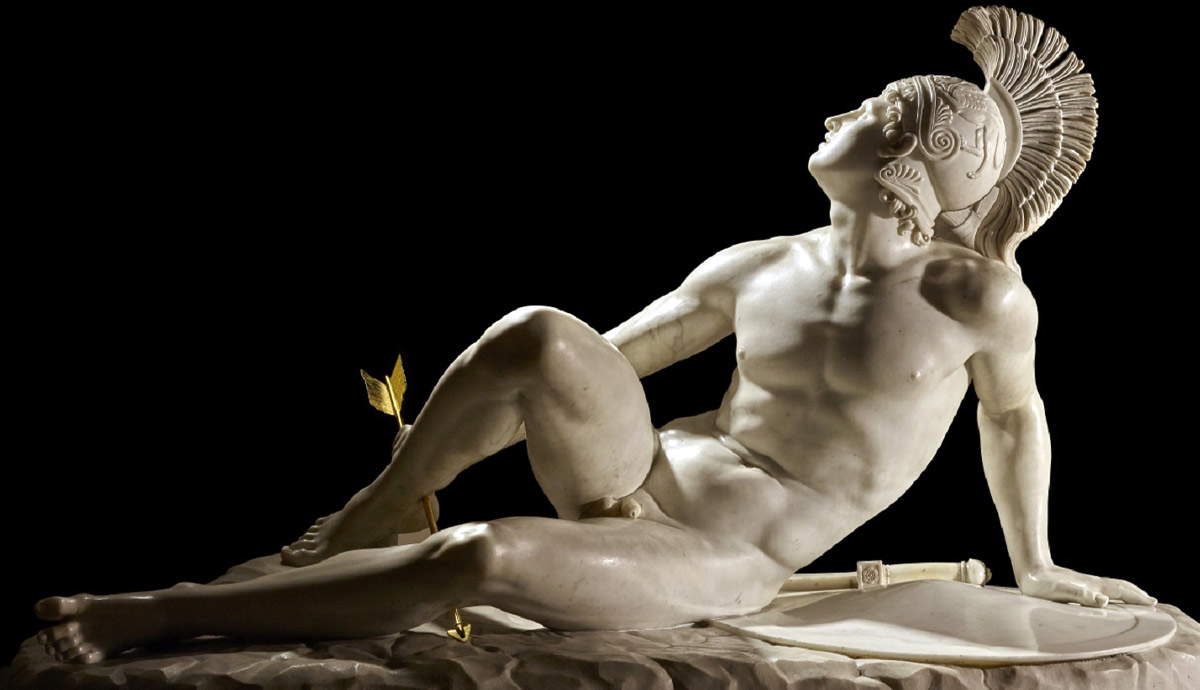
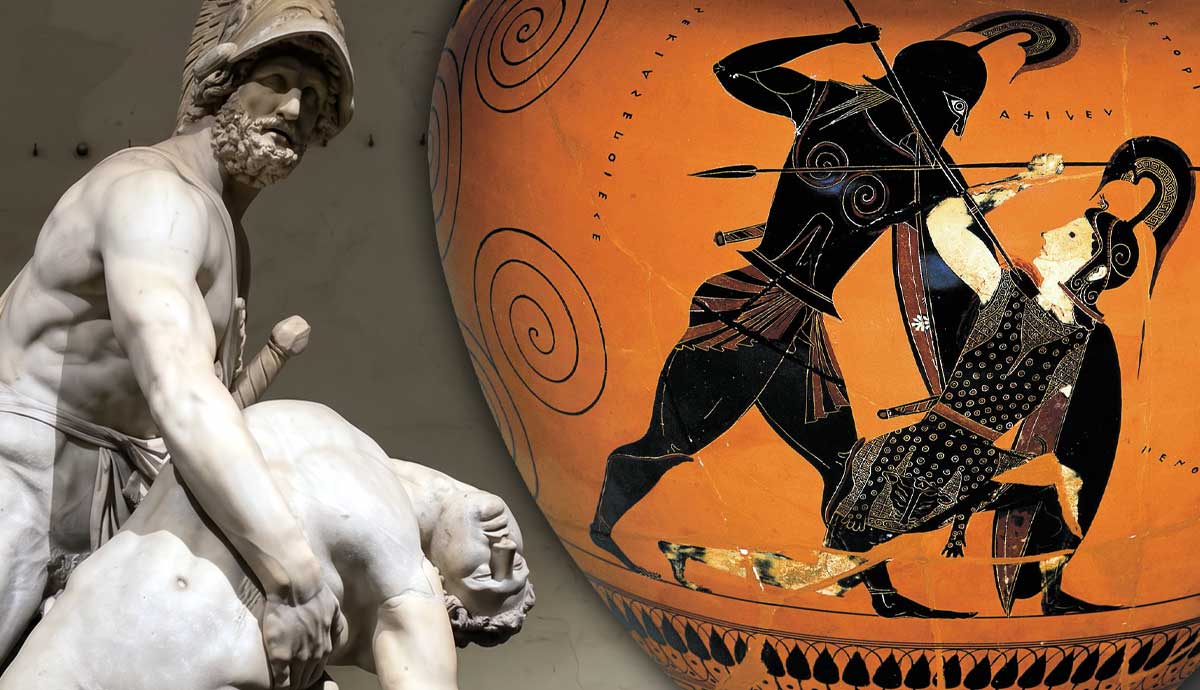
The second episode of the Trojan Cycle, the Iliad, ends with the funeral games of Hector, the great Trojan prince killed by Achilles. Homer’s poem is then followed by the fragmented Aethiopis, written by the poet Arctinus, which recounts the arrival of the Amazons, the combat between the Ethiopian hero Memnon and Achilles, and finally, the death and funeral of Achilles. The contest between Odysseus and Ajax over Achilles’ armor also seems to take place here, though the aftermath may have appeared in the Little Iliad. Ajax has killed himself following his humiliation by Odysseus, who proved he was the superior hero and successor to Achilles as “best of the Achaeans.”
At this point in the mythical history, the city of Troy still stands. It has been weakened by the onslaught of the Greek attack, but many of the strongest heroes, including Achilles, Hector, Memnon, and Ajax, are all dead. How the city will be taken becomes the question, as physical force will not succeed. Instead, subterfuge and cunning will be needed: enter Odysseus.
Odysseus: The Man of Many Turns
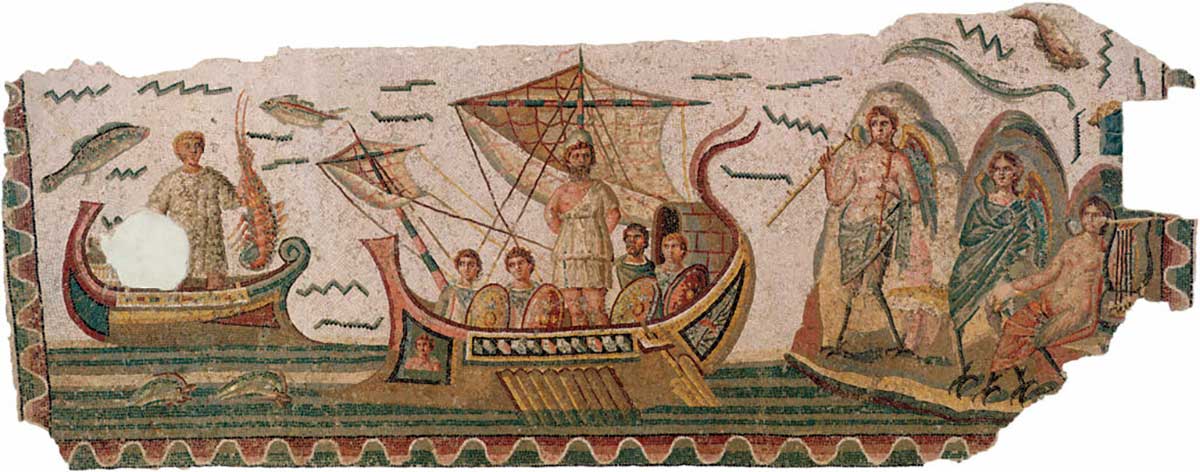
Odysseus was long known as the wisest and most clever of the heroes at Troy. He was the grandson of the renowned thief Autolycus, himself the son of the god Hermes. One legend claimed Odysseus’ true father was not Laertes, but the wily Sisyphus, famed for capturing Death itself and even manipulating Persephone into allowing him to return to the land of the living.
The etymology of Odysseus’ name is debated. Ancient authors related it to the words odussomai, “to be angry or hate” or “to cause pain,” and odyssamenos, “angered,” “hated,” or “hostile towards.” It can also mean causing pain, of which Odysseus received much during his voyage home. When confronted by the Cyclops, Polyphemus, he claimed his name as Outis, or “No Man,” though this was known as being a pun rather than etymologically related. However, many modern scholars consider the name to be pre-Greek in origin, and thus any similarity is coincidental.
One of Odysseus’ many epithets was polytropos, “man of many turns,” in reference to his various skills. Physically, he was certainly competent with the spear and sword. He was also an expert in wrestling and archery. Additionally, he was intelligent, articulate, adept at poetry and debate, a master of disguise, and also a great manipulator, showing his well-roundedness. In his famous odyssey, the hero overcame numerous obstacles from the gods, various monsters and fantastical creatures, and even Fate itself. This was not just through strength, but wisdom, fortitude, and sheer will. Thus, Odysseus was the perfect candidate for devising the plot to take down Troy from within.
Ilias Mikra (Little Iliad)
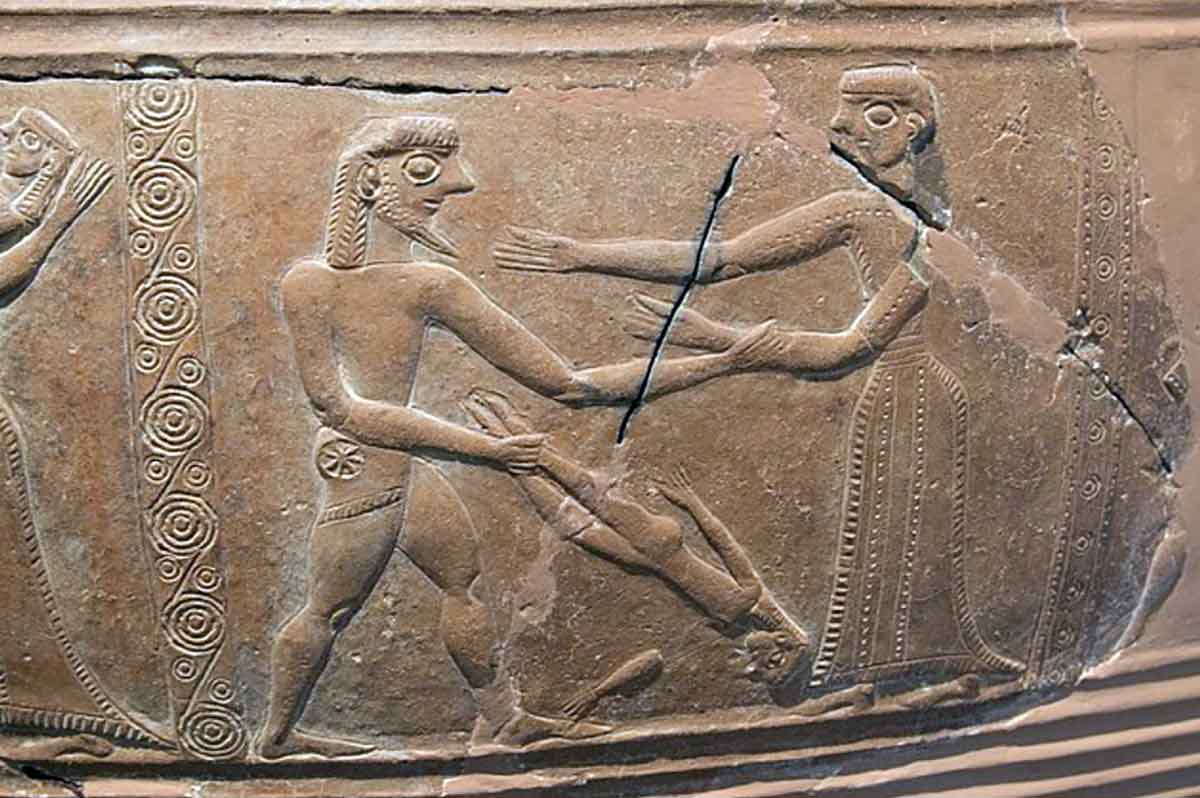
As one can determine from the title, the so-called “Little Iliad” was much smaller in length and significance than its Homeric namesake. Only four books long, it used the same dactylic hexameter used by Homer and was variously attributed to the poets Lesches of Lesbos in the 7th century BC (a century after Homer) or Cinaethon of Sparta in the 8th century BC (contemporary with Homer). Regardless, it only exists in fragments, with twenty and thirty lines surviving, making it better preserved than some other stories in the Epic Cycle. For comparison, only five lines survive of the preceding Aethiopis and ten lines of the succeeding Iliou Persis (Sack of Troy).
As the Little Iliad begins, Achilles is now dead, and the aforementioned contest between Odysseus and Ajax has determined that Odysseus will take center stage in this poem. However, the wily hero cannot rest, considering the war is not over, nor will it be easily won. Instead, a series of trials must be overcome before Greece is destined for victory. Odysseus plays a key role in each.
Philoctetes and Paris
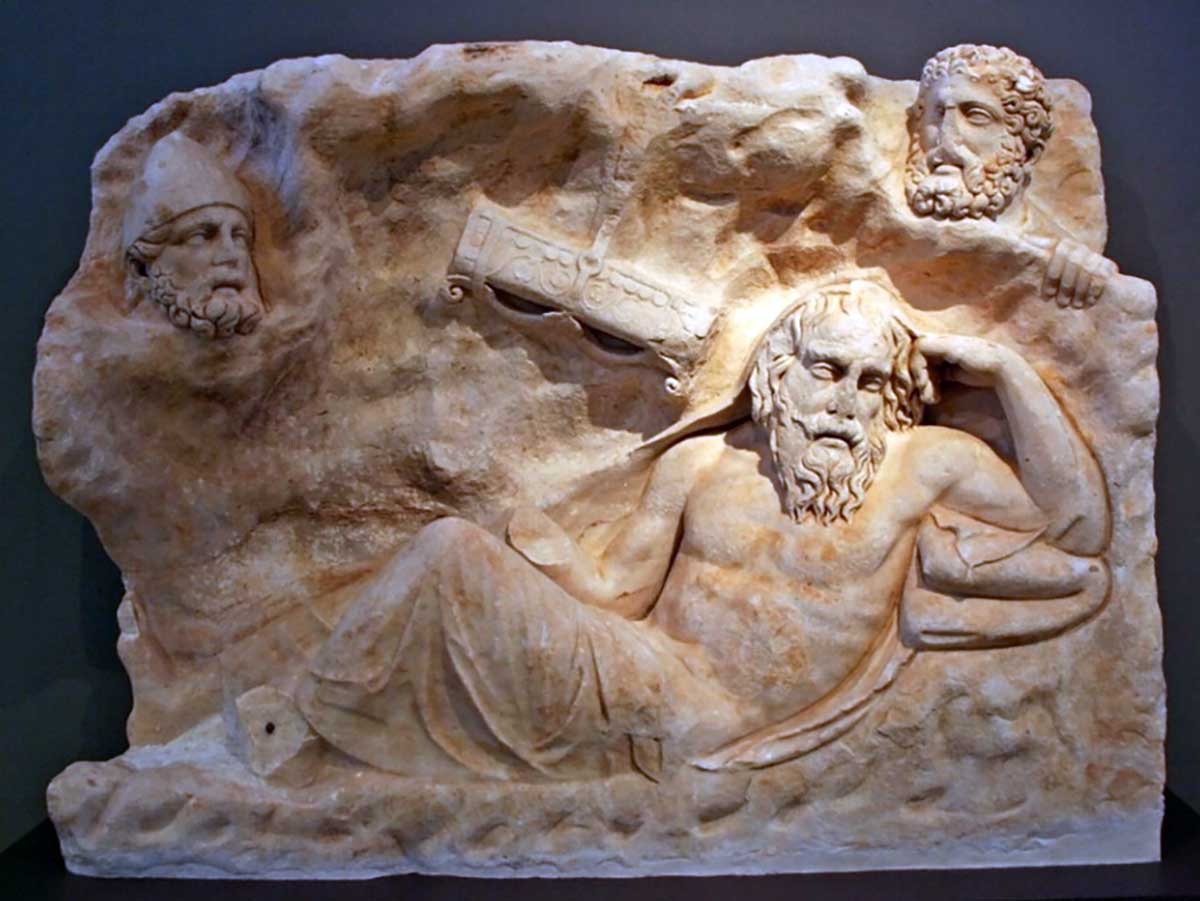
The Greek army is told by the prophet Calchas that they must recruit Philoctetes, previously abandoned on the island of Lemnos after being bitten by a snake. Philoctetes was a former associate of the great hero, Herakles, and the demigod had given his young comrade his famed bow and arrows dipped in the Hydra’s blood before his death.
Diomedes and Odysseus were chosen to return to Lemnos and recruit Philoctetes. Odysseus was reluctant, as he had been the one to convince the Greeks to leave Philoctetes behind. Upon arrival, Odysseus suggested they simply steal the weapons of Herakles and leave the wounded man. However, Diomedes reminded him that the prophecy said they needed the hero himself. This proved advantageous, as it was Philoctetes who killed Paris, the Trojan prince responsible for Achilles’ death. Following Paris’ death, Menelaus, the husband of Helen, dishonored the body before the Trojans were able to recover it.
The Bones of Pelops
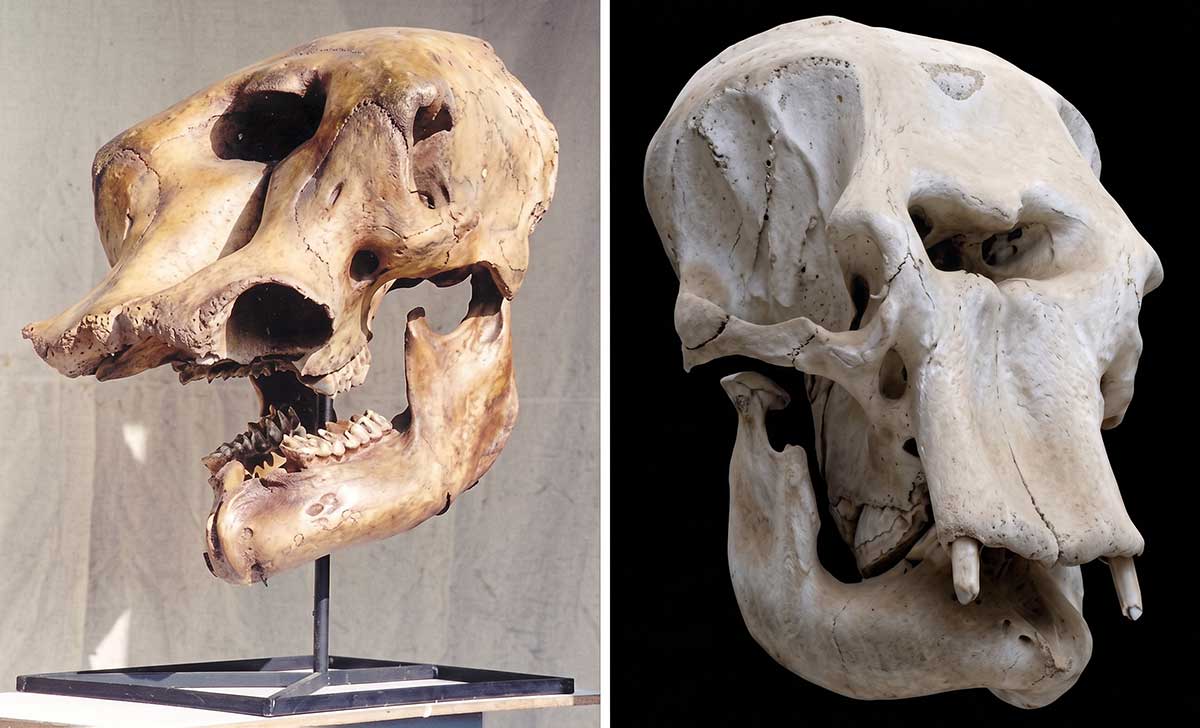
The next trial was the retrieval of the bones of Pelops, legendary king and namesake of the Peloponnese. He was also the grandfather of Agamemnon and Menelaus, the commanders of the Greek army. Interestingly, the bones of this hero were considered to be gigantic (typical of the ancient belief of pre-Trojan heroes) and were later displayed at Olympia as holy relics.
Any bones that might have been recovered were probably those of a mammoth or some other prehistoric animal that Greeks mistook for giants. Much debate has taken place regarding whether these bones inspired the legend of the cyclops. However, any evidence is circumstantial and assumed rather than based on ancient literary sources.
Recruiting Neopolemus
Next, the Greeks had to recruit Neoptolemus, the son of Achilles. Odysseus sailed to the island of Scyros to find the boy, giving him his father’s armor, which Odysseus had originally won against Ajax. The poem also seems to claim that the shade of Achilles spoke to his son.
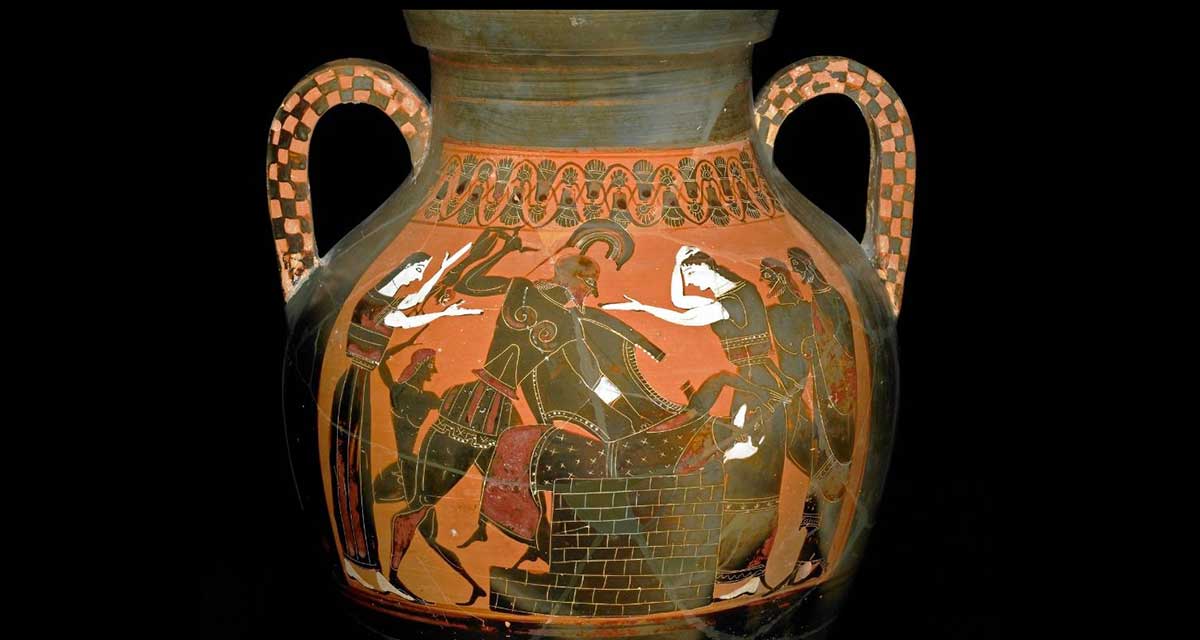
Neoptolemus, also called Pyrrhus, has his own moment of glory at Troy, defeating many Trojan warriors and making his father proud. Ultimately, it was he who killed the king, Priam. In one account, he threw Astyanax, the infant son of Hector, from the city walls and took Andromache, Hector’s wife, as his concubine. In a much darker version of the story, Neoptolemus actually beat Priam to death on an altar of Zeus with the body of his own grandson, Astyanax. Sources debate whether this event occurred in this poem or in the subsequent one, the Iliou Persis. Either way, Neoptolemus proved to be as rage-driven and powerful as his father.
Stealing the Palladium
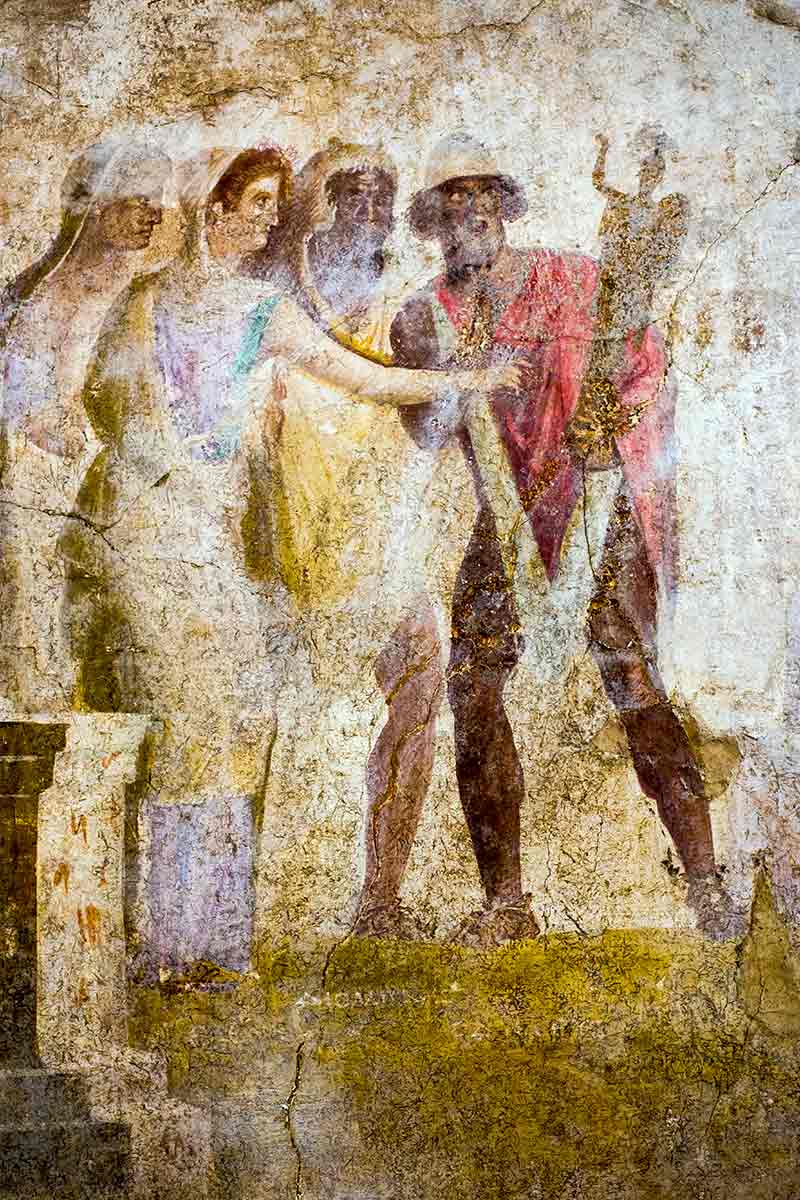
The last trial usually recounted is the requirement that Odysseus and Diomedes steal the Palladium, a cult statue created by the goddess Athena and given to one of the founders of Troy, Ilus. The Trojan prince, Helenus (not to be confused with Helen), revealed to Odysseus the legend that Troy would only fall if the statue was taken outside the city walls. Helenus betrayed his own city in revenge for his defeat at the hands of his brother, Deiphobus, to woo Helen after the death of Paris.
Armed with this knowledge, Odysseus dressed as a beggar and snuck into Troy to find the statue. Helen (not Helenus) recognized him, but instead of revealing his identity, told him that the Palladium lay within the temple. Odysseus then went to recruit Diomedes again, and together they found a secret passage into the city, stole the cult statue from the temple, and escaped.
Finally, with all trials complete, the palladium in hand, and the retrieval of the heroes Philoctetes and Neoptolemus, the fall of Troy was at hand. But how to take the city? As powerful as the sidekick of Herakles and son of Achilles were, it was already known that the city had to be taken by deception. Once more, Odysseus came to the rescue.
A Horse, Of Course
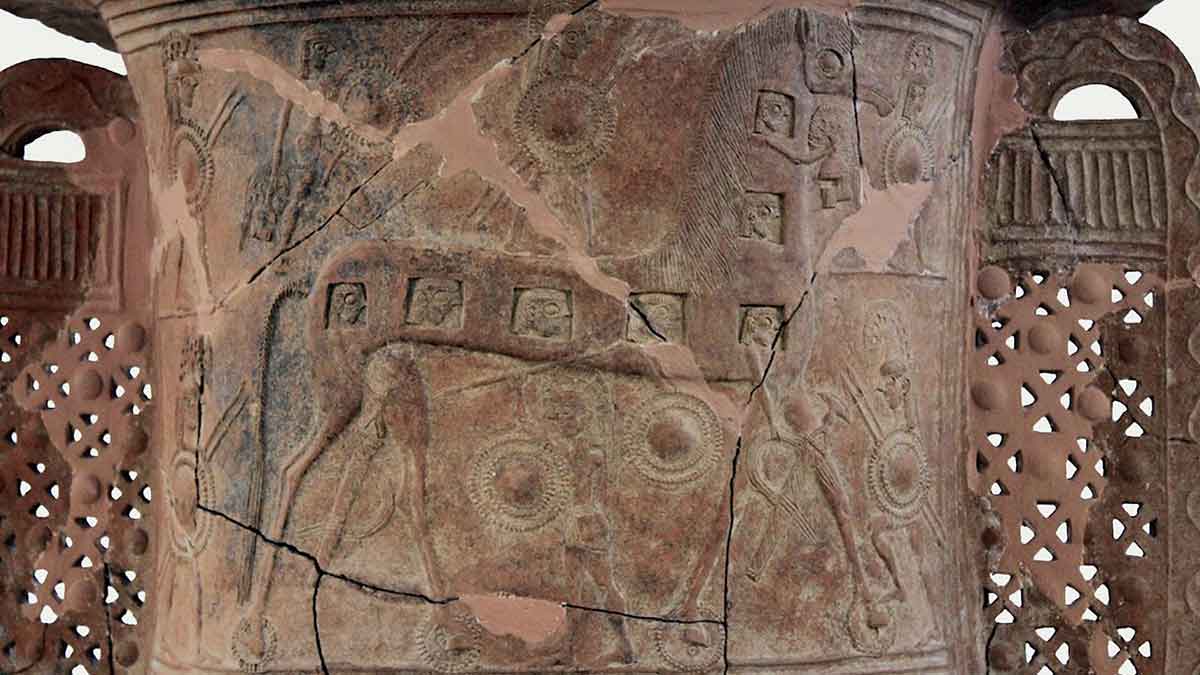
Homer frequently referred to the Trojans as tamers of horses (hippodamoi). It was even one of Homer’s epithets for Hector, being the last line of the Iliad in reference to the hero’s funeral. The wide plains around the city were conducive to horse riding. The rocky and mountainous regions of Greece were not as favorable, though the plains of Thessaly did emphasize horse riding.
It is poetic (pun intended) that the symbol of the horse was chosen, both by Odysseus and the poet, as the image that defeated Troy. The poem described that Athena, Odysseus’ patron goddess, inspired him to recruit the architect Epeius to design a hollow wooden horse as a false present for the Trojans. Epeius was known for his great strength, as he once fought a son of Theseus to a stalemate.
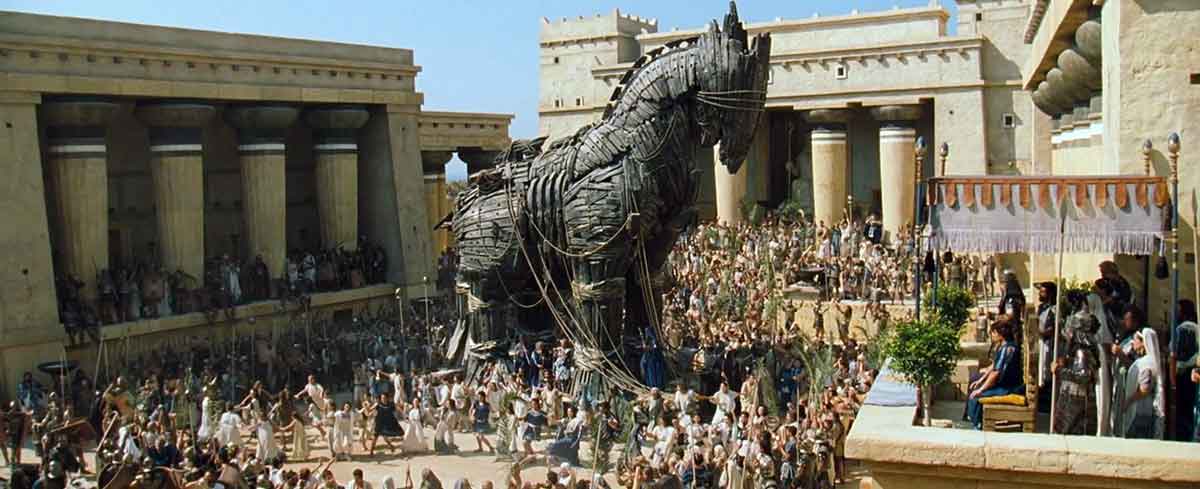
Despite the legendary fame of the Trojan horse, there is very little detail in its description. It was only described as wooden and so large that the Trojans had to destroy part of their city wall to bring it inside. We are also told that the Greeks put “their best men” within the horse. The exact number of warriors is debated, but most sources settle on 30 or 40 (some exaggerated it to 3,000!). Of course, Odysseus was the leader. He ordered the Greeks to burn their huts on the beach and sail the main army to the nearby island of Tenedos to convince the Trojans they had given up and returned home, and left the horse behind as a peace gift.
What occurs at this point is debated, but most sources consider the actual conquest of Troy to take place in the next poem of the cycle. Rather, the Little Iliad ends with the horse being brought into the city and the Trojans feasting and drinking in celebration of their “victory.”
An Alternate Aeneid
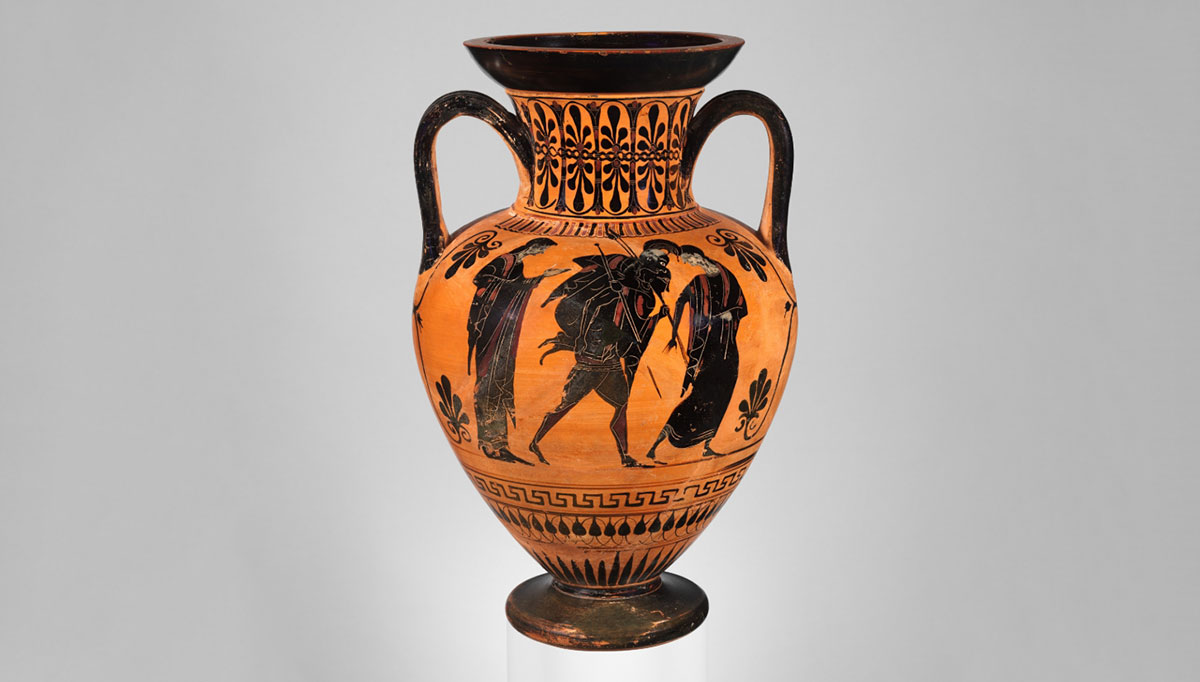
An interesting detail in the poem is that when Neoptolemus enjoyed his moment of glory on the battlefield, after killing Priam and Astyanax, he captured the hero Aeneas and brought him back to Greece as a slave:
“And he put Aeneas, the famous son of horse-taming Anchises, on board his sea-faring ships, a prize surpassing those of all the Danaans.”
This contradicts Virgil’s later poem, the Aeneid, where the hero sails to Italy to found a new kingdom. But the Roman author Virgil was writing centuries later in the 1st century BC. Instead, this older tradition indicated that Aeneas was simply one of the many spoils of war. Yet that story itself is contradicted by the original Homeric account, which claimed Aeneas survived to establish a new dynasty at Troy. Thus, there became three legends of Aeneas, the Little Iliad’s being by far the worst for the hero of destiny.
Too Much Plot
Interestingly, the Little Iliad was criticized by Greeks for having “too much plot.” Aristotle thought it was too fast-paced and did not work as an epic. There was no single, unified action to the story as with the Iliad, which revolved around conflicts Achilles had with Agamemnon, Hector, and Priam. It was detailed and action-packed, but the focus remained on Achilles and the context of the war itself.
The Little Iliad, however, went from the contest of Odysseus and Ajax to the trials of the Greeks, the background of Philoctetes and Neoptolemus, and finally to the Trojan horse and fall of Troy. While Odysseus was a common thread throughout the story, it apparently drifted too much for Greek tastes. Despite this criticism, the Little Iliad will always retain the distinction of having the most famous scene of the entire Trojan War: the famed horse that established the old rule of “beware Greeks bearing gifts.”