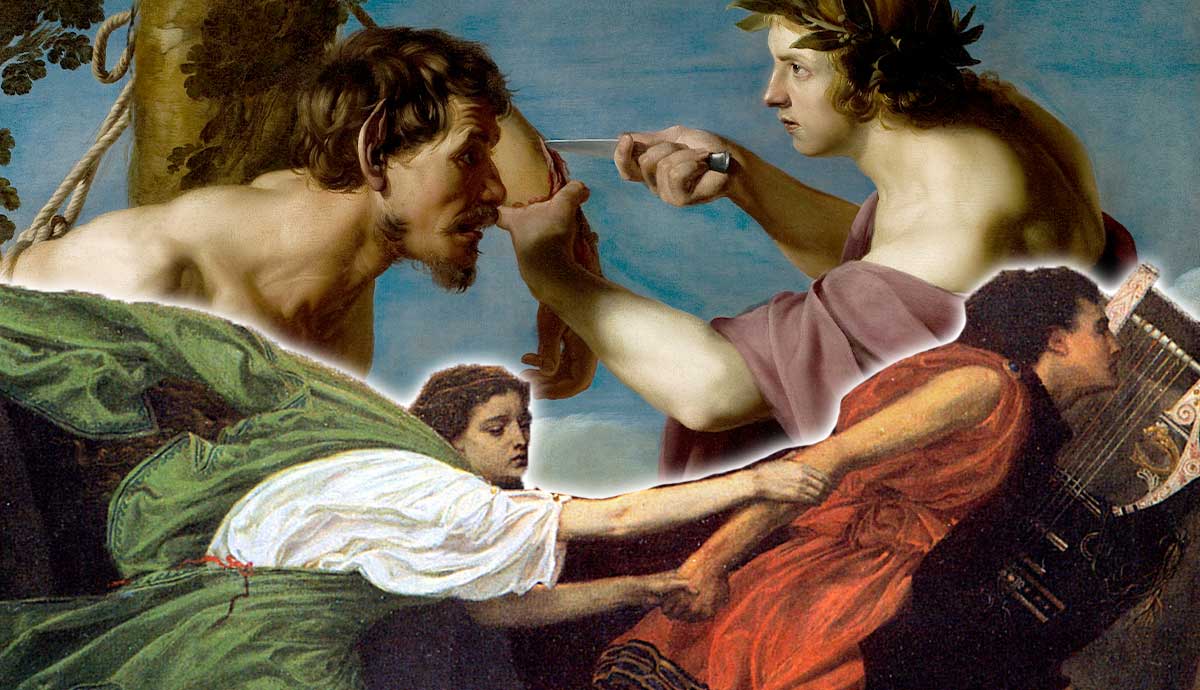

Cyrus the Great, the ruler of the Persian Achaemenid Empire, and arguably the most powerful man in the world in the 6th century BC, met his end on the battlefield. His head was severed from his corpse and was dunked in a container of blood. At least according to the legend communicated by Herodotus.
But how was this mighty king humbled?
The answer to that question lies with the Massagetae, a people known for their fierce warrior-queen, Tomyris, a formidable woman who reshaped the balance of power.
Tomyris and the Massagetae
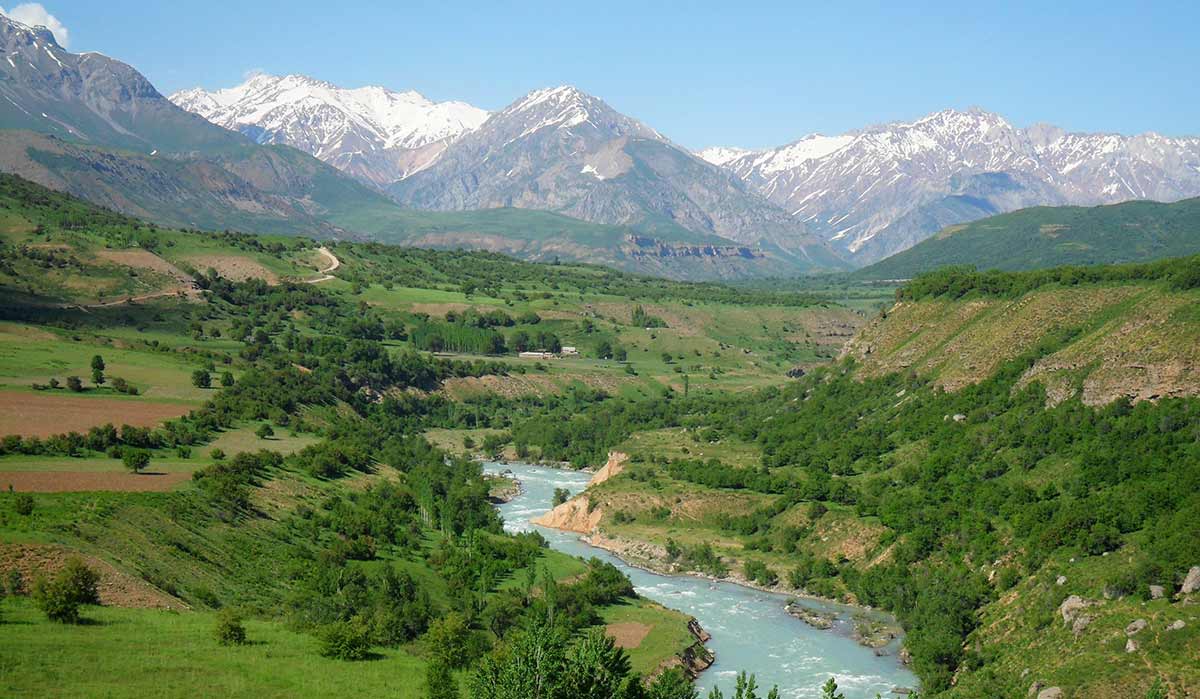
Part of the Saka people and the wider Scythian culture, the Massagetae were a nomadic nation that inhabited a region now encompassed by Kazakhstan, Uzbekistan, Afghanistan, and Turkmenistan. Known for their horsemanship, they were a fiercely independent people and a warrior culture.
The early life of Tomyris is unrecorded, with only her life as queen of the Massagetae known. She was the widow of the king of the Massagetae and inherited rule after he died. Varying folk traditions about her life before this event are common, as there is a large gap in the historical record. These stories, however, are considered conjectures born from imagination. Nevertheless, the main source for her story is Herodotus, and it cannot be assumed to be completely accurate in all respects.
Whatever the case, Tomyris became the queen of a significant political entity, and this was not unnoticed by Cyrus the Great, who ruled the Achaemenid Empire to the south.
Cyrus’ Attention
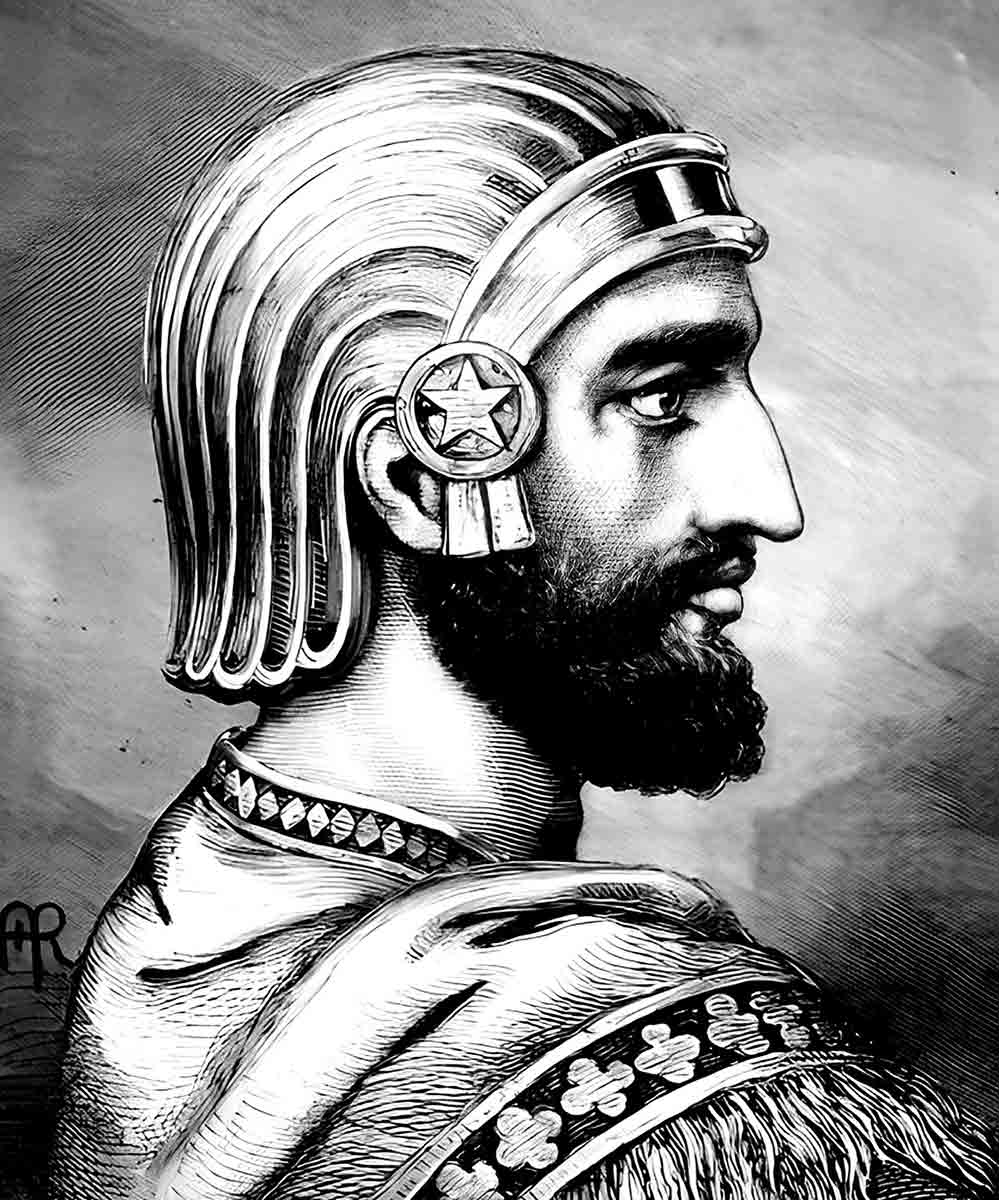
By the time Tomyris became queen, Cyrus was already an extremely powerful ruler with a history of conquest and expansion. At the helm of the Achaemenid Empire, the superpower of the time, he had conquered the Lydians and the Babylonians in the years preceding his war with the Massagetae.
When the king of the Massagetae died, and rulership passed to Tomyris, Cyrus sent a request, asking for her hand in marriage, hoping it would lead to the incorporation of the Massagetae lands into the Achaemenid Empire. Tomyris was shrewd and anything but naive. As Herodotus stated, Tomyris was “aware that it was her kingdom, and not herself, that he courted.”
The proposition was rejected, and Cyrus resorted to military action to subdue his new enemies.
The Massagetae kept watchful eyes upon their southern borders, and when the Persians reached the Araxes river (Herodotus confuses the Aras and the Jaxartes rivers) and started building bridges, Tomyris offered a diplomatic solution. She suggested the Massagetae forces could either pull back three days’ march and allow Cyrus’ army to enter Massagetae territory, or Cyrus could pull his armies from the Araxes river and allow the Massagetae army to cross into Persian territory, after which a fair, pitched battle could be fought. Cyrus brought this proposal before his council but was swayed by Croesus, the former king of Lydia, who thought it shameful to give ground to a woman.
War
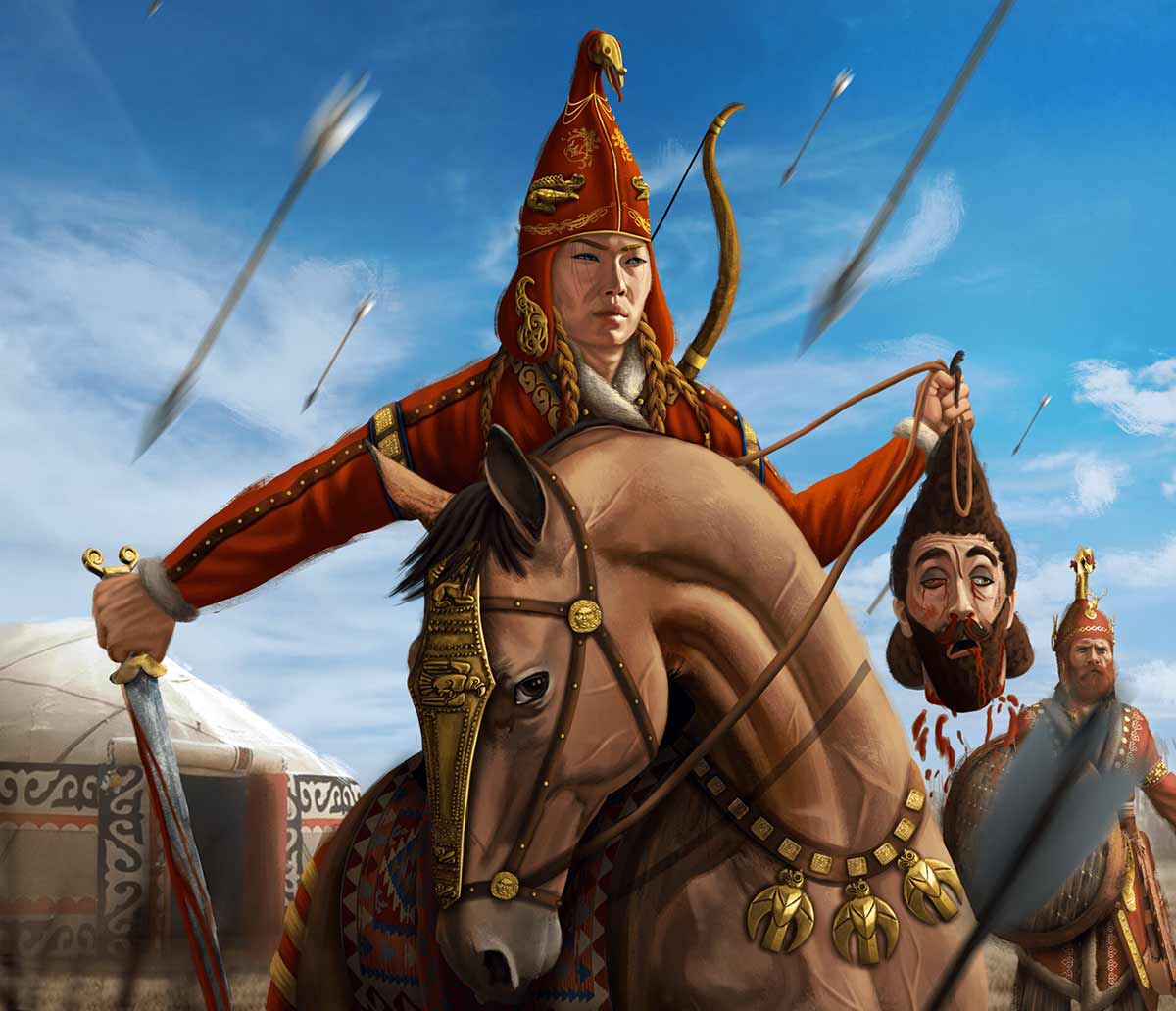
When the two nations went to war, the outcome seemed like a foregone conclusion. With the ability to field many tens of thousands of soldiers and support them on long campaigns, all the metrics were in the Persian favor, yet they did not rely on brute force alone. They lost an initial engagement and then used the Massagetae’s belief in their own strength to their advantage. Feigning a retreat, they left their camp attended by a token rearguard. Seeing the opportunity, the Massagetae army, commanded by Tomyris’ son, Spargapises, descended upon the position and found an excess of food and supplies, including plenty of wine.
Unacquainted with such an alcoholic drink, the Massagetae drank themselves into a stupor, dropping their guard. The Persians returned and found a brief and easy victory, taking Spargapises captive in the process. A useful bargaining chip, Tomyris’ son was so shamed by his capture that he intended suicide. He asked to be released from his bonds, and when he was able, he killed himself. Unsurprisingly, when Tomyris discovered the death of her son and the defeat of her army, she was enraged, blaming Cyrus for using trickery and poison instead of honorable combat on the open field.
Tomyris sent word to Cyrus, warning him that she would give him more blood than he could drink. In Herodotus’ account, she led the Massagetae army herself, and in the next battle, she won a resounding victory that left Cyrus dead, after which she searched the battlefield for his body. When she had retrieved it, she severed his head and dipped it in a skin filled with blood, exclaiming, “Though I live and conquer thee, thou hast undone me, overcoming my son by guile; but even as I threatened, so will I do, and give thee thy fill of blood.”
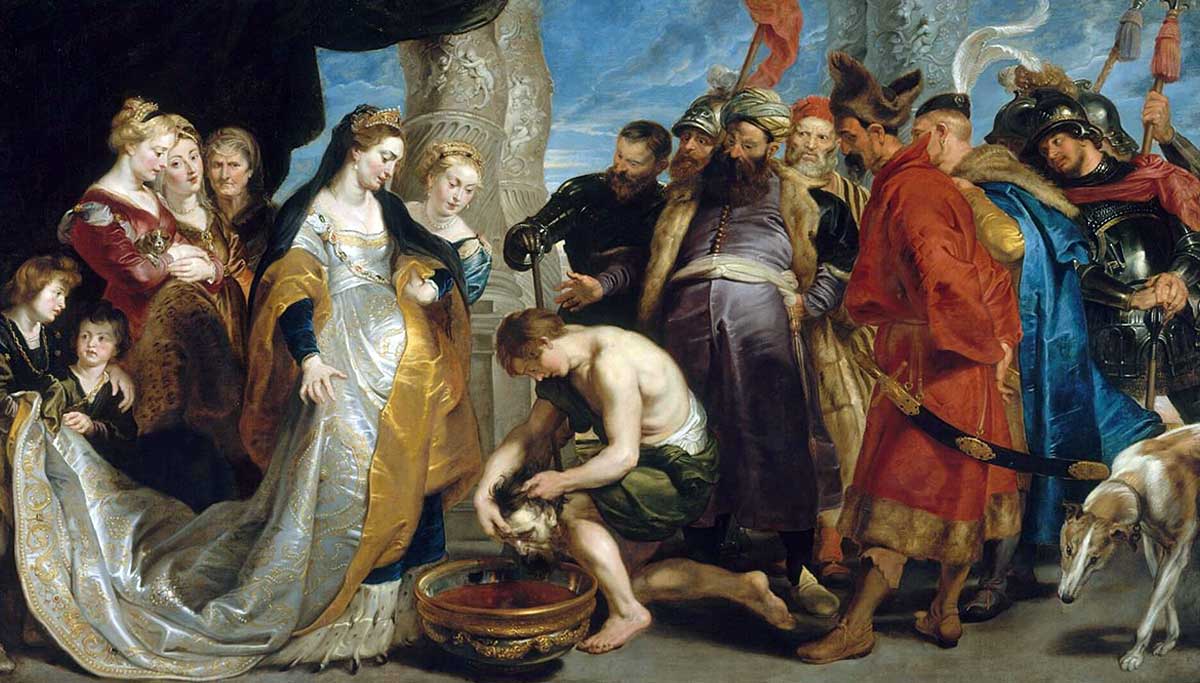
While this version of events was widely accepted and mirrored by other ancient authors, there is doubt. Ctesias, a 5th-century BC Greek physician in the Achaemenid Empire, stated that Cyrus died from wounds inflicted at a battle against the Derbices, a tribe that could have been identical to the Massagetae. In his version, the battle was won by the Persians. Cyrus lingered for three days before eventually succumbing to his wounds. Meanwhile, Xenophon (ca. 430 to 354 BC) claims Cyrus died peacefully after receiving a vision in his sleep of his impending death in bed; a death uninfluenced by scenes of violence.
And this is where the events of Tomyris’ life end in the historical records. The Massagetae were conquered in a campaign carried out from 520 to 518 BC by Darius I (who later invaded Greece and was defeated at Marathon). Tomyris, however, lived on in memory…
Tomyris and Her Legacy
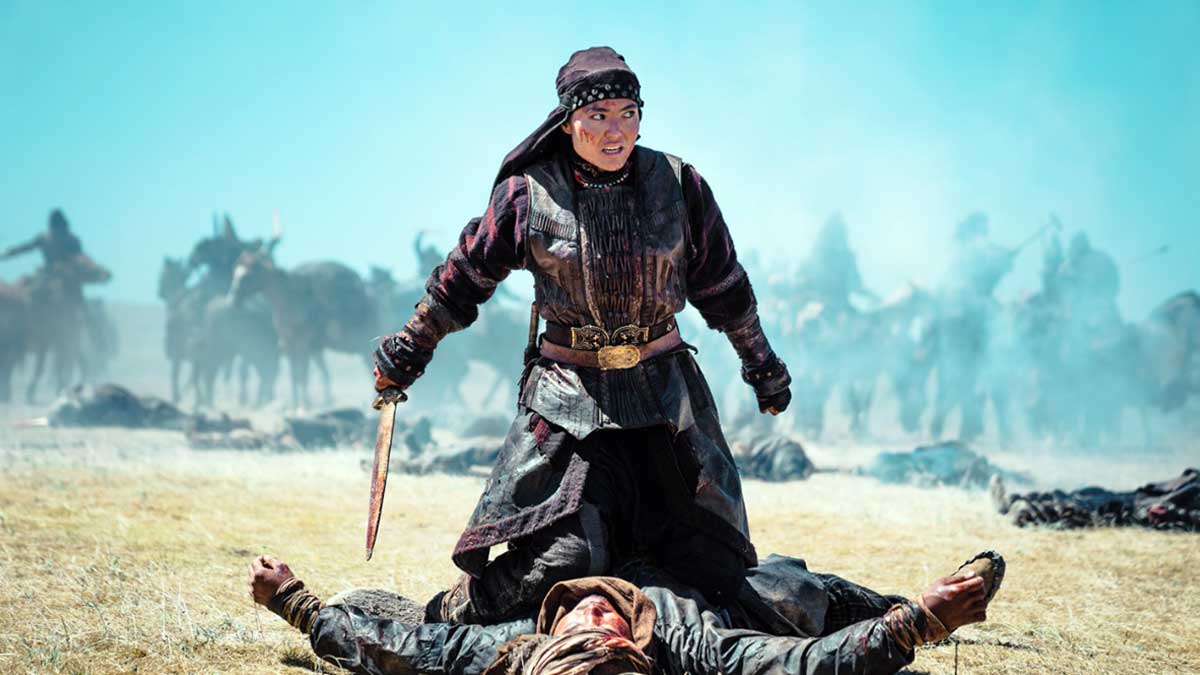
Over the centuries and millennia, Tomyris gained a legendary status, inspiring artists, poets, and filmmakers, while also serving as an icon of feminine agency in a world where women were sidelined.
It is known that the Scythian cultures were more egalitarian in terms of how women were treated, allowing women to become great warriors and leaders. It has been suggested that Tomyris and others like her formed the basis of the legends of the Amazons in the Greek worldview.
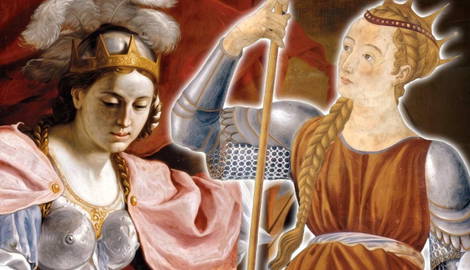
Millennia later, Tomyris was the subject of paintings by Rubens, Allegrini, Gustave Moreau, Mattia Preti, and Luca Ferrari, and a sculpture by Severo Calzetta da Ravenna. In 1707, the opera “Thomyris, Queen of Scythia” opened in London, garnering significant success and public appeal.
In Kazakhstan and Uzbekistan, Tomyris is cemented into national consciousness. She has become a symbol of pride and has been described as a “national brand” in Kazakhstan. Uzbek poets have written volumes in her honor, and the Kazakh government released coins with her image. Recent years saw the release of the biopic “Tomiris,” commissioned by the government of Kazakhstan.
Bringing her name to a wider audience, the popular video game Civilization VI featured Tomyris as the leader of the Scythians.
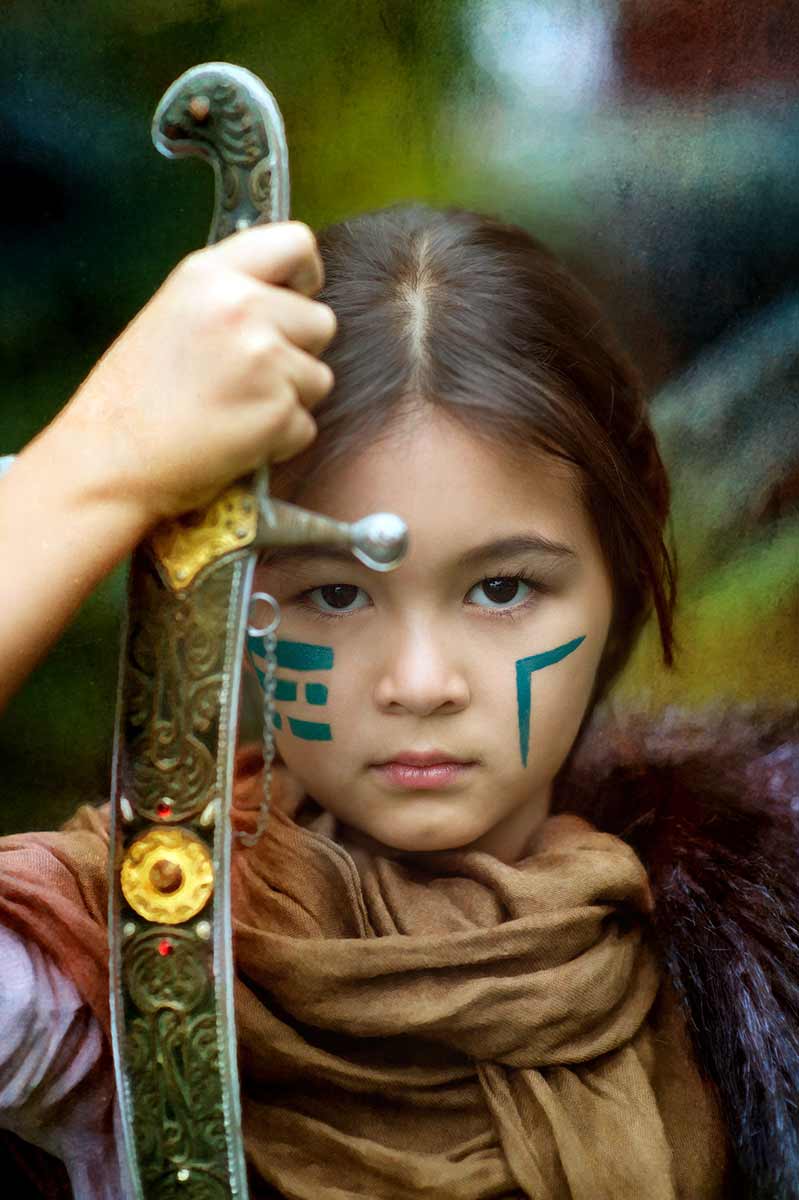
Tomyris is a legendary historical figure. Much of what is known about her is based on unverifiable stories, yet the importance of Tomyris as a symbol is perhaps more relevant in the modern age.
Despite her victory on the battlefield, the Massagetae were still overwhelmed, becoming part of the Persian domain. In the modern world, however, she is a powerful symbol of defiance, national identity, and the ability of women to succeed and gain deserved respect in the face of seemingly insurmountable odds.