From the 4th century BCE, Athens cemented its position as the home of philosophy by establishing some of the world’s first and most famous educational institutions, the philosophical schools. The foundation of Plato’s Academy in 387 BCE began a trend swiftly followed by some of history’s most influential philosophers. Aristotle soon set up at the Lyceum, while Epicurus and Zeno created Epicureanism and Stoicism a short walk away. For several centuries, the schools were some of the most important locations in Athens. While they have largely been enveloped by the passage of time, it is possible to discover these philosophical meccas when visiting Athens today.
What Were the Philosophical Schools in Athens?
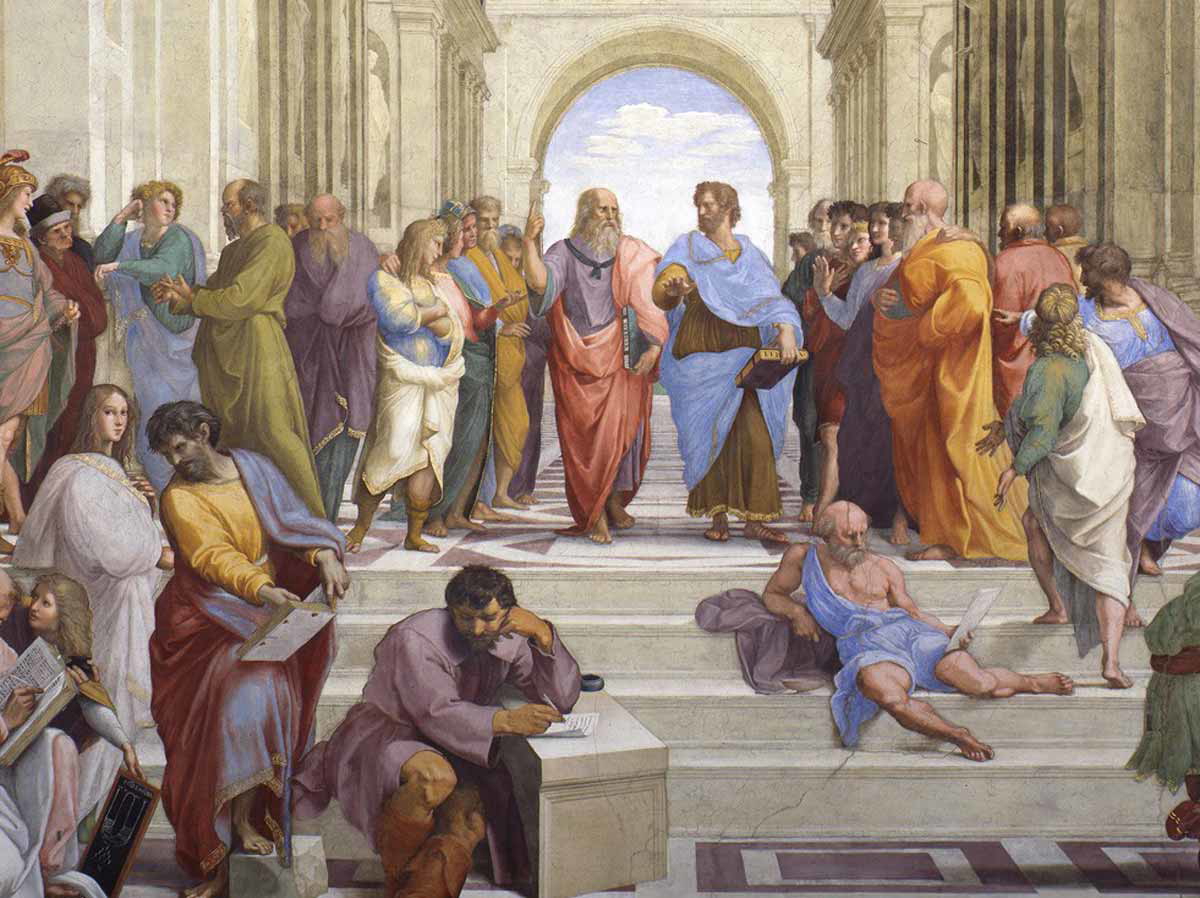
The philosophical schools that emerged in the 4th and 3rd centuries BCE in Athens are often likened to modern universities. They had a permanent home amongst a prominent set of buildings featuring spaces for lectures and libraries. Students came to study, though they may not have needed to pay, with many going on to become leading members of the community. After the founders died, the institutions were maintained for centuries by heads of the schools known as Scholarchs. They were the ancient world’s closest parallel to modern higher education.
It can, however, be misleading to think of the schools as precursors to universities. While students came through the doors and, if all went well, left better educated, the schools were not primarily focused on teaching. They were first and foremost a space for the collective study and practice of philosophy, which could involve collective living (Haake, 2015, 81). The heart of the schools was the founder working out their ideas with a group of like-minded individuals and then transmitting them through lectures and writings for further study and elaboration.
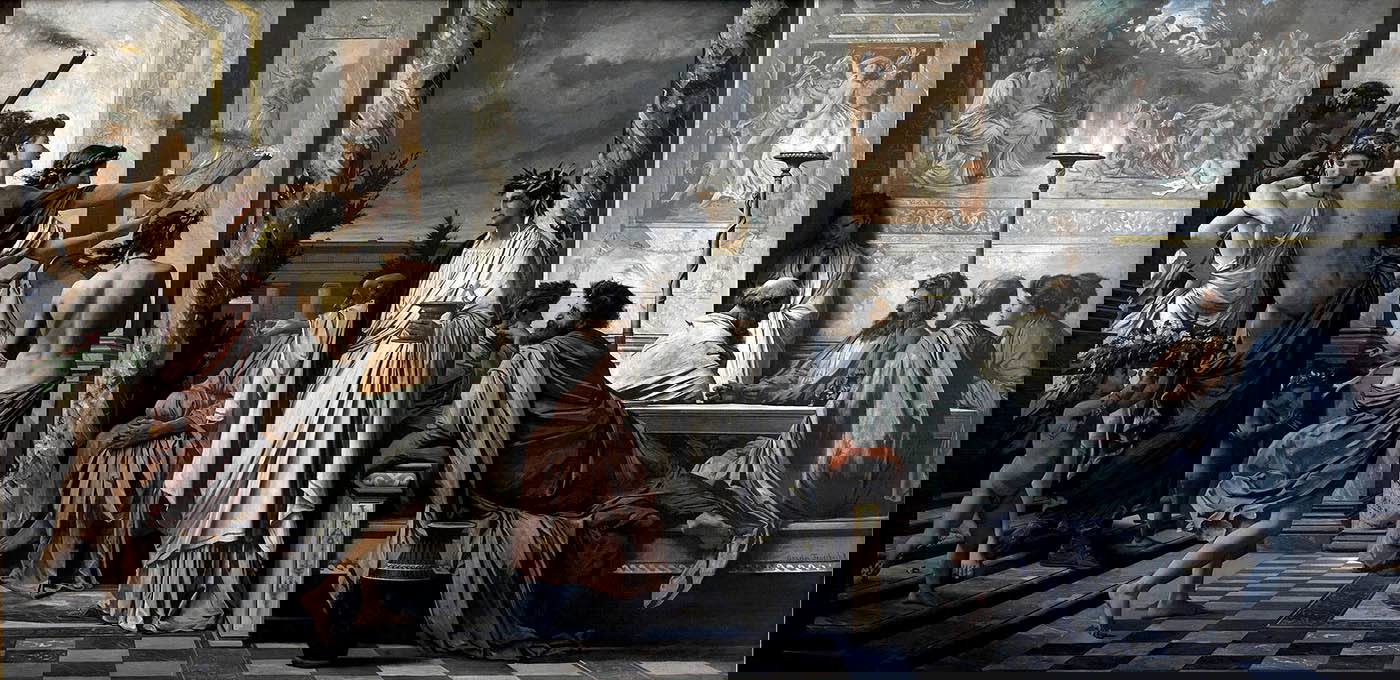
Instead of campuses, the schools generally used well-frequented public spaces. Plato and Aristotle both chose large exercise grounds and gymnasiums. Zeno’s followers became known as the Stoics after one of Athens’ most important public buildings, the Stoa Poikile. The founder either used or purchased part of the grounds for meeting spaces, lecture rooms, and libraries. Students came from across the Greek world, and the schools could be relatively inclusive institutions, often being headed by non-Athenian residents or having women and slaves amongst the community.
The rise of the schools turned Athens into a center of culture and learning as its political power declined (Atack, 2024, 8). So important did they become that by the 2nd century BCE, the Scholarchs were the most recognizable figures in public life and represented Athens on embassies.
The schools were often not far from controversy. Philosophy was often an elite enterprise, something the rich and powerful did together away from public view, frequently airing anti-democratic views. In a democracy such as Athens, this was suspicious, and at times, these fears were justified when followers of prominent philosophers overthrew the democracy. The international reputation of the philosophers often brought the attention of powerful kings who had their own designs on Athens, a fact which shaped Aristotle’s career. Consequently, despite their influence, the schools were briefly banned in the late 4th century BCE.
Plato’s Academy
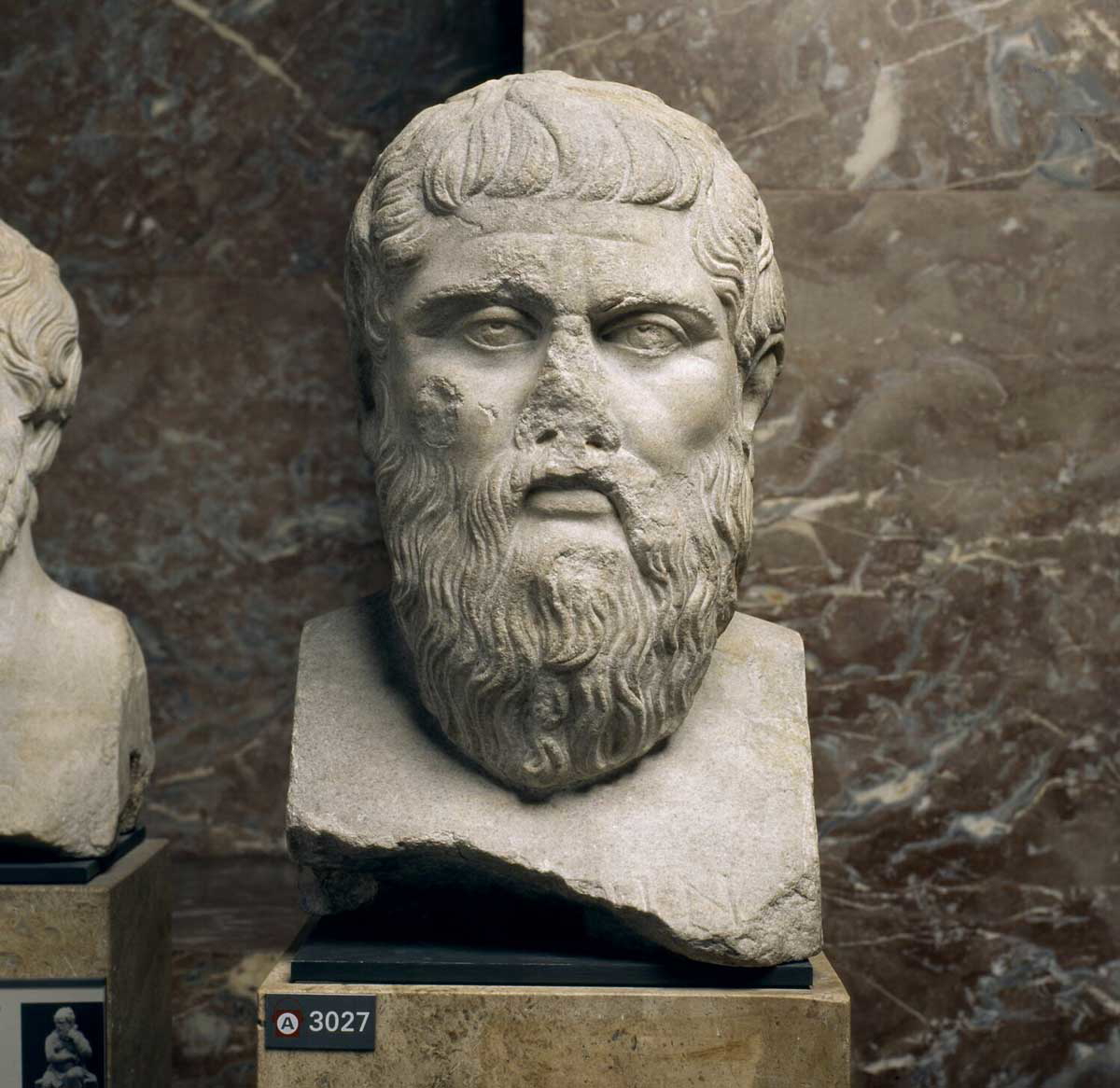
In 387 BCE, Plato, returning to his native Athens after almost being enslaved, set up at the Academy. The area to the north-west of the city walls got its name from Hekademos, a minor mythological figure, and already contained a gymnasium and a grove of sacred olive trees. This grove, along with Plato’s nearby house, became the first and most famous of the four philosophical schools.
At first sight, this semi-secluded grove, around 2 kilometers outside Athens, suggests an attempt to escape the city. However, the exercise grounds were common haunts of philosophers and teachers, and the Academy was linked to Athens by a road lined with the burials of the city’s heroes and war dead. As well as Hekademos, the area contained several religious sites and played its part in communal rituals. Plato and his circle expanded this with an altar to the Muses. While certainly calmer than the city, the area was central to the Athenian commemoration of their past and a vibrant part of the city (Marchiandi, 2020, 17).
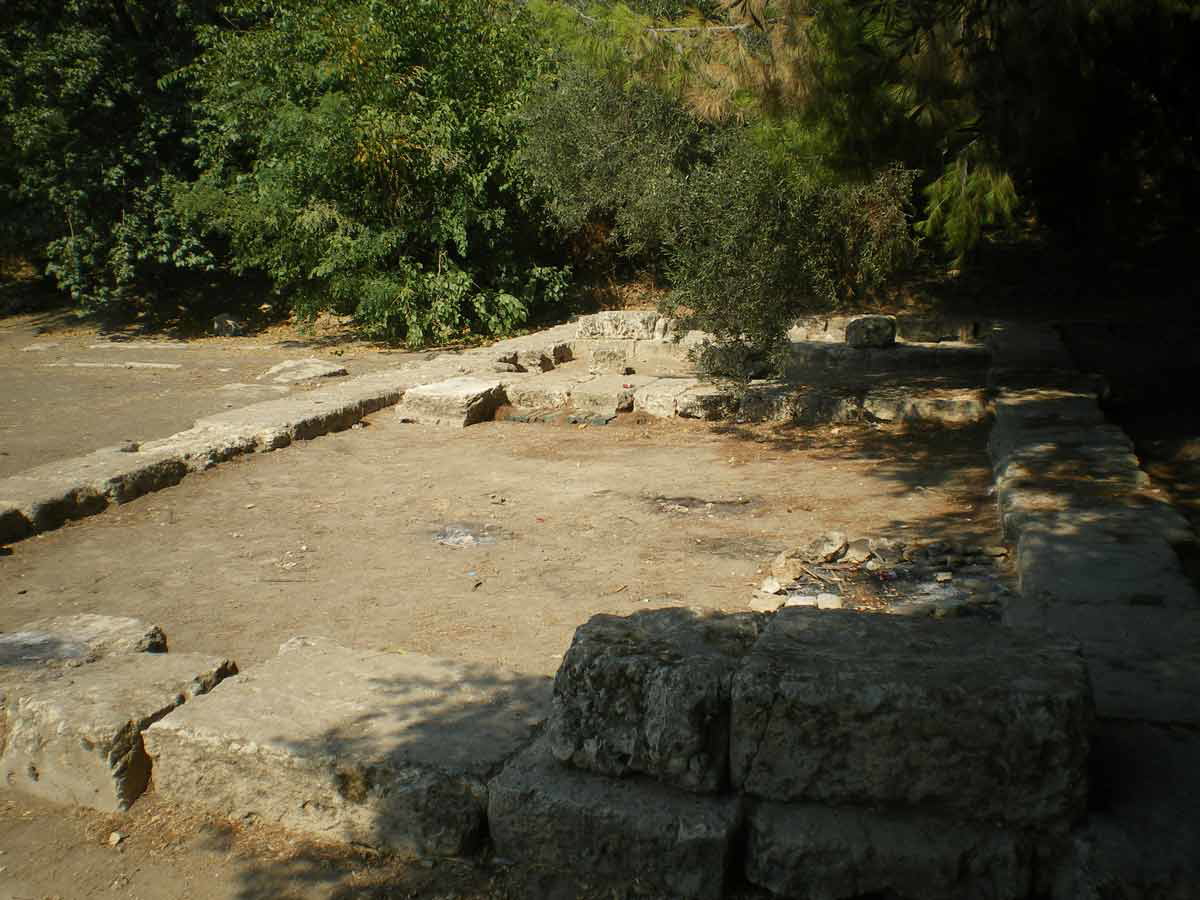
Exactly what Plato created here is uncertain, and the area has not been fully excavated. Plato would have needed space to store books, meet his students, and lecture to the public. These activities were likely shared between the buildings around the gymnasium and Plato’s Colonos house. Many discussions no doubt took place walking amongst the sacred olive trees. For at least 300 years, Plato’s ideas were discussed, elaborated on, and challenged by an unbroken line of Scholarchs, who maintained the Academy long after Plato was buried near his altar of the Muses in 347 BCE.
The Academy still appears on the map of modern Athens as a small park under the name Akademias Platonos. Excavations starting in 1929 confirmed the location and subsequently the remains of two substantial buildings. The southernmost building is generally identified as the gymnasium with its exercise yard surrounded by shaded walkways. To the north-east is another large square peristyle building. The remains are limited, but it has been suggested they date to the 4th or 3rd century BCE, and do not seem to have had an exclusively athletic function, making them suitable candidates for parts of Plato’s Academy (Lygouri-Tolia, 2020, 51-62).
The area’s altars and sanctuaries, which may help pinpoint Plato’s grave, have eluded discovery. Given that the Academy site has, since the 20th century, stood surrounded by a rather neglected part of Athens and its visible ruins are limited and unimpressive, it has often been forgotten despite its fame. However, the park at the Academy still offers the chance to walk in Plato’s footsteps.
Aristotle in the Lyceum
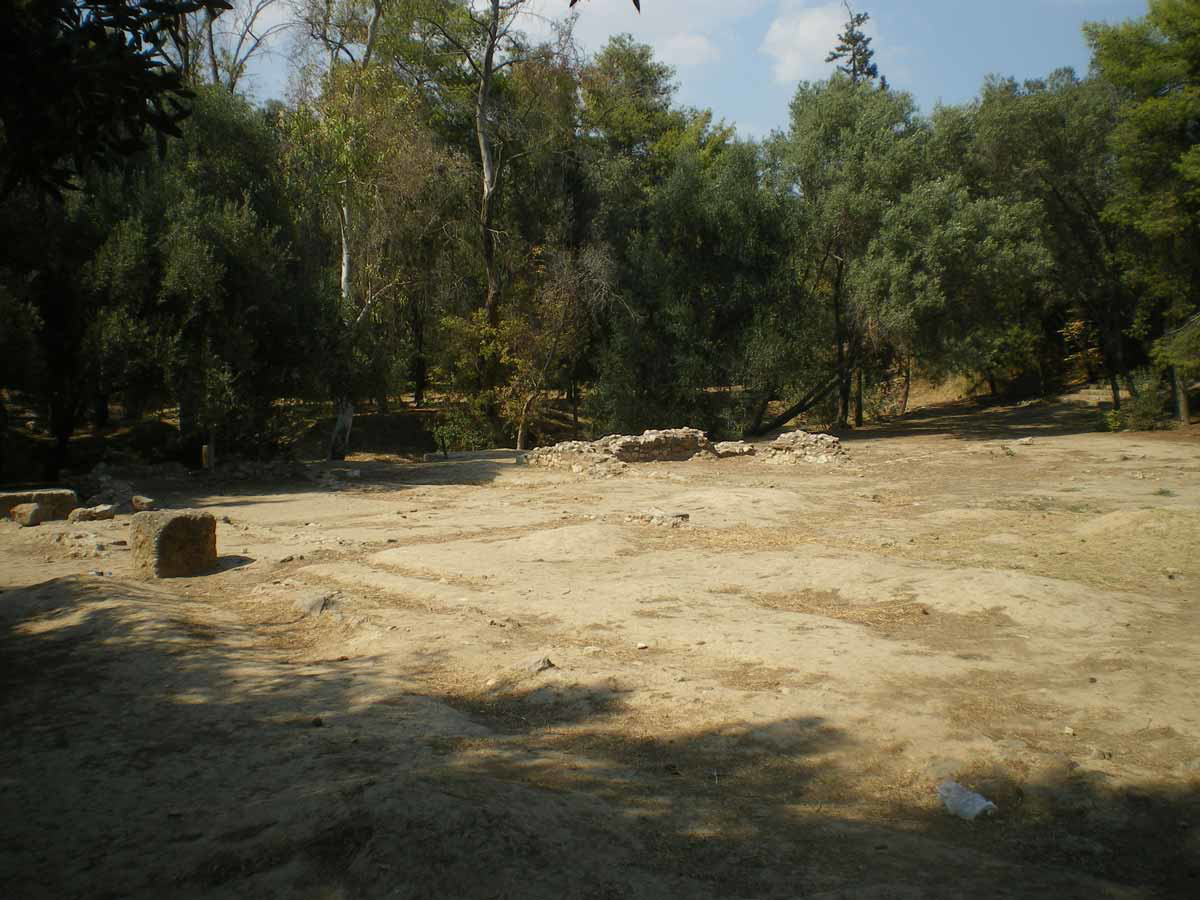
One of Plato’s most brilliant students was the young Aristotle. Originally from Stagira in northern Greece, his 20 years at the Academy made him one of Plato’s most prominent followers, but he was not chosen as his successor. Instead, Aristotle travelled widely before returning to Athens in 335 BCE and establishing his own school, which took its name from the shaded colonnades at the Lyceum, the Peripatos.
Like the Academy, the Lyceum was a suburban exercise area. The Lyceum was in the well-watered area to the east of the city walls, named after the local sanctuary of Apollo Lykeios. The military exercises that took place there, particularly of the aristocratic cavalry, and the emphasis on physical activity in Greek education, placed the Lyceum at the center of Athenian life. For Aristotle, the shaded walkways proved the perfect place for walking up and down while discussing his latest research into the natural world, the arts, and politics.
The decision to found his own school may indicate a break with the Academy, but there were many similarities between the institutions. Both were essentially communities of philosophers working on their ideas together. While the Lyceum, like the Academy, was open to many people normally excluded from the citizen body, such as non-Athenians and slaves, there is no evidence of female participants (Lynch, 1972, 92). Aristotle’s own interests and methods pushed the school to focus more on research than teaching (Bakewell, 2021, 299).
With Aristotle and many of his collaborators being non-Athenian, the Peripatos was often in a precarious political position. Aristotle was strongly linked to the Macedonian court, a frequent enemy of the Athenians. When tensions rose again between Athens and Macedon, Aristotle had to withdraw to Chalkis in 323 BCE, where he died a year later. The Peripatos, however, was more firmly established and continued under Aristotle’s close companion, Theophrastus, and lasted for several centuries.
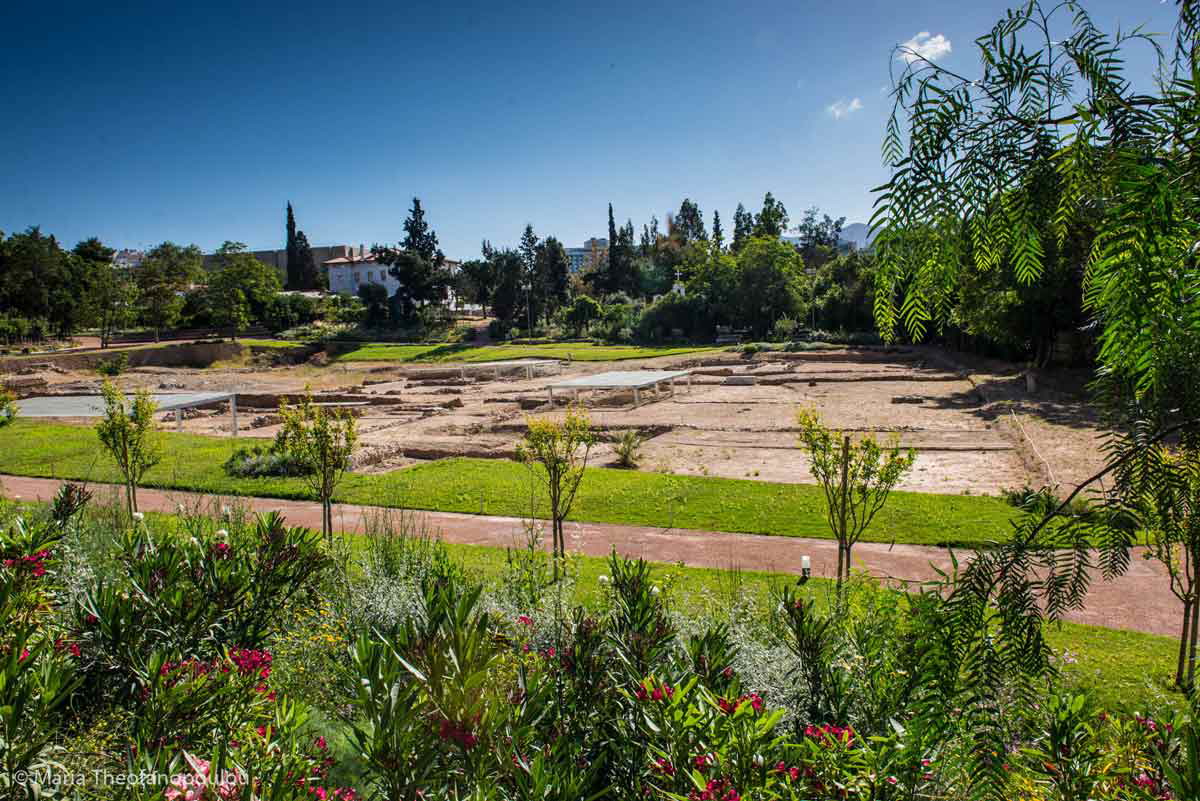
The approximate location of the school has long been known from ancient accounts, but a possible exact location was not uncovered until the 1990s. Rescue excavations in 1996 uncovered an exercise ground and a palaestra in the heart of the modern city. The large palaestra of the 4th century BCE, surrounded by a series of rectangular rooms, is the right type of building in the right place.
The archaeological site of the Lyceum was recently opened to the public and is more central and better presented than that of the Academy. Its modern location between parliament, ministries, embassies, and museums is far from the semi-rural sanctuary of Aristotle’s day, and, unfortunately, central Athens has lost the rivers that once watered and cooled the Lyceum and the Academy. Still, the nearby gardens do give some sense of what Aristotle and his students may have felt as they walked up and down categorizing the world.
The Garden and the Stoa
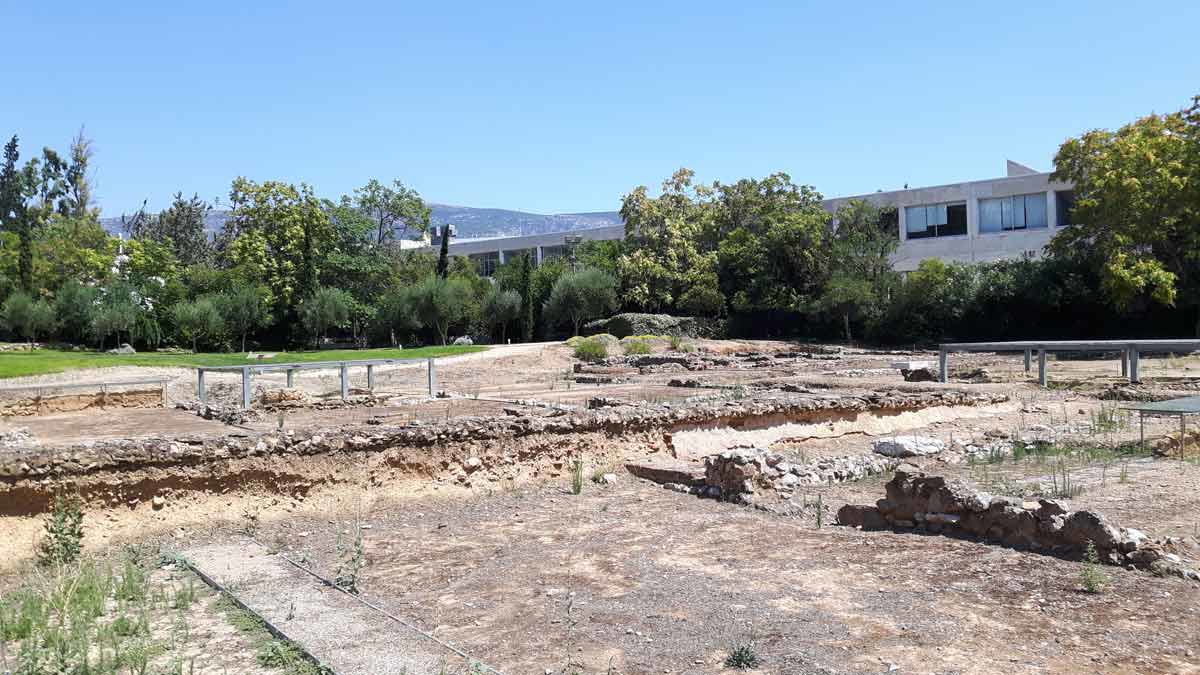
Despite the limited remains, it is still possible to visit the Academy and the Lyceum. The Garden and the Stoa are more difficult to find.
Epicurus’ Garden was the most distinct of our four schools. In contrast to the public spaces inhabited by others, Epicurus established his close-knit community on his own private property. In the Garden, Epicurus, his family, and his followers lived an austere, communal life (Clay, 2009, 16). The small community’s seclusion in the Garden outside the city walls has been taken as a metaphor for Epicureanism’s withdrawal from political life towards the simple life freed from unnecessary troubles. The Garden was certainly a busy place, with Epicurus producing a vast amount of written work and letters that formed the basis of his influential school of thought for centuries to come.
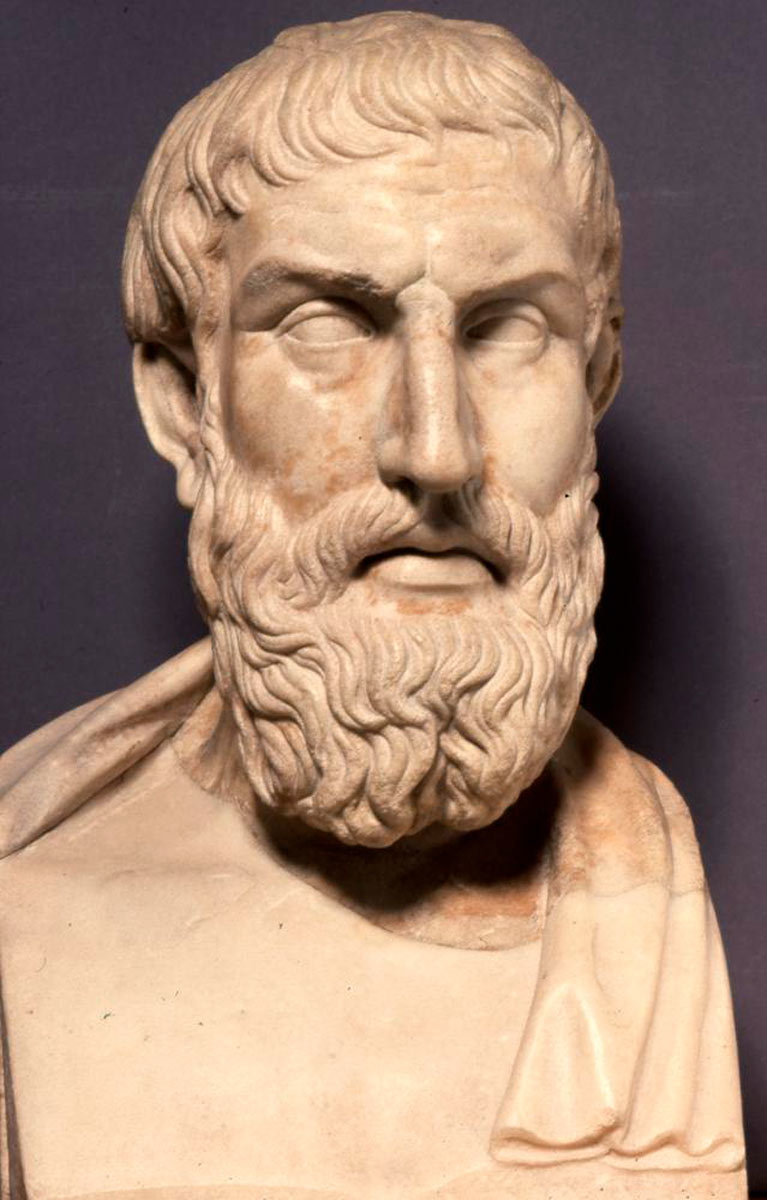
Though the Garden may have endured longer than the other schools (Diogenis Laertius, 10.9), no physical trace of it has been found. It was located beyond the Dipylon Gate of the city walls (modern Kerameikos archaeological site), not far from the Academy. In the 1960s, statues were found, including one of Epicurus, roughly halfway between the Kerameikos and Akademias Platonos at the crossroads of Marathonos and Achilleos Streets (Bakewell, 2021, 301). As statues of Epicurus were set up in the Garden, it is likely to have been somewhere close by.
While Plato, Aristotle, and Epicurus all set up outside the city, Zeno of Citium could not have chosen a more central location for his school. Zeno, a successful merchant, was said to have come to Athens by accident. Encountering accounts of Socrates in a bookshop led him to stay in the city to follow its philosophers. Not quite willing to go along with the Cynics who lived their lives out in the open, breaking taboos, he eventually began walking up and down the shaded colonnade of the Stoa Poikile (the Painted Stoa).
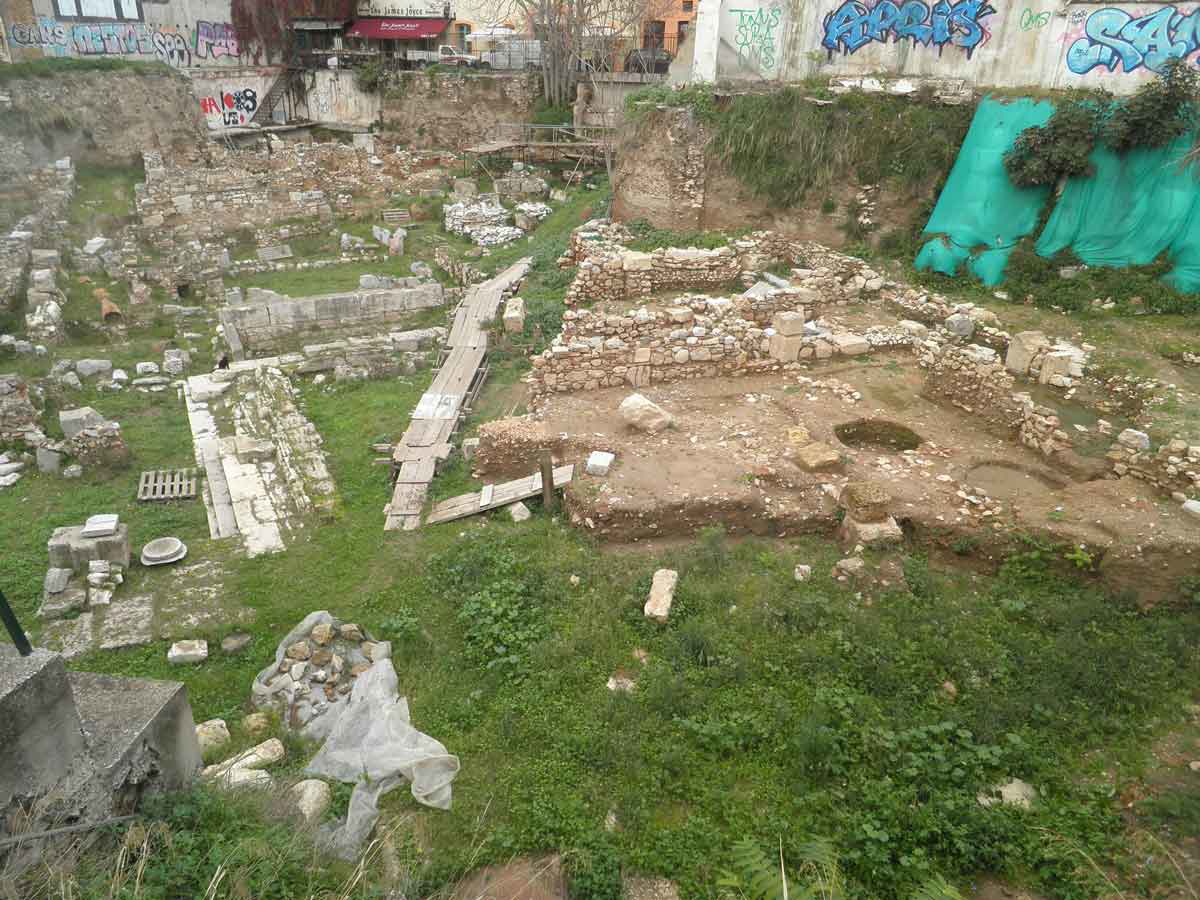
A stoa was a long, colonnaded building used for a variety of public functions. The Stoa Poikile was on the edge of the Athenian Agora, its commercial and political heart. A 5th-century BCE construction, the stoa got its name from the famous paintings of milestones in Athenian history which hung from its walls along with the spoils of war taken over the centuries. Everyone knew the building and passed by at some point. How much of later Stoicism can be traced back to Zeno’s thought is unknown, as nothing from him has survived. However, the choice of the Stoa Poikile points to the centrality of civic engagement to Zeno, as it was difficult to find a more prominent place to gather a crowd and philosophize.
The remains of the Stoa Poikile can be seen but are not accessible to the public. Immediately north of the large archaeological site of the Agora is a small, excavated, open-air plot with a number of foundation walls and drains visible. Amongst these are the foundations of the stoa. Future excavations will likely give a clearer idea of the building, but for now, it is at least possible to catch a glimpse of the building that gave its name to Stoicism.
How Did the Schools End?
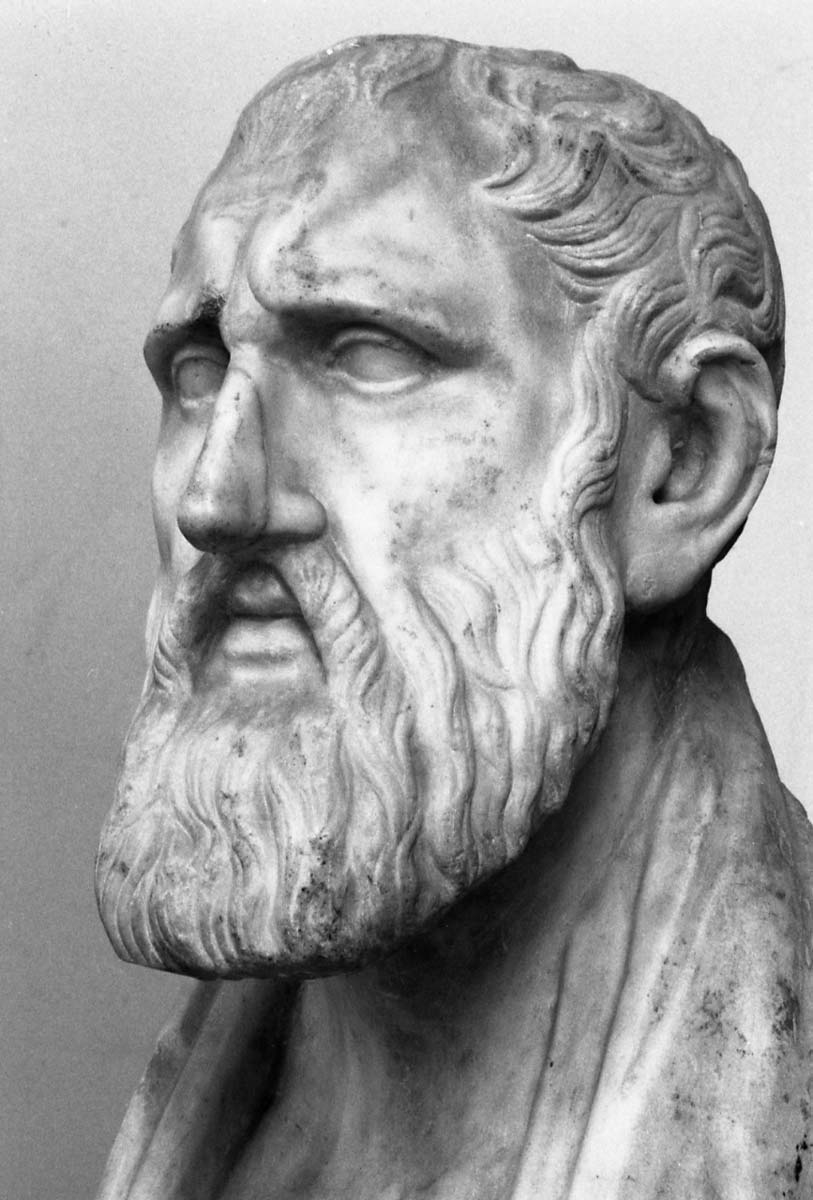
The Philosophical Schools were an important part of Athenian life for centuries and drew people to the city well into the Roman period. Their end is unclear, but two dates loom large: 86 BCE and 529 CE.
In 86 BCE, Athens was sacked by the Roman general Sulla. While the city was not destroyed, it was badly damaged. Sulla used the Academy’s trees to build siege engines, and much of Athens’ wealth and artworks, not to mention Aristotle and Theophrastus’ works, were plundered (Lynch, 1972, 193). The premises of the schools may not have been destroyed, but when Cicero visited the Academy a decade later, he describes a place well past its former glory (De Finibis, 5.1-5). Most scholars believe the schools largely ceased to function in or by the 1st century BCE (Bonazzi, 2020, 243).
Athens continued to be associated with philosophy even if the line of institutional continuity was broken. This relationship finally ended in 529 CE when the emperor Justinian forbade the teaching of pagan philosophy in the Christian empire. The Neo-Platonic Academy, Plato’s spiritual if not direct heir, eventually shut and the philosophers left.
The Philosophical Schools cultivated the ideas and methods that have shaped the world ever since. Those ideas were always their primary legacy, but two thousand years later, Athens still maintains the physical memory of its philosophers.