Carthage was one of the most important city-states in the ancient Mediterranean. The Phoenician city in North Africa built up a significant trading empire, which would eventually bring it into conflict with Rome. Under their infamous general Hannibal, they almost brought down the Romans, before being destroyed by Rome in 146 BC. According to legend, Carthage was founded by a queen named Dido, whom the poet Virgil connected with Aeneas, the ancestor of the Romans; he also linked the long-lasting enmity between the two peoples to their love story. But how did this Phoenician queen from Tyre establish a new city in far-off Tunisia? And does she belong to the pages of history, or was she a fictional character?
Dido, Princess of Tyre
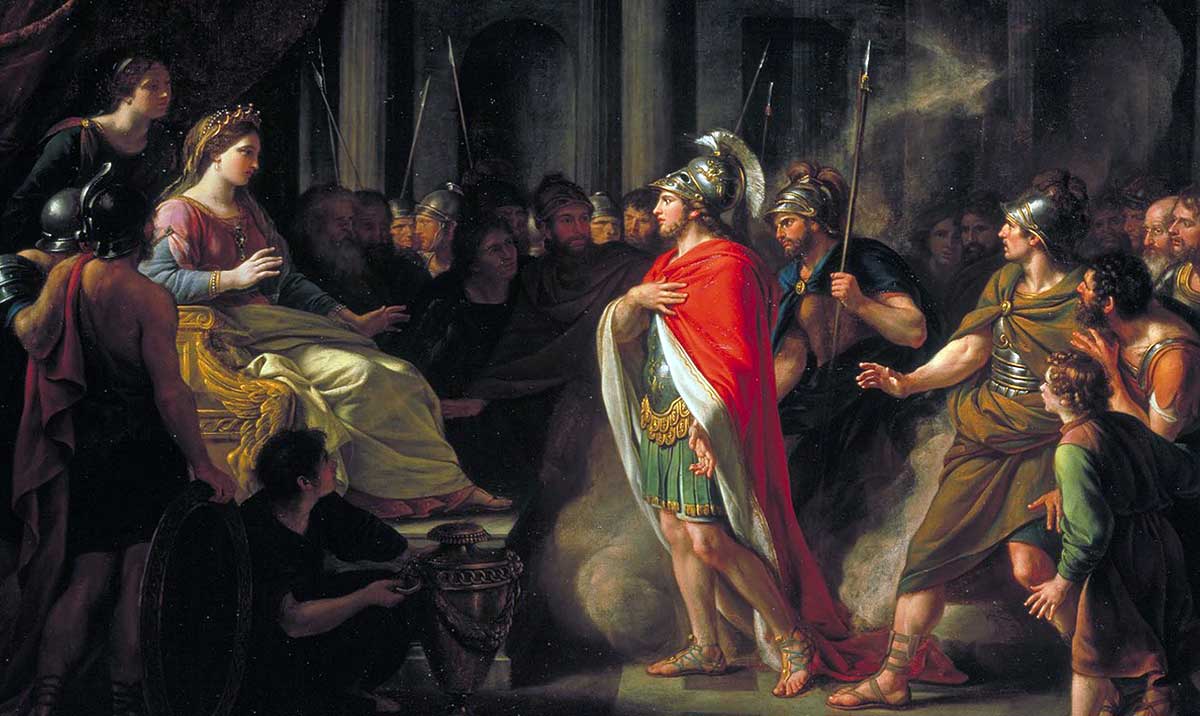
According to tradition, Dido was the daughter of the king of Tyre, a prominent city-state in Phoenicia. Her father’s name appears variously as Mutto, Meton, Mettenos, or even Belus, depending on the source. As she grew up, this princess of Tyre faced some very difficult circumstances. After her father’s death, Dido’s brother, Pygmalion, became the king of Tyre. Dido, meanwhile, married her uncle Acerbas.
Rumors circulated that Acerbas possessed a vast amount of hidden wealth, prompting Pygmalion to have him murdered in an attempt to acquire it for himself. Dido evidently realized that she was in a dangerous position, so she started planning her escape. She pretended that she wanted to move into Pygmalion’s palace. However, when servants arrived to help her move, she got them to throw the bags, which allegedly contained Acerbas’ treasure, into the sea as an offering. At that, she fled Tyre. She was accompanied by these same servants, as well as several leaders of the city.
At first, Dido and her companions arrived at Cyprus. Her party kidnapped many prostitutes to provide wives for the men, in a story similar to the Abduction of the Sabine Women from Roman history. They then continued on and eventually arrived at what is now Tunisia in North Africa.
Dido Arrives in North Africa
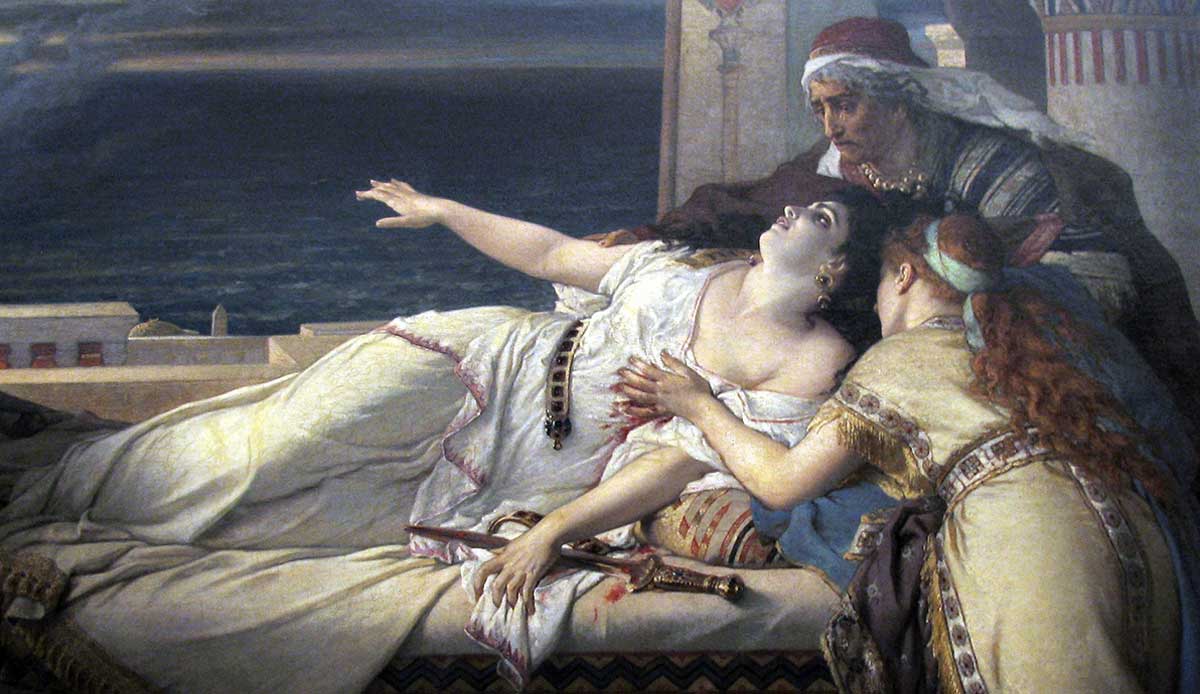
According to the early account of Timaeus of Tauromenium in Sicily (c. 356–260 BC), which is now lost and preserved as quotes in other sources, once in North Africa, Dido encountered the local king named Iarbas. She requested permission to establish a temporary settlement on a piece of land small enough to be encompassed by an oxhide. She gave no indication that she was intending to found a permanent town or city. When Iarbas approved her request, she cut the oxhide into a very thin strip and used it to encircle a small hill. This became the foundation of Carthage. This story is echoed in Ivar the Boneless’s foundation of Viking York, again highlighting historical parallels.
In establishing the foundation of the city, which is traditionally dated to 814 BC, two interesting events occurred. At first, the workers uncovered an ox’s skull in the ground. This was taken as a bad omen, an indication that the city would become subject to others. Therefore, the workers moved to a different area of the hill to continue digging a foundation. There, they found a horse’s skull, which was interpreted as a good omen, indicating that it would become a powerful city.
The legend goes on to tell of how Iarbas began to desire Dido. He proposed marriage in exchange for helping build up her new town into a truly powerful city. Dido pretended to entertain this marriage offer, but first expressed a desire to offer some sacrifices in honor of her late husband, Acerbas. However, she instead killed herself with a sword to be reunited with him in the afterlife. She was then declared a god and worshipped by the Carthaginians.
Archaeological Evidence for the Foundation of Carthage
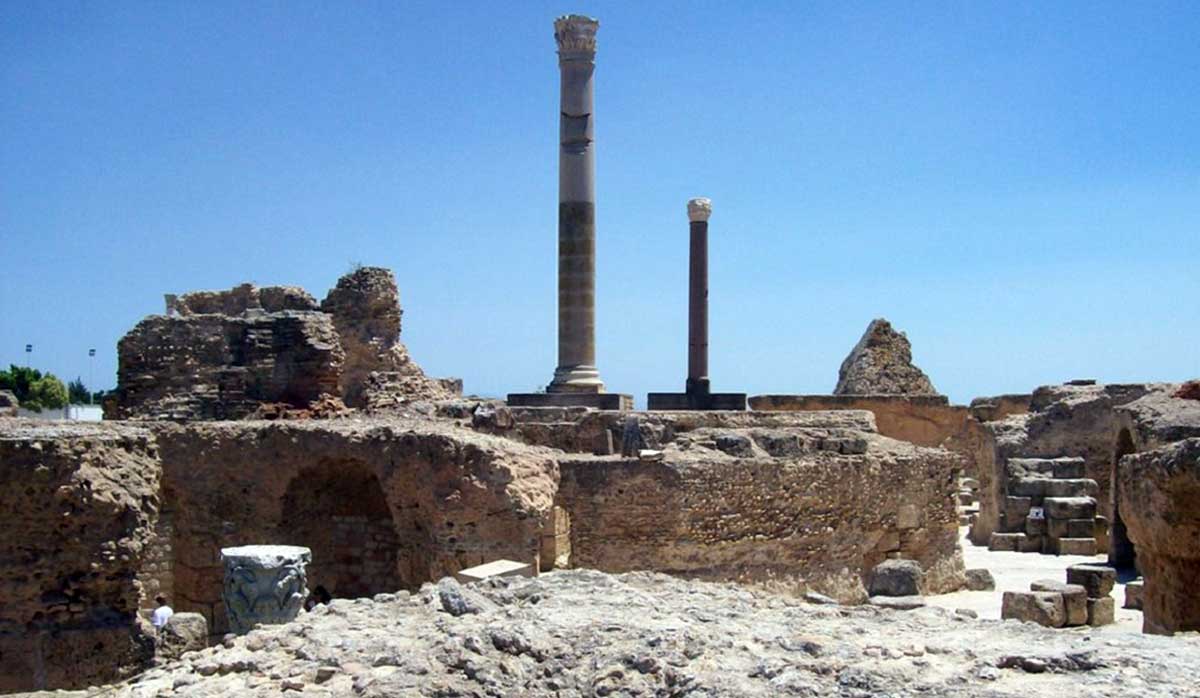
Was Queen Dido of Carthage a real person? There are no contemporary records that mention her. The earliest references to Dido come from many centuries after Carthage was founded. Therefore, we cannot definitely say that she was historical. But is there archaeological evidence to support her story?
There is a major discrepancy between the date for the foundation of Carthage suggested by Dido’s story and the archaeology. According to archaeology, there was no settlement at Carthage prior to c. 750 BC, 65 years after the date suggested by Dido’s story.
A Date for Dido: The Tyrian King List

However, it is also possible that the traditional date given for Dido in the ancient sources is simply incorrect, as the ancients were known to exaggerate the antiquity of many events. But the date for Dido seems to be supported by the Tyrian King List.
The Jewish historian Josephus, writing in approximately 100 AD, used the work of a historian called Menander of Ephesus from the 2nd century BC to compile a list of kings of Tyre, from the time of the Israelite King David down to the foundation of Carthage. He tells us that Dido founded Carthage 155 years after the reign of King Hiram, a contemporary of David and Solomon. This would place Dido firmly in the 9th century BC, matching the traditional date rather than the archaeological date.
However, his date for Dido relies on the accuracy of the king list. Recall that Dido’s father is variously called Mutto, Meton, and Mettenos in the sources. Likewise, Josephus calls Dido’s father Matgenus. Scholars suggest that this name likely preserves folk memories of a Tyrian king named Matan or Metenna, who is mentioned in Assyrian documents as living during the reign of the Assyrian king Tiglath-Peleser III, which was between 744-727 BC.
While there is no archaeological confirmation that a Tyrian king named Mattan existed in the 9th century BC, this Assyrian record confirms that Tyre had a king by that name in the following century. Therefore, it is plausible that Dido was the daughter of this later king. Likely then, the king list provided by Menander of Ephesus was accidentally shortened, perhaps due to repetitions of names within dynasties. Perhaps there really was an earlier king named Mattan, and he was mistakenly conflated with the Mattan of the 8th century BC, thus eliminating the intervening generations.
Whatever the case, we have clear archaeological evidence for the date of Carthage’s foundation and the confirmation of a king of Tyre named Mattan living in that same era. This suggests that if Dido existed, she lived in the 8th century BC.
Virgil’s Dido
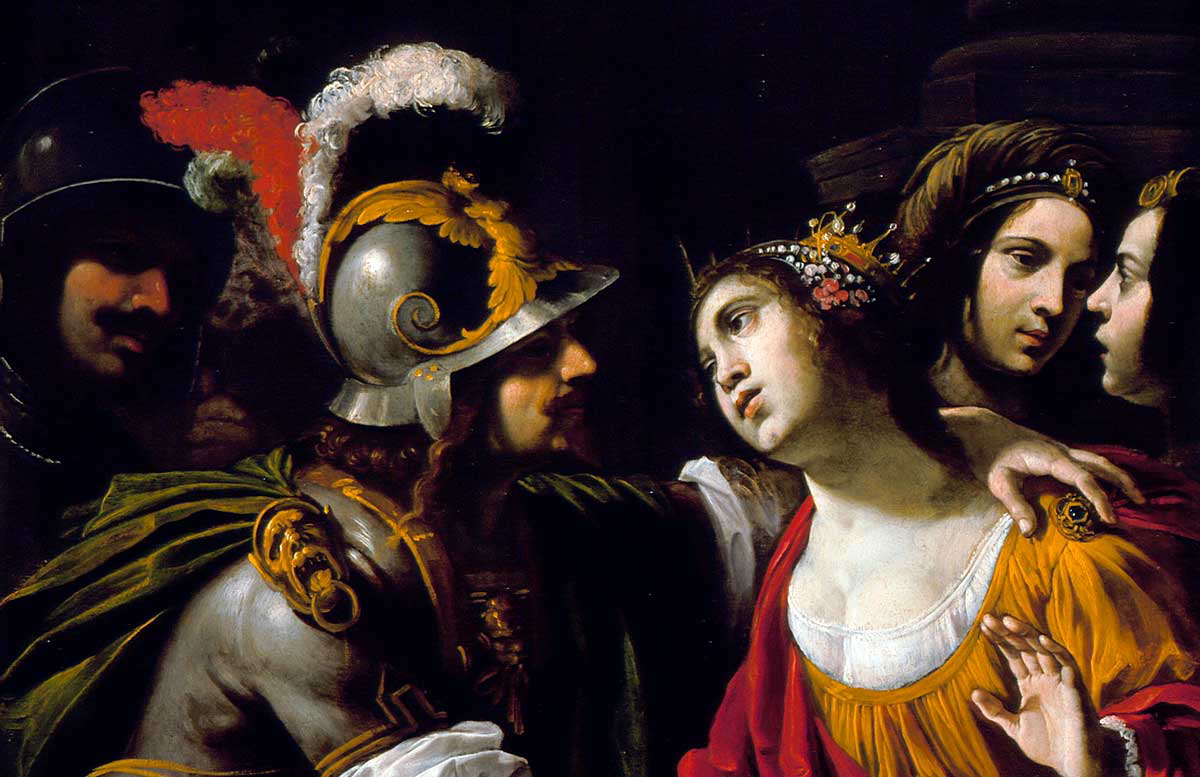
While a historical queen of Carthage named Dido may have existed, Virgil, while ostensibly telling the story of the history of Rome, adds layers of fiction to her story. Virgil repeats the story of Dido leaving Tyre and founding Carthage with minor differences, but the most important part of his story is the arrival of Aeneas and his followers in Carthage.
Aeneas, who is destined to lead his people to Italy, stays in Carthage because he and Dido fell in love thanks to the influence of Juno and Venus (Hera and Aphrodite). Dido had previously spurned Iarbas’s advances, and when he hears of the new love affair, he prays to his father, Jupiter Ammon, for vengeance. In response, Jupiter (Zeus) sends his son Mercury (Hermes) to encourage Aeneas to continue on his journey to Italy.
In her sorrow at Aeneas’ departure, she asked her sister to make a pyre of all the things that reminded her of Aeneas. Beside the pyre, she watches Aeneas and his fleet leave, cursing him and proclaiming that there will be endless hate between the people of Carthage and the descendants of the Trojans, setting up the ongoing conflict between Rome and Carthage. She then kills herself on the funeral pyre.
It is clear that Virgil has inserted his hero Aeneas into the existing story of Dido. He may also have added other motifs. For example, there is no other mention of Dido’s self-immolation in earlier texts, but the last queen of Carthage, the wife of Hasdrubal the Boetharch, killed herself in this way in 146 BC. Virgil could have added the scene to draw a parallel. Virgil also describes Aeneas visiting the underworld and meeting Dido. He tries to speak to her and express his deep remorse, but she turns away from him to the grove where her former husband waits.
Moreover, if Aeneas did really survive the Trojan War and then lead his people to Italy in a journey that took seven years, this would have been in the 12th century BC, centuries before the foundation of Carthage.
The Truth About Queen Dido of Carthage
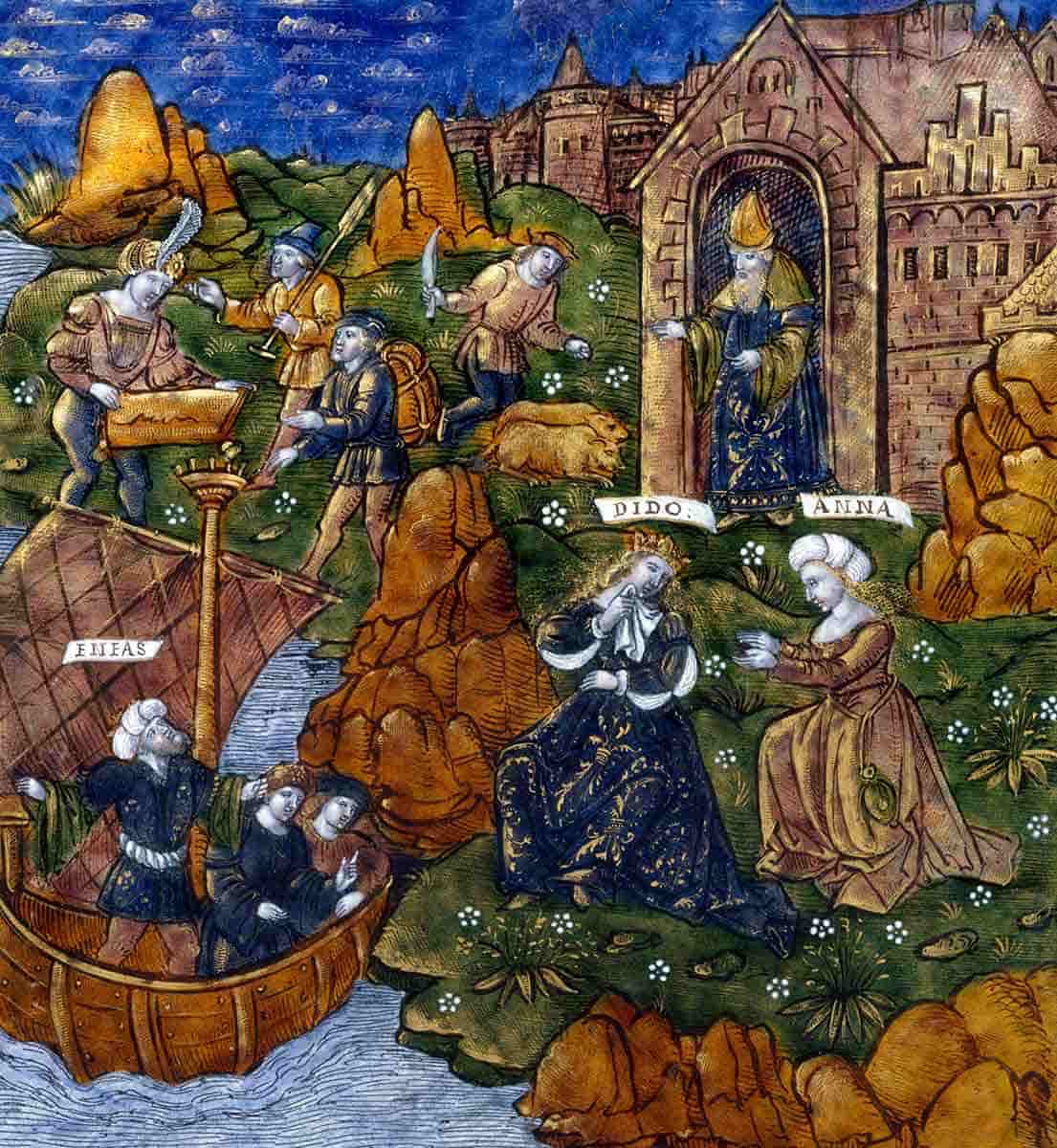
So, what do we really know about Queen Dido of Carthage? According to legend, she was a princess of Tyre and the founder of Carthage. While the traditional sources suggest that she did this in the 9th century BC, archaeology and Assyrian sources suggest that it may have happened in the 8th century BC. This is not an irreconcilable difference, and Greek and Roman authors were in the habit of exaggerating the antiquity of people and events.
However, the version of Dido told by Virgil in his Aeneid must be fictional, as the Trojan prince reportedly lived in the 12th century BC. When comparing his account with other sources, it also feels clear that Virgil inserted his hero Aeneas into existing stories about the Carthaginian queen.