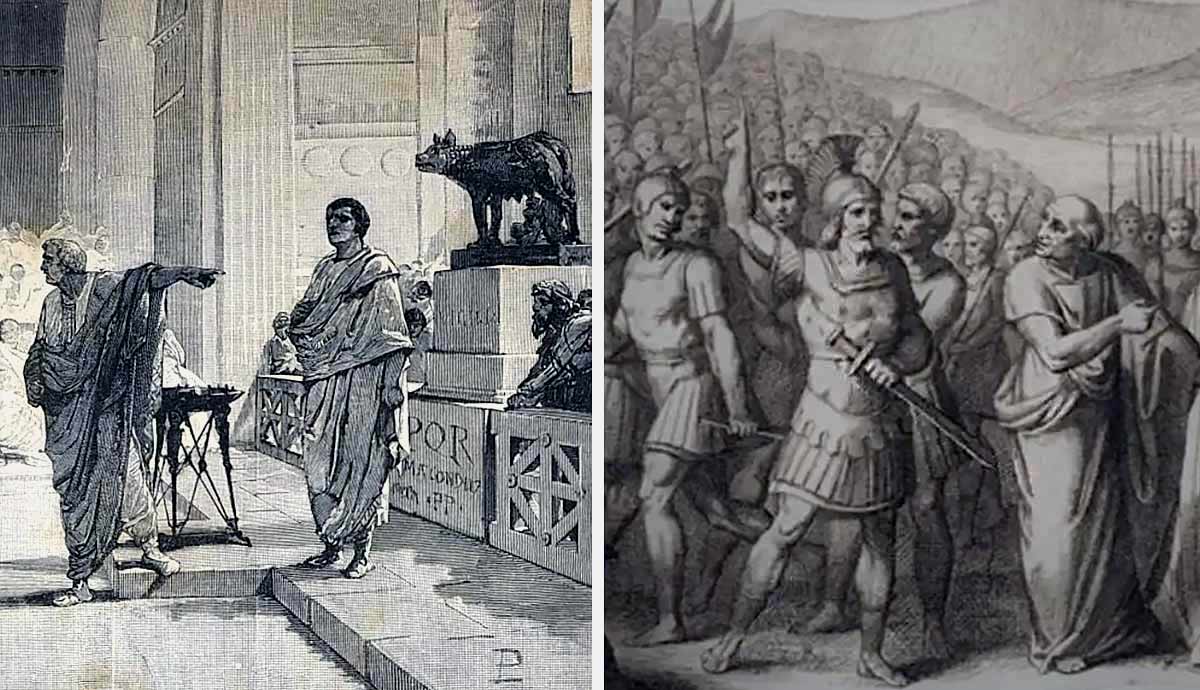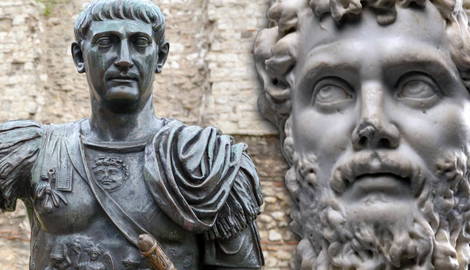

By the late winter of AD 197, the Roman Empire had been wracked by violent civil war for several years. Scores of Roman soldiers had been slaughtered on battlegrounds across the ancient Near East and even in Rome itself. War began in AD 193, but by now, the five rivals for imperial power had been whittled down to just two. The final confrontation would take place at Lugdunum in southern Gaul between Septimius Severus and Clodius Albinus in what would be the largest battle in Roman history.
An Age of Iron & Rust: Prelude to Lugdunum
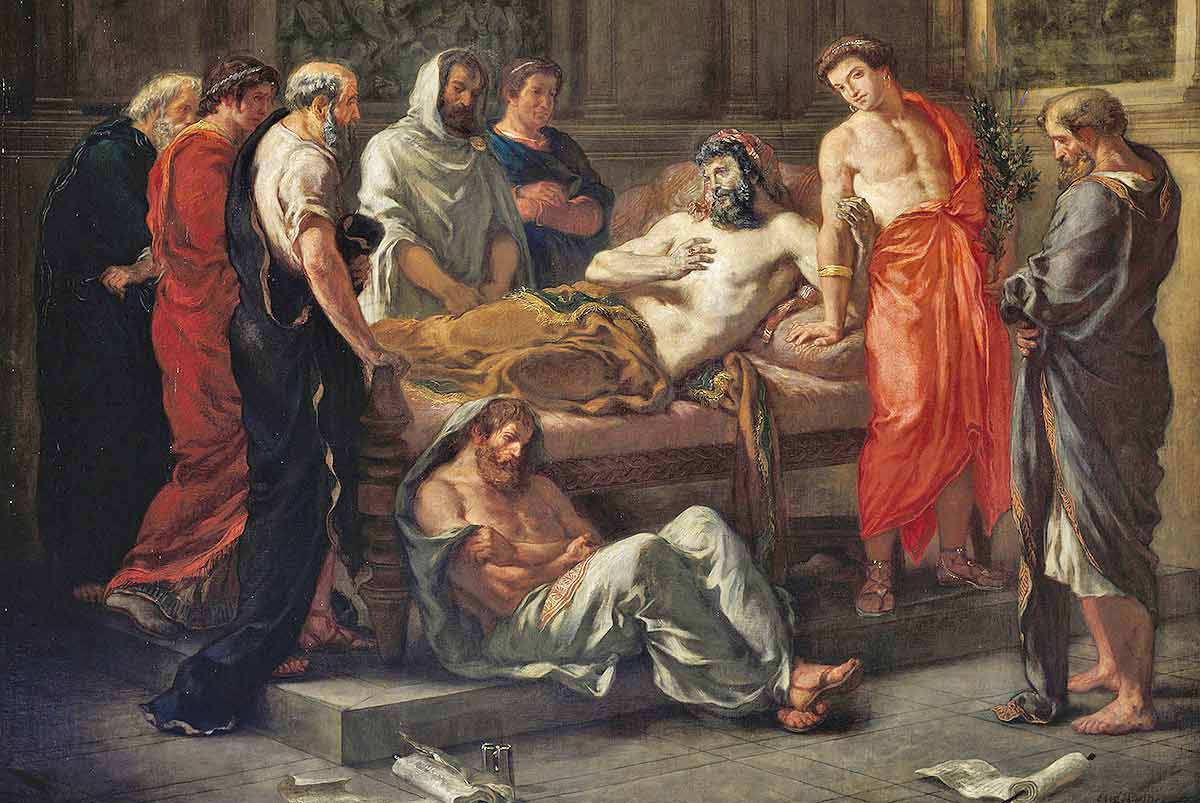
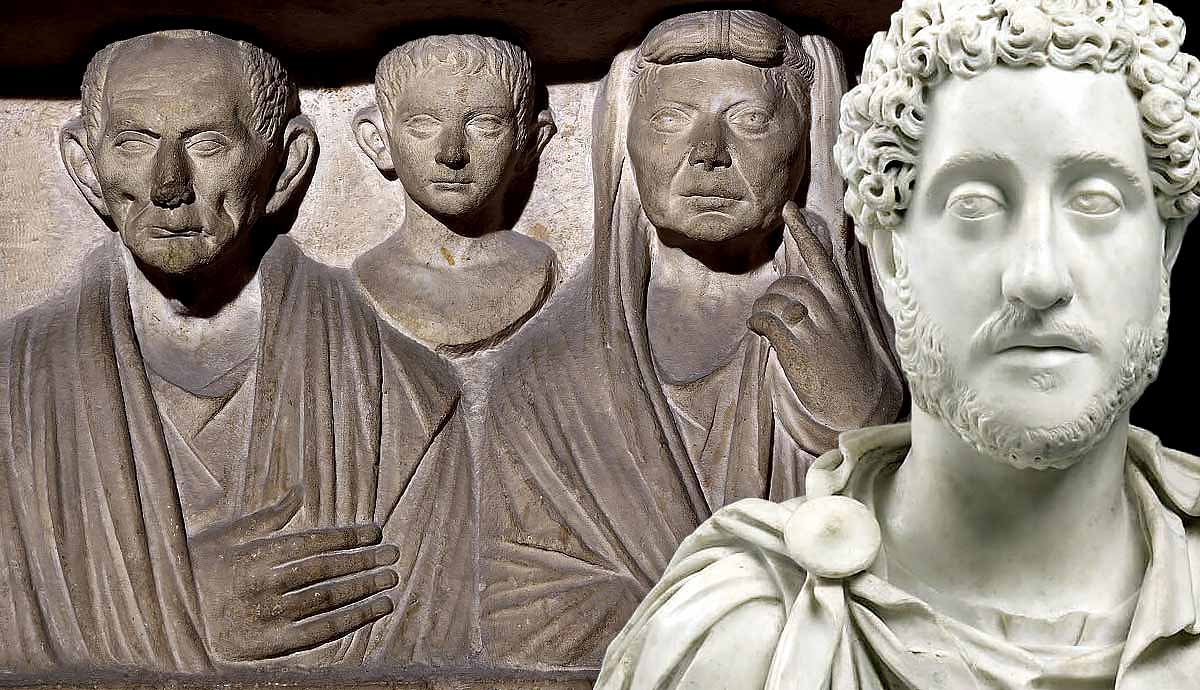
By AD 180, the Roman Empire had been transformed. At least this was the assessment of senator and historian Cassius Dio. According to Dio, the death of Marcus Aurelius in AD 180 marked the moment when the Empire was transformed from a kingdom of gold to one of iron and rust. The cause of the transformation was not simply the death of the exalted philosopher-emperor, but also the accession of his son, Commodus.
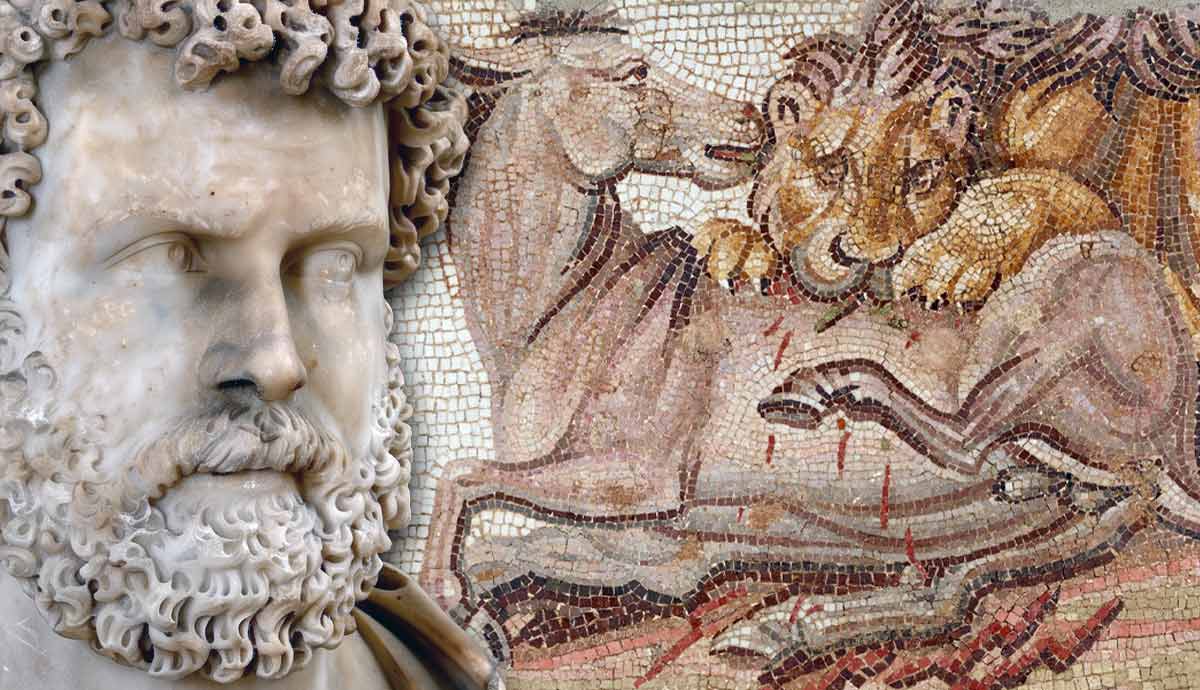
The imperial heir, infamous as the villain of the Hollywood blockbuster Gladiator, would become notorious during his dozen years of power for his megalomania. As well as an obsession with the gladiatorial arena, Commodus had delusions of grandeur. He identified himself as a Hercules, the demi-god and muscular hero of Greco-Roman mythology.
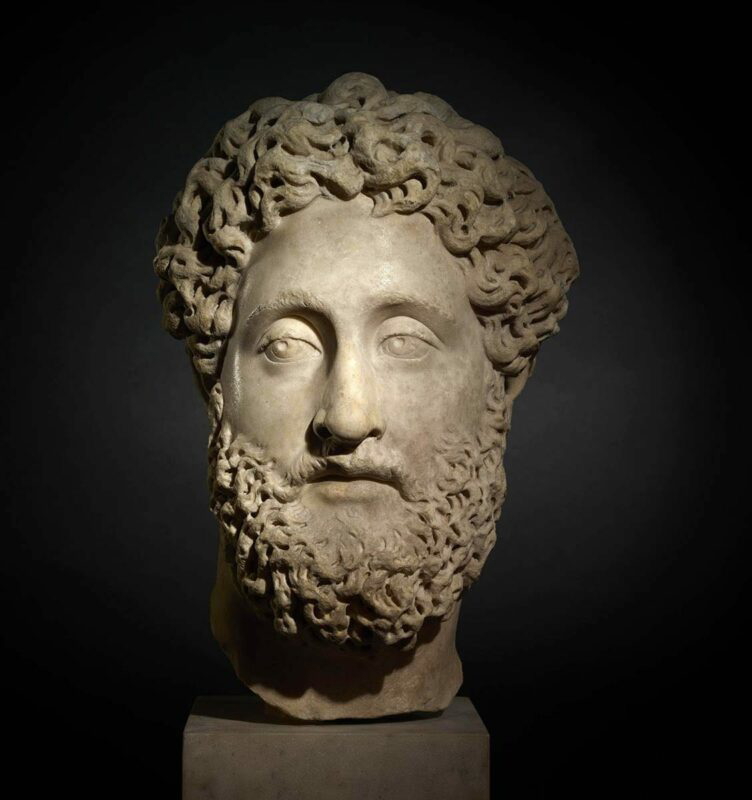
Commodus’ reign of cruelty and debauchery was brought to an end on New Year’s Eve, AD 192. Having gorged himself senseless on wine, the emperor was poisoned as he bathed. Taking too long, he was finished off by one of his courtiers, who throttled him.
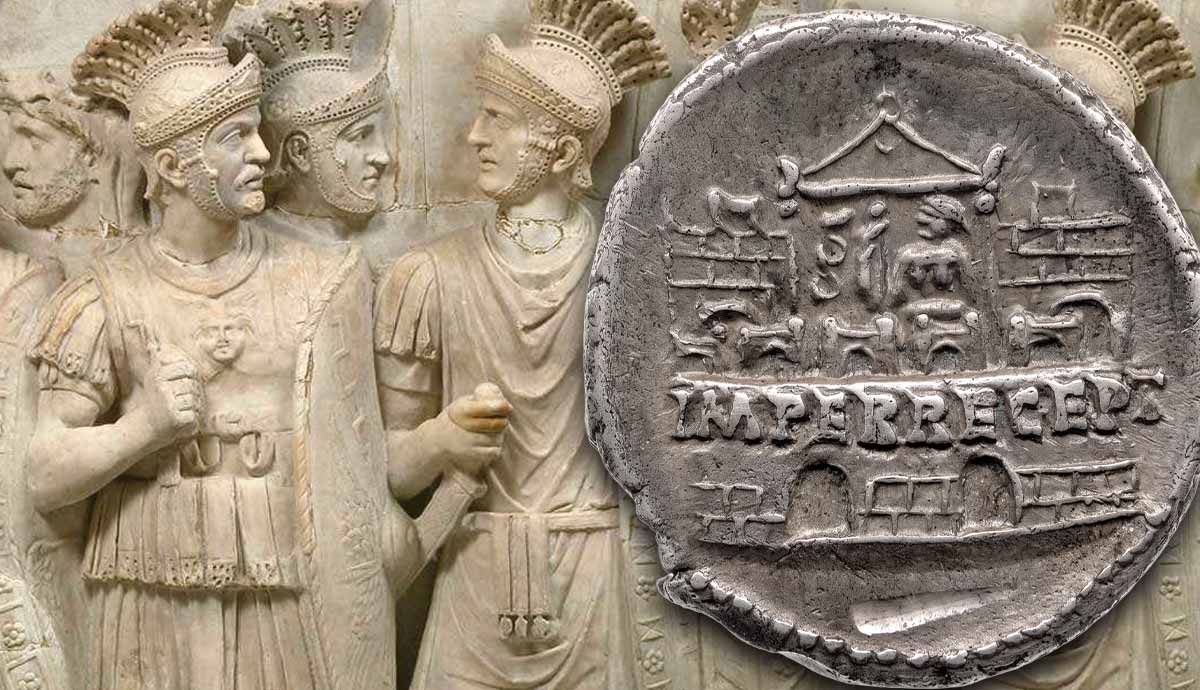
Commodus was the victim of a carefully orchestrated senatorial conspiracy. Unfortunately, the senators had not reckoned with how difficult the task of replacing the murdered emperor would prove to be. Their first choice of successor, the elder statesman Pertinax, might have appealed to senatorial sensibilities, but he could not keep the Praetorian guards on his side. The guards murdered Pertinax in March AD 193. He had been emperor for just three months.
After Pertinax’s death, a series of imperial rivals emerged from across the Empire. First, Didius Julianus purchased power from the praetorians, offering the guards the highest donative in an infamous “auction” of the Empire. Then, a handful of provincial governors were declared emperor by their troops: Pescennius Niger in Syria, Clodius Albinus in Britain, and Septimius Severus in Pannonia. The contest for supremacy that followed would engulf the whole Empire before finally leading to the titanic battle at Lugdunum.
The Lion and the Fox: Septimius Severus, AD 193-197
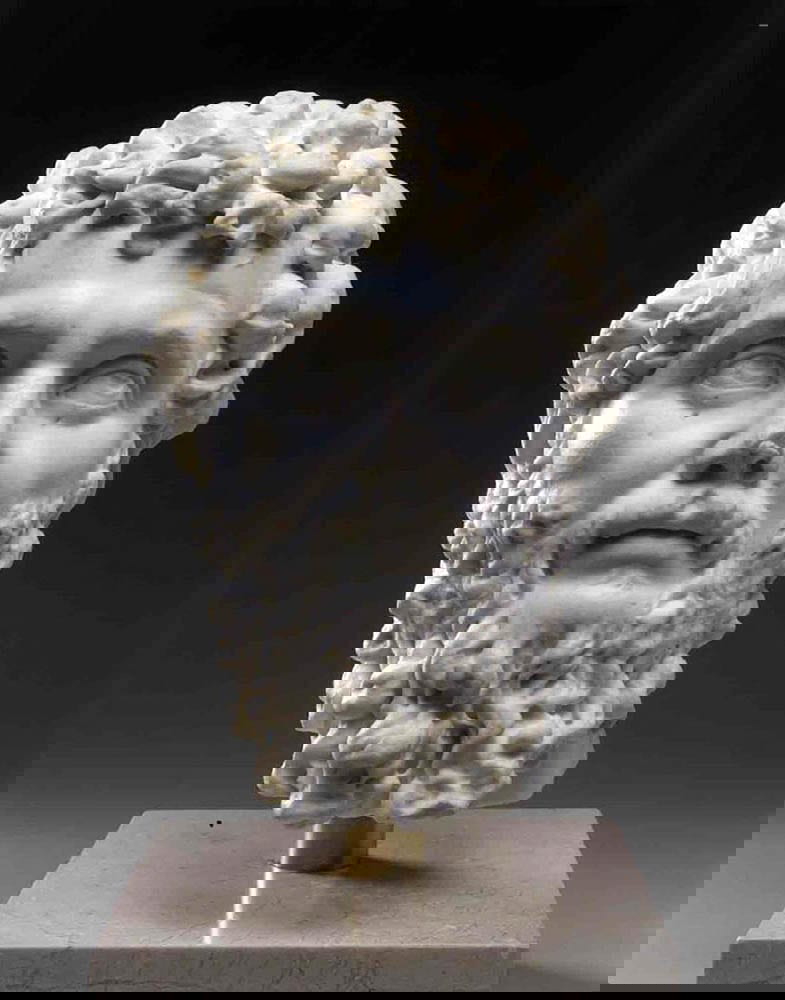
A native of Lepcis Magna, a city on the Mediterranean coast of modern Libya, Septimius Severus was the governor of Pannonia at the time of Pertinax’s murder. The legions under his command in Pannonia proclaimed Severus as emperor in the spring of AD 193, but he was not the only provincial governor in this position. Pescennius Niger and Clodius Albinus were two dangerous rivals, both able to mobilize significant numbers of soldiers. It seems, however, that Severus was by far the shrewdest of the rival claimants.
First, there was a lightning march on Rome. Seizing the imperial capital, Severus dispatched Didius Julianus and cowed the Senate into submission and support.
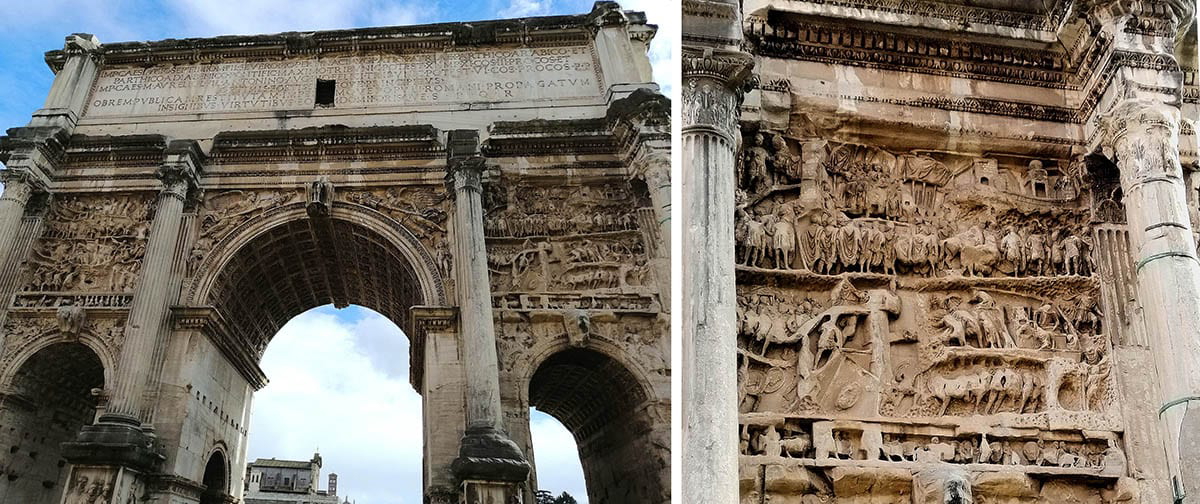
Then, Severus adopted a divide-and-conquer approach. Centuries later, the Florentine diplomat and political theorist, Niccolò Machiavelli, would laud Severus as embodying the characteristics of the “lion and the fox.” In other words, he displayed strength and cunning.
First, he mollified Clodius Albinus in the west, offering to make Albinus his partner in power. With one rival temporarily neutralized, Severus turned his attention east against Niger. Notwithstanding a protracted siege of Byzantium, Severus quickly overcame Niger’s forces in Syria.
An additional campaign against the Parthians allowed Severus to bring Niger’s soldiers into his own army against a shared enemy, effacing former antipathies by focusing on a common (non-Roman) foe. All while also swelling his coffers with booty and boosting his reputation by winning extra glory.
The alliance with Albinus was only ever going to be temporary. On his return from the east, Severus elevated his biological son, Lucius Bassianus (later to be known as Caracalla), to be his heir. This decision was effectively an announcement of his break with Albinus. The stage was set for the civil war to re-ignite once again, this time focused on the Empire’s western provinces.
The Road to the Battle of Lugdunum
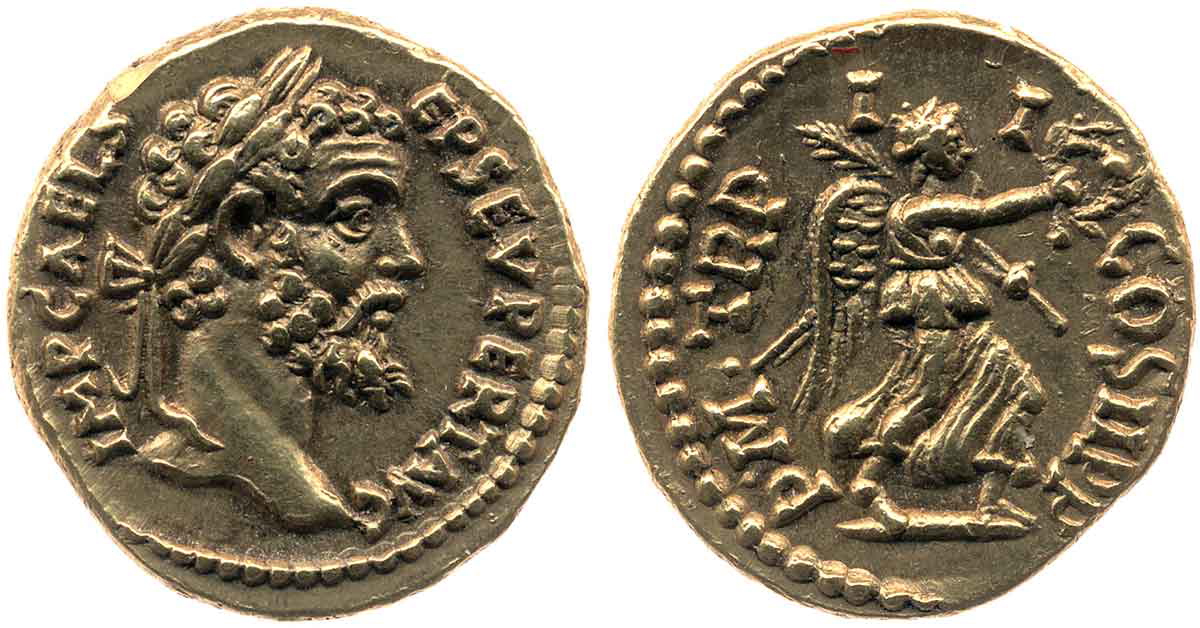
With the erstwhile allies now rivals, it was Albinus who struck first. He advanced quickly from his provincial command in Britannia and marched south through Gaul. He chose the city of Lugdunum (modern Lyon) as his headquarters. This city was one of the most significant in Roman Gaul.
At Lugdunum, Severus was joined by a handful of allies who bolstered his ranks. Early skirmishes between Albinus’ forces and the allies of Severus, including legions from Germania, were fierce but inconclusive. More frustrating still for Albinus was the fact that he was blocked from further advances southward into Italy. Severus and his allies had reinforced the Alpine passes.
The fortification of the Alpine passes also provided Severus with valuable time to mobilize his forces on the Pannonian frontier from where they could march westward to Gaul. The first sustained engagement took place at Tinurtium (modern Tournus) to the north of Lugdunum. The outcome of the skirmish between Severus and Albinus’ forces was largely inconclusive, although the former would, perhaps inevitably, claim the day. History is, after all, written by the victor. Albinus withdrew from the skirmish, drawing up his men before Lugdunum. There, on the 19th February AD 197, the fate of the Roman Empire would be decided.
Provincial Power: Lugdunum in the Empire
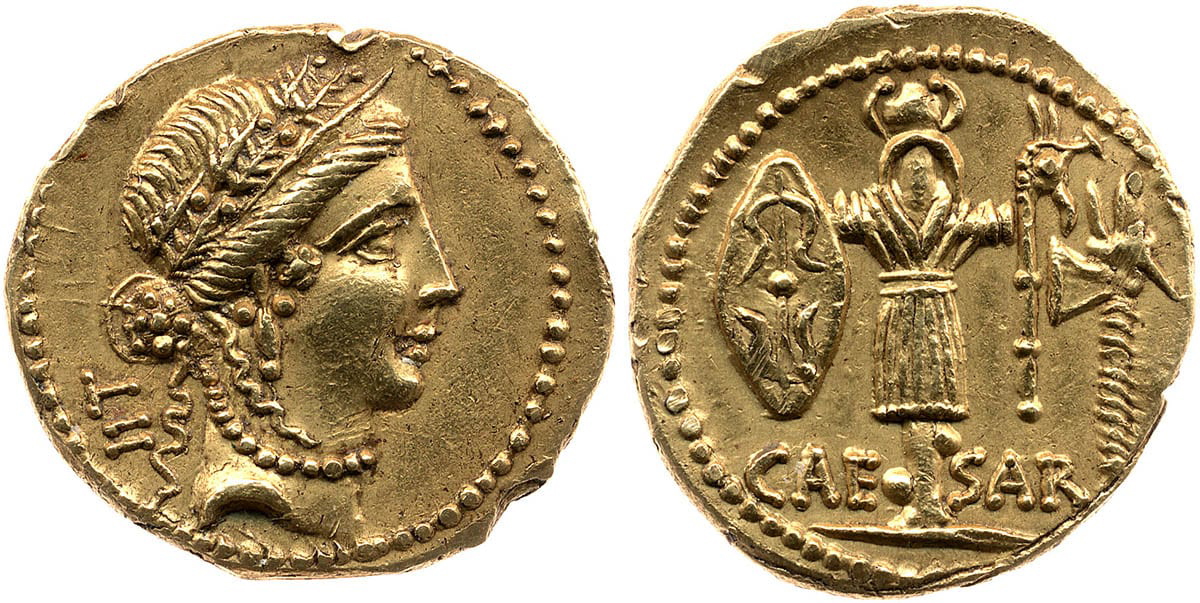
Although it was located in southern Gaul, Lugdunum was one of the most significant cities in the Roman Empire. A Roman settlement had been established there in 43 BC by Lucius Munatius Plancus, in the aftermath of Caesar’s conquest of Gaul. The city grew rapidly and became the administrative capital of the province. The road network, so crucial for the Empire, was also a key reason for Lugdunum’s importance. The city was located at the confluence of arterial roads, linking the wider province of Gaul, including regions like Aquitania and major coastal cities such as Massilia (Marseille), with the imperial capital and the rest of the Empire.
As an imperial hub, the city’s significance continued to grow when Rome transformed from a republic to an empire. The first imperial dynasty, the Julio-Claudians, had a particularly close relationship with the Gallic city. Several notable individuals from the family would call Lugdunum home as they carried out their military service. These included Agrippa, Augustus’ trusted right-hand man, as well as Drusus, Germanicus, and Tiberius, the future emperor. Another future princeps, Claudius, was actually born in the city.
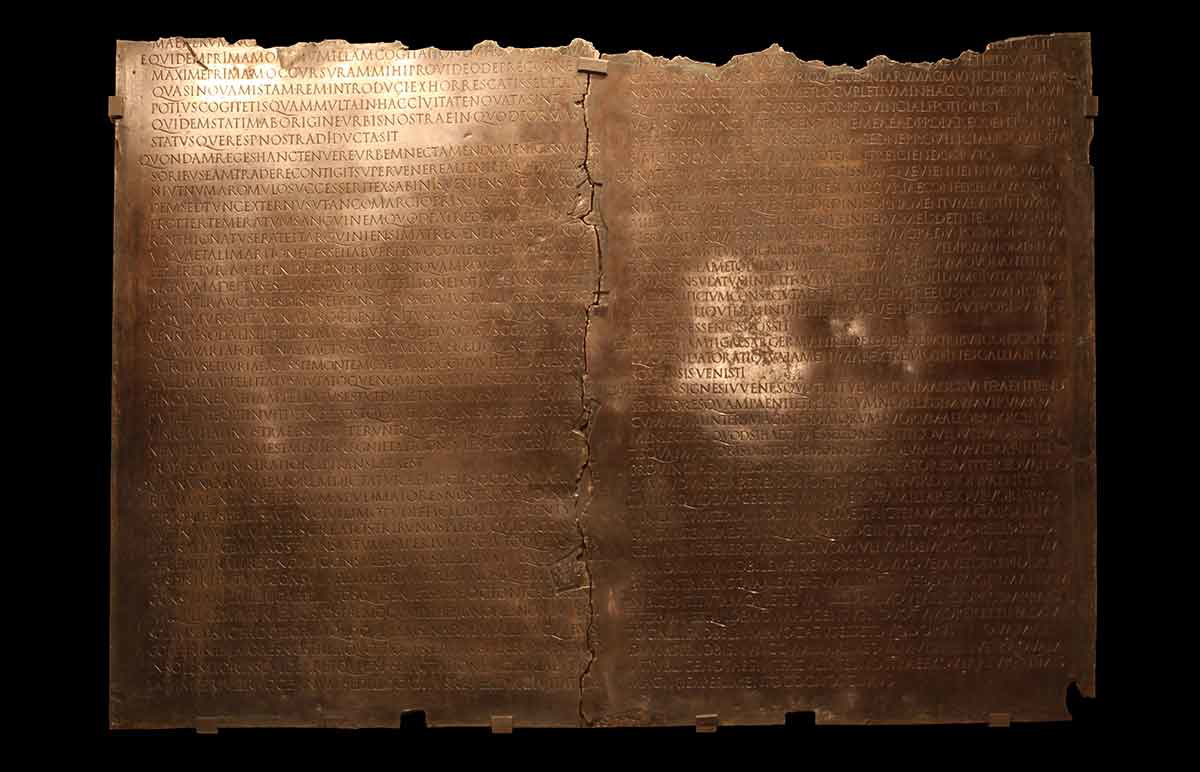
During his infancy, Claudius would have struck his family as a remarkably unlikely imperial successor. However, his reign was marked by significant developments, and one was closely connected with Lugdunum. A speech delivered by Claudius to the Roman Senate, preserved on bronze tablets and recorded by the historian Tacitus, preserves the debate to allow monied, landed citizens from Gaul to enter the Senate. Known as the “Lyon Tablet,” this document records one of the most pivotal social and political developments in the Empire’s history.
As Lugdunum continued to flourish, it is estimated that by the Empire’s Golden Age in the 2nd century AD, it had a population of around 100,000, making it one of the largest cities in the western Empire. Aqueducts were built at Lugdunum, bringing fresh water into the expanding city. The water was also used to provision public baths. Further entertainment was available for the Lugdunensians at the city’s famous amphitheater. It was the province’s first.
Imperial Destiny: Battle of Lugdunum, AD 197
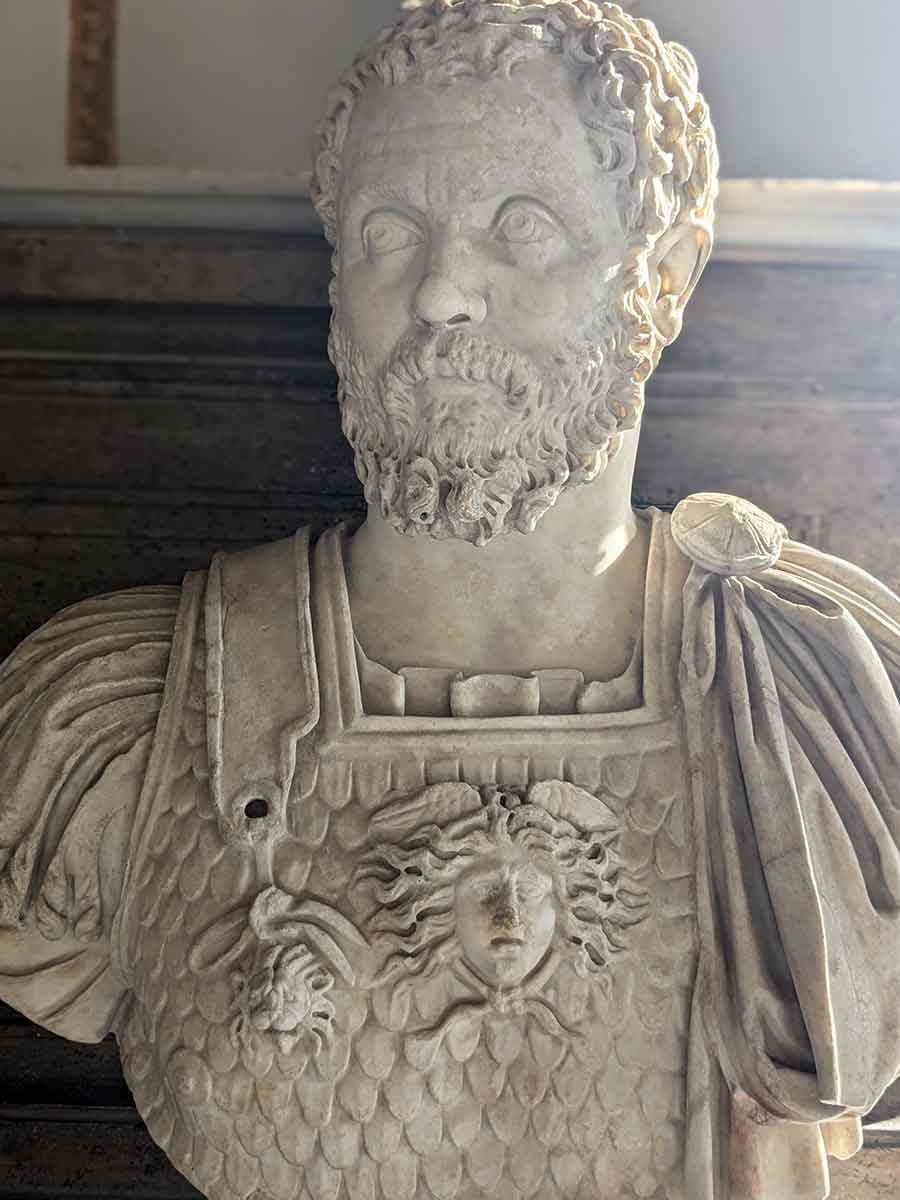
Over the course of the 2nd century AD, Lugdunum seems to have slipped from the attentions of Rome’s emperors. Nonetheless, it continued to be a significant city, and on the eve of the 3rd century, it would provide the stage for the battle that would decide Rome’s fate. Although the city served as the base for Clodius Albinus, it was well-known to his rival. Septimius Severus had previously served as the governor of Gallia Lugdunensis. As the name suggests, Lugdunum was its capital. It was in the city that Severus’ first son, Caracalla, was born. It was fitting, therefore, that the city was where Severus would decide his destiny.
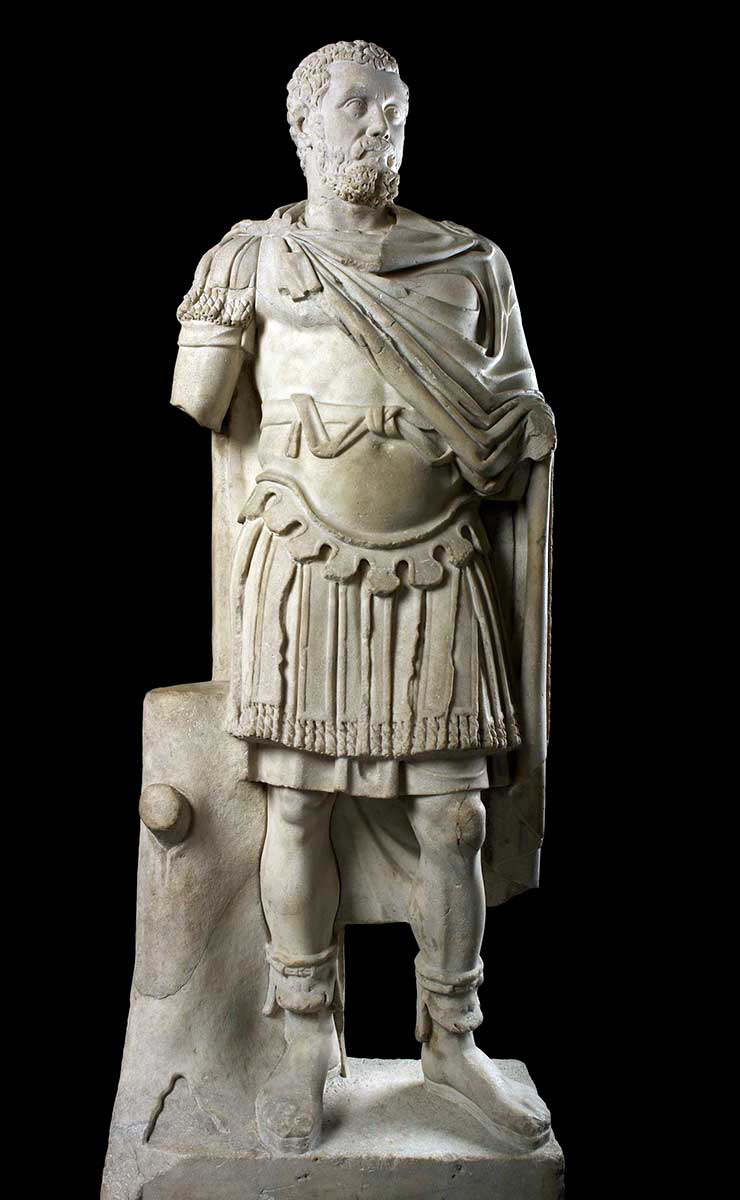
The lines of battle between Albinus and Severus were drawn up on 19th February AD 197. The battlefield teemed with huge numbers of soldiers. The senatorial historian Cassius Dio, a contemporary of Severus, records that there were as many as 150,000 troops on the field on each side. Although he was almost certainly exaggerating, his hyperbole nevertheless indicates the sheer scale of the battle that was about to unfold.
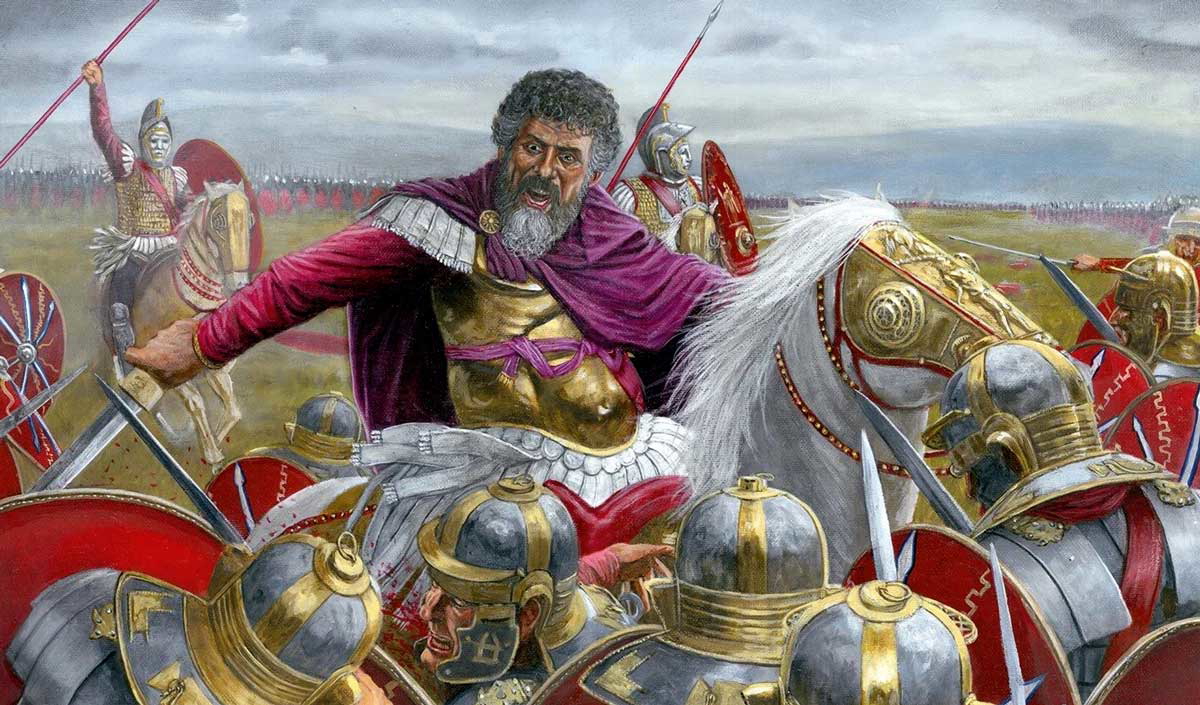
As for the battle itself, there is, unfortunately, a lack of sustained, detailed narrative across any of the principal sources for the period. Dio’s account indicates that the battle hung in the balance for a considerable time, as each side was unable to land the decisive blow. For a brief moment, the day was almost Albinus’. Amidst the furor of the battle, Severus was unhorsed as his cavalry charged in to rescue comrades who had stumbled into some carefully concealed ditches dug by Albinus’ soldiers. Severus was able to rally the troops around him to his cause, and together they routed the soldiers advancing on the stricken general.
At the same time, one of Severus’ lieutenants, a general named Laetus, made his move. It seems that Laetus had been watching the battle unfold before committing his men to the fray. Although this seems a somewhat cynical interpretation, perhaps he had seen enough in the melee to back Severus at last. It was to prove crucial. Laetus’ cavalry charge broke Albinus’ men and won the day for Severus. Knowing that all was lost, Albinus turned from the battlefield and fled to Lugdunum.
Lugdunum and the Rise of the Severans
After escaping to Lugdunum, Albinus confronted the reality of the situation. Severus had won the battle; the Empire was now his. If he were caught, Albinus would be made an example of. To spare himself the indignity and cruelty of the triumphant Severus, Albinus took his own life.
Finally, after five years of brutal civil war and political violence, the civil war that erupted after Commodus’ murder was over. A new emperor, incontestable, had been made at Lugdunum. His victory did little to quell Severus’ rage. The body of Albinus was brought before the new emperor from Lugdunum, where it was desecrated in a fit of rage.
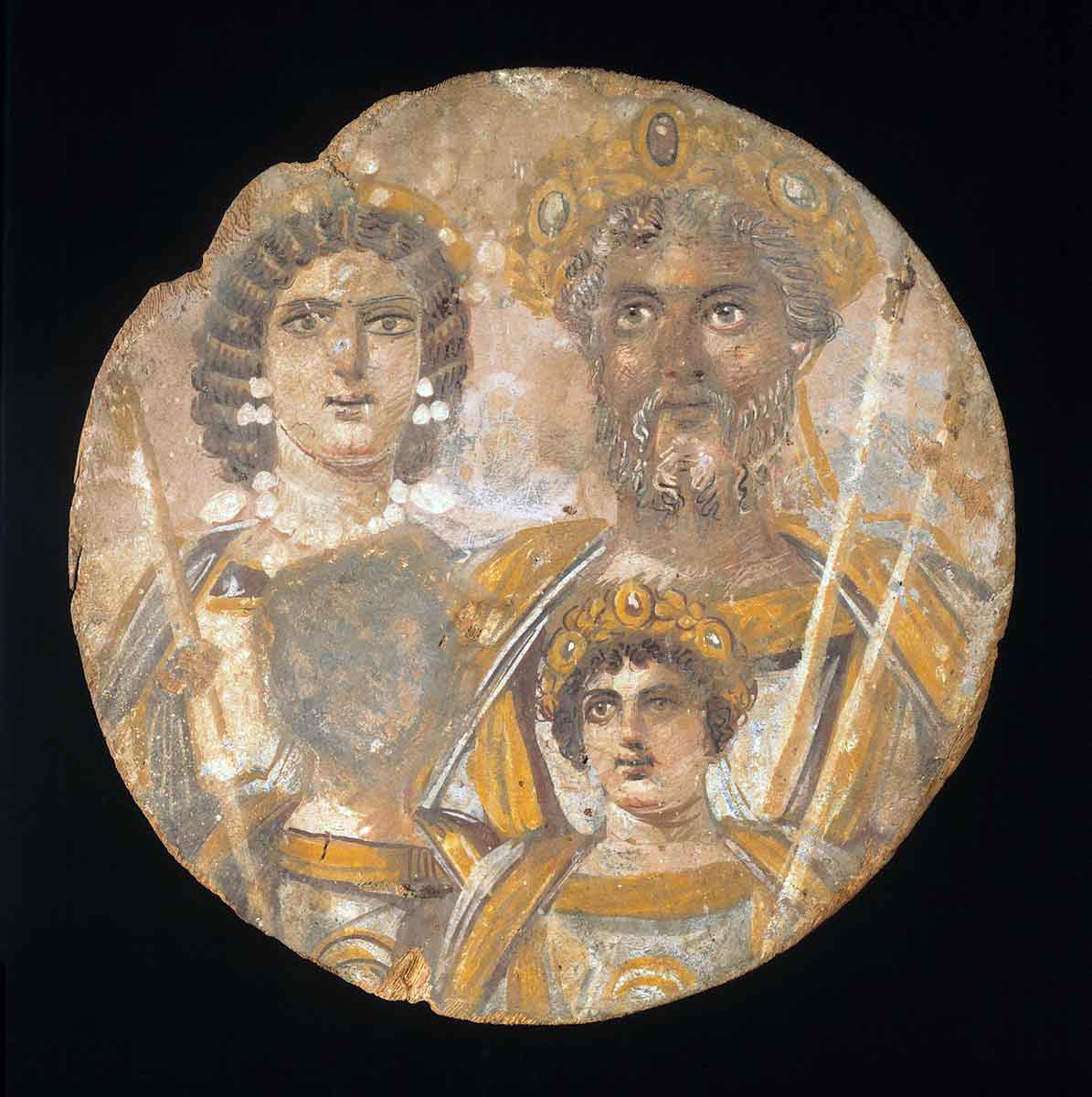
The Severan dynasty would rule the empire for the next three decades with varying degrees of success and popularity. It is important to remember, however, how important Lugdunum had been in the background. Not only was it the site of the decisive confrontation, but Lugdunum had been the place where Severus’ son was born. Although his Gallic heritage would gain short shrift from Dio, who loathed Caracalla, it was the arrival of this young boy that gave Severus the motivation to break from his former ally and establish his own imperial dynasty. Lugdunum was, in other words, central to the course of the early decades of the 3rd century AD.