
When was the last time you did nothing? And I mean absolutely nothing. No scrolling through TikTok and Instagram, no day-dreaming, even no reading or writing or any kind of busy work. I don’t even remember the last time I afforded myself the luxury of “doing nothing.” If you ask modern “hustle bros,” they’ll tell you that this is a good thing. Sleep is for losers, they’ll tell you. They might even say that you’re not doing enough, that you can always push a little harder, get up a bit earlier, and see family and friends even less than you already do. It’s all “part of the grind.” Don’t you want to be successful?
An Age of Digital Overwhelm
It’s this mindset that’s corroding our collective psyche in this modern age of digital overwhelm, AI slop, and entrepreneurs shouting over rooftops that you need to jump on the latest dropshipping or crypto trend. Hustle culture and the modern gig economy are telling us we’re supposed to be working 16-hour days, work on weekends, and neglect personal time at the expense of being “more productive.”
Now, I don’t want to sound overly cynical. Productivity clearly has its place in life. It’s one of the joys of living: contributing something to the world with your talents. But in this article, I want to push back a little on this idea of I’ll sleep when I’m dead. And I’ll do this with the help of two of my Stoic friends, Seneca and Marcus Aurelius.
On the Shortness of Life
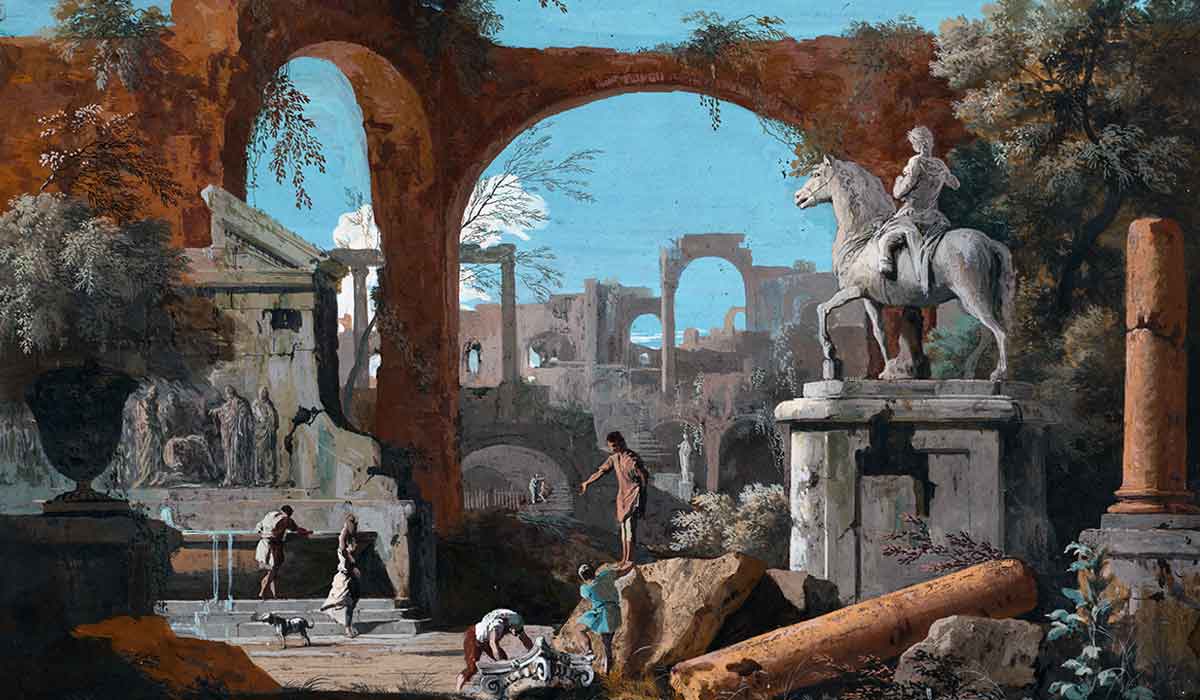
In his legendary gut-punching essay, On the Shortness of Life, Seneca says:
“It is not that we have a short time to live, but that we waste a lot of it. Life is long enough, and a sufficiently generous amount has been given to us for the highest achievements if it were all well invested. But when it is wasted in heedless luxury and spent on no good activity, we are forced at last by death’s final constraint to realize that it has passed away before we knew it was passing.”
And Lucius Annaeus Seneca knew something about living a busy life. He was, after all, a statesman and a playwright, and most famously (and dangerously), chief advisor to the Roman Emperor Nero, who in the latter years of his rule grew erratic and despotic, accused Seneca of participating in a conspiracy against him, and ordered him to commit suicide.
Seneca’s days were consumed by political scheming, and his calendar would be the stuff of envy to modern CEOs. But notice what Seneca is not saying in the above quote. He’s not saying there’s not enough time.
On the contrary, he says there is more than enough time to lead a quality life, but we’re choosing to squander it. We work, but for what purpose? For material possessions? What is the worth of these possessions if we’re giving away the most valuable commodity that we can never earn back, namely our time, to anyone who asks for it?
The Busy Person Trap
Seneca had particular venom for one particular kind of person: the forever-busy individual. You have met these people, even if only through your screen. The always-grind person who gets up at 3 am, plunges into an ice bath, reads a book, exercises for an hour, and cold-calls at least 20 prospects all before 7 am. It’s a remarkable sales pitch when you really hone in on it. You’re paying the price today for the reward you’ll get tomorrow.
But the reward never comes. It’s always a fight for more, and the reward is always just outside your grasp. Just one more sleepless morning, twenty more cold-calls, ten more bench-reps, and you’ll be closer to achieving all your coveted goals.
According to Seneca, this person is never actually getting anywhere. He is forever chasing, forever postponing today so that he can dread tomorrow. He writes in On the Shortness of Life, “the greatest obstacle to living is expectancy.” Seneca had a perfect example for this: Augustus Caesar, who spent his life ruling and expanding the Roman Empire while longing for an ordinary life, fantasizing about a retirement that never came. The most powerful man on earth, a person who could command entire armies and cities, couldn’t command a single afternoon of peace.
The Emperor Who Found Stillness
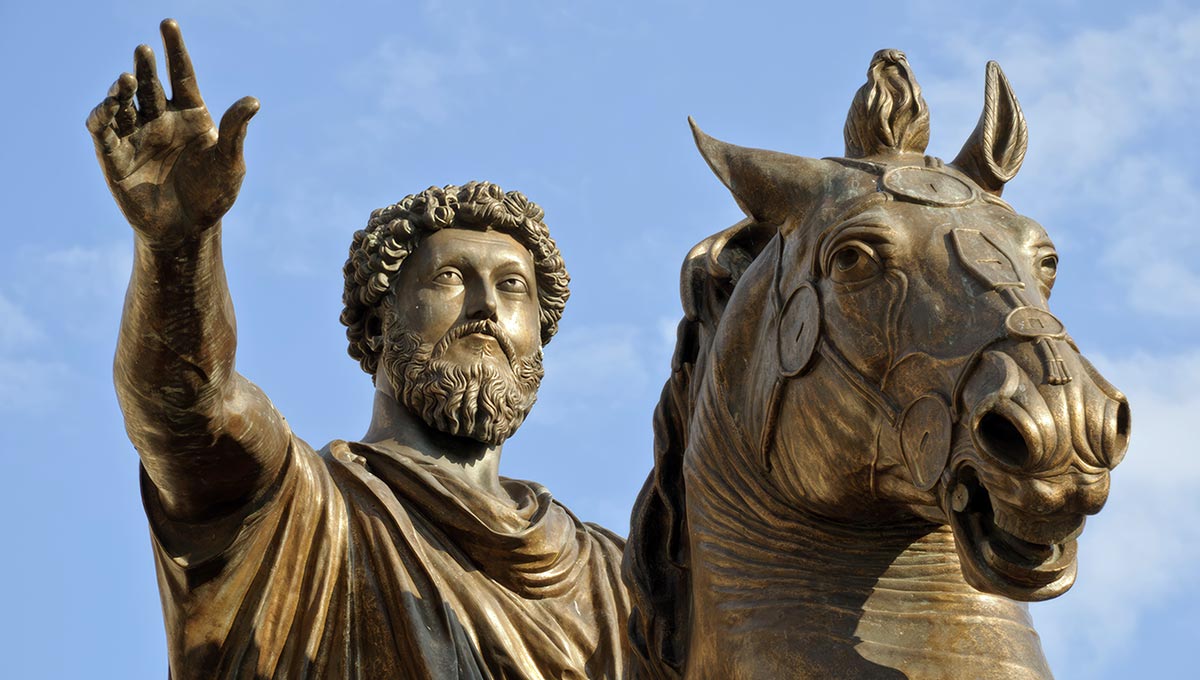
If Seneca diagnosed the illness, Marcus Aurelius was the person who proved the cure works.
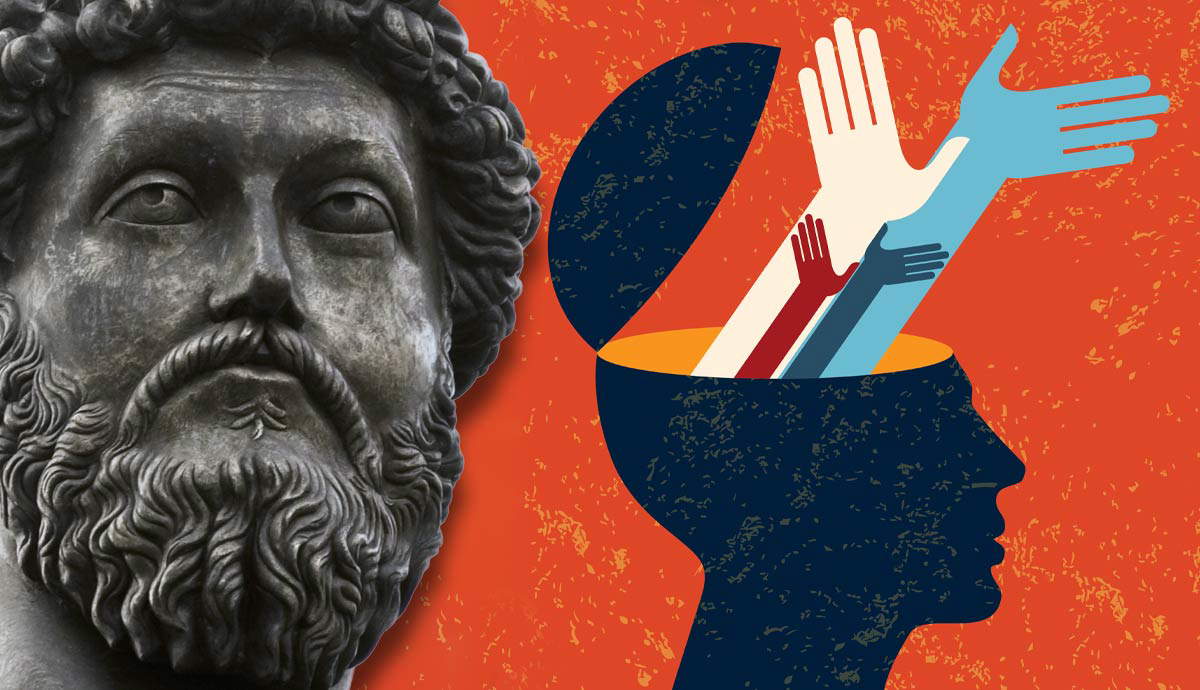
Marcus Aurelius was the emperor of Rome from 161 to 180 CE. He held arguably the single most powerful position in the world at the time. And his reign was anything but peaceful. His army was warring with the Germanic tribes in the empire’s freezing northern frontiers, all while the Antonine plague swept the empire and killed millions. Several of his children had died, and one of the surviving ones, Commodus, would prove to be a deeply disappointing successor, to say the least. So Aurelius was waging war on several fronts, literally and figuratively.
There was no time for inner peace. Or so it seemed.
You see, despite his life being filled with turmoil, Marcus Aurelius still found time for stillness. Out of that stillness came one of the Stoic bibles that millions have read since: Meditations. Meditations is a compilation of writings from Aurelius’s private diary, which he kept during those tumultuous times. Of course, he didn’t intend for anyone else but him to read his diaries, as far as we know. It is my belief he’d probably turn in his grave if he found out that millions of eyeballs have gone through his most private, innermost thoughts, critiquing and dissecting them in detail.
Alas, here we are, and honestly, we’re better for it.
In his journals, we can see how he wrestled with the painful moments in his life, and how he constantly reminded himself to return to what was in his control. He couldn’t control how many people the plague would kill, or whether his army commanders would make any dumb decisions, or if the weather would be merciful during a crucial battle on a particular day. What he could control were his thoughts and emotions.
Retreating to Silence
One of the key ideas of Meditations is that we can always retreat to silence. “At any hour you please,” Aurelius says, you can “retreat into yourself” and make a decision: What is actually mine to carry here? What is just vanity dressed up as urgency?
This question alone can expose a lot of the garbage we call productivity.
Most of us aren’t ruling an empire or trying to deal with a deadly plague, thank God. But somehow, among the countless emails, push notifications, calendar deadlines, and infinite doom-scrolling, we always feel one click away from total collapse. This is not productivity. This is not peaceful living.
Busy-work is sneaky. After a long day of answering emails, we’re able to say, “See? I did things!” Yes, technically, activity happened. But spiritually, you haven’t even moved a needle.
This is the trap Seneca warned us about. A life can be full and still wasted. Seneca’s point was not to retreat in complete isolation. The Stoics didn’t avoid work, obviously. They were some of the most important people around. They had duties, and they fulfilled them. What they were adamantly opposed to was slavery, physical and spiritual.
So what is the answer to all this? It’s certainly not another productivity system. The answer could be to pause simply, even for a few minutes. Let the boredom arrive. Let the panic set in once your brain realizes it’s not being entertained. Maybe you’ll be surprised at how much better you’ll feel, even for a split-second.
Busy Is Not the Same as Alive
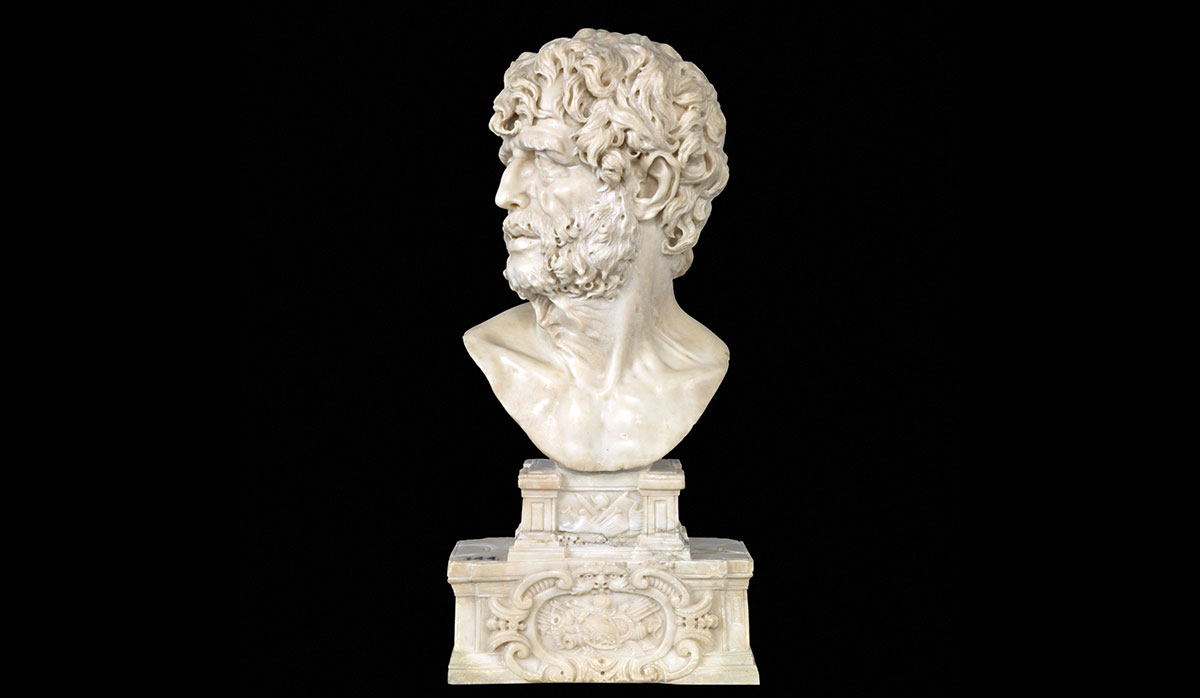
You may find something new, even. A grief unprocessed, a thought you haven’t given much attention to. A decision you’ve postponed. This is the point of stillness. This is what Seneca and Marcus Aurelius have been trying to teach us all along. Being busy is not the same as being alive.
And maybe that is why doing nothing feels so strange today. Because the moment we stop performing busy-work, we have to face the one thing that no hustle guru can package and sell to us at any given moment: our own life.