
Getting older is something everyone will experience. Yet a lot of us fear it intensely. Wrinkles, gray hair, backache, and changes in our bodies are all frequent reminders that time continues relentlessly. Modern culture does push us to stay eternally young. However, philosophy teaches us a different lesson about aging. From the Stoics through Nietzsche to Daoist and Buddhist thinkers, there has been the view that getting older isn’t just about decline. It was an opportunity to rethink your purpose and identity, as well as your conviction about what actually makes for a good life.
The Stoics Said We Fear Aging Because It Symbolizes What Youth Gives Us

What if you aren’t afraid of getting older? According to the Stoics, many people are actually terrified of losing all those things that youth represents. We fear losing our beauty, our health, our energy, or independence, or even our opportunities slipping away. Aging itself just becomes the symbol of those deeper fears.
Stoic philosophers Seneca and Marcus Aurelius thought this anxiety came from resisting nature. Every human being gets older. Fighting that reality will only create pointless suffering.
This lesson seems especially relevant today.
Consider modern culture: it continually tells us to resist aging. Advertisements offer you younger-looking skin. Social media celebrates youth. Huge industries exist solely to delay the obvious signs of getting older.
The message is clear: aging is something to be defeated.
The Stoics rejected such an understanding of aging. They divided life into two categories: what we could control and what we couldn’t. We do look after our bodies, remain active, and make sensible choices. However, we cannot halt time.
When we finally accept this fact, then something rather unexpected happens. That energy that used to go on fretting over wrinkles or birthdays is now available for actually living well right now.
Seneca told his readers that life isn’t short because of our age in the aptly titled work On the Shortness of Life (De Brevitate Vitae). There, Seneca elaborated why life feels short. Spoiler alert: it’s because people squander so much of it worrying instead of living.
Marcus Aurelius made a similar comment in the Meditations. Nature constantly renews everything. And that includes ourselves. Getting older is simply just another part of that universal natural process.
The Stoics might well ask you just one simple question here: Why would you spend today’s precious moments fearing tomorrow?
Accepting your aging means refusing to let your fears take hold of all the years you still have left.
For Aristotle, Age Comes Naturally, but Wisdom Must Be Earned
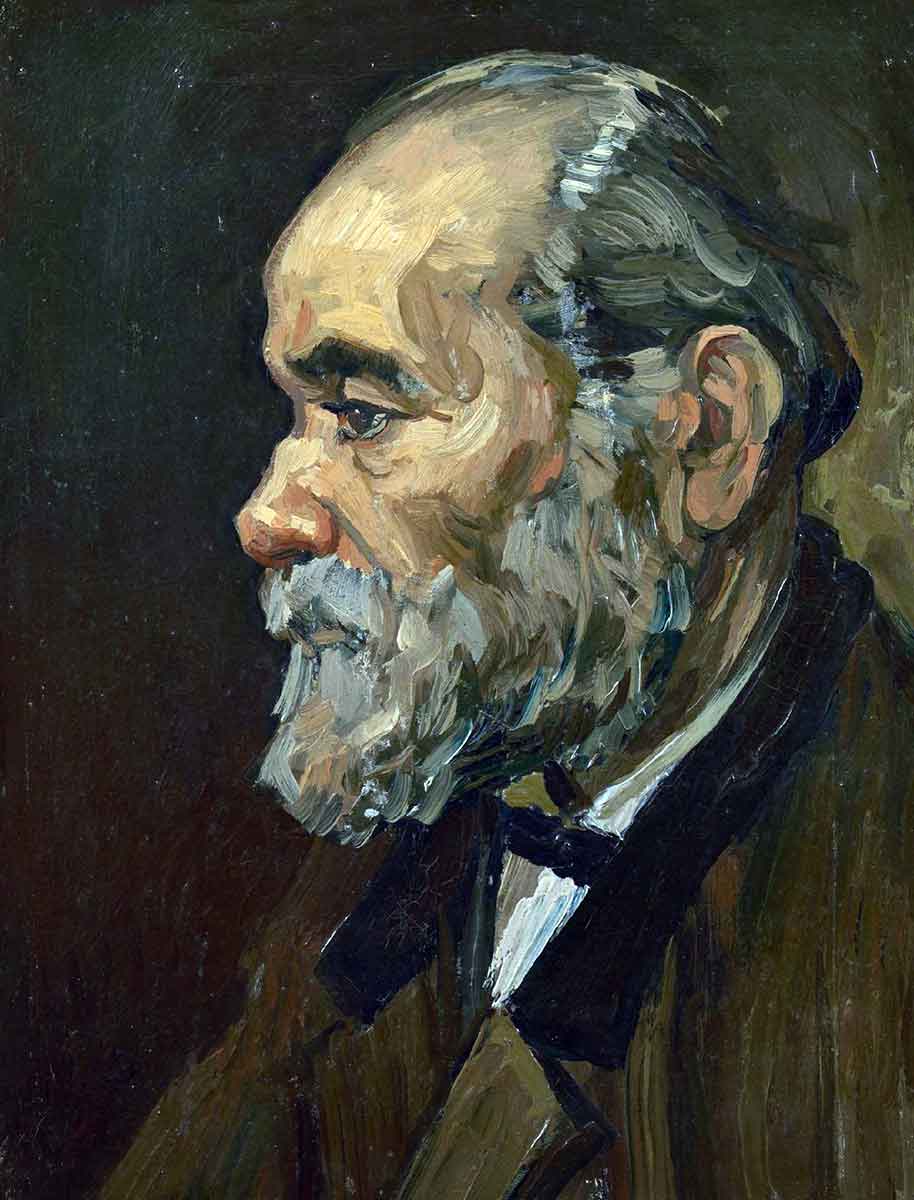
Aristotle would agree that getting older does not always mean becoming wiser. Age and wisdom aren’t the same thing. The former comes naturally. The latter demands hard work.
Right at the heart of Aristotle’s philosophy was eudaimonia, which is often translated as human flourishing. Youth, looks, or wealth didn’t judge a good life. Your character determined it. And this is just one reason why Aristotle’s virtue ethics remains so relevant today.
Virtues like patience, courage, generosity, honesty, and wisdom are formed through many actions over a lifetime. They simply can’t be developed in just one night.
Let’s imagine a tree. Its deepest roots aren’t created during its first years. They develop slowly over the changing seasons, storms, rains, and all those years of steady development.
Aristotle thought that people developed themselves just like a tree does.
Today’s society celebrates achievement made when we’re young. Young entrepreneurs, athletes, and social media stars get loads of attention in the news. Meanwhile, older age is occasionally seen as a decline.
Aristotle would reject this whole idea. He believed a lot of our lives’ greatest virtues just get better with each passing year of experience. Someone who has struggled through their life will probably have more strength of character. A person who has had some failures may end up being both wiser and more compassionate. All those years spent helping your family, friends, or community will build up qualities that can’t be rushed.
Getting older presents an opportunity instead of a loss. Each phase of our lives does offer new opportunities to practice our virtues.
Existentialists Say a Deadline Is What Makes Your Choices Matter
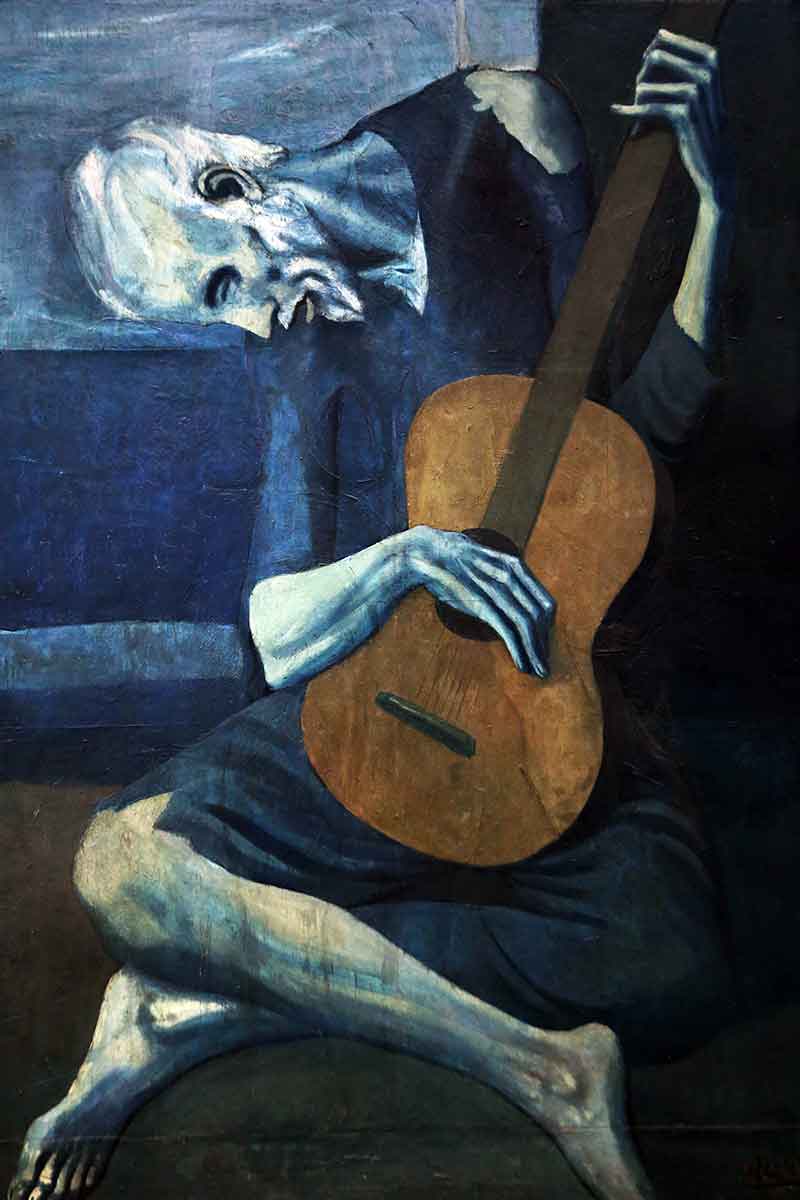
Why do birthdays suddenly feel different after thirty or forty? Existentialists believe that the reason here is not about the numbers. Instead, milestone ages serve as a reminder that time is limited. Without such limits, each decision could be put off indefinitely. Since life will eventually come to an end, every single choice becomes precious. This forms the core of existentialist philosophy concerning aging.
One of the most influential existential philosophers, Martin Heidegger, argued that human beings exist with a sense of their own mortality like no other creature. He called this being-toward-death: we exist by anticipating our own end, and that anticipation is what lets a life become authentically our own.
Many people get worried thinking they’re supposed to have hit specific milestones by certain ages. A good career by thirty. A family by forty. True financial security by fifty.
Existentialist thinkers challenged these expectations. Jean-Paul Sartre said that people continually construct themselves right through their daily choices. Our identity is never quite complete. Simone de Beauvoir too rejected the notion that getting older should determine a person’s worth or possible options. She also wrote a book-length philosophical study of old age, La Vieillesse (1970), later translated as The Coming of Age.
Getting older doesn’t mean your whole story has already been written out. It merely signifies starting yet another chapter. Existentialists thought the awareness that time is limited shouldn’t give rise to despair. It should encourage authentic living instead.
Rather than putting off important work, challenging conversations, or long-held dreams, they urged immediate action.
Maybe getting older feels pretty frightening because it reminds you that life itself can’t be delayed forever. However, that same awareness can motivate one to live with greater sincerity than ever before.
Nietzsche Says Self-Overcoming Has No Age Limit
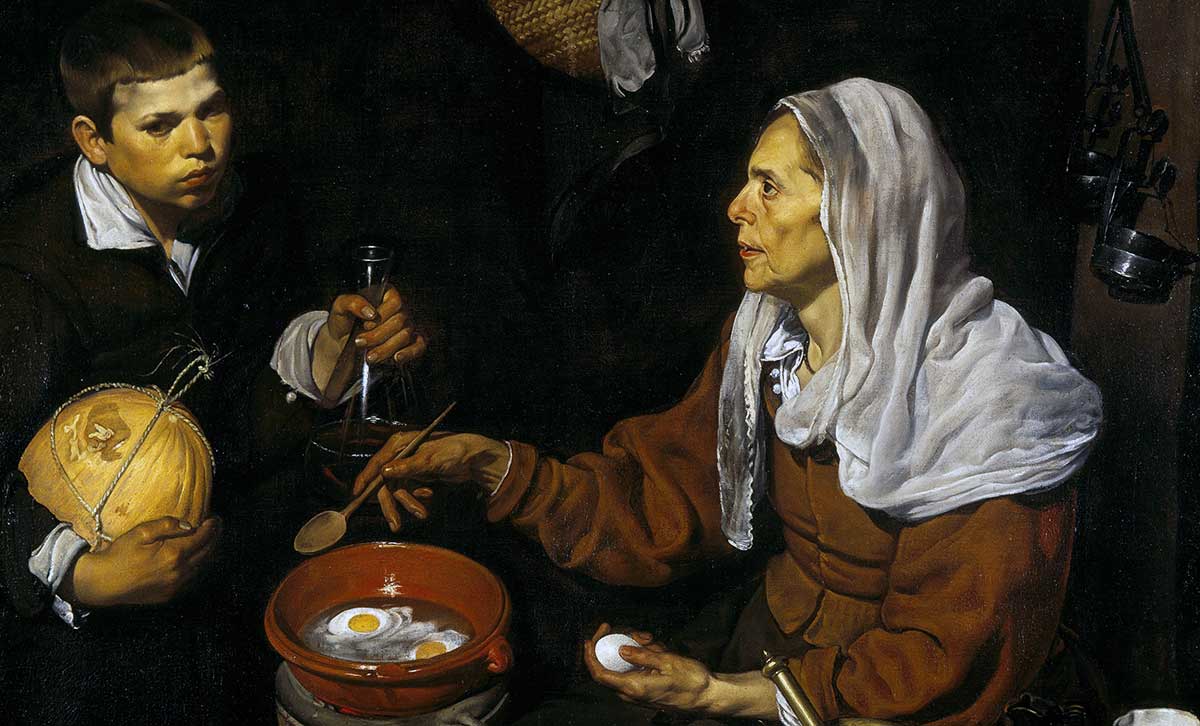
What if your best years are yet to come? Modern culture constantly holds youth as the ideal moment for change. We’re told to construct our careers at an early stage, follow our dreams before the age of thirty, and that reinvention will become increasingly difficult with each passing birthday.
Friedrich Nietzsche would have disagreed. He believed human beings were never truly complete.
One of his most compelling ideas is Nietzsche’s concept of “self-overcoming.” It is the notion that life is an ongoing process of development rather than staying static. Each phase of life represents an opportunity to question established routines, challenge those beliefs holding us back, and so produce a better, less fearful version of ourselves.
Getting older doesn’t put an end to this process. It actually makes it possible more often than not. With time comes knowledge and experience. As we start to worry less about impressing others, we focus on living out our own values. The majority of the fears that shape our early years gradually lose their power.
History shows this idea perfectly. Grandma Moses started painting seriously in her late 70s and went on to become one of America’s most renowned artists. Countless authors, researchers, and thinkers achieved remarkable things much later in life because their wisdom continued to develop well beyond their youth.
Nietzsche might argue that every part of life offers a unique chance for change and growth. The real question isn’t how old you are. It’s about whether you’re still ready to keep learning.
It’s possible that getting older won’t shut doors. Perhaps it will give us the confidence to open the right ones at last.
Daoism and Buddhism Say Stop Fighting Change
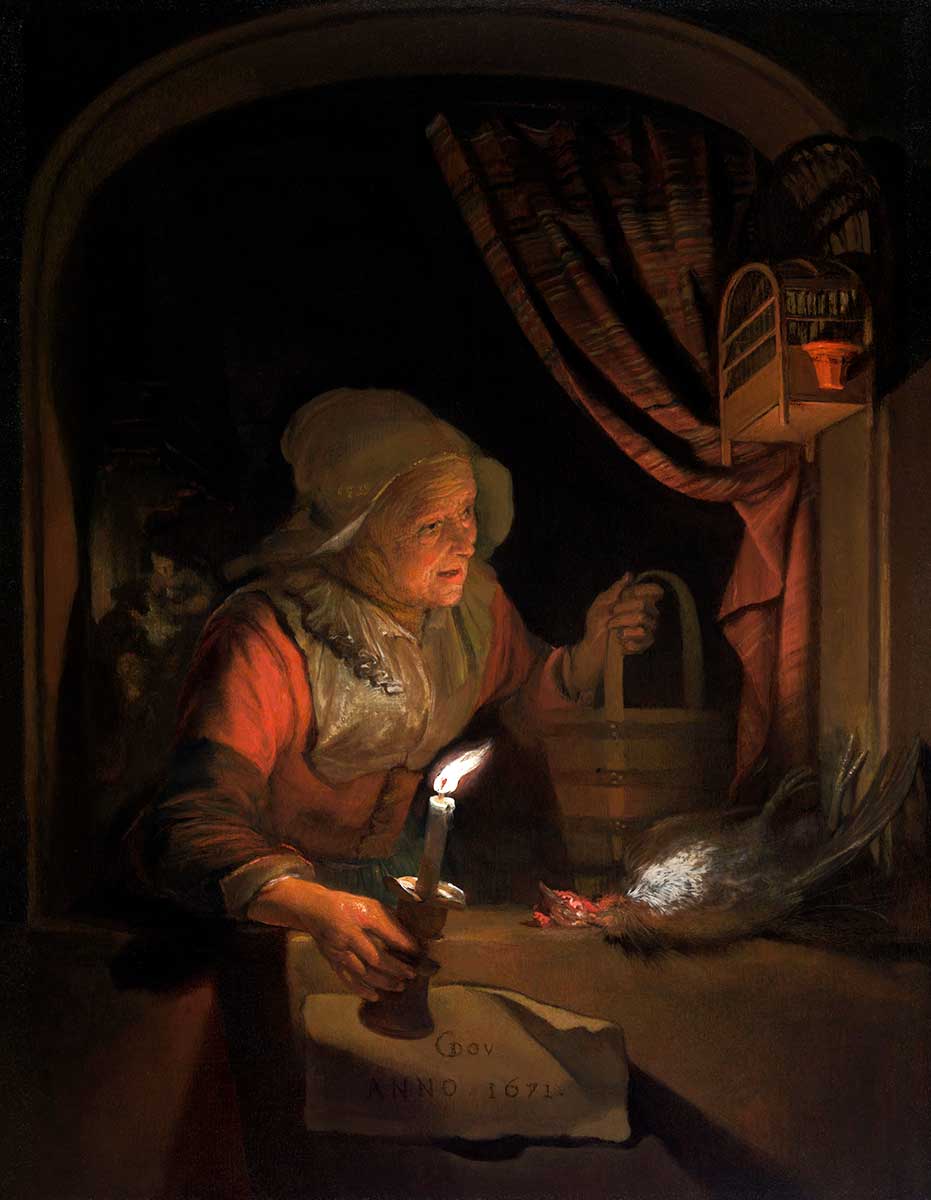
Daoism and Buddhism present an answer to the question of why we waste all our energy fighting something that’s always been constantly changing: our age.
To thinkers such as Lao Tzu, change isn’t the enemy. It is the natural rhythm of life. Everything is subject to change. The seasons change. Rivers keep flowing. Trees lose their leaves just before blooming once more.
Human life follows this exact pattern. And this is one of the core teachings of Daoism: continuous transformation.
Most of our pain comes from trying to prevent change rather than embracing it. We hold on to youth, old identities, and former versions of ourselves, even as life moves ahead.
Picture trying to hold onto water using your closed fist. The harder you grip, the quicker it will slip right through your fingers. Laozi believed life basically works the same way. True peace results from learning to move with change rather than fight it.
Buddhist philosophy also offers a similar lesson. Everything is short-lived. Beauty, success, relationships, and indeed hardship all change over time. And by accepting this reality, you do not reduce the value of life. Quite the contrary—you can cherish each moment even deeper.
Our modern society often tells us the opposite.
People do fear wrinkles, retirement, or altering their roles because they think true happiness is exclusive to youth. But Daoism and Buddhism challenge this idea in ways different from those of Western philosophers.
Every season has its own beauty. Spring is full of new life. Summer brings out lots of energy. Autumn displays wisdom. And winter offers a chance for quiet and comfortable reflection.
Getting older simply means entering into a different season of life. Instead of continually asking “How do I prevent getting old?” maybe we should be asking “How can I experience fully the season I’m in right now?”