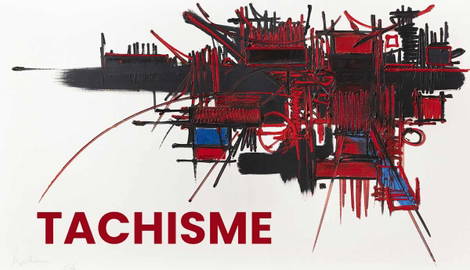

Tachisme originated in France in the late 1940s and represented a larger trend for art without limits and conventions. Tachisme artists used unconventional methods (like painting with tree branches or spreading ink over the surface with a hairdryer) and created fluid and lyrical forms. Their main goal was to create improvised and sincere art with little to no conscious involvement. Read on to learn 10 important facts about Tachisme and its artists.
1. Tachisme Was Part of a Bigger Trend in French Art
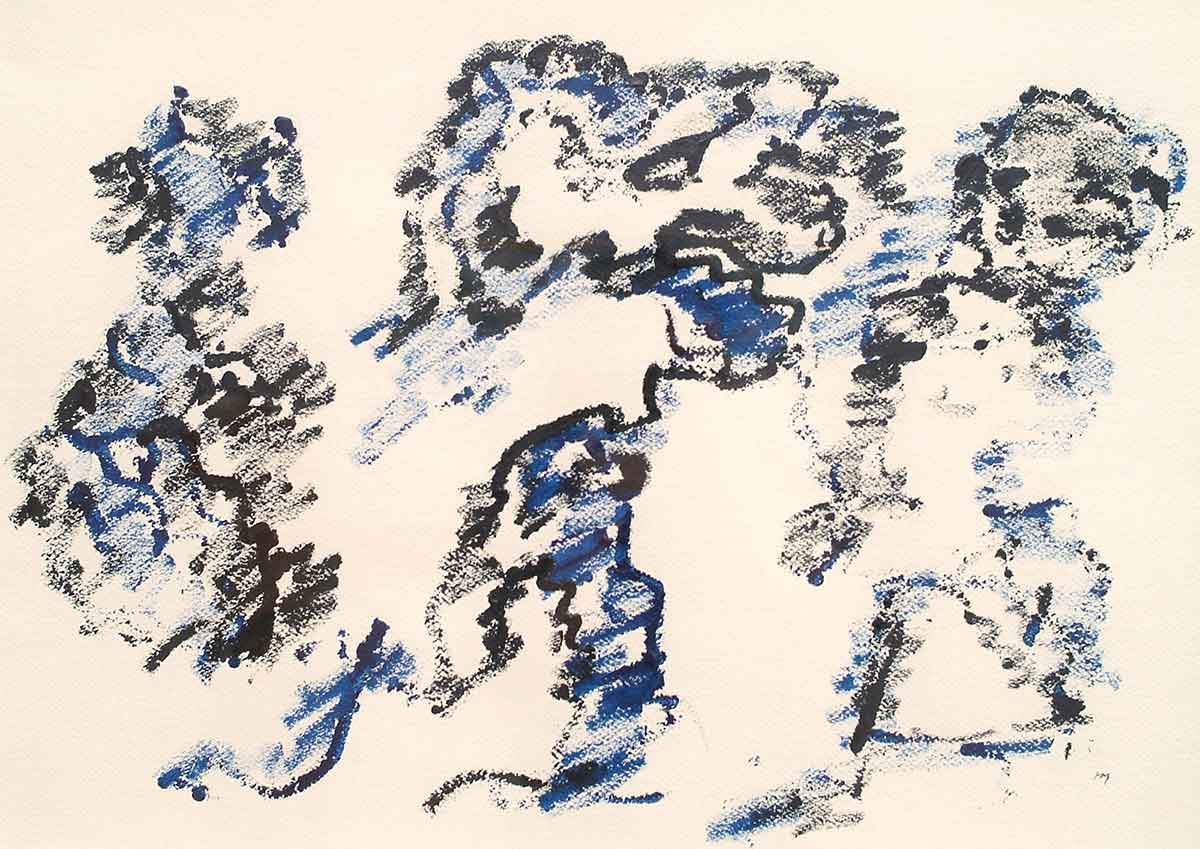
Tachisme was a French art movement that originated in the 1940s. It represented fluid abstraction, usually created intuitively. It was part of the larger movement in French and European art known as art informal—“informal art” in the sense that it lacked precise form and conventional format. Apart from Tachisme, art informal included other gestural and abstract art styles and art brut—art created by the outsiders of the conventional art market, who often had no formal training. Apart from France, Tachisme found its followers in other European countries. Particularly prominent was the art group CoBrA. The name of the group was formed using letters from the cities of the members’ origins—Copenhagen, Brussels, and Amsterdam.
2. It Had Cubist Origins
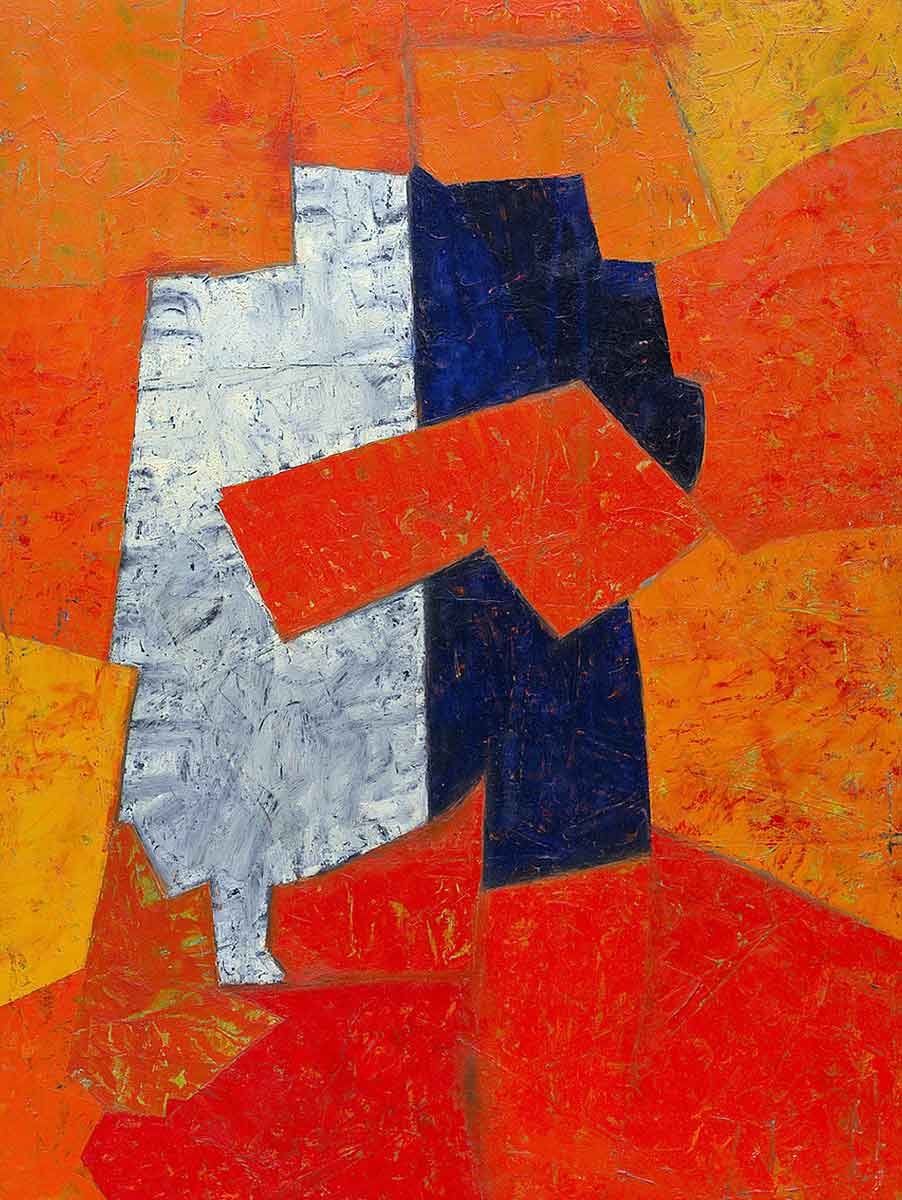
Despite several decades that separated Cubism from Tachisme, the latter movement actually relied on the former. Cubism was a deeply intellectual movement that relied on rationalism and analysis of real-life scenes in front of the artists. It was strictly figurative and deeply rooted in physical objectivity and properties of three-dimensional objects. Tachisme was the exact opposite of it: it celebrated pure abstraction with no real-world sources (although some artists later painted Tachist landscapes), and preferred intuition to calculation.
3. The Term Itself Was Much Older Than the Movement
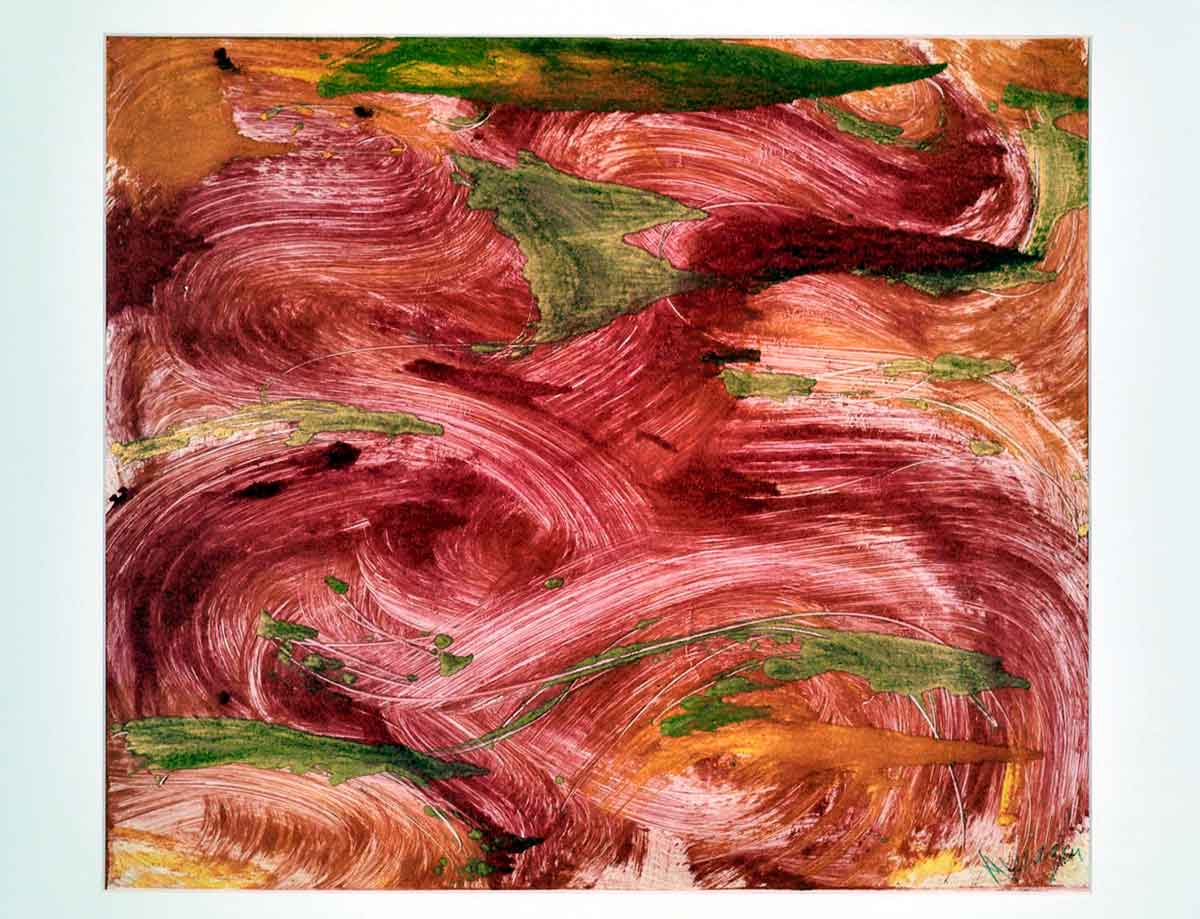
The term Tachisme originated from the French word tache, meaning stain or drip. For the first time, it was applied to the new movement in 1951 with a derogatory undertone. However, the use of this term has a much longer history. According to art historians, it was first applied to Divisionist and Pointillist artists in the 1880s. Divisionism was a technique of painting with small separate brushstrokes of unmixed color, layering them closely to one another. Allegedly, these strokes were meant to mix inside the viewers’ brains, turning into a luminous and vivid whole. Pointillism was essentially the same, only with small dots replacing the strokes.
4. Tachisme Artists Used Unconventional Techniques
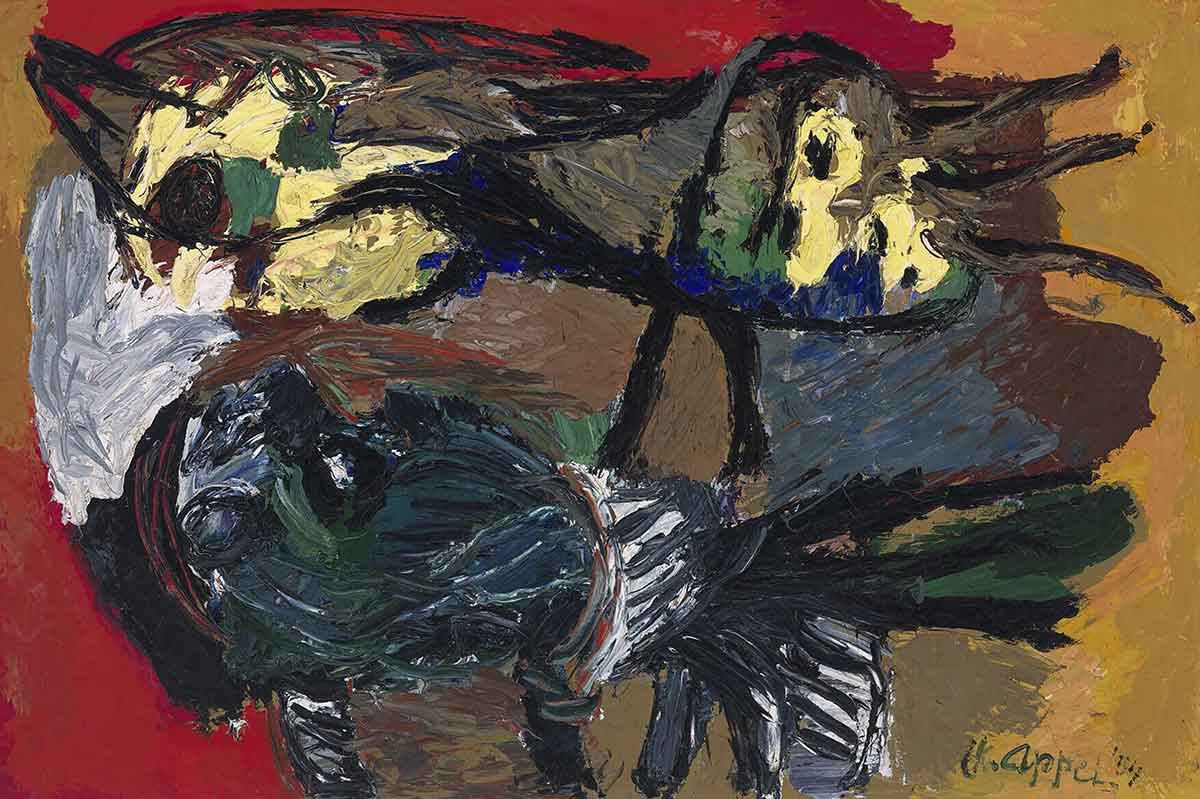
Often, Tachisme painters relied on unconventional painting techniques to make their art more expressive. Hans Hartung took the idea of organic forms to a new level by dipping tree branches into paint instead of brushes. Other artists dripped paint from cans suspended over flat canvases or splashed it onto the surface.
Other unconventional methods were used. Henri Michaux frequently worked under the influence of alcohol or mescaline. According to one of the movement’s theoreticians, Georges Mathieu, an ecstatic state of mind was necessary to create a true and honest artwork. Michaux, according to contemporaries, was deeply insecure and at odds with the rules of the world around him. He experimented with substances to calm his mind and find inspiration. He also used a hairdryer to spread ink and painted using his left hand despite being right-handed.
5. The Founding Father of Tachisme Was Wols
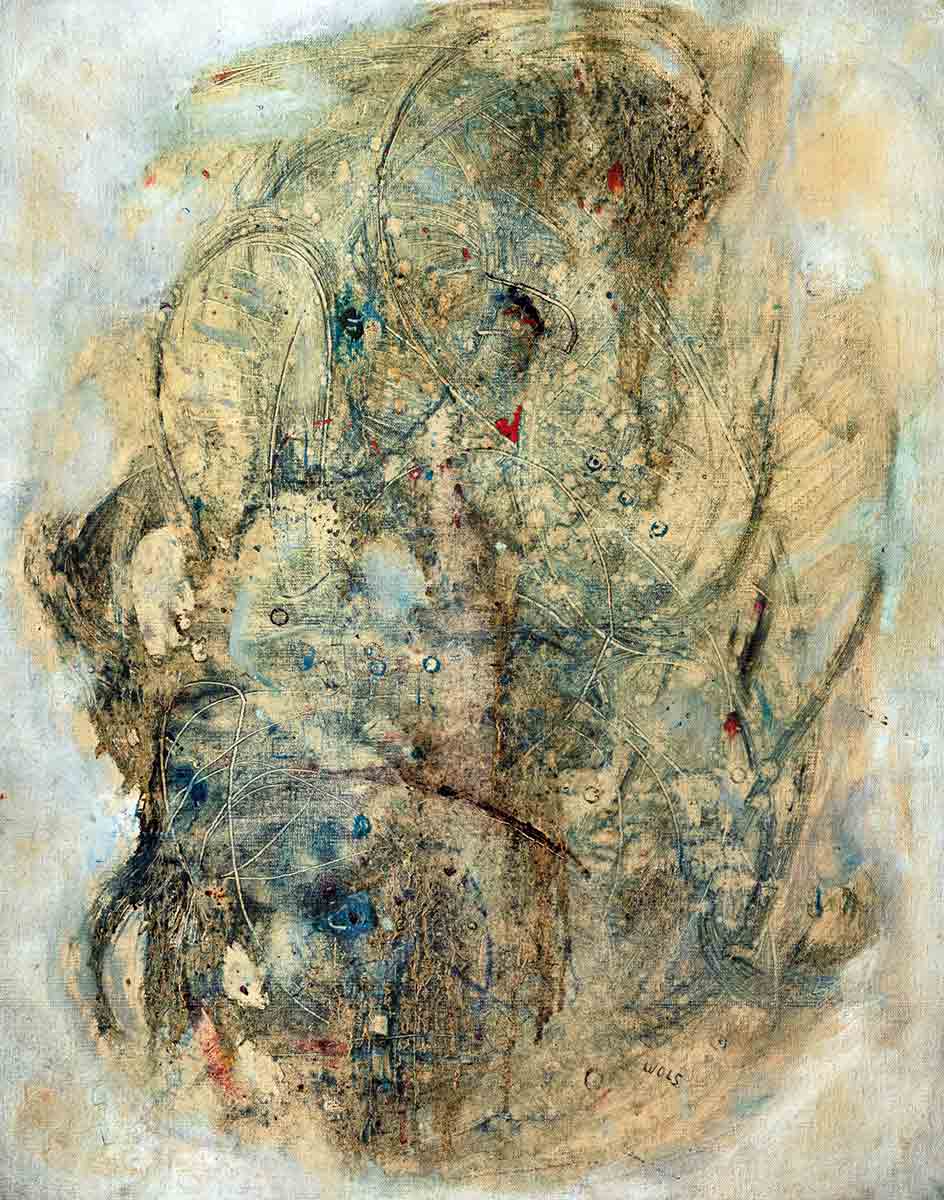
The most prominent figure of Tachisme was the painter and photographer known as Wols. He was born Alfred Otto Wolfgang Schulze into a wealthy German family. His father was an art patron and a friend of Otto Dix, so the atmosphere at home promoted his artistic inclinations. Taking the advice of László Moholy-Nagy, the Hungarian artist and Bauhaus professor, 19-year-old Wols moved to Paris to pursue art. There, his circle of friends included Fernand Leger, Max Ernst, and Jean-Paul Sartre. Wols had no formal training as an artist but compensated for it with enthusiasm, self-education, and decisive action. He painted his works using a technique similar to the Surrealist automatic drawing—a process of creating shapes and images without the conscious involvement of the mind.
6. Tachisme Was Different From Abstract Expressionism
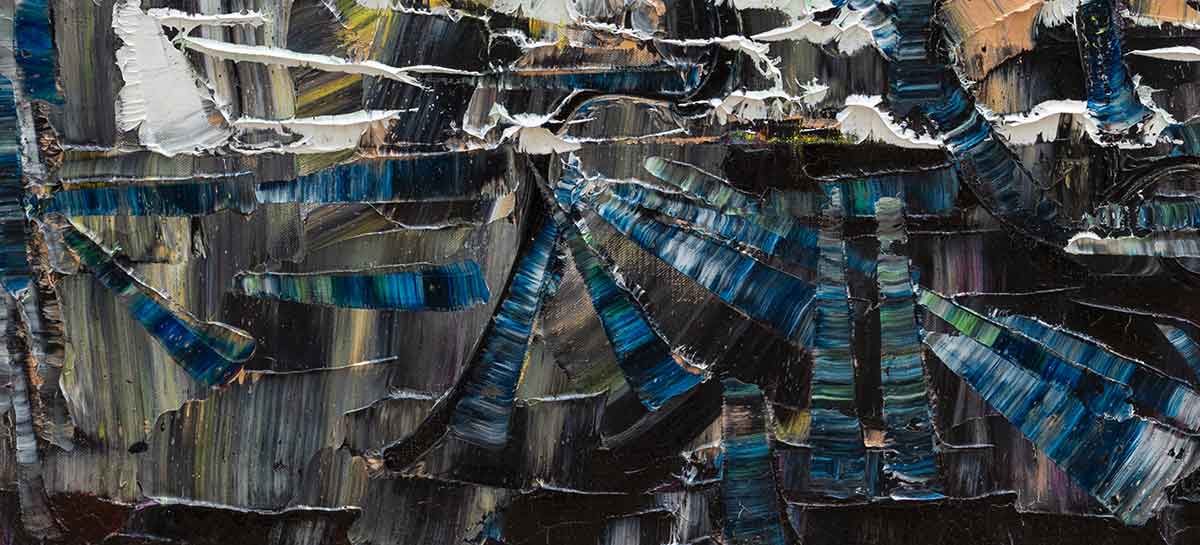
Frequently, Tachisme is described as a French alternative to American Abstract Expressionism. Many of the movement’s artists were indeed inspired by their overseas colleagues. Painter Jean-Paul Riopelle came close to imitating the work of Jackson Pollock. Although the movements were close from a formal point of view, there were certain tonal differences between them.
Despite similar artistic methods and the focus on individual artistic expression, Tachisme was usually less aggressive and more refined than Abstract Expressionism. Moreover, it was different from a political point of view. Abstract Expressionism was weaponized by governmental institutions as a tool of propaganda for American values and creative individualism. One such case was the famous exhibition The New American Painting curated by the CIA. It did not matter that most artists did not share the ideology they were supposed to promote—still, their art was labeled as such and brought to other countries as examples of national creativity backed by the state. Tachisme, on the other hand, was made by politically active figures who had no ambitions of siding with the government and were largely left alone by the authorities. Many of them were activists, who supported the 1968 student protests and the anti-fascist movement.
7. Some Tachist Painters Turned Their Art Into Performances
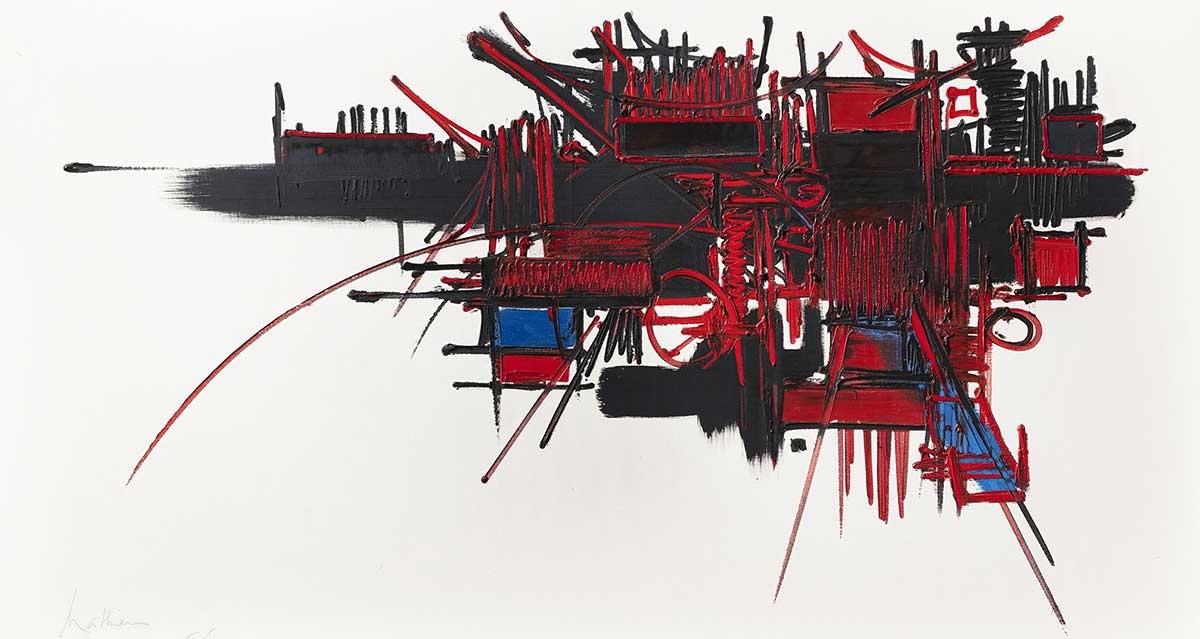
Despite the movement’s umbrella term, different Tachisme painters treated its boundaries differently. One of the most eccentric and influential representatives was Georges Mathieu, who often painted in public and on stage. He presented aesthetic performances dressed in medieval garments, creating paintings of enormous sizes in just hours. Mathieu was also one of the movement’s theoreticians. In 1947, he drafted the four principles of lyrical abstraction: fast execution to avoid involving the artist’s consciousness, complete absence of references, no premeditated moves, and an ecstatic state of mind.
8. One of the Most Famous Tachists Found Inspiration in Astronomy
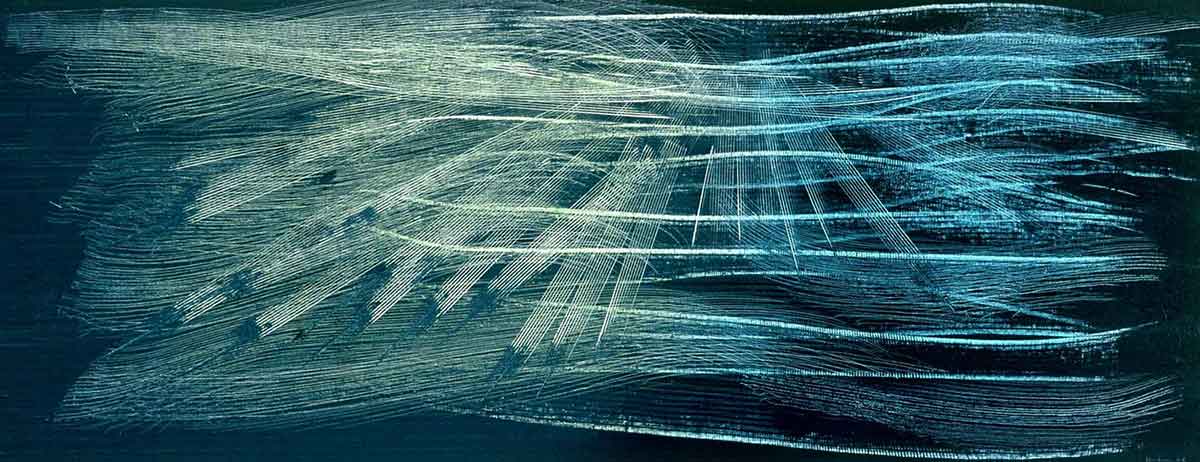
Inspirations for the colorful abstractions of Tachisme came from many sources. Hans Hartung, a German-French painter and one of the Tachist movement, had a deep obsessive interest in astronomy and mathematics from his childhood. The movements of stars and comets and the endless motion of the universe could be found in many of his works. For Hartung, space was never dark and frightening; rather, it represented our unity with the universe and hopes for something better.
As a German citizen living in France, Hartung met the beginning of World War II with anger and deep sadness. He enlisted in the French Foreign Legion and fought against the Nazi forces. After France was occupied, Hartung was arrested and imprisoned in a cell painted bright red to drive him insane and disrupt his vision. After seven months in prison, he was released and went to fight again. In 1944, he was severely wounded and lost his leg. Still, the physical trauma never stood in his way of creating art. Years later, the already aging artist suffered a stroke which confined him to a wheelchair. Unable to work with a brush, Hartung began to use an industrial paint gun.
9. Pierre Soulages Painted Tachisme All-Black
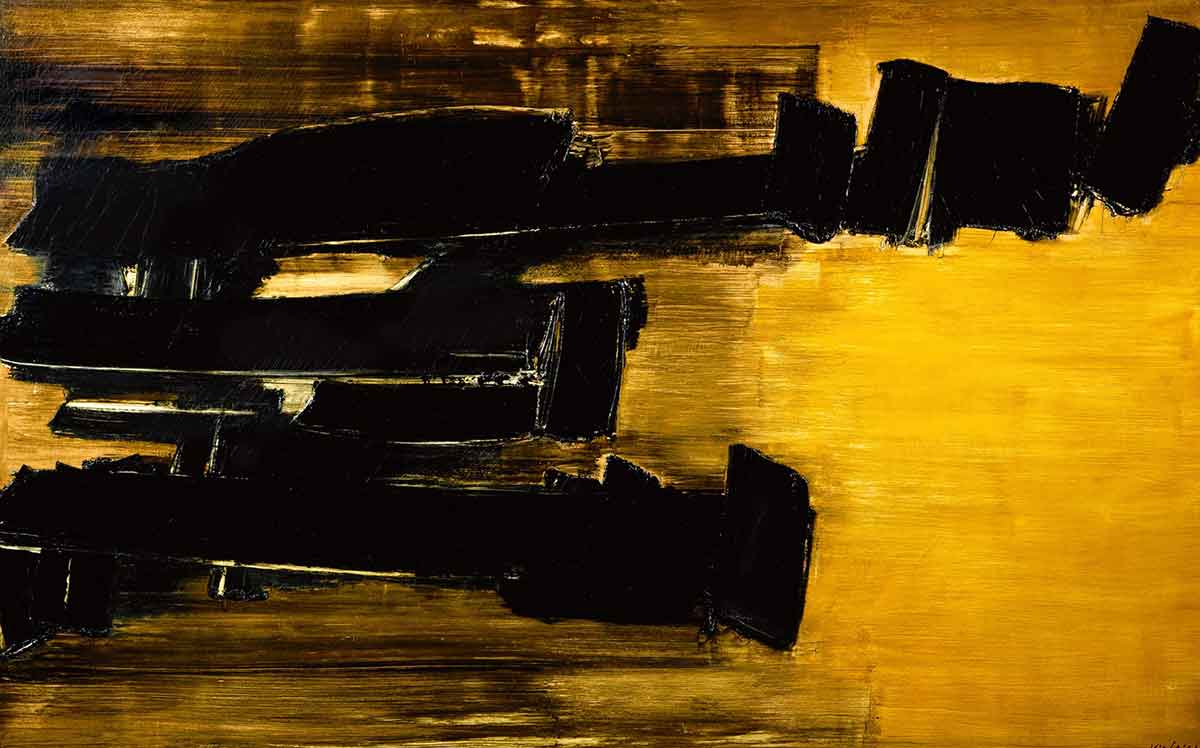
Although Tachisme is mostly associated with bold colors, there were some who preferred a more somber color palette. Pierre Soulages worked almost predominantly with black. He had a deep and personal relationship with this color: since his childhood, he only wore black, annoying his mother, who even asked him why he was wearing clothes for mourning so soon. According to the artist, as a child, he once painted snow with black ink, which led to incessant jokes from his siblings. As a mature artist, he mixed his own black paint with walnut oil, manipulating proportions to create the deepest color and the most expressive texture.
Soulages never allowed the framing of his works, insisting they should interact with air and space directly. He insisted that black was the most versatile color, transforming in various light conditions. He preferred natural light to artificial light. Before turning to painting, he worked with stained glass making, which allowed him to study light and the transformation of colors.
10. Tachisme Did Not Last Long
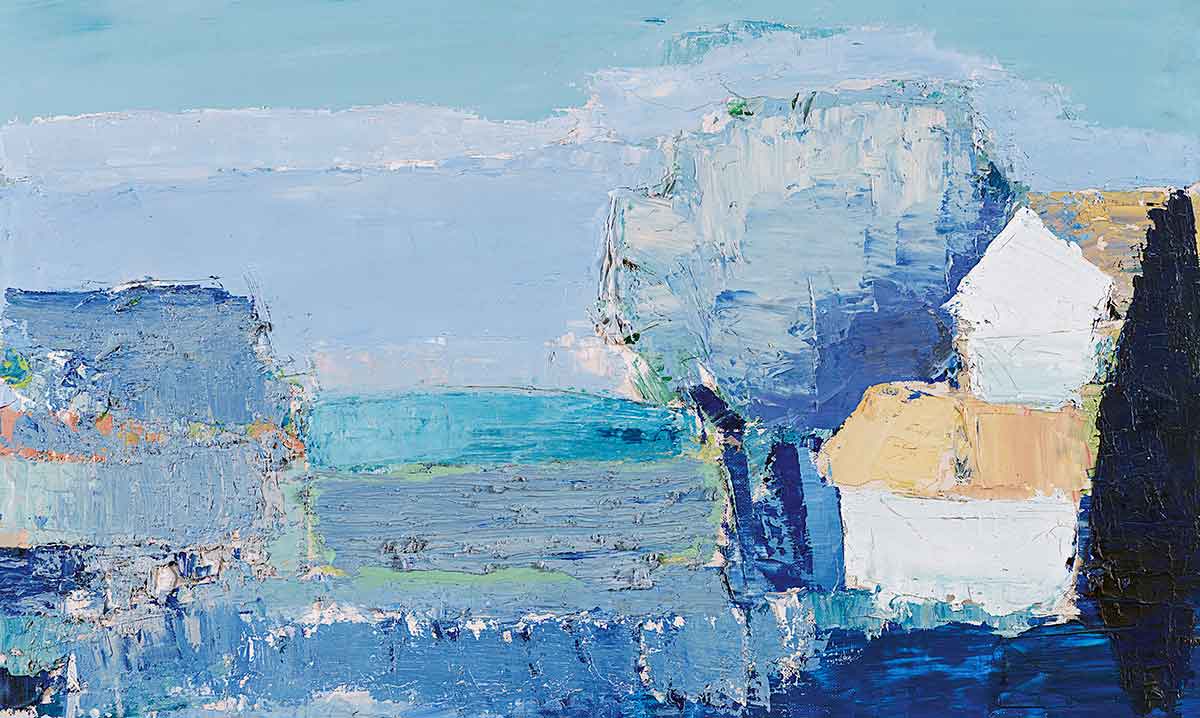
Unfortunately, the lifespan of Tachisme was rather short. The initial enthusiasm for expressive form and bold color wore off by the late 1950s. Although many painters continued to work in the same manner in the 1960s and 1970s, the colored dots and drips with no references to reality became too boring and expected. Some Tachist artists gradually moved to more figurative works. Generally, abstract art based on pure emotions and intuitive outbursts was on the decline, clearing the way for the more complex and multi-dimensional movement of conceptual art.