Today, Gerda Wegener is mostly recognized as the wife of Lili Elbe, one of the first transgender women to receive gender-affirming surgery. However, Wegener was a celebrated and accomplished artist who created illustrations for magazines like Vogue and La Vie Parisienne. She also created paintings that celebrated femininity, sexual pleasure, and romantic encounters of queer women of her era. Read on to learn more about the forgotten Art Deco icon Gerda Wegener and her art.
Who Was Gerda Wegener, the Forgotten Art Deco Illustrator?
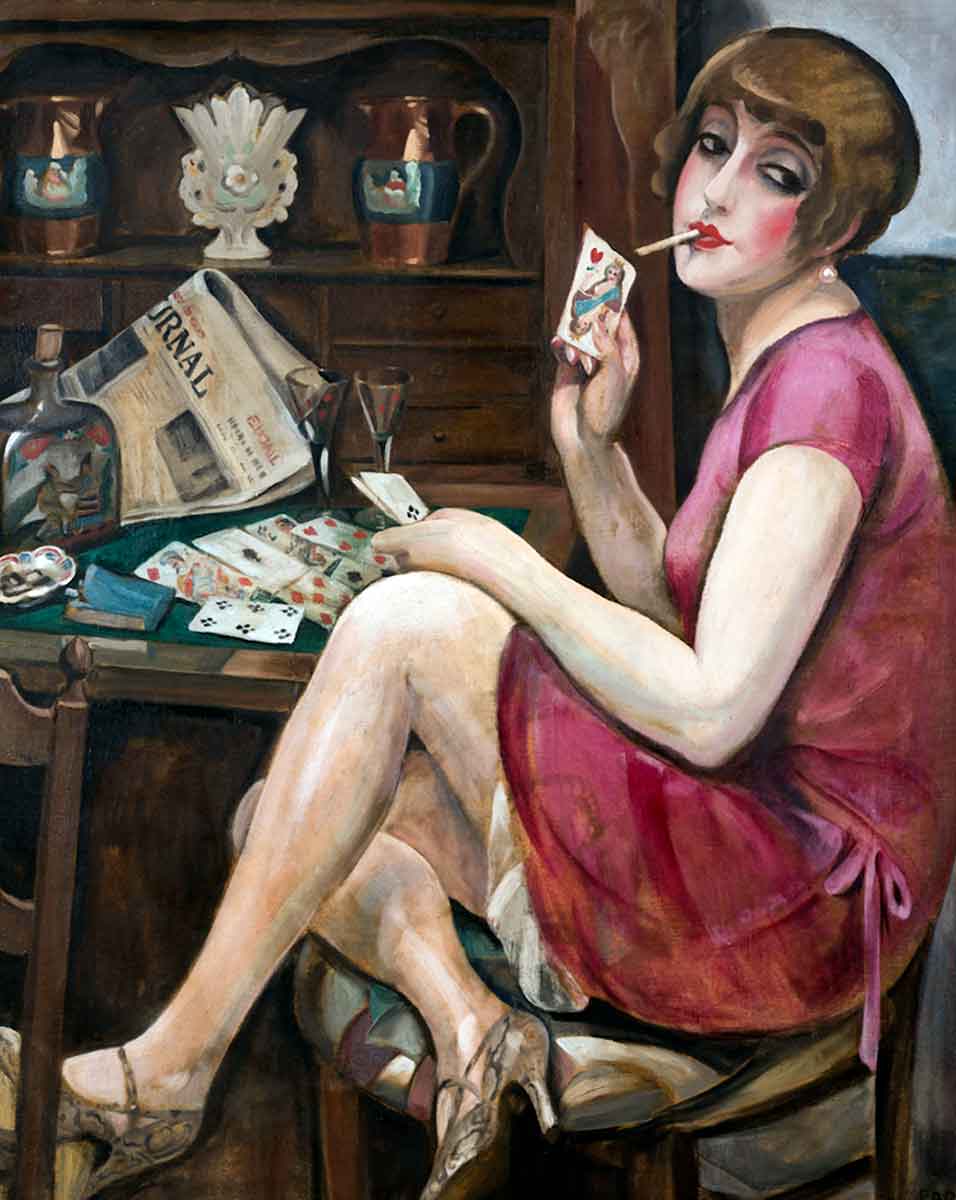
Gerda Wegener was born in the rural part of Denmark in 1885 and came from a conservative family of a church minister. Having been interested in art since childhood, she convinced her parents to let her study painting in Copenhagen. Initially, she was trained as a Realist painter, but the change of location triggered her to explore more daring domains of painting. Immersed in the life of the Danish capital, she focused on trendy art styles of the time and began painting stylized figures in fashionable dresses and heavy makeup.
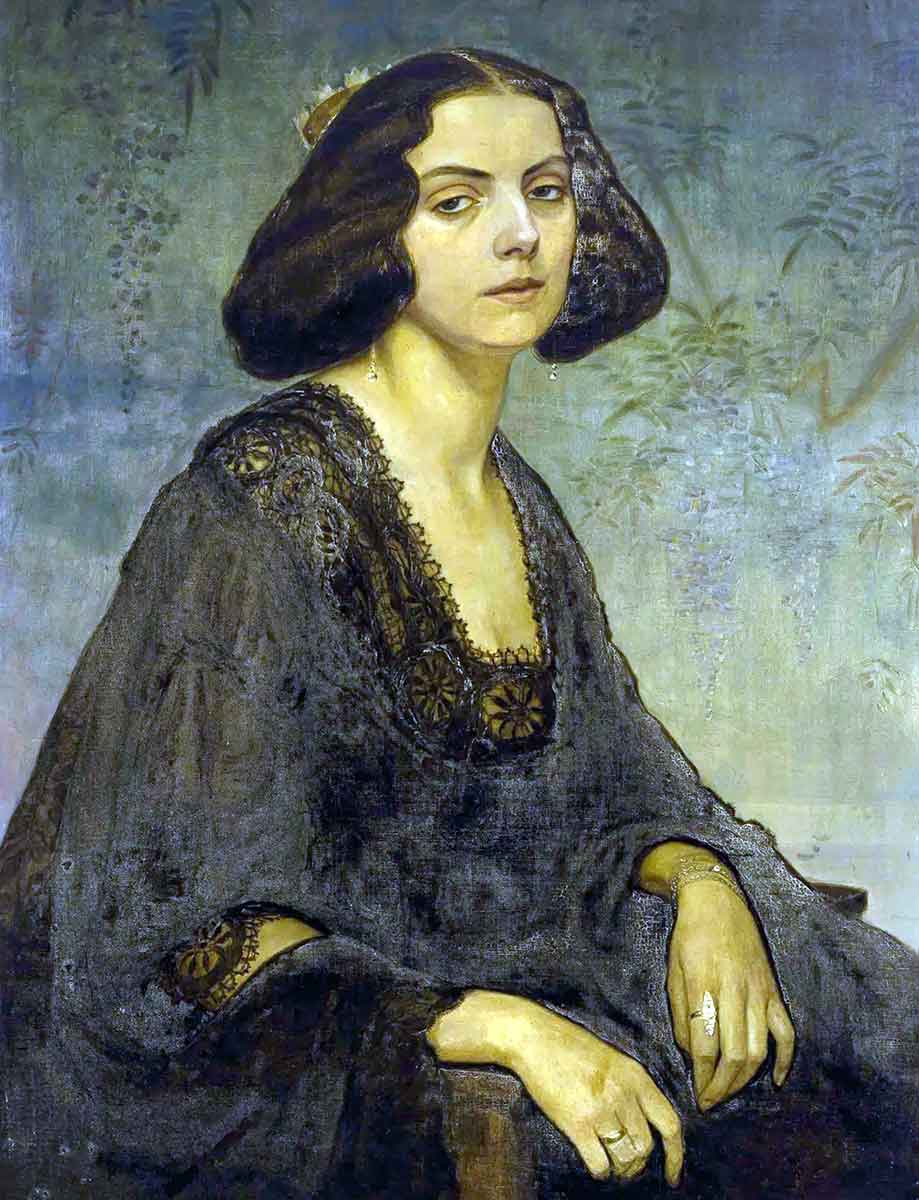
Today, Gerda Wegener is unjustly forgotten. In the 1910s and 1920s, she was a rare woman artist and illustrator who enjoyed commercial success on the French art scene. She moved to Paris in 1912 with her then-husband and fellow art student Einar Wegener, who would later become known as Lili Elbe. In Paris, Wegener soon found a job working as a fashion magazine illustrator. From magazine illustration, she moved to portrait painting and working on commissions. She created advertisement posters and magazine campaigns and became particularly famous for her erotic illustrations. Wegener mostly relied on the aesthetics of Art Nouveau and Art Deco, moving between fluid, natural forms and geometry. Rich decorations, detailed garments, and makeup, as well as complex maximalist interiors, dominated her work.
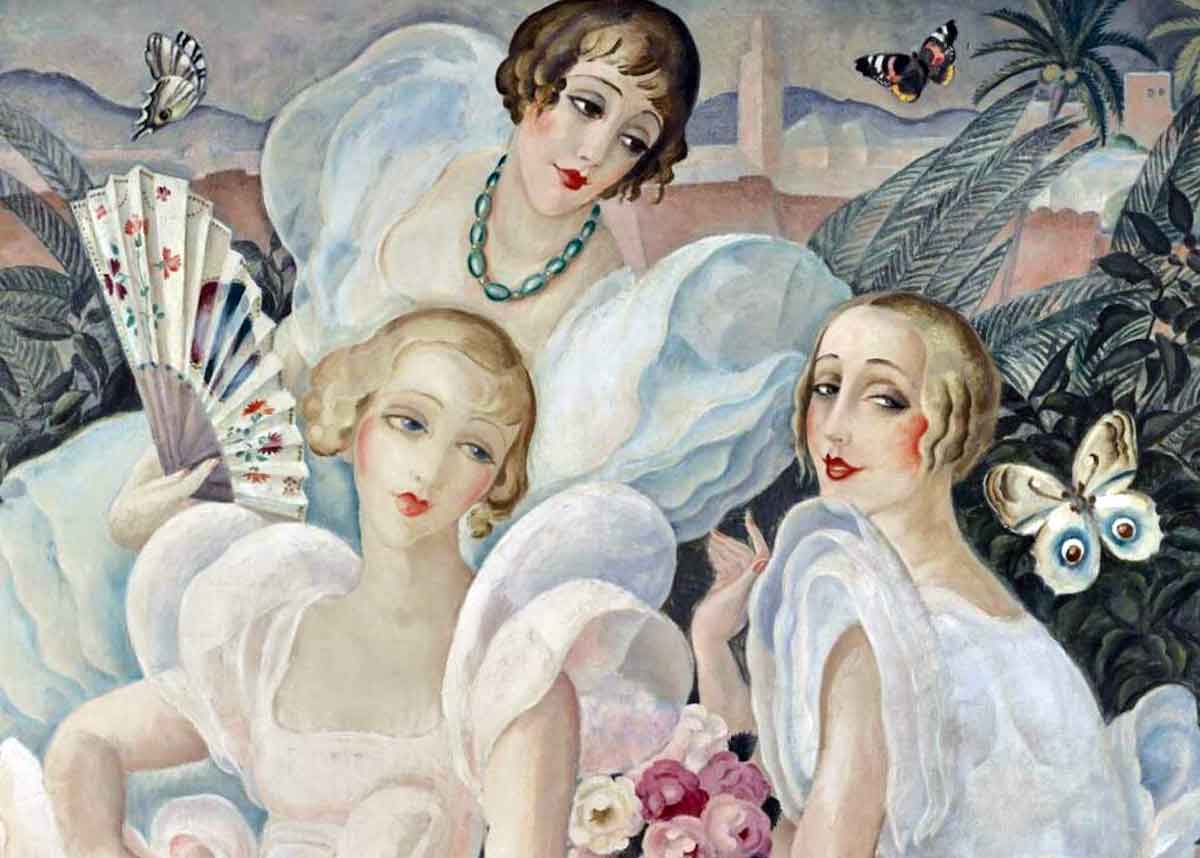
In the early 20th century, art education became more available to women, consequently granting them access to the art market and professional self-actualization. Their gendered perspectives were in many ways different from those offered by their male colleagues—especially when it came to depicting women’s bodies and personalities. Instead of the all-encompassing male gaze, these artists offered visual spaces designed and entirely controlled by women. Similarly to Tamara de Lempicka, Wegener painted women as conscious agents of their sexuality, beauty, and life choices.
Who Was Gerda Wegener’s Favorite Model?
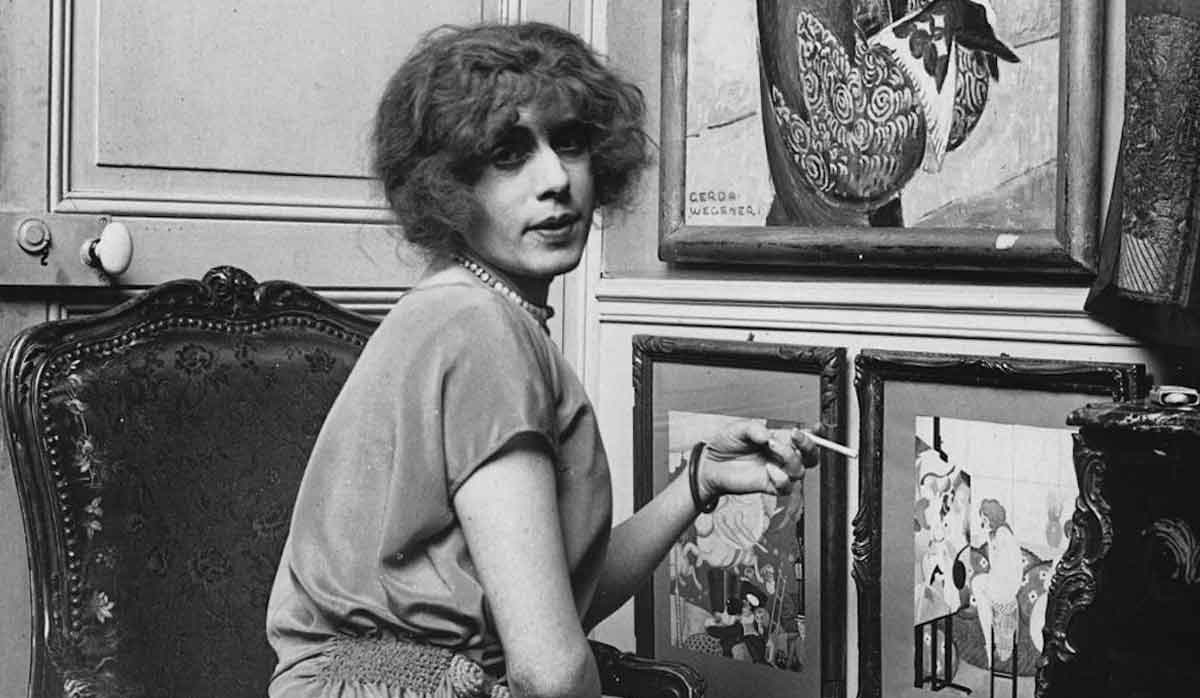
Many of Wegener’s works featured a bold, slender woman with a thin face, full lips, and bold eye makeup. While art collectors and viewers guessed who Wegener’s favorite model was, the truth was hiding in plain sight. It was Einar Wegener, the painter’s partner, who kept his secret for years.
Before her transition, Lili Elbe was an accomplished landscape painter who worked under her birth name, assuming male identity. Despite the significant advancements in women’s rights, painting, especially that of a strong expressive landscape, was considered to be a male domain. Even for Elbe, her painting practice was aligned with the male traits of her character so much that she stopped creating art after she began her transition. Still, for several years, she dressed in women’s clothing and posed for her wife in the privacy of their home and studio. According to the story, she realized her gender identity during one of the posing sessions when Gerda asked Lili to pose instead of a female model who failed to show up.
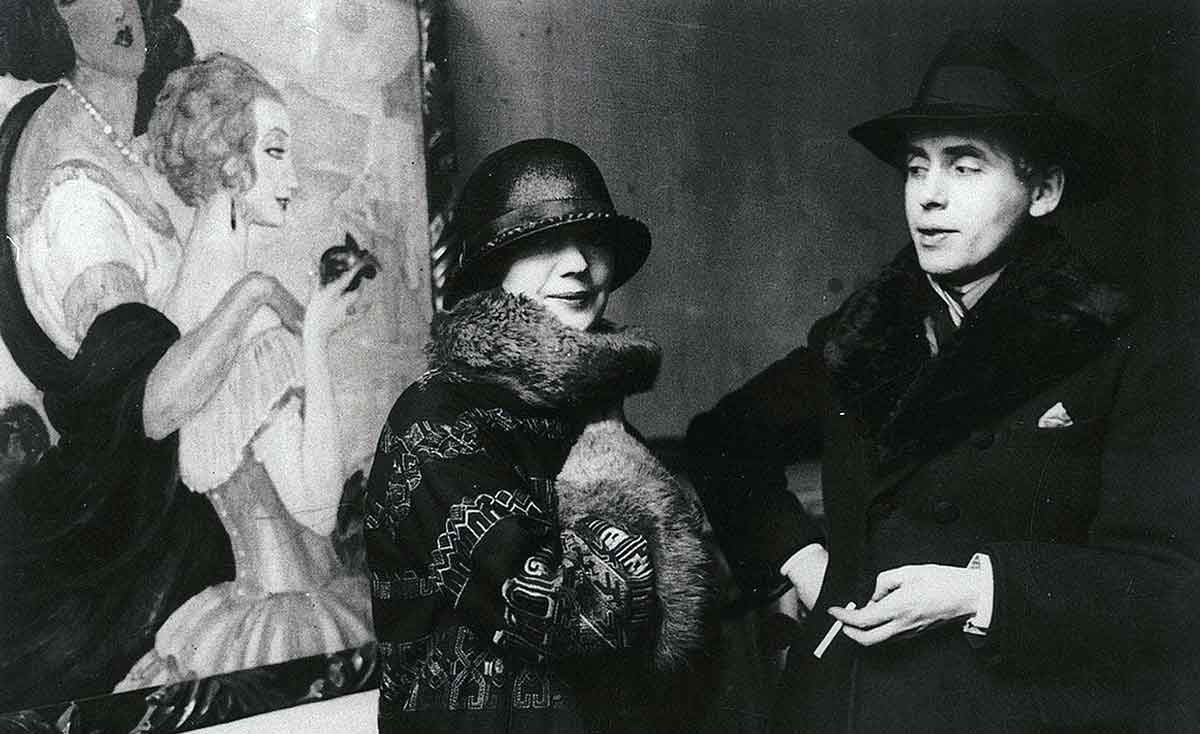
By 1913, Wegener started to use the name Lili Elbe and even appeared in public as Einar Wegener’s cousin. In Paris, however, the couple gradually began to live more openly. By the end of the 1920s, Elbe learned about the possibility of having gender-affirming surgery in Germany. She went through three successful surgeries, but unfortunately, her heart failed after the fourth one.
Lili was the patient of Magnus Hirschfeld, the pioneering sexologist who launched his Institute of Sexual Research in Germany in 1919. Hirschfeld advocated for gay and trans rights and offered medical help to those who could not get it from other practitioners due to widespread transphobia.
Inside the Institute, Hirschfeld created a safe space for his patients, even offering them jobs and shelter. Hirschfeld gathered a team of psychiatrists, gynecologists, and endocrinologists who were focused on the issue of transgender identity and gender-affirming surgeries. The Institute was the first and, for a while, the only institution that performed such surgeries. Unfortunately, after the Nazis came to power in Germany, Hirschfeld was stripped of his citizenship, and the institute was raided. A group of pro-Nazi university students attacked the Institute staff and patients and burned their research archive, ruining priceless collections of studies and cases.
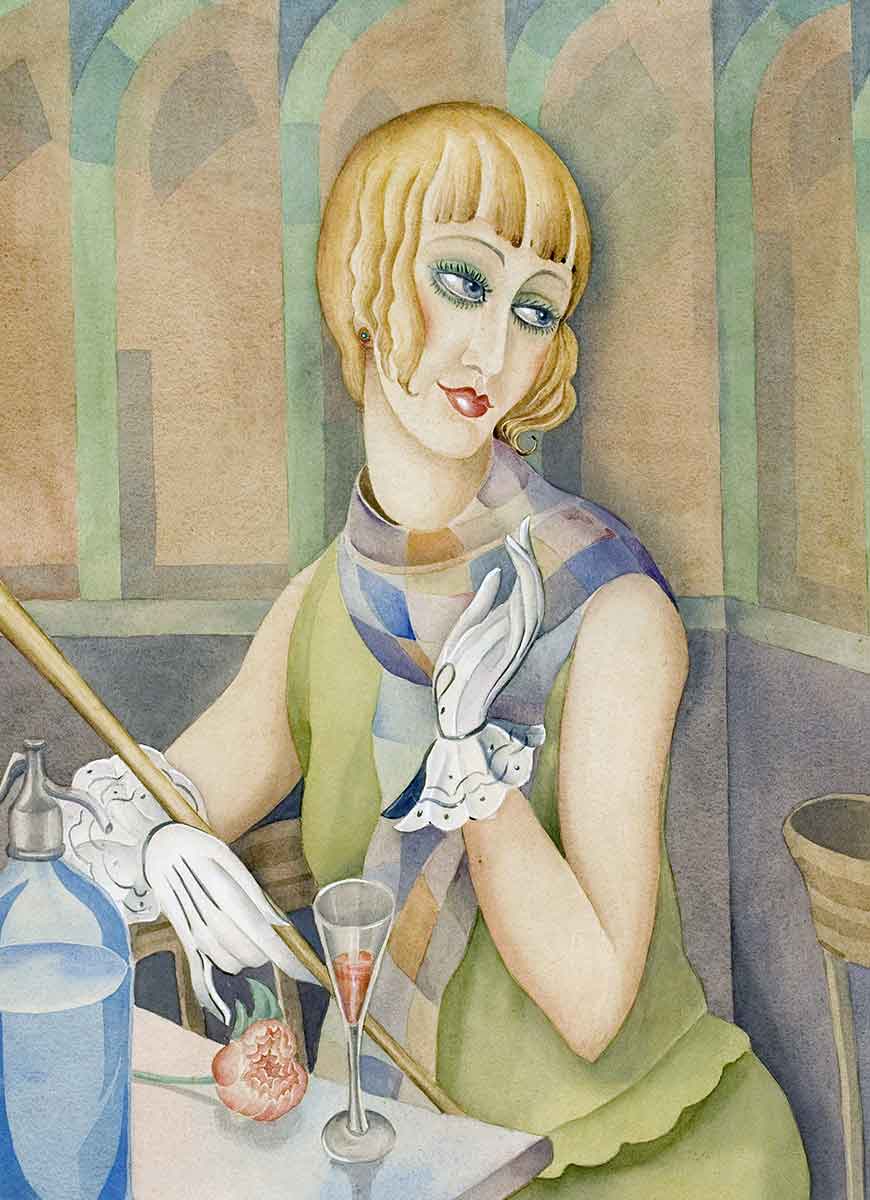
Elbe was not the first transgender woman to receive gender-affirming surgery—the first being Dora Richter several years prior. However, unlike Richter, who worked as a domestic servant and lacemaker, Lili Elbe was part of the artistic bohemian circles, with her story set in decorations of Art Deco opulence. Gerda Wegener played a crucial role in the story of Elbe’s transition as a supportive partner. The act of dressing up and posing was, for both Elbe and Wegener, the act of liberation and expression of love and acceptance.
How Wegener’s Sexuality Defined Her Art?
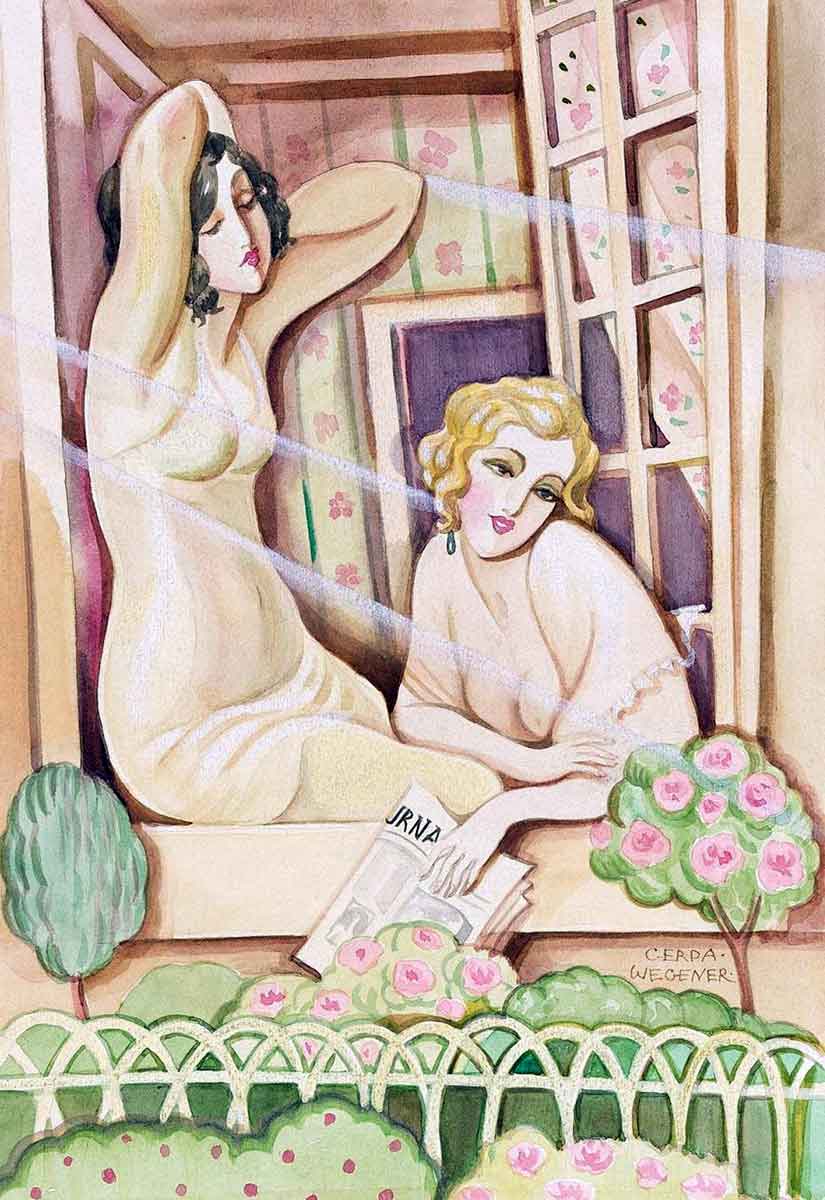
Gerda Wegener’s sexuality was not easily definable. However, historians are sure that she maintained a relationship with her partner even after Lili began her transition. In Paris, Lili and Gerda lived openly as a queer couple of women. After their marriage was annulled by the King of Denmark, the couple went their separate ways, finding other partners.
Still, queer desire played an important role in the oeuvre of Gerda Wegener. After the couple’s move to Paris, Gerda began experimenting with her art and making it provocative and bolder. The significant body of her work at the time was lesbian erotica of varying degrees of explicitness. Erotic images were often stylized in almost Rococo aesthetics, with lace stockings and crinolines adding exotic and opulent fleur to their subjects.
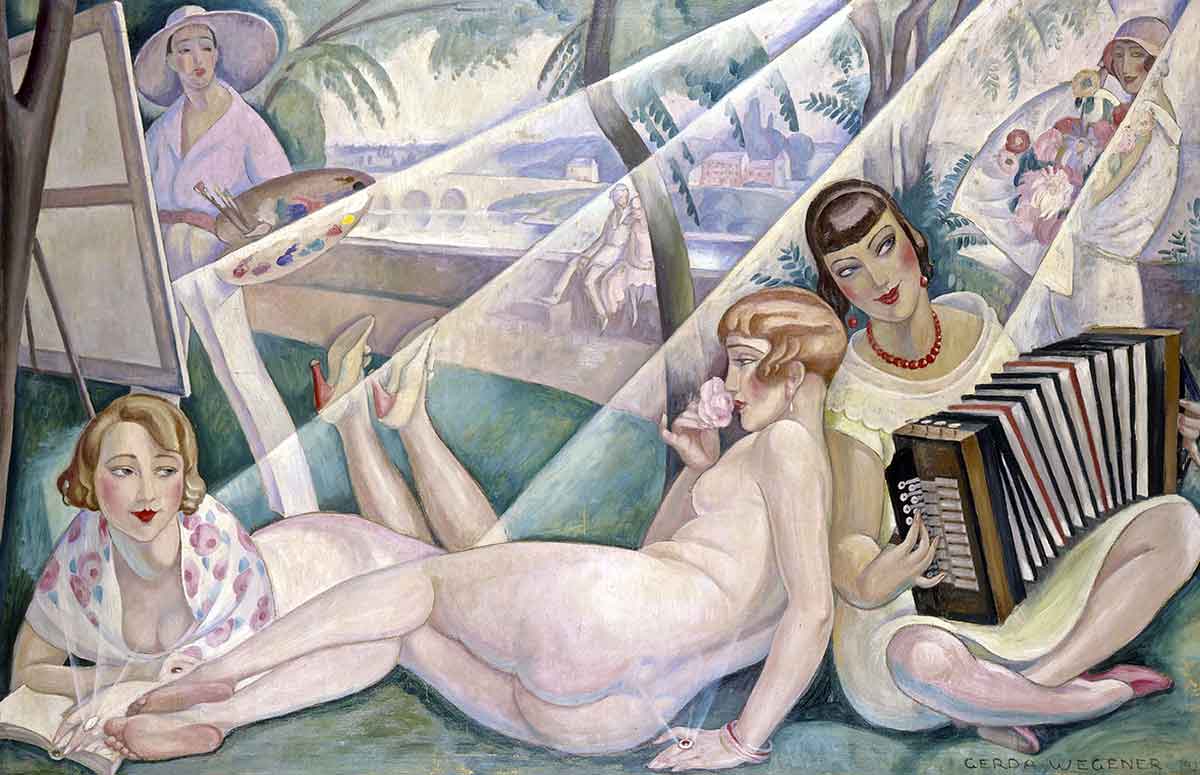
Not all images, however, were explicit. Some images simply showed her and Lili Elbe strolling by a seashore or singing. Still, these paintings represented the romantic involvement of queer women, depicted on their own terms. Apart from erotica and images of feminine pleasure, it featured images of domesticity, comfortable leisure, and socializing. Thus, Wegener’s art offered a unique perspective of female queer sexuality, multi-faceted and joyful.
Did She Face Any Public Backlash?
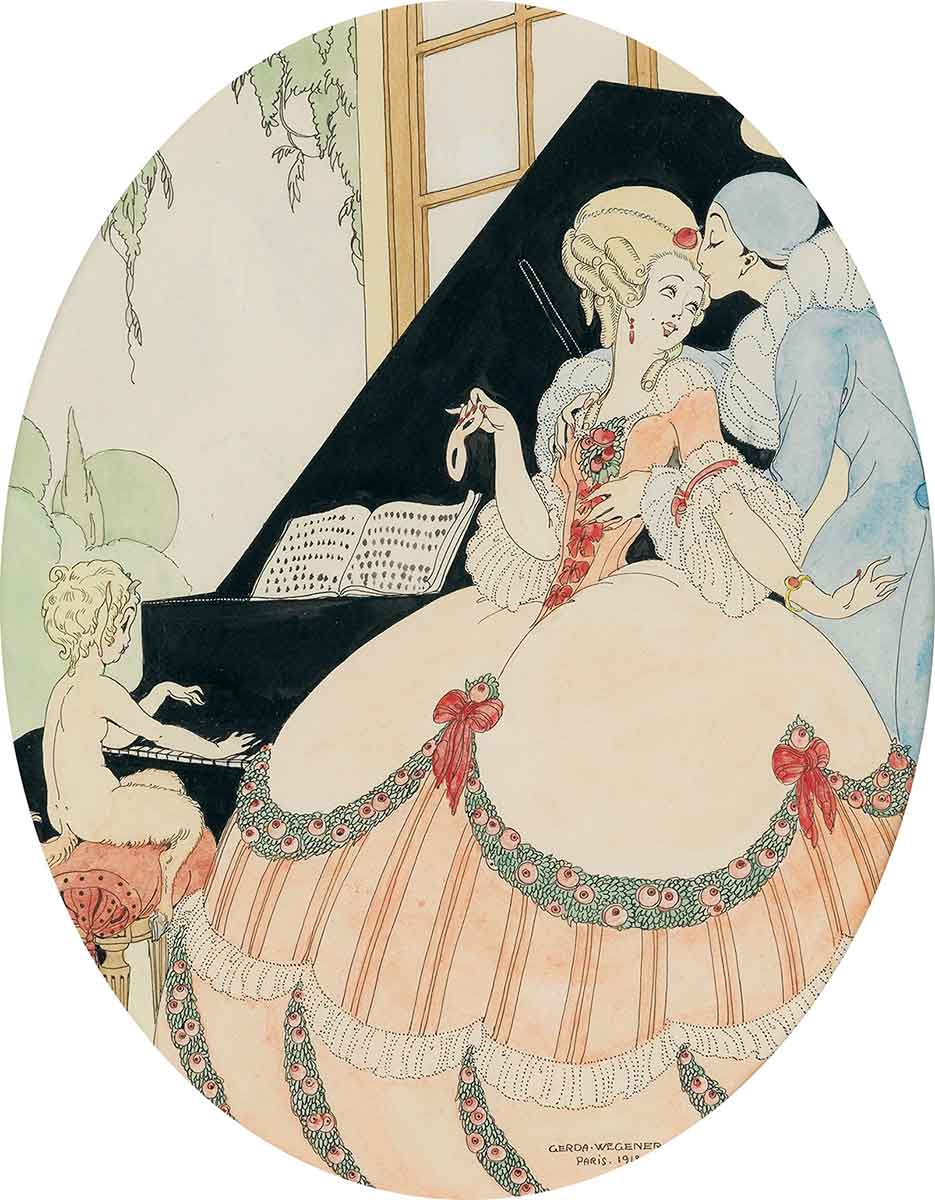
Due to her art and association with Lili Elbe, Gerda Wegener faced prosecution and other legal issues several times in her life. The Danish government did not recognize the difference between gender and sexuality at the time and viewed transgender individuals only through a heteronormative lens. For that reason, both Wegener and Elbe had to prove that their relationship was strictly platonic and that Lili was attracted to men only. Following the same logic, their marriage was officially annulled by the King of Denmark in 1930, regardless of the couple’s opinion. However, it allowed Lili to change her name and sex legally.
Erotic illustrations by Wegener were so scandalous they were published only in underground books that skipped the eye of censors and everyday bookstore visitors. Few brave galleries that agreed to show her erotic work faced protests and public scandals.
Gerda Wegener remained a loyal friend and supporter of Lili Elbe even after their marriage was dissolved. Moreover, the funds she accumulated through her successful artistic career financed Elbe’s surgeries and recovery. Unfortunately, after Lili Elbe’s death, she did not recover mentally or professionally. By the mid-1930s, Wegener’s style fell out of fashion as the public began to favor more refined and intellectual art forms.
Gerda Wegener in “The Danish Girl”: Is the Movie Accurate?
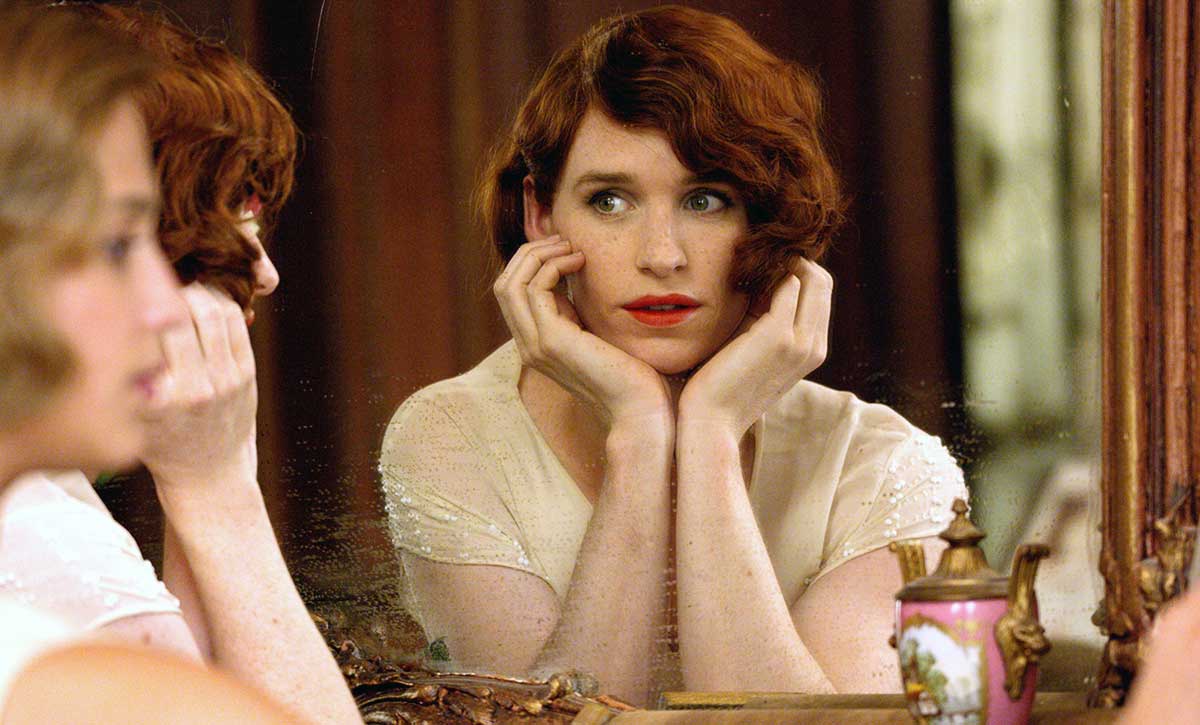
In 2015, Tom Hooper directed the biographical drama The Danish Girl, which retold the story of Elbe’s romantic and creative life. The film was based not on the actual story but on a fictionalized retelling published in a book with the same title. It received numerous awards and nominations and re-ignited interest in the story. However, many transgender activists criticized the film for a fetishistic portrayal of Elbe’s transition that was based on fantasy rather than actual transgender experiences. In relation to the story of Gerda Wegener, the movie downplayed the artist’s role and her continuous support for Lili.