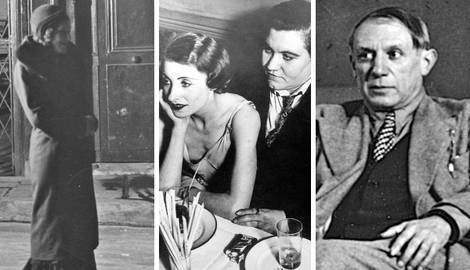

Brassaï was one of the most influential and innovative French photographers. Born in Hungary, he moved to Berlin and then to Paris. In France, he was charmed by the gloomy other side of Paris, filled with underground bars and nightclubs. He was also a close friend of Pablo Picasso. His work inspired many photographers, artists, and designers, including Diane Arbus and John Galliano. Read on to learn more about Brassaï and his art.
1. Brassaï Was a Hungarian Immigrant
The man who would later become known as Brassaï was born Gyula Halasz in 1899 in Brasso, the Kingdom of Hungary (present-day Brașov in Romania). His artistic pseudonym originated directly from his native land, loosely translated as the one from Brasso. The city was and still remains a perfect setting for a dark fairytale with its gothic cathedrals and pine forests.
His father was a professor of French literature at a local university who taught at the Sorbonne for several years, so young Gyula had extensive exposure to Western culture. He was part of the generation of Hungarian creatives who left the country at the beginning of the 20th century, establishing careers in other countries.
After World War I, Brasso was transferred to Romania and became Brașov. Guyla Halasz moved to Berlin, where he worked as a news reporter for Hungarian newspapers. Still, the impression of French culture he received from his father was too strong, and he soon started learning French by reading untranslated novels by Marcel Proust.
2. He Started His Career as a Painter
Like many photographers of his era, Brassaï’s initial artistic training was focused on painting. Similarly to Man Ray and others, his ambitions soon outgrew a single medium, leading him to explore photography and its documentary and artistic potential. He studied fine art in Budapest and was enamored with the style of Henri de Toulouse-Lautrec. Lautrec’s influence later made a conceptual comeback in Brassaï’s photographic works.
As a child of an aristocratic family, Toulouse-Lautrec was alienated from the noble circle due to his disability and found himself comfortable enough in the company of dancers, circus performers, sex workers, and queer Parisians, all falling out of the societal categories of respectability.
No information about Brassaï’s pre-photographic work remained, yet his obsession with sculpture preserved itself in his later creations. The 1932 series Involuntary Sculptures captures random pieces of paper crumpled, torn, or folded in unconscious gestures of strangers. From worthless trash, these pieces turned into abstract sculptural forms rivaling the works of Constantin Brancusi and Jean Arp.
3. Brassaï Worked in Places Everyone Else Avoided
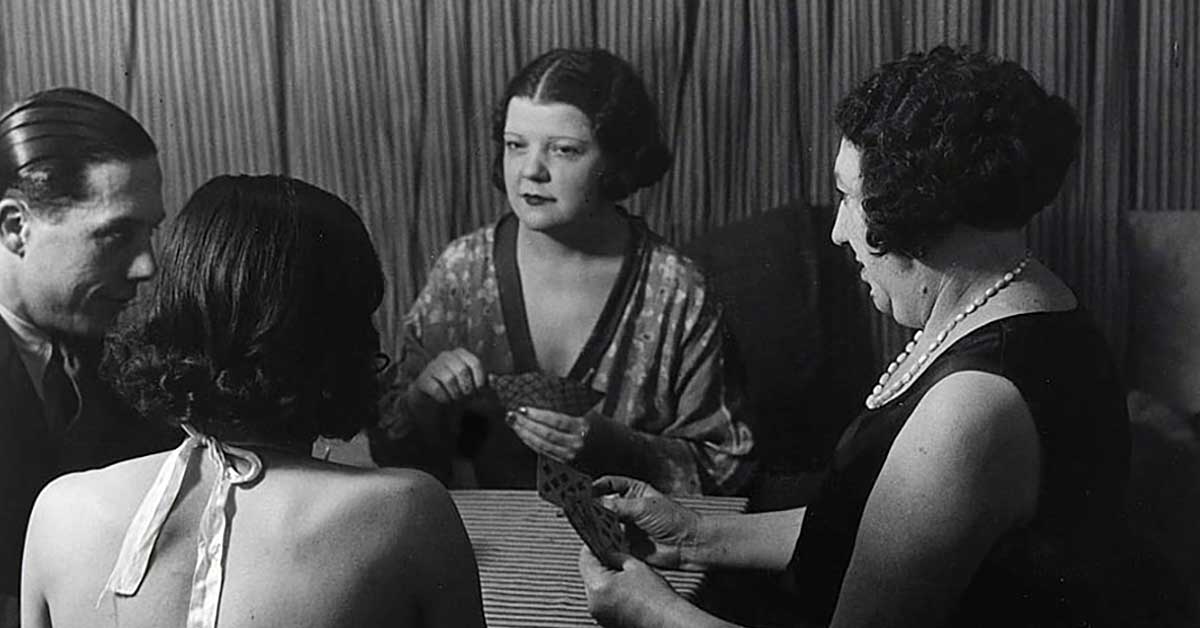
Friends called him the Eye of Paris and claimed he could see behind the superficial air of theatrical disguise, catching things and people in their truest forms. He had ambitions for filmmaking, too, envisioning scenarios and proposing ideas to his friends, but they usually required way too much courage and boldness to actually film.
As his colleagues noted, Brassaï had a remarkable talent for conversations, both in talking and in listening. This talent made him welcome almost everywhere, from a posh restaurant for the upper class to an underground brothel frequented by criminals.
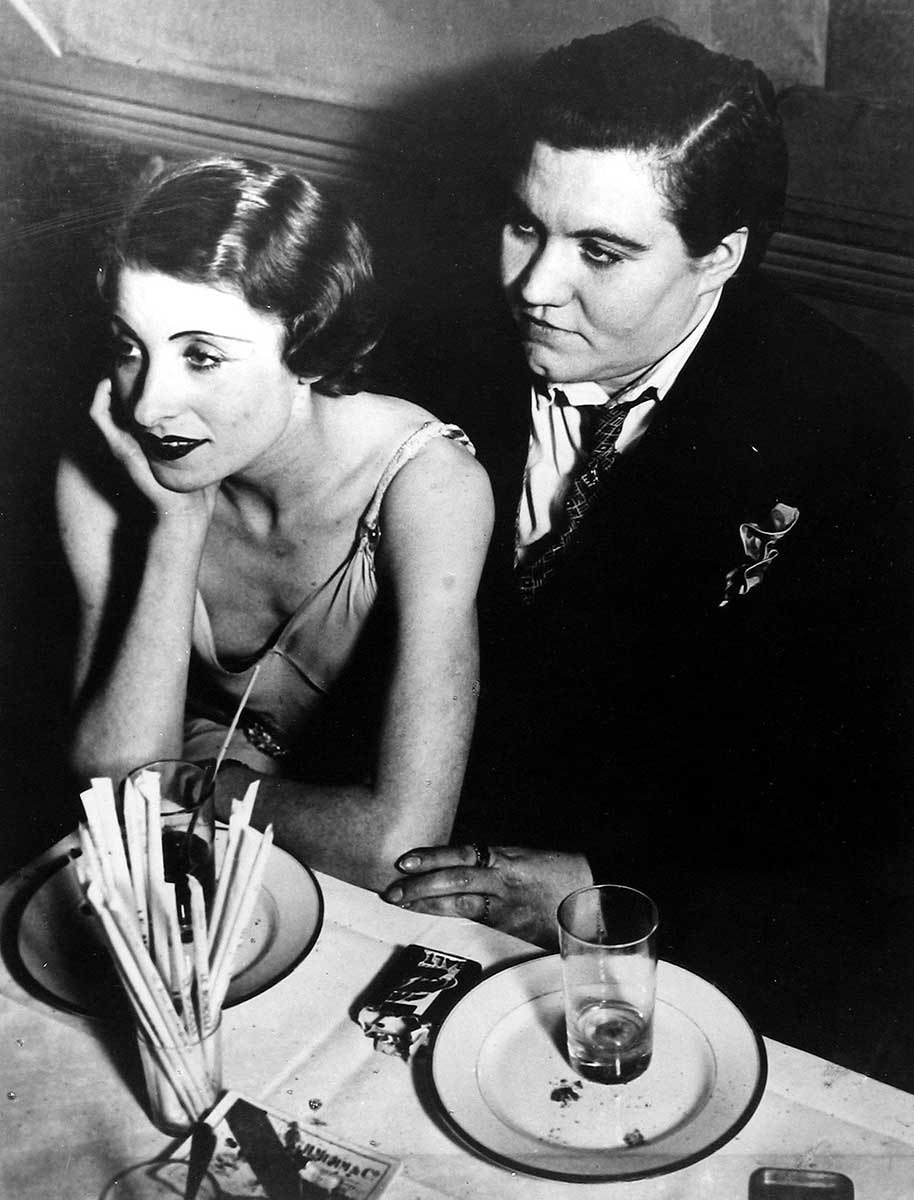
Brassaï preferred to film at night, believing that the images were more emotionally charged that way. In 1933, Brassaï published a book titled Paris by Night, that presented the real face of the city, dissociated from a touristic postcard. Underground bars, criminal lairs, brothels, gay clubs, suspiciously empty and poor-lit streets—these dangerous yet alluring spaces formed the real frightening beauty of Paris, which was dear to Brassaï.
4. He Was a Writer Too
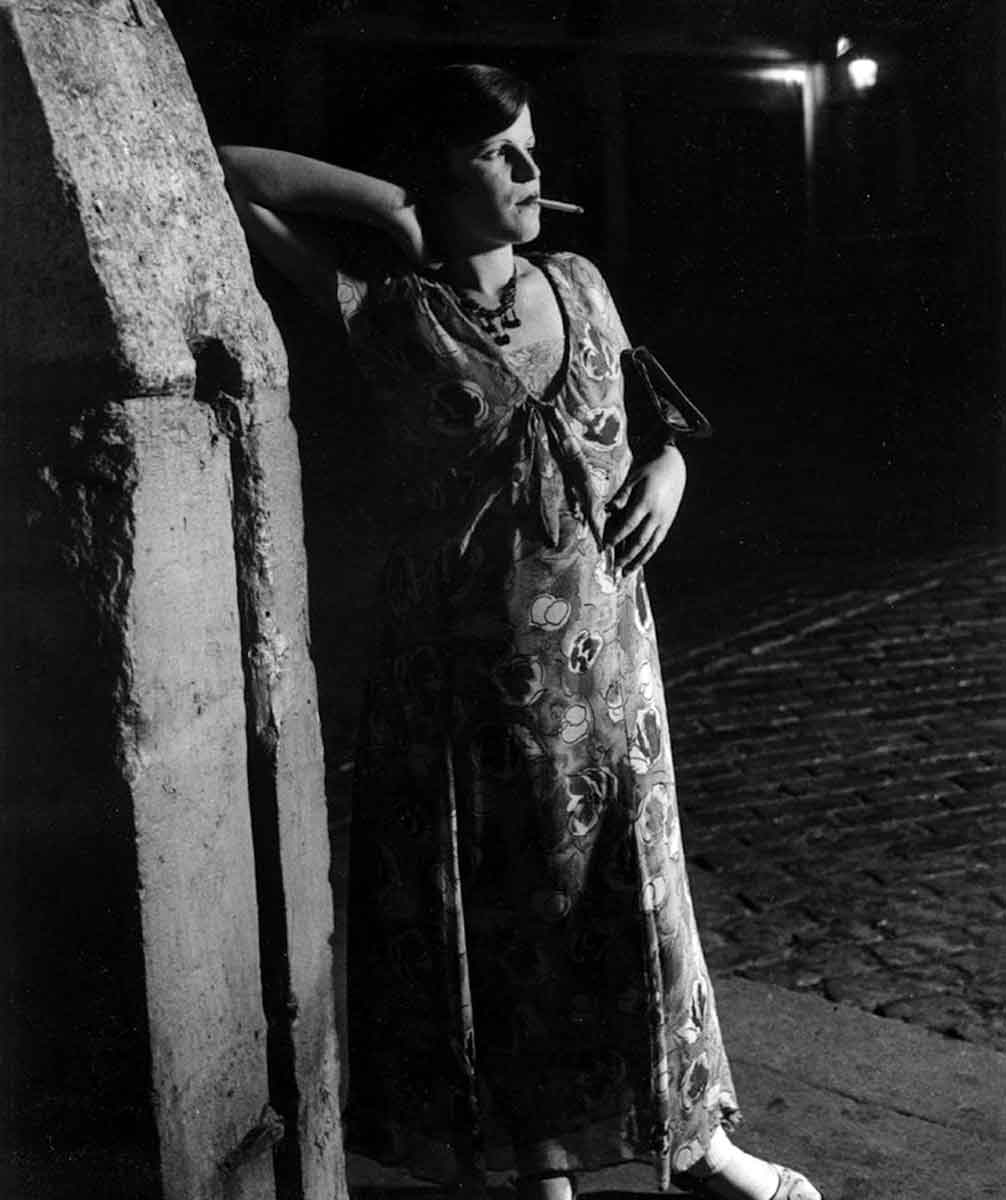
Brassaï’s artistic oeuvre was not only focused on photography. He accompanied his collection of photographs with semi-autobiographical essays that explained his views on photography and some of his models’ backstories. During the opening of the 1968 retrospective exhibition of Brassaï’s work in MoMA, the famous writer Lawrence Durell complained that writing about the photographer was essentially useless since he had already written everything that was necessary himself.
During his years in Berlin, Brassaï made a living as a newspaper reporter. He continued his job in Paris, spending hours each day in cafes that provided free paper and ink for visitors. These cafes were filled with writers, journalists, and artists and served not only as places where one could eat and rest but also as coworking and networking spaces.
5. He Befriended Picasso During a Photoshoot
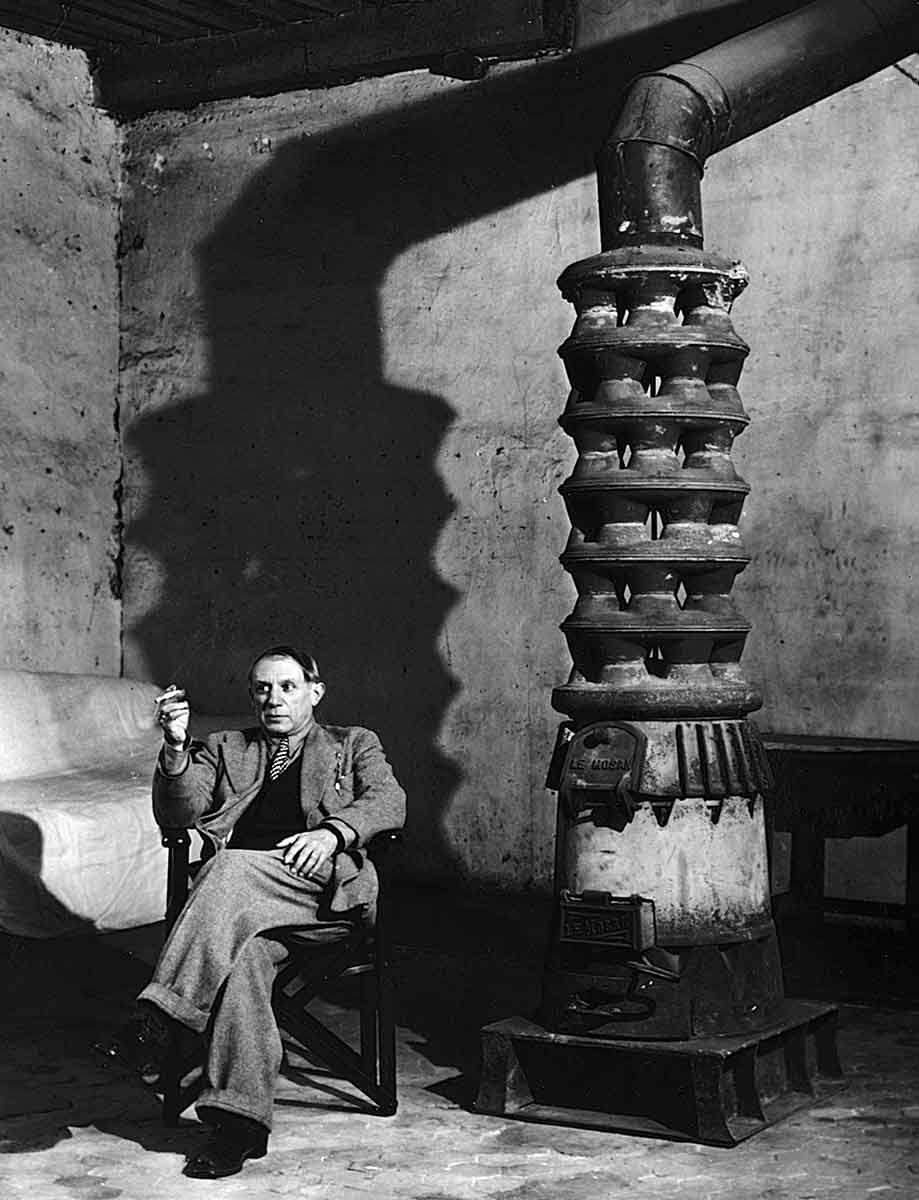
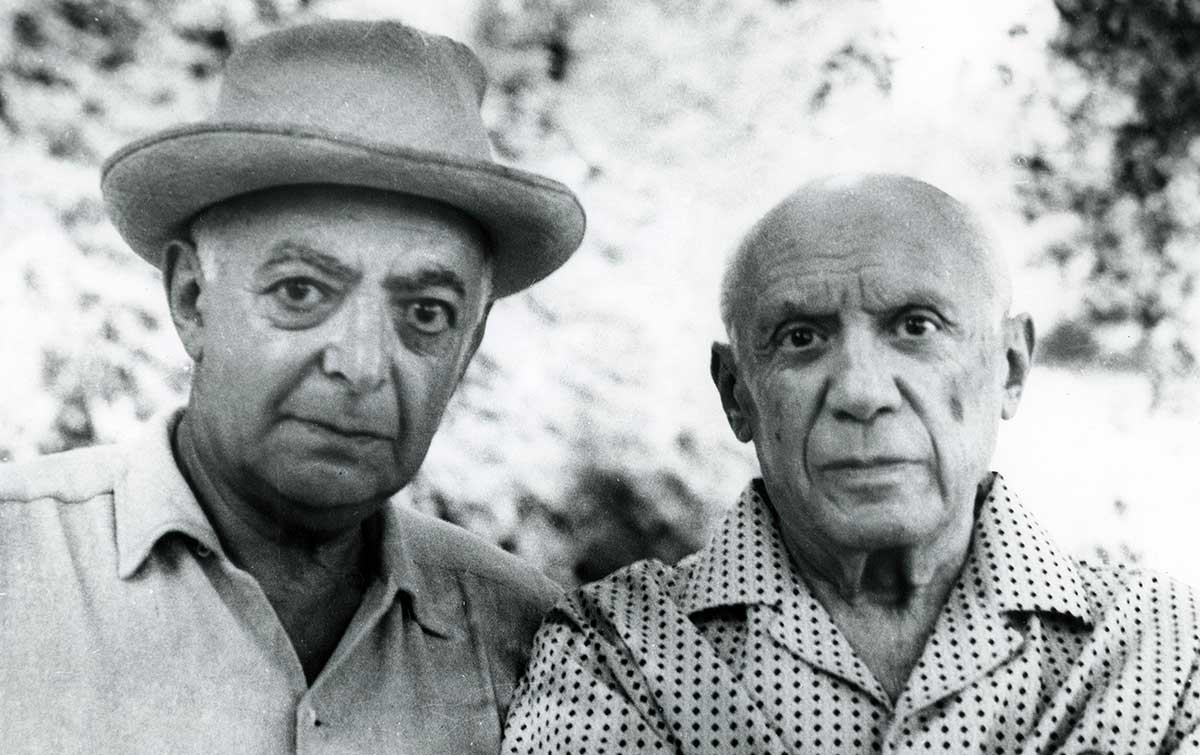
Surprisingly, stories of Brassaï’s social skills vary drastically from person to person. Many called him charming, exciting, and immensely knowledgeable. Others, including the writer Henry Miller, thought he was boring. Pablo Picasso certainly belonged to the former category. They met in 1932 when Brassaï came into the artist’s studio to shoot his sculptures for the Surrealist periodical Minotaure. Despite Picasso’s fame and reputation of arrogance, to Brassaï, he seemed kind and easygoing. He ironically called Brassaï the terrorist because of the deafening explosive sounds of flash powder. Both of them were foreigners who had learned to navigate the huge and loud Paris, and both had curious minds and attentive eyes.
In Brassaï, Picasso found a close friend and a like-minded artist, similarly ready to experiment, unwilling to remain in one state for too long. In 1964, Brassaï turned their meetings and photoshoots into a book called Conversations with Picasso, which contained discussions on art and modernity and presented surprisingly gentle, intimate portraits of the two artists.
6. He Inspired Generations of Photographers
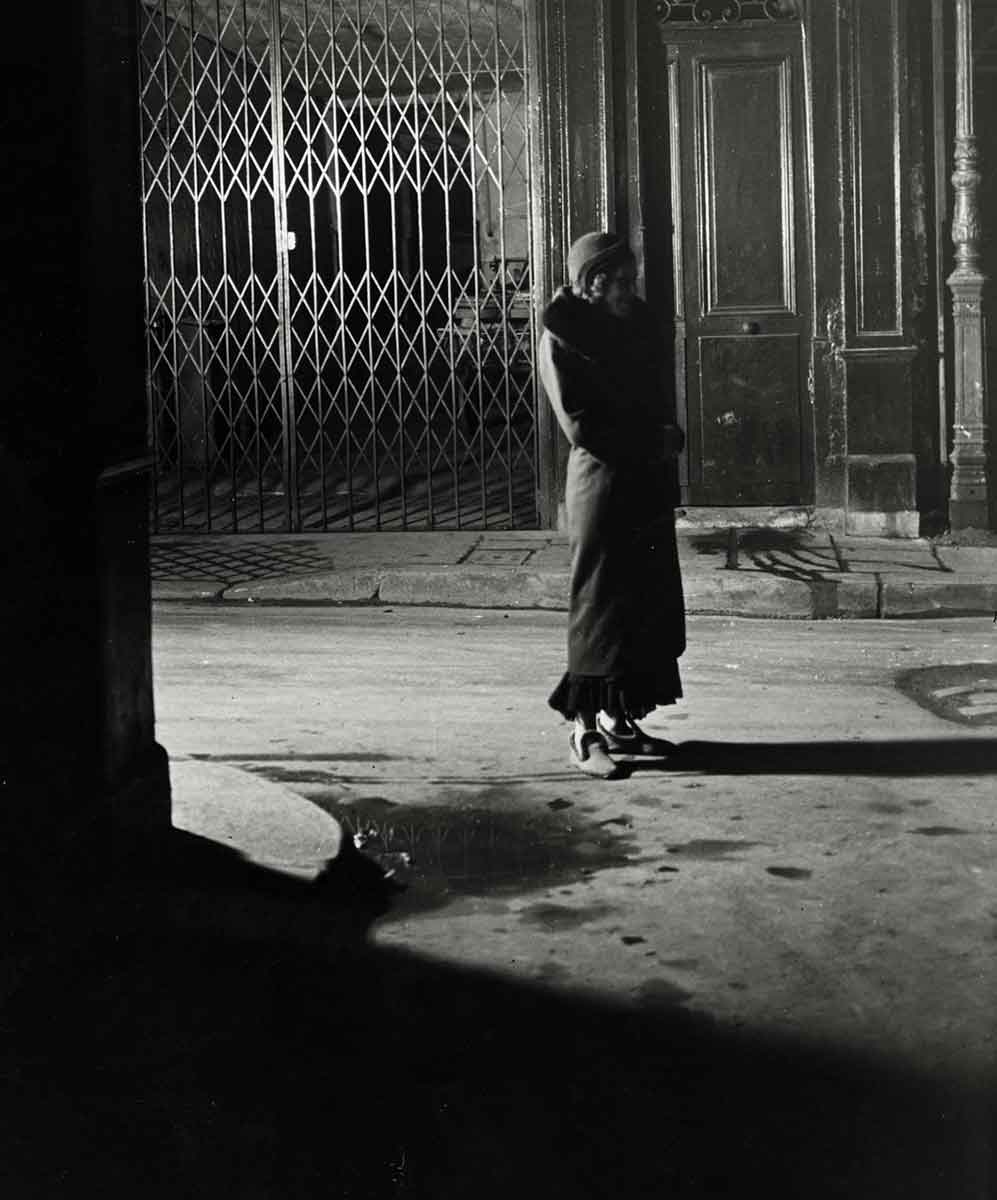
Brassaï’s work was much more than a collection of images and characters. It documented a certain cultural era in its complex contexts and dark parts. One of the most prominent photographers who constructed their signature style on the basis of Brassaï’s innovation was Diane Arbus. Similarly, Arbus photographed those ignored by the mainstream media—disabled people, sex workers, and drag queens. However, Arbus’s interest in her subjects was almost anthropological, offering a more detached social engagement compared to Brassaï’s approach.
Other famous photographers inspired by Brassaï were the pioneers of humanist photography, Robert Doisneau and Willy Ronis.
7. John Galliano Turned Brassaï’s Work Into a Fashion Collection
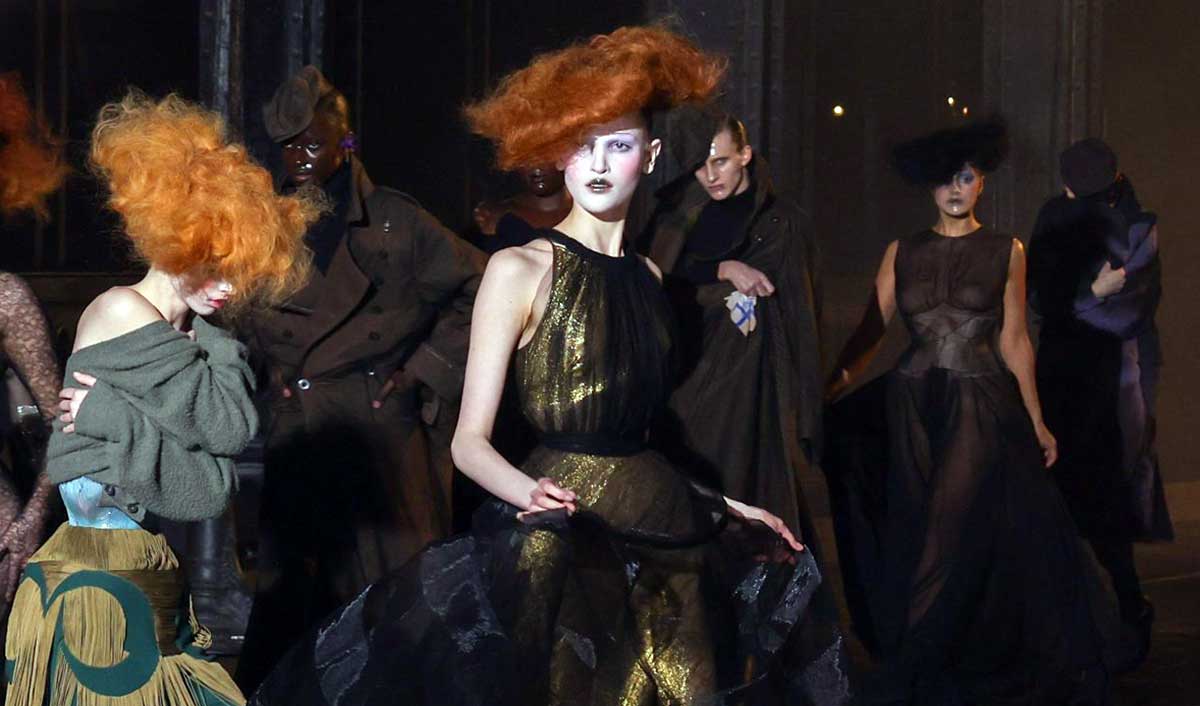
The most recent project inspired by Brassaï was presented in January 2024, when the famous designer and the current creative director of the Maison Margiela fashion house, John Galliano, presented his new couture collection. The podium was set under the Pont Alexandre III in Paris, where set designers reconstructed a hundred-year-old abandoned cafe. The models, dressed in half-decayed silk and lace, resembled Brassaï’s subjects from the darkest corners of 1920s Paris—aggressive yet fragile, exquisite yet dangerous monuments to a bygone era, exuding the same faded decadence as their surroundings.