
Sigmar Polke was a German artist born during World War II. As a young artist in post-war divided Germany, his creative aspirations were to rethink the past decades and create art that would admit and own the trauma and guilt and still be innovative. Polke experimented with Pop Art and photography and launched complex chemical reactions right in his paintings. Read on to learn more about Sigmar Polke and his art.
1. Sigmar Polke Represented the Generation of Post-War German Artists
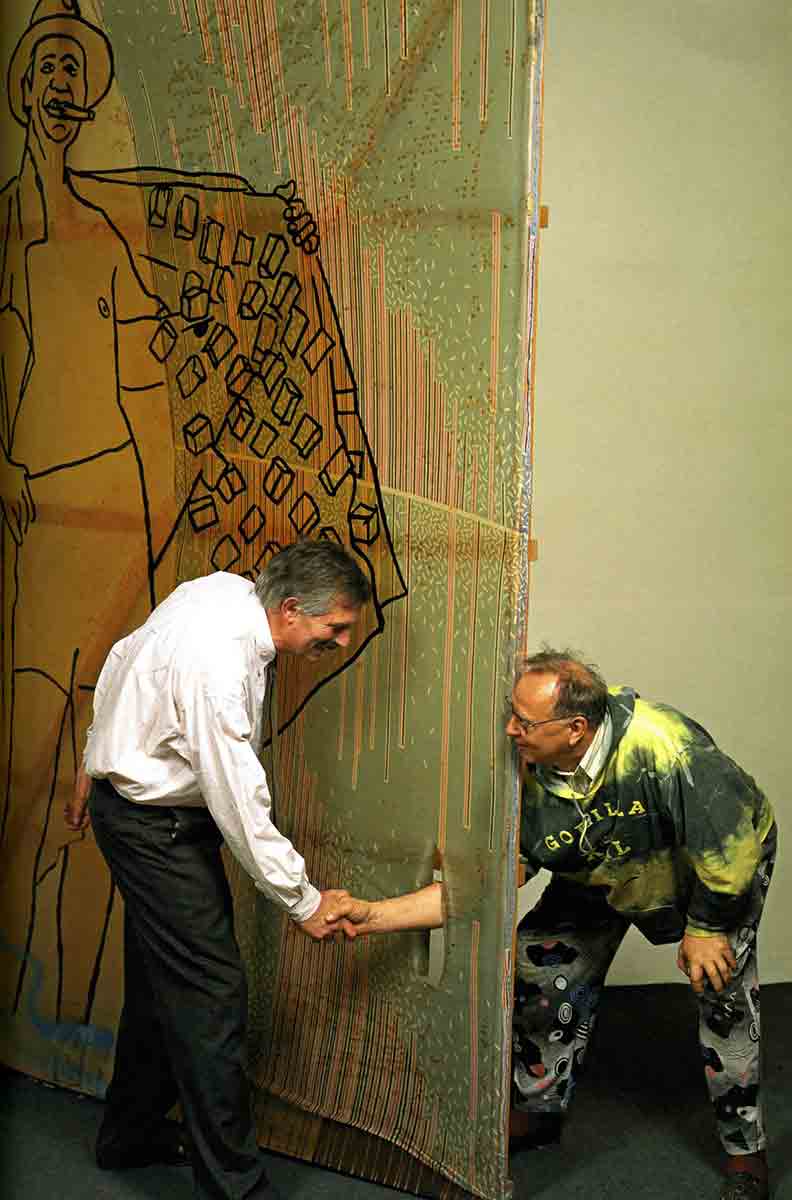
Sigmar Polke lived through a traumatic yet immensely important and culturally rich era of German art. Born in Poland during World War II, he and his family were forcibly moved to East Germany in 1945 as German citizens. In 1953, the family escaped the communist regime and settled in West Germany. There, he started to visit galleries and museums and even spent a year working as an apprentice at a stained glass factory. Soon, he began studying art professionally.
German post-war artists, who were trying to reflect upon the events of World War II, war crimes, and responsibility, largely believed that the old art, which was focused on depictions of the external world, proved itself inadequate to reality. In a world after concentration camps, gas chambers, and nuclear bombs, any attempt to address physical reality was useless. Thus, the new type of art had to be directed inward, reflecting artists’ inner emotions and impulses. This idea gave rise to large-scale gestural abstract art that was focused on the act of painting itself as the ultimate creative expression.
2. His Teachers Were Karl Otto Götz and Joseph Beuys
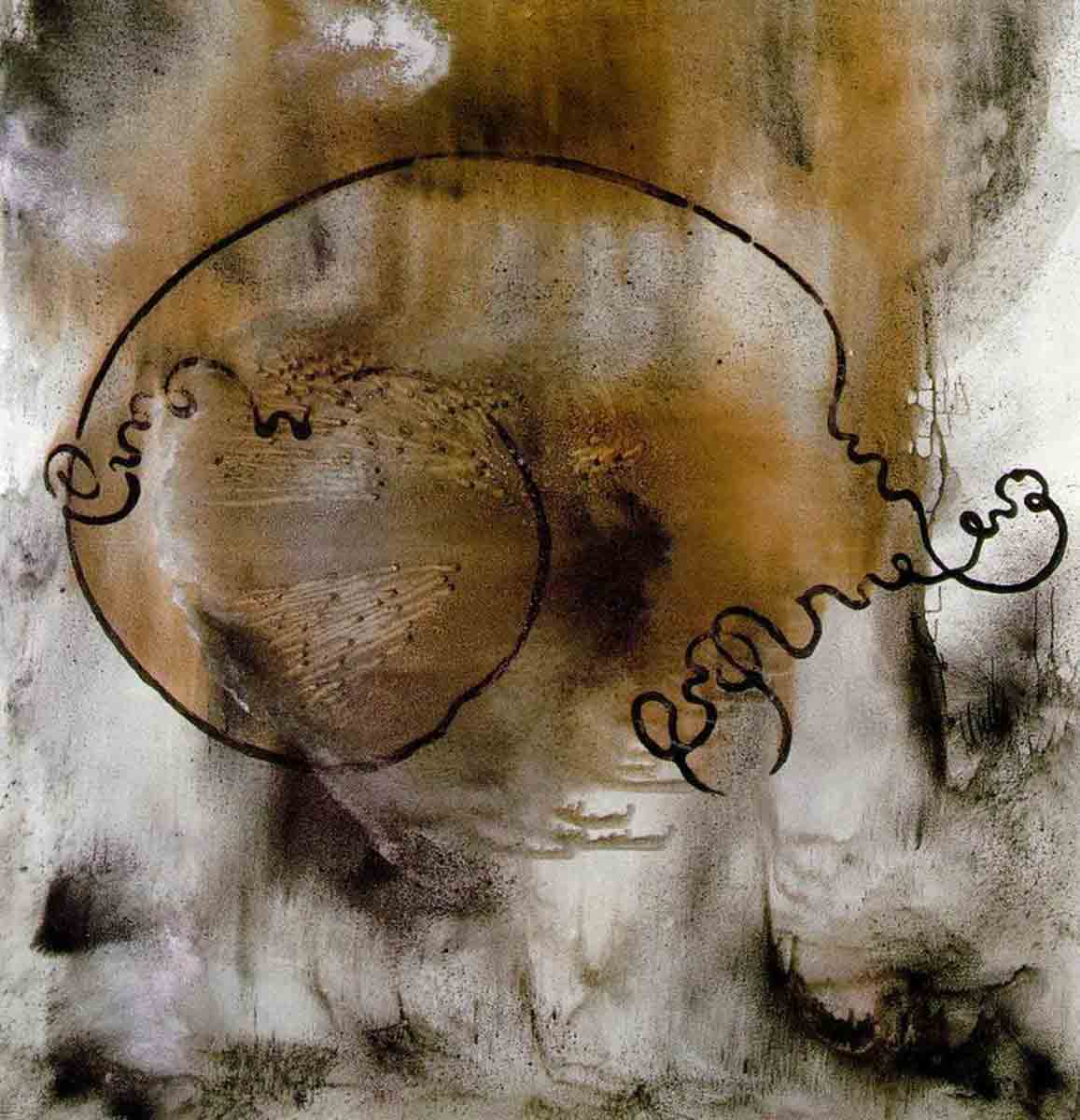
Sigmar Polke studied at the Dusseldorf Art Academy. His instructors were two artists who embodied the complexity of German war trauma. Karl Otto Götz was a former Bauhaus student who started his career in the late 1920s. He began his experiments with abstract art in the 1930s, and after the Nazis came to power, he was officially forbidden to paint, like many artists of his generation. Distressed and afraid, Götz continued to work discreetly.
During the war, Götz was drafted and served as a signal officer in Norway. In 1944, he was discharged and moved to Dresden, where he witnessed the destruction of the city by the Allies’ bombs. At the same time, most of his early art was destroyed. After the war, Götz resumed his experiments with art techniques and mediums. Apart from abstraction, he worked with video art and printmaking and started a teaching career.
Joseph Beuys was famous as one of the key artists of European performance. He had a difficult and controversial life story: during the war, he voluntarily joined the Luftwaffe and was stationed in the Crimea. In 1944, his plane crashed, and, according to Beuys, he was found and nursed back to health by a Crimean Tatar shaman. After recovering, he allegedly quit the army and decided to become an artist. However, most art historians today reject the story about Crimean Tatars as a self-made myth and doubt that he really denounced his Nazi ties. Still, in the 1960s, Beuys became one of the most influential artists of his time.
3. He Invented Capitalist Realism
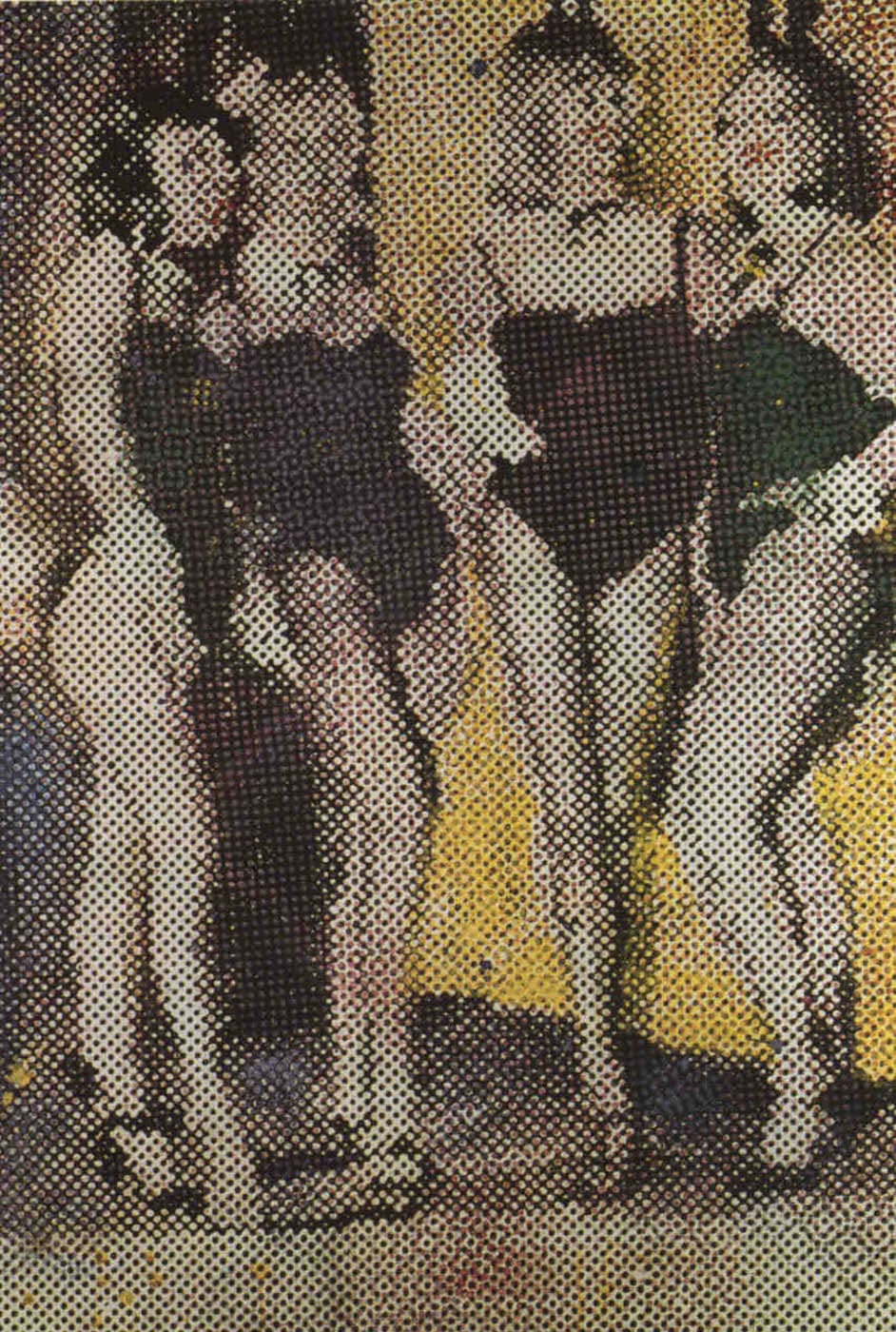
As an artist who grew up in East Germany, Sigmar Polke was all too familiar with the dominating art ideology of Socialist Realism. Socialist Realism began in the Soviet Union as an artificially established art style that idealized life under Socialism, promoted Soviet values and achievements, and glorified leaders, exemplary workers, and other notable citizens. Socialist Realism was enthusiastic but too good to be true and rarely corresponded to reality. It was a utopian dream that was so aggressively imposed on culture that it provoked aversion.
Sigmar Polke and other artists of his generation, many of whom escaped East Germany, kept in mind that they were demanded to believe in the artificial aesthetic. As an act of protest, Polke and his colleagues devised a movement called Capitalist Realism, a radical opposition to the world they grew up in. In May 1963, Sigmar Polke, Gerhard Richter, and Konrad Lueg presented their first exhibition, Demonstration for Capitalist Realism, in a supermarket in Dusseldorf.
Apart from opposing the aesthetic of Socialist Realism, their art also commented upon the capitalist consumer culture in West Germany, which was mostly driven by American goods and supplies. The visual language of Capitalist Realism was similar to European Pop Art, which became prominent in Great Britain in the 1950s. However, Polke was hardly aware of the presence of Pop Art in the USA and UK at the time. His creative experiments were fueled by the same sources: American films, magazines, advertisements, and consumerism. At the same time, Polke’s artworks of this period rarely incorporated brands and logos as elements of his work; instead, he referred to the catchy but uniform packaging style.
4. He Was Friends With Gerhard Richter
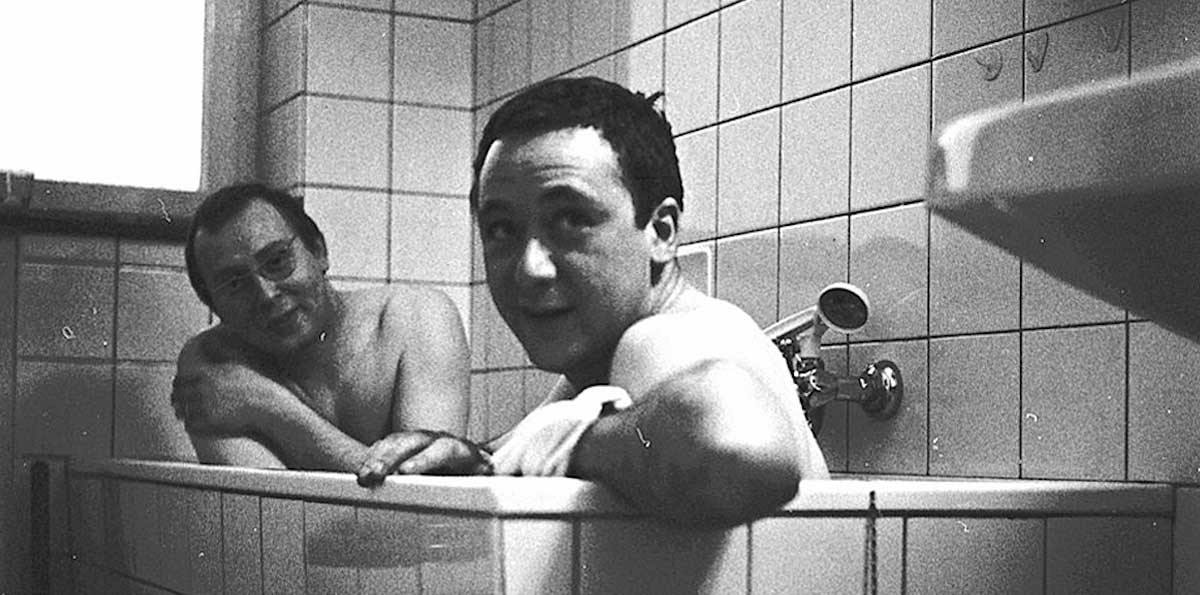
One of the most important figures in Sigmar Polke’s life was another great German artist, Gerhard Richter. Both artists shared the experience of escaping East Germany and they studied in Dusseldorf. In 1966, they had another group exhibition in which they presented photography and collages made through collaboration. Richter became famous for his large-scale abstract canvases and for manipulating photography. He treated printed images with chemicals, painted over them, and experimented with glass sculpture.
5. He Was an Alchemist of Art
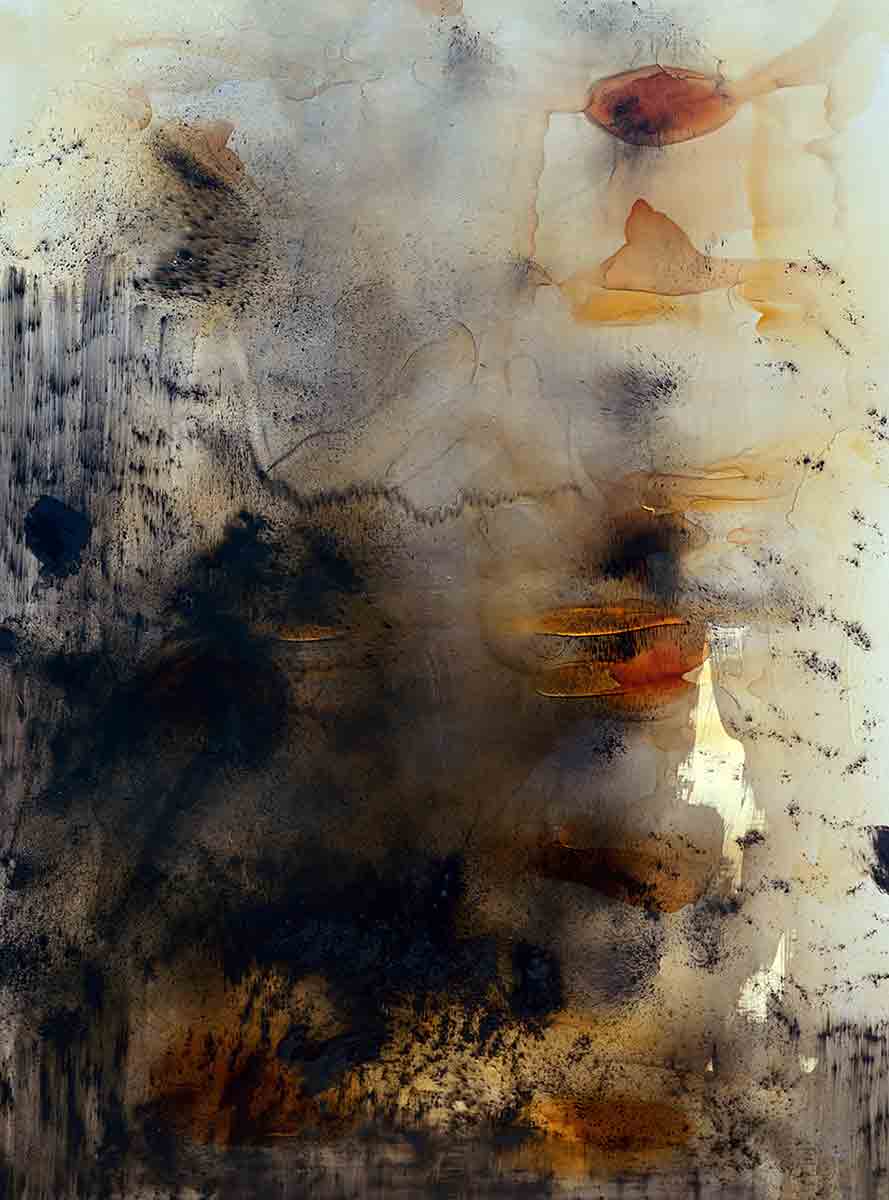
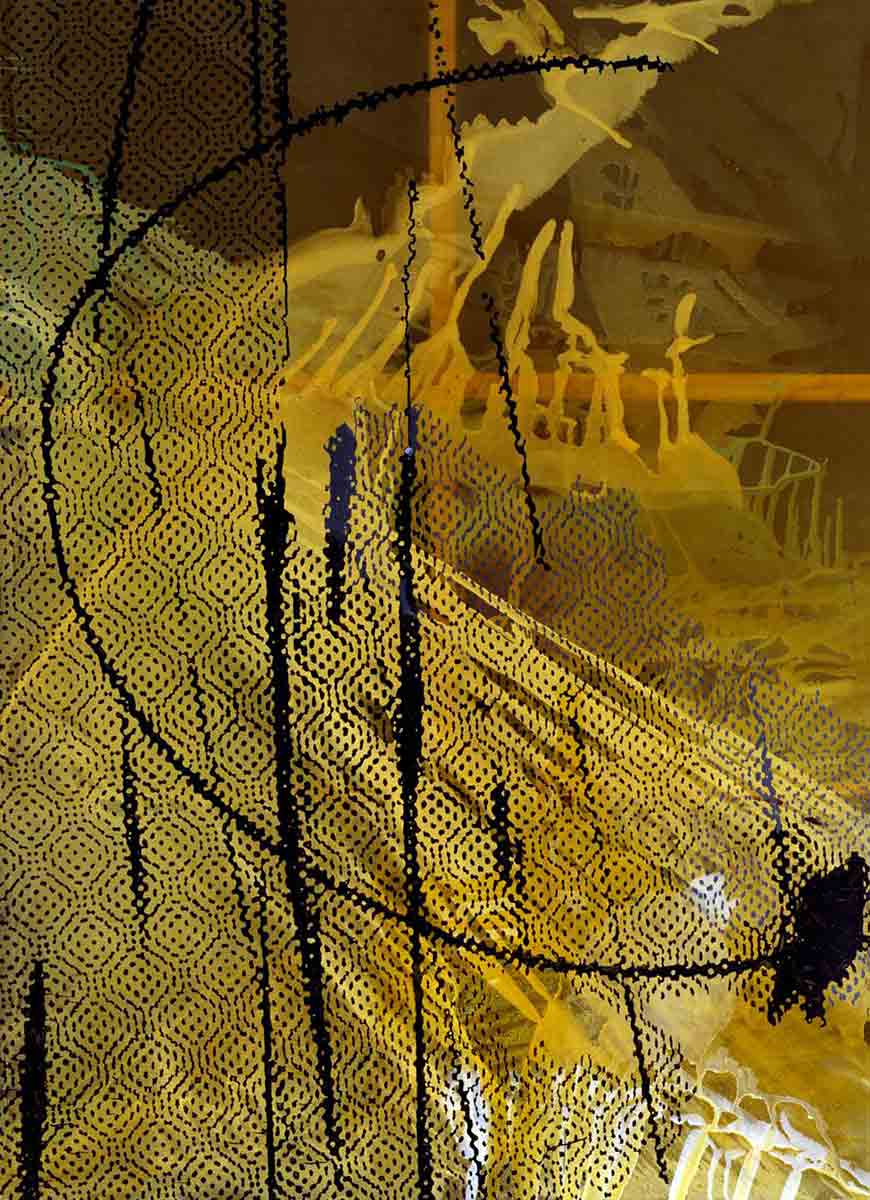
Endless experimentation was at the core of Sigmar Polke’s art. One of his long-term experiments was alchemical manipulation with pigments, acids, and metals. He turned fabrics transparent by threatening them with chemicals, created green paint based on arsenic to recreate the Victorian-era dyeing practice, and mixed pigments that would react to humidity and temperature inside the gallery room.
Impermanence and transformation were important elements of Polke’s work. His paintings changed appearances depending on the angle of the viewer and transformed over time through slow chemical reactions. That way, every time someone encountered Polke’s work, they met it in a new and unique state of existence that could not be replicated.
6. He Worked With the Difficult History of His Culture
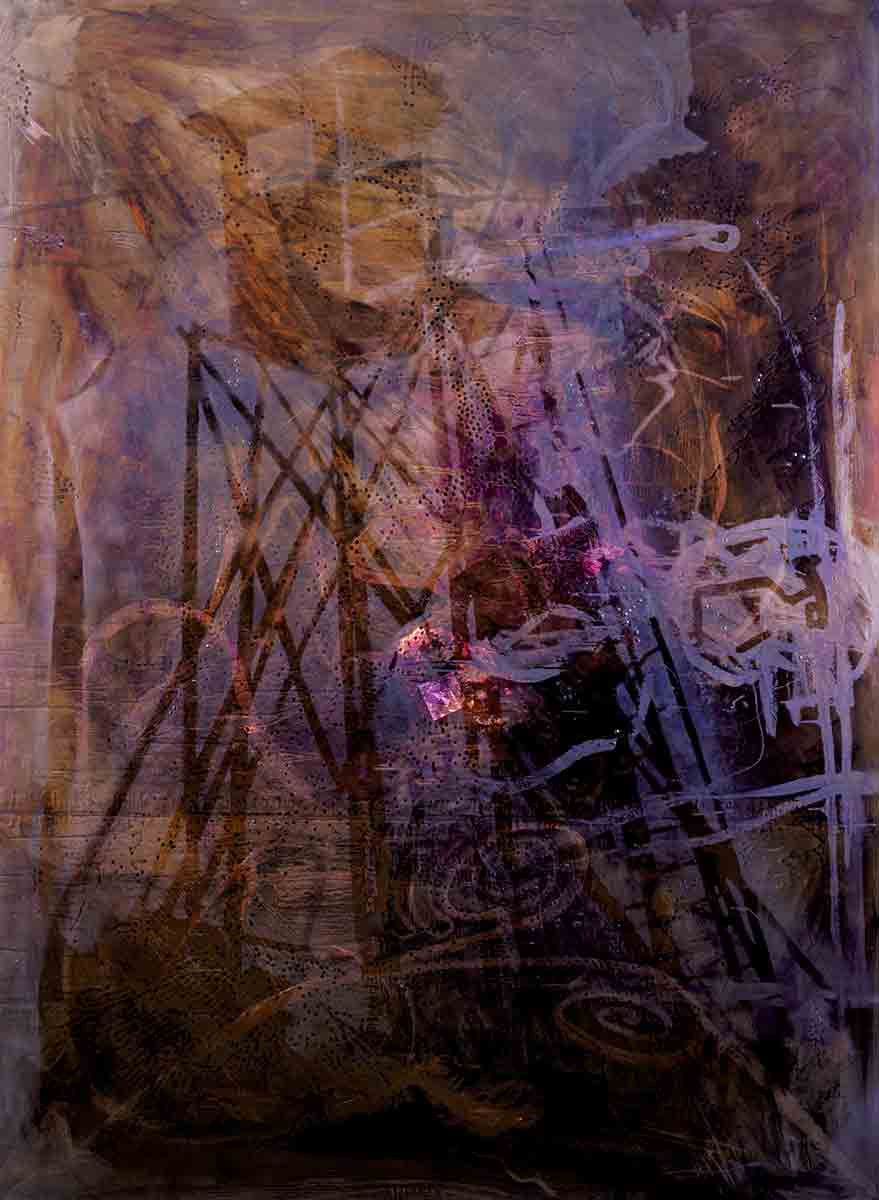
In 1976, thirty-five-year-old Polke shocked the public at the Kunsthalle Düsseldorf during the opening of his first retrospective exhibition. Upon agreeing to the project, he insisted that he would be in charge of the exhibition design and hanging rather than local curators. He refused to show any plans or preliminary results to the museum’s team, although they were not as suspicious about it as they should have been.
On the day of the opening, the public arrived to find half of the paintings unpacked and still wrapped in protective materials and the other half lying face down on the floor. Worse was the wooden gate that greeted the guests. Over it, Polke hammered the letters KUNST MACHT FREI (“art makes you free”), a gruesome reference to the infamous ARBEIT MACHT FREI (“work makes you free”), the slogan found on the gates of several concentration camps. Behind the gate, there were more works by Polke, similarly turned with their backs to the viewers. In that enclosed space, art was non-functional and meaningless; thus, the reworked slogan was as meaningless as its cruel original. In his other works, Polke frequently used imagery that related to the Nazi regime and concentration camps.
7. He Often Gave Weird Titles to His Works
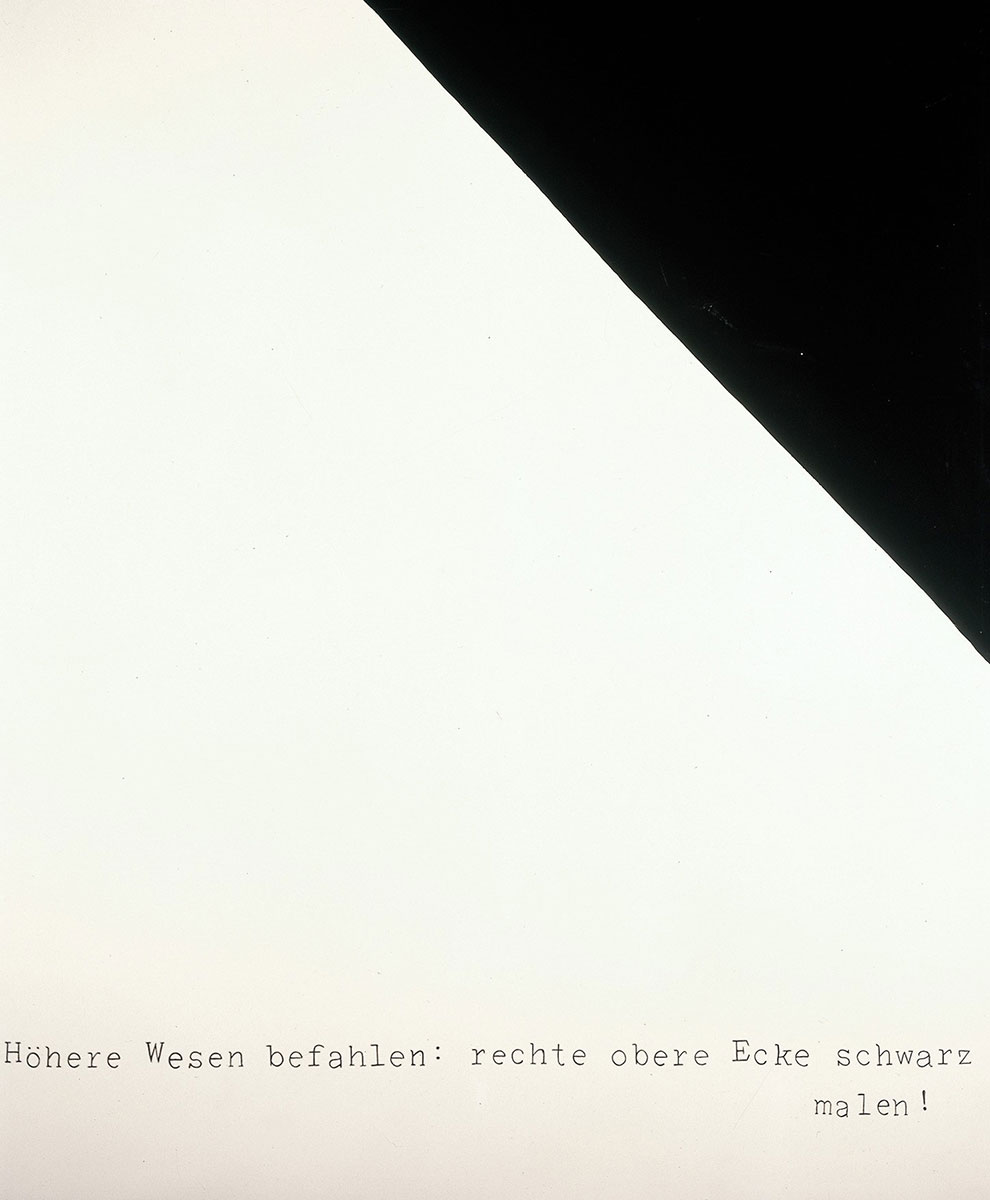
Another famous feature of Sigmar Polke’s art was his penchant for inventing weird and nonsensical titles for his artworks. Names such as Apparatus Whereby One Potato Can Orbit Another, Franz Liszt Likes to Come to Me to Watch TV or Oversalted Food May Be Fixed if You Put a Newspaper Sheet Under the Carpet added an element of absurdity to his works. Some of them mimicked tips for housewives from magazines, while others sounded like fragments of a random overheard conversation. Some art critics saw these titles as the mockery of the contemporary art world and the absurd titles of abstract paintings that were in no way connected to the imagery.
8. Sigmar Polke Avoided Public Attention
For many years, Sigmar Polke was known as a reclusive character who avoided the press and rarely spoke about his work in public. His photographs were even carefully edited to remove any personal information that could be deduced from objects around the artist. He even occasionally gave incorrect studio addresses to interviewers to avoid contact. He never explained his works and deliberately published the most confusing and misleading accounts of his life and art. Sigmar Polke died in 2010 from cancer complications. His art remains highly influential and esteemed by both critics and collectors.