
The Barbizon School included a group of French artists who worked in the French village of Barbizon during the middle of the 19th century. They focused on painting French nature and rural scenes, revolutionizing the concept of landscape painting. Barbizon School artists like Camille Corot, François Daubigny, and Jean-François Millet were important precursors to Impressionism. Read on to learn five important facts about the Barbizon School and its artists.
1. The Barbizon School Emerged in a French Village With the Same Name
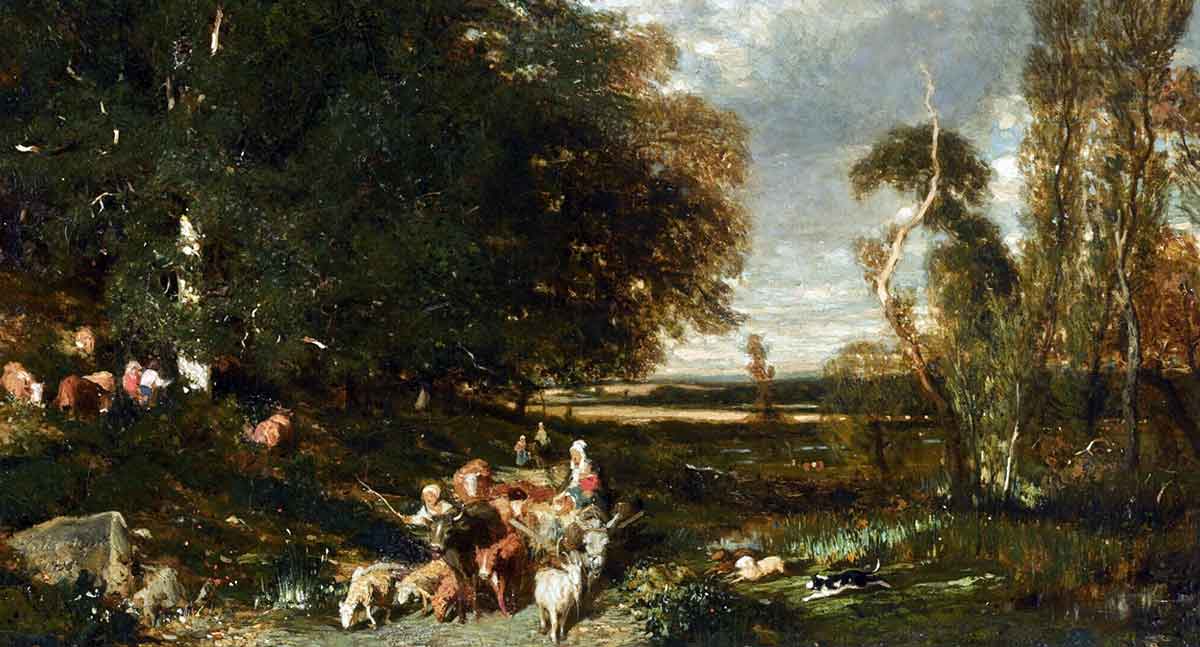
Despite the label of an art movement, the Barbizon School never existed as a body of art theory formulated in a manifesto with a precise list of participants. The name for the movement came from the Barbizon village located near the Fontainebleau forest, not far from Paris. In the mid-19th century, this picturesque village turned into an artists’ colony and a place where landscape painting was transformed once and for all. Back then, it was a rather remote and underdeveloped location that was made accessible only after the significant development of railroads in the region.
At the time of the Barbizon School’s activity, Barbizon had only one street and around 40 houses in total. Today, the small city hotel the artists used to stay in has been transformed into a museum. Like many art movements of the century, the Barbizon School opposed rigid standards of art education and artistic practice of the time. Artists usually worked inside their ateliers and trained by copying antique sculptures and Old Masters paintings. The primary focus was on historical and religious painting, battle scenes, and mythology. The Barbizon School presented a relevant alternative to it, addressing contemporary reality.
2. The School Subverted the Concept of Landscape Painting
Before the Barbizon School, landscape painting was considered to be mostly a backdrop to the central events of the painting—a religious, mythological, or historical scene or a commissioner’s portrait. Gradually, landscapes started to grow symbolic qualities and were used as religious allegories.
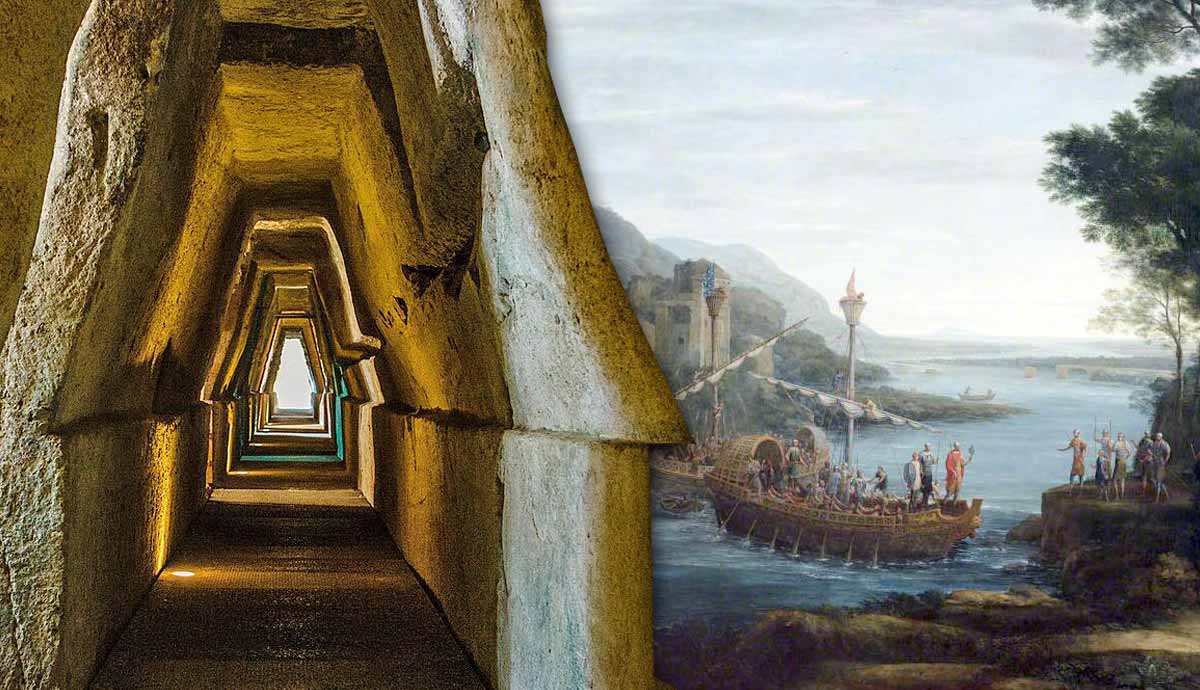
Preference of certain landscapes for a while stood in the way of creative progress. Italian vineyards, fields, and antique ruins were deemed the most worthy of subjects. It took a while before the artists started to rely on scenes that were close to their disposal. In particular, such an approach was employed by the Dutch landscape artists in the 17th century. These landscapes quickly gained prominence as alternatives to religious paintings that fell out of favor after the Reformation. They were generally small, rarely symbolic, and usually intended as decorations.
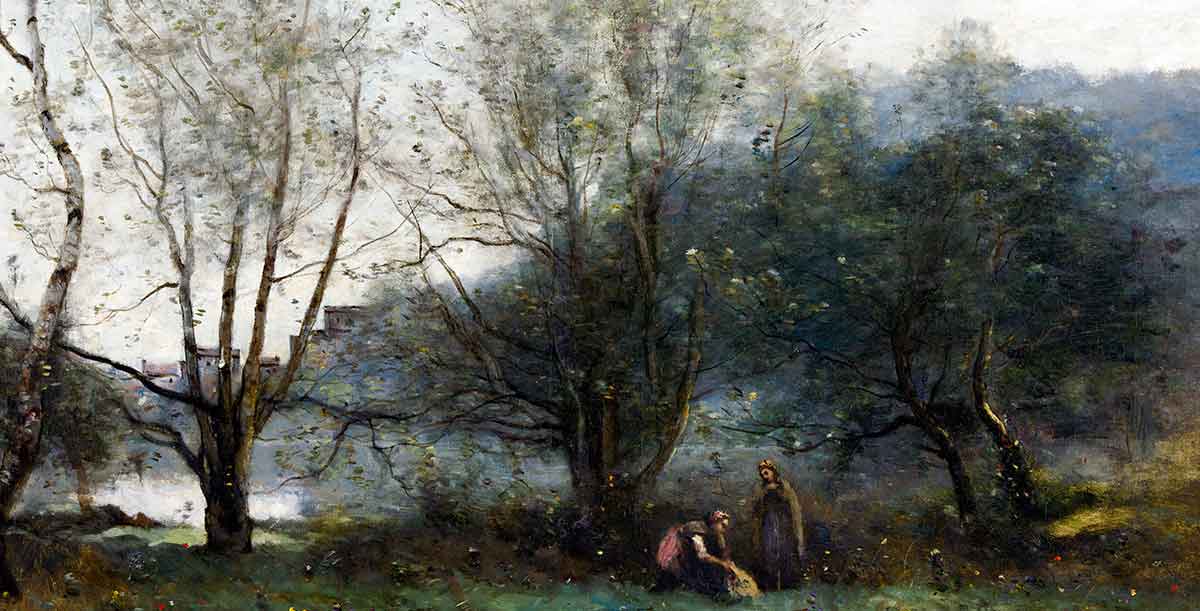
Most frequently, the landscape was constructed rather than recreated. The famous English artist Thomas Gainsborough used stones, pieces of broccoli, and moss to create small artificial landscapes he would later turn into paintings. Even if a painted landscape was inspired by a real scene, it was nonetheless improved by adding extra elements or removing those that ruined artistic harmony. Nature, as it turned out, was never as harmonious as Western artists of the time would have liked it to be. Landscape as an expressive method was fully employed by the artists of Romanticism. In their works, imaginary nature became a character that interacted with human protagonists and illustrated their spiritual and emotional turmoil.
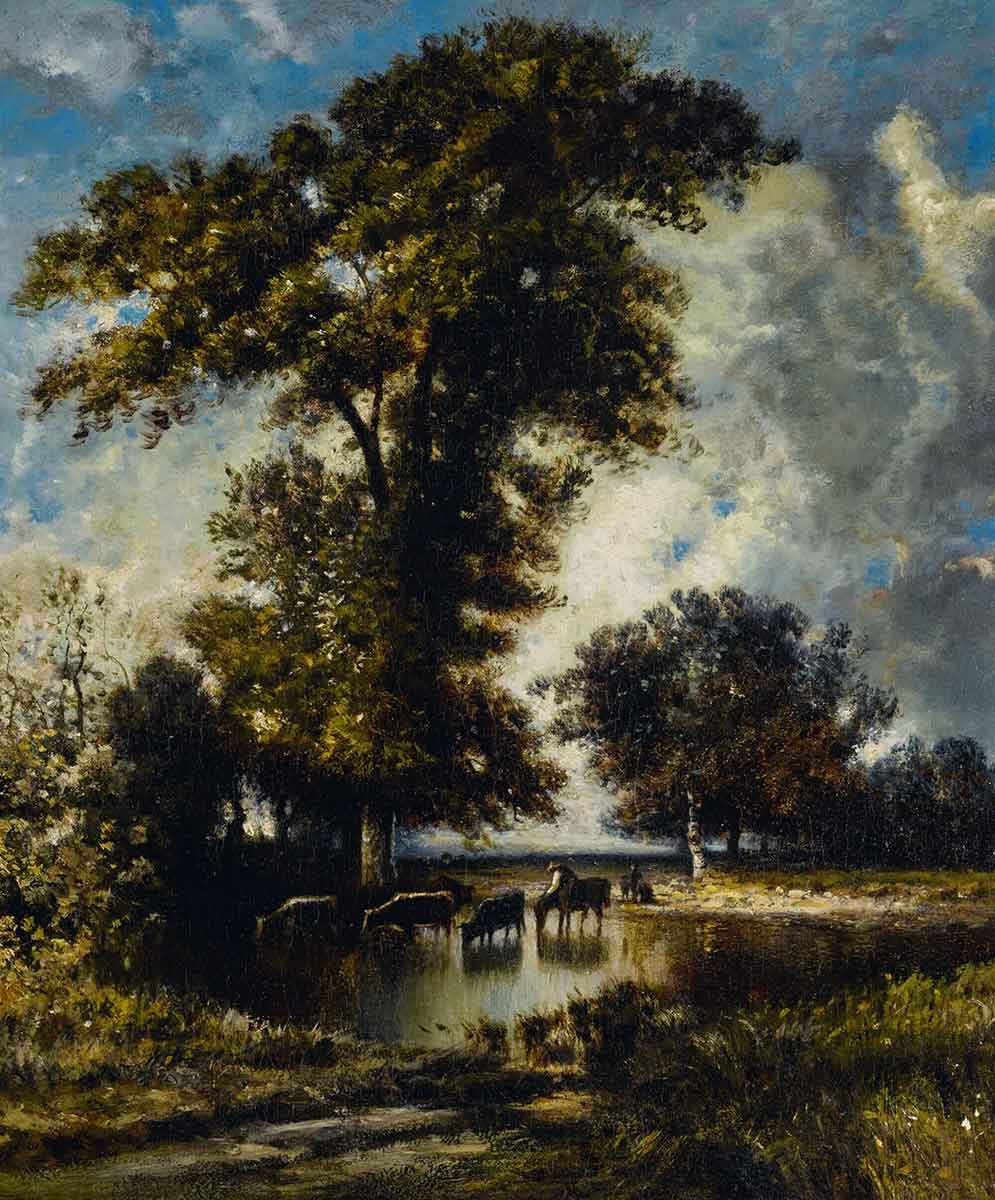
The Barbizon School took a different approach. They valued natural scenes as they were and aimed to preserve the effects of natural light and space in their painted scenes. Instead of painting imaginary tropical jungles or traveling to Italy, which had been the favorite artistic spot for centuries, Barbizon School artists started to look for subject matter in their homeland. French villages, small rivers, fields, and forests at home were similarly worthy of depiction and adoration. Some of their predecessors already shared a similar point of view.
Although it is hardly obvious to us today, in the 19th century, the members of the Barbizon School made a radical gesture that was quite shocking and provocative. Even the mere decision to leave the capital and its art institutions for a remote village with one street and no post office was a statement of sorts. By choosing Barbizon, these artists declared their commitment to finding inspiration and sources for their art in real life.
3. Critics Were Not Enthusiastic About Their Work
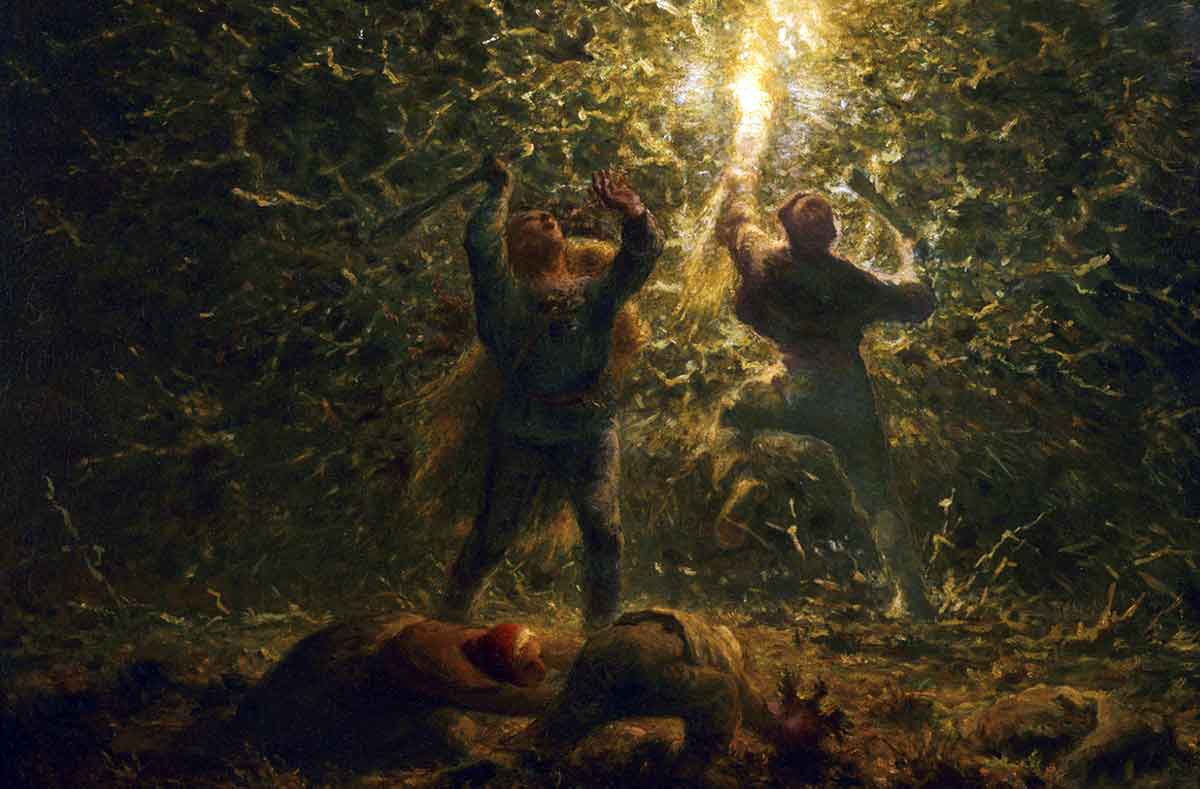
In the first years of the movement, the critical reception of the Barbizon School was largely negative. Critics who were used to grandiose and expressive scenes were offended by the mundane and all-too-familiar scenes of French villages and forests. Muddy roads, shabby old churches, and farm animals were allegedly too far removed from the notions of good taste and aesthetic harmony. Jean-Baptiste-Camille Corot started his career as a conventional Salon painter but found it insufficient. After his transition, critics labeled his works as naive and awkward, refusing to show his pieces at the Paris Salon.
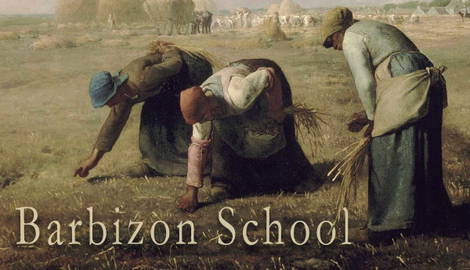
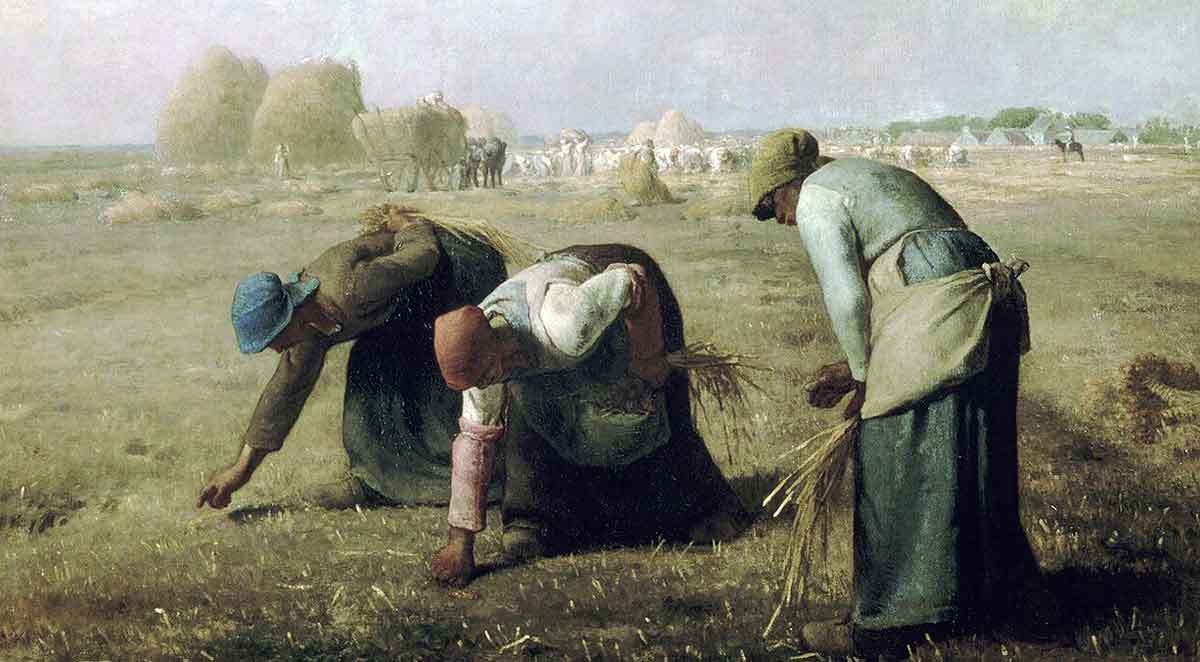
One of the most scandalous works of the School was Jean-François Millet’s painting of wheat gleaners at work, with their backs bent uncomfortably. Critics were outraged that Millet placed peasants on the same pedestal as ancient heroes by focusing an entire painting on their work. The upper classes, afraid of yet another revolution that would endanger their privileges, reacted to the work with poorly concealed anger. The farm workers on whose labor these privileges were built greatly outnumbered the higher classes and could cause a threat if they managed to recognize their worth.
Soon, Gustave Courbet and his Realist painting would shatter the remaining conventions one more time, demonstrating uncompromising honesty and refusal to ask for his place in art history. Courbet simply came and took it, bringing his poor farmers, stone breakers, and provincial crowds with him.
4. They Focused on the Effects of Light
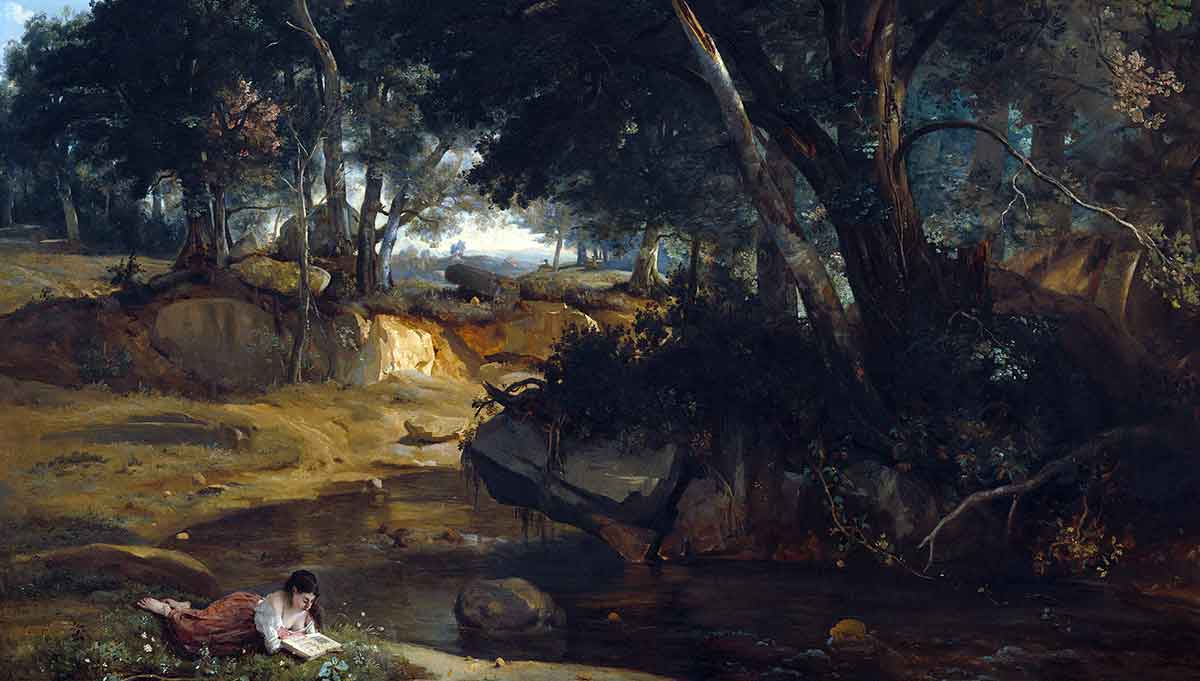
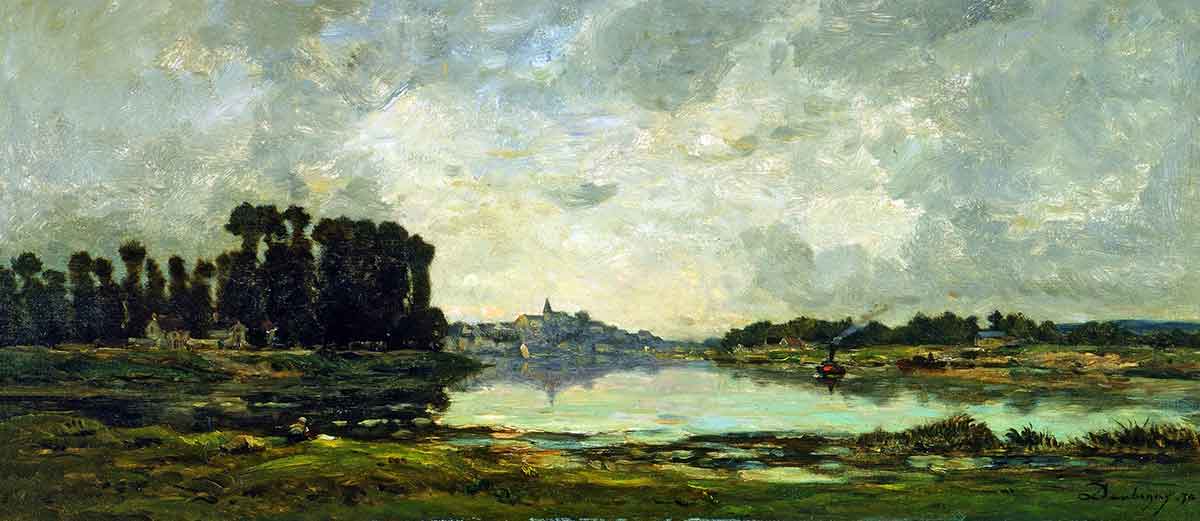
The painters of the Barbizon School rarely painted bright and sunny days, preferring the complex play of light and shadow under clouded skies. In terms of time, they also preferred transitional periods when the sun was either setting or just rising. They relied on soft forms and loose brushwork to show the hazy atmosphere of fields and forests.
Charles-Francois Daubigny built a boat that doubled as an artist’s studio. Equipped with easels, paints, and brushes, he traveled French rivers and painted his works directly from the boat. Such a position allowed him to find new angles and to capture the play of light in water that transformed the landscapes around him. Daubigny disliked the subjective component of Romantic painting and believed that images of nature should not incorporate the artist’s bias. Often, he deliberately chose scenes that were not the most aesthetically pleasing for representation to avoid commentaries on the poetic qualities of his work. Later, Claude Monet would find inspiration in his method and build a similar traveling studio on a boat.
5. The Barbizon School Was the Precursor of Impressionism
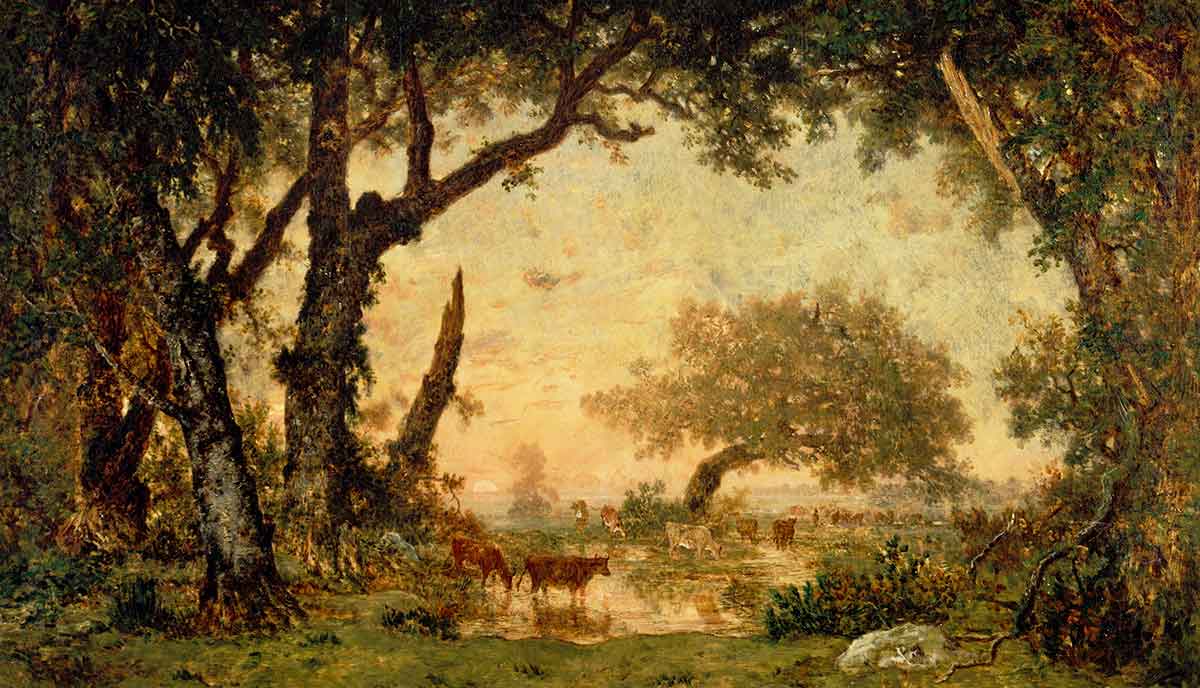
The invention of portable paint tubes allowed artists to work outside of their studios, and the Barbizon School artists were among the first to take advantage of this opportunity. The change of location affected the style and quality of the painting, as well as its relation to the reality it was modeled from. The Barbizon School landscapes were spatially and temporarily connected to places they were inspired by and thus contained fewer assumptions and imagined elements. Their paintings contained the immediate impression of natural scenes in the moment while the feelings were still fresh.
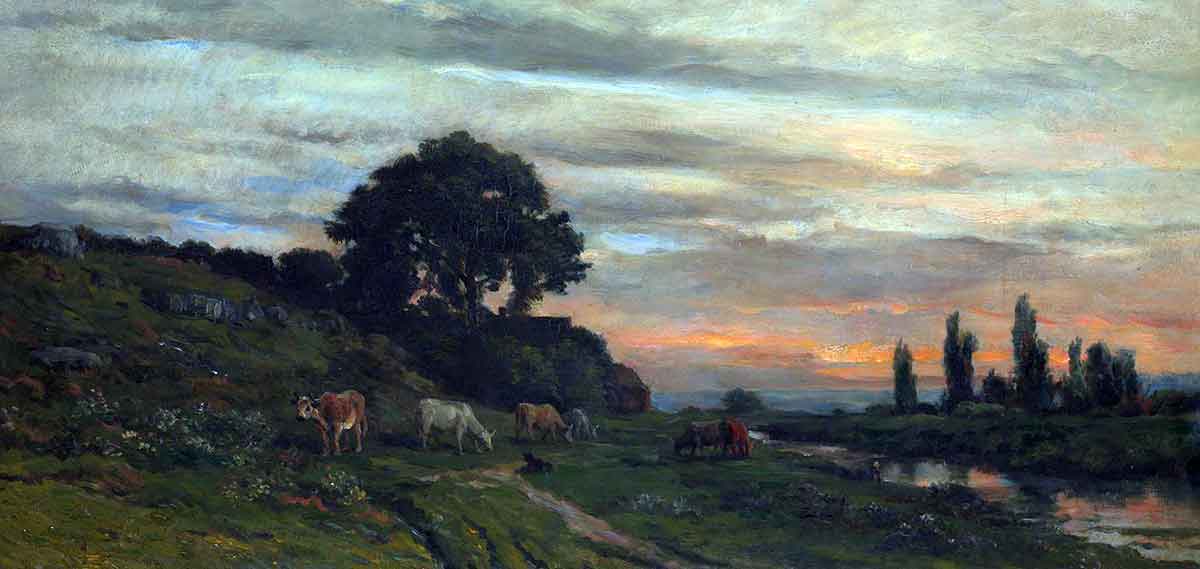
Impressionism blended the technical and conceptual ideas of the Barbizon School with contemporary studies in light and optics. The famous Impressionists Edgar Degas and Edouard Manet were affiliated with the School and drew inspiration from it. There were, however, other important movements influenced by the School. Barbizon painter Theodore Rousseau preferred a more somber palette and spaces enclosed by trees and other natural elements. His human figures were usually small, nearly lost in the vast and overpowering landscape. In their nature, Rousseau’s works were much closer to Realist painting in their dark and provocative sincerity.