
No 20th-century anthology of literature would be complete without Franz Kafka (1883–1924). Whether it’s a man who wakes up transformed into an insect or a clerk fighting against bureaucracy over an unknown crime, few readers are left unmoved by the writer’s surrealism. In order to get the full picture of the man and his works, here are 15 facts about the German-language writer that may seem unusual at first, but in reality, they are quintessentially Kafkaesque.
1. Kafka Wrote in German, Although He Was a Jew From Prague
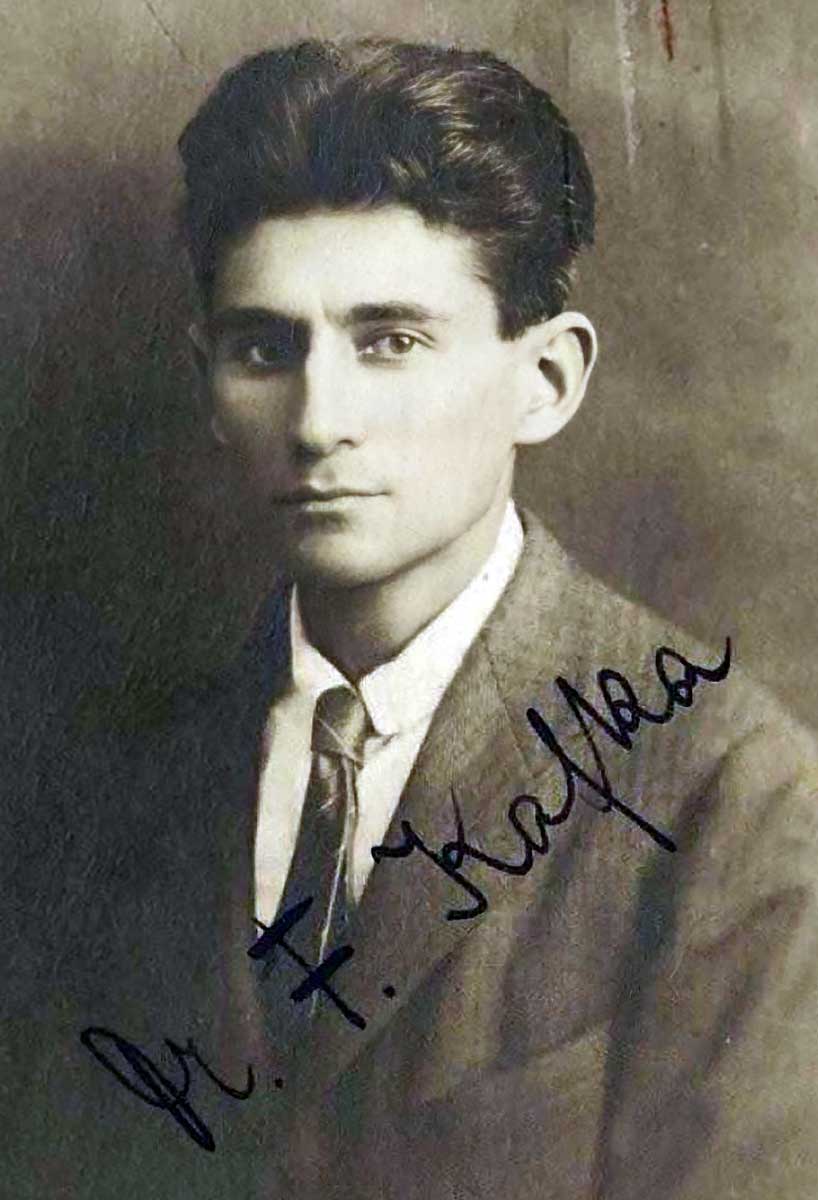
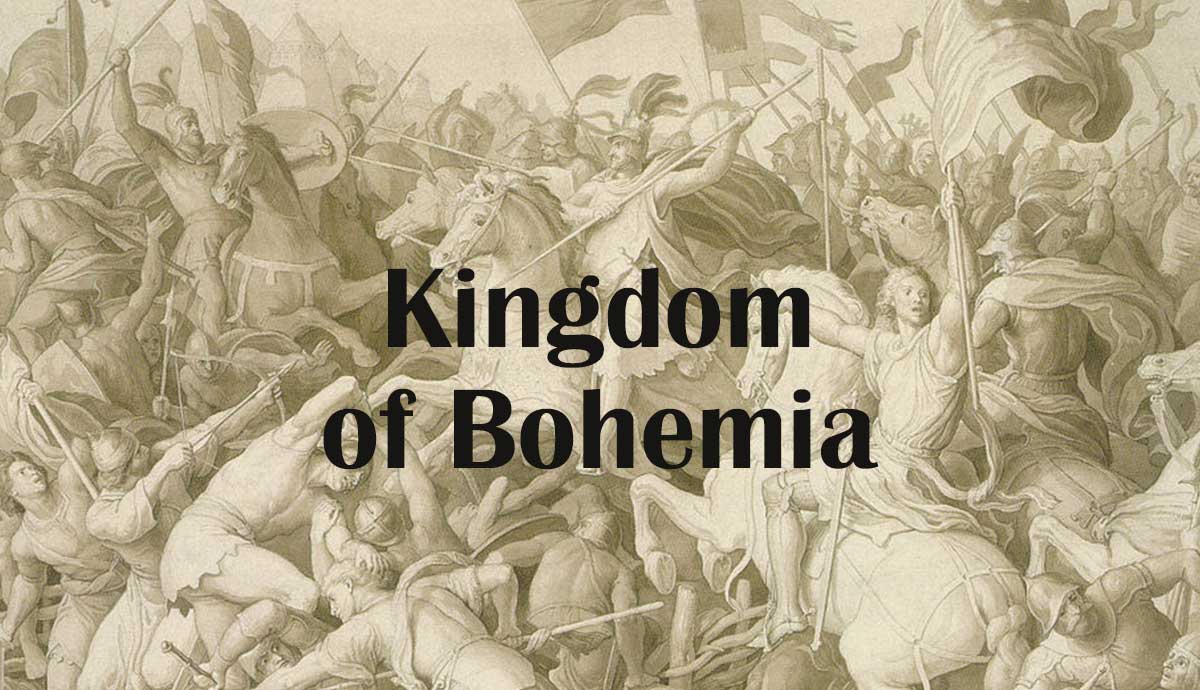
Kafka was born into a Jewish middle-class family in Prague, the capital of the Kingdom of Bohemia, which was then part of the Austro-Hungarian Empire. However, the writer’s mother tongue was actually German, even though he could hold a conversation in Czech and later in Yiddish.
Nearly all of his works, except for a few personal letters, were in German, so Kafka ranks among the greatest German-language authors, even though he hailed from a different ethnic and regional background. Literary critics have noted that his German possessed a “platonic purity,” devoid of slang and contemporary colloquialisms, reflecting Kafka’s upbringing away from German-speaking centers, such as Vienna and Berlin.
2. He Was Actually a Doctor of Law
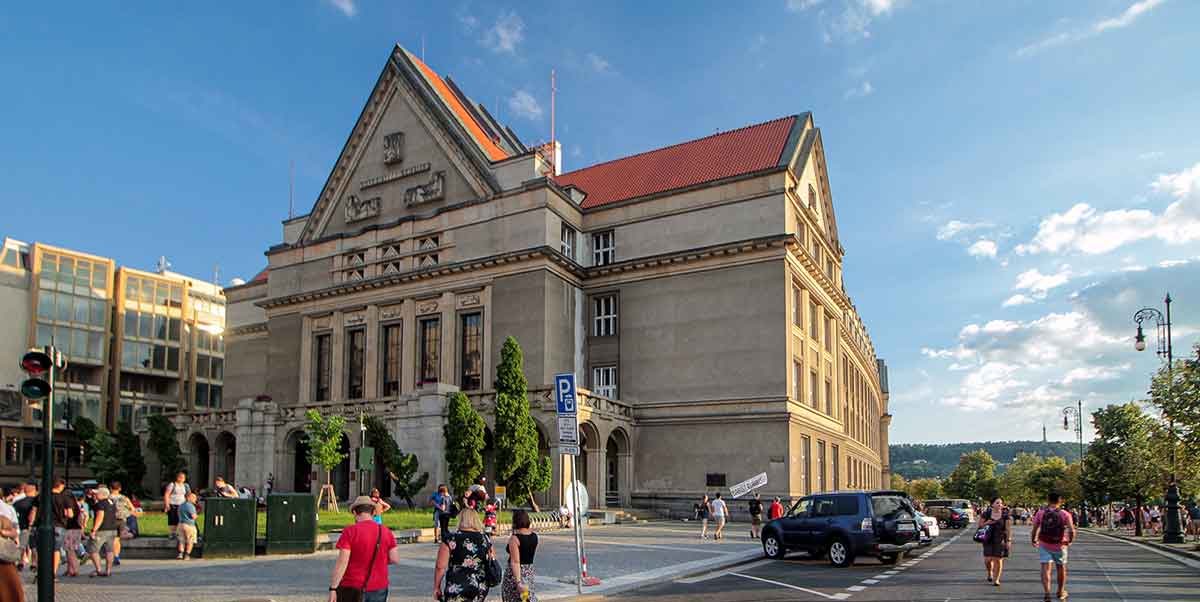
Kafka attended one of the oldest universities in the world, Charles University in Prague, between 1901 and 1906. He initially enrolled in chemistry, only to transfer to law school after two weeks, but his indecisiveness did not end there.
During the second semester, he also enrolled in German studies, as he desired more lessons in art history and philosophy. At the time, Kafka knew he wanted to be a writer, but he was also aware he needed a Brotberuf, a job that would pay the bills. During his law studies, Kafka befriended Max Brod, who would later become essential for the publication and promotion of Kafka’s work.
3. Prague Turned Kafka Into a Tourist Attraction, Which Is a Bit Ironic
Kafka was not attached to Prague as Immanuel Kant was to his native Königsberg. Nevertheless, he never permanently moved out of the city on the Vltava River. That is why it is easy to associate Kafka’s image with the Czech capital, but the city itself did not dutifully honor its famous resident for much of the 20th century.
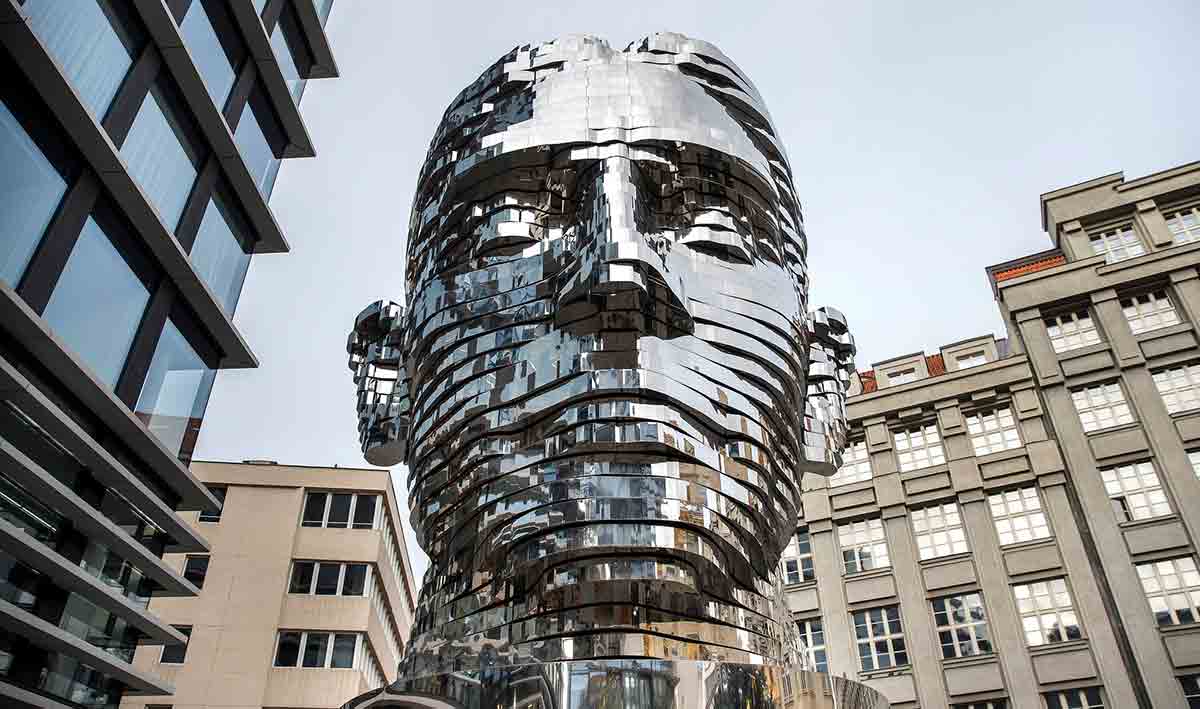
After the fall of the Iron Curtain, Kafka’s legacy became more prominent in the streets of the city. A society that bears his name was founded in 1990, and the writer got a museum a decade and a half later. However, more touristy sights, such as the Head of Franz Kafka, David Černý’s outdoor kinetic sculpture, have turned the writer into a brand, which does not really align with Kafka’s existential themes.
4. Allegedly, Kafka Had a Porn Stash
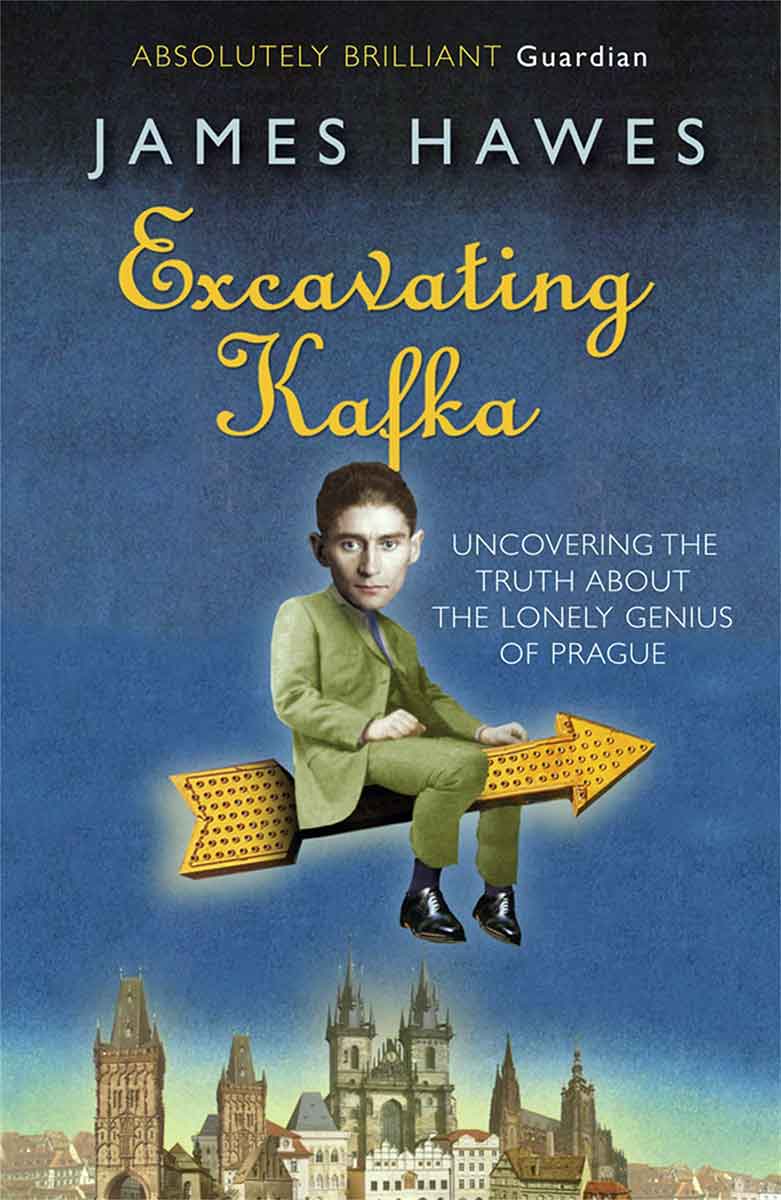
In his contemporary study, Excavating Kafka (2008), James Hawes argued that Kafka subscribed to pornography and had quite a stash of hard porn. Naturally, literary critics lashed out at this claim, but it remains a fact that the writer’s relationship towards the opposite sex was anything but ordinary. He never married and visited brothels during adulthood.
Brod spoke of his friend’s “sexual desire,” which some critics linked directly to his work. Since Kafka’s characters are steeped in guilt, often for no apparent reason from the reader’s standpoint, the source of this guilt could very well lie in the writer’s furtive obsession with pornography.
5. Kafka Flirted With Socialism
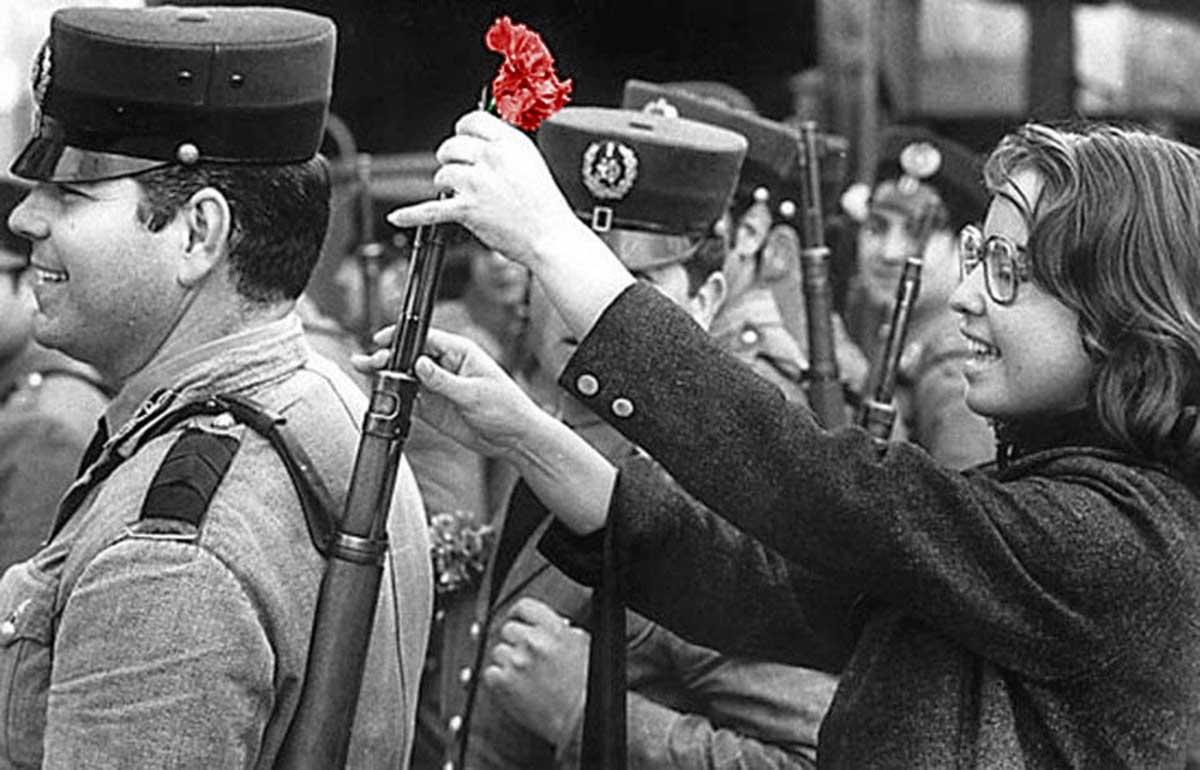
Kafka’s opus does not come across as overtly political, but the writer himself did express a political stance, at least in his early youth. His classmate, Hugo Bergmann, distantly remembers Kafka wearing a red carnation in support of socialism. This aligns with the fact that before World War I, the writer attended the meetings of a Czech anarchist youth club (Klub mladých).
However, this somewhat leftist orientation is quite ironic when we take into account how Kafka was posthumously treated as a writer in communist Czechoslovakia. When his works were not outright banned, they were ignored by the authorities, which, ironically, made Kafka popular in the West, which lauded him as an anti-totalitarian writer.
6. Kafka Considered Moving to Mandatory Palestine in the Early 1920s
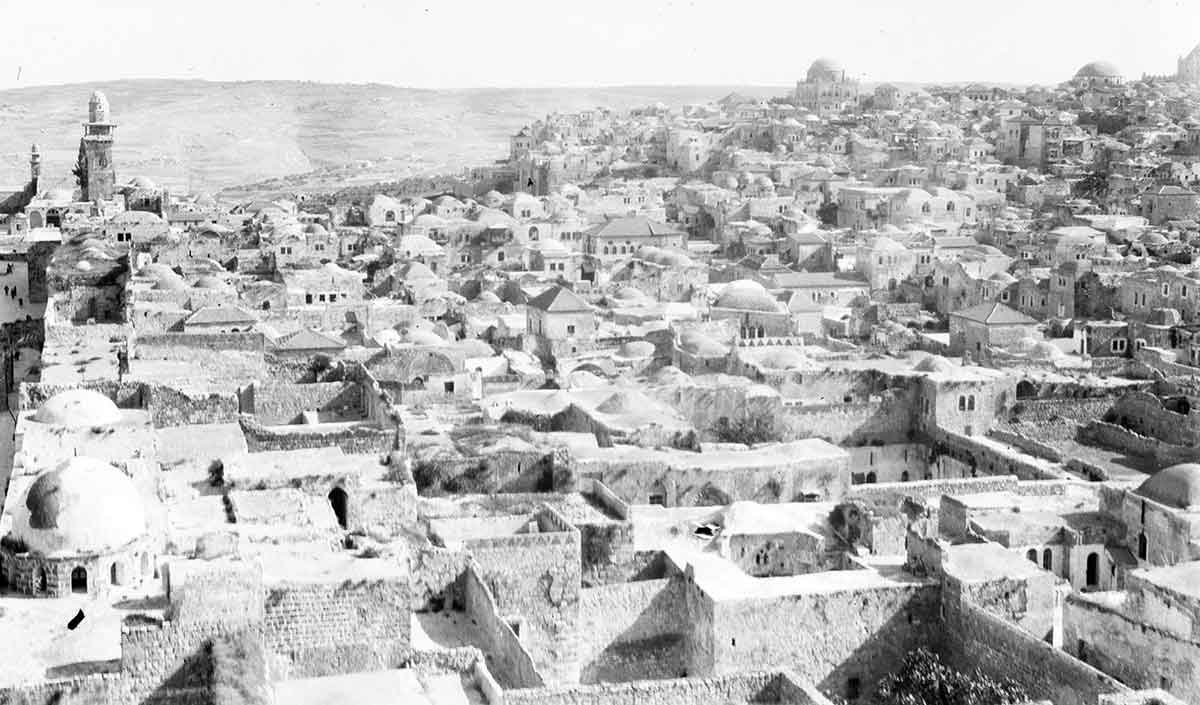
Near the end of his life, in late 1923, Kafka moved to Berlin with the last woman in his life, Dora Diamant. The German capital was meant to be a stepping stone to a permanent move to British-controlled Mandatory Palestine, but tuberculosis cut the writer’s life short just a year later.
The reasons for the move were more symbolic than practical; anti-Semitism was on the rise in Europe at the time, but Kafka really sought a simpler life with his emotional partner. The writer wanted to reconnect with his Jewish roots in a place far away from the formal practice of Judaism he was accustomed to.
7. Kafka Passed Away From Starvation at 40 Years Old
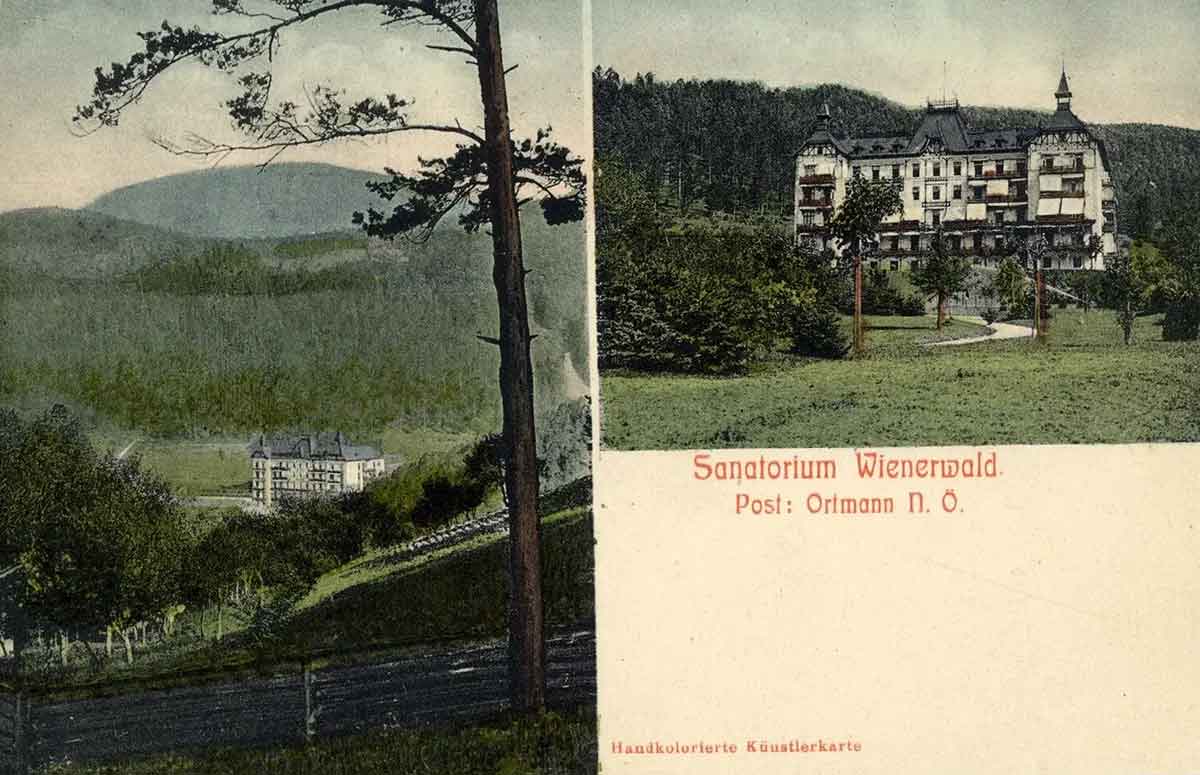
Kafka had known about his tuberculosis since 1917, but the sickness took a turn for the worse in March of 1924, when he was diagnosed with laryngeal tuberculosis. He went to a sanatorium just north of Vienna, but sadly, he passed away there in June of the same year.
Kafka’s actual cause of death was starvation, because his disease made it too painful for him to eat. Unfortunately for the writer, parenteral nutrition became a thing only after World War II. One final twist of fate was the short story Kafka was editing on his deathbed, which was published posthumously. It was morbidly, yet fittingly entitled: A Hunger Artist (Ein Hungerkünstler).
8. Kafka Burned Most of His Works
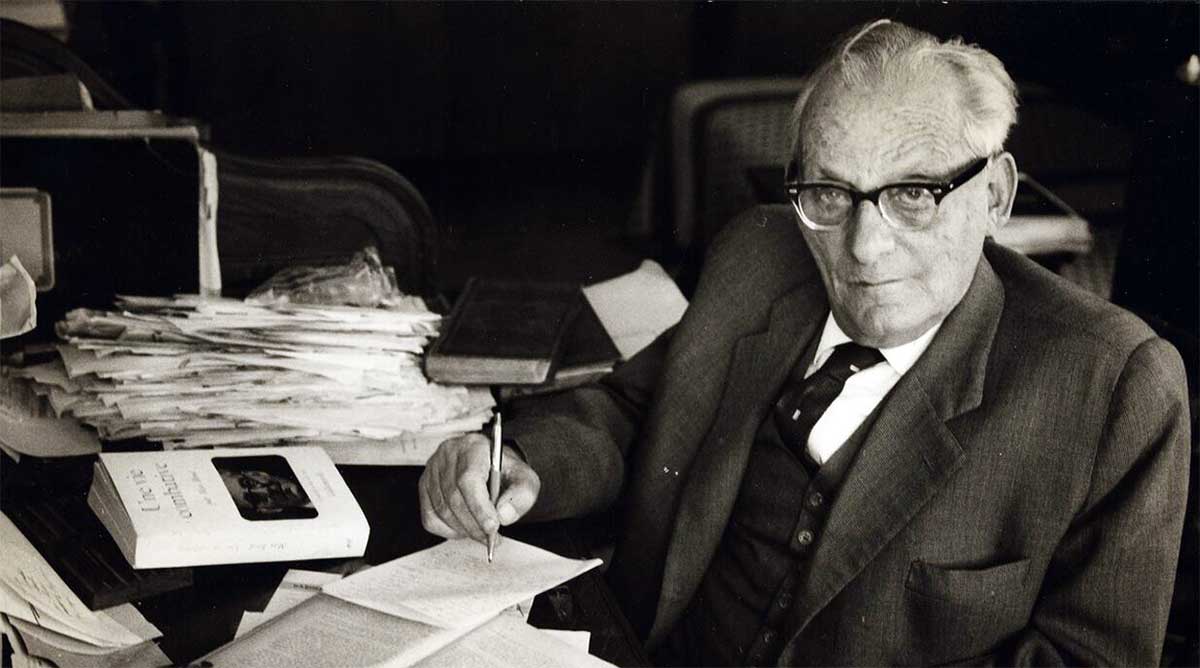
The period Kafka spent in Berlin with Dora Diamant was not particularly prolific: she actually helped him burn his works. Critics usually put the estimate at 90% of all of Kafka’s works that ended up in flames. Furthermore, the writer never actually finished any of his major novels.
That’s why it does not come as a surprise that Kafka requested from his friend and editor, Max Brod, that all of his works “be burned unread” after the writer’s death. In one of literature’s most famous acts of defiance, Brod not only refused to burn Kafka’s manuscripts, but he also reconstructed many of them and famously published them.
9. Kafka Was Not Famous During His Lifetime
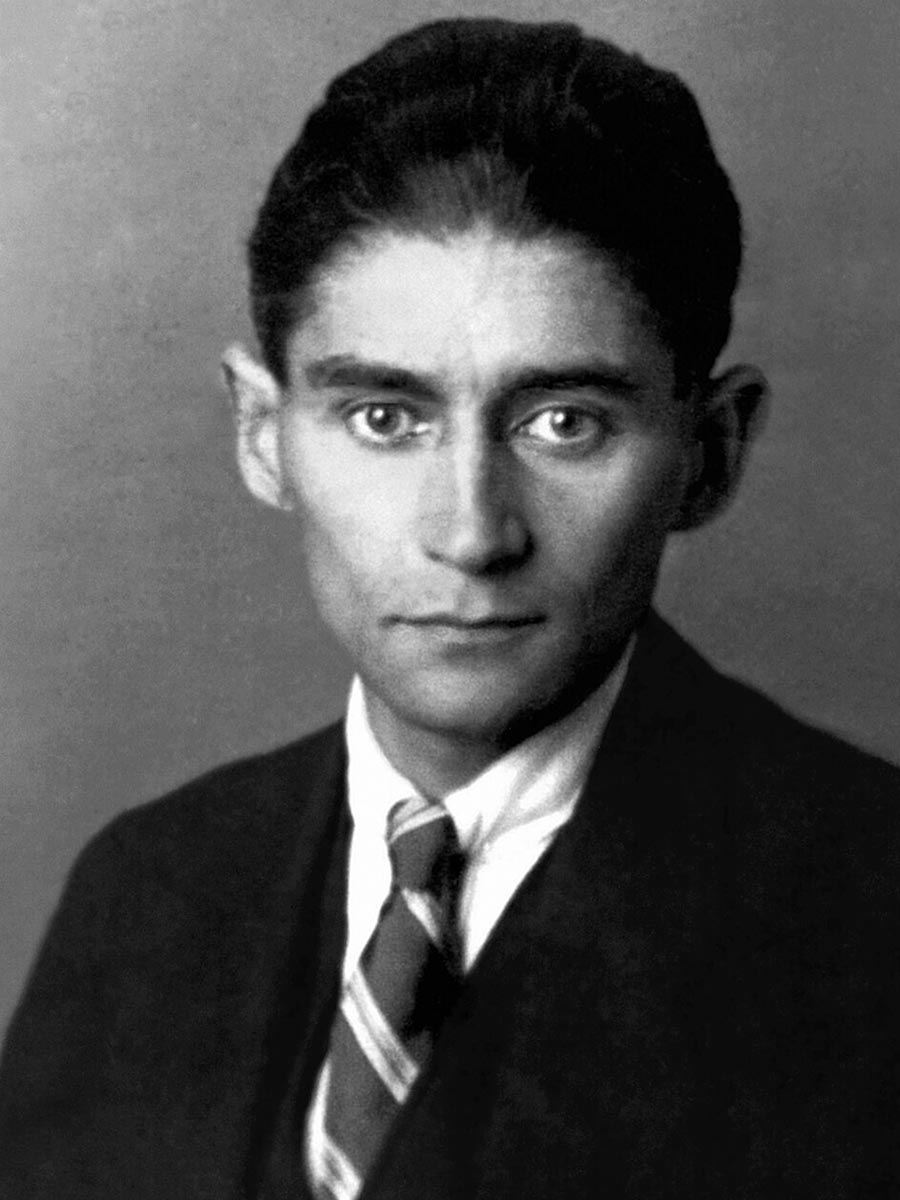
Although he is considered one of the greatest authors of the 20th century, Kafka was largely anonymous in his day and age. His fame was restricted to narrow literary circles and almost exclusively to German-speaking readers and critics.
For example, his first major translations into English did not appear until the 1930s, after the writer’s death. Kafka’s global popularity really took off after World War II, after Brod finished publishing the bulk of his friend’s writing. His motifs, such as alienation, absurdity, authoritarian regimes, and unresponsive bureaucracy, resonated with post-war audiences and remain topical to this day. Expectedly, Kafka is a writer popular with Gen Z, who are pragmatic yet highly anxious.
10. There Was a Real-Life Trial Over Kafka’s Unpublished Papers
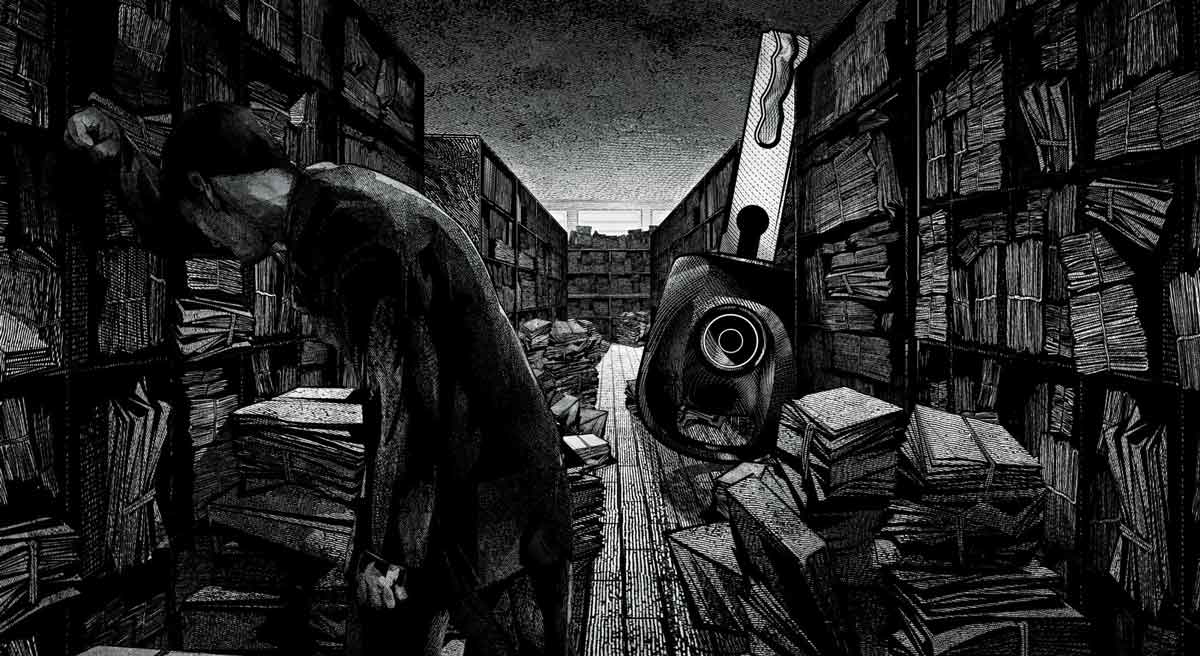
One of Kafka’s greatest novels, The Trial (Der Prozess), became surreally real in the late 2000s. After Brod passed away in 1968, his secretary (Esther Hoffe) came into possession of thousands of Kafka’s unpublished papers. They were eventually passed down to her daughters, who refused to hand them over to the National Library of Israel, which initiated a legal process in 2008.
The sisters argued that the collection was a gift to their mother, but the Tel Aviv court ruled in 2012 that Kafka’s writings needed to be handed over for archiving. The country’s Supreme Court upheld the decision in 2016, ending the eight-year-long legal process, which was quintessentially Kafkaesque.
11. There Is an Adjective Derived From the Writer’s Surname
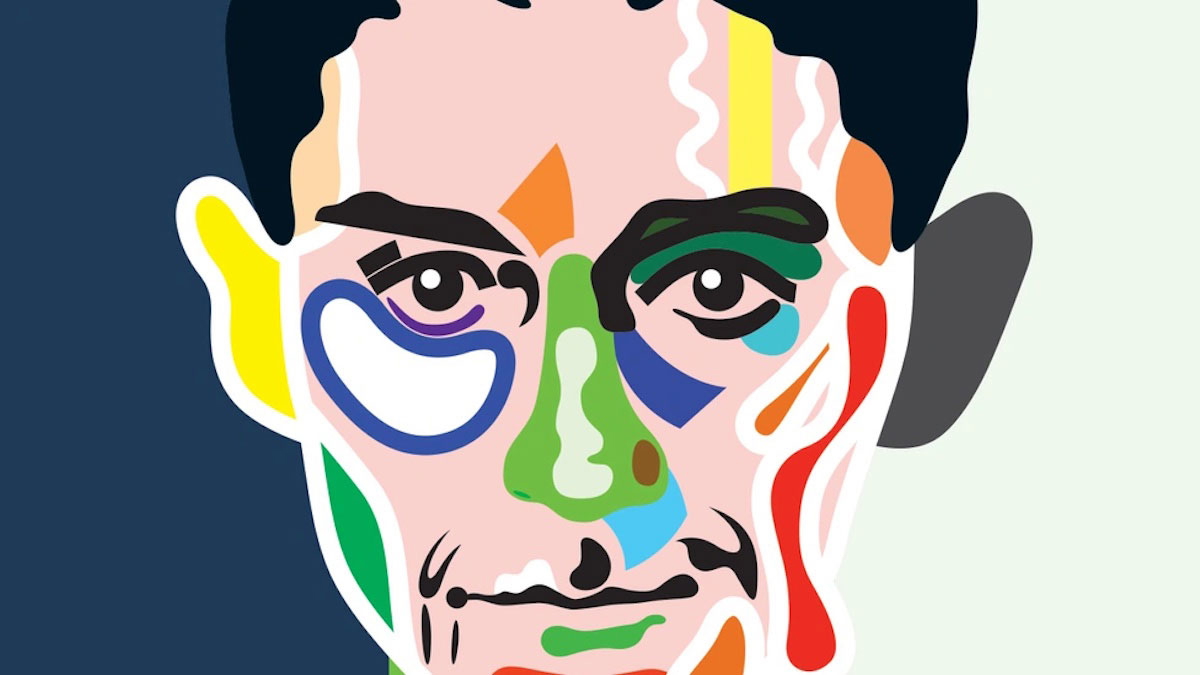
One of the greatest testaments to the literary grandeur of Franz Kafka is the adjective derived from his last name: Kafkaesque. Admittedly, the word has the primary meaning of simply referring to the author or his writings, but it can equally be used to denote “a nightmarishly complex, bizarre, or illogical quality.”
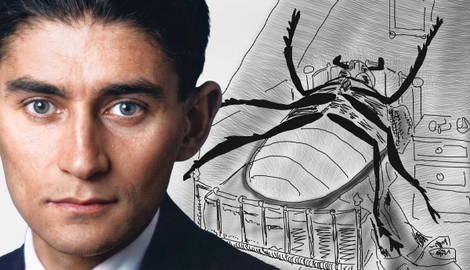
These epithets stem from Kafka’s works, such as a person waking up transformed into an oversized insect or a protagonist caught up in endless bureaucracy over an unnamed crime. In literary theory, these elements create a Kafkaesque atmosphere in which characters feel as if they are in a nightmare, facing absurd and illogical circumstances that leave them feeling trapped and helpless.
12. Orson Welles Thought of The Trial as His Greatest Movie
The American filmmaker Orson Welles is arguably best known for the panic he caused in 1938 while reading an adaptation of H. G. Wells’ novel The War of the Worlds over the radio. The fact that he had convinced the listeners that a Martian invasion was real just confirmed his talent, which, perhaps, reached its peak in the 1941 drama Citizen Kane.
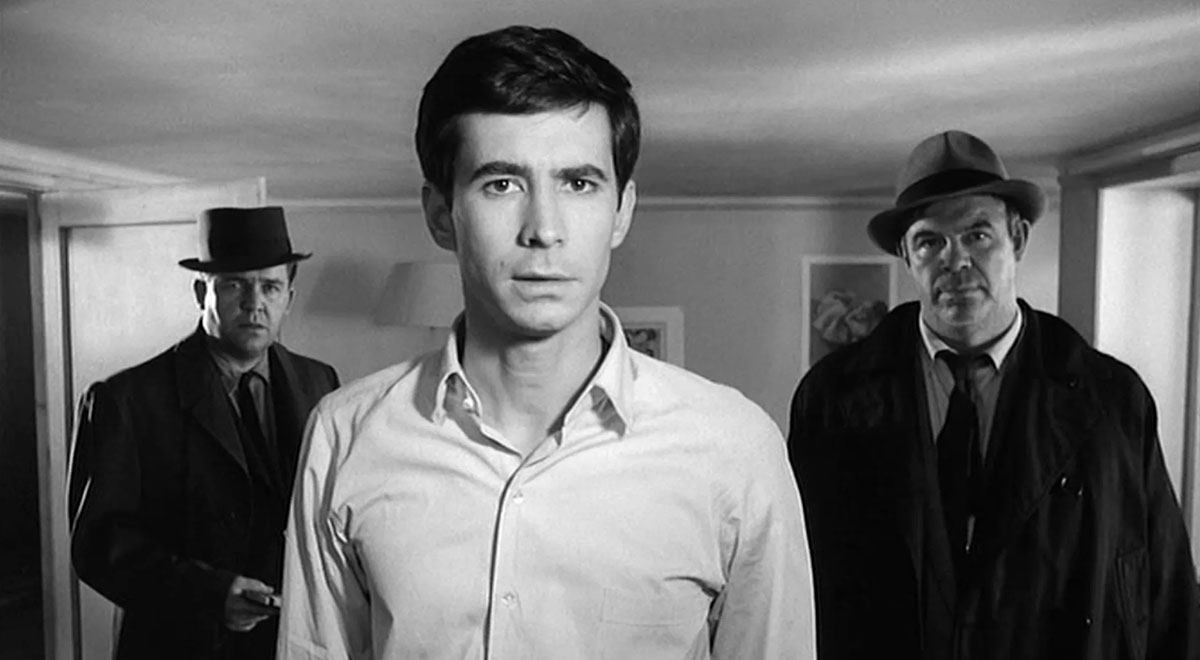
However, in his own words, The Trial is the best movie Welles had ever made. This was a 1962 adaptation of Kafka’s eponymous novel that largely stayed faithful to the original plot and, to a great extent, managed to bring to life the Kafkaesque atmosphere that had previously existed only in literature.
13. Gregor Samsa Did Not Turn Into a Cockroach
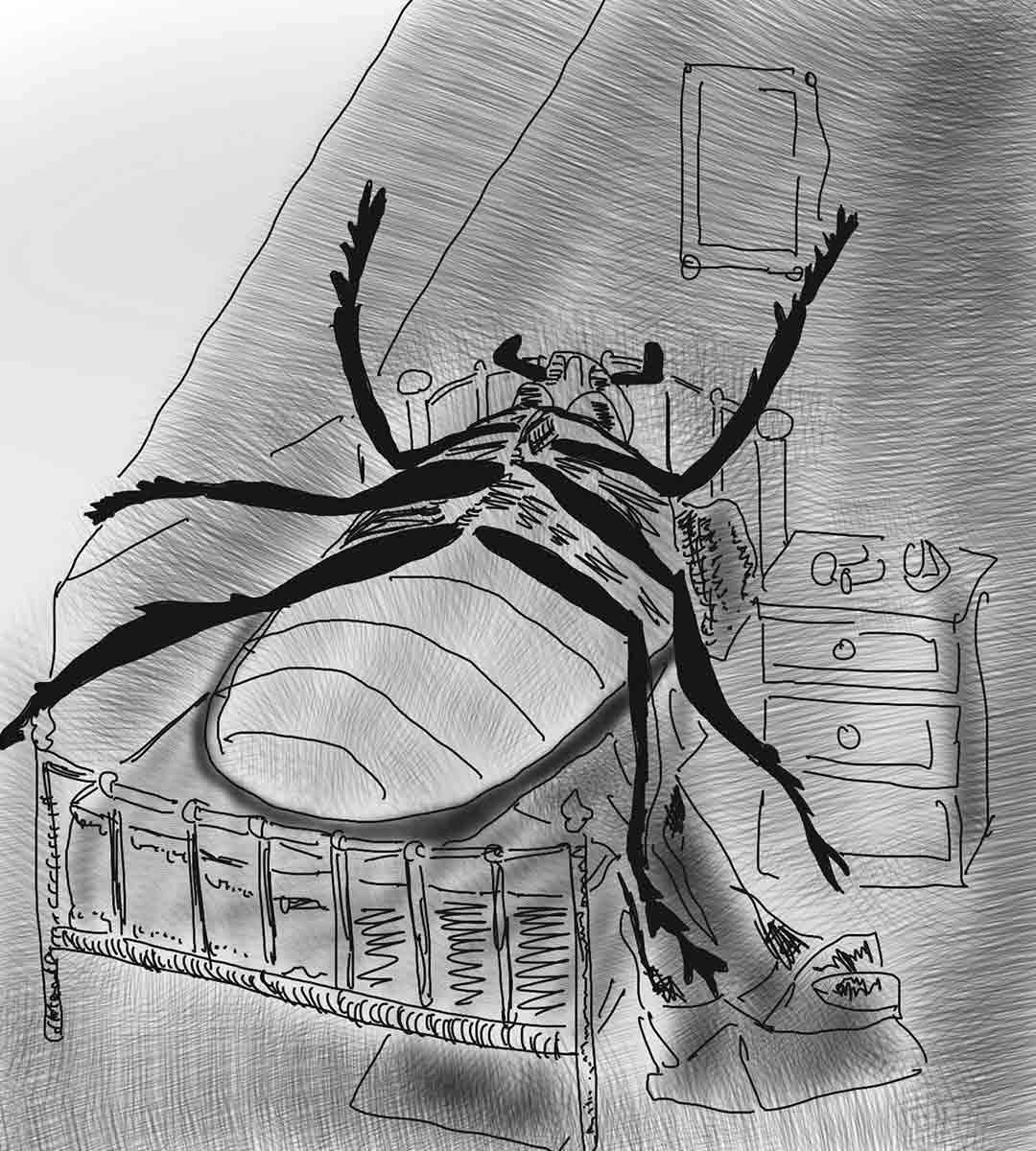
The opening sentence of Kafka’s 1915 novella, The Metamorphosis, is definitely one of the most popular and striking sentences in the history of world literature: “As Gregor Samsa awoke one morning from uneasy dreams he found himself transformed in his bed into a gigantic insect.”
Since 1933, the English version has had a couple of dozen translations, and, famously, they have not been consistent on what the protagonist had transformed into. The German original, ungeheuren Ungeziefer, is ambiguous itself, so translators got creative, labeling the fictional animal as a bug, vermin, insect, and, famously, a cockroach. Perhaps the latter stuck in the reader’s heads the most because it vividly encompassed the ridiculousness of Gregor’s transformation.
14. Kafka Was Actually a Fun Guy
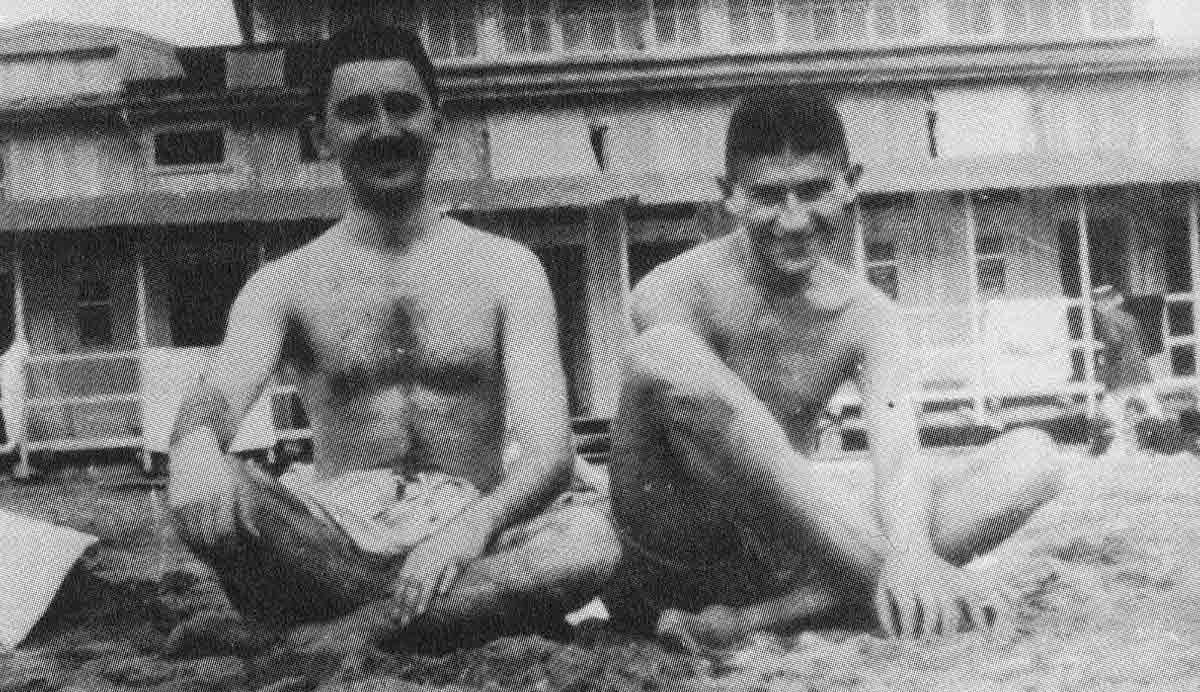
Although Kafka’s literary motifs were somber, the writer himself did not possess a dark personality. His acquaintances often described him as a person with a dry sense of humor. Brod, for instance, remembered how Kafka laughed out loud after reading the first chapter of The Trial, an existential work that is anything but overtly humorous.
That’s why some critics regard Kafka’s surrealism, at times absurd, as ironic, in the sense that the plot can be so ridiculous that it turns into satire. Kafka did not have an easy life, having to constantly balance between his day job, writing, and love life, which did not leave much room for humor.
15. Kafka Died Before World War II, yet He Is Associated With It
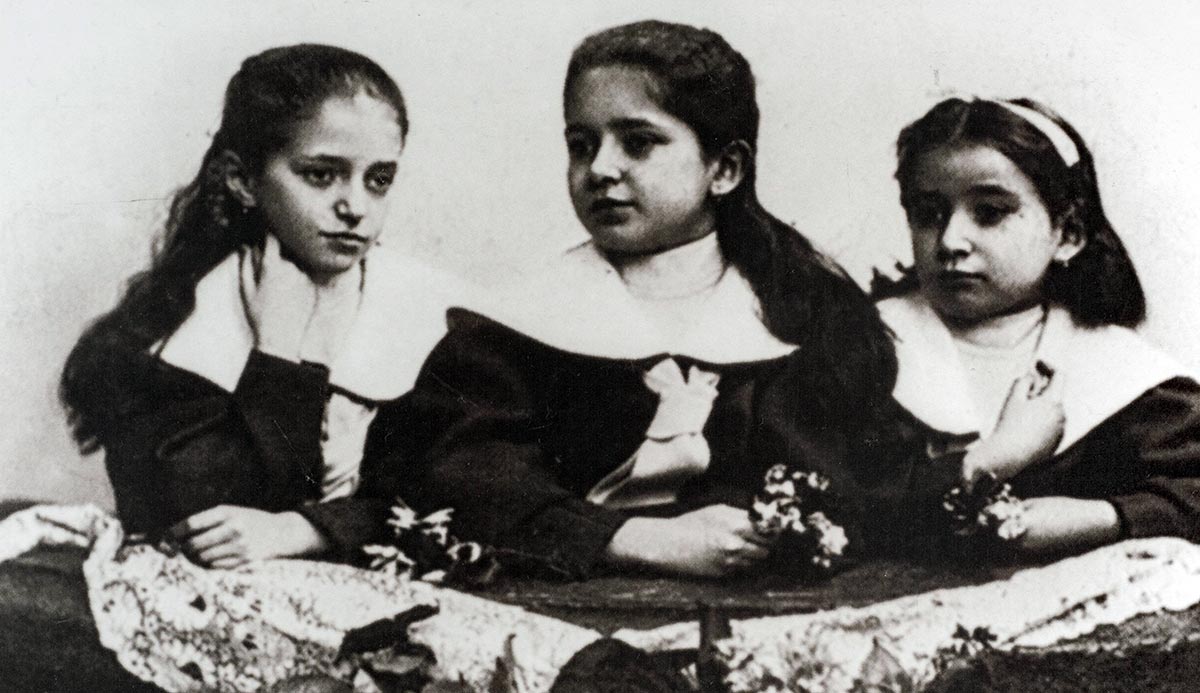
Kafka passed away nine years before the Nazis came to power in Germany, but his work has inevitably become related to World War II, although it was in no manner directly related to it. As mentioned earlier, Kafka’s popularity rose in the aftermath of the global conflict, as existentialism and alienation plagued post-Holocaust Europe.
Although the writer did not personally experience these horrors, all three of his sisters were deported to concentration camps, where they lost their lives. Furthermore, Max Brod had to flee with Kafka’s unpublished manuscripts to Palestine at the beginning of the war, but the Gestapo still got hold of some of Kafka’s letters. It is somewhat ironic that Kafka’s literary legacy was defined by historical events that came after the writer’s death.