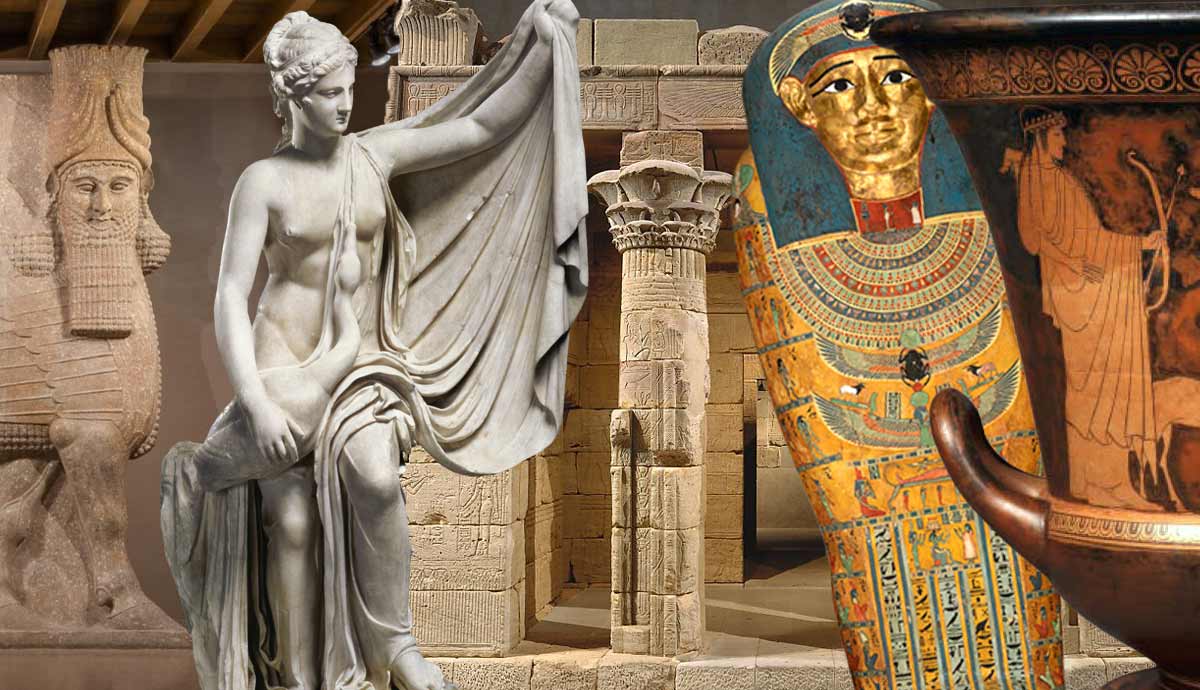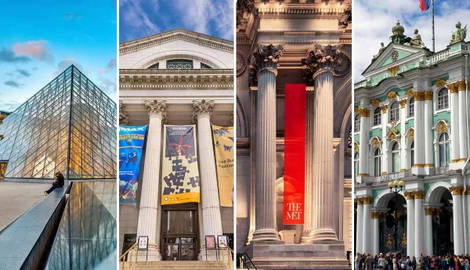

Museums play a vital role in preserving history and educating the public about people, places, animals, art, and artifacts from all around the world. While there are museums in just about every major city across the globe, some are vast institutions that you could spend days wandering through, poring over the depth and diversity of their collections. Join us as we explore the world’s largest museums based on factors such as footprint, collection, and visitor numbers.
You can also explore our lists of must-visit History and Art museums, or find out which are the most visited museums in the world.
1. The Louvre Is the Largest Museum in the World
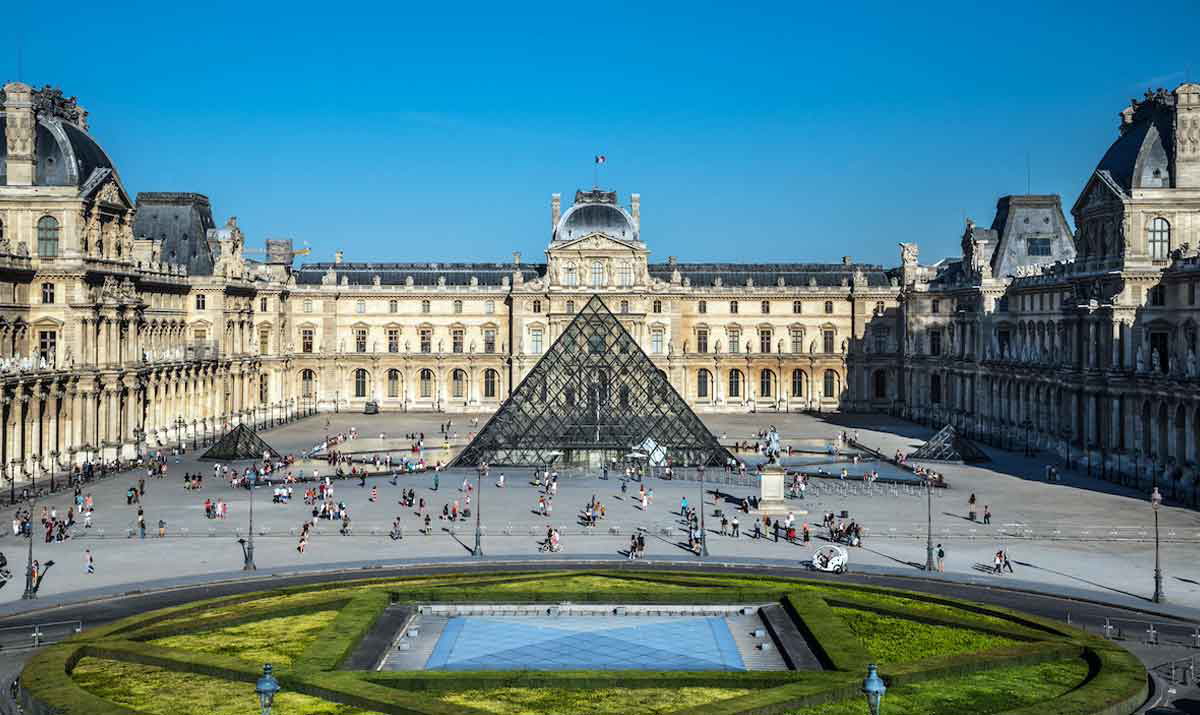
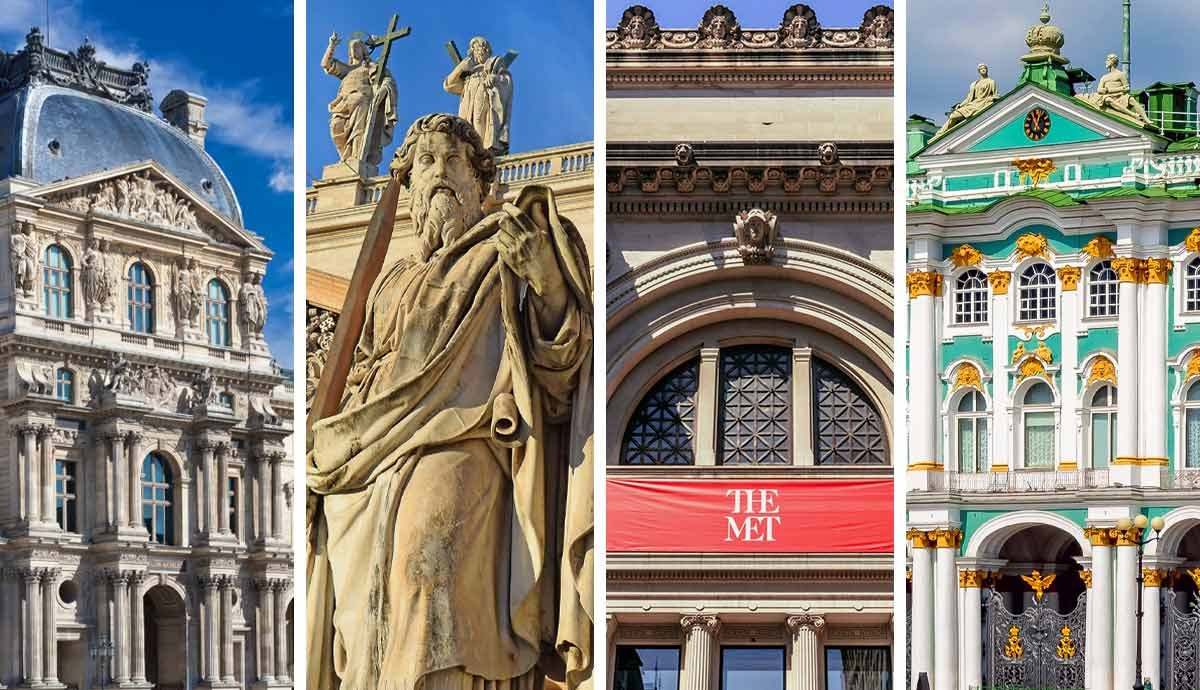
Of all the museums in the world, the Louvre in Paris is the largest by gallery space, covering more than 780,000 square feet, while the full complex is 2.3 million square feet. The museum was once a medieval fortress and the home to French kings before being converted into a vast Parisian Museum. It was opened to the public during the French Revolution in 1793 with just 537 paintings, many of which had been confiscated from the royal family and church during the Revolution.
In the 1980s, President François Mitterrand launched the “Grand Louvre” renovation project and commissioned Chinese-American architect I.M. Pei to design a new central entrance. Unveiled in 1989, the striking modern Glass Pyramid stirred significant public debate before becoming an internationally recognized architectural landmark.
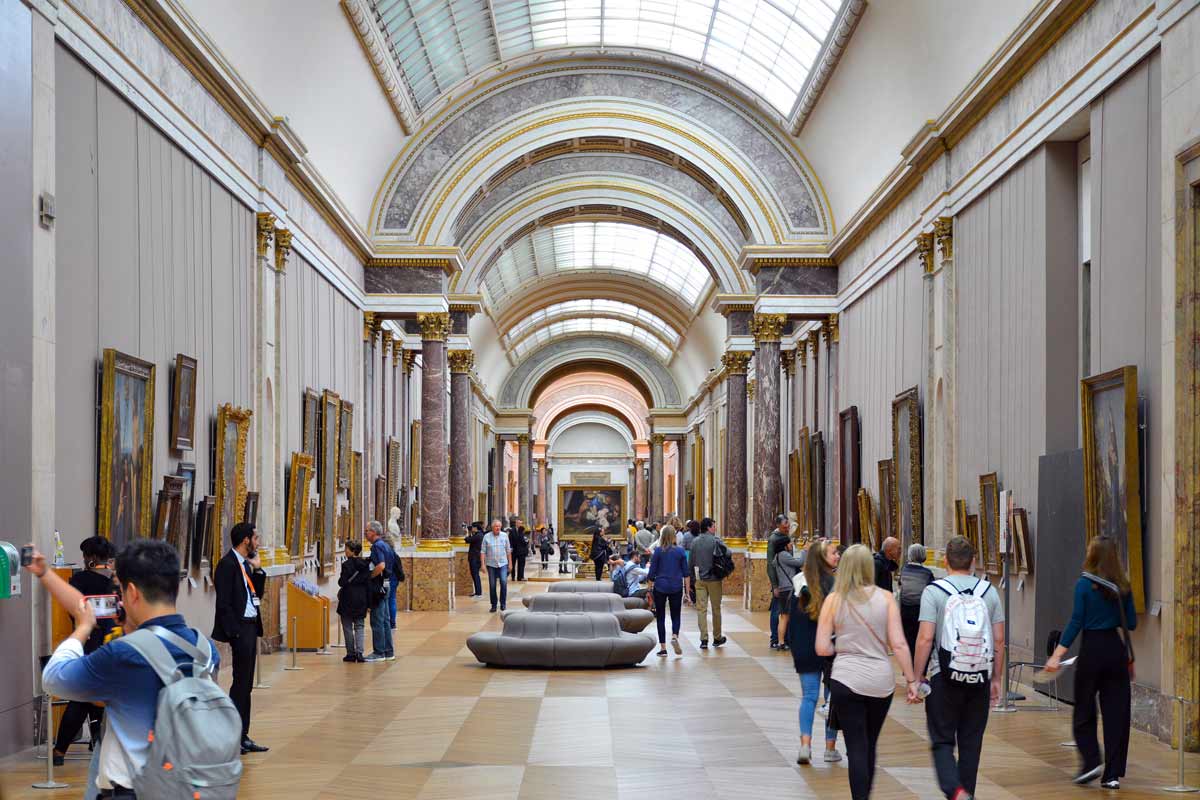
The Louvre is home to some of the most important art and artifacts in the history of human civilization, including Leonardo da Vinci’s Mona Lisa, The Winged Victory of Samothrace, Théodore Géricault’s Raft of the Medusa, and Eugène Delacroix’s iconic masterpiece Liberty Leading the People. Because of its incredible scale, you could literally spend days wandering through the Louvre, which is why so many people come back again and again to take in more.
| Size: | Collection size: | Annual visitation: |
| 2.3 million square feet of gallery space | 600,000+ works | ~9 million |
2. The Smithsonian Institution Is the Largest Museum Complex
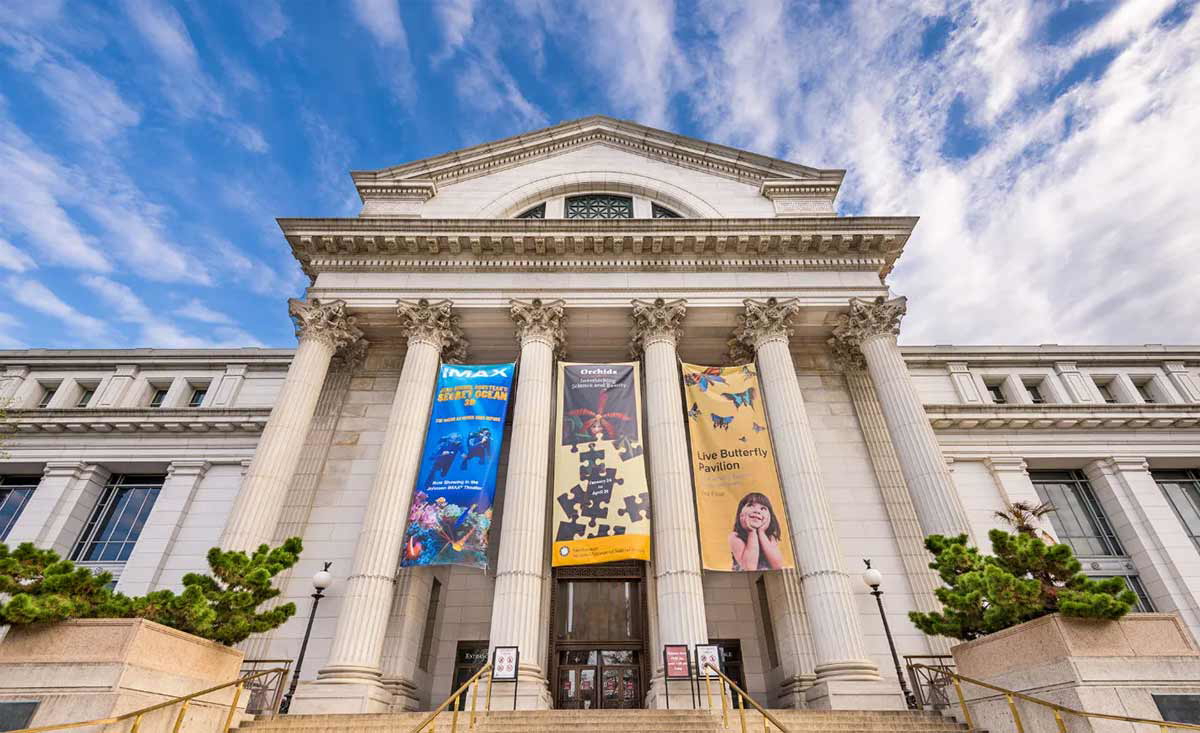
The Smithsonian Institution is the largest complex of museums in the world, with 21 different galleries and museums spread across the United States, including the Smithsonian American Art Museum, the National Museum of Natural History, the National Museum of African Art, and the National Air and Space Museum. Together they hold more than 155 million items and specimens, less than 1% of which are on display.
The Smithsonian also runs a large zoological park, containing a long A to Z of animals from the tiniest insects to the largest mammals. And, alongside these sites, there are eight different research stations where diverse fields are explored, including marine biology, astrophysics, environmental research, and American art.
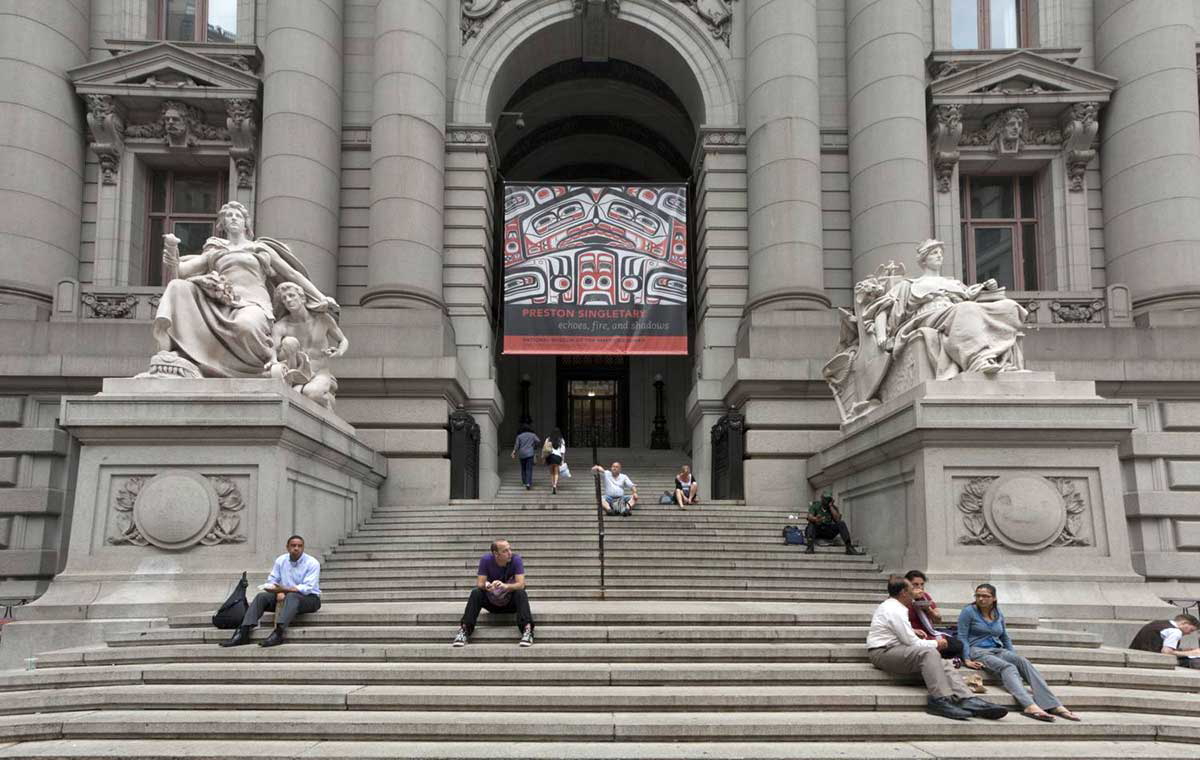
The collections include many icons of American history, including the Star-Spangled Banner (the actual flag that inspired the national flag), the Apollo 11 Command Module, Dorothy’s ruby slipper from The Wizard of Oz, and the legendary Hope Diamond. It also has the only Leonardo da Vinci painting on public display in the Americas, Ginevra de’ Benci.
| Size: | Collection size: | Annual visitation: |
| 12 million+ square feet across all facilities | 154 million+ objects | ~22 million |
3. Russia’s State Hermitage Museum Has the Largest Collection of Paintings
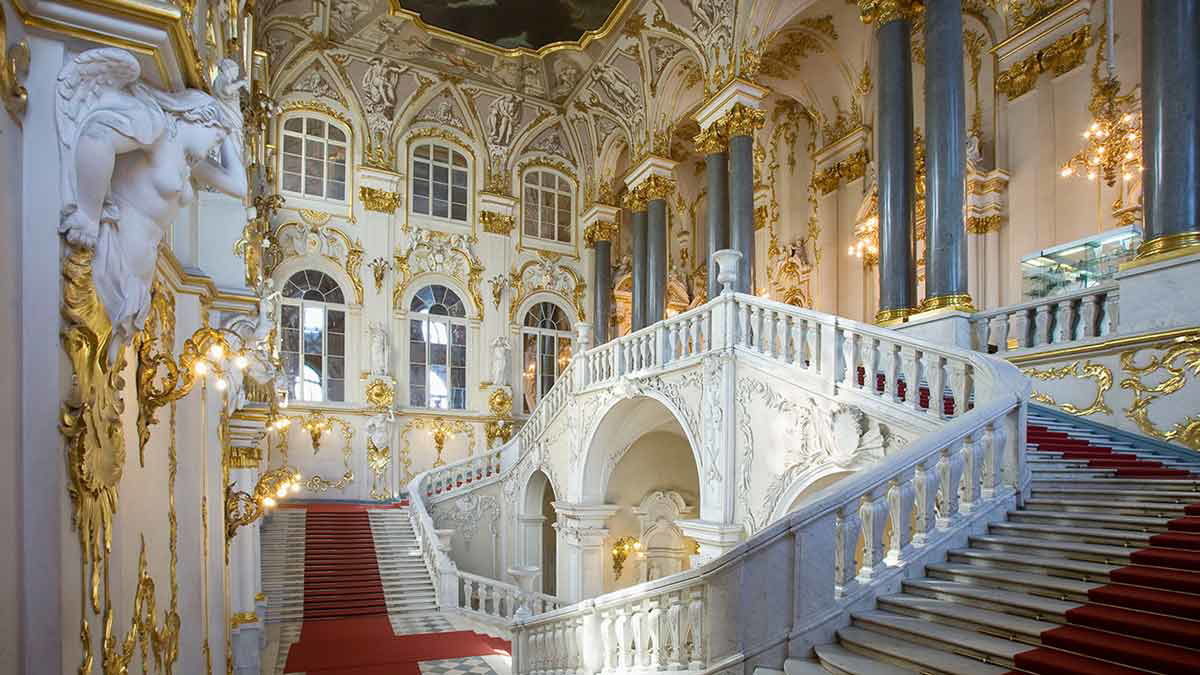
While other museums have achieved record-breaking scale and floor space, the State Hermitage Museum in Russia currently houses the largest collection of any single museum in the entire world. They own more than three million artifacts that date from the Stone Age to the early 20th century.
Once the home of Russian Tsars, this impressive stretch of six buildings running along the river Neva was converted into a court museum in 1764 by Catherine the Great to house her impressive collection of paintings. One of the museum’s star attractions is its Gold Rooms, showcasing priceless gold masterpieces from Eurasia, the Orient, and the Black Sea Littoral. They also own masterpieces by Western artists, including Rubens, Titian, Goya, Picasso, and Van Gogh. It is estimated that if you looked at everything for just one minute, it would take 11 years to see the full collection.
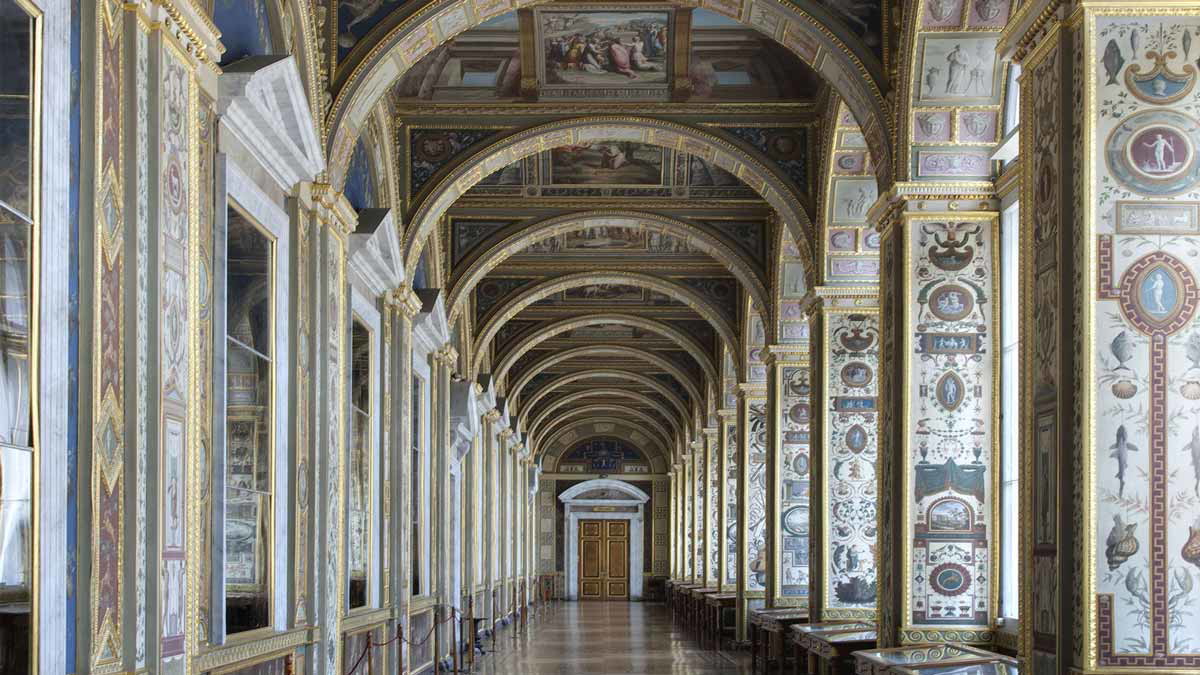
Since the 18th century, the museum has maintained an official resident population of around 50 to 70 cats to guard the vaults and galleries against rodents. Empress Elizabeth ordered the first cats from Kazan in 1745, and today they even have their own press secretary, medical staff, and annual celebration day.
| Size: | Collection size: | Annual visitation: |
| 2.5 million square feet across six buildings | 3 million+ objects (including tens of thousands of paintings) | ~4.5 million |
4. The National Museum of China Is the Largest Single-Building Museum
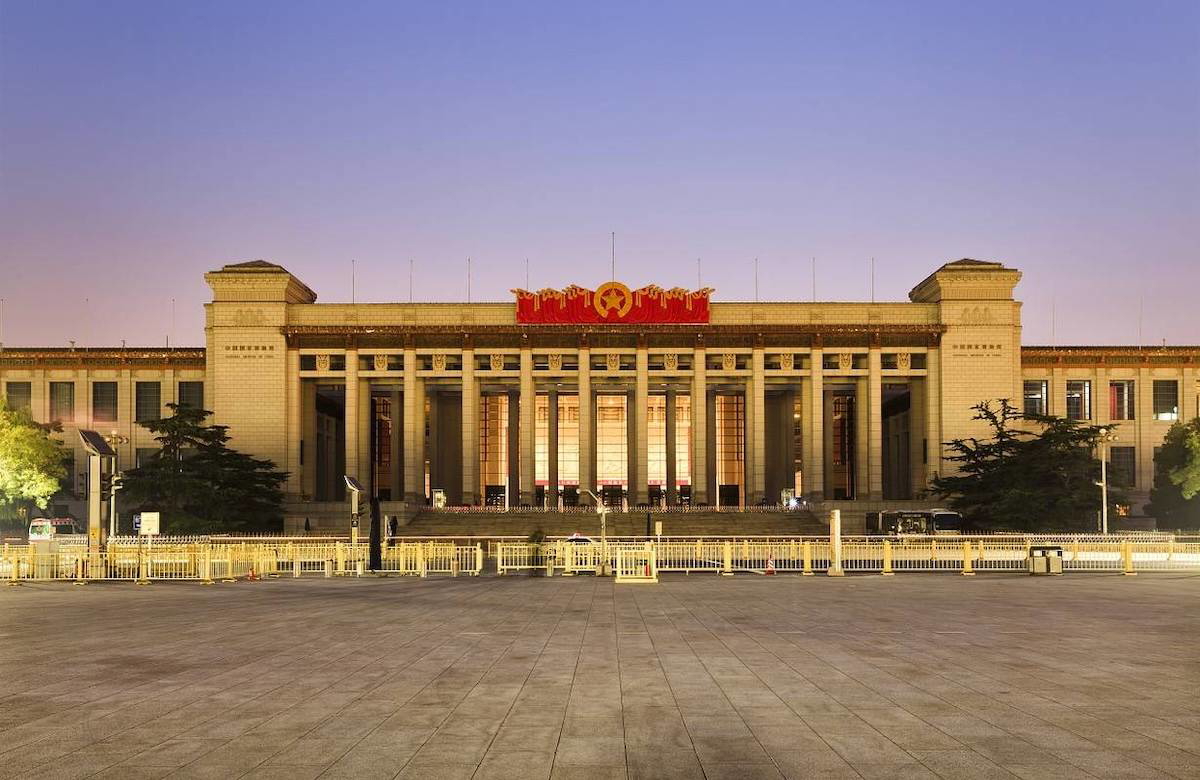
The National Museum of China, located on the eastern side of Tiananmen Square in Beijing, holds the record as the largest single museum building in the world. Formed in 2003 through the merger of the Museum of Chinese History and the Museum of the Chinese Revolution, it now stands as one of the most important cultural institutions in Asia.
Inside its 48 exhibition halls, visitors can explore more than 5,000 years of Chinese civilization, from Neolithic jade carvings to Qing dynasty relics. The halls are structured around a central forum 260 meters long. There is also a subterranean level that houses the primary permanent collection, showcasing 5,000 years of dynastic relics, including the famous Shang bronzes and Han dynasty jade suits.
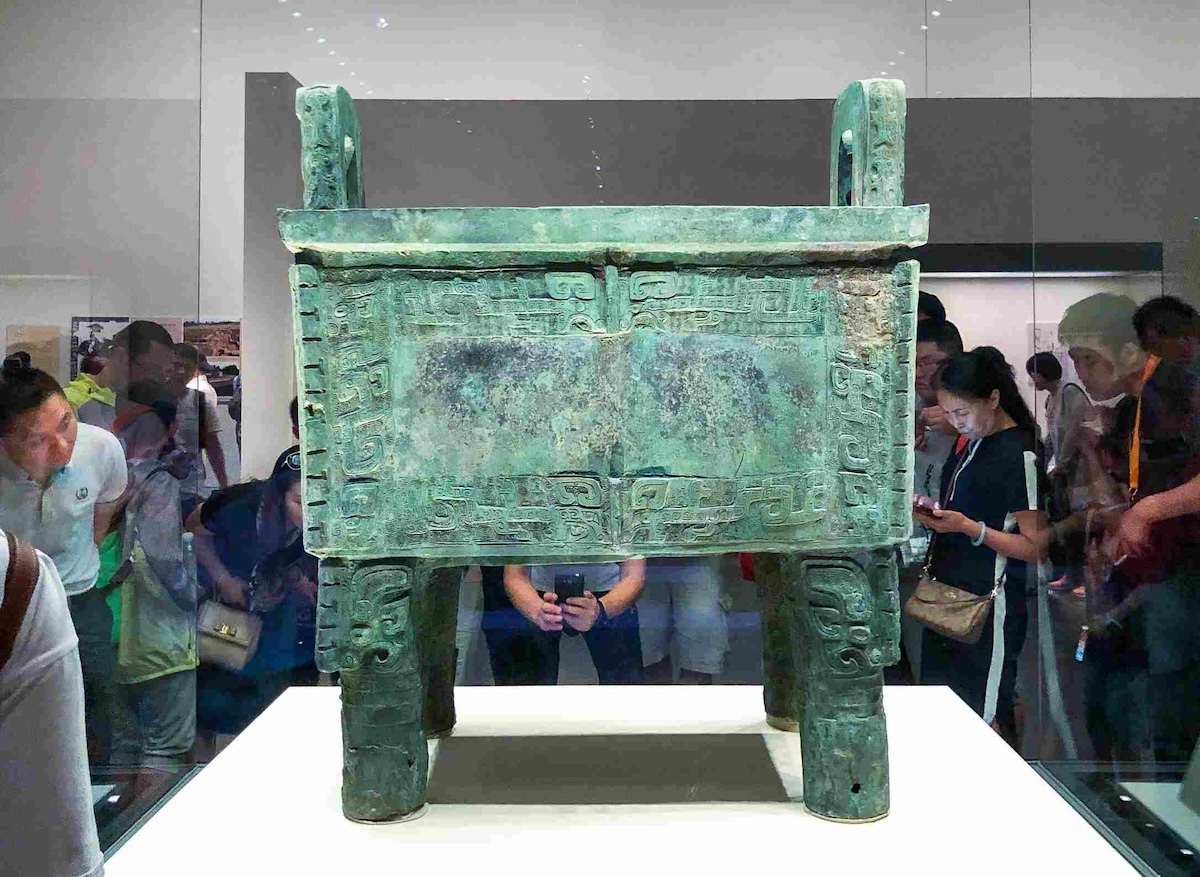
Upper gallery floors feature themed galleries dedicated to subjects such as calligraphy, classical furniture, and diplomatic gifts. With its sheer scale and unrivaled collection of Chinese cultural treasures, the museum continues to draw millions of visitors each year.
| Size: | Collection size: | Annual visitation: |
| 2.1 million square feet of total construction area | 1.4 million+ objects | ~7.4 million |
5. The Grand Egyptian Museum Is the Largest Museum for a Single Civilization
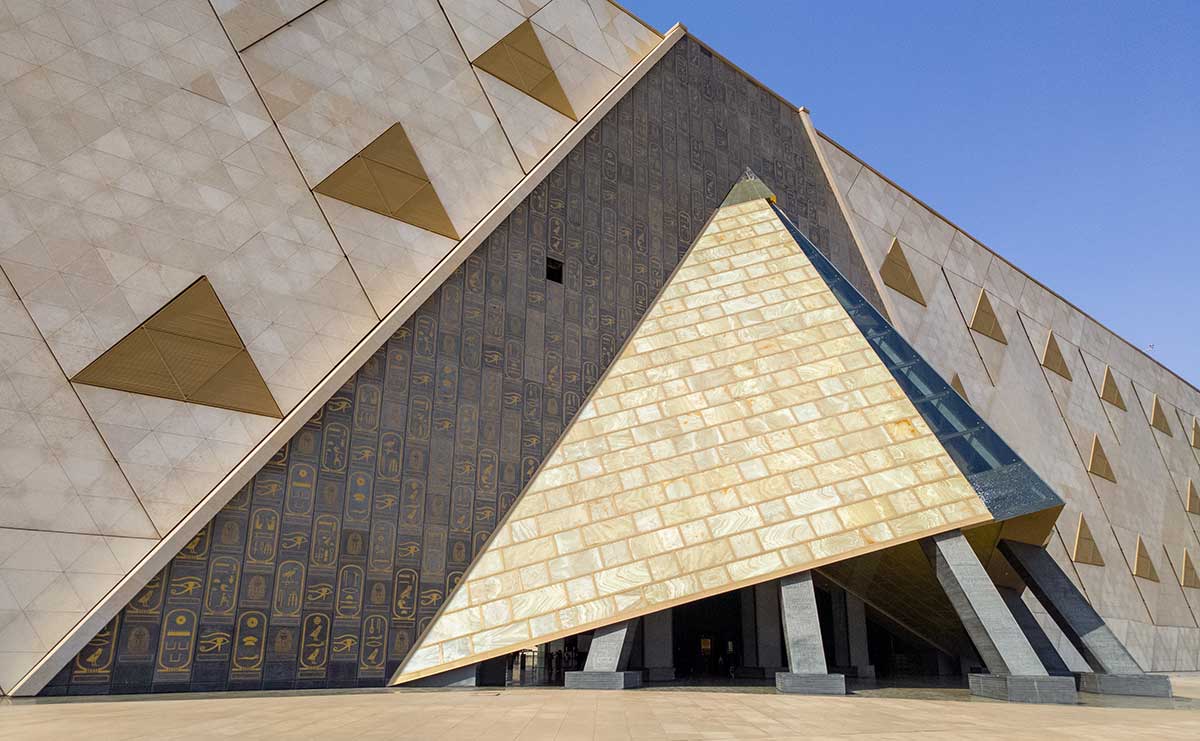
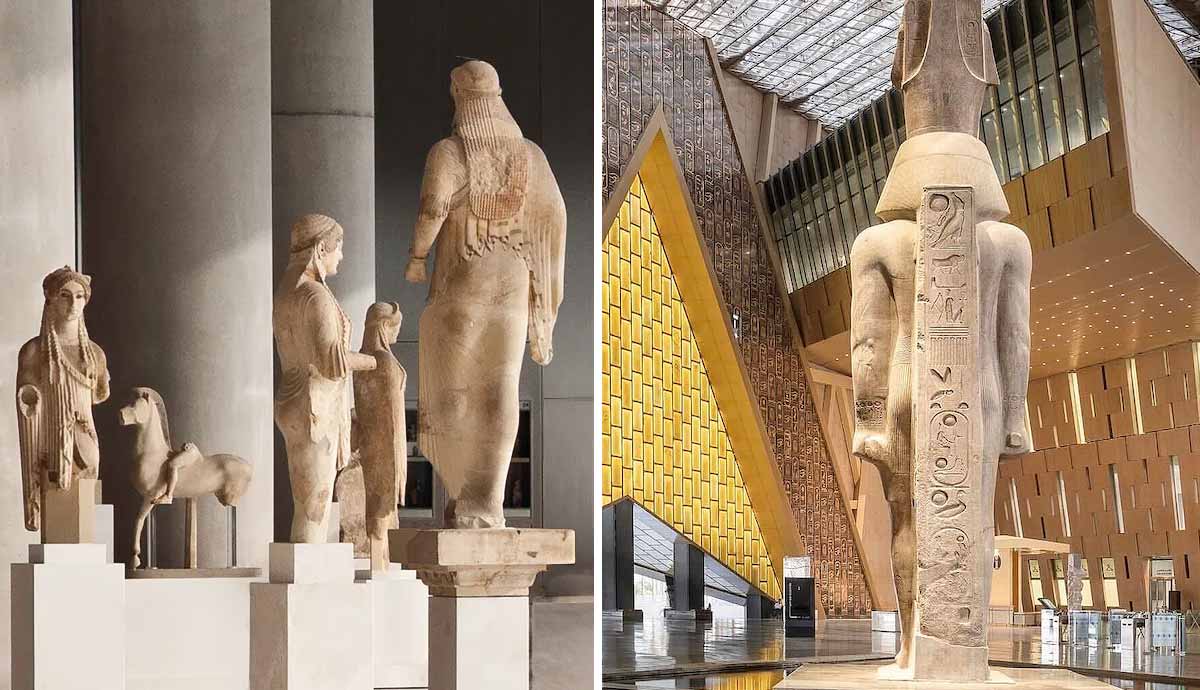
The Grand Egyptian Museum (GEM) in Giza is the largest museum in the world devoted to a single civilization. Situated just two kilometers from the Giza Pyramid Complex, the GEM represents a monumental investment in preserving Egypt’s heritage. Construction began in 2005 and was completed in 2023 for $1 billion, with the museum’s grand opening in November 2025.
The museum displays the complete collection of Tutankhamun’s treasures for the first time, alongside colossal statues and artifacts spanning Egypt’s 5,000-year history. Other highlights include the 110-ton pink granite obelisk of Ramesses II, mounted on an elevated pedestal at the entrance, and a colossal 11-meter-tall statue of Ramesses II in the Grand Hall. There is also Khufu’s solar boat, originally buried next to his pyramid to carry him into the afterlife. The Grand Staircase is lined with 60 colossal statues, sarcophagi, and architectural elements from pharaonic history.
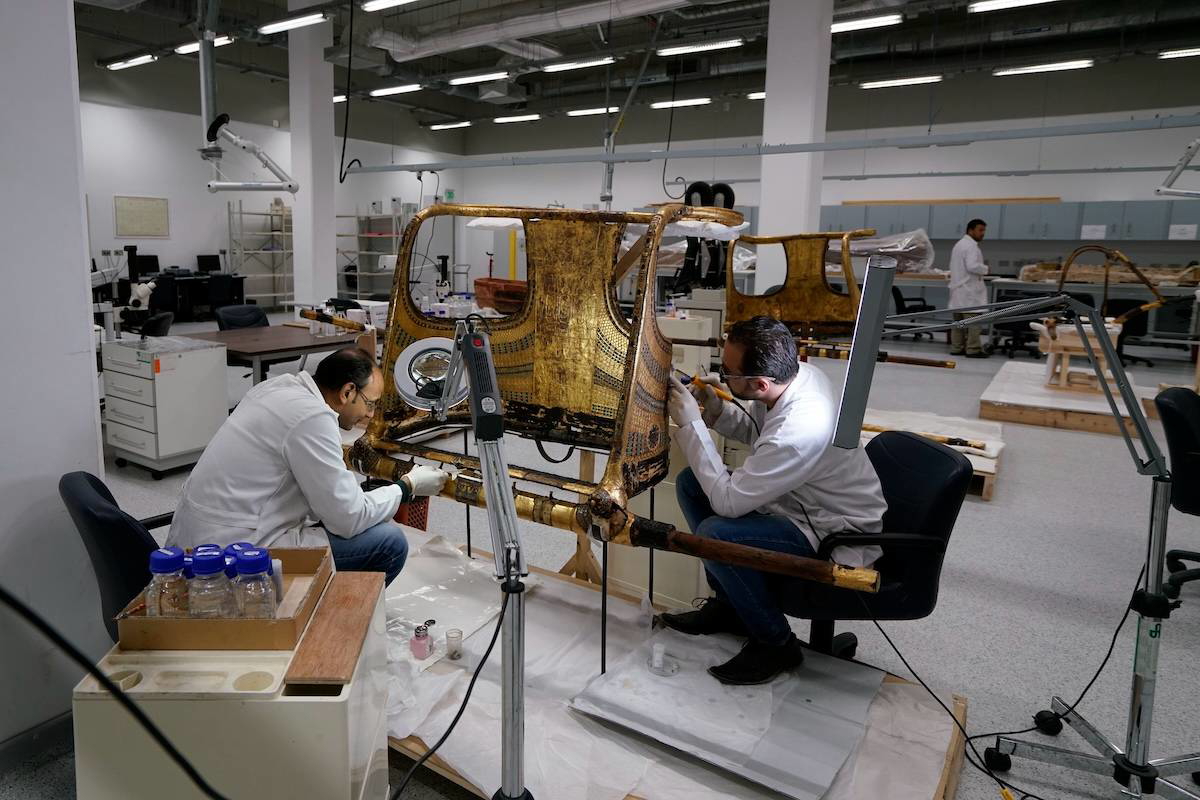
The GEM is designed not only as an exhibition space but also as a major research and conservation center, redefining how the world engages with ancient Egyptian culture.
| Size: | Collection size: | Annual visitation: |
| 5.3 million square feet of gallery space | 100,000+ objects | Around 20,000 people per day since opening |
6. The Metropolitan Museum of Art Is the Largest Museum in the Americas
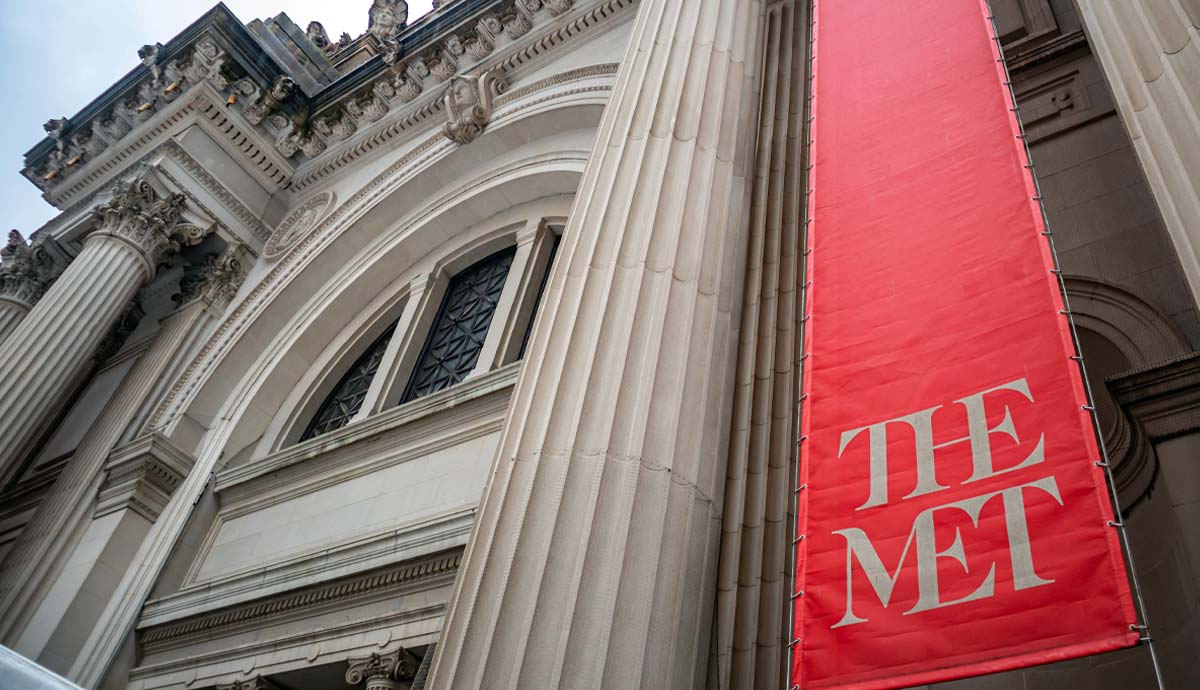
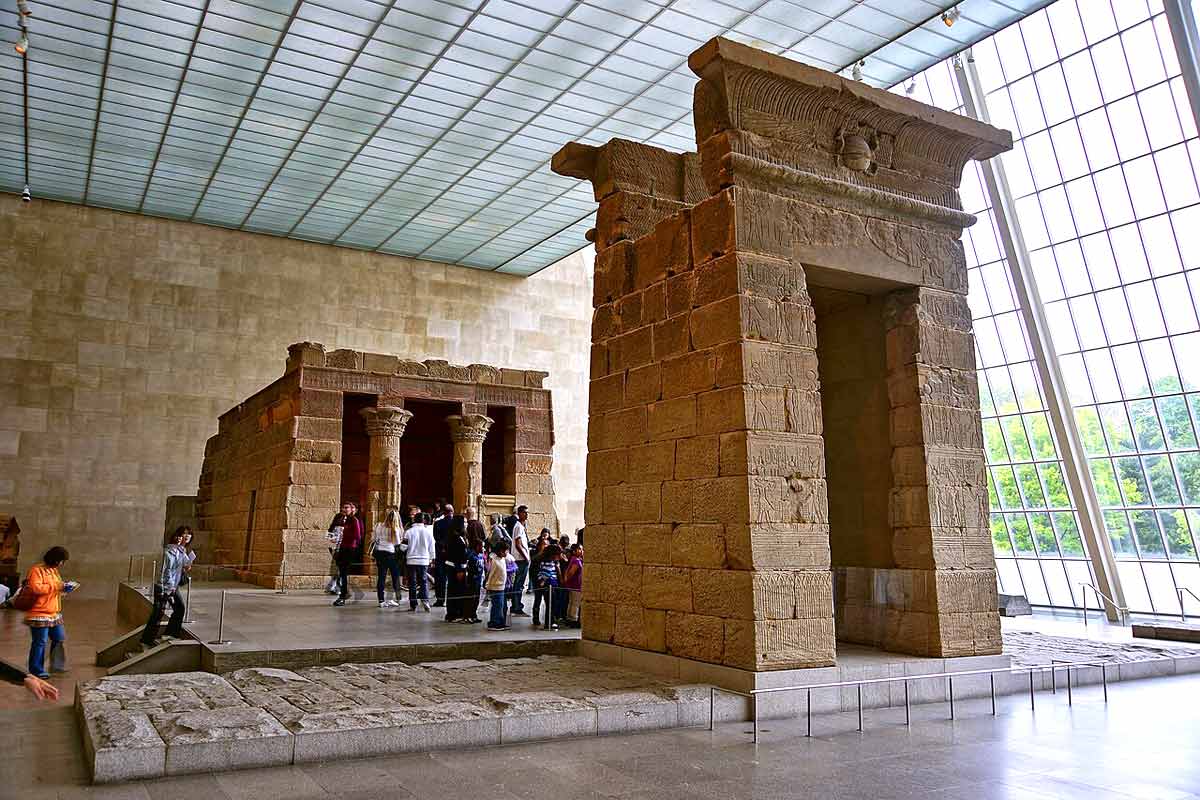
The Metropolitan Museum of Art is the largest museum in the Americas. While its gallery space is smaller than the Louvre, at 630,000 square feet, the Met’s total floor area stretches to an extraordinary 2.2 million square feet, making it the most expansive museum in the Western Hemisphere.
Opened in 1870, the Metropolitan Museum’s aim was “to bring art and art education to the American people.” Since this time, it has more than fulfilled its role, housing an impressive array of around 50,000 different objects spanning more than 5,000 years of human history. These range from the columns of ancient Greek temples to indigenous African wood carvings, along with Canova’s Perseus with the Head of Medusa, 1804-6, and John Singer Sargent’s infamous Madame X, 1883-84.
For fashion lovers, the museum houses the Anna Wintour Costume Institute, which holds over 33,000 historic and modern garments. The annual Met Gala, held on the first Monday in May, serves as the primary fundraiser for the department and is one of the fashion world’s most high-profile red carpet events.
| Size: | Collection size: | Annual visitation: |
| 2.2 million square feet of gallery space | 1.5 million+ works | ~5.5 million |
7. The Vatican Museums Display Centuries of Papal Collecting
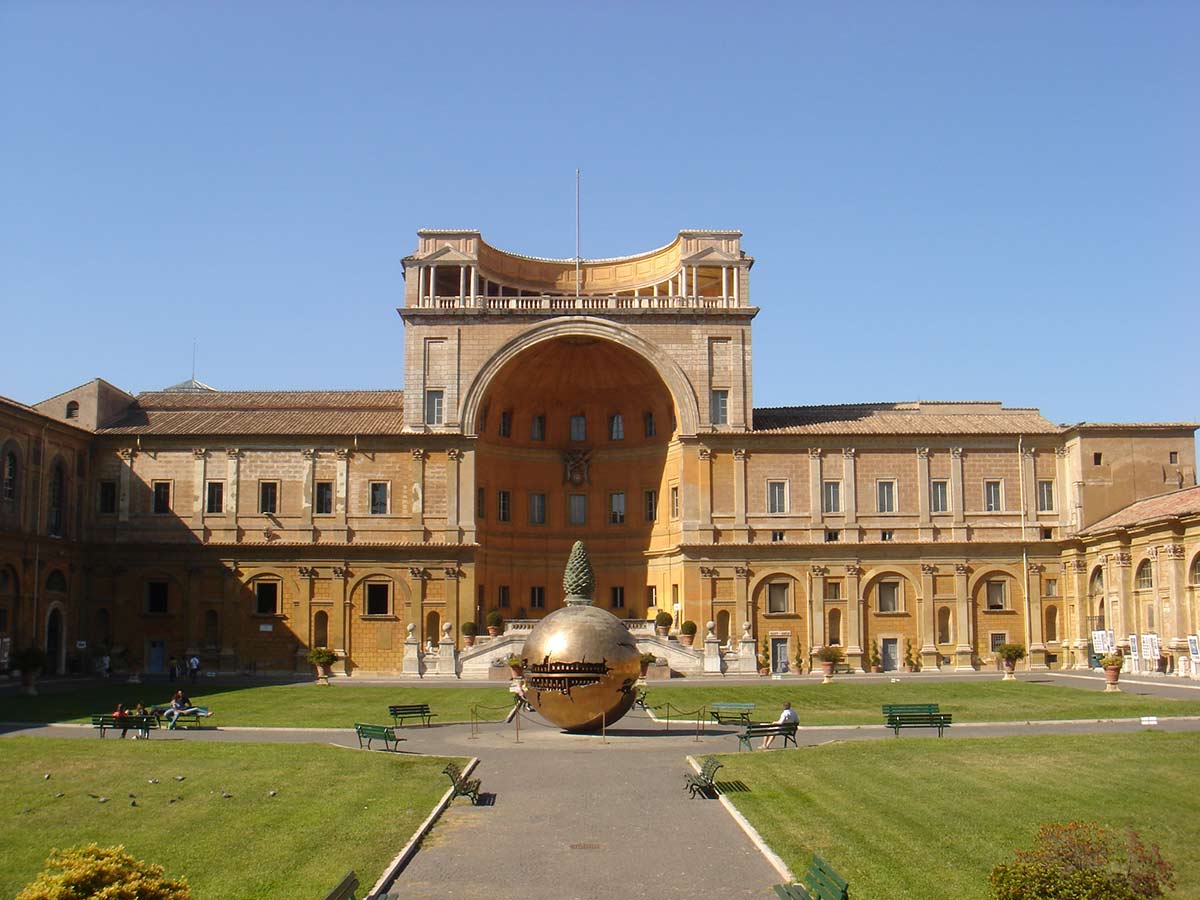
The Vatican Museums in Vatican City are an extraordinary public art complex displaying treasures assembled by the Roman Catholic Church and successive popes over more than 500 years. If you follow the official visitor route through the various interconnected corridors, wings, and courtyards, you will cover a distance of around seven kilometers, or over four miles. The interior exhibition space covers over 43,000 m² (460,000 sq ft) across 54 distinct galleries and 1,400 individual rooms and chapels.
There are several distinct museums within the complex, including the Pio-Clementino Museum of classical Greek and Roman sculpture, where you can see Laocoön and His Sons; the Gregorian Egyptian and Etruscan Museum; the Raphael Rooms, which are four monumental papal suites painted by the Renaissance master; and the Sistine Chapel, famously decorated by Michelangelo. There is also the Vatican Historical Museum and Carriage Pavilion, with historic papal carriages and cars.
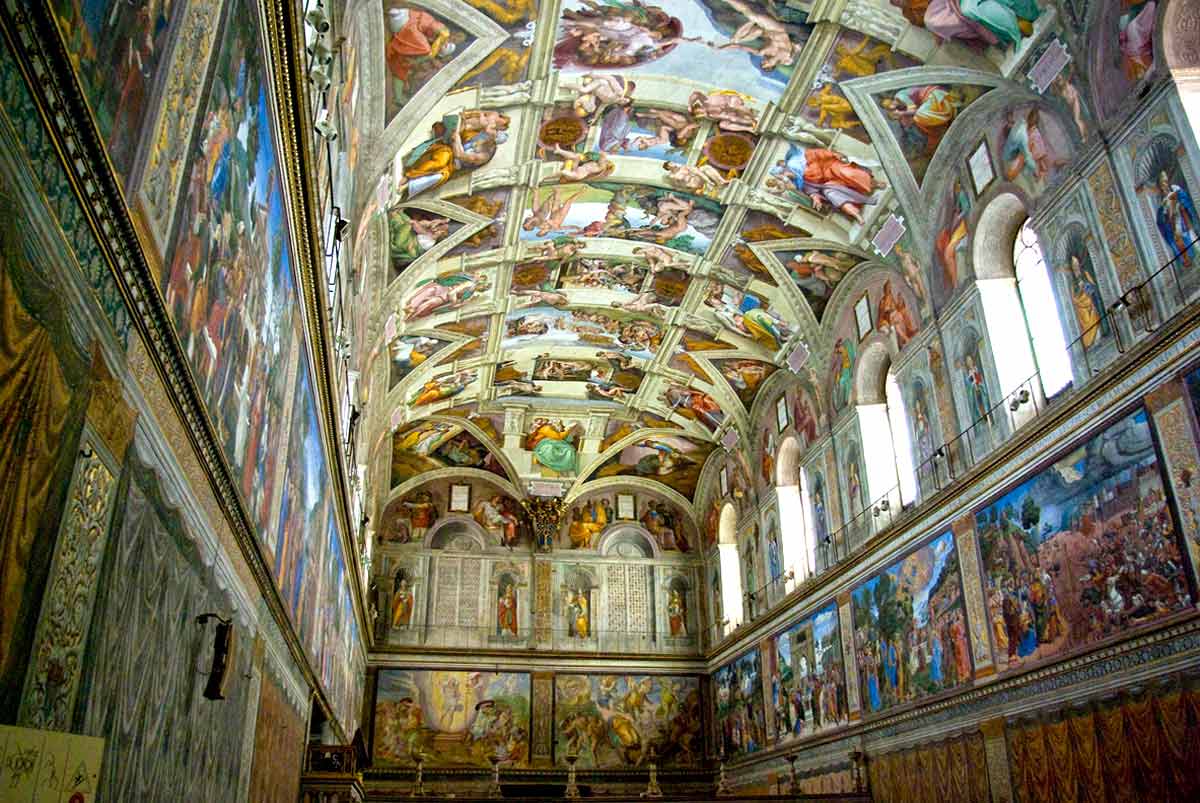
The collection ranges from ancient Egyptian sarcophagi and classical Greco-Roman statuary to High Renaissance masterpieces, contemporary religious art, and global ethnographic collections. This makes it a pilgrimage site for art and history lovers alongside the faithful.
| Size: | Collection size: | Annual visitation: |
| 460,000 square feet of gallery space | 70,000+ works | ~7 million |
8. Tokyo National Museum Houses Imperial Treasures of East Asia
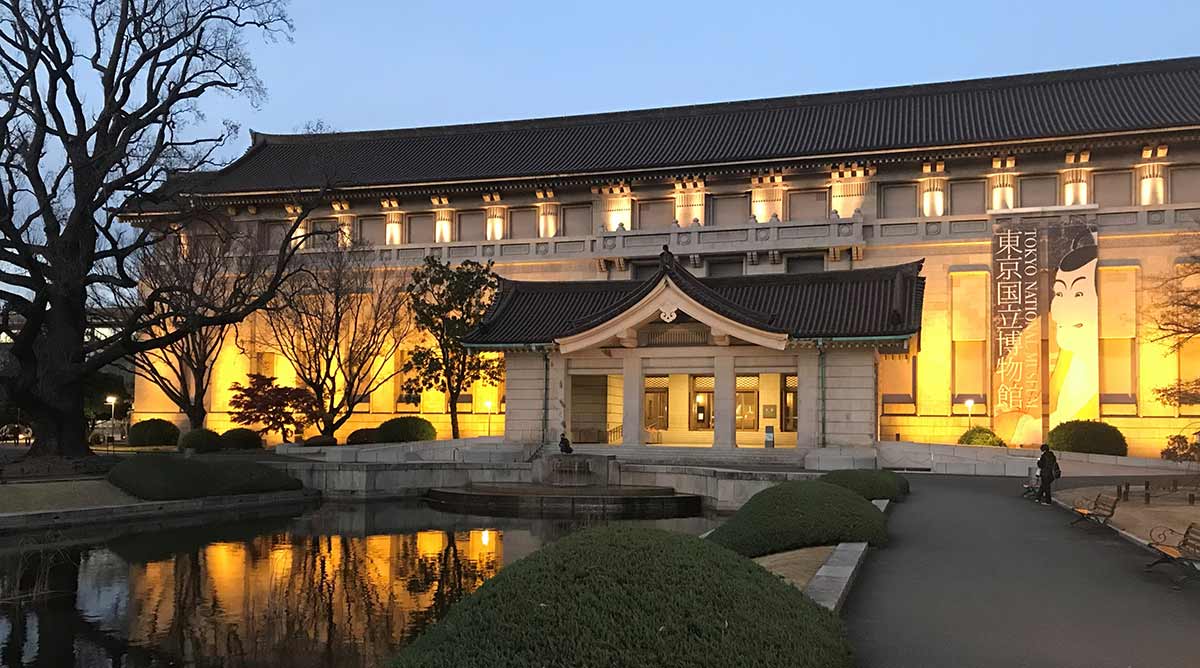
The Tokyo National Museum, located inside Ueno Park in Tokyo, is Japan’s oldest national museum. Established in 1872, it combines an expansive architectural complex with a collection of extraordinary cultural significance. While 120,000 objects might seem modest when compared with some other museums on this list, they cover Japanese history from prehistoric times to the modern era, and there are also artifacts from across the Silk Road. This includes 10% of all designated national treasures in Japan.
It is a multi-building complex in Ueno Park. The Honkan main gallery was built in 1938 and houses prehistoric Japanese pottery, samurai armor, ukiyo-e prints, and Buddhist sculpture. The Toyokan is a five-floor gallery dedicated to Asian art. The Heiseikan delivers archaeology collections and special exhibitions. The Gallery of Horyuji Treasures is a modern gallery showing religious artifacts donated by the ancient Hōryū-ji temple in Nara.
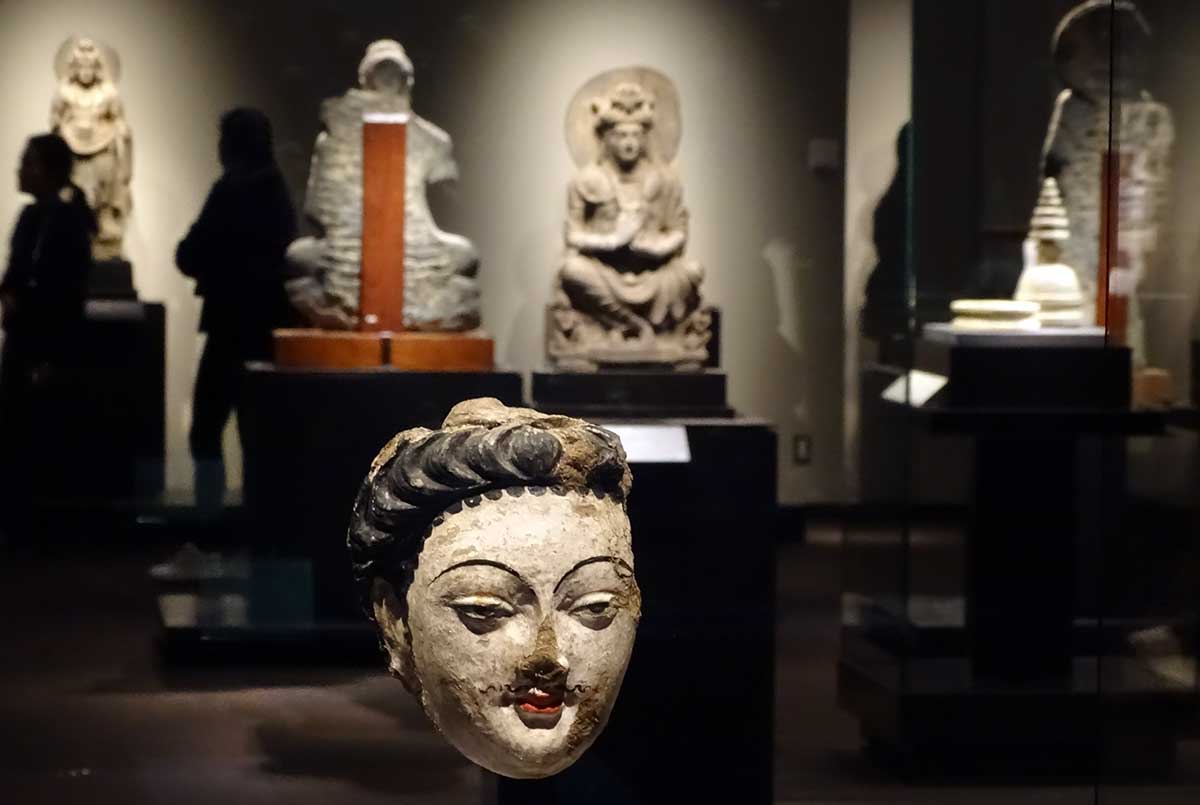
Collection highlights include the Prehistoric Dogū & Haniwa, intricate terracotta figurines from the prehistoric period, samurai swords and armor, woodblock prints by old masters, and gilt bronze Buddhist statues.
| Size: | Collection size: | Annual visitation: |
| 1.3 million square feet of gallery space | 120,000+ works | ~2.5 million |
9. Museo Nacional de Antropología Celebrates Indigenous Mexico
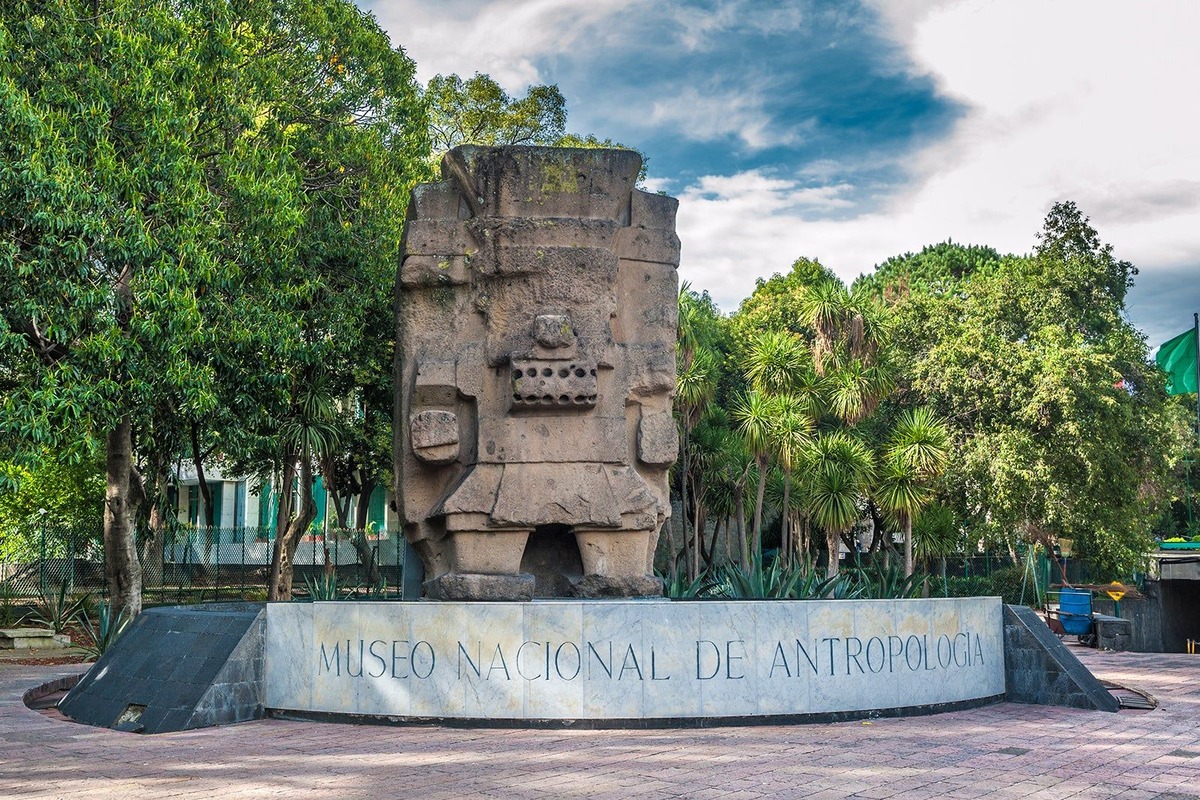
The Museo Nacional de Antropología (National Museum of Anthropology) in Mexico City is Mexico’s most visited museum and widely regarded as one of the most important anthropology and archaeology museums in the world. Located within Chapultepec Park, it houses the world’s most comprehensive collection of pre-Columbian Mexican art and heritage.
The museum complex is enormous, covering around 915,000 square feet, including 23 permanent exhibition halls connected by a vast central courtyard. Many halls open directly into outdoor gardens containing reconstructed ancient monuments and ruins.
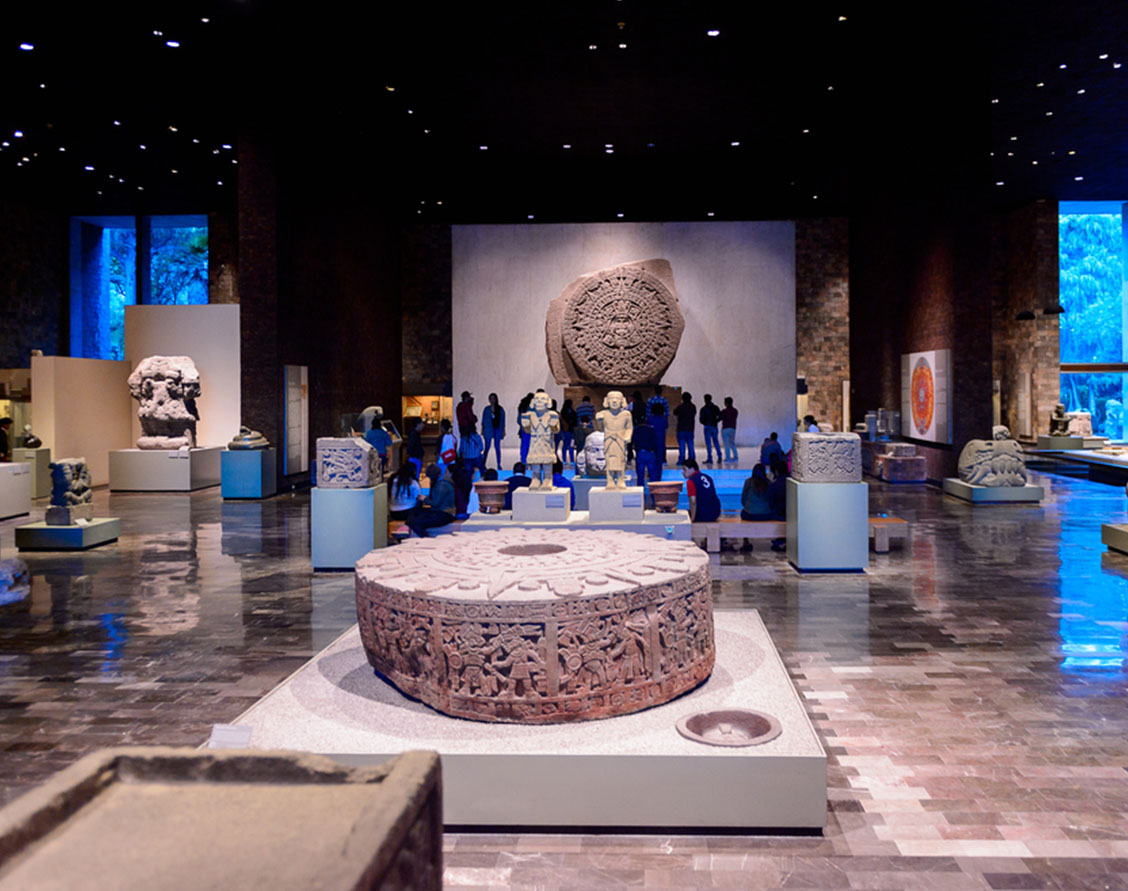
The museum holds more than 600,000 artifacts, including treasures such as an Aztec Sun Stone used for cosmology and to measure calendar cycles; Olmec colossal heads; the reconstructed tomb of the Maya ruler Pakal the Great; and a replica of Moctezuma’s elaborate feather crown (the original Penacho is housed at the Weltmuseum Wien in Austria)
| Size: | Collection size: | Annual visitation: |
| 915,000 square feet of gallery space | 600,000+ works | ~5 million |
10. British Museum Holds Eight Million Objects of Global Cultural Heritage
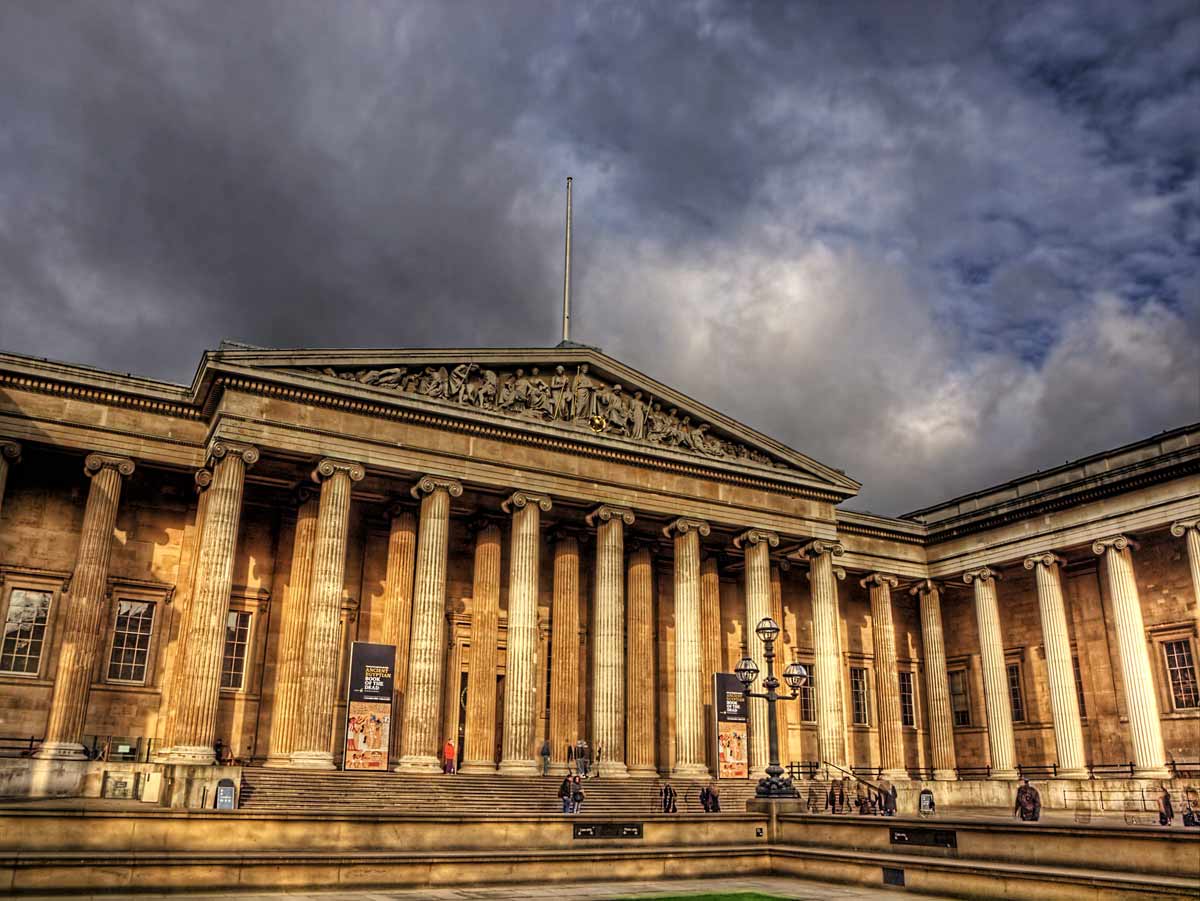
The British Museum in London is the world’s first national public museum, established in 1753 and opened to the public in 1759. Dedicated to human history, art, and culture, it chronicles the story of human civilization from its earliest beginnings to the modern day. Initially holding just 71,000 objects, it expanded quickly, so much so that collections had to break away to form independent institutions, including the Natural History Museum (1881) and the British Library (1973). Today it has over eight million objects and almost one million square feet of display space.
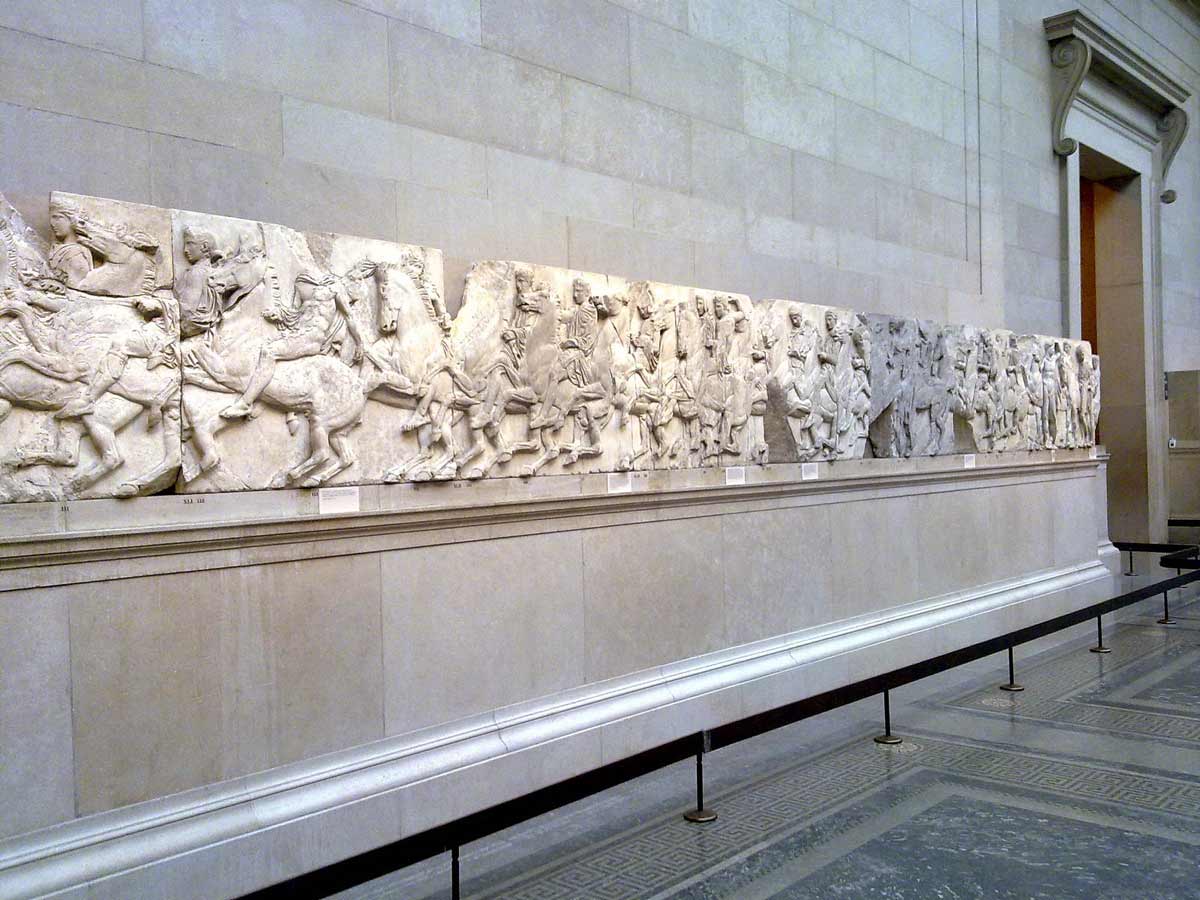
Collection highlights include the Rosetta Stone, a stele carved with Hieroglyphic, Demotic, and Ancient Greek text, unlocking the translation of Egyptian Hieroglyphics. There are also the controversial Elgin Marbles, taken from the Parthenon in Athens. There is the treasure of the Sutton Hoo ship burial.
The museum also holds extensive collections covering Egypt and the Sudan; Greece and Rome; the Middle East; Britain and Europe; Asia; Africa, Oceania, and the Americas; Prints and Drawings; and Coins and Medals. Only about 1% of the collection is on public display.
| Size: | Collection size: | Annual visitation: |
| 1 million square feet of gallery space | 8 million+ works | ~6.4 million |