
Vincent van Gogh spent the last few years of his life in the French countryside, first in Arles and Saint-Rémy and then in Auvers-sur-Oise. These places not only provided him with the peace and quiet to work on his art but also introduced him to several people who became important parts of his life. One such person was Doctor Paul-Ferdinand Gachet, who supervised the artist’s health. They quickly became close friends, but that friendship was cut short after the artist’s sudden death.
Van Gogh’s Move to Auvers-sur-Oise
In May 1890, Van Gogh moved to Auvers-sur-Oise on the outskirts of Paris. This move was brought on by more than a year of psychiatric issues faced by the artist, beginning in 1888 when he sliced off his ear with a razor and brought it to a young woman working in a nearby brothel in Arles, the south of France. He was hospitalized for a few days right after the incident and treated by a doctor named Félix Rey. Despite being able to move on with his life after this incident and painting several masterpieces, such as The Starry Night, Van Gogh’s mental health continued to decline in the following months.
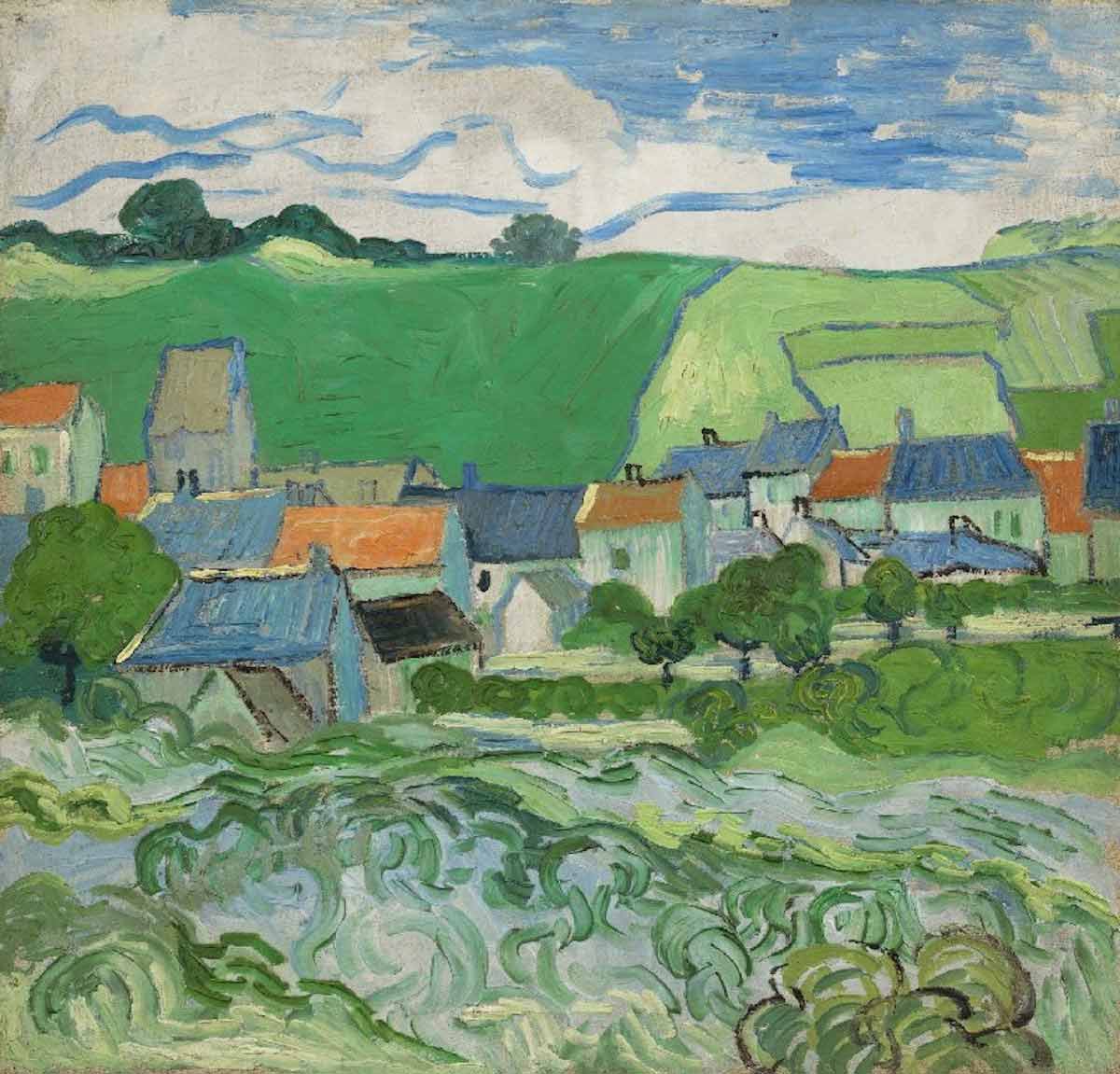
Finally, in May 1889, he decided to go to a psychiatric hospital in Saint-Rémy in the south of France under the supervision of Dr. Peyron. By this time, the artist was well aware of his mental condition and accepted any necessary treatment willingly. He stayed within the asylum premises alongside other patients and was diagnosed with epilepsy by Dr. Peyron. Despite suffering many attacks during his hospitalization, these issues did not significantly affect Van Gogh’s productivity as he ended up making around 150 paintings in the year spent in Saint-Rémy, including his masterpiece Almond Blossoms.
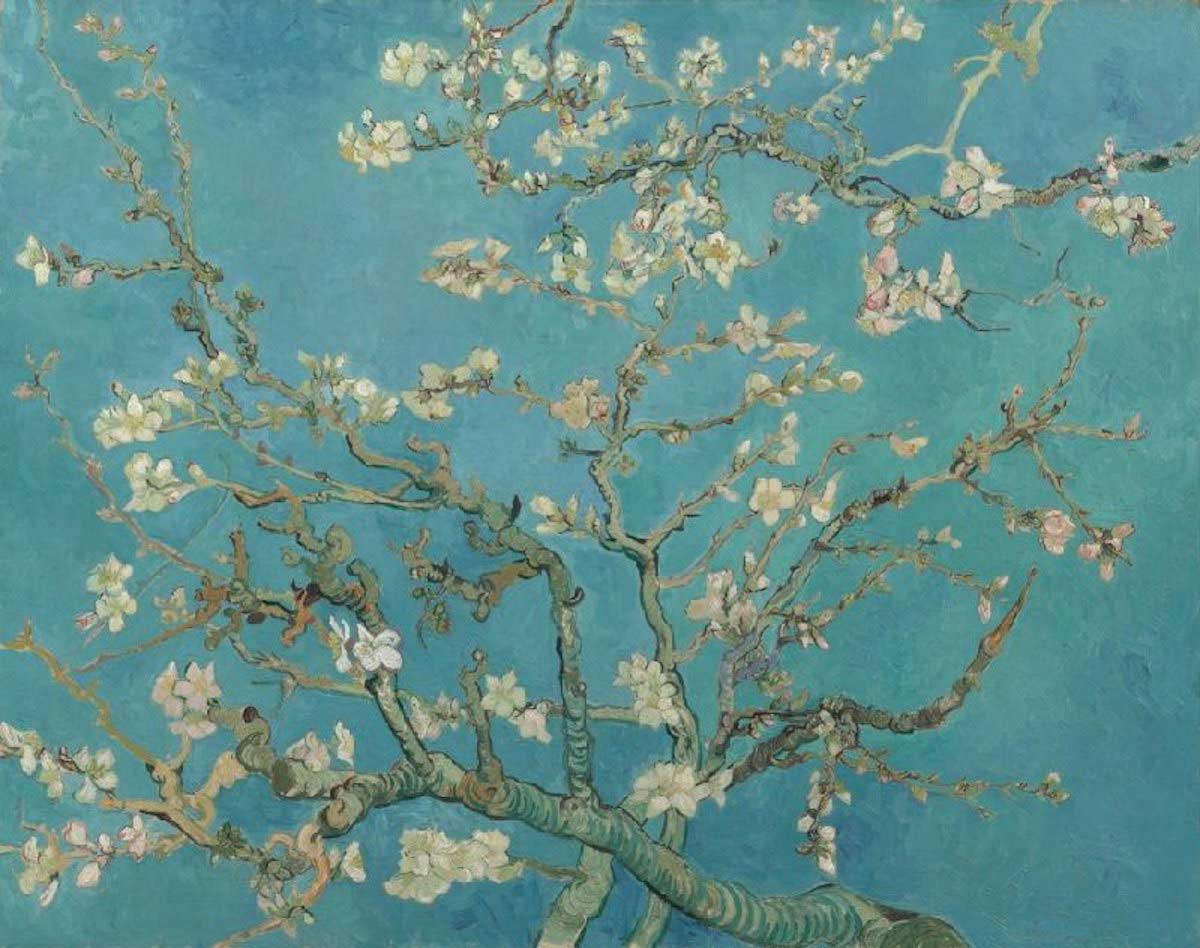
In 1890, Van Gogh left Provence for good and moved back to northern France, where he had previously stayed with Theo in Paris for two years. He lived in Auvers-sur-Oise, a small artists’ village. Van Gogh’s decision to move there was led by his desire to be in a quiet country environment as well as near his brother Theo. Located in the north of Paris, Van Gogh considered Auvers to be a beautiful and colorful village which impressed him greatly. The beauty of Auvers compelled him to write, “I think it’ll be more advantageous to work than not to work, despite all the bad luck that’s to be foreseen with paintings.” And he did exactly that. Van Gogh once again immersed himself in capturing the beauty of nature on his canvas, completing almost one painting per day. His subjects of choice were often wide open wheatfields and views of the village, such as View of Auvers-sur-Oise.
A particular reason why both Vincent and Theo felt good about the artist spending time in Auvers was Dr. Paul Gachet. A homeopathic physician, Dr. Gachet was well known among renowned Impressionist and Post-Impressionist artists of Paris, including Paul Cézanne, Claude Monet, and Pierre-Auguste Renoir. The doctor guided Van Gogh as he settled in Auvers, suggesting an inn for him to stay in as well as encouraging him to keep painting. Soon enough, Dr. Gachet became an important part of Van Gogh’s life as his only friend in Auvers, and the two mediated their friendship through their common interest in art.
Who Was Dr. Paul Gachet?
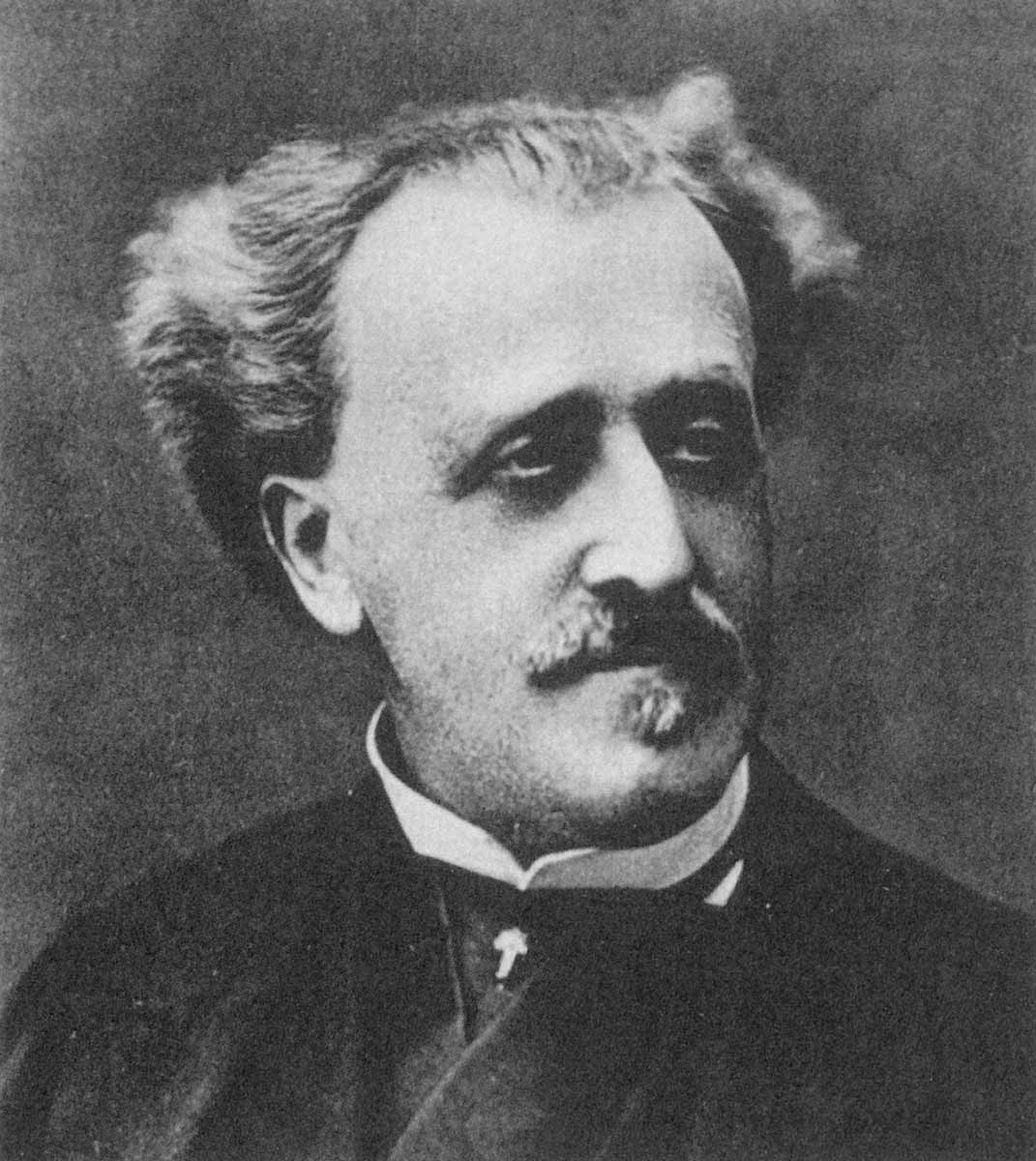
Doctor Paul Gachet was not only a physician, but also an amateur artist who produced etchings in the attic of his home in Auvers under the pseudonym Paul van Ryssel. He was interested in art and supported many modern artists by collecting their sketches and paintings. He found art to be more fulfilling than his medical practice.
During his visit to Gachet’s house, Van Gogh remarked on seeing Chestnut trees at Louveciennes by Camille Pissarro and two flower still-lifes by Cézanne. Van Gogh’s impression of Dr. Gachet was quite notable: “I’ve seen Dr Gachet, who gave me the impression of being rather eccentric, but his doctor’s experience must keep him balanced himself while combating the nervous ailment from which it seems to me he’s certainly suffering at least as seriously as I am.” This comment was prompted by Gachet’s despondency following the loss of his wife a few years earlier, as well as his discouragement with his medical career.
The two soon developed a friendship, and Van Gogh would visit Gachet’s house often for dinner. The Dutch artist commented on Gachet’s tendency to make complicated dinners each time he visited, assuming it to be the doctor’s attempt to recreate family dinners. Van Gogh and Dr. Gachet would talk about art with great interest every time they met, discussing a painting in Gachet’s collection or paintings for Van Gogh to work on.
He was supportive of Van Gogh’s work beyond professional concerns, which prompted the latter to write to Theo, “He’ll work with you and me without reservation, with all his intelligence, for the love of art for art’s sake.” Welcomed in Gachet’s home as a friend, Van Gogh painted a portrait of the doctor’s daughter, Marguerite, playing the piano, as well as two paintings of his garden that bloom with marigolds, white roses, and vines. Inspired by Gachet’s etchings, he also experimented with printmaking by producing a portrait of Gachet on the latter’s etching press, which was the only print that Van Gogh ever made.
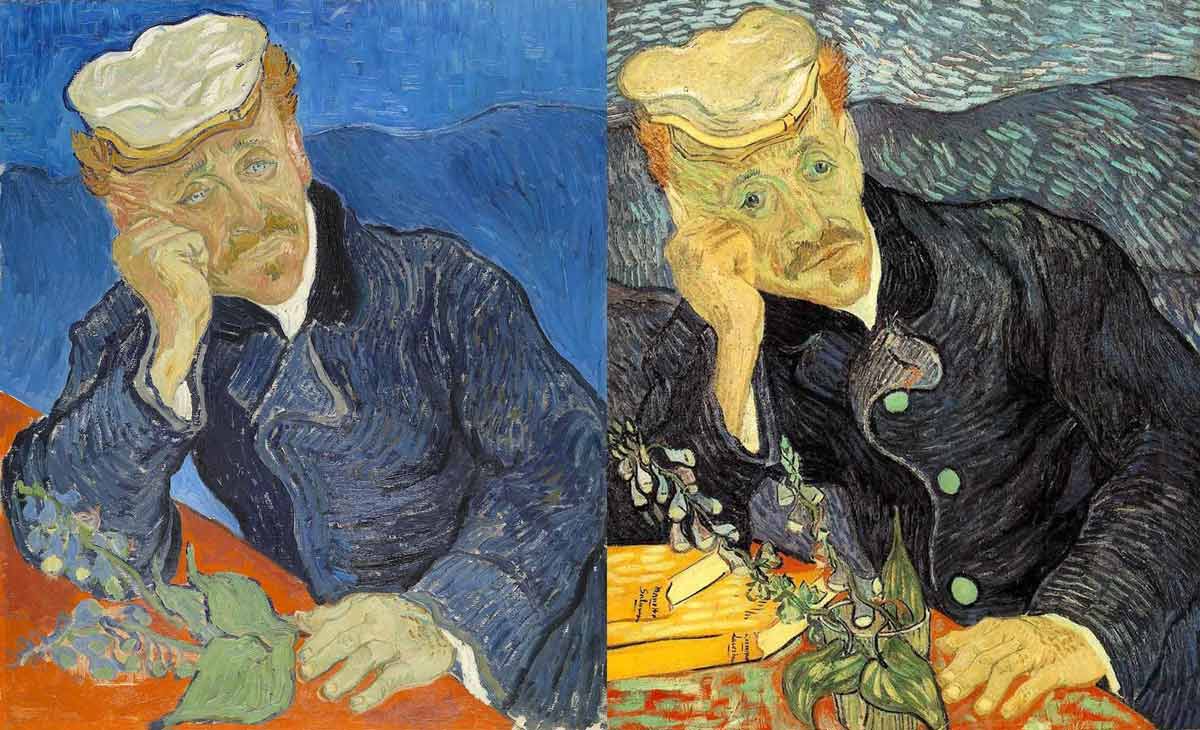
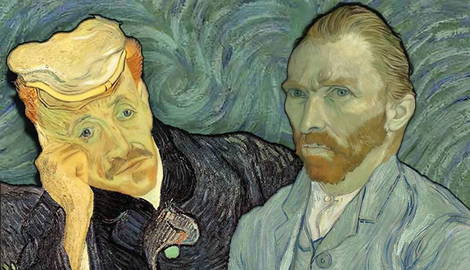
Van Gogh painted two portraits of Dr. Gachet in June, depicting the doctor seated by a table, holding his face with his right hand. He has a melancholic expression on his face, something that Van Gogh had noted before and included in the work. One version shows Gachet holding a twig of foxglove in his left hand, while the other depicts the foxglove plant inside a glass on the table next to two books. The doctor is wearing a white hat and a blue buttoned-up coat and is seated in front of a background of hills painted in blue.
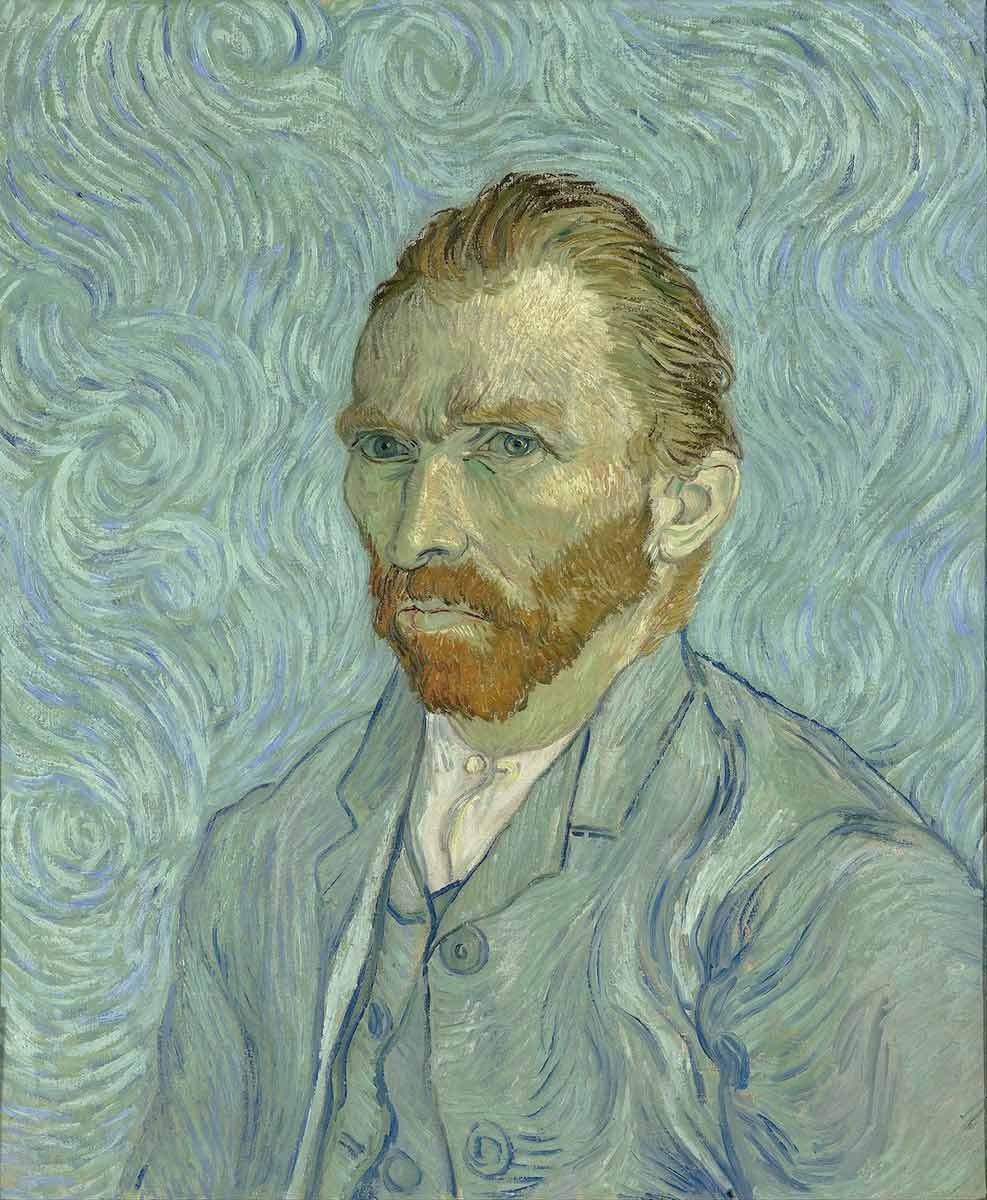
Van Gogh painted one portrait with a solid blue background and painted the other with dash-like brushstrokes. He compared the second portrait to his self-portrait that also depicts him in light blue clothes with a similarly colored background, stylized with swirling lines, writing that the two were painted “in the same sentiment.” His intention with this composition was to capture the exaggerated character of Dr. Gachet, as he described to his sister Willemien in a letter from June, “So I don’t try to do us by photographic resemblance but by our passionate expressions, using as a means of expression and intensification of the character our science and modern taste for color.”
A Tragic Turn in the Friendship
Van Gogh’s stay in Auvers largely remained a positive experience. He enjoyed the countryside immensely and consistently remarked on the natural beauty of the village in his letters. In June, he even wrote to Theo inviting him, his wife Jo, and their son Vincent to join him in Auvers and experience the calmness of the country. But most importantly, it was the constant companionship and encouragement of Dr. Gachet that kept Van Gogh’s spirits high. He wrote about the doctor in June, “The latter knows a lot about painting, and likes mine very much, he encourages me a great deal, and two or three times a week he comes to spend a few hours with me to see what I’m doing.”
However, not long after, financial worries took over as he learned of Theo’s intention to leave his job and start his own business. His brother was taking a risk with his career that could shake the financial stability that Van Gogh had relied on for years. His anxiety revolved around the burden he had put on his brother to support him, which no longer seemed sustainable. Van Gogh could not bear the thought of putting extra pressure on his brother, especially since Theo now had a young child to look after. As these worries piled up in his mind, the artist could not keep going as he was.
On July 27, 1890, Vincent van Gogh committed suicide by shooting himself in the chest. He shot himself in a wheatfield, but managed to stumble back to his room at the inn while bleeding. Dr. Gachet rushed to check on him, followed by a distressed Theo, who immediately traveled to Auvers after receiving Gachet’s letter about the incident. Van Gogh stayed alive for two days following this incident and took his last breath on July 29 with both Theo and Gachet by his side.
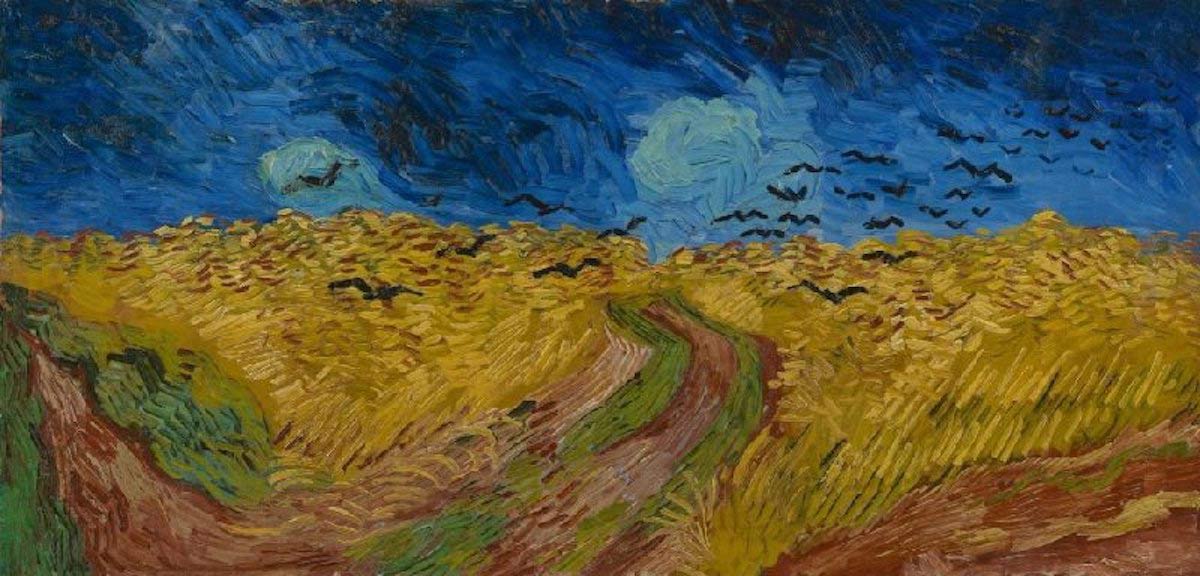
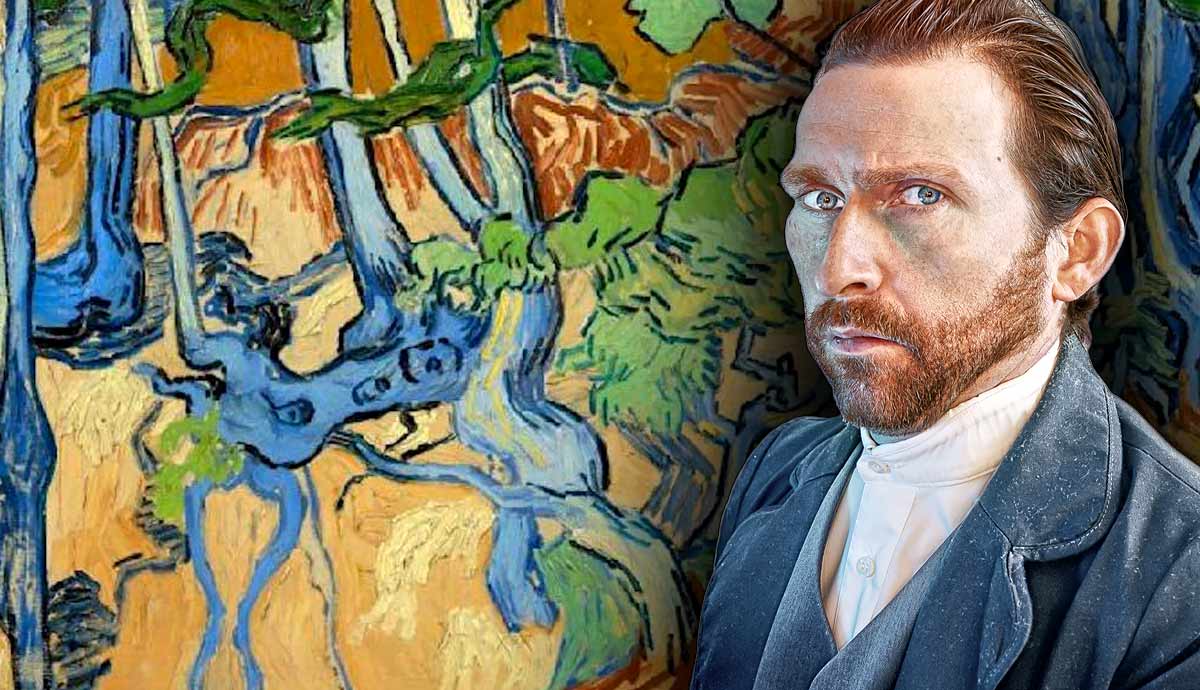
Van Gogh lived in Auvers for about two months. His death was certainly a shock to his family, but it also left an impact on Dr. Gachet, who had come to regard the Dutch artist as a treasured friend. Van Gogh also wrote about their friendship in June: “Then I’ve found in Dr Gachet a ready-made friend and something like a new brother would be – so much do we resemble each other physically, and morally too.” The artist had remained optimistic and productive even until the month before he died, painting landscapes and gardens with blooming colors and sharing his progress with Theo and his friends and family as he had always done. One of his most famous paintings, the turbulent Wheatfield with Crows, was also painted during his last months, although his very last painting was actually of tree roots in Auvers.
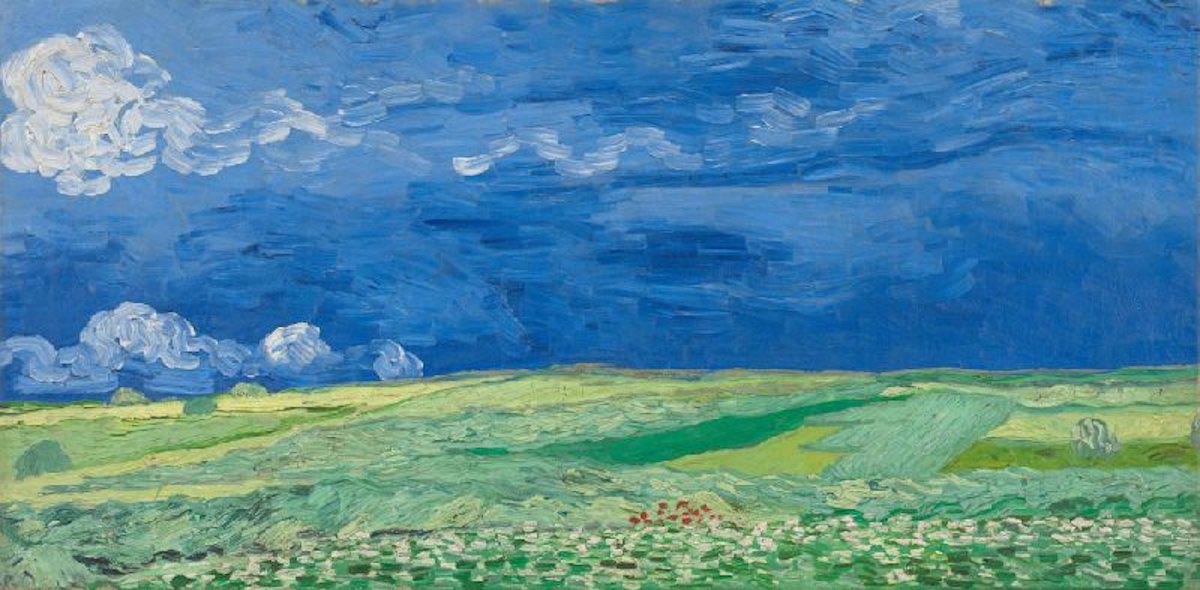
He was discussing ideas for new paintings and the direction he wanted his art to take in the future as late as June 1890. He even completed a series of landscapes in the last few weeks of his life, capturing wide views of a wheatfield in Auvers. He mentioned his occupation with these paintings in a letter from July 14, around 10 days before his suicide, describing them as painted in “delicate yellow, delicate pale green, delicate purple of a ploughed and weeded piece of land, regularly speckled with the green of flowering potato plants, all under a sky with delicate blue, white, pink, violet tones.” He even went on to say, “I’m wholly in a mood of almost too much calm, in a mood to paint that.” Van Gogh’s last letter to Theo, written on July 23, also implied his intention to continue working as he included sketches of recent paintings, including Daubigny’s Garden and Thatched Cottages and Figures, as he had been doing consistently for years. In addition, he mentioned his next consignment of colors that Theo was to send him from Paris.
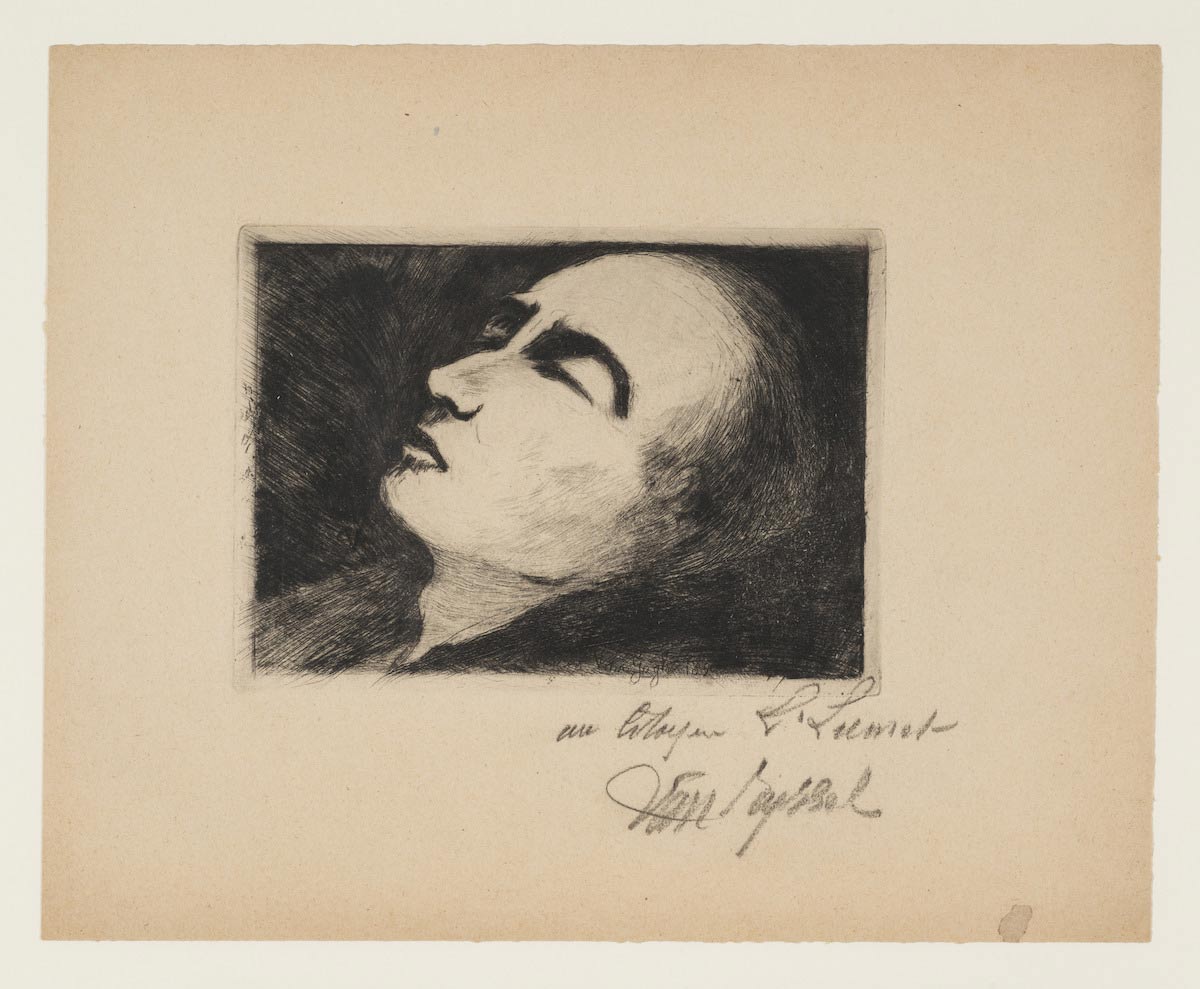
On July 30, 1890, Van Gogh was buried in the same village where he spent the final months of his life with Dr. Gachet. Van Gogh’s last moments, spent on his deathbed inside the attic room at the inn on Place de la Mairie, were captured by Gachet in a quick sketch, immortalizing a private and heartbreaking moment in the history of art. The stories of Van Gogh and Gachet became intertwined through their friendship, and the name of Paul Gachet is preserved today through the life and work of Vincent van Gogh, particularly through the paintings of his garden, his daughter, and of the doctor himself.