
The first-generation video games were often monochrome or limited to 3-5 colors, pixelated, chip-tuned, and around 2-8 hours long. As new hardware and software engineering have advanced, video games boast full-color and diverse aesthetics, utilizing traditional art mediums in harmony with modern technologies and software tools. Many games take anywhere from 10 to 75 hours to complete. Making video games requires writers, composers, coders, artists, and gamers themselves doing rounds of beta testing. In summary, video games are a multi-disciplinary and often collaborative form of art.
1. Video Games for Art Historians: “Ōkami”
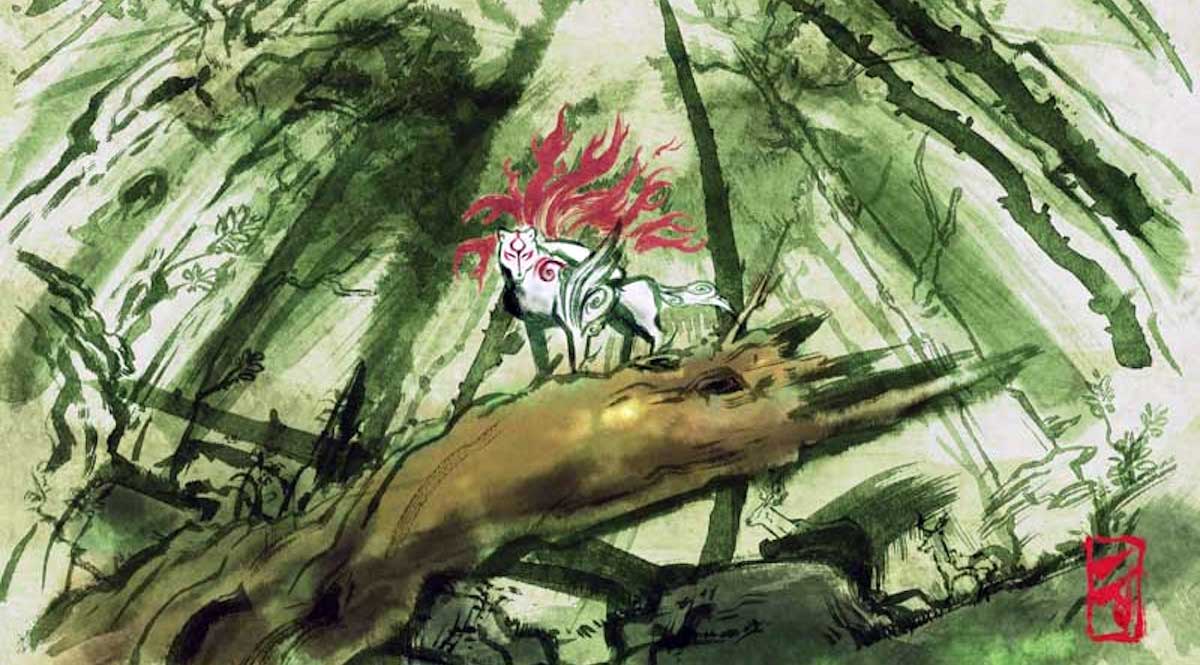
Originally released in 2006 for the PlayStation 2, Ōkami is inspired by Japanese calligraphy, woodblock prints, Shintoism, and Japanese folklore. It was awarded IGN’s Game of the Year in 2006. An HD version playable on the Nintendo Switch was released in 2018. Ōkami, a clever Japanese wordplay meaning both “wolf” (狼) and “great deity” (大神) (incorporating kami, or spirit), follows the white wolf spirit Amaterasu and companion Issun as they work to restore light to their cursed world.
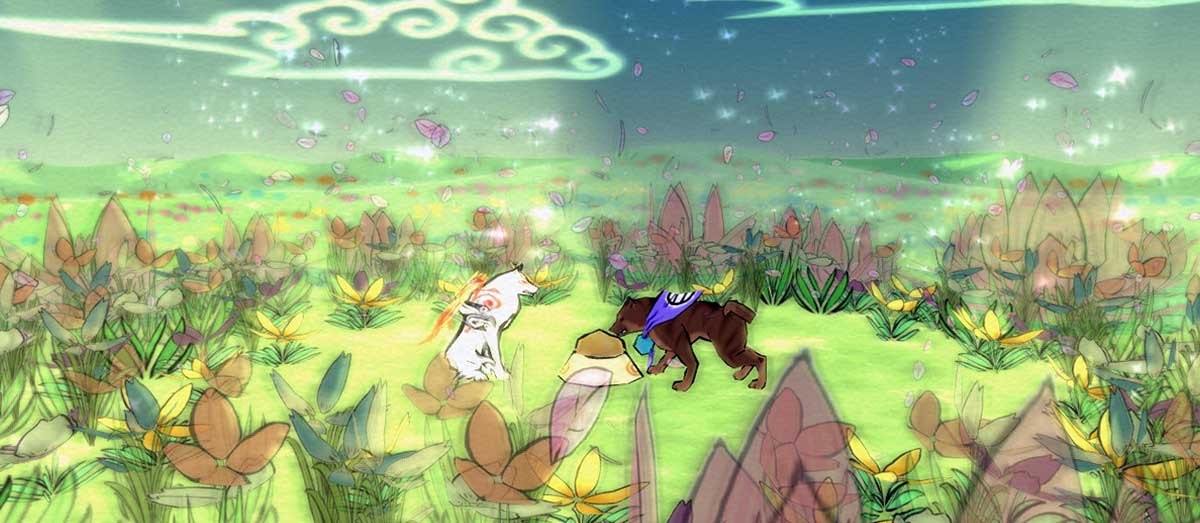
The game’s world is a richly designed folkloric Japanese past, completed in the style of traditional calligraphy and inkbrush illustration with 3D cel-shaded technology. The landscape features Shinto torii gates and shrines and various other kami folklore references.
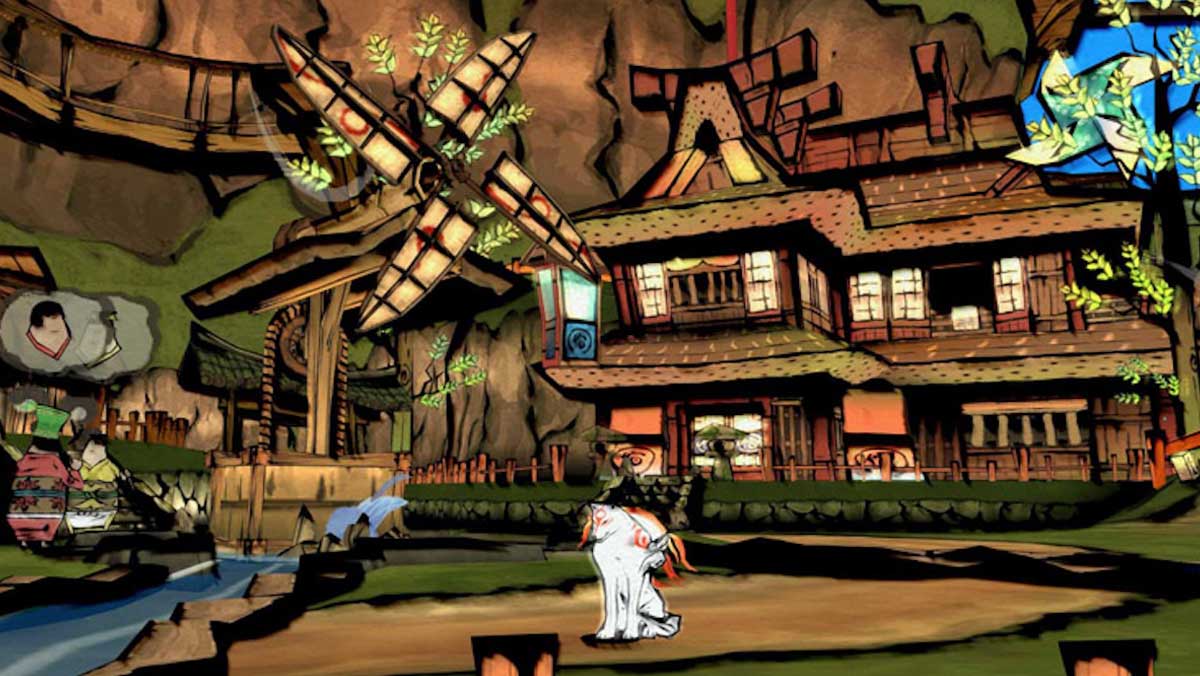
In addition to the colorful, brushstroke Springtime Japanese environment, complete with pink Sakura trees, the player is further immersed in Japanese culture with the paintbrush feature. When creating spells, building bridges, or fighting battles, the player can choose to use the motion controls or the joystick to virtually paint with The Celestial Brush. As the game progresses, the player gains combat moves as well as calligraphy techniques, taught to you by Issun.
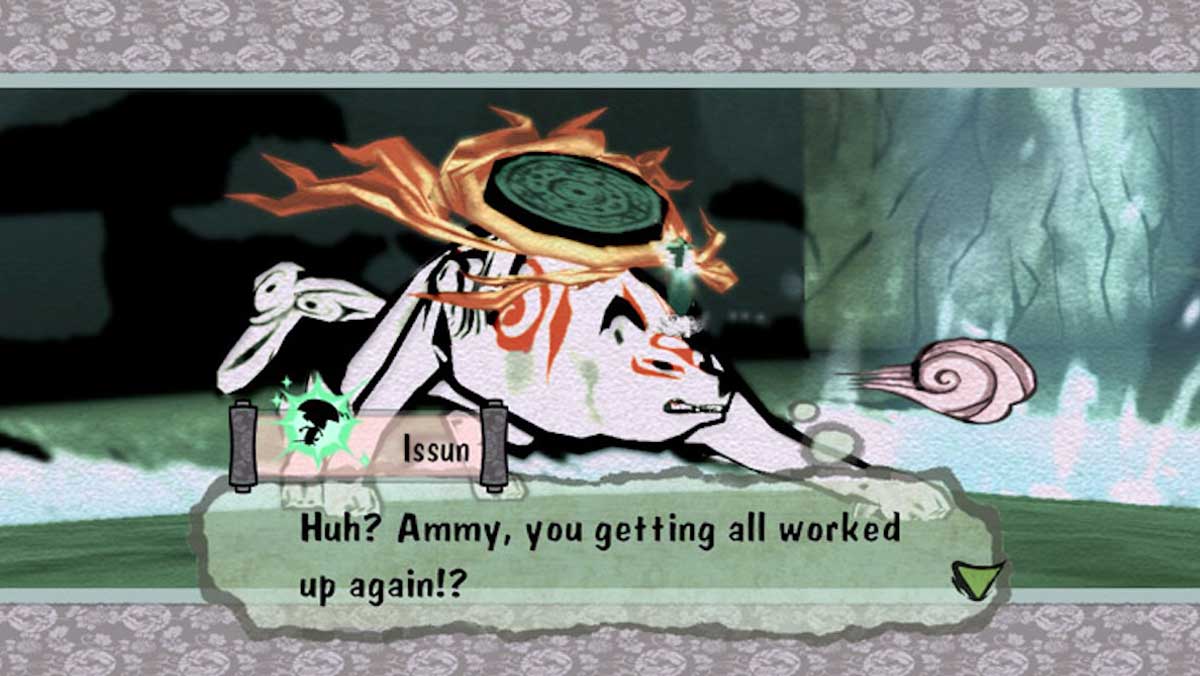
Ōkami is a fantastic example of a game that, while inspired by traditional art mediums such as calligraphy and woodblock prints, is actually made of modern digital technology like cel-shading. The final result is a modern digital world that is impressively and deceptively old aesthetically. Each scene is framed in a patterned washi paper border, exactly like traditional handscrolls, horizontally, and new scenes and areas transition with a sliding handscroll animation, adding to the effect.
The soundtrack also resonates with the sounds of the koto, a 13-string traditional Japanese instrument. If you are interested in Japanese folklore and art, and enjoy single-player open-world games with a strong story, you should consider exploring the world of Ōkami.
2. “Gris” for Art Lovers Obsessed With Color
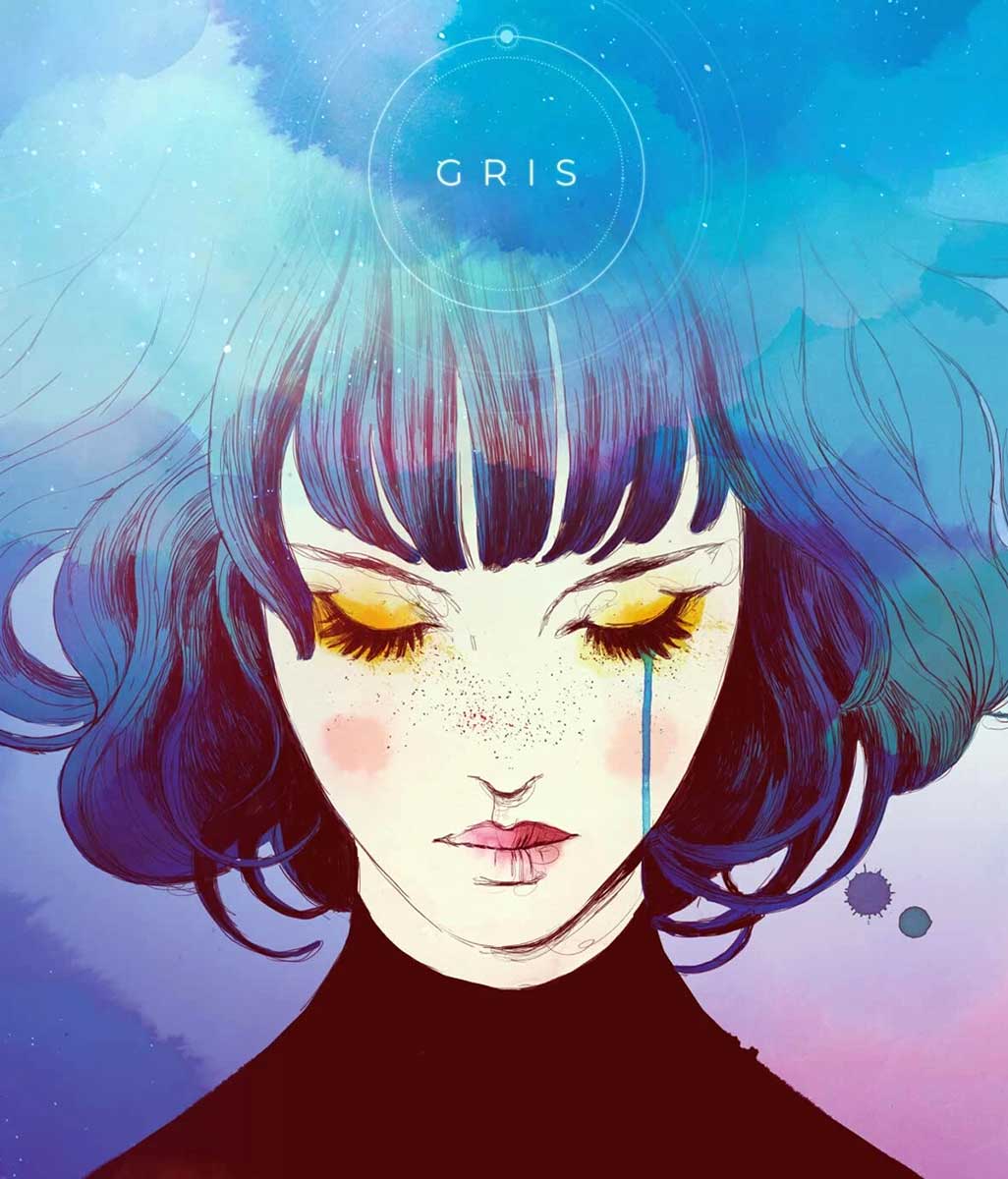
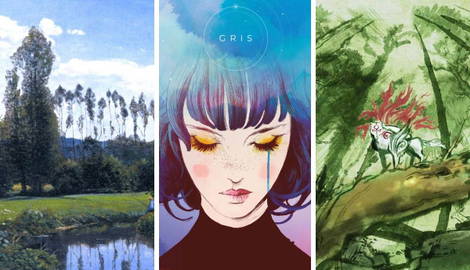
Released in 2018 for Nintendo Switch, Mac, and PC by Conrad Roset and Nomada Studios, Gris is a visually stunning video game that explores the pain of grief. The game was nominated for several awards, winning Games for Impact at The Game Awards in 2019. Gris, which is a Spanish word for gray, follows the titular character as she experiences loss. The story is not communicated with words, but through short animated scenes, visual platforming puzzles, and references to the five stages of grief. Starting in monochrome and gradually becoming more colorful as the game progresses, the world of Gris feels like a meditation.
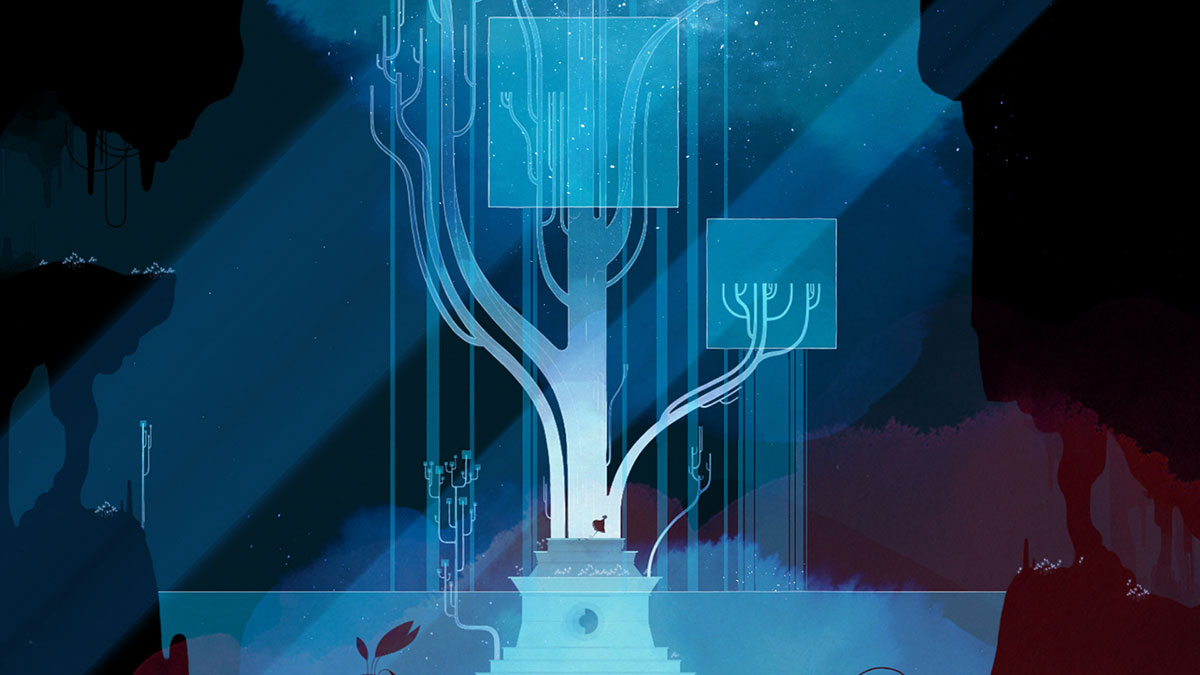
The deeply intentional use of color is fleshed out in inky, watercolor environments. As the player gains a deeper understanding of their grief, they gain new skills, allowing them to access new areas. The game begins in black and white, then only red, then green and red, and so on, until the completion of the game, which is the full spectrum of color. It is stunning to watch the backgrounds develop as you play: it’s like an invisible hand is completing a watercolor and ink landscape painting in real-time.
By the end, the player reveals an environment totally different than the one they started in. Constellations shine in the sky, giving the watercolor an ethereal effect. Art historians know perhaps more than anyone the many cultural interpretations of color symbolism, as well as the impact color theory plays in great works of art.
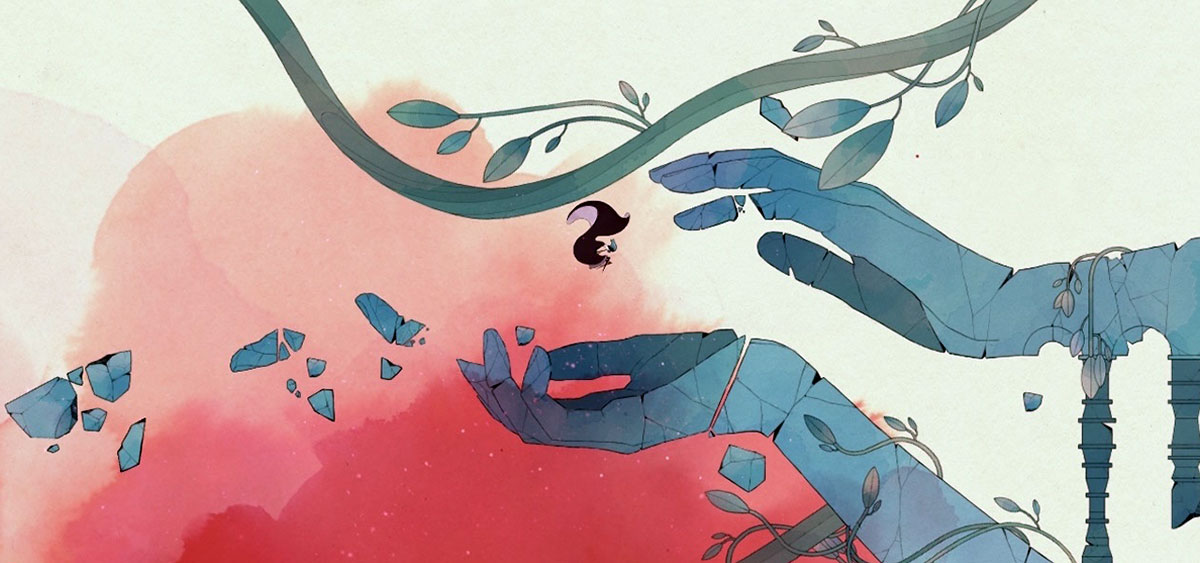
Art, music, and poetry have long been vessels for the communication of heartbreak, grief, and loss. It is only natural that as the videogame medium became more complex, so too did its subjects. In fact, since the 2010s, there have been dozens of games dedicated to the explicit exploration of death and the afterlife. For example, there’s Spiritfarer (2020), an open-world management game where you play as the next Spiritfarer after Charon retires. It’s a potent experience in death positivity and is a powerful tool for processing the pain of grief. In art history, there are some artists, such as Frida Kahlo, who dedicated their lives to expressing the full spectrum of human experience on canvas, including her most tragic and personally devastating moments.
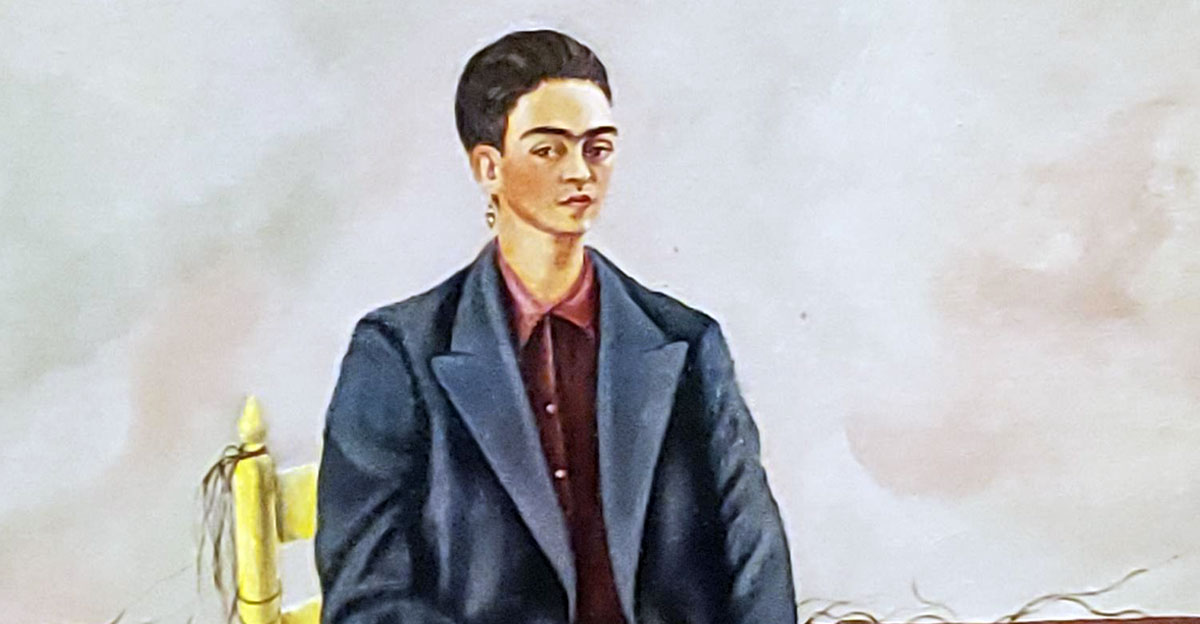
Seeing ourselves, our emotions, and our experiences mirrored in the form of art is perhaps the strongest reason we are compelled by it. Gris is a stunning example of a work of art that explores death and loss. By playing through the game, the player vicariously experiences Gris’ loss and the weight of the immeasurable grief, which invites the player to acknowledge those parts of their own lives. However, it’s the game’s soundtrack, composed by Berlinist, that takes the emotional aspect of this work to its highest potential. Again, as there is no dialogue or written text, the story is communicated through visual cues, player action, and a sweeping, strings-dominant score. At moments of intense emotion, prepare to wear good headphones to fully immerse yourself in the tragically beautiful world of Gris.
3. “The Master’s Pupil” for Monet’s Fans
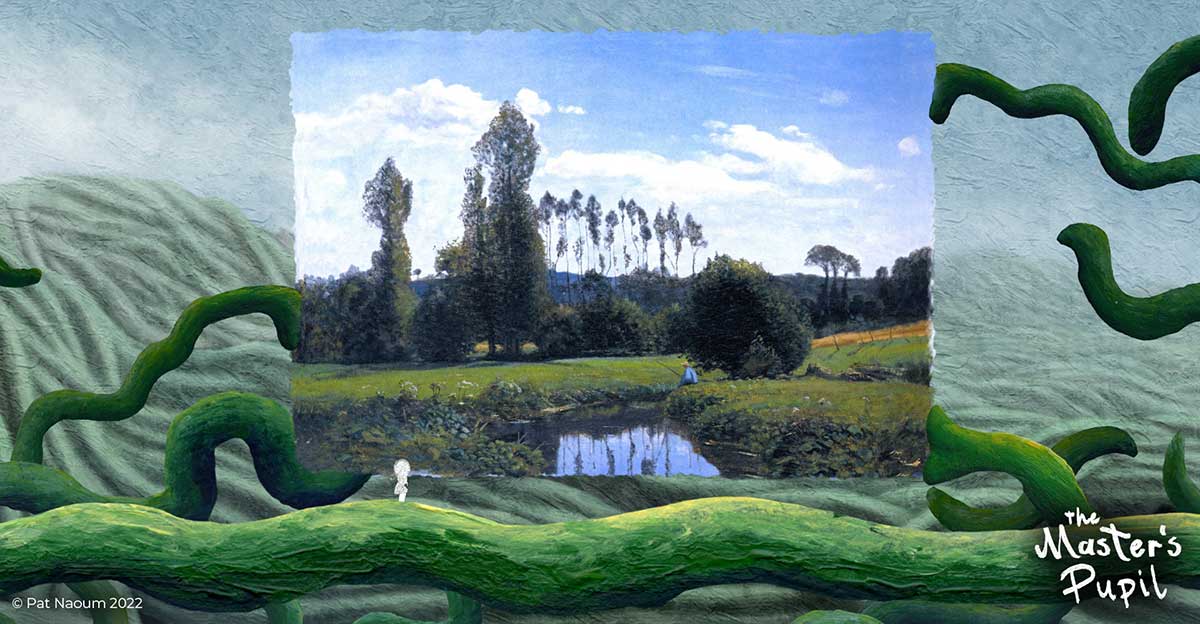
Released in 2023 by Pat Naoum for Nintendo Switch and Steam, The Master’s Pupil is a hand-drawn and painted game that takes place inside Claude Monet’s art. The Master’s Pupil references twelve real paintings by Claude Monet, including the View from Rouelles, completed very early in Monet’s career.
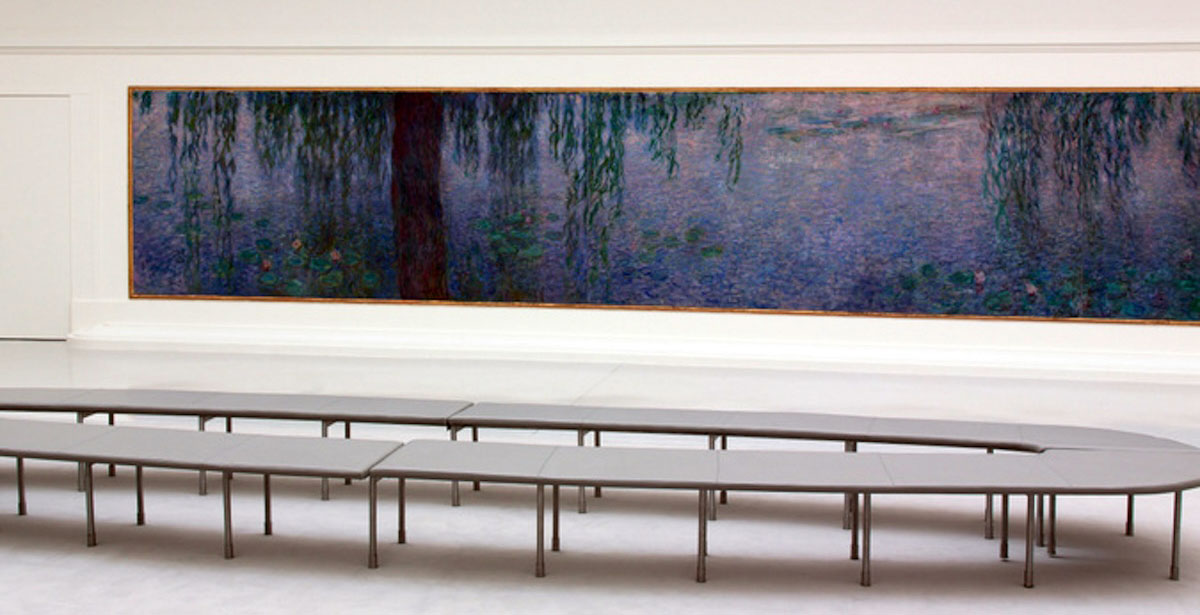
The Master’s Pupil explores an innate desire many art lovers have: to get under the skin and inside the canvas of our most beloved artists and works of art. Those museum goers who stare at the same painting over and over, trying to understand its layers and the artist’s techniques. For Pat Naoum to conceptualize going inside the artist’s mind’s eye (often regarded as the seat of creativity and artistic inspiration in many cultures) shows us the art lover’s perspective.
The choice of medium of the video game gives us the opportunity to sate those cravings, to go inside the paintings and the mind of a very recognizable artist; albeit digitally. To create a video game so niche as this one not only gives you the opportunity to engage with actual artworks and history, but also to fully immerse yourself in the art. If you are a fan of Monet’s work, and peaceful, low-stimulation puzzle and platforming games: relax and enjoy The Master’s Pupil.