
Publishing The Celtic Twilight in 1893, Yeats combined folktales and myth from rural Ireland and treated the subject with reverence and a literary imagination. Along with his peers (particularly Lady Gregory, with whom he founded the Abbey Theatre), his deep love of myth, magic and national identity created a powerful new literary movement in the country.
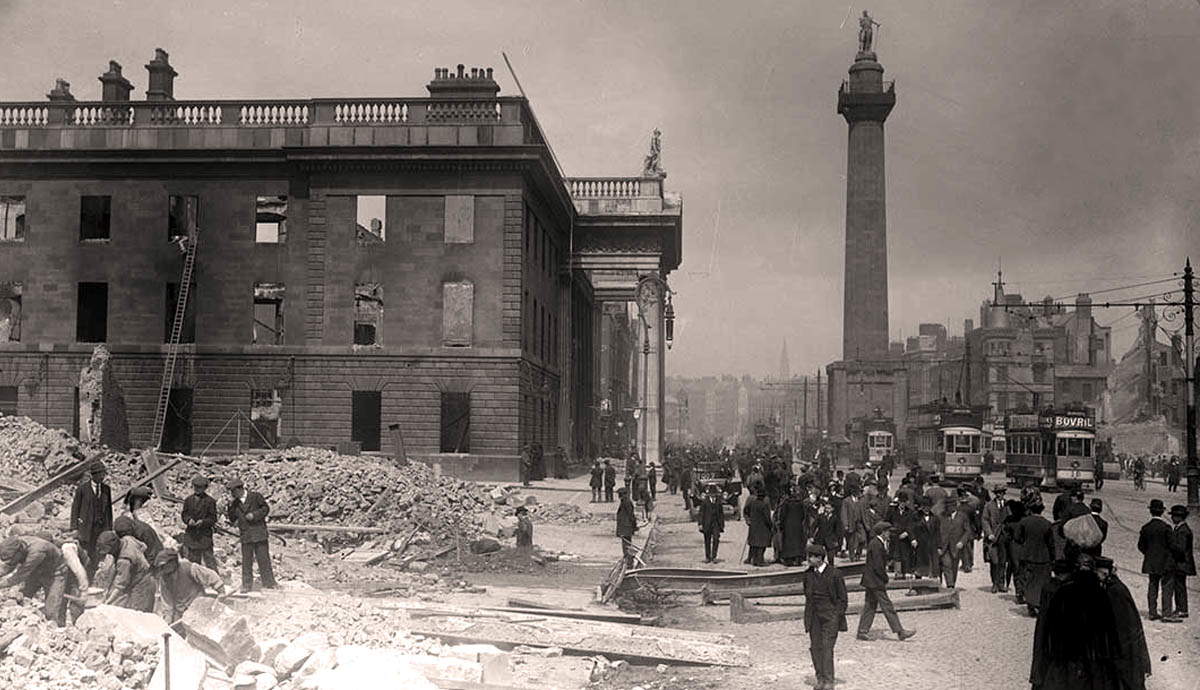
This was largely in response to British colonial rule (as seen most clearly in his poem Easter, 1916) and profound cultural loss felt by Yeats and other literary figures who shaped a new national identity through the arts. This article explores how Yeats’ profound sympathy for a mystical Ireland created a new cultural identity.
The Celtic Twilight: Yeats’ Vision of Ireland
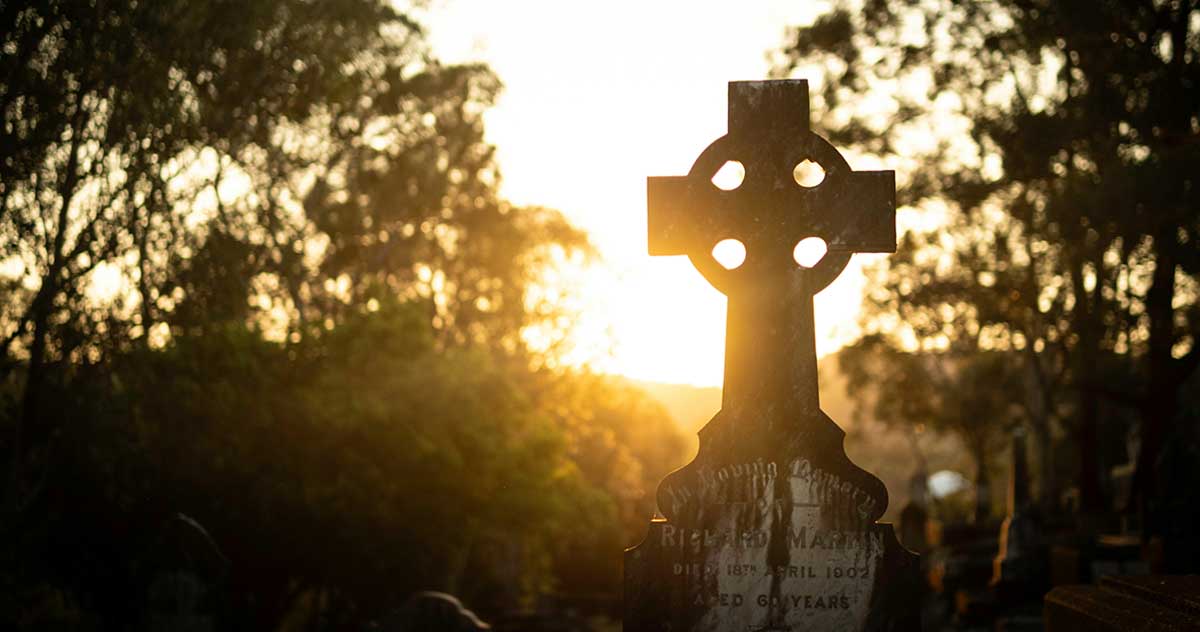
The Celtic Twilight (1893) is a collection of essays and folklore by W.B. Yeats that explores Ireland’s mystical traditions. Drawing on stories from rural communities, Yeats blends personal insights with tales of fairies, visions, and supernatural encounters. In one chapter, “Village Ghosts,” he recounts a local belief that certain houses are haunted by spirits who appear at twilight, reflecting the thin boundary between everyday life and the unseen world. The book marked a shift in his work, deepening his interest in the occult and shaping his view of Ireland as a land rich in symbolic meaning. It also helped define the Celtic Revival, a movement that reclaimed Irish identity through myth, magic, and art.
Myth and National Identity
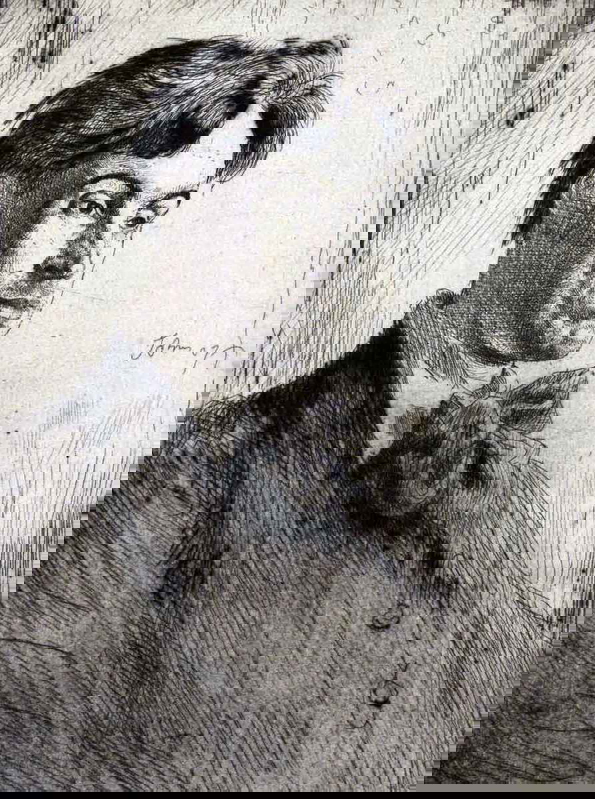
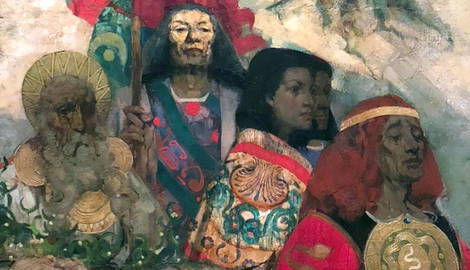
Yeats used myth to help shape a distinct Irish national identity during a time of cultural and political upheaval. Drawing on Celtic legends and folklore, he reimagined Ireland not just as a nation but as a spiritual and symbolic landscape. His early poems, like The Wanderings of Oisin (1889), blend myth with nationalism, offering an alternative history rooted in native tradition rather than colonial influence. Influenced by thinkers like John O’Leary, Yeats believed that myth could unify a people and restore a lost cultural memory. In doing so, he helped define the Irish Literary Revival and gave poetic form to Ireland’s search for self.
Yeats and the Occult Tradition
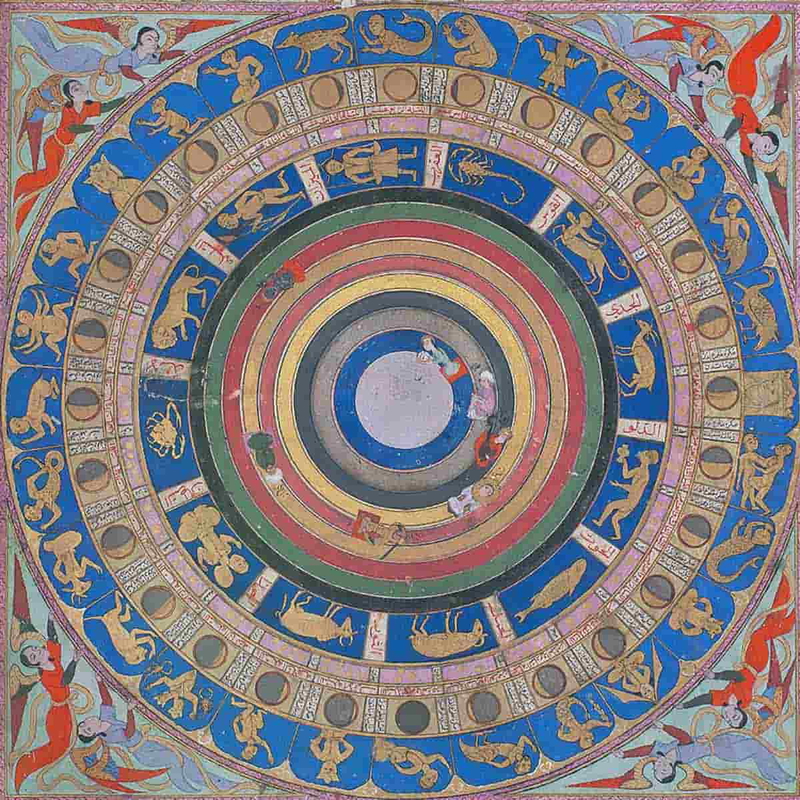
Yeats’s interest in the occult was central to his poetry and philosophy. He joined the Hermetic Order of the Golden Dawn in 1890, exploring ritual magic, astrology, and symbolic systems to uncover hidden truths. For Yeats, the occult offered a way to connect the material and spiritual worlds, blending Celtic mythology with mystical ideas. These beliefs shaped works like A Vision (1925), where he developed a personal system to understand history, identity, and creativity through symbolic patterns.
Folklore and Irish History
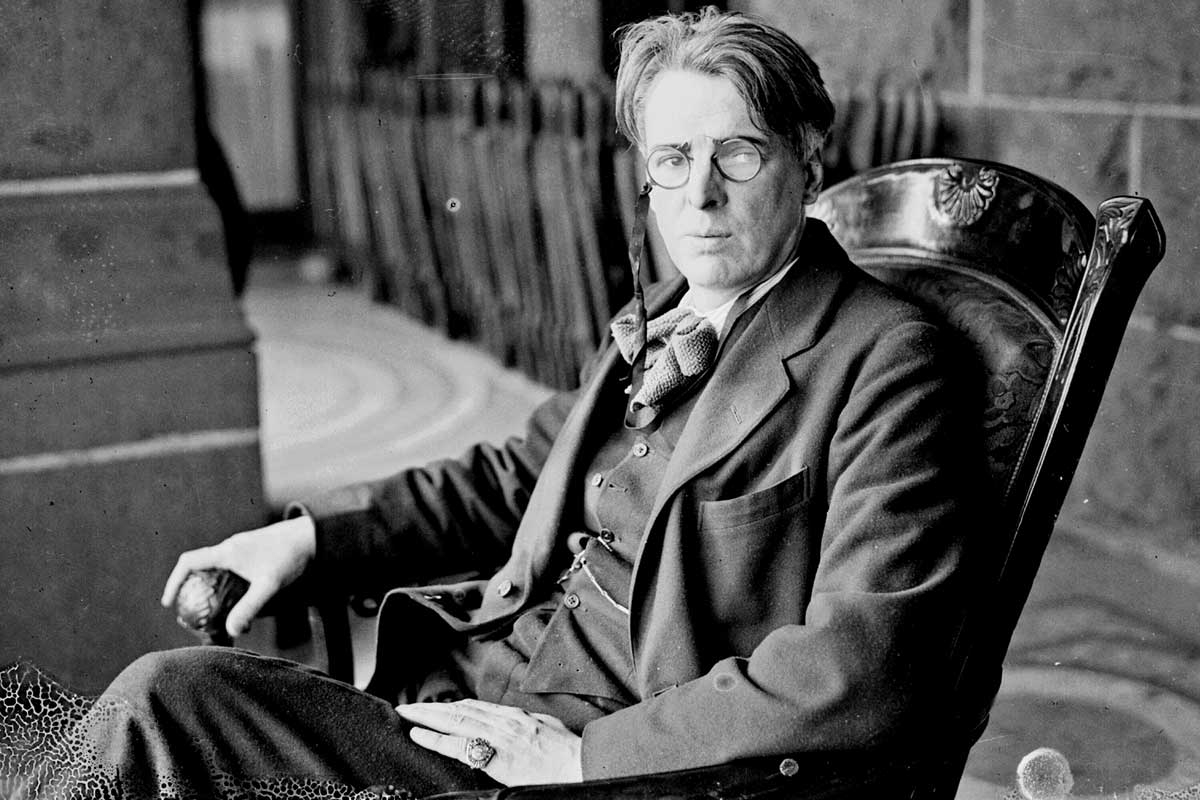
Yeats saw Irish folklore as a living link to the country’s past, using it to shape a poetic vision of national identity. In Fairy and Folk Tales of the Irish Peasantry (1888), he gathered stories of fairies, ghosts, and rural beliefs, blending oral tradition with literary craft. One example is the tale of the banshee, which Yeats describes as a spirit whose wailing (or keening) foretells death: a figure rooted in Irish superstition and symbolic of ancestral memory.
For Yeats, such stories preserved a spiritual and imaginative history that modern Ireland risked losing. He believed folklore could reconnect people with a deeper sense of place and purpose, offering an alternative to colonial narratives and rationalist thinking.
The Poetic Self and Transformation
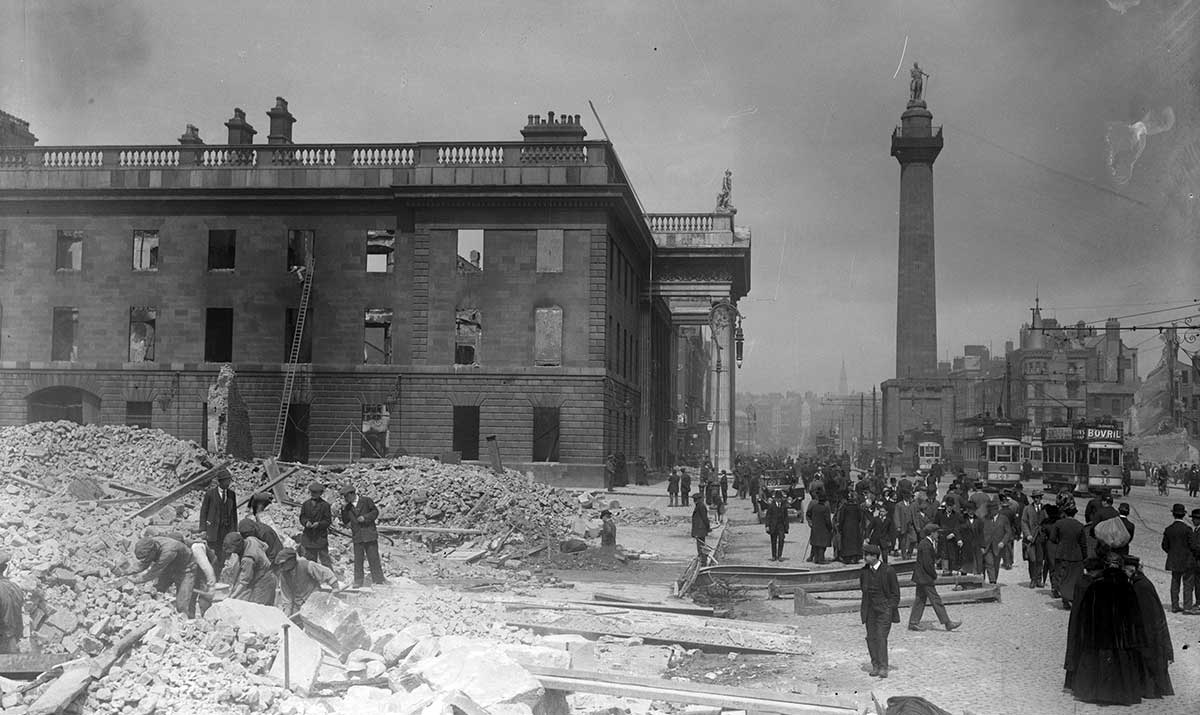
Yeats’s poetry often explores the self as something changeable and conflicted. In A Dialogue of Self and Soul (1933), he stages a debate between the spiritual soul and the passionate self, ultimately choosing to embrace life’s messiness and repeat it “again and yet again.” In Sailing to Byzantium (1928), he seeks transformation through art and immortality, leaving behind the ageing body for a timeless, golden form. These poems show how Yeats used myth and symbolism to explore identity: not as fixed, but as something shaped by experience, memory, and creative vision.
Mysticism in a Modern Age
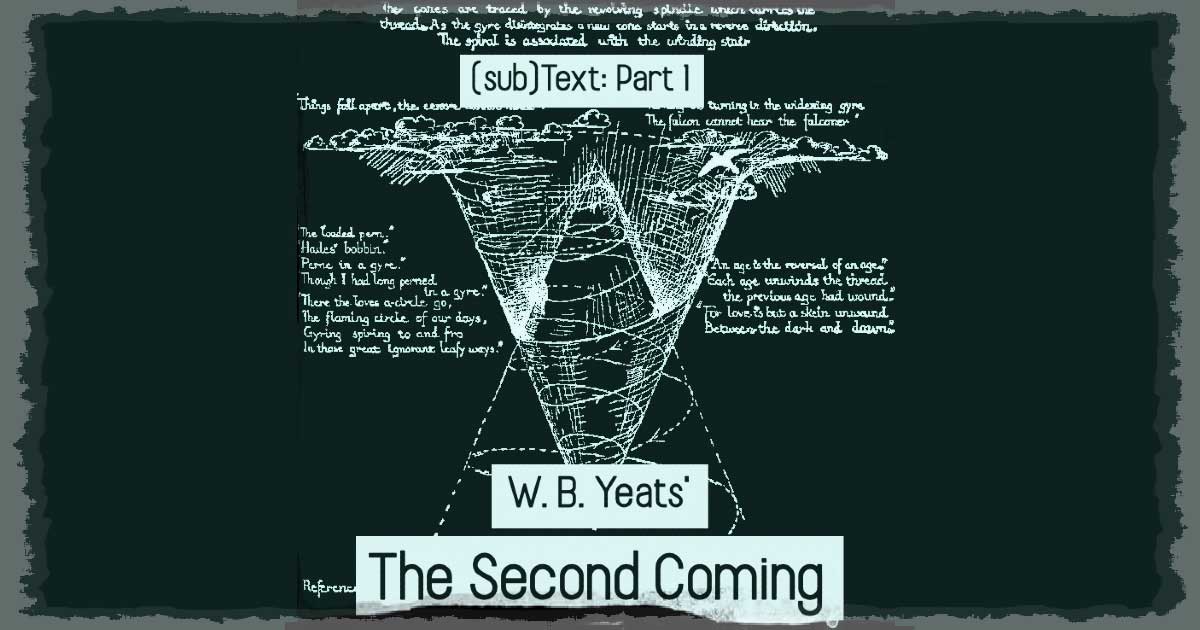
Yeats’s mysticism evolved alongside the modern world, offering spiritual depth in an age of uncertainty. After World War I and the Irish War of Independence, his poetry became more symbolic and philosophical, reflecting the tensions of a changing society. In The Second Coming (1919), he uses mystical imagery to express cultural collapse and spiritual crisis. Though modernity embraced science and reason, Yeats turned to the occult, myth, and personal symbolism to explore deeper truths. His work shows how mysticism could still speak to modern anxieties, offering meaning beyond logic and history.