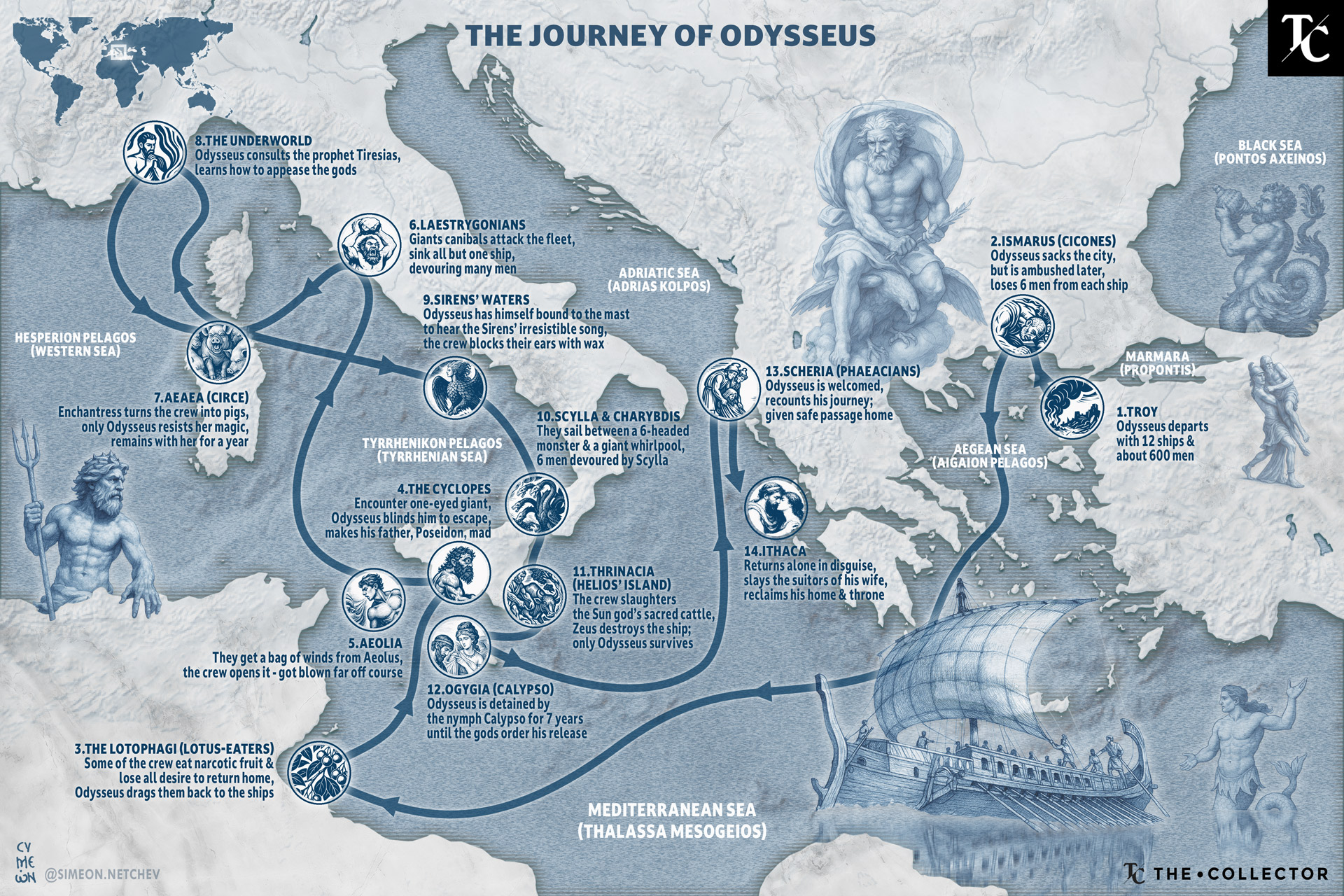
Homer’s epic poem, The Odyssey, ends with his long-suffering hero, Odysseus, returning to his home of Ithaca and reclaiming his palace from the opportunistic suitors. After ten years of war and ten years of wandering, he is reunited with his long-suffering wife, Penelope, and now-adult son, Telemachus. The story ends on a happy note. But Homer’s epic only tells part of Odysseus’ story. What happened to Odysseus after the Odyssey?
And They Lived Happily Ever After?
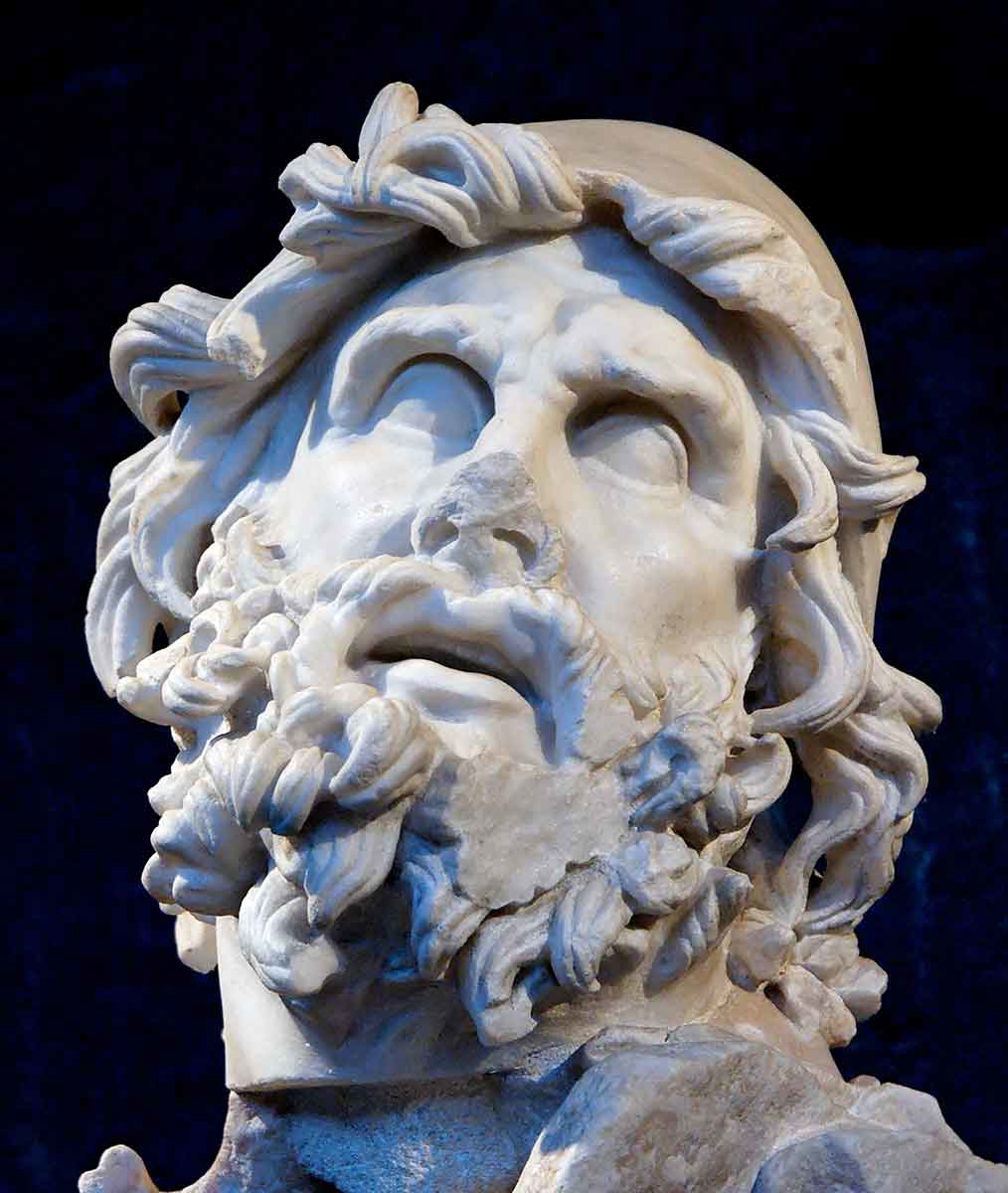
By ending his story with Odysseus’ return to Ithaca and his reunification with his wife, Penelope, Homer ended the Odyssey on a satisfying note. Odysseus may have lost all his men in the years of war and wandering, but Penelope had loyally held off her many suitors. Additionally, his son, Telemachus, was now a man capable of standing by his father’s side.
But the story ends violently. Odysseus kills his wife’s suitors, the sons of prominent families. Only the intervention of the goddess Athena prevented a descent into civil war. Other gods, notably Poseidon, remained angry with Odysseus. Therefore, despite the seemingly happy ending, not all was resolved for the hero.
Homer hints at the aftermath of these events. Book Eleven of the Odyssey recounts Odysseus’ journey to the underworld. He took that descent to learn how to get home from the shade of the renowned seer Tiresias. He tells Odysseus that after killing the crowd of suitors besieging his wife and destroying his home, Odysseus must once again leave Ithaca and travel to a land without knowledge of the sea. When he comes across someone who mistakes a ship’s oar for a fan, Odysseus is instructed to sacrifice to Poseidon, which will finally placate his bitterest foe. While Tiresias tells Odysseus that his travels will not be over when he returns to Ithaca, he does say that he will die a gentle death by the sea on Ithaca.
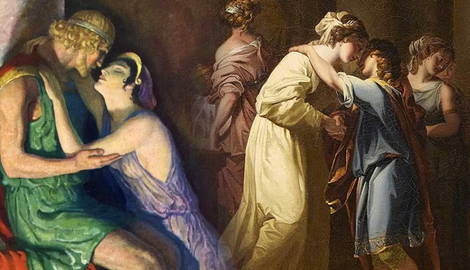
Immediately after reuniting with Penelope, Odysseus repeats Tiresias’ prophecy (book 23). This sets the scene for the next part of Odysseus’ story, even though it is not included in the Odyssey.
Sources: The Epic Cycle
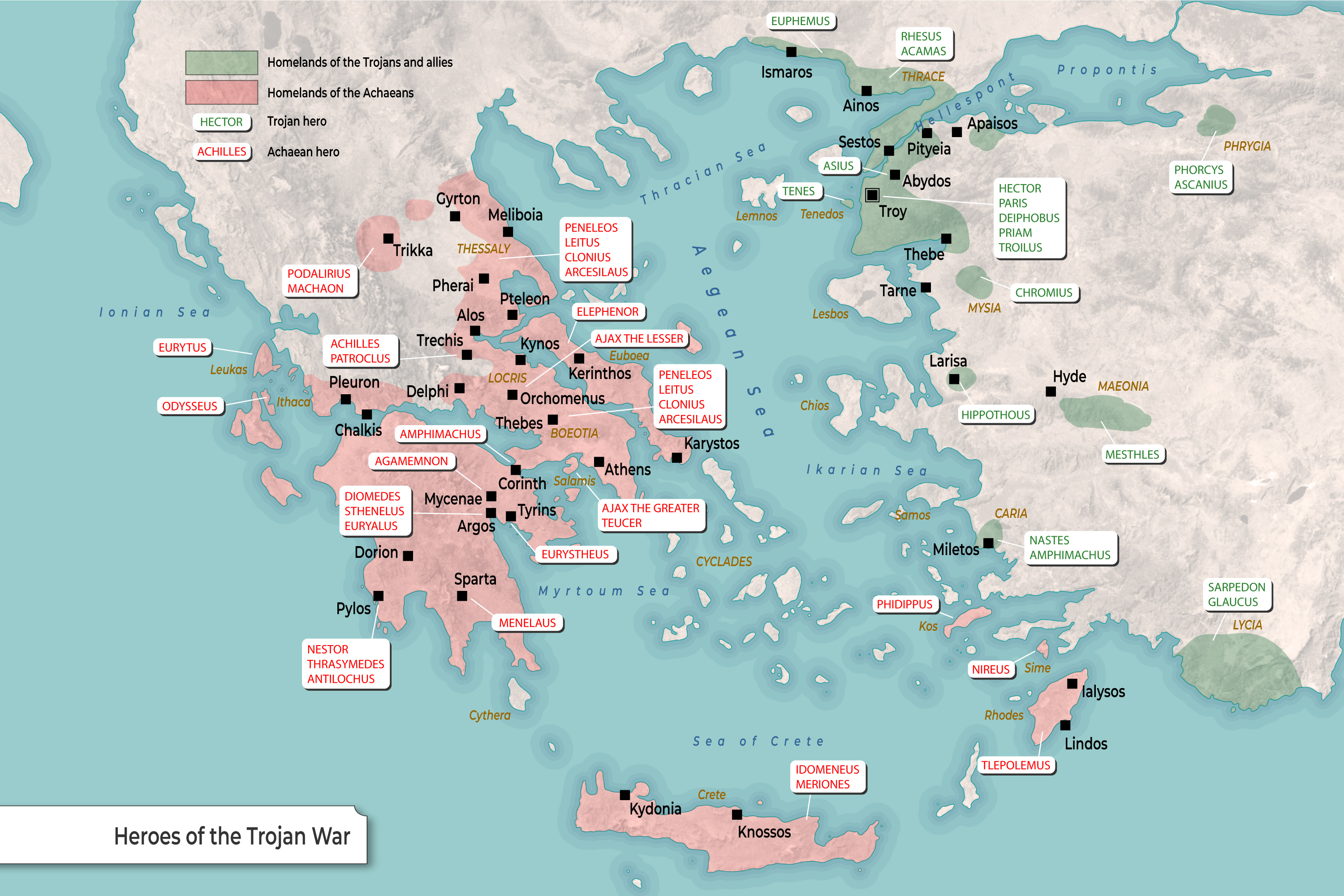
Homer’s two epic poems, the Iliad and Odyssey, have been admired for more than two thousand years, but they recount only a small part of the complex epic surrounding the Trojan War. The Iliad focuses on the actions of Achilles in the final weeks of the ten-year siege of Troy. It does not include the destruction of Troy or the story of the Trojan Horse. The Odyssey follows the adventures of one of the Greek heroes, with asides explaining what happened to several other veterans of the Trojan War on their journeys home. The quality of the two epics ascribed to Homer set them apart, but they were far from the only Trojan War epics in circulation.
We know of, but have largely lost, a group of at least six other epics that tell the story of the Epic Cycle, all dating to before the 2nd century AD (West 2013, 1). These stories covered the origins, course, and end of the Trojan War. Only a few fragments or summaries have survived. Exactly who Homer was is one of the great debates of ancient history. Nevertheless, other books in the Epic Cycle are sometimes attributed to him. But this was doubted even in antiquity (West 2013, 27). Other named authors have been credited with different epics by the Greeks, but in general, the authorship remains a mystery.
Much like the Homeric poems, there was probably a two-stage development to the Epic Cycle. Their story lines likely came from tales circulating at the time of the composition of the Odyssey and Iliad, in the Archaic Age (8th-6th centuries BC), with earlier elements. They were probably performed as complete epics around the same time as Homer, and were written down between the late 6th and 4th centuries BCE (Davies 1989, 3; West 2013, 23).
The Cypria: Origins of the Trojan War
The Epic Cycle is believed to have included the following works:
- Cypria, recounting the origins of the Trojan War
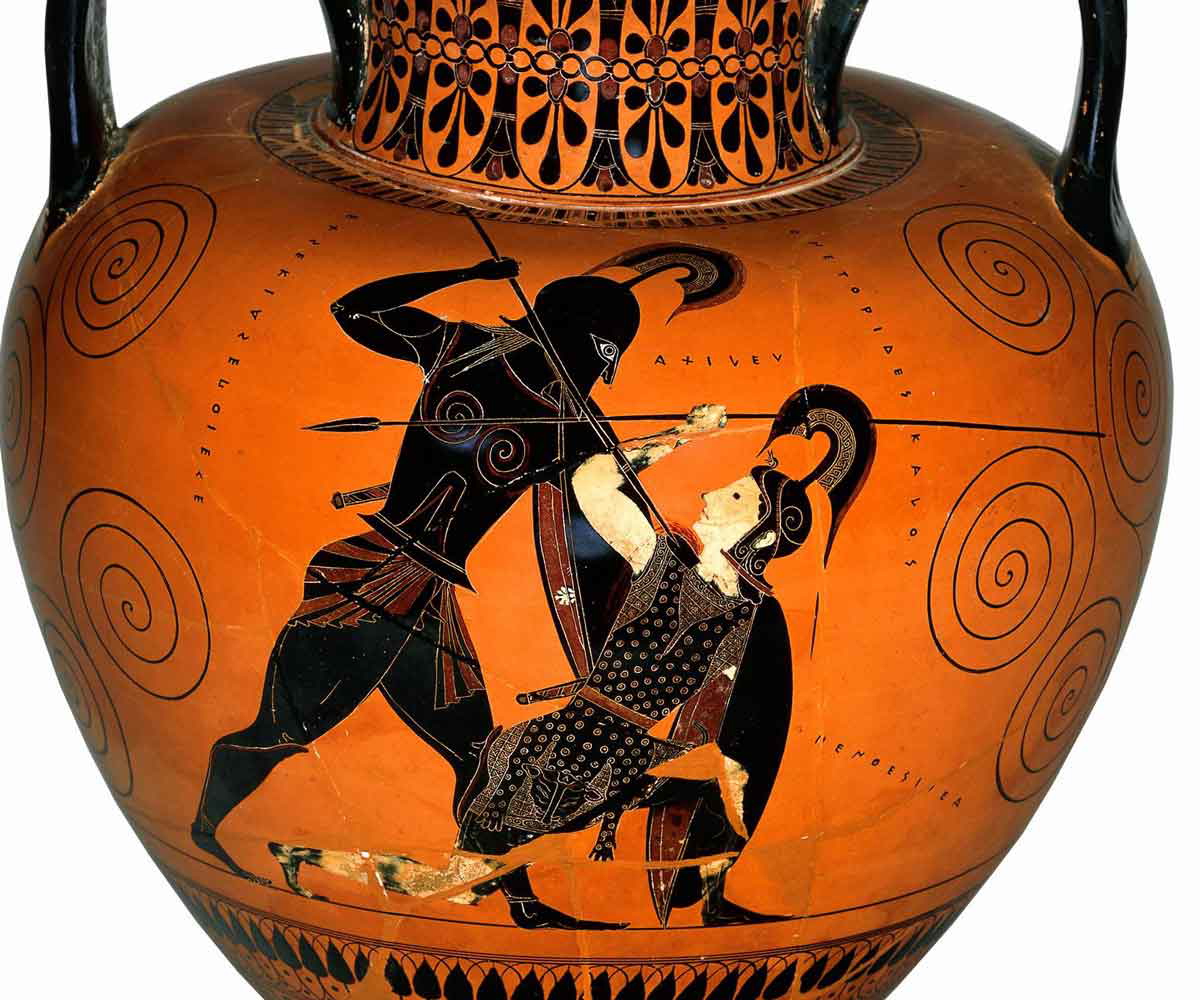
- Aethiopis, recounting various battles of the war and the death of Achilles
- Little Iliad, retelling the Fall of Troy
- Iliou Persis, describing the sack of Troy
- Nostoi, recording the return journeys of other Greek heroes after the war
- Telegony, recording the life of Odysseus after his return to Ithaca
It is to the last on the list that we must turn to see the fate of Odysseus.
The Telegony: Sequel to the Odyssey
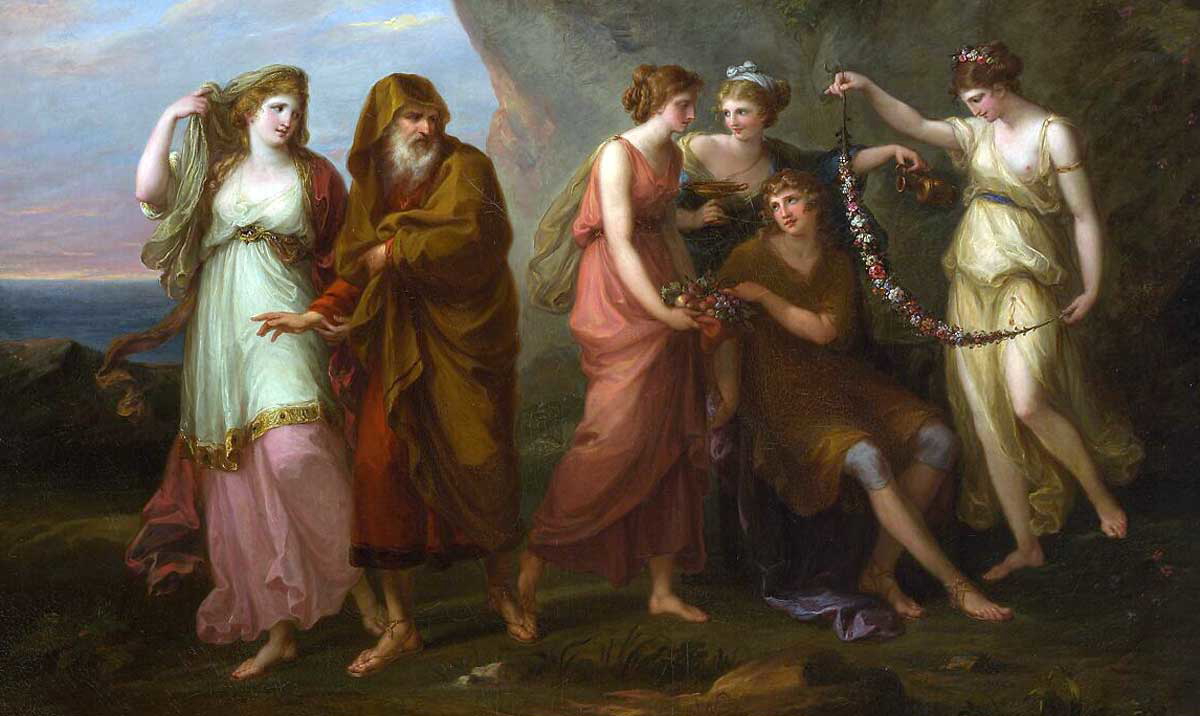
The Telegony has been described as a sequel to the Odyssey (Davies 1989, 87). It picks up Odysseus’ story after Odysseus has reunited with his family and killed the suitors threatening his home. The Greeks named Eugammon of Cyrene as the author, and this is considered one of the more reliable authorial identifications (West 2013, 31). Unfortunately, none of the work has survived.
What we know of the Telegony is pieced together from passing references in other works and a summary of the plot made by Proculus in the 2nd century AD. He produced outlines of several works in the Epic Cycle that were then preserved by the 9th-century AD Byzantine writer Photius.
Greece was a decentralized society without a single authority to create an “authorized” version of its mythology. Consequently, conflicting stories about Odysseus’ later life also circulated, and occasional conflicting references survive. Nevertheless, for the most part, we are reliant on Proclus’ work to complete Odysseus’ story.
Part One: Thesprotris
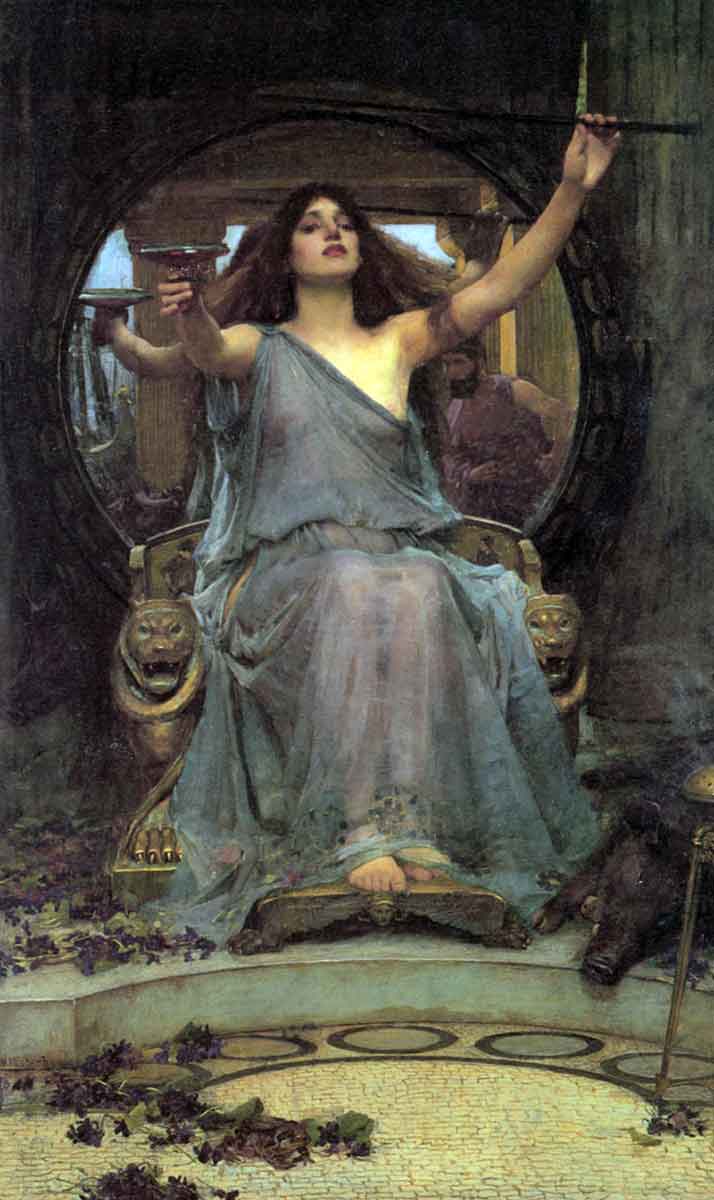
The Telegony was made up of two parts, referred to as books. The first may have also been known as the Thesprotis after the region of Thesprotia, where the action largely takes place.
The story picks up right where Homer left it, with Odysseus on Ithaca dealing with the consequences of his bloody revenge on the suitors. Immediately, Odysseus sets sail again. First, it is a short trip across to the Greek mainland region of Elis. Then he takes a trip that kept him away from home for many years again.
Perhaps following the instructions given by Tiresias, Odysseus sets off for the region of Thesprotia, roughly the northern Greek region of Epirus. As a mountainous region with fewer maritime traditions than other Greek regions, Odysseus could be sure to eventually find someone who had no knowledge of the sea and offer his sacrifice to Poseidon. Along the way, Odysseus also finds a new wife, the local queen Callidice (though he is still married to Penelope). In his new role as leader of her territory, Odysseus commands a war against the Thesprotians’ neighbors. He stays in this new life long enough for Callidice to have a son, Polypoetes, to take over leadership in Thesprotia. Odysseys then returns to Ithaca.
Part Two: Telegonus
In the meantime, Penelope has given birth and raised another son of Odysseus, Poliporthes. While sons seemed to play a major role in the Telegony, Odysseus’ oldest son, Telemachus, who had a leading role in the Odyssey, does not feature much. Instead, another son plays the leading role in the second book.
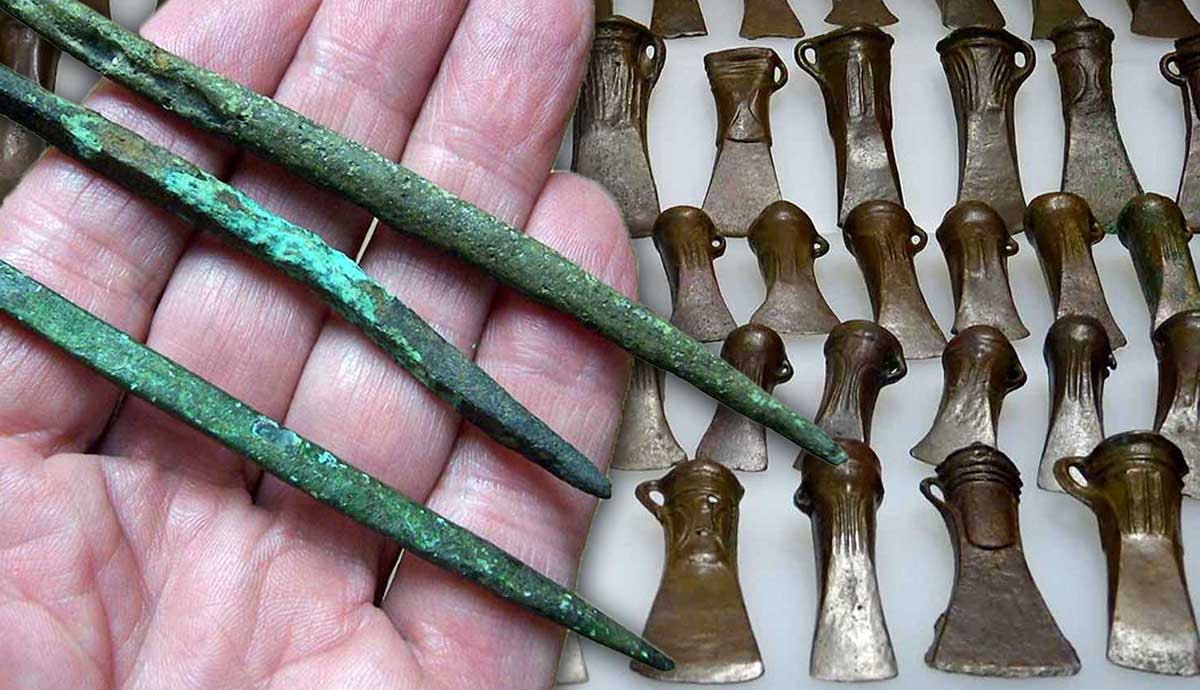
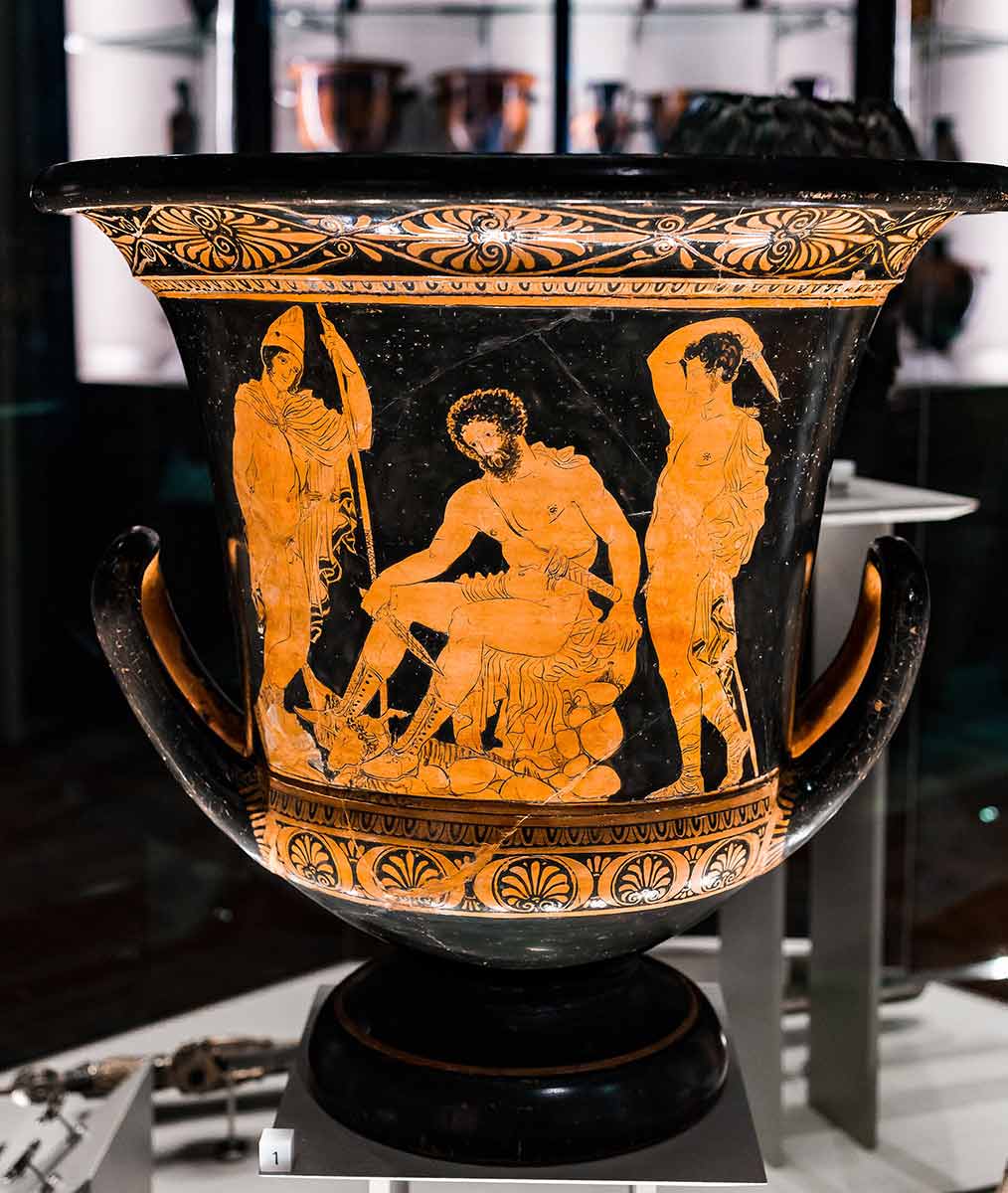
In the Odyssey, the hero was detained by the goddess and sorceress Circe, and the pair had a son, Telegonus, meaning “Faraway-born.” Now an adult, Telegonus sets off to find his father, equipped with a spear tipped with a poisonous stingray barb given him by his mother. Despite the ominous weapon, there is no hint of hostility in this estranged family.
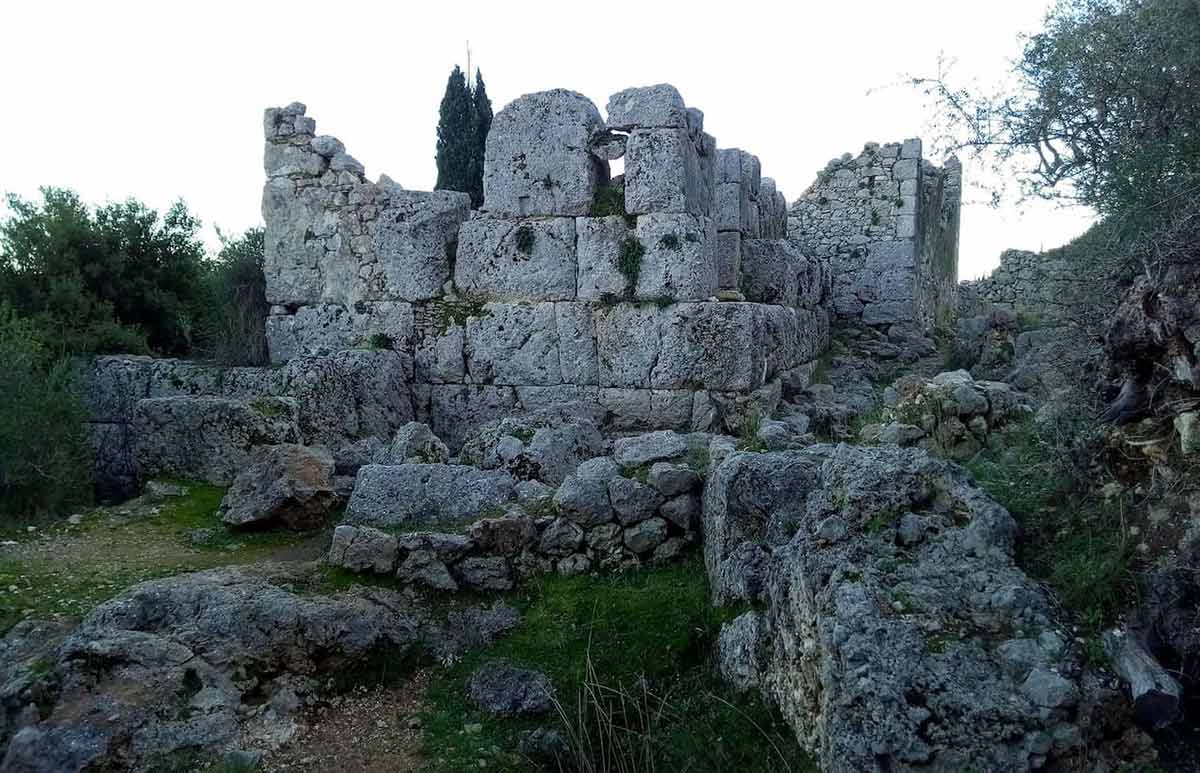
Unfortunately, Telegonus is blown off course and lands on an unknown island. Homeric characters turning up on unknown shores often take the opportunity to plunder. This drew a band of warriors to confront him, but Telegonus and his poisoned spear drove them back. In this confrontation, Telegonus stabbed an old warrior. Only as the man lay dying did he understand that he had landed on Ithaca and accidentally killed his own father. There was probably a recognition scene as Odysseus and Telegonus finally came face to face, but it was too late. Odysseus died on the shores of Ithaca in old age, as Tiresias had said. In being killed by a stingray barb, his death had indeed, in a way, come from the sea.
With Odysseus now dead and Telegonus presumably full of regret, there was the loose end of Odysseus’ family to tie up. Telegonus takes Penelope and Telemachus, along with Odysseus’ body, back to Circe. In a strange twist, Penelope and Telegonus marry while Circe marries Telemachus. Through the marriages to a goddess and a demigod, Odysseus’ family becomes immortal, giving them their happily ever after.
Does the Story Make Sense?
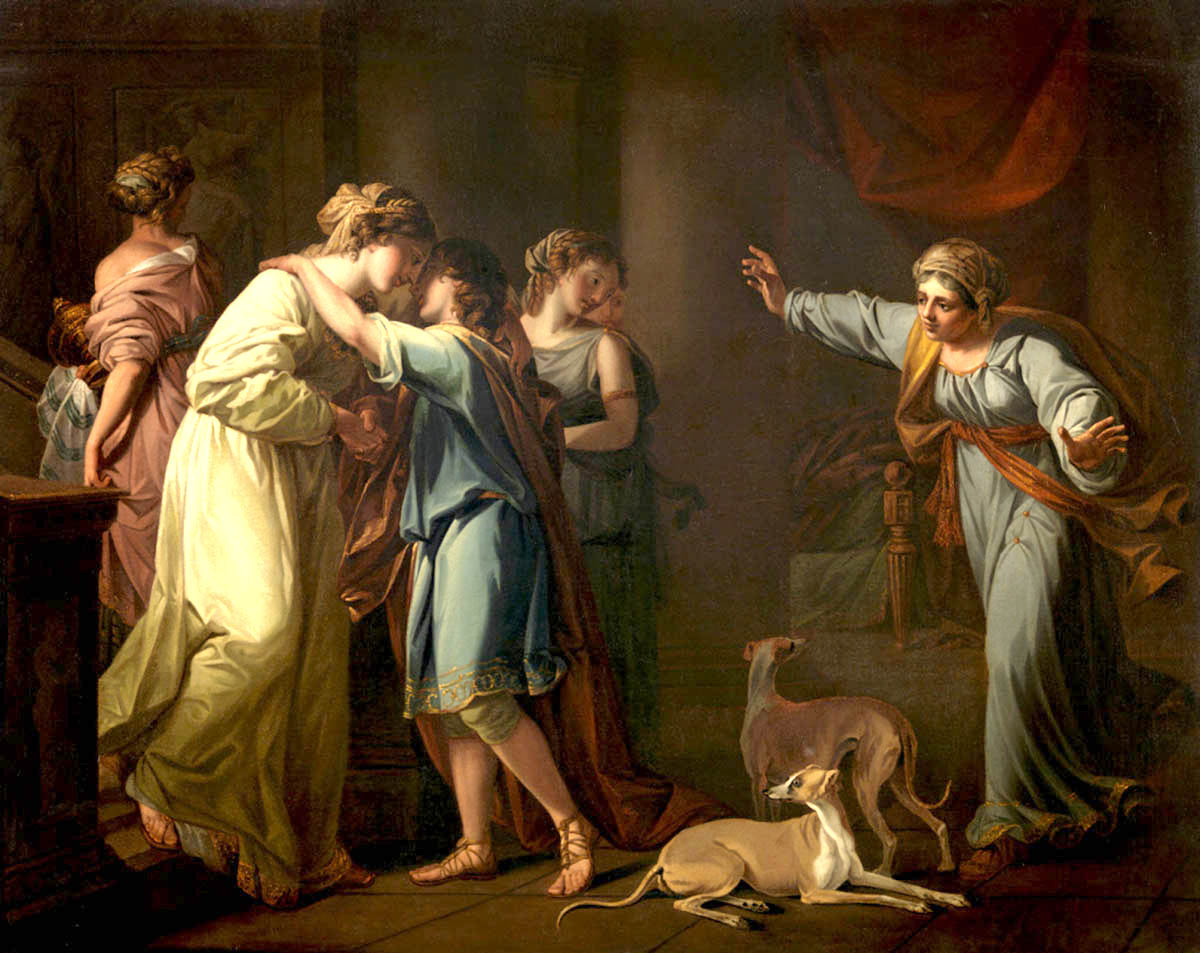
The Telegony could stand as evidence that unnecessary and confusing sequels are not just a feature of the modern world. Without Eugammon’s complete work, we must reserve our judgement, but the plot details we know have been criticized.
The first criticism is that the story seems disjointed, as there appears to be no connection between the years in Thesprotia and the story of Telegonus. The early episode of a visit to Elis also apparently contained an unconnected digression on the story of two robbers. Long-form works from the ancient world can often seem disjointed as they combine different stories. In the absence of this work, we cannot judge Eugammon’s skill in weaving a coherent tale.
While the Telegony tries to continue elements of the Odyssey by playing out the prophecy of Tiresias, it is also clearly at odds with its most renowned source material. Odysseus’ dying from a stingray barb can be seen as a death “from the sea,” but Tiresias’ claim that it would be a gentle death certainly does not fit with Odysseus’ end.
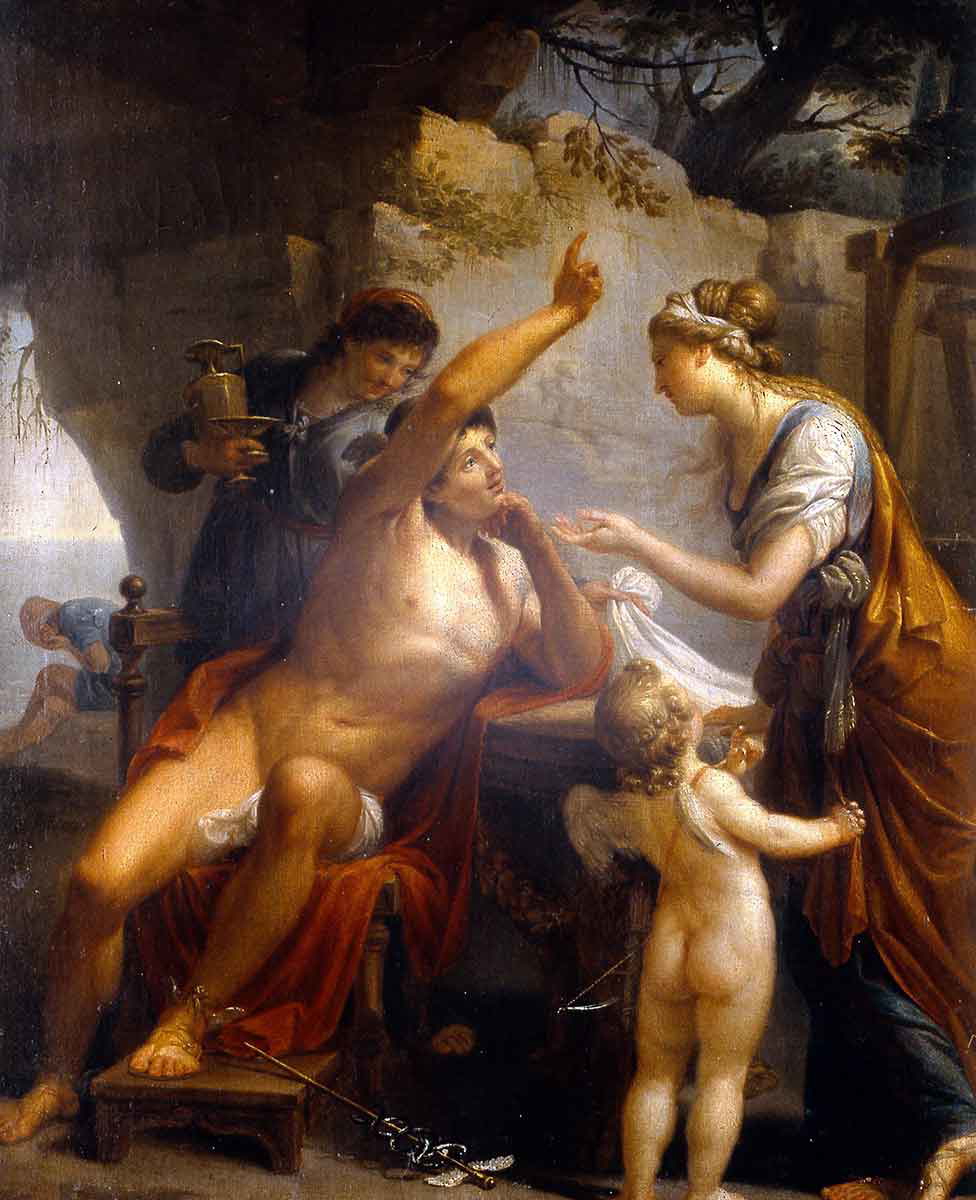
More seriously, Odysseus’ marriage in Thesprotia does not match his repeated desire in the Odyssey to return to Penelope. He is so determined to return that he rejects offers of immortality from Calypso in the Odyssey. Yet the Telegony seems to turn this on its head with a new marriage and immortality providing the happy ending (Burgess 2014, 119; Tomasso 2020, 146).
The years in Thesprotia may have originated in stories of Odysseus’ exile following the murder of the suitors. The consequences of that act were dealt with in the Odyssey by the intervention of Athena. Any Greek would know that a peaceful life at home after a bout of serious civil strife was little more than a fantasy. That Odysseus was forced to leave again is a more realistic story.
The marriage to Callidice is perhaps not such a departure, considering Odysseus reportedly had long relationships with Circe and Calypso. The happily ever after ending of marriages and immortality seems far too convenient, though it seems Eugammon at least rejected versions of the story that have Odysseus resurrected. We should bear in mind that the Telegony appears to be the conclusion of the Epic Cycle, so this is a happy ending not just for Odysseus’ family, but the entire Trojan story (West 2013, 306).
A Fitting End to the Story?
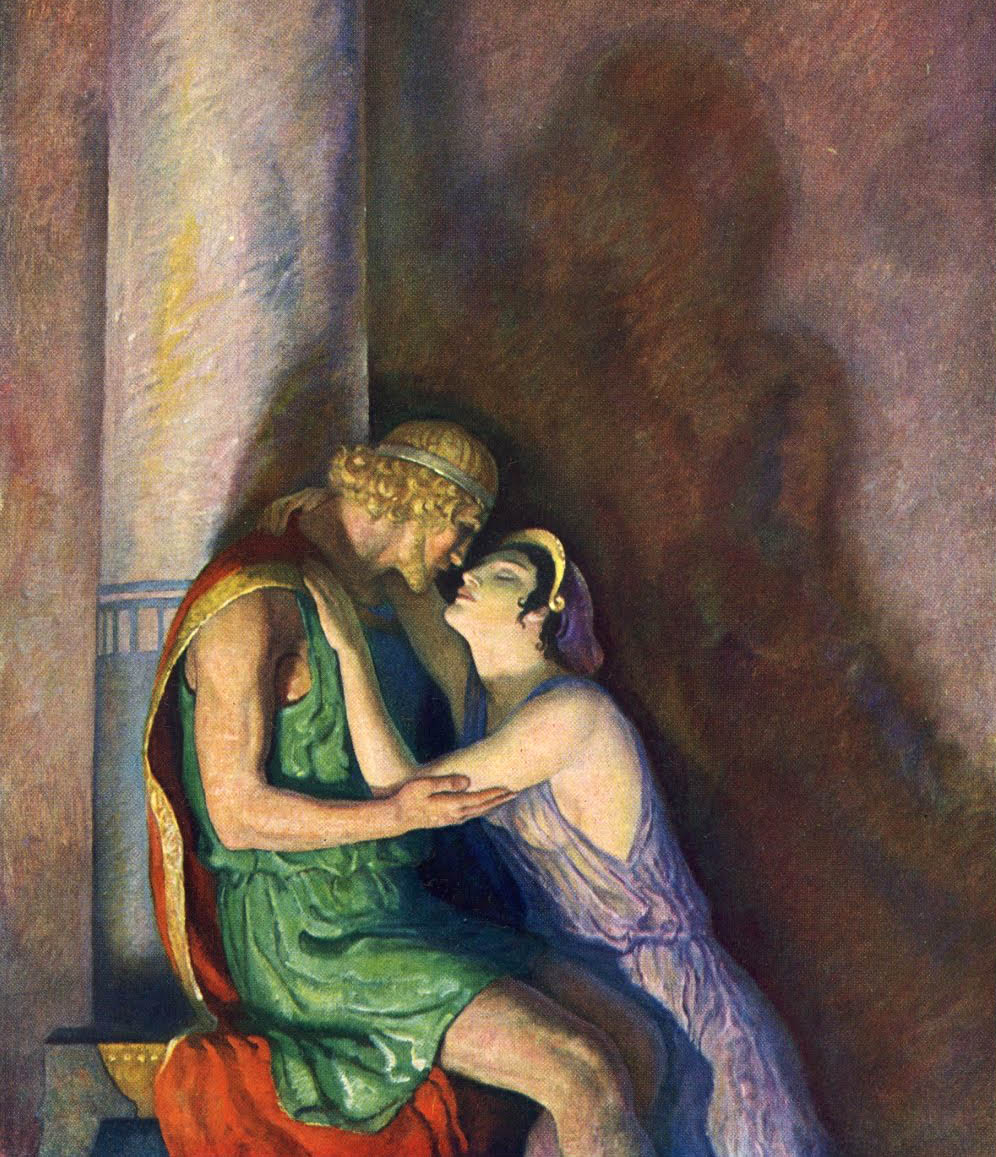
Odysseus’ further travels and accidental death feel pessimistic and unnecessary. But it is not out of character for Odysseus. After decades of a heroic life, Odysseus’ retiring quietly on Ithaca is perhaps less realistic than continuing trials. His death, coming by accident from the son he fathered on his travels, can be seen as the consequences of his actions, without implications of guilt, finally catching up with him in the end.
A similar view of Odysseus and his life has inspired modern poets. The 19th-century Greek poet Cavafy used his most famous poem, Ithaca, to transform the voyage home into a more open-ended, ongoing search for meaning. Tennyson too saw his Ulysses dissatisfied with the calm life and setting sail once more.
Sources
- Burgess, J.S. (2014). “The Death of Odysseus in the Odyssey and the Telegony,” Philologia Antiqua 7: 111-122.
- Davies, M. (1989). The Epic Cycle. Bristol Classical Press.
- Tomasso, V. (2020). “The Immortality Theme in the Odyssey and Telegony,” Classical Journal 116.2: 129-151.
- West, M.L. (2013). The Epic Cycle: A Commentary on the Lost Troy Epics. Oxford University Press.