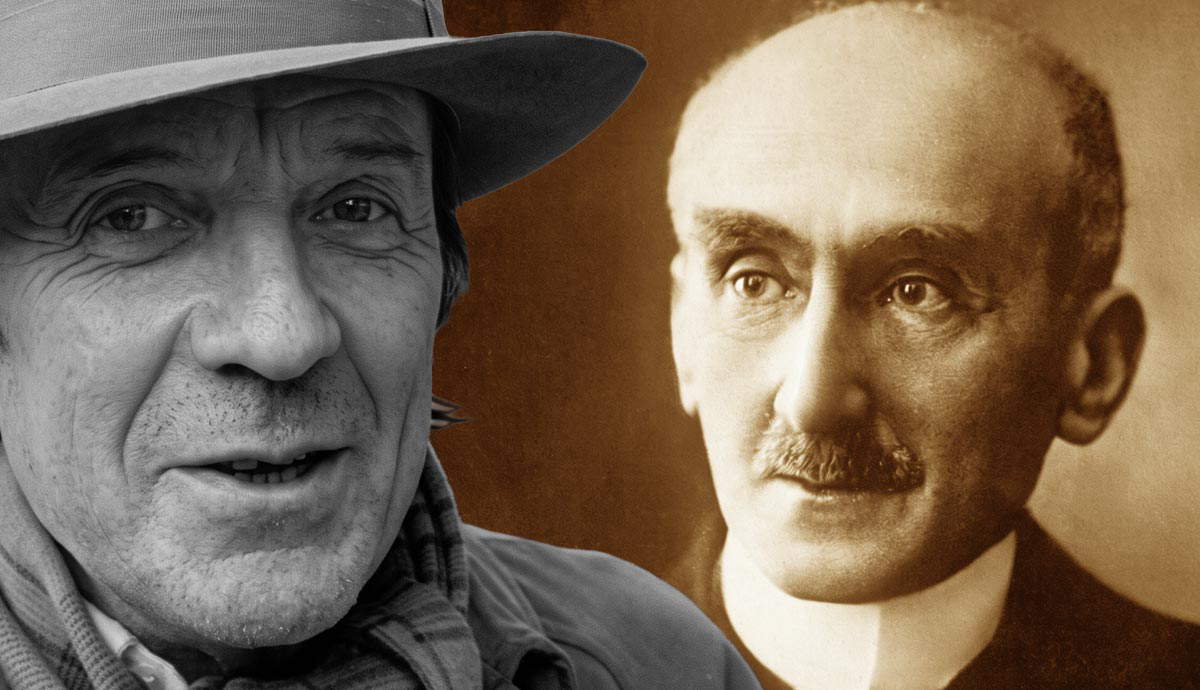

For Deleuze, art is not merely beautiful images or statues. The French intellectual giant of the 20th century believed that through art, one could reach new feelings and experiences that were above the standard. To him, though, art does not reflect reality. Rather, it is an instrument for unveiling other realities. According to Deleuze, through art, we can think otherwise, feel different worlds around us, and sometimes oppose even accepted rules of social conduct. Let’s explore his interesting philosophy.
Art as an Expression of the Virtual
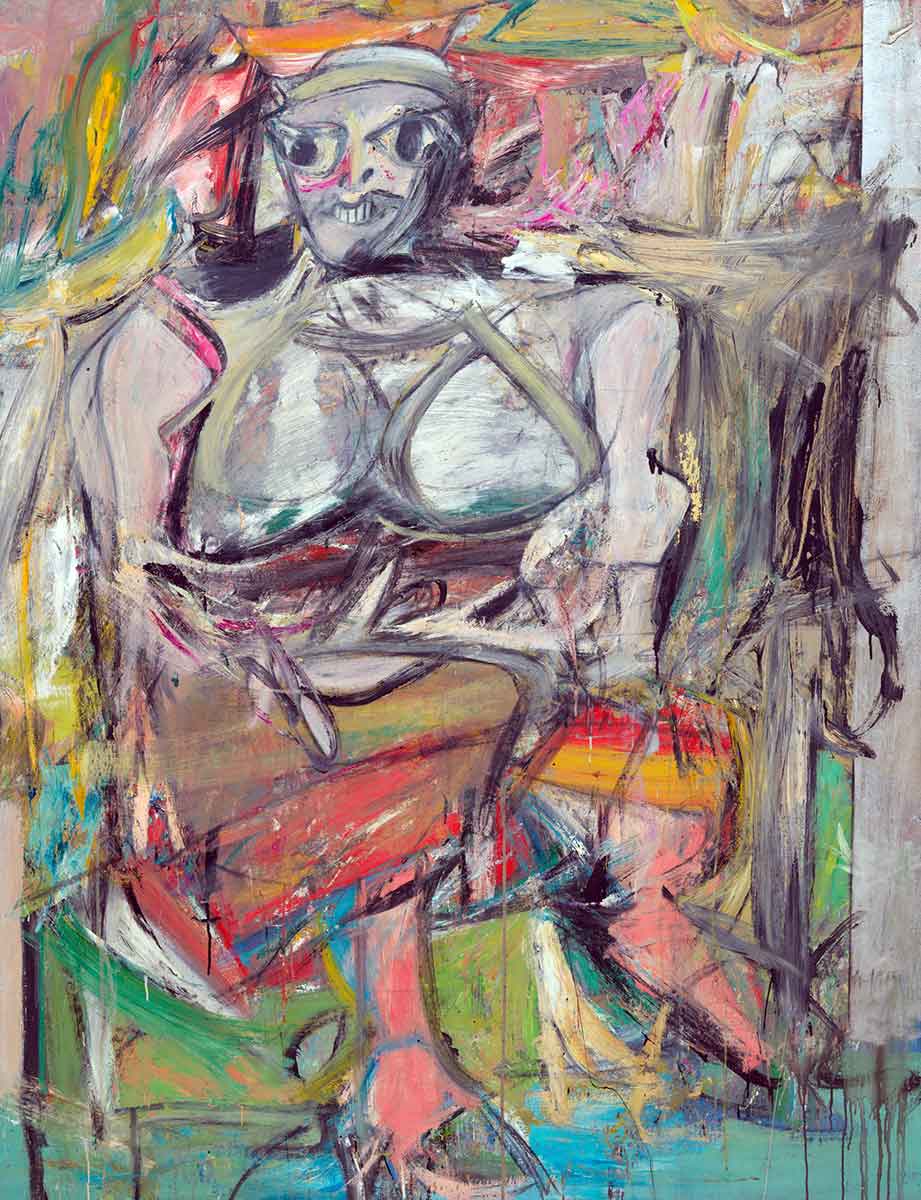
The first concept we want to analyze when determining what art is is the concept of “virtual.” According to Deleuze, the term “virtual” does not refer to abstract realities that cannot be reached. Rather, it is a sphere of potential where we can find all sorts of things, such as certain forms of being or even alternative worlds that are non-existent yet possible.
The virtual does not oppose the real. Rather, it lies beside and within the real as potential waiting for actualization. To Deleuze, art serves as a connection between these worlds.
In the act of creation, artists do not just imitate what surrounds them. They access the virtual in order to introduce some innovation or change in the physical world around them.
For instance, take the surreal painting. It may be an unreal landscape with non-existent-looking interposed images, but it helps us see how reality may differ from what we usually think about.
Artists go beyond being creators; they are explorers of the virtual world. Through their work, they enable us to feel in ways we have never before or consider situations that are strange to us.
Think about a movie that makes you feel like you are in a different place altogether. Or an abstract painting that messes with your head about where one thing ends and another begins. Art has the capacity to bridge the real and the unreal to give us some insight into the potential side of it.
The Role of the Artist as a Creator of New Sensations
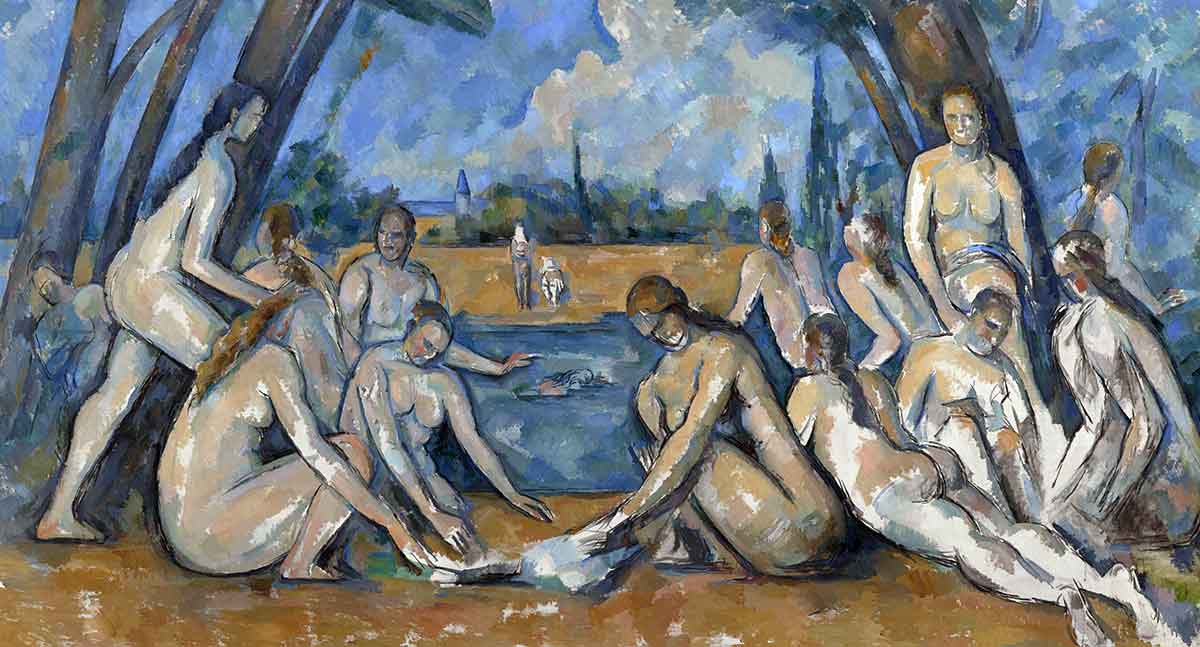
Let us now determine the identity of the artist. According to Deleuze, the artist is more than a creator. They are a revolutionary, too.
Creating new sensory stimulations that contradict commonplaces of understanding employed by humanity is the primary task of an artist. Innovation does not mean taking things as they are and putting them down in a different place; rather, it means going beyond or above what is ordinarily thought or felt.
For example, consider contemporary art. Imagine one of Jackson Pollock’s works. Those messy and nonrepresentational paintings appear incomprehensible at first sight.
Nevertheless, they make us see deeper into their essence and experience other emotions, such as courage or anger while doing this. So this is how Deleuze understands art, giving rise to “new feelings.”
According to Deleuze, art does not simply represent feelings or things. It is more than just depicting the world as it is. Rather, art changes how we feel and think by giving us new experiences that can make our minds and senses work differently.
When a song, painting, or movie completely takes us out of ourselves and shows us something we had never expected before (or had never noticed), they become ways of altering perception. They jolt us into seeing afresh.
In these terms, art does not mirror the world back at us but continually changes it; he calls such works “transformative tools.”
Art as a Process of Becoming
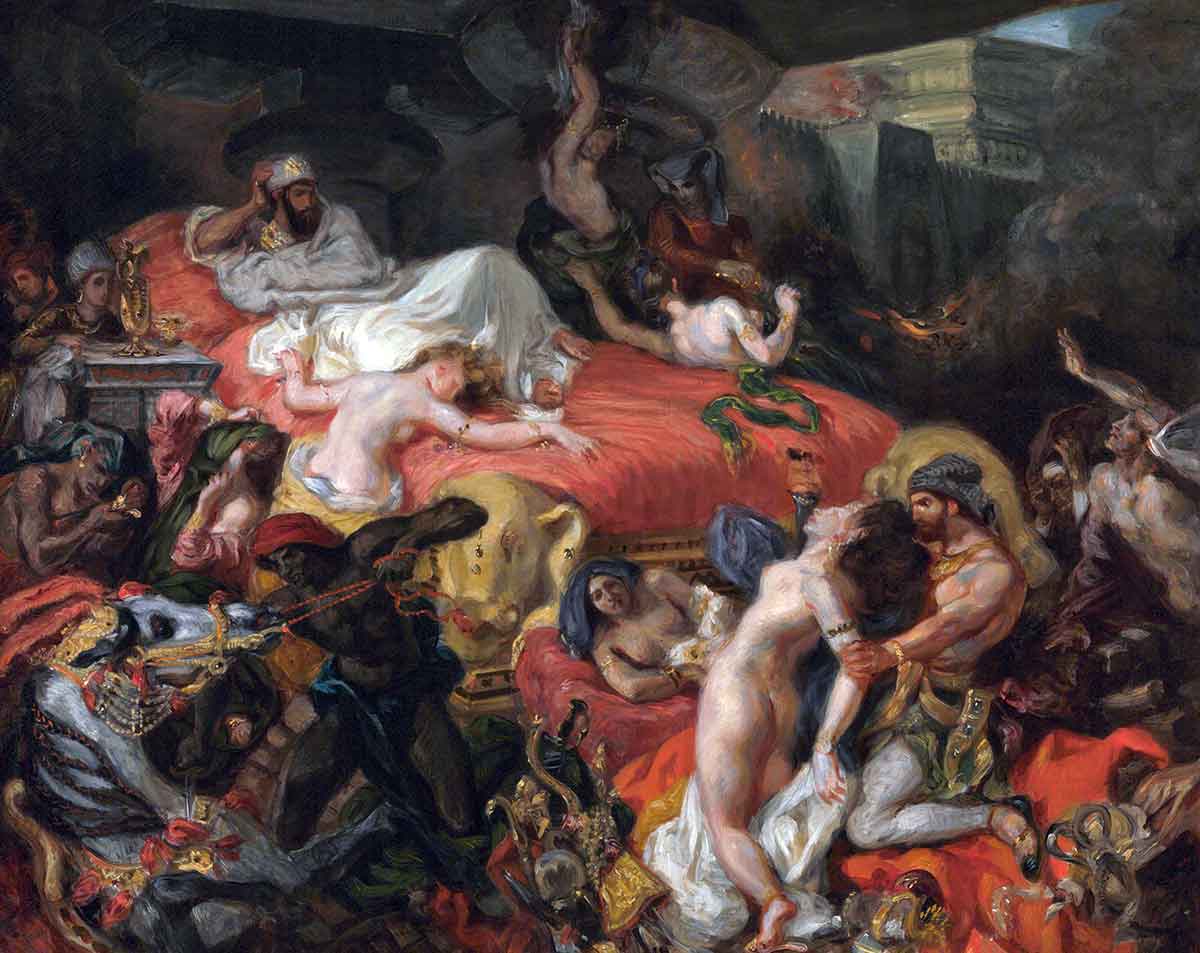
In Deleuze’s philosophy, the notion of “becoming” involves change, transformation, and flexibility. In contrast to the usual view that art is a fixed end product—a painting or a sculpture finished and sitting there for you to look at—Deleuze thinks of artworks as dynamic processes. They show things changing.
To illustrate this idea, take an example: think about a sculptor working on a piece of stone. Because they are still sculpting it, we would not say the sculpture is finished. Far from it, its shape keeps taking (new) form as the sculptor works.
“Becoming” captures this state of flux and change perfectly. Artworks are always becoming other than what they already are. They are always becoming something new.
Art is brimming with potential and is always changing. One day, it might make you think of one thing, while another day, you might have a completely different interpretation.
Deleuze asks us to rethink who we are and what art is for. Instead of thinking of an artwork as if its job is to remain still while we gaze at it (and take from it whatever we like), he wants to shake up our ideas about identity or fixedness.
Art doesn’t have to be something finished and complete that we merely observe from a distance. It can become part of your life: you can change it; it can change you.
Art and the Aesthetic Encounter: Deleuze’s Anti-Sublime
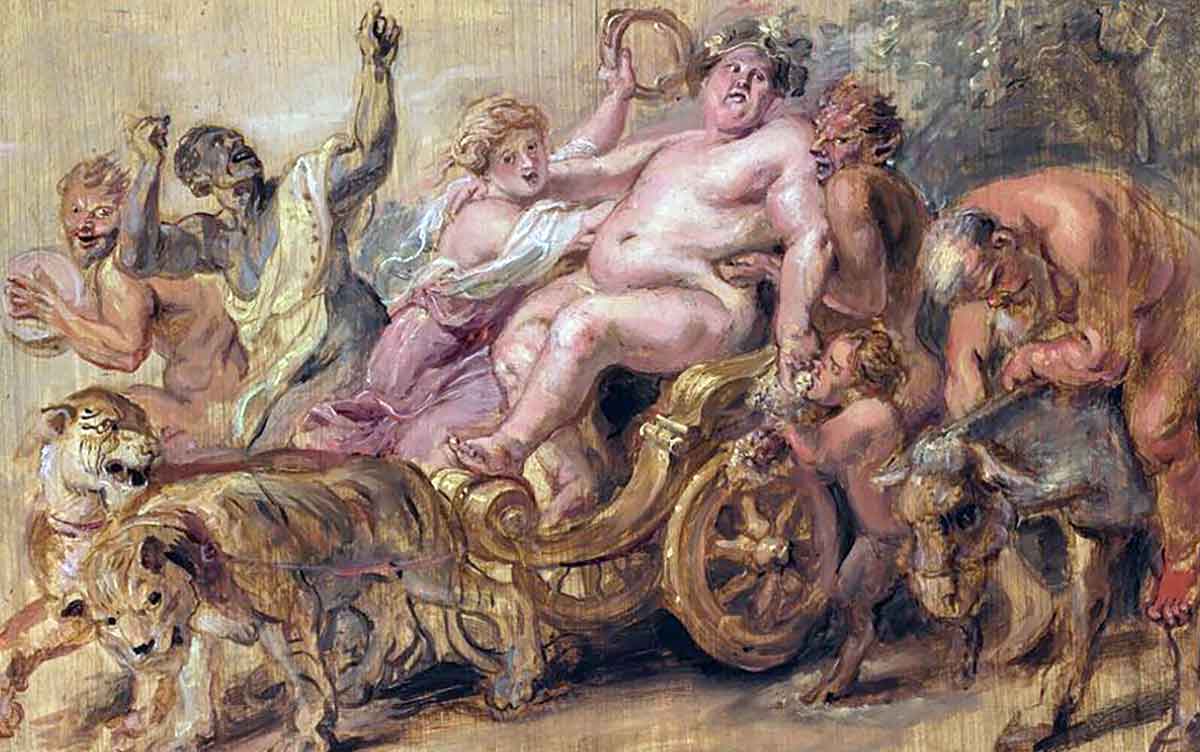
In his analysis, Deleuze questions the conventional notion of sublimity, in which art is presumed to elevate humans to some kind of otherworldly divinity.
The sublime refers to an overwhelming sense of awe and transcendency, which belittles man in the presence of a genuine and orderly unity. However, for Deleuze, art is not always aimed at perfect or pure things but involves facing chaos, diversity, and intensity.
According to him, fine arts do not provide peace but trouble people in one way or another. A work of art can propel us into a sea of intricacy in which nothing means what it may seem to mean.
The paintings of Francis Bacon, which are disorderly and confusing, are anything, but still, they make us shiver and give us a chill. It confronts us with harsh truths and emotions that we prefer to ignore.
This reconsideration of aesthetic experience gives way to art’s much more subversive role. It is no longer primarily concerned with providing a “sublime” or “beautiful” experience for someone but rather pulling them into an active process.
Art is not mere opium for the masses. It raises our spirits and intellect, too, raising many questions. This tells us something important about reality—which is meant here in its non-ideal sense as an immensely various and intense phenomenon. This is what art does for Deleuze: it incites, disturbs, and transforms.
The Rhizomatic Nature of Art
The notion of the “rhizome” in Deleuze and Guattari’s work points to a nonlinear and interconnected system. Picture an underground root system spreading in all directions with no distinct point of origin or end.
This kind of structure grows erratically, connecting various nodes in unpredictable ways. The concept challenges us to rethink how systems work, whether they are artistic or not.
According to Deleuze, art works much like this. It does not unfold along straight lines or adhere to fixed hierarchies. Consider a piece of music or film that moves through different emotions, ideas, and genres without following any one path for very long.
A song might begin peacefully but then veer into chaos; here, its development resembles an unpredictable plant rather than classical notions about how things grow (or in what patterns they change).
This rhizomatic perspective rejects the traditional concept of art as having structure or predictability. Rather than adhering to a particular style or storyline, works of art can move in unforeseen directions, forming links with one another as they do so.
This approach values plurality over hierarchy. It welcomes many kinds of artworks and connections between them, some of which may surprise you. It also suggests that every piece creates multiple new paths for itself, some of which cross with those of other pieces.
Art’s Political Potential: A Tool for Resistance
According to Deleuze, art does more than express beauty. It can also interact with politics and disrupt the current state of affairs. Art offers a means of resistance, pushing back at social norms by asking questions rather than providing answers.
For example, consider protest songs or political cartoons. These forms of expression break the rules to suggest fresh ideas.
The reason art is political is because it has the power to make new things seem normal. When artists depict something that is not (yet) part of everyday life, they do not only show how the world is. Instead, they also imagine what kind of place this could be where their vision was reality.
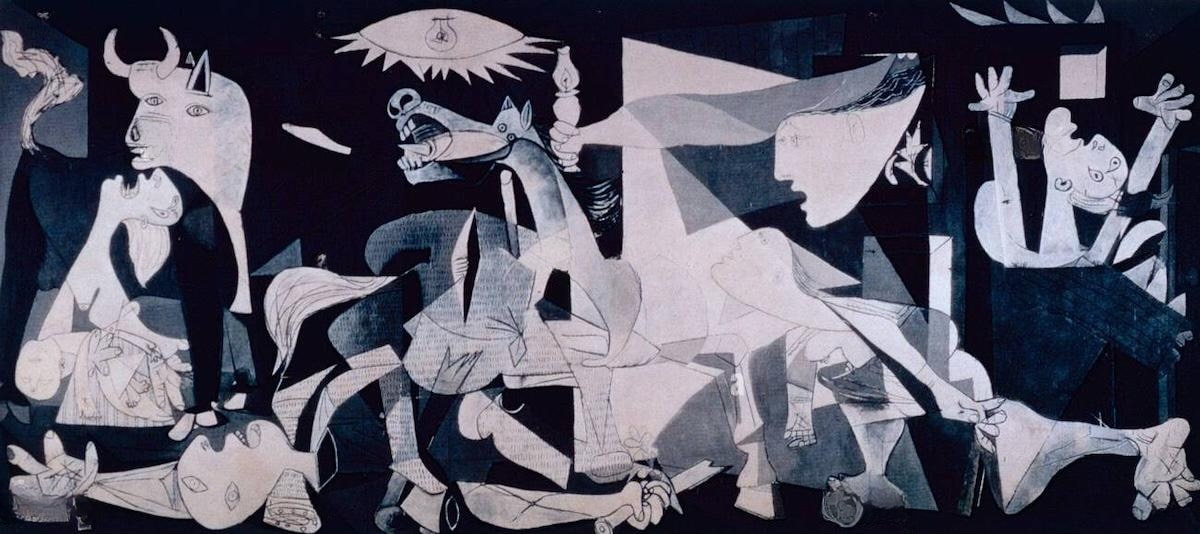
Consider Picasso, whose painting Guernica was revolutionary in its presentation of war and pain—an invitation not to glorify violence but to experience it as the ultimate human reality. The artwork conveys the suffering brought by conflict so powerfully that viewers cannot help but reassess their feelings about both warfare and its perpetrators.
Yet art does not stop at the abstract idea. It affects individuals very forcefully. People feel deeply moved by things they see or hear. This emotional response can prompt a reevaluation of life’s big questions, sometimes with political consequences (as history has shown).
When works of art show us new views of familiar things or make formerly unremarked-upon details suddenly salient, they teach us that objects need not conform to social or political dictates.
Those objects can be seen—and therefore, the whole world can be seen—in radically different ways. In this sense, all art is political: it makes people think and feel.
So, What Is Art for Deleuze?
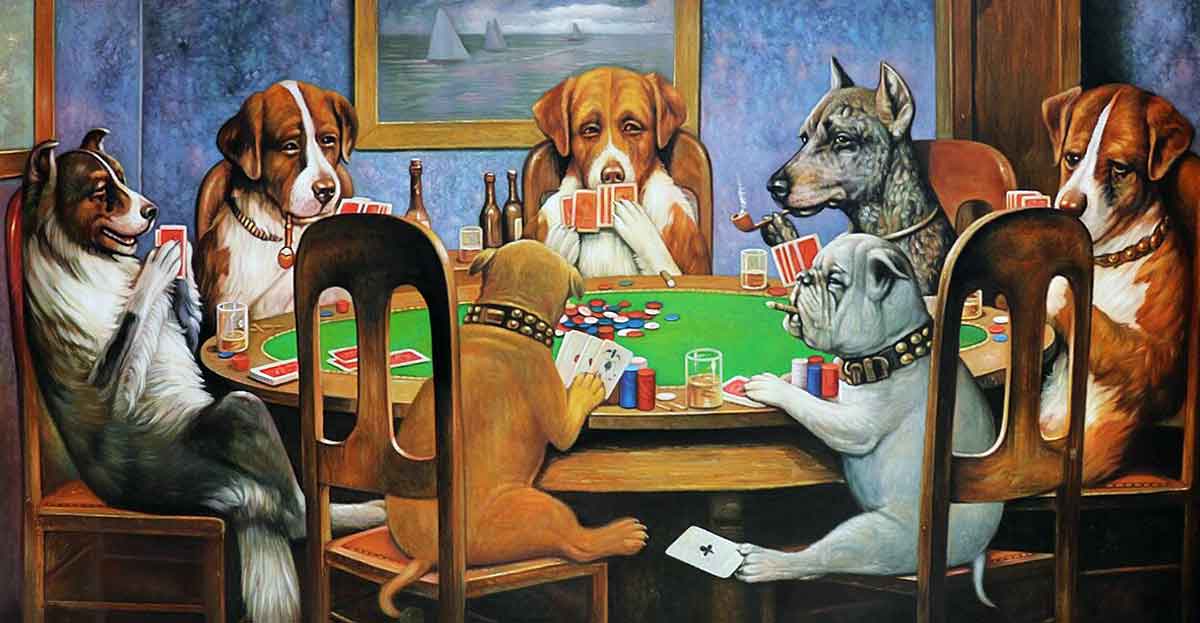
According to Deleuze, art does more than just look pretty or make you feel things—it links the real with the virtual in ways that can change lives.
Art is always changing. As it changes (or develops), it asks us to help it do something new. It messes with our usual ideas of what things are supposed to look like by showing them differently.
Deleuze isn’t keen on old-fashioned sublime-ness either: he’d rather pictures were wild and weird than calm or majestic.
His idea of how art works has lots in common with a plant. It grows in all directions, not just up! This view makes arty stuff seem very useful if there are rules you want to question or realities you feel like making up.
Overall, paintings, sculptures, and films don’t just reflect the world’s problems. They can also change how people think about them—especially when they get their hands dirty!