
The concept of the Body without Organs (BwO) is somewhat strange to most people’s ears. Developed from the works of French philosopher Gilles Deleuze, it was then extended with the psychoanalyst Félix Guattari. In simple terms, the BwO does not literally mean anything about a body without organs. Rather, it is a theoretical device challenging traditional notions of identity, structure, and desire. It is a zone of potency, a philosophical tool by which we rethink the concepts of liberty, creativity, and subjectivity. So, let’s dive into detail.
From Artaud to Deleuze and Guattari: The Genesis of the Body Without Organs
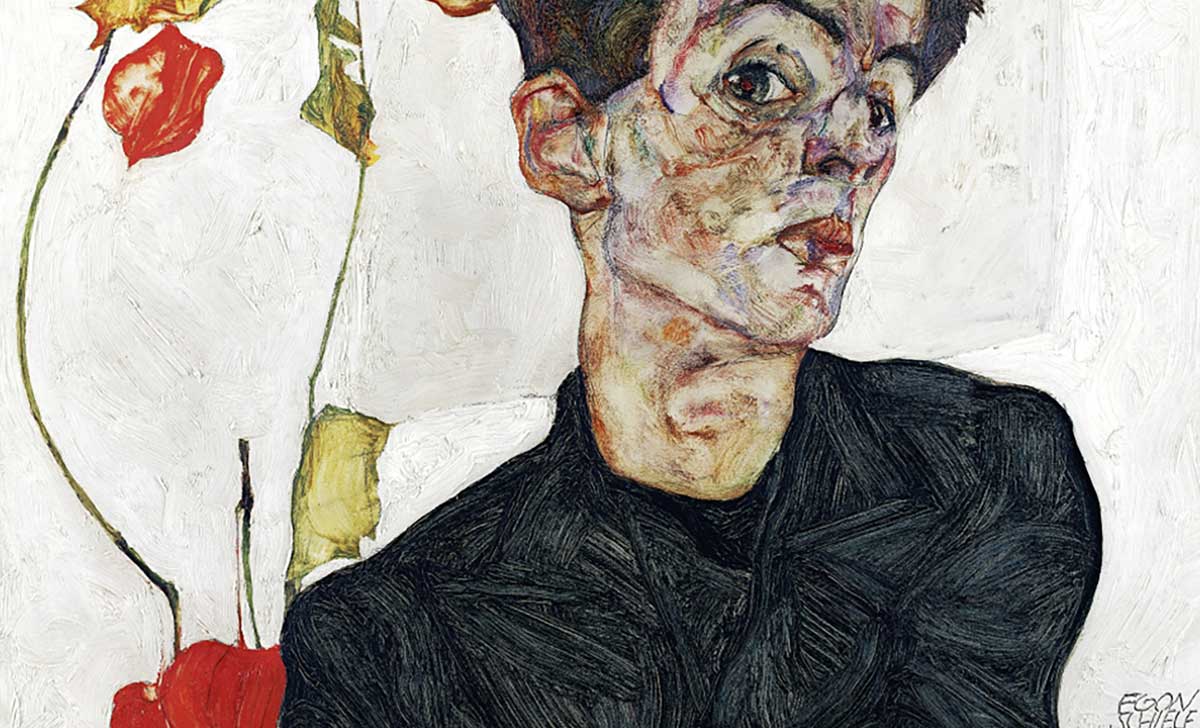
The concept of the Body without Organs (BwO) originates with Antonin Artaud, a French playwright and poet famous for his radical theories on the human body. In his works, especially in his Theater of Cruelty, Artaud sought to break free from conventional representations of the body.
The poet thus envisioned a body free from the shackles of social or biological confinement, able to express raw, unfiltered emotion and sensation. The body here was not about organs as such but a space of infinite possibilities, bereft of hierarchy and structure.
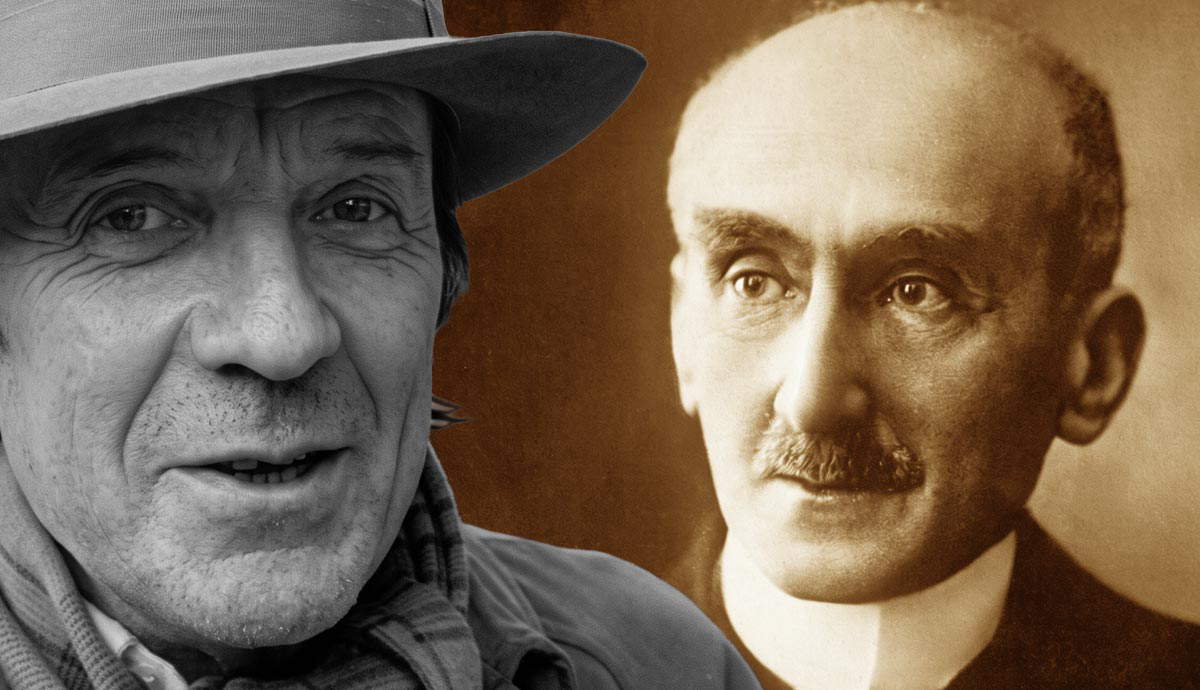
When Gilles Deleuze and Félix Guattari encountered Artaud’s ideas, they realized there was a much deeper possibility inherent in them. In their collaborative works, primarily Anti-Oedipus, they extended the BwO into a philosophical tool of critique against systems in society and psychoanalysis.
They were interested in how the BwO might disrupt the predefined structures, whether political, psychological, or social. Instead of thinking of the body as fixed or organized, Deleuze and Guattari used the BwO to talk about freedom, creativity, and new ways of being.
For them, the BwO is a space of transformation where anything is possible, and no fixed identity or role limits us. It was a concept beyond the body; it was a concept of thinking, living, and breaking free from constraints.
Defining the Body Without Organs: An Overview of the Concept
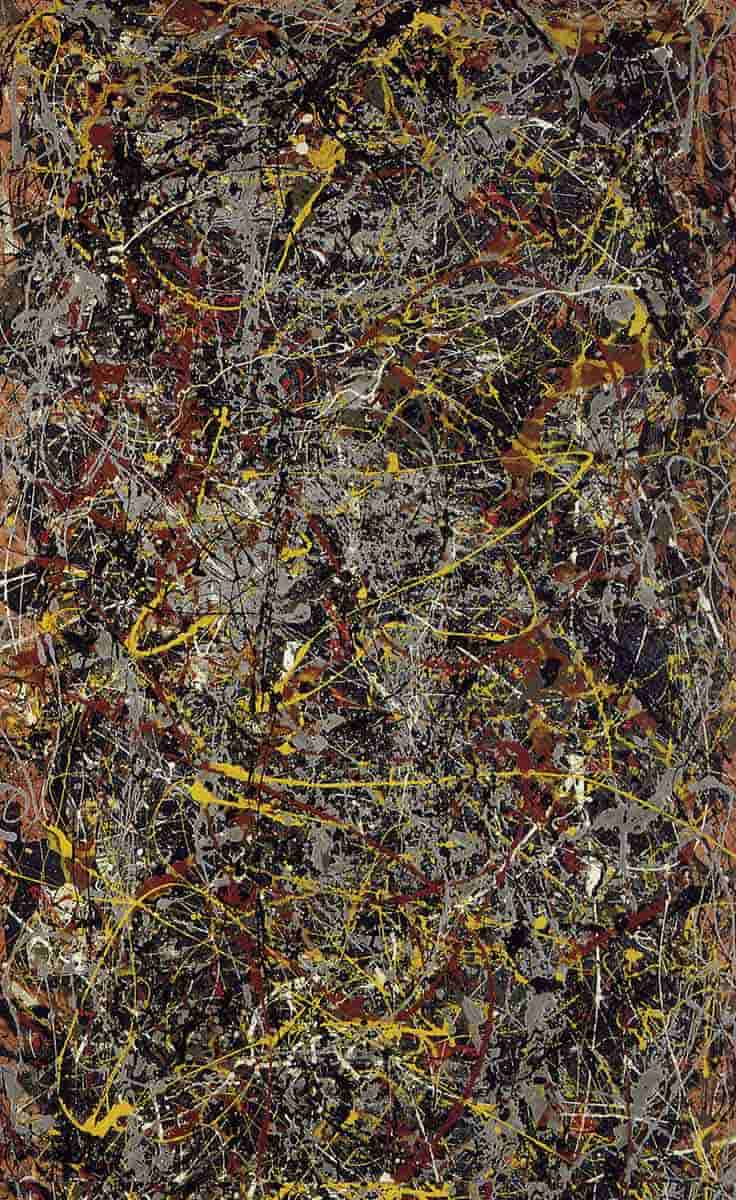
The BwO might sound a little weird. It is a conceptual tool that will challenge how conventionally we think about our bodies and identities.
A body free from its biology, society, and psychology—one that isn’t constrained to certain roles and preordained functions. It’s not an organized, functioning system of organs but space and potential. This idea builds on the philosophical heritage of thinking against rigid structures.
Think of René Descartes and his famous mind-body dualism: the body was a machine controlled by the mind. Well, the BwO is the opposite. Instead of a mechanical body defined by its parts, it is a body of possibilities, a body of becoming creative, a body of transformation. It is not about void or lack; rather, it is freedom to experience life beyond boundaries.
More to the point, perhaps, is the artist-say, an abstract painter or a dancer who breaks free from conventions and allows raw, unfiltered expression to flow through them. This is the essence of the BwO. It is a body freed from the norms that usually define it, a body where new connections and possibilities can take shape.
It’s about embracing the unknown, allowing the body to be whatever it needs to be, unrestricted by any predefined system.
Desire, Machines, and the Production of the Real
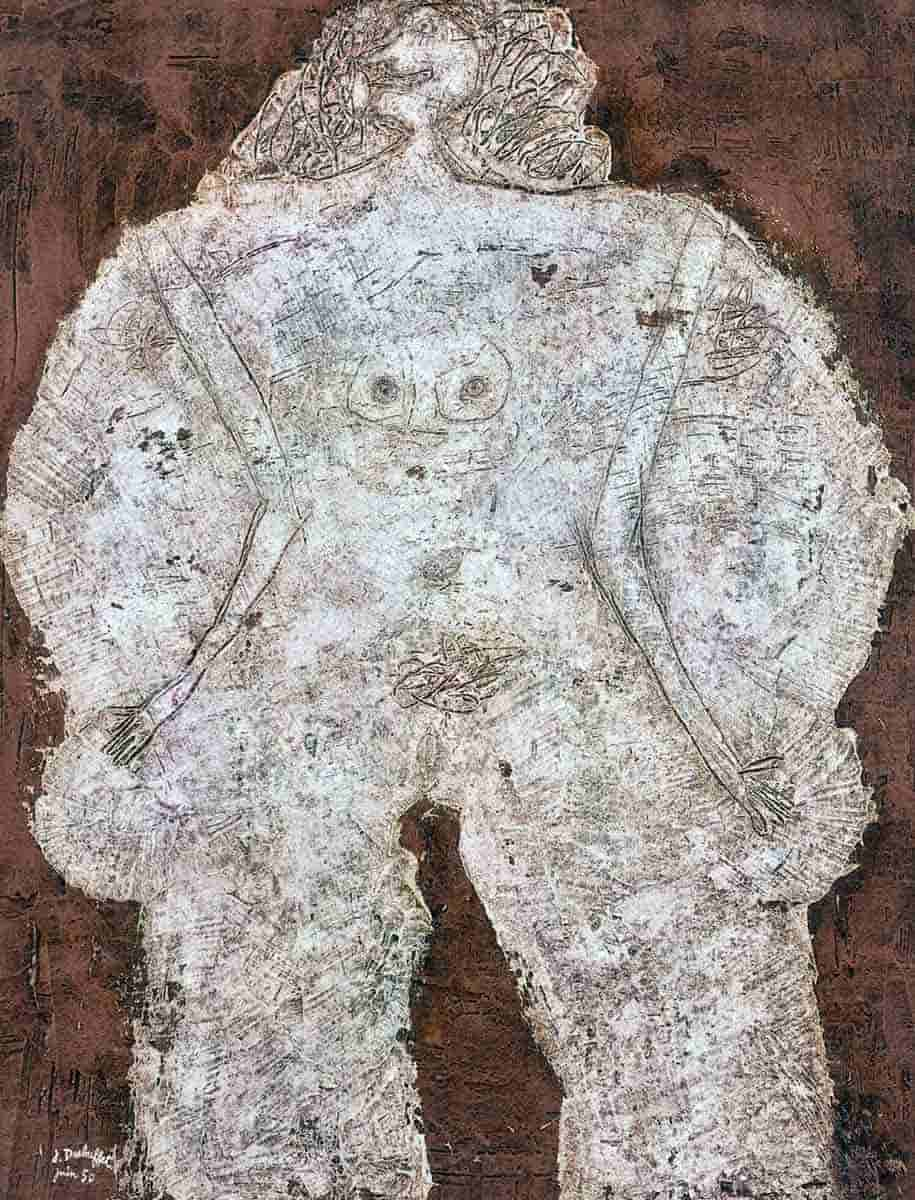
In philosophy, desire is conceptualized as the feeling of a lack of something one wants but does not have. Think about the traditional view of desire in Sigmund Freud’s psychoanalysis: we desire what we do not have, and connected with that desire is a feeling of emptiness or need.
Deleuze and Guattari turned this idea upside down. Instead, they claim, desire is a powerful, productive force: it is not about wanting something to fill in a lack but about creating new realities and possibilities.
They introduced the concept of the “desiring machines.” These were not literal, physical machines at all but more conceptual. In fact, it is almost a force of desire-organizing energies. One could envision these as networks or processes by which energy and material are put to the production of something new, continually moving and changing.
This is where the Body without Organs enters: the space of desire flow, the functioning of these desiring machines, and the formation of new experiences, identities, and realities. There is no fixed direction or terminal point, so the BwO is all about continuous transformation and creation.
For example, the desire of an artist to create an abstract piece of art is not taken through a linear path. It is not about the perfection of the image but the creation per se.
This again reflects how Deleuze and Guattari viewed desire: not as a lack to be fulfilled but as an active force that carves the world for us.
Intensity and Flow: The BwO as a Plane of Immanence
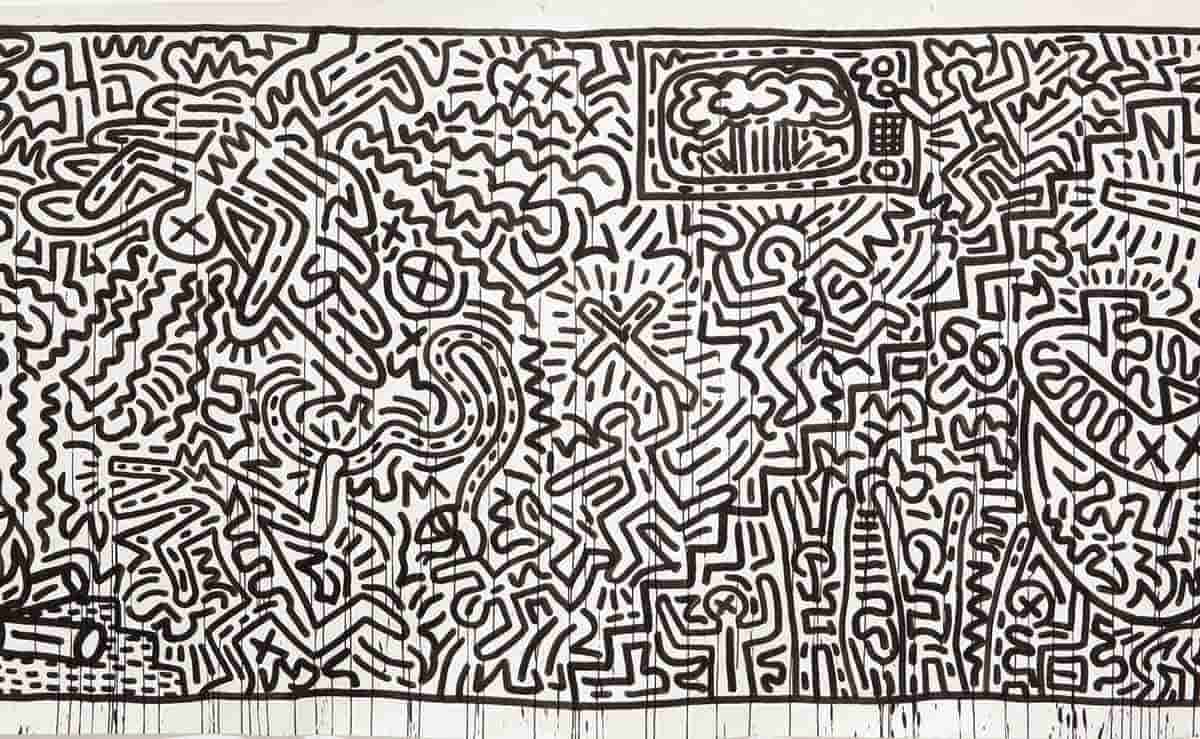
In Deleuze’s philosophy, the notion of intensity does not refer to emotional states of happiness or sorrow. Rather, it is a flow of energy or intensity that courses through the Body without Organs.
One good way to imagine intensity is to think of it as the spark driving transformation. For example, when you are in that state of creative flow, where ideas and energy just seem to flow with no apparent effort.
Intensities can be understood to mean different powers or changes that are possible in this open space that is undergoing constant change and evolution. The concept of BwO is not stagnated or immovable; more precisely, it is like dynamic geography where everything is possible.
These intensities are related to what Deleuze has termed flow. A flow is not of emotions or thoughts but rather the energy in itself, without bounds.
Think of a river that’s constantly changing course or even an artist on a painting: there is no end result, just change, and lots of it. This BwO is this plane upon which all sorts of flows could meet—emotional, creative, and political—and around which transformational processes could invent a different kind of world.
What is interesting is that Deleuze introduced the concept of the line of flight. In simple terms, it is a specific route through which we can escape from old systems and thinking patterns.
So, here, BwO can be this line of flight. It can enable us to break free from any predetermined patterns. They can just limit us. The line of flight can help open up new life possibilities.
Stratification, Assemblages, and the Process of “Organ-ization”
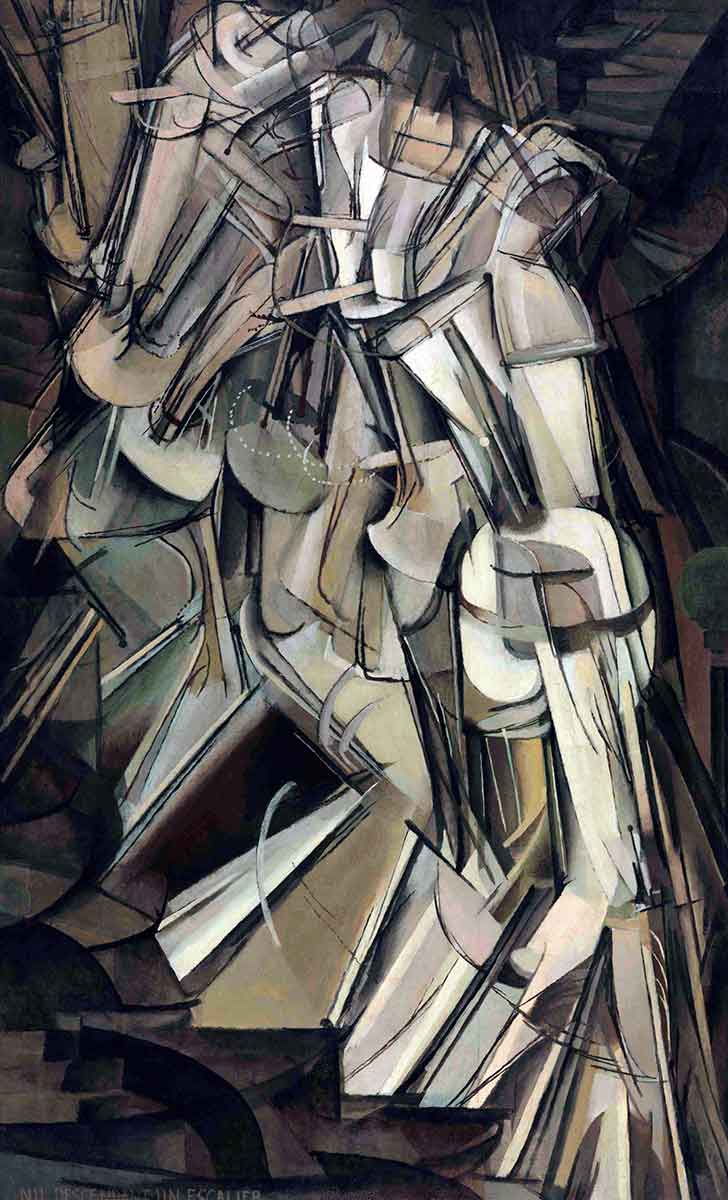
Stratification refers to the process of organizing fixed, rigid categories of people, ideas, or desires, just as society stratifies individuals into gender, race, or social class. Consider how such categories can constrain a person, often squeezing them into roles that do not accurately reflect their identity.
For instance, society so often prescribes what a man or woman should be—a “proper man” or woman—or to which class of people we would “belong.” It blocks the freedom to express ourselves in any way we elect.
Deleuze and Guattari critique those stratifications that limit human potential through these predefined roles, blocking the flux of creativity and desire.
BwO resists this rigid organization. It’s not about fitting into a specific, static structure. Instead, it’s about creating new, fluid ways for energy and forces to connect.
It is here that Deleuze and Guattari’s concept of assemblages comes into play. Assemblages are transitory, ever-changing, rhizomatic networks comprised of people, desires, practices, and ideas that do not fit into traditional categories. They come together and break apart unexpectedly—and the BwO figures centrally in these changes.
At the heart of this is the tension between territorialization—the organizing of flows—and deterritorialization, the disruption of those systems. The BwO is the battleground where these forces constantly reconfigure, making space for new possibilities. It’s a constant act of transformation, refusing to be limited by rigid categories.
Schizoanalysis and the Path to a Body Without Organs
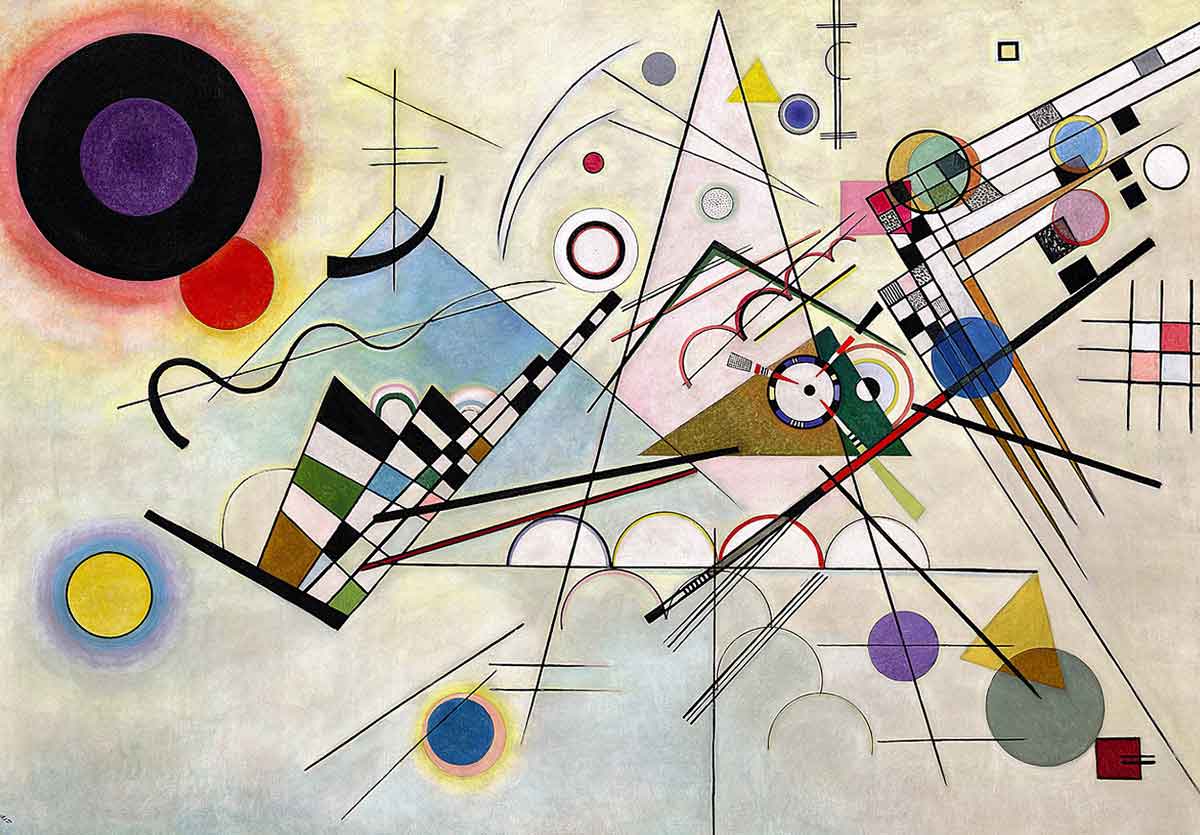
Schizoanalysis is a term Deleuze and Guattari use to describe their alternative to traditional psychoanalysis. Whereas psychoanalysis often reinforces societal norms and structures, schizoanalysis aims to free desire from these constraints.
Schizoanalysis focuses on the creative, productive potential of desire rather than interpreting it through the lens of lack or repression.
The BwO plays a crucial part in schizoanalysis. It allows people to delve into their unconscious without hierarchy or representation. Schizoanalysis wants individuals and groups to be able to follow their desires wherever they lead, even if this means going against what is considered normal behavior or well-adjusted thinking by most of us.
In this way, the BwO becomes a space where it is okay to experiment with new kinds of existence that have never been seen before—or maybe just haven’t been thought up yet.
On a political and social front, there is revolutionary potential in the BwO. If people take it up, they can push back against how oppressive social systems are structured. They can show who they are in ways that break free from old categories and ideologies or make new ones.
Schizoanalysis sees the BwO’s liberatory promise. It helps unleash desire from social bounds—and lets its sparks fly. Hence, cool new things may happen with transformation, too.
So, What Is a Body Without Organs?
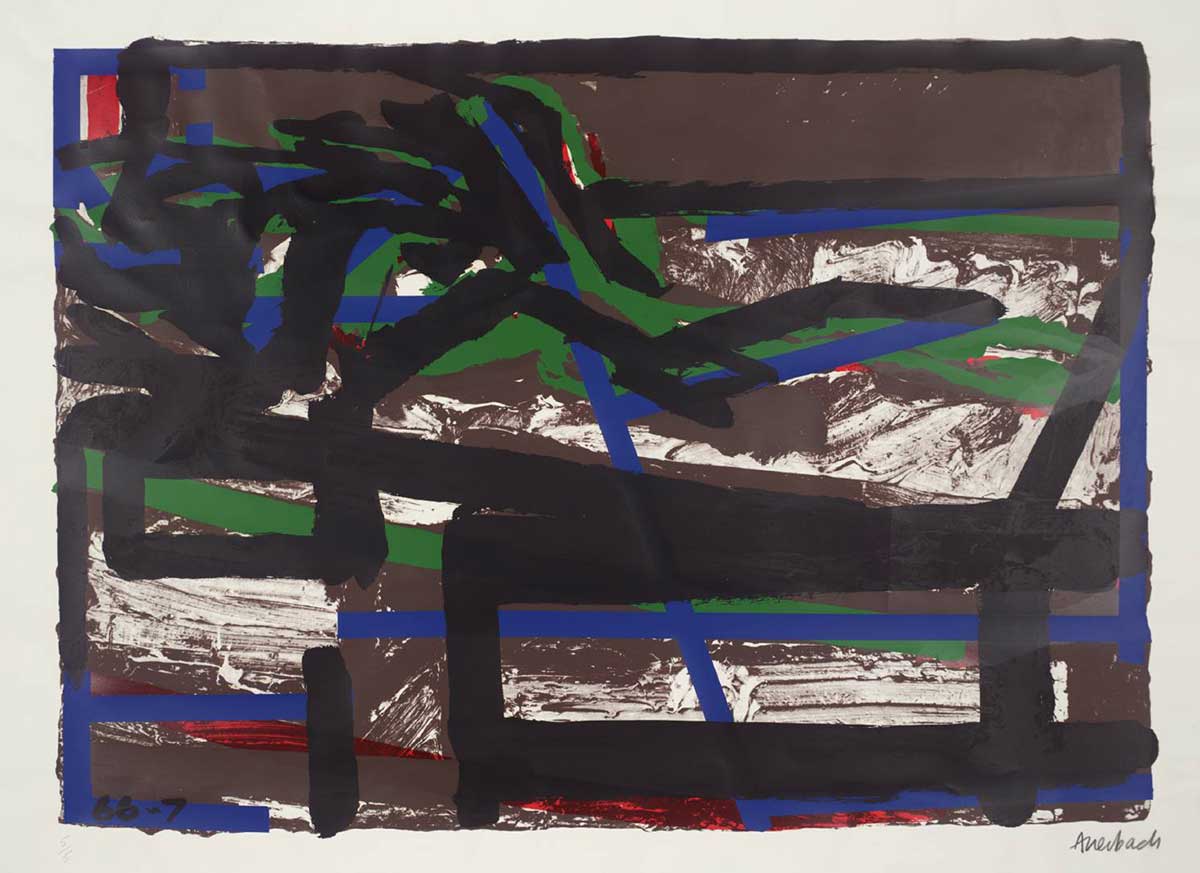
Put simply, it’s an idea from Deleuze and Guattari that asks us to rethink what bodies and selves can do. The BwO isn’t a body with no organs, physically. Instead, think of it as an empty space where things like desire, vitality, and imagination move about without being blocked or channeled through fixed pathways.
It’s not about acting roles out better than before or overcoming emotional problems. Rather, it involves letting go of these sorts of categories altogether, if possible.
Imagine it like a life canvas, where all is doable—and change is ever-present. The Body without Organs permits endless play with fresh thoughts, making styles and bonds, whether you’re into social reform, personal art, or just chatting differently.
This notion can set you free in profound and unexpected ways, enabling continual development. If rules or roles ever feel too restrictive, give it a go. After all, there’s nothing to stop you from being everything. That’s what BwO is all about.