
Have you ever watched an old video of yourself as a child or a young adult? You see your face, your smile, your frowns, and yet something’s off. The person on the tape laughs at things you no longer find funny. They’re worried about things you’ve long forgotten. Or even better, the adults watching the “tape” are now recognizing something about the other people on those videos, something they weren’t capable of recognizing back then, whether because of a lack of emotional maturity or simply because they didn’t possess the full intellectual arsenal to comprehend the emotions of other people.
So watching them often feels less like remembering and more like spying on a stranger that perfectly resembles you.
Nobody has captured this better than Charlotte Wells in her 2022 debut film Aftersun, which tackles the philosophical concept of personal identity over time.
Aftersun Uses a Father-Daughter Holiday to Ask Who We Used to Be
On the surface, Aftersun couldn’t be simpler. It’s a story about a father and daughter spending time together on a holiday in Turkey. They do the usual run-of-the-mill stuff: eating tons of ice cream, swimming, dancing, and playing pool. If you’ve been on a holiday in Turkey in one of the thousands of resorts they have on offer, you know the lay of the land already. Point is, they’re bonding and having the best time of their lives, and Sophie, the daughter, catches most of this on her camcorder (it’s a story placed in the late nineties or so).
Except, the story is anything but simple.
Threaded throughout the movie are flashes of adult Sophie, now thirty-one, the same age her father was during their vacation twenty years before. She’s watching the old tapes, pausing, rewinding, searching the frames for clues. But clues for what? Well, we slowly understand that this is the last holiday she ever spent with her father, quite possibly the last time she saw him. And she has gathered that Calum (her father), behind the tai-chi exercises and dad jokes, was drowning in depression.
Wells has described the film as fiction built on the skeleton of her own memories of her father, and it shows. It was one of the most gut-wrenching movies I’ve seen in a while (and I am a sucker for emotionally devastating cinema).
But here’s the thing that got so many people after watching this movie. Adult Sophie isn’t just grieving her father, she’s also grieving the little girl she sees on the tapes. She’s angry, confused, sad, because she wonders if she could have done something, anything, to save her father, while at the same time knowing that she was an absolutely different person than the one she is today. So it stands to reason that she can forgive her younger self for not being able to pull her father off the brink.
You Can’t Step in the Same River Twice
And herein lies the trap that we so often find ourselves in. Whatever pain we’re going through, whatever bad decisions we’ve made, we’re almost always unrelenting towards ourselves. “If I only did this instead,” or “I wish I were ten years younger,” are thoughts that most often come to mind when we try to reason with our past, and the person that was. It’s a battle we can never win. We cannot be angry at a version of ourselves that’s the complete opposite of the one we are today. Sophie especially can’t be angry at the version of herself that’s eleven years old.
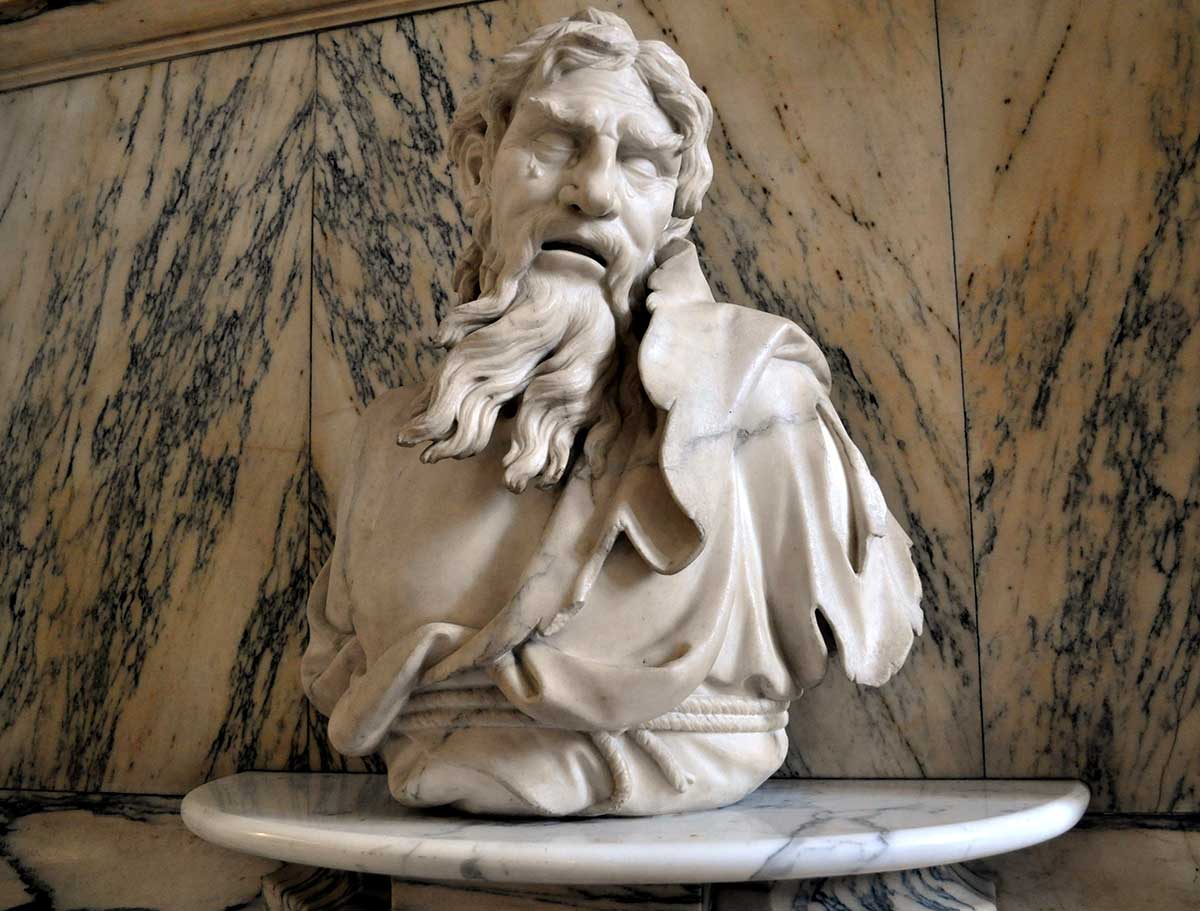
And if Sophie wanted a philosophical framework on how to deal with her feelings, she could have done worse than Heraclitus of Ephesus, the famously grumpy pre-Socratic philosopher whom the ancients named “the Obscure,” or even “the Weeping.” Heraclitus is behind one of the most famous quotes in all of Greek philosophy, “No man has ever stepped in the same river twice, for it is not the same river, and it is not the same man.”
People usually think that this means that the world around them is constantly changing, which is true. Of course it is. But notice the second part of the quote, which I believe is more important. It’s that you change as well, you move. Every moment that passes finds a new world, and a new you standing in it. Everything is a flow, including you.
And if Heraclitus is right, then the Sophie that recorded her father with her camcorder is a different person than the Sophie holding the remote two decades later. They’re two different people who happen to share a name.
The Ship of Theseus Explains Why the Eleven-Year-Old You Is Gone
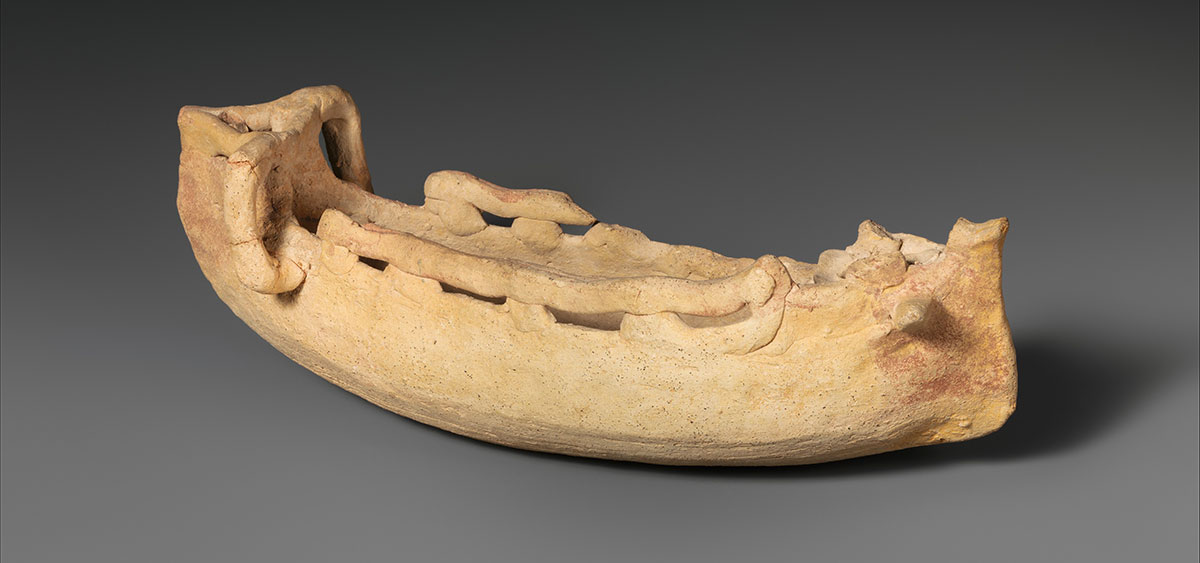
The Greeks, being Greeks, didn’t leave it at poetry. They also left us a thought experiment that’s pretty relevant to today’s mind-bender of a topic. And philosophers are still arguing over it today: the Ship of Theseus.
The story goes like this. The Athenians preserve the ship of their hero Theseus for generations, replacing every rotten plank with a fresh one as the former decayed. So eventually not a single one of the old planks remains.
Is this still the same ship? Or is it an entirely new one?
The same thing can be applied to us. Our bodies are in a permanent state of self-demolition, with cells dying and being replaced with new ones. After enough years, the eleven-year-old version of you is essentially gone. But it’s more than hardware that’s being replaced. Your beliefs are gone, your fears are gone, and your taste in art has been replaced.
Aftersun is, in a way, Sophie inspecting the old planks, holding the camcorder footage up against the person she’s become. But there’s another theme that the movie explores, and that is how much of our memories can we really recollect with complete veracity through time?
Every Time You Recall a Memory, Your Brain Rewrites It

Now, you might say to yourself, well OK, even if I change as a person over time, my memories are still mine to anchor me. The past happened after all, and my remembering it is the thread that ties the old me to the new me. That’s essentially British philosopher John Locke talking instead of you because he maintained that personal identity persists thanks to our memories.
About that. A Northwestern Medicine study found that every time you recall an event, your brain networks change in ways that affect the next recall. In other words, you’re not remembering the event. You’re remembering the last time you remembered, which is quite a lot to chew on if I’m being honest.
This means that your childhood memories have been photocopied so many times that what you’re holding might be a copy of a copy of a copy, each iteration being a bit further from what actually happened. It’s like a game of telephone you’re playing with yourself.
You Are Not Sentenced to Stay the Person You Were

I’ll admit, this all sounds bleak. If the old you is gone and the memories you have are half-fiction, then what’s left? Isn’t what Aftersun is trying to tell us, after all, is how we’re dealing with grief?
Partly, yes. Sophie will never get her father back, and will never get that summer back. But there’s another side to Heraclitus’s river, and I think it is quite liberating. If you are not the same person, then you’re not sentenced to be them either. The one who humiliated you in that meeting, the one who’s afraid of her boss, the one who made that mistake when he was twenty-three, the one who said that unforgivable thing to that significant other that she can never get back. That person has been dismantled and can be rebuilt into someone who chooses differently.
Calum, thirty and terrified, doesn’t believe he’ll get to forty. And that’s unfortunate, because who knows what forty-year-old Calum would have thought about his decade-younger self thinking that? Would he be a changed man on the other side of that river? I presume so. The miracle of the film is that Sophie does meet her next self, again and again, every time she presses play on that camcorder.
So watch the old tapes, by all means. Flip through the photo albums, visit the stranger with your face and eyes. Just don’t make the mistake of thinking you’re looking in the mirror. You’re looking at someone who you used to be, someone who handed the ship over to you and trusted you’d keep sailing it.
The river has moved on. So have you from the moment of your identity formation. That’s not the sad part of the story.
That’s the whole point of it.