
In 1095, Al-Ghazālī stood at the summit of his intellectual fame. As head of the prestigious Niẓāmiyya Madrasa in Baghdad, he held one of the most powerful academic positions in the Medieval Middle East. He enjoyed the trust of Seljuk authorities in Isfahan, the favor of the Abbasid Caliphate, and the admiration of students, jurists, scholars, and political leaders. He had also completed his philosophical masterpiece, Tahāfut al-Falāsifa (“The Incoherence of the Philosophers”), and Maqāṣid al-Falāsifa (“The Aims of the Philosophers”).
By all appearances, he possessed everything one could desire. Yet, he knew no peace. This brilliant mind realized that his studies held no true worth and contributed nothing to his salvation, driven as they were by a hollow desire for reputation and honor. He renounced his property and, freeing himself from the shackles of worldly desire, quietly left Baghdad to spend the next decade as a wandering Sufi ascetic.
Inside the Golden Cage of Baghdad’s Academic Prestige
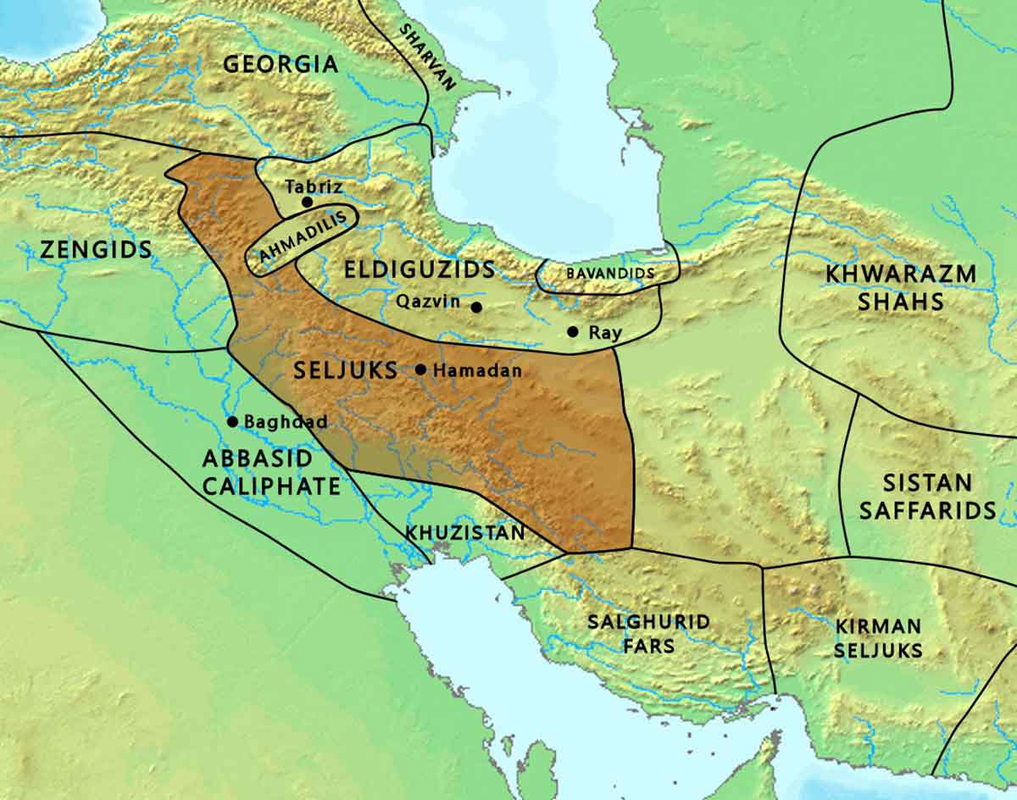
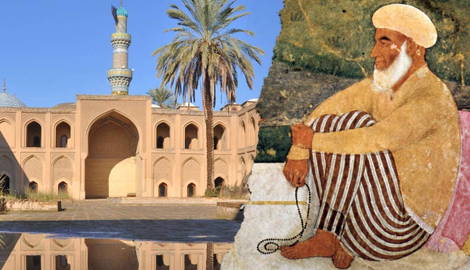
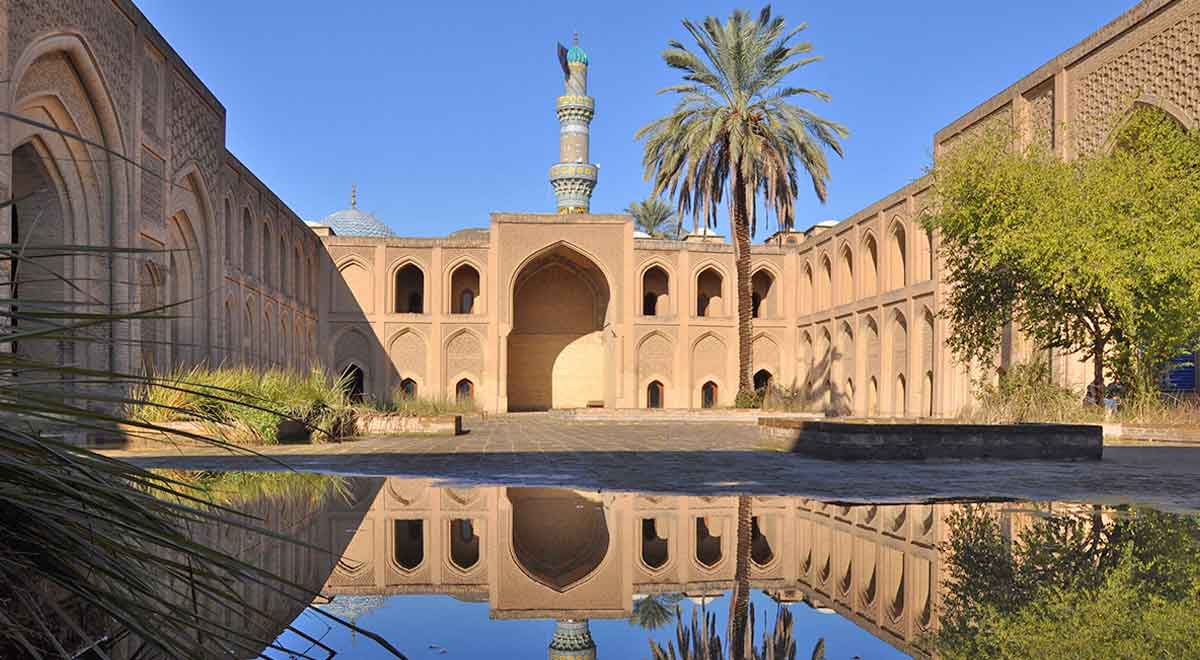
In 1091, Niẓām al-Mulk, founder of the Niẓāmiyya schools and vizier to the Seljuk sultans, appointed Imam al-Ghazālī (1058–1111 CE) to lead the Baghdad madrasa. The appointment brought him respect and wealth, and his lectures attracted hundreds of students. The Niẓāmiyya in Baghdad, inaugurated in 1067 CE, was one of the first medieval institutions to function like a modern university. It awarded certificates and featured specialized faculty, lecture halls, a renowned library, alongside funding to cover student expenses. The Seljuk state subsidized the establishment of these schools in the 11th century, dedicating them to the study of Islamic law (Shari‘a), theology, grammar, and various sciences.
Despite Al-Ghazālī’s standing as a distinguished intellectual, he felt the tyrannical burden of unruly desires weighing upon his soul, along with the torment of worldly, ego-driven thoughts from which he sought liberation. As he explains in Al-Munqidh min al-Ḍalāl (“Deliverance from Error”), his spiritual autobiography, he recognized the falseness underlying his motives and felt as though he was standing on the brink of a deep abyss. He intensely feared that unless he undertook a radical spiritual transformation, his fate would be eternal fire.
The Day the Great Philosopher Lost His Voice
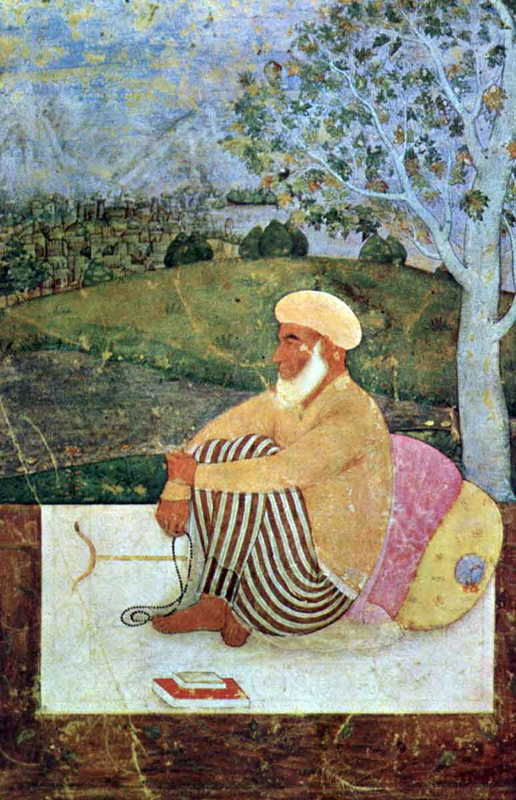
For six months, Al-Ghazālī wrestled with an inner conflict. One day he would resolve to leave everything behind, only to hesitate the next, held back by the ties of his official position. His soul cried out to him that all his knowledge was nothing but illusion and fantasy. He described how the Tempter sought to weaken his resolve, whispering that his crisis was temporary and that if he left his noble post, he would regret it and never recover.
Overwhelmed by anguish, he found himself unable to speak. God, he says, put a lock on his tongue. He lost his appetite, could not swallow food or water, and grew increasingly frail. It was July 1095. Physicians concluded that the illness originated in his heart and spread through his body, and that a cure would not come unless his grief was lifted.
Interestingly, this was the result of him reaching a breaking point, where he finally entrusted his fate to God. From this perspective, his voice was no longer his own. It now belonged to God.
Stripping the Robes of Ego
Through God’s aid, Al-Ghazālī finally resolved to leave public life in late 1095. Yet, the withdrawal was no simple matter, as it provoked the displeasure of political authorities and the censure of the imams in Iraq, while some even speculated that his decision was driven by fear of the government.
Believing he could be detained, he devised a clever ruse by announcing his intention to make a pilgrimage to Mecca while secretly planning to go to Syria, believing this would conceal his true intentions from the Caliph and his circle until he was safely settled there. He never expected to return.
A Decade in Disguise and Devotion
Before departing, he dismantled his wealth and made arrangements to support his family. The scholar dedicated himself to solitary prayer, contemplation, and Sufi devotions for two years in Damascus. He then moved to Jerusalem, where he spent his days in retreat, daily seeking sanctuary in the Dome of the Rock. Thereafter, he performed the Hajj pilgrimage and visited Mecca, Medina, and the Shrine of Hebron.
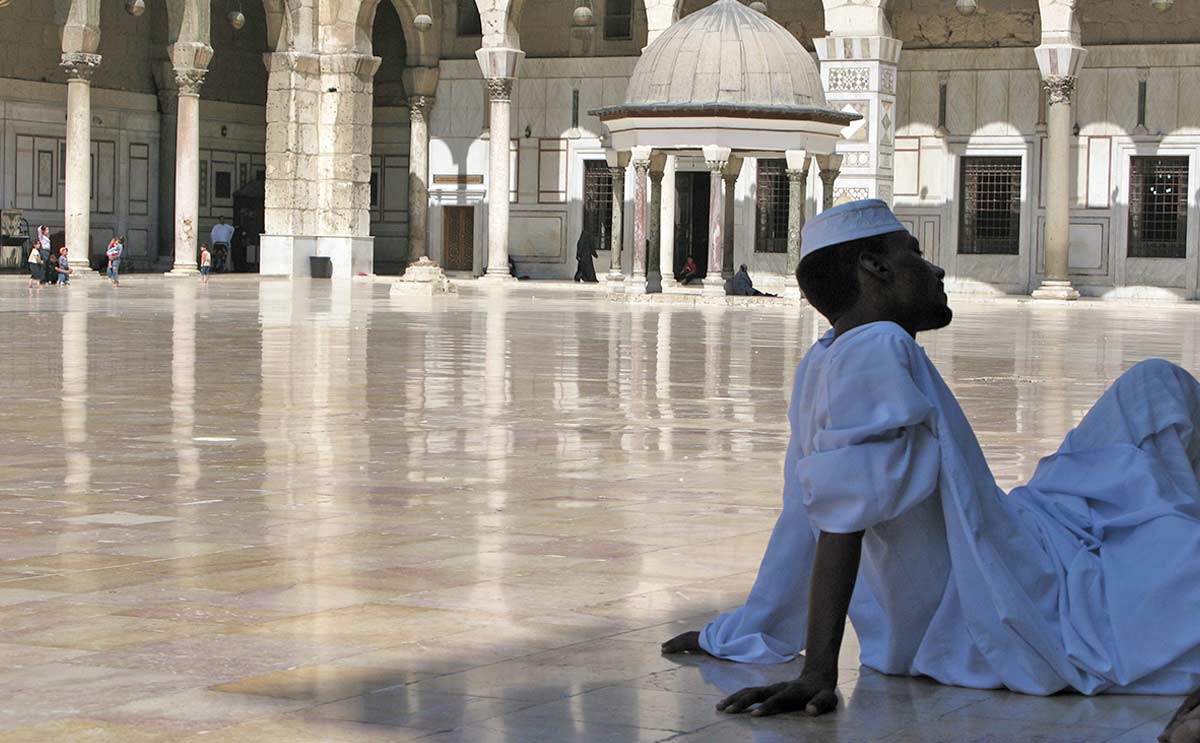
He lived in this manner for a decade, seeking certainty and conviction higher than that which reason could provide and which could only be granted through special graces. Tradition says he took up the humble duties of sweeping the marble floors of the Umayyad Mosque in Damascus, under an assumed identity to crush his own ego.
How the Thinker’s Return Changed Islamic History Forever
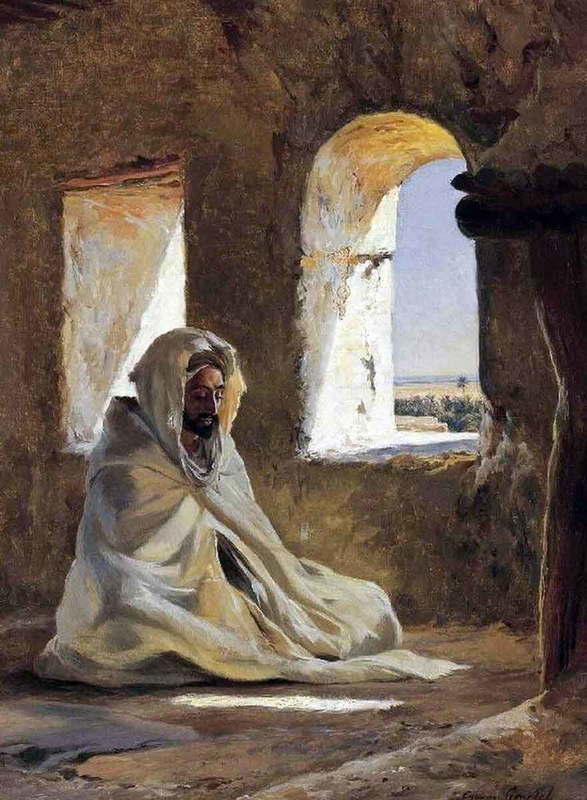
These experiences enabled him to transition from the study of philosophy to the spiritual, experiential practices of Sufism—a path that seeks to achieve a state of union with God, wherein Truth is perceived through insight and intuition rather than through reason.
So empowered, he authored his magnum opus, Ihya’ ‘Ulum al-Din (“The Revival of the Religious Sciences”), where he harmonized Islamic doctrine with Sufism. To this day, the book remains one of the most widely studied and analyzed texts among Islamic scholars.
Duty drew him back to Nishapur and to teaching in 1106. His decision to walk away from power altered the course of Islamic thought forever, while also anticipating the skepticism introduced by Western philosophers centuries later.