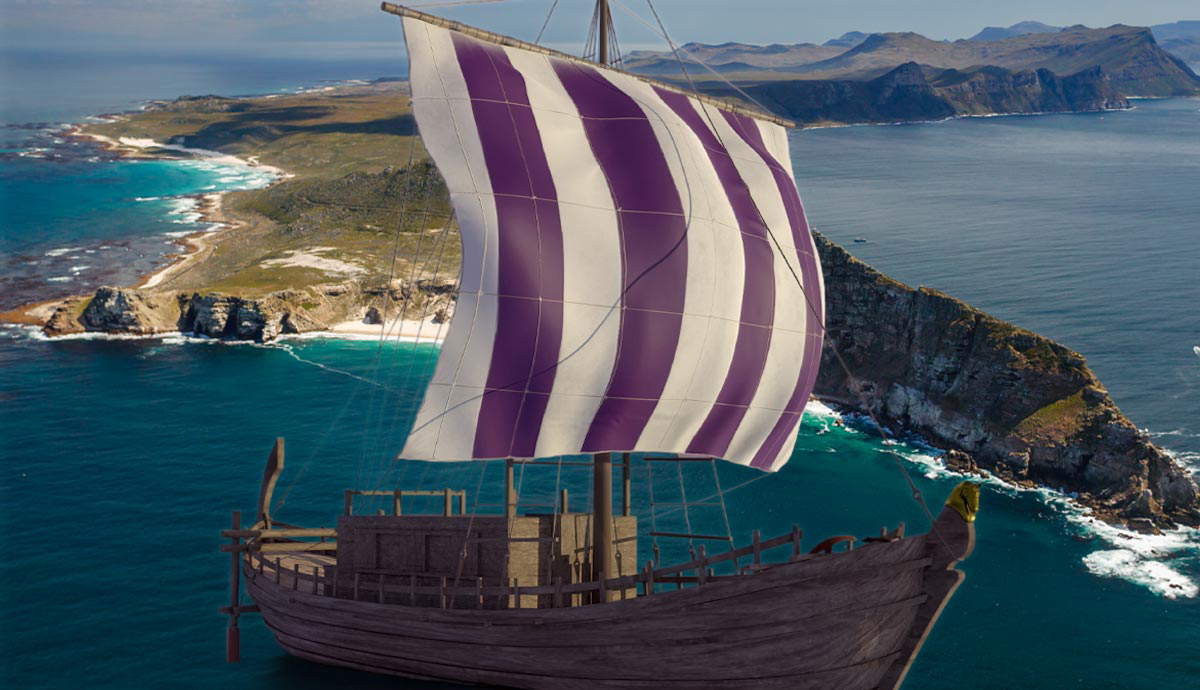

For his invasion of Greece in 480 BC, King Xerxes I of the Persian Empire didn’t let geography get in the way of his ambitions. Not only did he carve a canal through the Athos Peninsula, but he built a pontoon bridge across the Dardanelles, likely over a mile long, to ferry his massive army into Europe.
The Imperial Ambition Behind Crossing From Asia to Europe
The Achaemenid Persians long sought to incorporate Greece into their massive empire. Under Darius the Great, the Persians launched their first invasion in 492 BC, which met with disaster. 300 ships and 20,000 men (according to Herodotus) were lost when a storm destroyed the Persian fleet off the coast of Mount Athos. Then, at the Battle of Marathon, the Greeks scored a decisive victory, ending all hope for Darius’ second Greek campaign.
Darius’ son and successor, Xerxes, set out to rectify the situation and prepared a second, larger invasion. The scale was immense and unprecedented for the time. Hundreds of thousands of men were mobilized, and the logistical considerations were enormous.
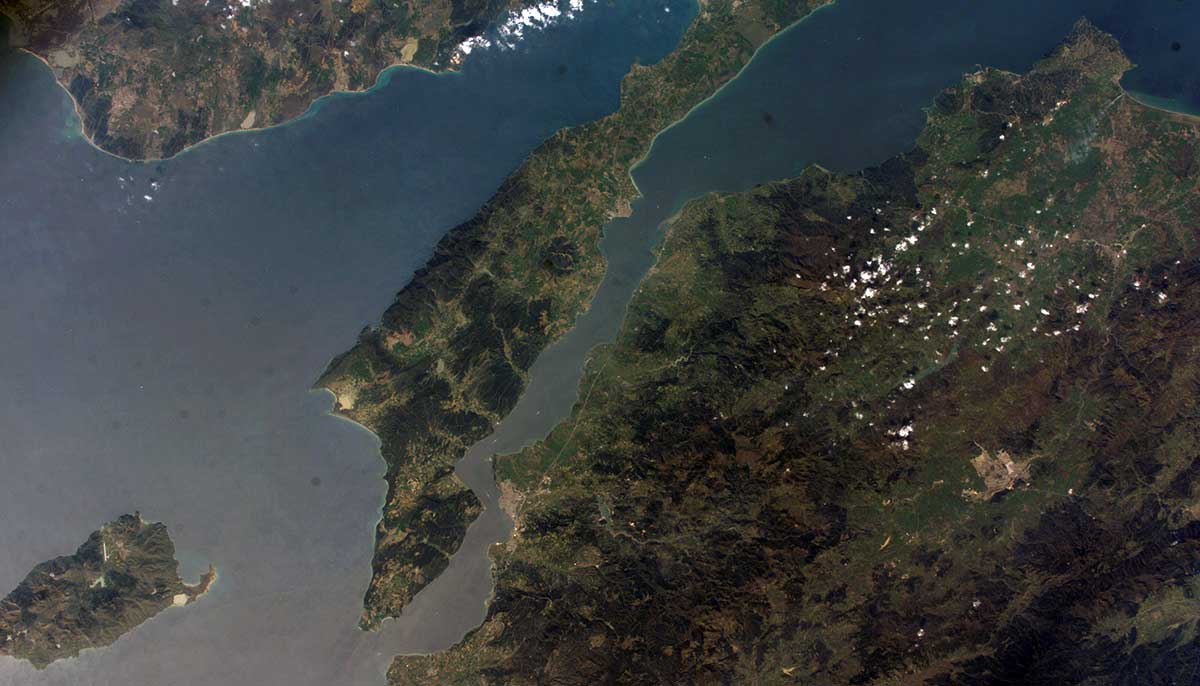
To move his army from Asia Minor to Europe, Xerxes ordered the building of a pontoon bridge to connect the shores of the Hellespont (now called the Dardanelles).
The Catastrophic Storm and the Ritual Punishment of the Sea
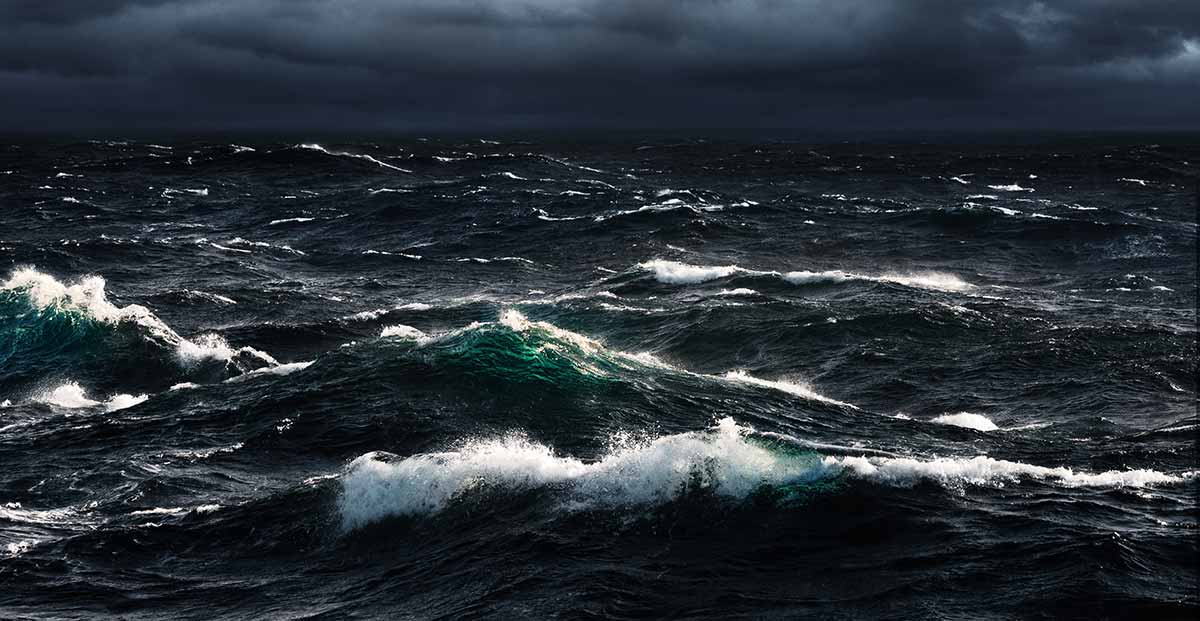
In Herodotus’ Histories Vol. 7, the Greek historian goes into great detail on the building of the pontoon bridges. Phoenician and Egyptian workers were employed to start building on either side of the strait while the army was marching to Abydos on the eastern coast. Two bridges were built, spanning seven stadia (1,400 yards or 1,300 meters), but a storm destroyed these bridges before the Persian army arrived.
Xerxes was enraged and, according to Herodotus, he cursed the waters and had them lashed. Then he threw shackles into the sea in a symbolic act of binding it to his will. The acts, however, went beyond theatrical gestures. He had those in charge decapitated.
Inside the Ingenious Engineering of the Floating Highway
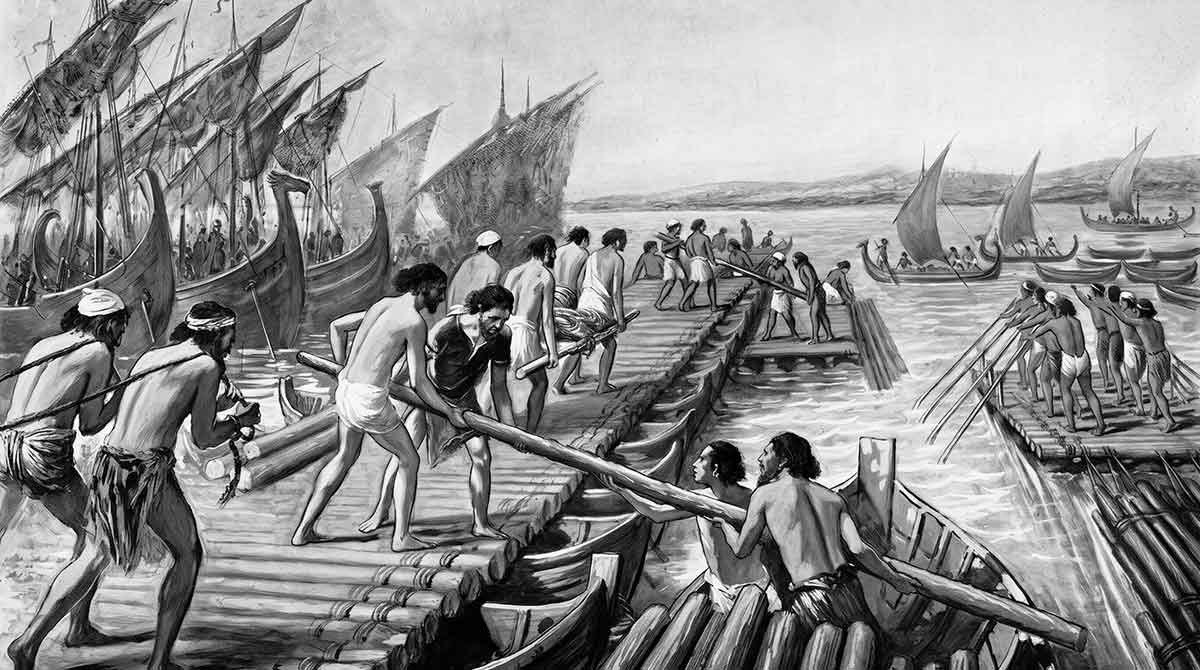
The pontoon bridge was thus built again. And again, it consisted of two rows of ships—50-oared galleys and triremes—arranged abreast. In one row there were 360 ships and in the other, 314. They were secured with cables, with anchors holding the bridge in place, positioned to take into account the various wind directions.
Ropes were stretched across the bridge, upon which wooden logs were placed, then brushwood, and then earth stamped flat to provide a smooth and absorbent surface. Once that was done, they built barriers on the sides so that horses and pack animals wouldn’t panic by having to look upon the sea.
Of course, a massive pontoon bridge across the entire strait would have been a problem for local shipping, so the bridge had a specially engineered opening which allowed ships to pass through. Herodotus does not explain the nature of this opening in detail, but its existence shows a consideration of not upsetting the flow of non-military maritime activity.
An Eclipse Interpreted as a Portent of Good Fortune
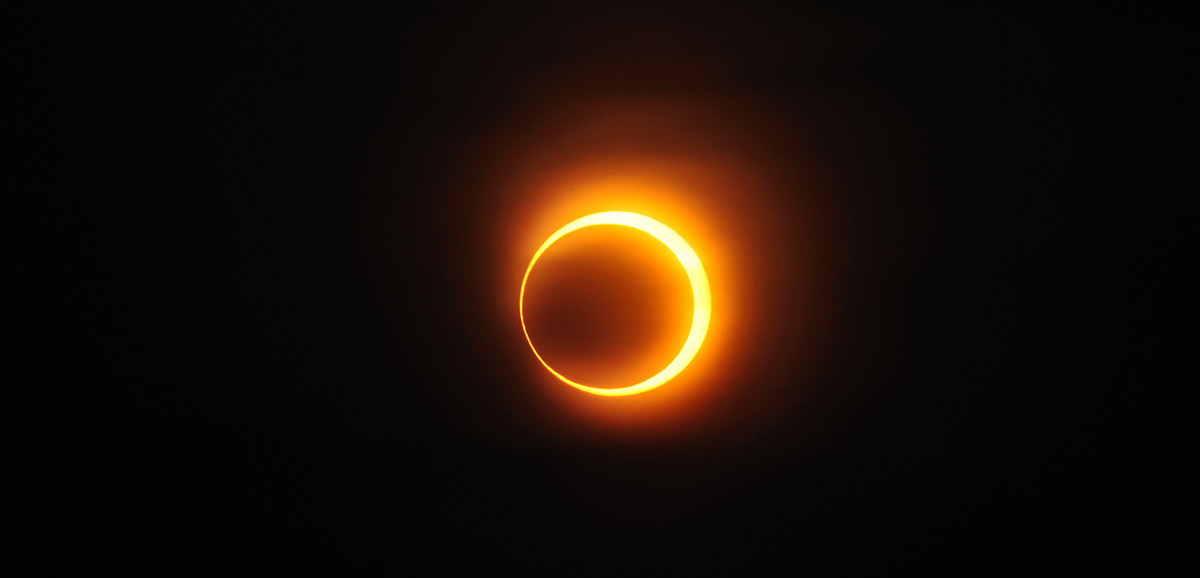
Herodotus’ account mentions a solar eclipse as the army set out from Sardis to Abydos before crossing the Hellespont. Concerned by this omen, Xerxes requested an explanation from his magi, who assured the king that it was a good omen, which indicated the Greeks would leave their cities. Buoyed by this interpretation, Xerxes’ mood improved, and he joyfully watched his troops march towards the Hellespont.
Modern research, however, casts doubt on the chronology of Herodotus’ account in Histories 7. He says that the march began in Spring and an eclipse was seen during this time. An eclipse did happen that year, but it was on October 2, during the fall. And it’s questionable whether it could be seen from the strait.
Seven Days and Seven Nights of an Unbroken Imperial March
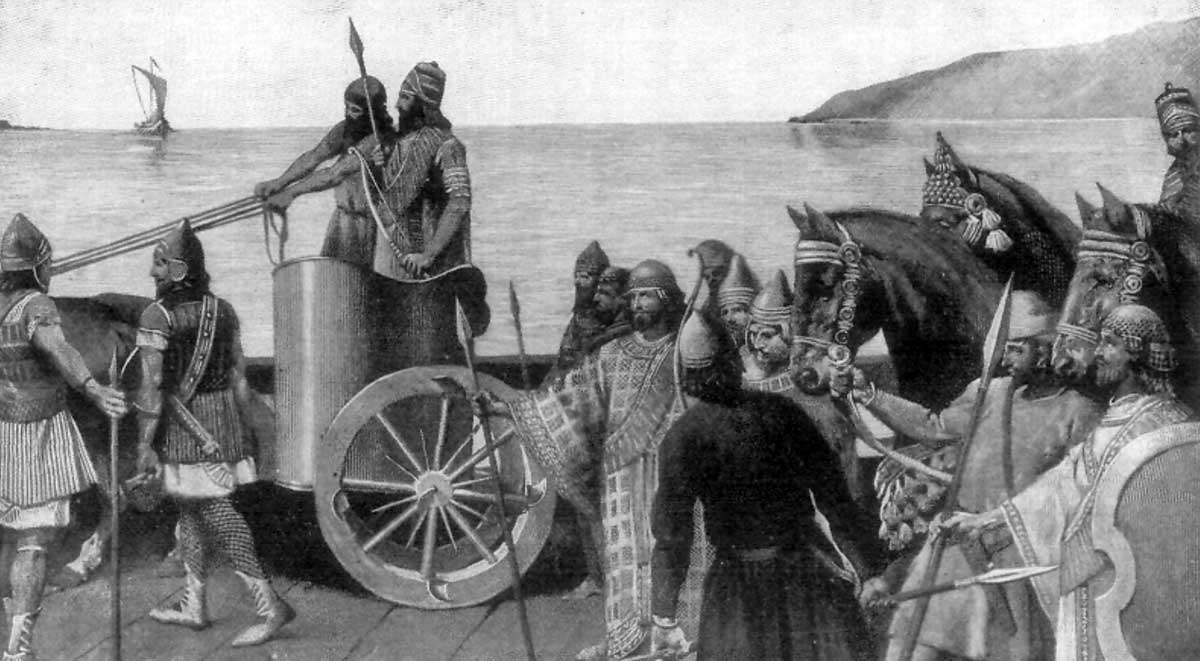
Crossing the Hellespont was a dangerous gamble that required religious considerations. Incense was burned, and myrtle branches were strewn along the way. Xerxes poured libation from a golden cup into the sea and prayed that no misfortune should befall his crossing and the conquest of Greece.
So large was the army that it took seven days without ceasing for its entirety to cross onto the western shores.
By this time in 480 BC, Xerxes’ forces had already, or were close to finishing, another ancient megaproject. A channel through the Athos Peninsula had been constructed, and while evidence of this has been found in the archaeological record, finding physical proof of the pontoon bridge across the Hellespont is, for obvious reasons, harder to find if any exists. However, given the veracity of Herodotus’ account in this regard, it is reasonable to assume his descriptions of the bridge to be mostly accurate as well, at least as far as its existence is concerned.
Why Xerxes’ Engineering Feats Couldn’t Win the War
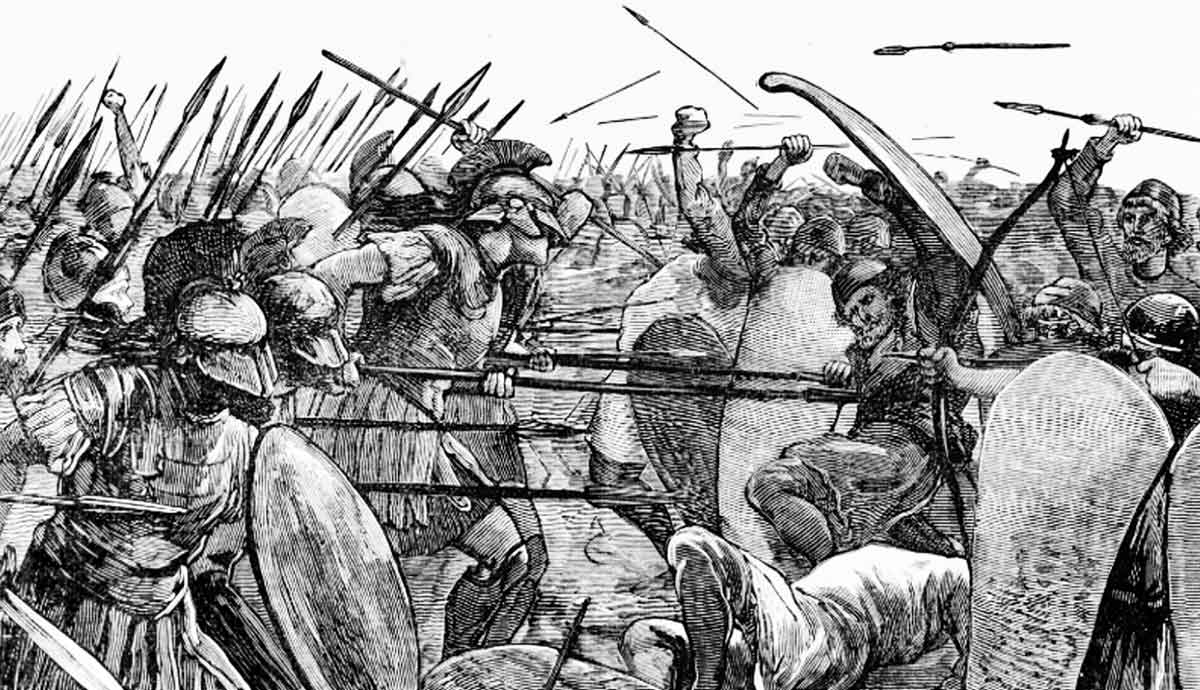
The bridge, like the canal, proves the capacity of Xerxes’ forces to fulfill imperial ambitions from an engineering perspective. Because of the scale of these projects, they were treated with skepticism from ancient sources in the centuries that followed, but modern assessment tends to agree with Herodotus’ account.
While the ability of Xerxes’ engineers and the monumental effort of workers, both employed and forced, to build these mighty projects is astounding, they were not enough to subdue the Greeks, who showed an unexpected level of tenacity. Xerxes’ army was defeated on land and at sea by the Greeks, who united briefly to defend the Hellenic world.