
Sailing from Europe around the Cape of Good Hope and into the Indian Ocean is a feat of navigation usually attributed first to Bartolomeu Dias, who captained the crew that performed it in 1488.
The route, however, had been done before, but from the other side. Sailors went from the Red Sea, around the tip of Africa, northwards up the coast to the Strait of Gibraltar and then on to Egypt. And they did it 2000 years before Dias even set foot on a boat. At least, according to a legend told to the Greek historian Herodotus.
If the story recounted to Herodotus is true, the honor of rounding the Cape first should actually be attributed to the Phoenicians.
The Visionary Maritime Ambitions of Pharaoh Necho II
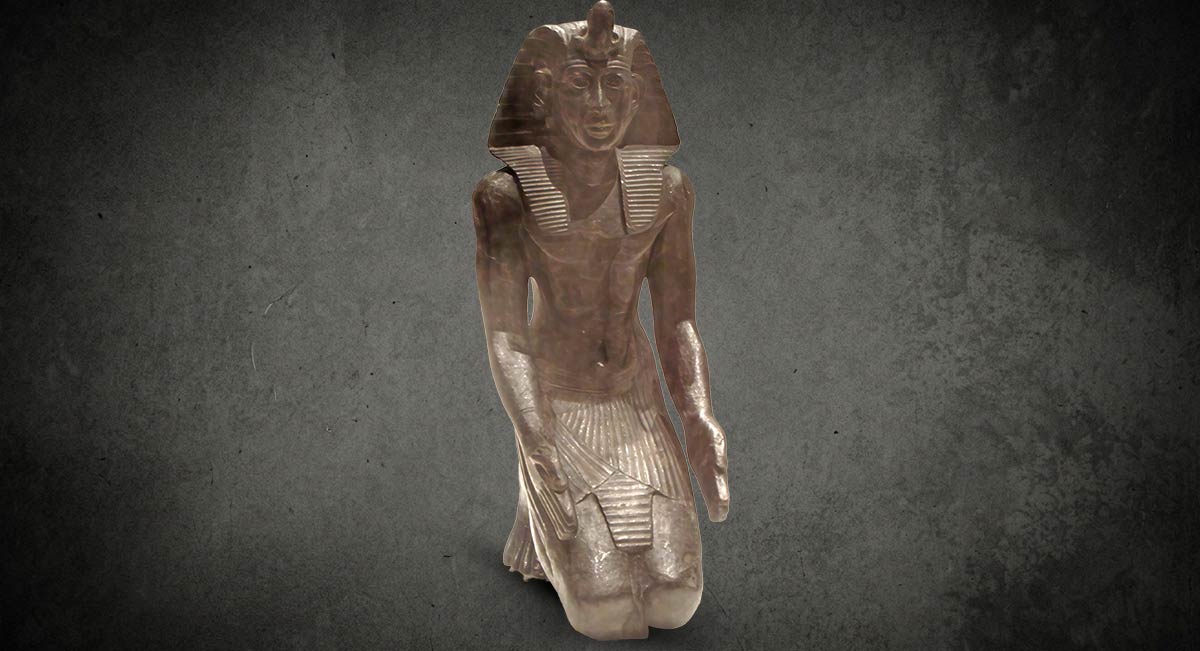
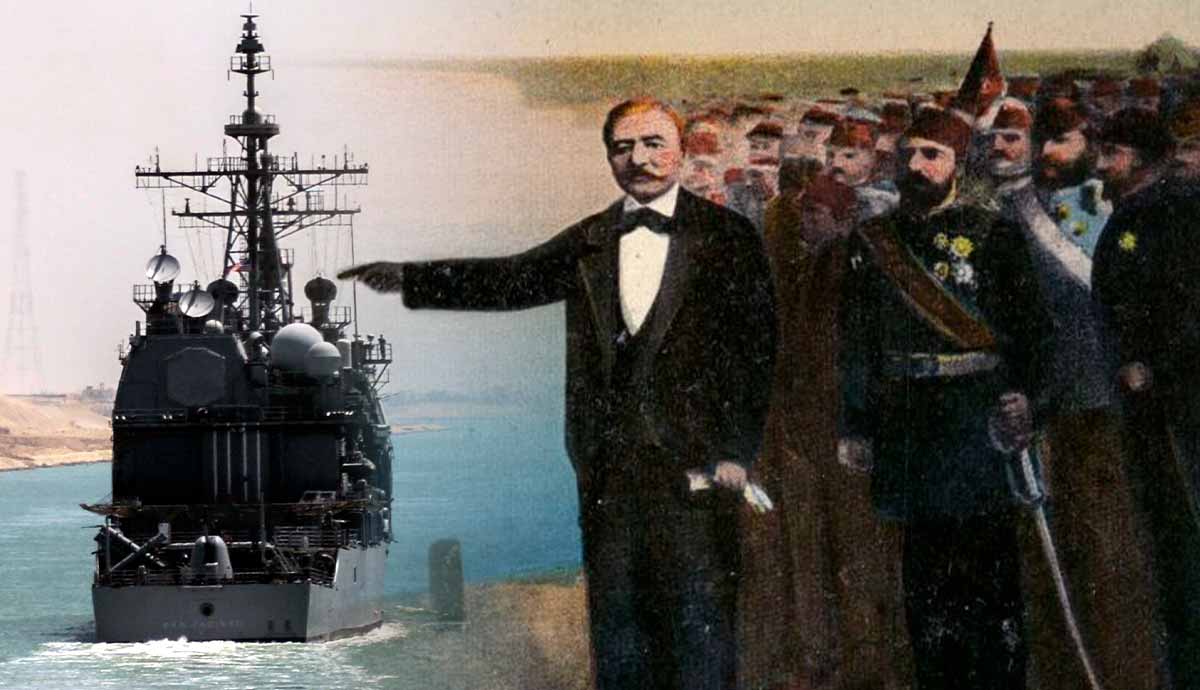
Pharaoh Necho II was the king of the 26th Dynasty of Egypt, and reigned from 610 to 595 BC. He was an ambitious man with a particular focus on maritime issues—an uncommon passion in ancient Egypt, as the Egyptians had traditionally been wary of the sea. Necho attempted to build the first precursor to the Suez Canal, and ordered the construction of a large navy, employing displaced Ionian Greeks.
Perhaps his most ambitious project was organizing an expedition to circumnavigate the continent of Africa. At the time, this was very much a voyage into the unknown. The route was undiscovered, and the vast landmass that is Africa was mostly a mystery.
The task was exceedingly dangerous, and if it were to yield success, Necho would need the best sailors in the known world. And so a fleet was prepared and crewed by Phoenicians.
Into the Unknown Waters of the Red Sea and Beyond
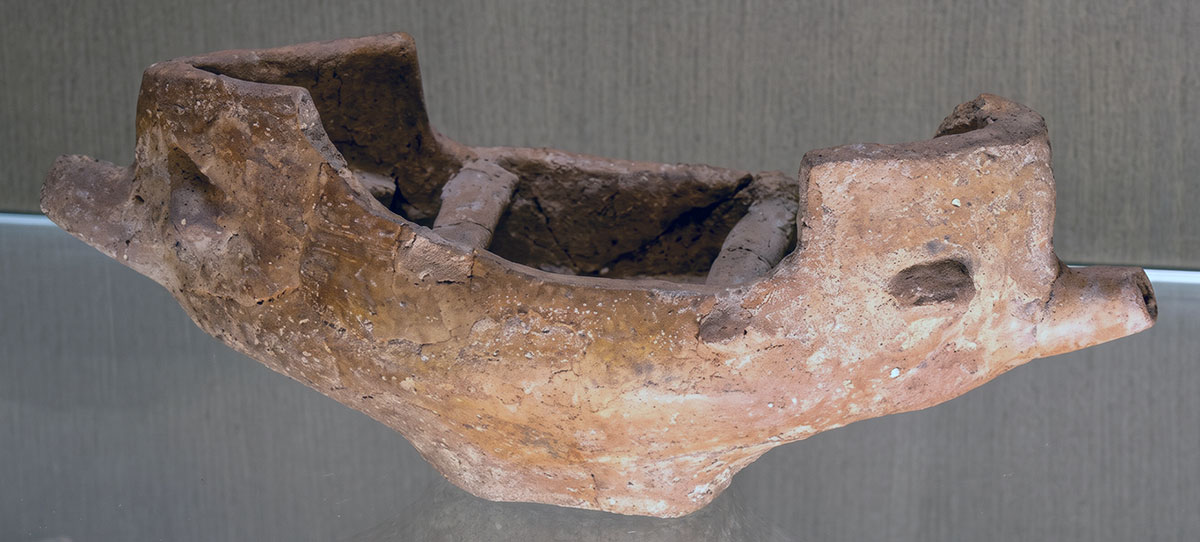
Sailing so far from home was a journey filled with dangers, and the sailors had no idea whether they would ever return. Herodotus doesn’t go into any detail about the size of the fleet or the number of men that were sent. He does, however, mention that they claimed that as they rounded the southern tip of “Libya” (as Herodotus called Africa), they had the sun on their right, to the north of them.
Herodotus states that he does not believe this claim. He did not believe in a spherical earth, and he did not see the claim as evidence of one. Indeed, his view of a flat disc was the prevailing belief at the time. If the claim is true, however, it would indicate the expedition did manage to cross into the Southern Hemisphere.
Planting Crops on Strange Shores to Survive a Three-Year Voyage

Navigation at this point in history required the sailors to keep in view of the coast. Straying into the open ocean could be a fatal mistake, and many ships that did so were lost forever. The Phoenicians stuck to the coast, but they didn’t spend all their time sailing. According to Herodotus, every autumn, they put in at shore, sowed seeds, and waited for the season’s harvest to replenish their stores. In the Southern Hemisphere, however, autumn is spring. So this may have come as a surprise to the intrepid adventurers.
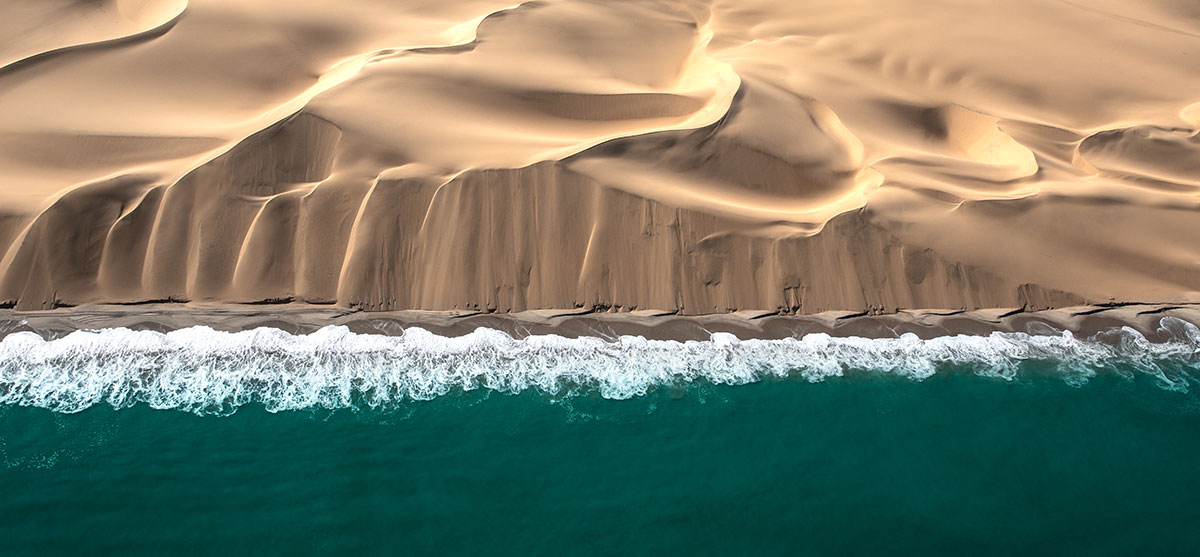
Finding a suitable spot may have proven difficult, and vast stretches of desert coastline such as the Skeleton Coast would have been a great concern, for they did not know where or when it would end.
The Journey Around the African Continent
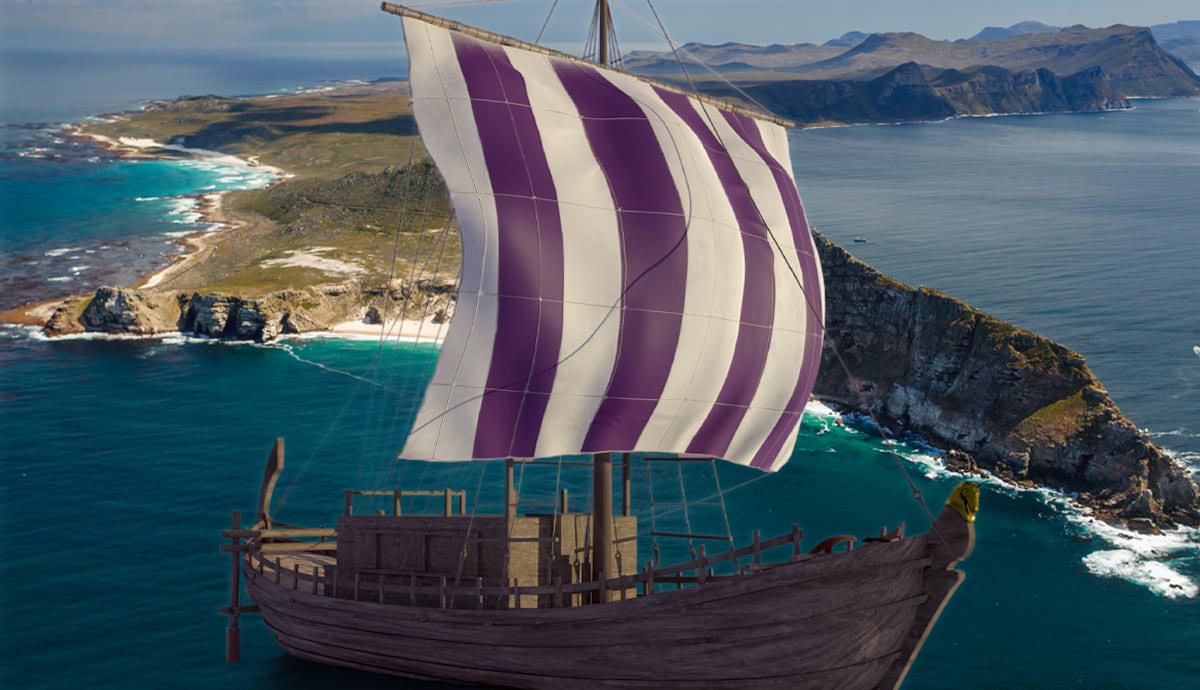
The first part of the journey took the ships southeast through the Red Sea. This part was familiar to the Egyptians, as they were recorded as having traded with people in what is now Yemen.
Once past what is now Eritrea and around the Horn of Africa, the waters were uncharted by the Egyptians. They would have sailed down the coast and been helped by the Agulhas current flowing southward. On the South African coast, they would have no doubt seen whales.
Past what is now Cape Agulhas (the southernmost point of Africa), the cold Benguela Current sweeps northwards from the Antarctic, and would have pushed the fleet northwards, round the Cape of Good Hope, and on towards the Skeleton Coast. Here the fleet would have encountered serious danger in the form of hidden sandbars and intense year-round fog, which renders navigation by sight extremely difficult.
Rounding the bulge of Africa, the intrepid explorers likely encountered problematic winds and currents trying to send them back the way they came. It has been suggested they put ashore on the coast of Mauritania, where the Carthaginians would build the far-flung trading station of Kerne shortly thereafter.
After reaching the coast of Morocco, the terrain would have become more familiar. They continued onwards, sailing into the Mediterranean through the Strait of Gibraltar, and then eastwards, on to Egypt, where they finished their journey after a grueling three years.
A Chequered History of Possibility and Disbelief
Herodotus’ account has been the subject of much debate. It was handed to him through oral tradition. And he was skeptical of the element of the position of the sun. It may even be that he was skeptical of the entire story.
Through the centuries, various writers either believed it or disputed its veracity. Strabo, Polybius, and Ptolemy doubted the story, while Pliny the Elder stated that the Carthaginian, Hanno the Navigator, circumnavigated the continent in the 5th century BC. It’s possible that Necho’s expedition and Hanno’s voyage were conflated.
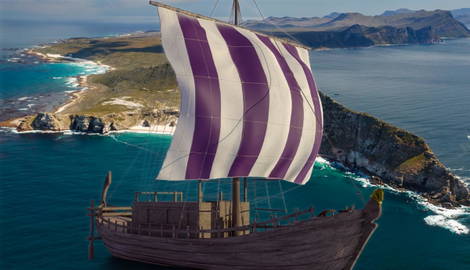
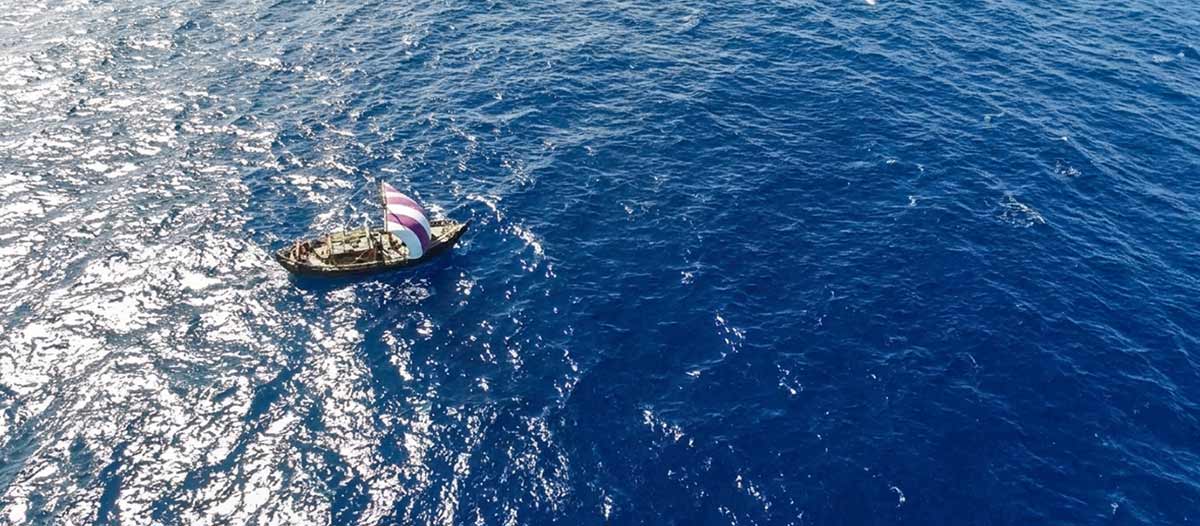
In modern times, the subject was still hotly disputed by historians. The voyage, however, was possible. In 2008, British adventurer Philip Beale had a 20-meter-long (66 feet) replica of a Phoenician ship built using traditional methods, and completed the journey in just over two years.
With the same ship, he set out on a second expedition and crossed the Atlantic.