
The Iron Age is often described as a triumph of human ingenuity. People eventually made harder, stronger weapons and tools, and they could make more of them because they did not have to rely on scarce supplies of tin and copper. But the transition from the Bronze Age to the Iron Age is not a simple story of progress. The societies that adopted iron inherited a world that had just undergone catastrophic political and economic disruption. Across the Mediterranean and the Near East, cities were destroyed, kingdoms fell, people were killed and displaced, and trade declined. An older, sophisticated world had given way to a fragmented landscape of smaller communities constantly at war. In some ways, the Iron Age was actually a step backward for humanity.
How the Bronze Age Gave Way to the Iron Age
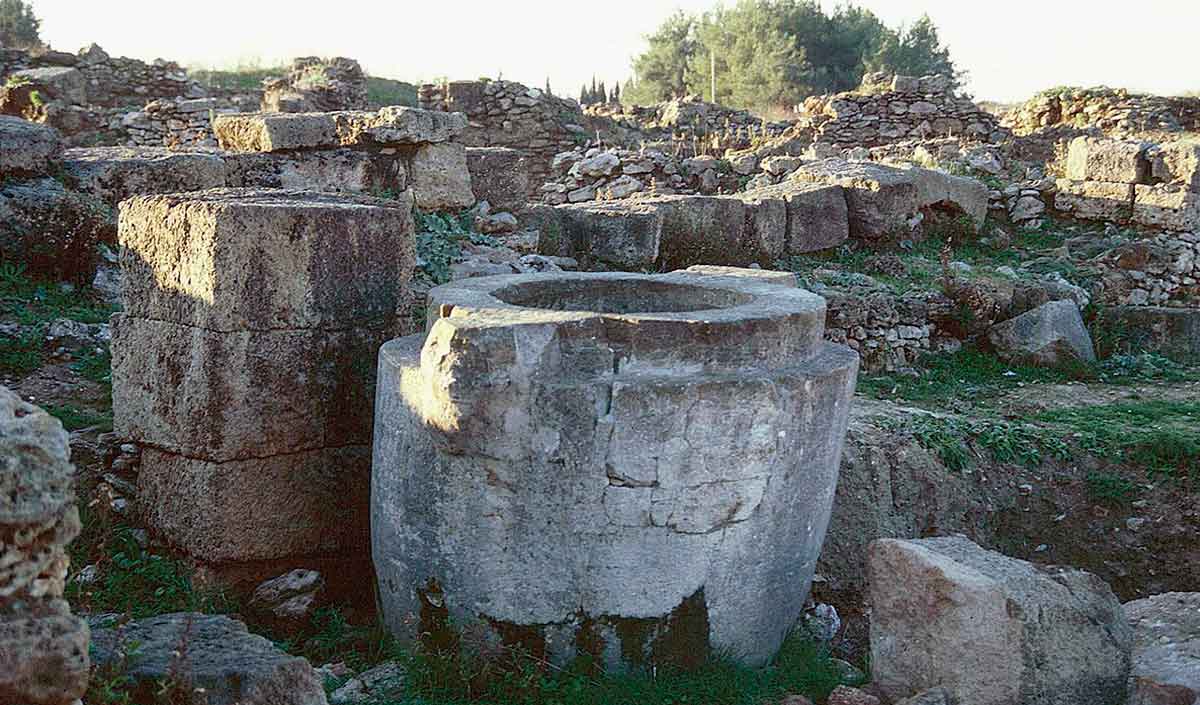
The transition from the Bronze Age to the Iron Age was a long process, with iron finally replacing bronze as the dominant metal between 1200 and 1000 BC. The increased use of iron coincided with important geopolitical changes. The powerful Hittite Empire collapsed, the major Mycenaean palatial centers were destroyed or abandoned, and the great city of Ugarit was destroyed.
A variety of factors were behind this wave of collapses. Climate catastrophes and earthquakes caused famines, and conflict between people increased as they competed for resources. This disrupted established trade networks that had supported, among other things, access to bronze. As imported copper and tin, used to make bronze, became scarce, people turned to iron, which is more widely available in nature, and people had to learn how to work the ore.
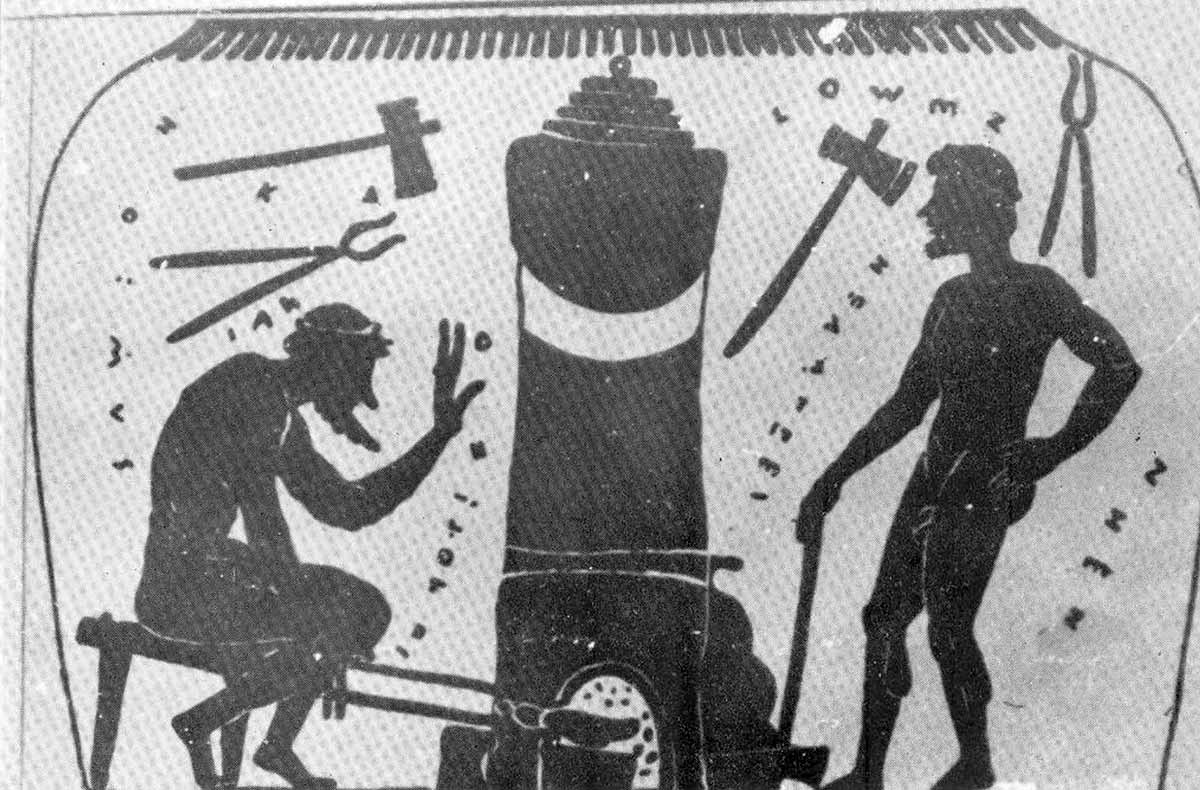
Early blacksmiths mainly used the bloomery process. This involved heating iron ore with charcoal to about 1200 °C. The iron did not melt; instead, small particles of metallic iron formed within a spongy mass called bloom, mixed with slag and other impurities. The bloom then had to be heated and forged repeatedly to remove the slag and solidify the metal.
As blacksmiths gained more experience with wrought iron furnaces, they became better at producing workable iron and removing impurities. Thus iron gradually replaced bronze, not because it was a superior metal, but because it was an available metal in a time of crisis.
The Death of the First Globalized Economy

In the Bronze Age, the Mediterranean and the Middle East were commercially and economically integrated. Egypt, the kingdoms of the Levant, Cyprus, Anatolia, Mesopotamia, and the Mycenaean world all participated in the first globalized economy. Metals were at the center of this economy, especially copper and tin. This is reflected by an Uluburun shipwreck from around 1300 BC. The ship was carrying over 10 tons of copper and 1 ton of tin, along with some other goods such as glass, ceramics, ivory, and resin.
The production and use of bronze depended more on logistics than on metallurgical knowledge. While copper was relatively common, tin was comparatively rare. High-grade tin deposits in Badakhshan (Afghanistan) and the Zagros/Tajikistan regions supplied Mesopotamia, Elam, and early Near Eastern empires via long-distance overland trade. As trade became more difficult, bronze became scarce.
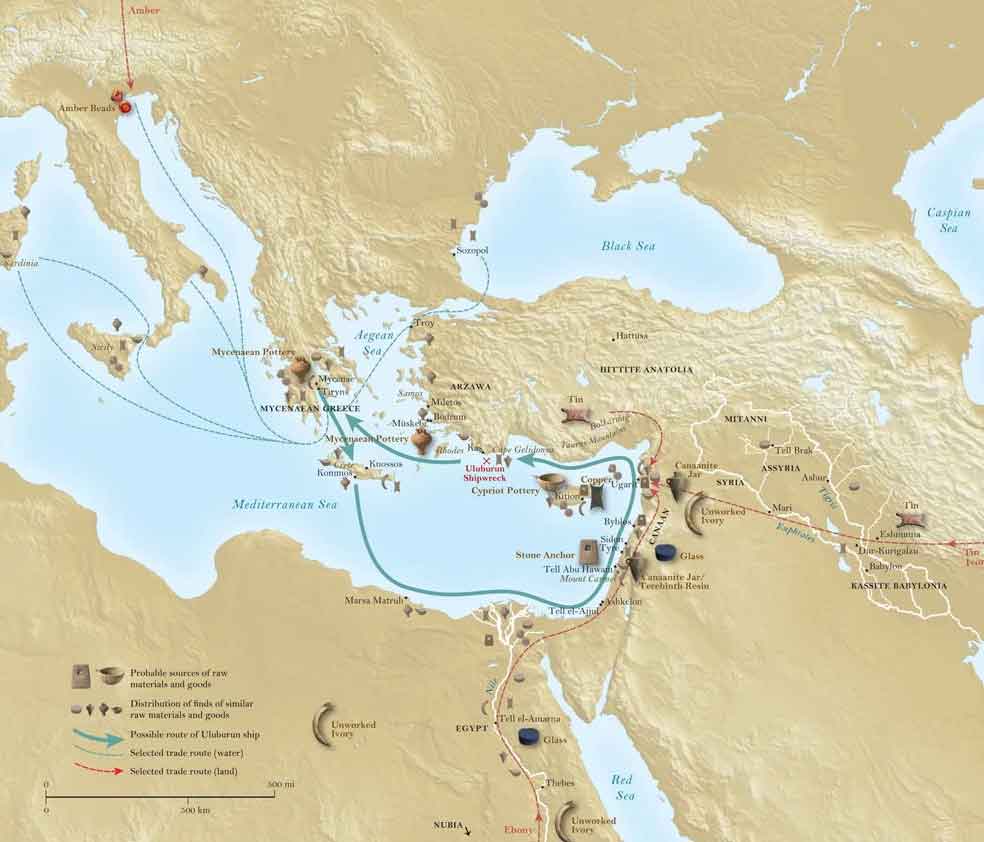
Iron offered a local alternative. It could be found everywhere and in greater quantities. Producing usable iron was, admittedly, more complex than bronze, as it required specialized furnaces and blacksmiths who knew how to work it. But necessity saw this knowledge spread.
When the World Went Silent: The Loss of Literacy
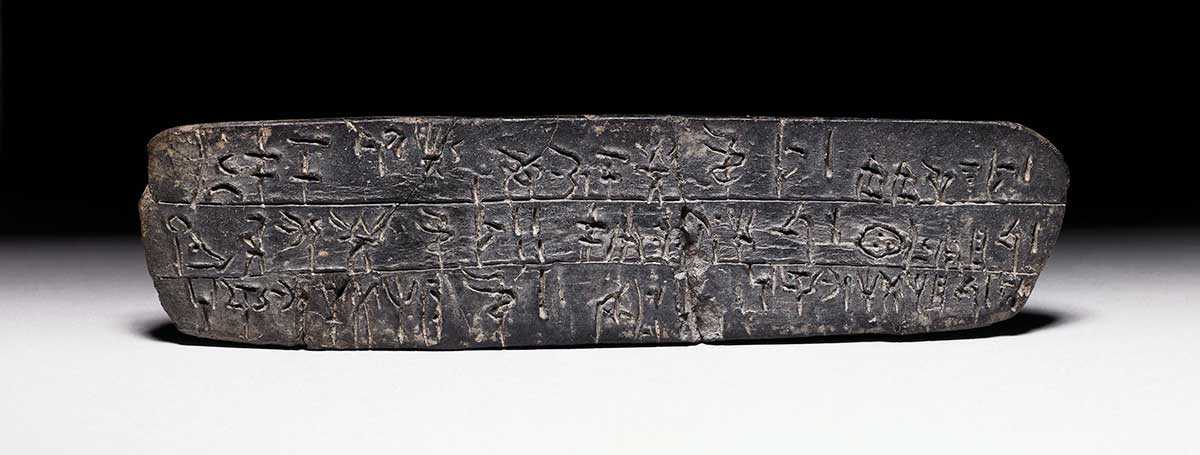
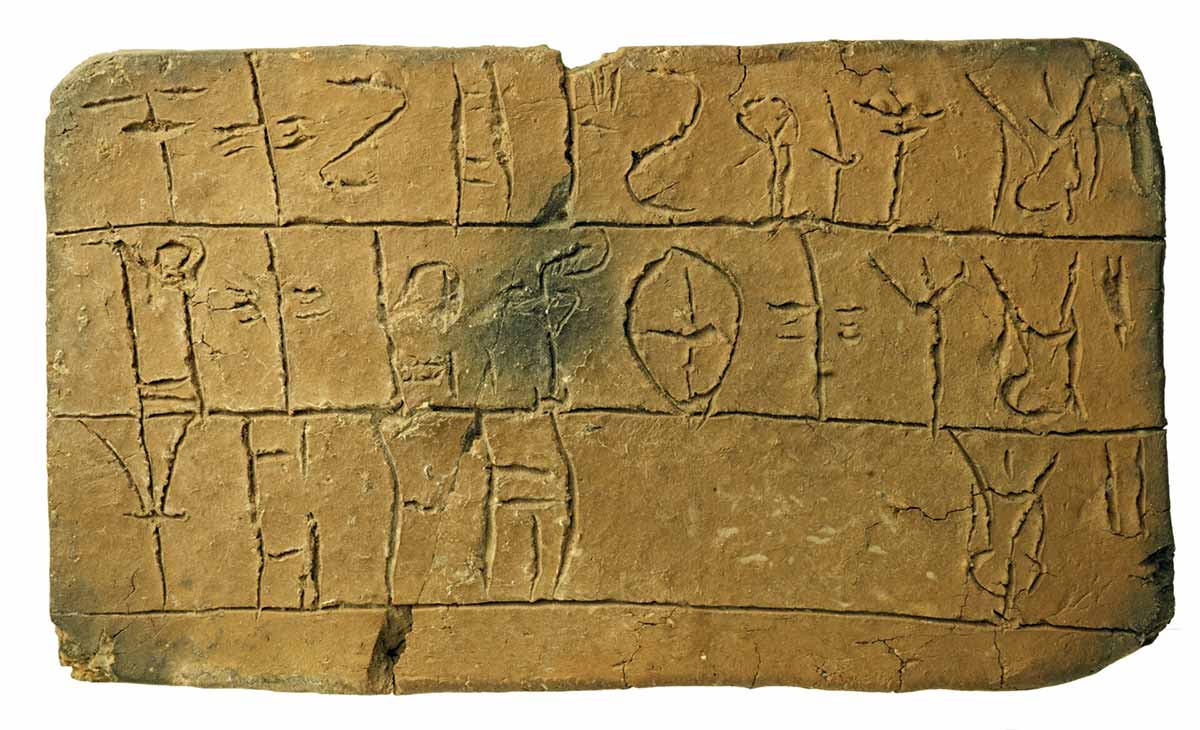
As Mycenaean palaces collapsed and trade dwindled in the 13th and 12th centuries BC, writing, mainly an administrative tool, also declined. The Mycenaeans used Linear B, which was an early sibyllic script that represents the earliest deciphered form of the written Greek language. It was primarily used for administrative purposes, such as recording grain supplies, livestock, textiles, weapons, land holdings, personnel, offerings, and other goods managed by palace administrators.
Archaeologists have found the greatest concentration of Linear B tablets in the ruins of the palaces of Knossos, Pylos, Thebes, and Mycenae. Interestingly, the fires that destroyed the palaces helped these tablets survive, as the fires baked and preserved the tablets. But use of Linear B seems to have disappeared with the palaces.
The collapse of palaces and cities, as well as the loss of literacy, led to a period that historians sometimes call the Greek Dark Ages, which lasted from around the 11th to the 9th centuries BC. Communities were smaller and more locally focused, and global exchanges were minimal. Almost no examples of writing survive from this period.
When ancient Greek writing emerged, it was not a continuation of Linear B. This new Greek alphabet was adapted from the Phoenician writing system. It was also much more than an administrative script, and became a language of literature, poetry, and philosophy.
From Palaces to Huts: The Collapse of Architecture and Art
The Mycenaean civilization was characterized by large and luxurious palaces with cyclopean walls, made from massive stone boulders. Workshops, warehouses, and various public spaces surrounded these palaces. This monumental architecture was possible due to centralized political power; the same kind of centralized power allowed for the construction of monuments like the pyramids in Egypt.
We do not know exactly how all the Mycenaean palaces fell at the end of the Bronze Age. Some were destroyed in fires and natural disasters. Some are believed to have been destroyed by mysterious raiders known as the Sea Peoples.
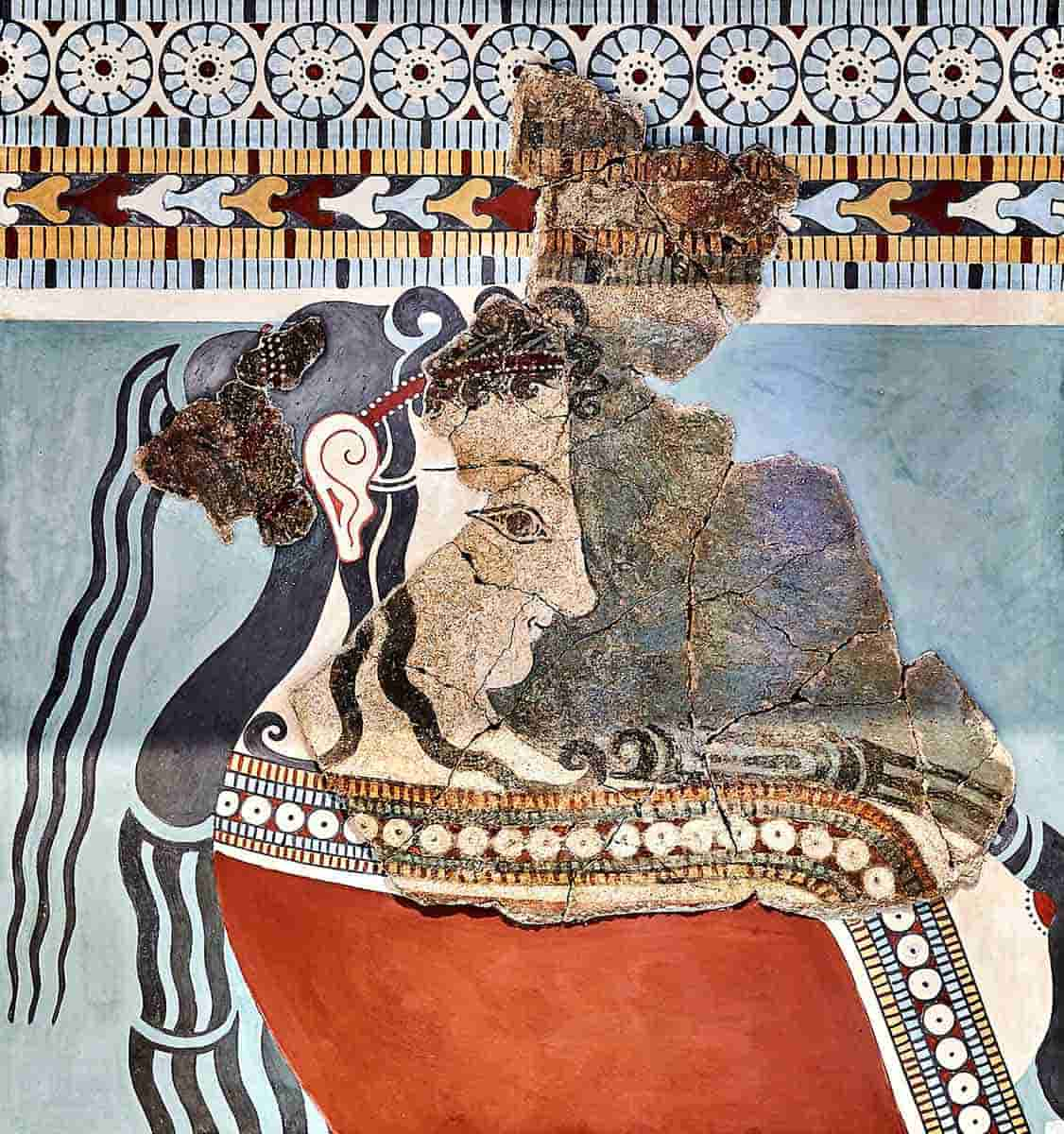
In the age that followed, there were no such palaces. Communities were organized on a much smaller scale, and monumental architecture did not exist. In the early Iron Age, many settlements consisted of modest huts built of local stone, wood, and mud brick. Some were scattered, others densely clustered. Sometimes settlements were built on hills for easier defense. Larger and more complex settlements began to reappear during the 9th and 8th centuries BC.
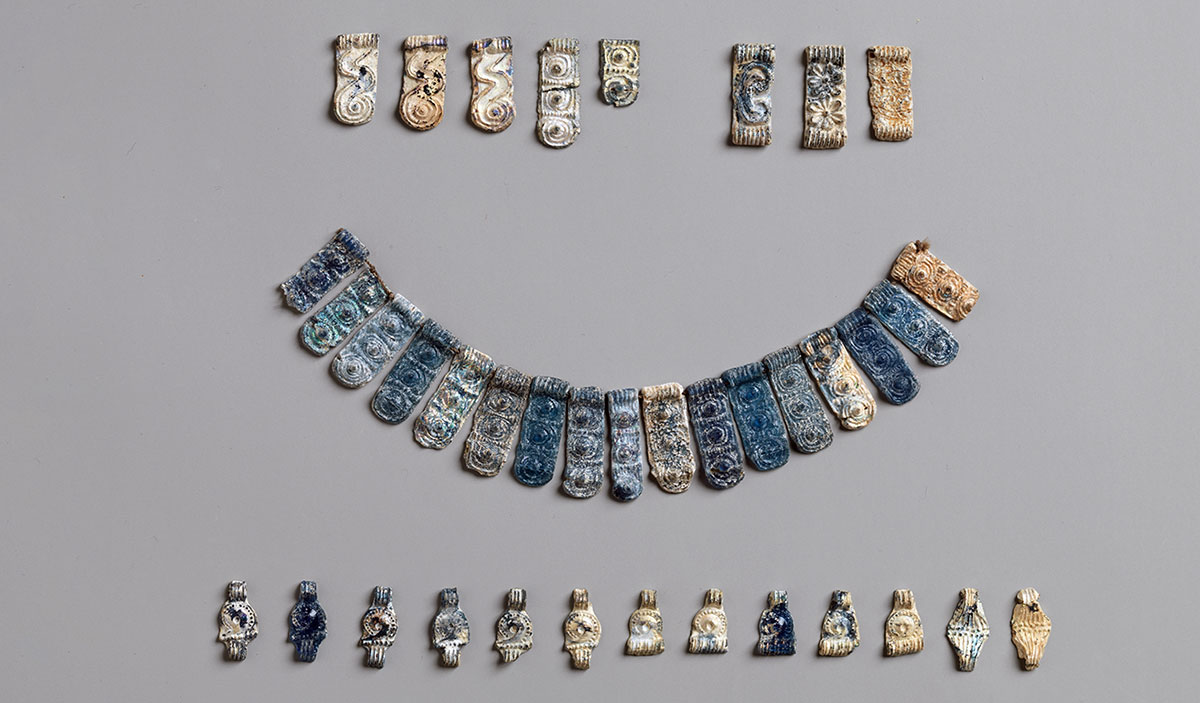
The same trends affected art as well. Mycenaean palaces had workshops for carving statues, making jewelry, and creating other luxury goods. Their most famous artistic achievements were frescoes. These are sumptuous wall paintings showing scenes from everyday life. With the disappearance of the palace, this form of art also largely disappeared. That is not to say that there were no longer artists, but without wealthy palace centers, there was less demand.
Did the Iron Age Create a More Violent World?
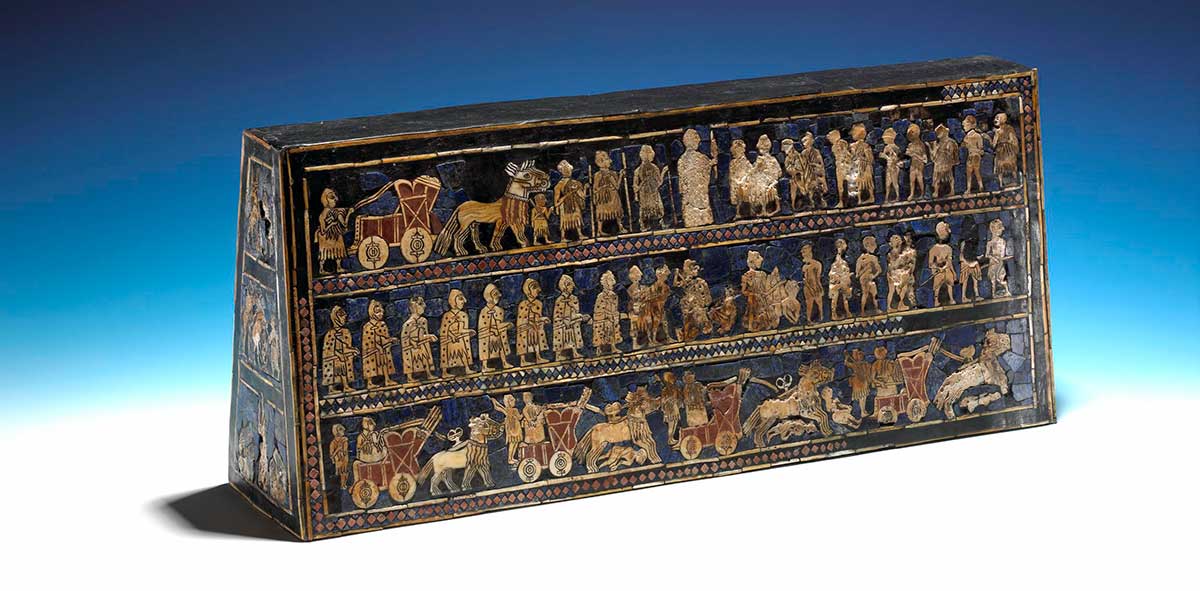
During the second millennium BC, armies centered around chariots. Wealthy aristocrats in expensive chariots that acted as a mobile archery platform led small forces of light infantry who were sparsely armed. As iron made weapons more affordable, battlefield tactics shifted toward heavily armed infantry, such as the Greek hoplites who fought in phalanx formation. In many ways, this made it easier to raise an army.
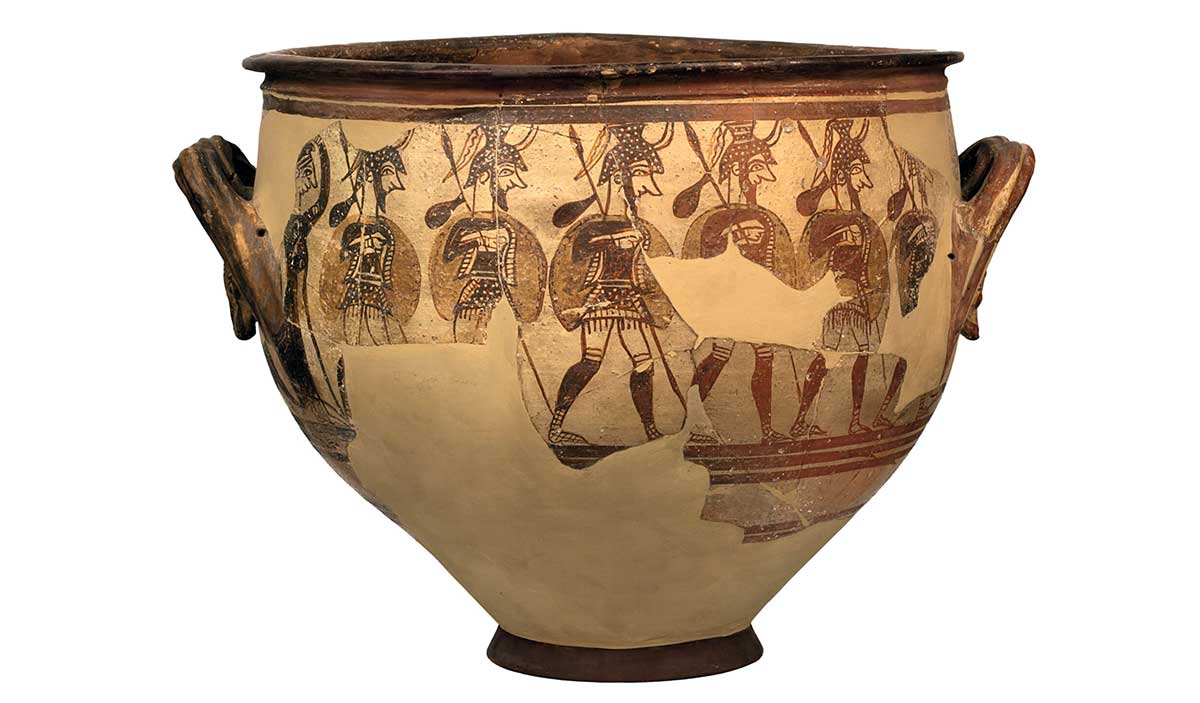
The Late Bronze Age is known for great battles, sieges, raids, and population displacements. The mighty Trojan War was believed to have happened in the 13th century BC, and later Greeks considered it characteristic of the age. After the collapse of the great Bronze Age palaces, conflicts continued between smaller kingdoms, city-states, and communities.
One of the clearest examples of Iron Age warfare is found at Teppe Hasanlu, in what is now northwestern Iran. Around the end of the 9th century BC, this settlement was completely destroyed by an unknown attacker. The site is often referred to as the Pompeii of the Middle East. Archaeologists have found the remains of people who died in the destruction, along with weapons and other evidence of combat.
The Long Road Back to Civilization
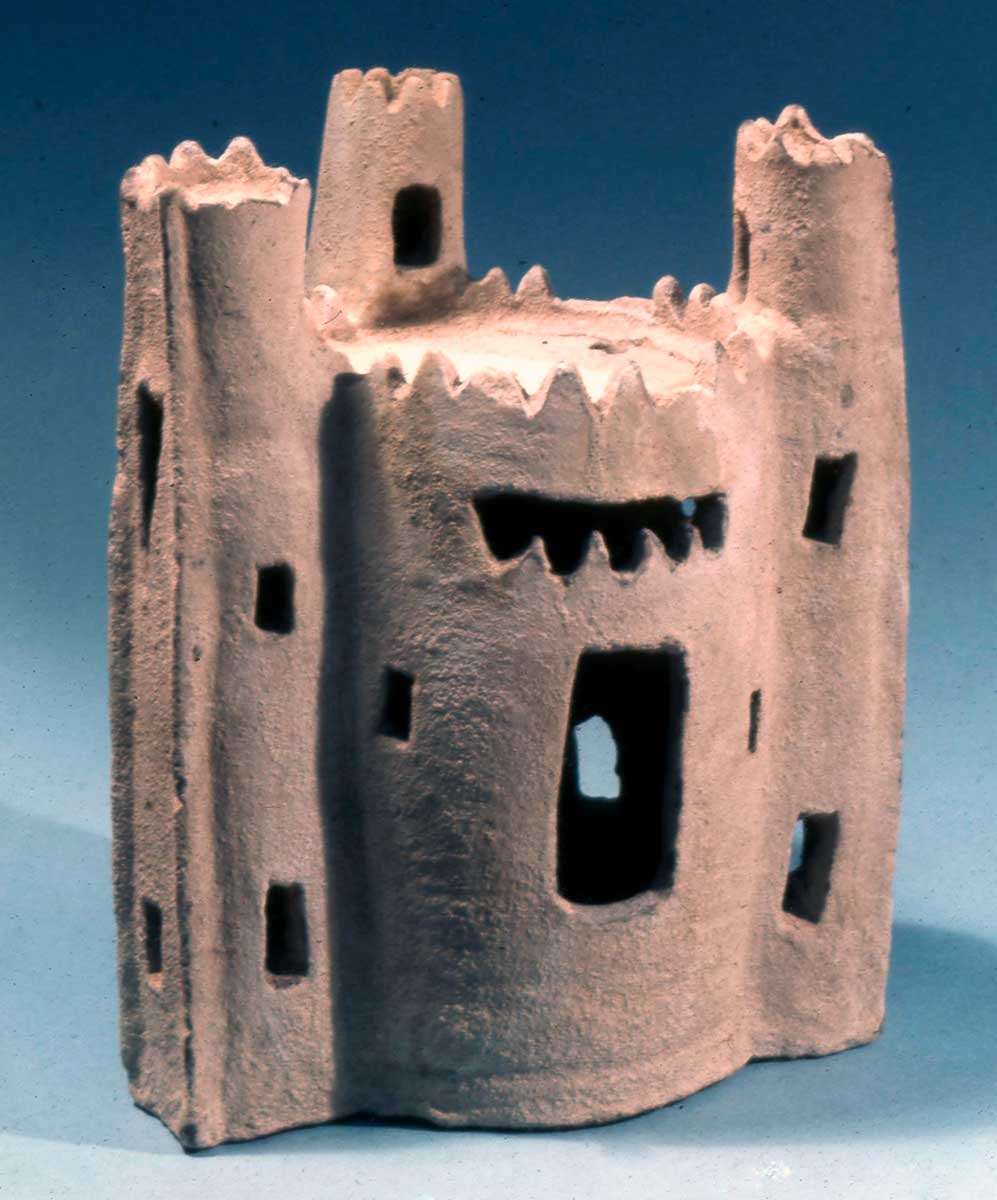
We know that the losses at the end of the Bronze Age were not permanent. In the following centuries, populations recovered. Settlements grew larger, the global economy was born once again, and new political institutions emerged. However, this recovery was gradual and uneven.
By the 8th century BC, change was becoming more evident. Population growth spurred the establishment of new, overseas colonies throughout southern Italy, Sicily, the Black Sea, and other regions. New trade networks were being created and written language spread. The former Mycenaean world was not rebuilt, but a different one was being created. In Greece, the polis became the dominant political form.
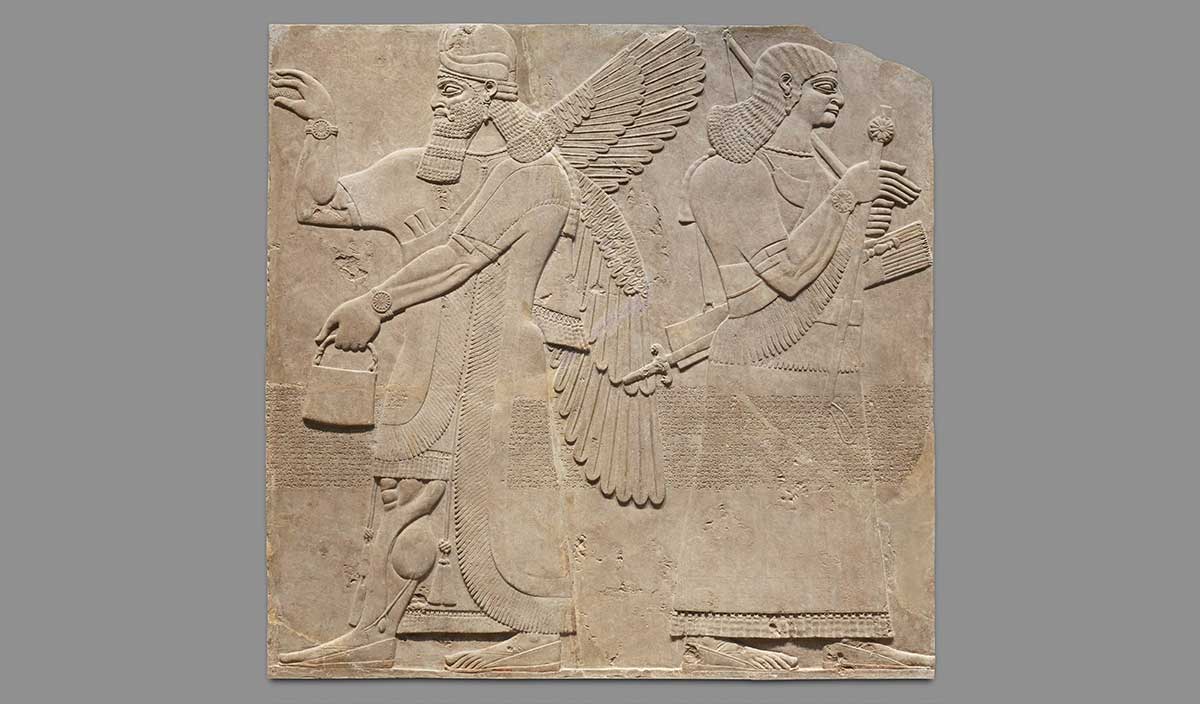
In the Near East, states such as Assyria, Urartu, and the kingdoms of the Levant developed strong centralized institutions maintained through warfare, tribute collection, and trade. The Neo-Assyrian Empire was particularly significant. It encompassed a vast territory that connected most of Mesopotamia, Anatolia, the Levant, and Egypt.
The Iron Age produced many great and influential civilizations. In addition to the Neo-Assyrians and Classical Greece, there was the Achaemenid Persian Empire, the Phoenician mercantile empire, and the Etruscans and Roman Republic. But these civilizations only rose after a long period of disruption and decline. While iron was a major technological leap forward, it was born from necessity rather than progress.