
Classical mythology remains an important part of Western culture. Who hasn’t heard of Zeus and his Roman counterpart, Jupiter? Most people know a little about the hero Hercules and his legendary labors. Names from ancient myth have clear modern references, such as “Titan” and “Hades.” Much modern entertainment is inspired by ancient stories, from Hercules: The Legendary Journeys (1995-1999) to Christopher Nolan’s The Odyssey (2026). But while we might think we know a lot about classical mythology, there are many modern misconceptions about these stories. This is the result of millennia of reinterpreting ancient myths through modern eyes. So, what are some of the most persistent misconceptions about Greek and Roman mythology?
1. Greek and Roman Mythology Are Identical

It is often said that Greek and Roman mythology are the same, with the Romans basically stealing the Greek gods and giving their gods Roman names. Thus, Jupiter is the Roman equivalent of Zeus, Minerva is the Roman equivalent of Athena, and the gods share a common mythology. While there are elements of truth to this, it is a vast oversimplification.
The Greeks and the Romans were both Indo-European peoples, and they independently developed similar, but by no means identical, religions. While the Greeks had primordial gods that represented natural elements, they quickly focused on anthropomorphic gods, giving them elaborate backstories and “human” personalities.
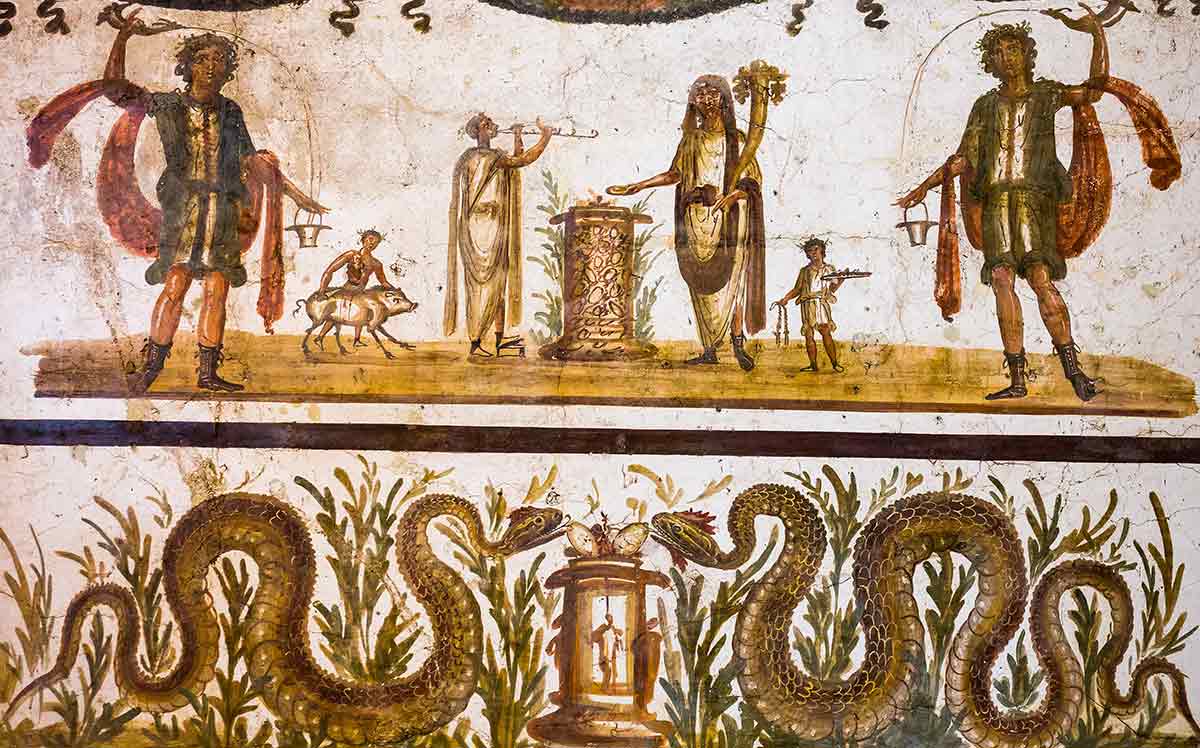
The Romans were more animistic and focused on the power of the god rather than its personality. As a result, they had many more gods, and many did not have individual names; they were just the divine power of that force or place. Consequently, the Romans were open to the existence of new gods when they found them. When that new god seemed similar to a god they already worshipped, they often assumed they were the same god invoked by a different name. Thus, the 1st-century-AD Roman historian Tacitus described the Germanic god Odin as being the equivalent of the Roman god Mercury, Tyr as Mars, and Thor as Hercules.
When the Romans encountered the ancient Greeks, they saw many similarities between their gods and connected them. These Greek gods had well-established and recorded mythologies, so the Romans adopted those myths, and their gods became more “Greek” over time. But the Roman gods remained distinct in many ways.

Jupiter was never the womanizer that Zeus was, and Juno was not the vengeful wife, unlike her counterpart Hera. While Ares, the Greek god of war, was viewed as volatile, dangerous, and in many ways inferior to Athena, the goddess of strategic war, his equivalent Mars was one of the most important and venerated gods in the Roman pantheon. Some important Roman gods never had Greek equivalents, such as Janus, and some “unknown” Greek gods were adopted by the Romans directly, such as Apollo.
When Roman authors like Ovid wrote about Greek mythology but gave the divine protagonists their Roman names, it seems as though the two were the same. But this was an academic exercise meant to entertain educated Romans who prided themselves on their knowledge of Greek mythology. It did not mean that the Romans didn’t see a difference between their gods and those of Greece.
2. The Titans Were Evil Gods Overthrown by the Olympians

Greek mythology begins with a battle for control of the cosmos. When the first gods emerged from the waters of chaos, including Gaia, mother earth, and Ouranos, father sky, they were in charge. Gaia and Ouranos had many children together, including the Titans, who were powerful gods but not envisioned as “giants.” The pair also had some other “monstrous” children, which disgusted Ouranos, who threw them into the depths of Tartarus, the darkness beneath the earth. This angered Gaia, who convinced her Titan children, led by Cronus, to overthrow their father.
The Titans were now in charge. But Cronus worried about being overthrown by his children, so every time his wife Rhea gave birth, he swallowed the baby. This upset Rhea, who managed to save her son Zeus, giving Cronus a rock to swallow and sending Zeus off to be raised in hiding. Eventually, Zeus returned and gave Cronus something that made him vomit up his siblings. The siblings then banded together and recruited other divine beings, including some Titans, to take down the main Titans in a war known as the Titanomachy. The Titans lost and were sent to Tartarus, while Zeus, his siblings, and their allies took control of the cosmos as the Olympians.

This seems to cast the Titans as the bad guys in the story, but were they an “evil force” that needed to be overthrown? Not according to Greek myth. According to Hesiod, one of the earliest sources for Greek mythology, the Titans ruled over the Golden Age of Mankind. Mortals never aged or suffered from illness. They did not have to work because the earth spontaneously produced food. When people died, they simply fell asleep without pain and became protective spirits.
When Zeus restructured the universe, the Golden Age ended, and humanity went through several stages of decline. First there was the Silver Age, during which men were like children and refused to honor the gods. Therefore, Zeus destroyed them by sending a great flood. Then there was the Bronze Age, during which mankind was brutal and violent and destroyed themselves in war. This was followed by the Heroic Age, during which semi-divine heroes like Hercules and Achilles lived, and this was the age of the Trojan War. While this age did not end in catastrophe, it slowly declined into the Iron Age, in which the ancient Greeks believed themselves to live, characterized by toil, strife, suffering, and loss of moral values.
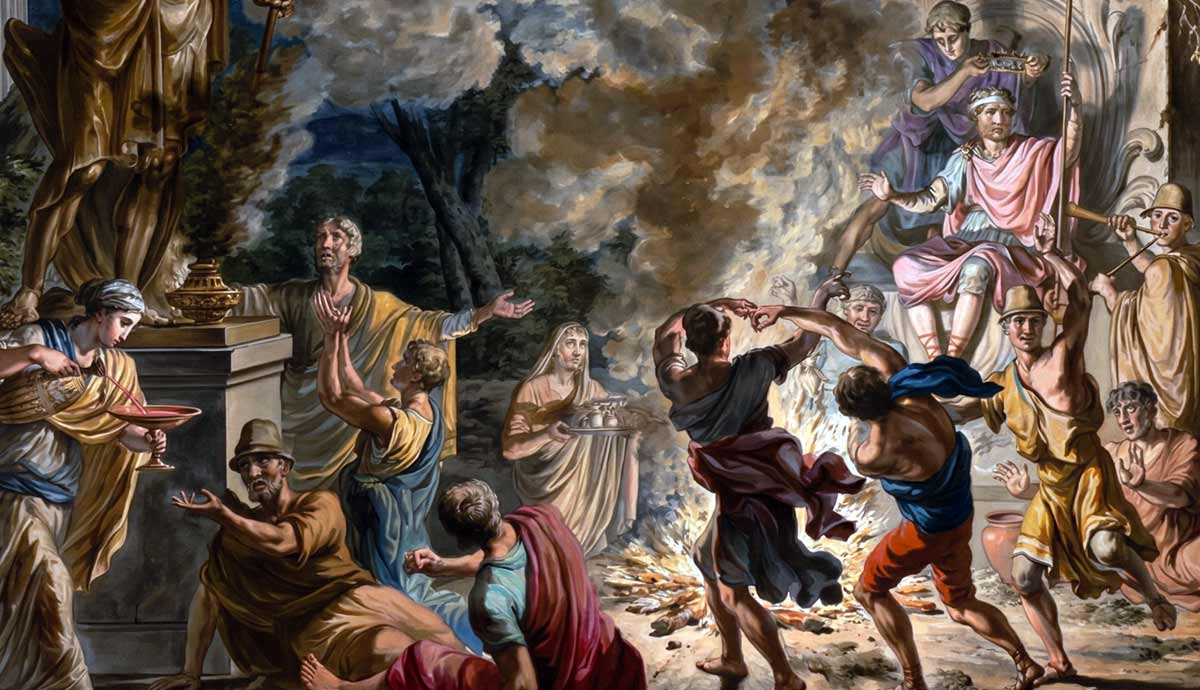
The Titans hardly seem like the villains, but today they are often cast as such largely due to confusion with the Giants. This was another race that Gaia gave birth to after the Titans were sent to Tartarus to get revenge. The Olympians defeated them in the Gigantomachy with the help of the hero Hercules.
While the Romans adopted this myth to an extent, it didn’t look the same. Cronus, whom they called Saturn, was a god of time and fertility. According to Roman myth, when Saturn was defeated, he fled to a part of Italy called Latium. There he was welcomed by the existing god of the region, Janus. They ruled together and taught the local population agriculture, established law, and initiated a Golden Age. Unlike the Greeks, who never worshipped Cronus, the Romans celebrated Saturn in the Saturnalia, the winter solstice festival that was a precursor to Christmas.
3. Hades Was the Greek Equivalent of Satan

Cronus and Rhea had six children, three girls and three boys: Zeus, Poseidon, and Hades. When they took control of the cosmos, the sons divided control of the world between themselves, with Zeus taking the sky, Poseidon taking the ocean, and Hades the underworld. In modern accounts of Hades, he is sometimes viewed as a demonic presence, trapping souls in a torturous afterlife, much like the Christian Satan.
There are two main reasons for Hades’ bad reputation. First, he kidnapped Persephone, a fertility deity and daughter of Demeter, and made her his queen in the underworld. But considering how often all the Greek gods kidnapped, seduced, and assaulted women, both mortal and divine, this story is not as noteworthy as it may seem.
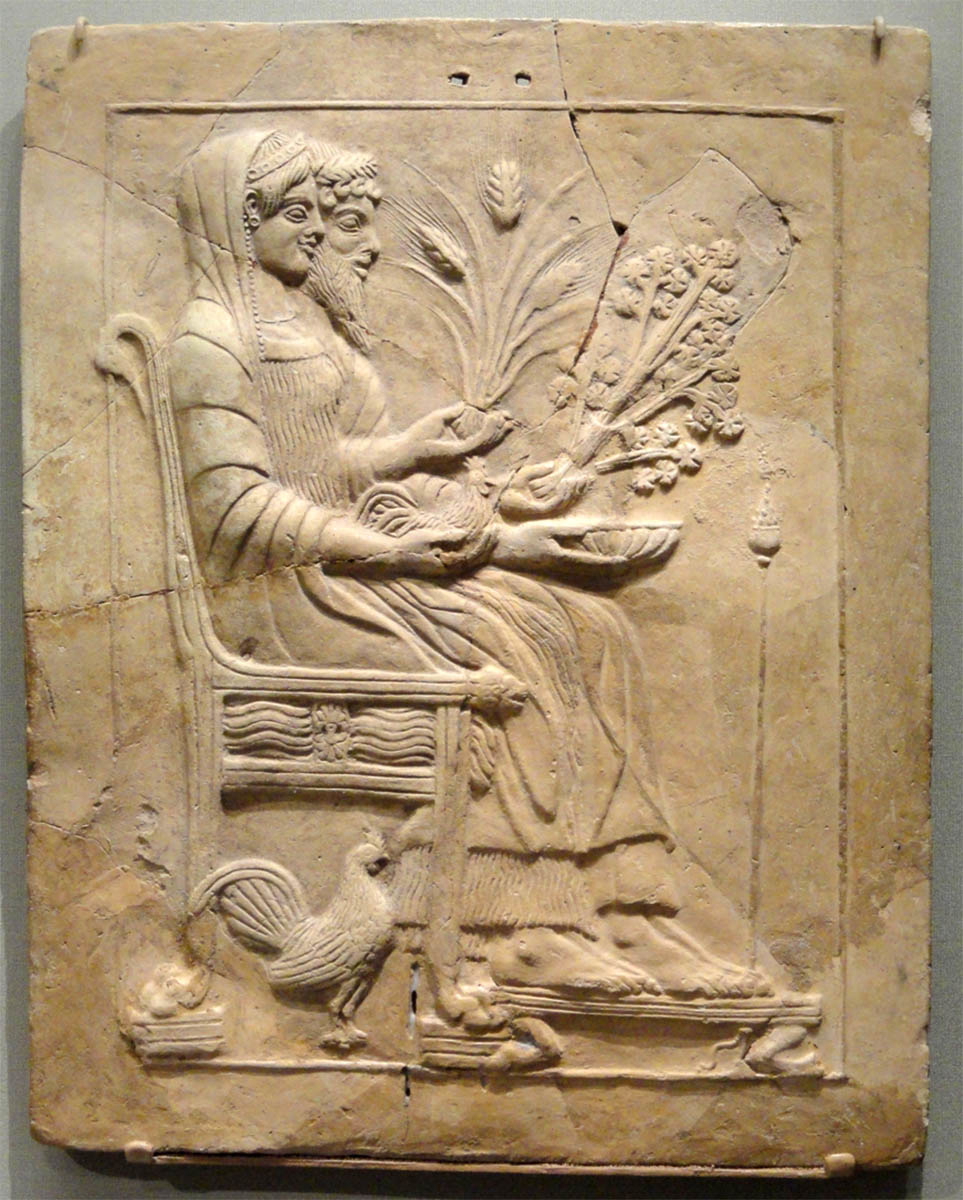
The second is that the Greeks believed that the afterlife was a fairly bleak place. There was no division between the virtuous and the evil; they all ended up in a dim, bleak, and colorless place. When Odysseus visited the underworld and encountered the ghost of Achilles, the fallen hero told his friend that he would rather be a lowly peasant than king of the dead. This suggests that the Greeks, or at least some of them, as beliefs varied, considered the afterlife a pale shadow of the world of the living.
So, Hades was maybe not the greatest guy, and he was the ruler of a bleak domain, but the ancient stories never imply that he was evil, that he actively tried to capture souls, or that he tortured the dead. According to one story, he did complain when the healer Asclepius became so talented that he snatched souls from the jaws of death. However, his complaint was about imbalance in the cosmic order rather than wanting souls to eat. Plus, it was Zeus who killed Asclepius to restore balance.
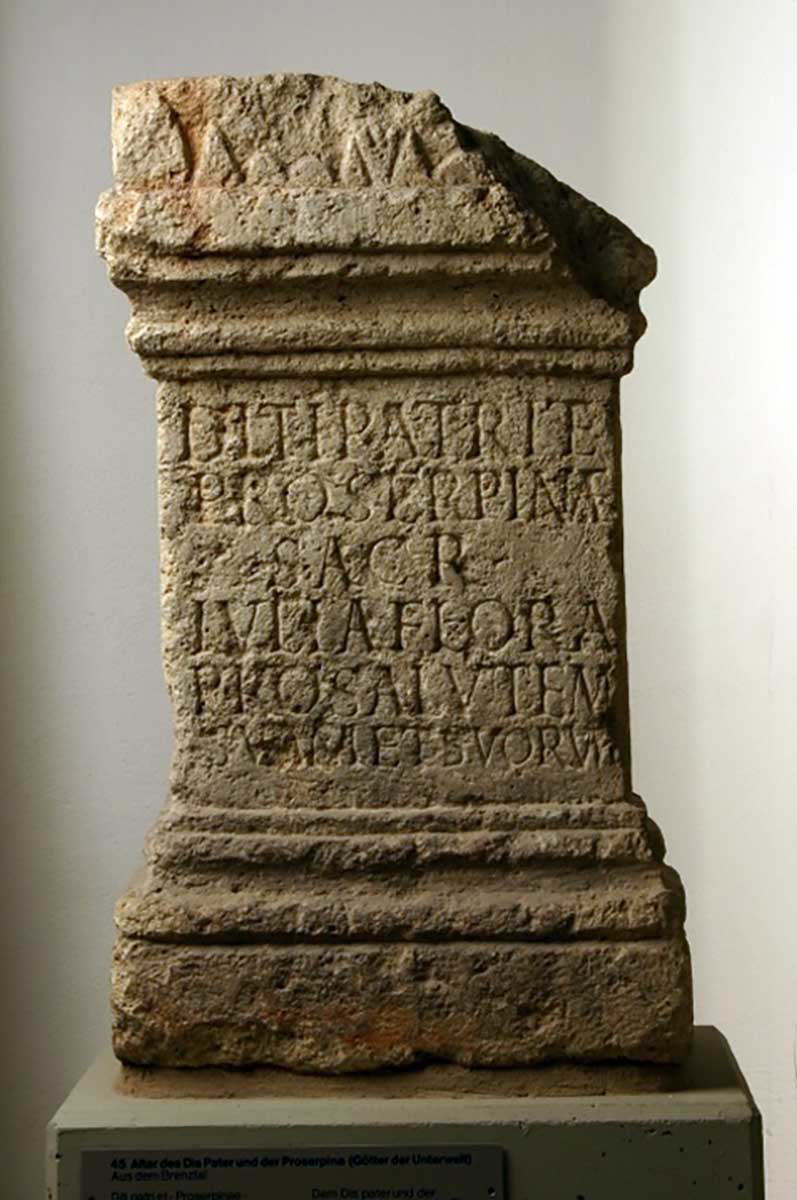
Again, this is an area where Greek and Roman mythology differed. The Romans had a less bleak view of death, and believed that their ancestors joined the collective spirits of the dead and continued to watch over their families. Hades’ Roman equivalent, Pluto, meaning the “wealthy one,” or Dis Pater, “wealthy father,” was more closely associated with the riches that came out of the earth, such as gold, silver, and crops.
4. Athena Cursed Medusa as Punishment for Being Assaulted

According to the most widely known version of the story today, Medusa was a beautiful young woman with stunning hair. She caught the attention of the god Poseidon, who assaulted her within a sanctuary of Athena. This was sacrilege, so Athena punished Medusa by turning her into a hideous Gorgon with snakes for hair. She was now so hideous that her look could freeze a person. Athena then helped the hero Perseus kill Medusa. He cut off her head and gave it to Athena, who wore it as a trophy.
This version of the story is from Ovid, a Roman author writing in the 1st century AD. He included it in his Metamorphoses, various tales from Greek mythology about transformation. But this story bears only a superficial resemblance to earlier Greek versions of the story.

According to Hesiod, writing around 700 BC, Medusa was one of three Gorgon sisters, children of the primordial gods of the ocean Phorcys and Ceto. The Gorgons were hideous to look upon, which is why their faces were placed on doorways to scare off even more dangerous beings. While Medusa’s two sisters were immortal, Medusa was mortal, which is why she is the one Perseus targeted when charged by a king with retrieving the head of a Gorgon.
The story evolved over time with the Greek playwrights adding elements such as the encounter with Poseidon and divine assistance for Perseus, no doubt to add drama to their tellings of the story. It was these later versions that Ovid adapted into his own tale. But then why is Ovid’s tale the most well-known version? While many sources of Greek mythology were lost and only rediscovered in more modern times, copies of Ovid survived the Middle Ages, and he was extremely popular in the Renaissance. Even Shakespeare loved Ovid: he is referenced in almost all of his plays. Therefore, it was Ovid’s version that entered the popular imagination.
5. Pandora Opened a Box and Released Evil Into the World

Many people believe that Pandora is Greek mythology’s equivalent of Eve. She was given a box and told not to open it, but the temptation was too great; she opened the box and let evil out into the world. Again, while there is some truth to this account, it oversimplifies the story.
When Prometheus stole fire from Mount Olympus and gave it to mortals, Zeus decided that not only Prometheus, but also mankind, should be punished. So, he commanded Hephaestus, the god of the forge, to make the first mortal woman, and then had each Olympian god give her a gift to make her irresistible. For example, Aphrodite gave her beauty, Athena gave her knowledge of needlework and weaving, and Apollo gave her musical talent. These were the gifts of Pandora, not whatever was in her box, or more accurately, storage jar, which she was also given by the gods.

Zeus then sent Pandora to Prometheus’ brother Epimetheus. Despite having been warned to never accept a gift from Zeus, he was so charmed by Pandora that he took her as his wife, and she moved in with her box. The god Hermes had gifted Pandora curiosity, so it was only a matter of time before she opened the box. Immediately, all the horrors, illnesses, sorrows, and vices that had been absent during the Golden Age escaped and spread among mankind. Terrified at what she had done, Pandora closed the box, leaving one item trapped inside: hope.
So, while Pandora was the vehicle that brought evil into the world, this was not because she was a “weak-minded woman”; it was by design. She was specifically made by the gods as an instrument of divine vengeance. So, she would only be the equivalent of Eve if God used Eve to expel humans from the Garden of Eden.
6. Eros Was the Cherubic Son of Aphrodite

Eros, better known by his Roman name Cupid, is usually depicted as the cherubic son of Aphrodite who flies around on baby wings with a bow and arrow. If he shoots you, he can make you fall in love with whoever he wants. This bears little resemblance to the Eros of Greek myth.
Some stories describe Eros as the son of Aphrodite, probably with the god Ares. He was one of many Erotes, gods of love and sexual intercourse. Eros’ most important counterpart was Anteros, or “unrequited love.” Eros was also most closely associated with Aphrodite, appearing alongside her in myths, though as a young man rather than an infant. He is credited with making love matches in many stories. For example, he matched Zeus and Semele, resulting in the birth of Dionysus, as well as Perseus and Andromeda, Medea and Jason, and Hercules and Abderus.
Other stories describe Eros as a primordial god. In Hesiod’s Theogony, Eros was the fourth god to emerge, following Chaos, Gaia, and Tartarus. As a primordial being, Eros is also known as Phanes, who was the primary force that brought order to the chaos that existed at the start of time. Yet another story describes Zeus swallowing Eros to absorb his powers so that he could recreate the world and become both its creator and ruler.
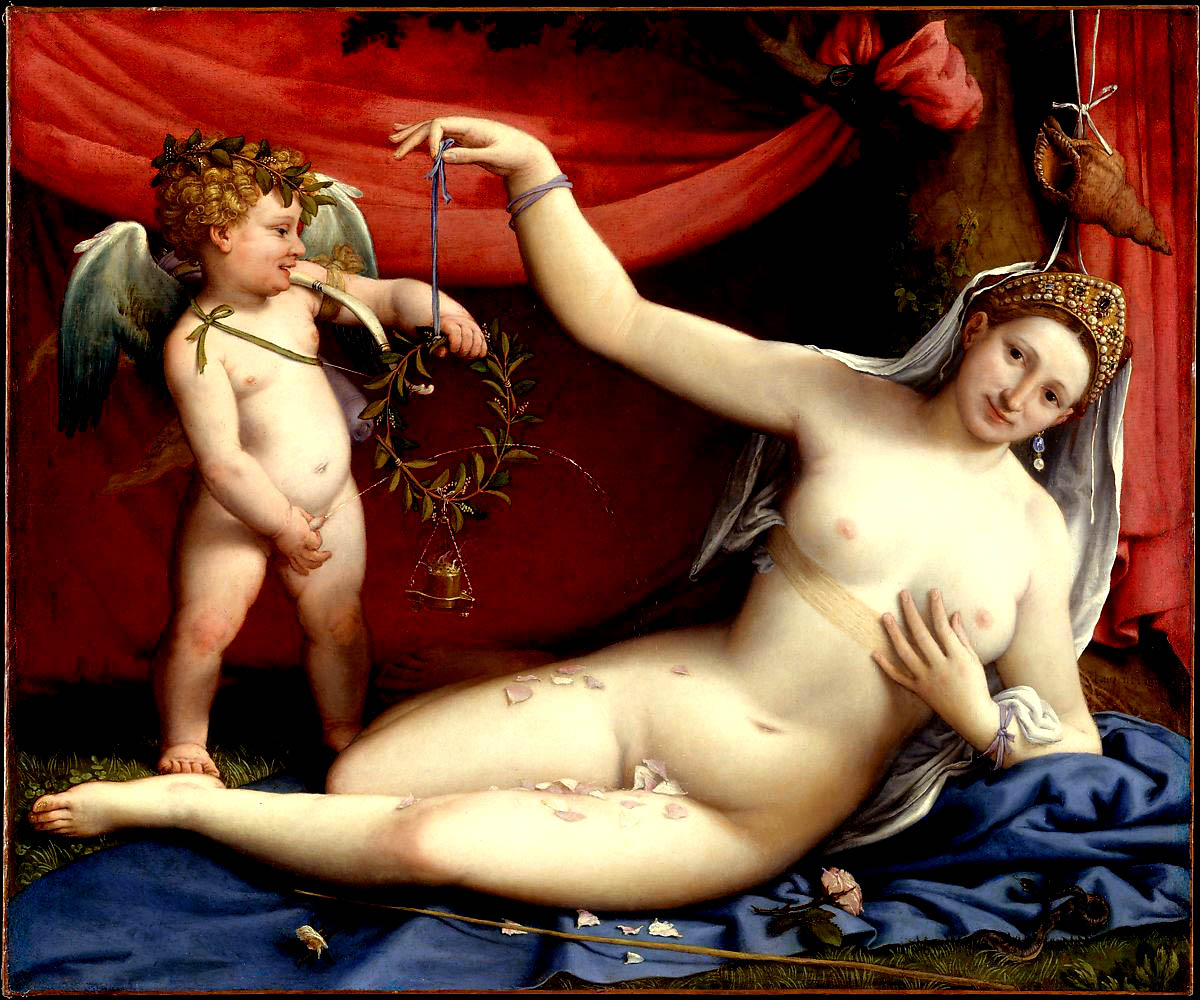
How the primordial Eros came to be Aphrodite’s sidekick in love adventures is unclear. But it was only in the Hellenistic period, starting around the 3rd century BC, that he started to be depicted as the infant cherub and grouped with other Erotes as a flock of toddlers. The Romans adopted this imagery for their Cupids, which became a common theme in Roman art.
It is worth noting that the most famous story about Eros also comes from a Roman author. Writing in the 2nd century AD, Apuleius retold the love story of Eros and Psyche in his The Golden Ass.
7. Greek Mythology Was the Classical Version of the Bible

Even this short look at a few aspects of classical mythology shows that it is often inconsistent, even in the most basic parts such as “who begat who.” This is because there is no central “canon” of approved texts, as there is with the Bible. Rather, fragments of Greek and Roman mythology were recorded all over the place, by different people, from different times, in different places, and speaking different languages. That is not just true for us today looking back, but also in ancient times. Hesiod and Homer wrote around the same time but tell different versions of the Greek creation myth.
Why didn’t the Greeks pull together a definitive guide to Greek mythology like Church scholars did for the Bible? It is worth remembering that there are many texts written by Christians that were not included in the Bible and that contradict what is in the Bible, which are now considered apocryphal. But for the Greeks, who would have done this? Greece was a group of independent, warring city-states, with their cities patronized by different gods. Who would decide what was “truth”?

Centuries later, the Roman emperor would have had the power to commission and approve a definitive mythology for the Roman Empire, but this just wasn’t something that was required. Rather than prioritize orthodoxy, belief in the same scripture or stories, the Romans prioritized orthopraxy, which was the correct performance of rituals and sacrifices. They believed that it was these acts that maintained the favor of the gods, rather than accurate belief in one mythical story over another. This allowed for flexibility within acceptable religious practice, which was necessary when maintaining a vast Empire of different cultures.
Interestingly, it was only when the “act-based” religion of ancient Rome was replaced with faith-based Christianity that Orthodoxy became important.