
Contemporary propaganda promoted Livia, Rome’s first empress, as the perfect partner to Augustus and the devoted mother of her son Tiberius. But ancient historians recording the deeds and drama of the Julio-Claudian dynasty cast her as a shadow in the hallways of the Palatine palace, poisoning several of Augustus’ heirs to secure the succession of her son, maybe even poisoning Augustus himself, and, perhaps worst of all, interfering in public politics, something a woman had no right to do. But was Livia really a villain, or a victim of the history books?
The Black Legend: Why Tacitus Branded Livia a Villain
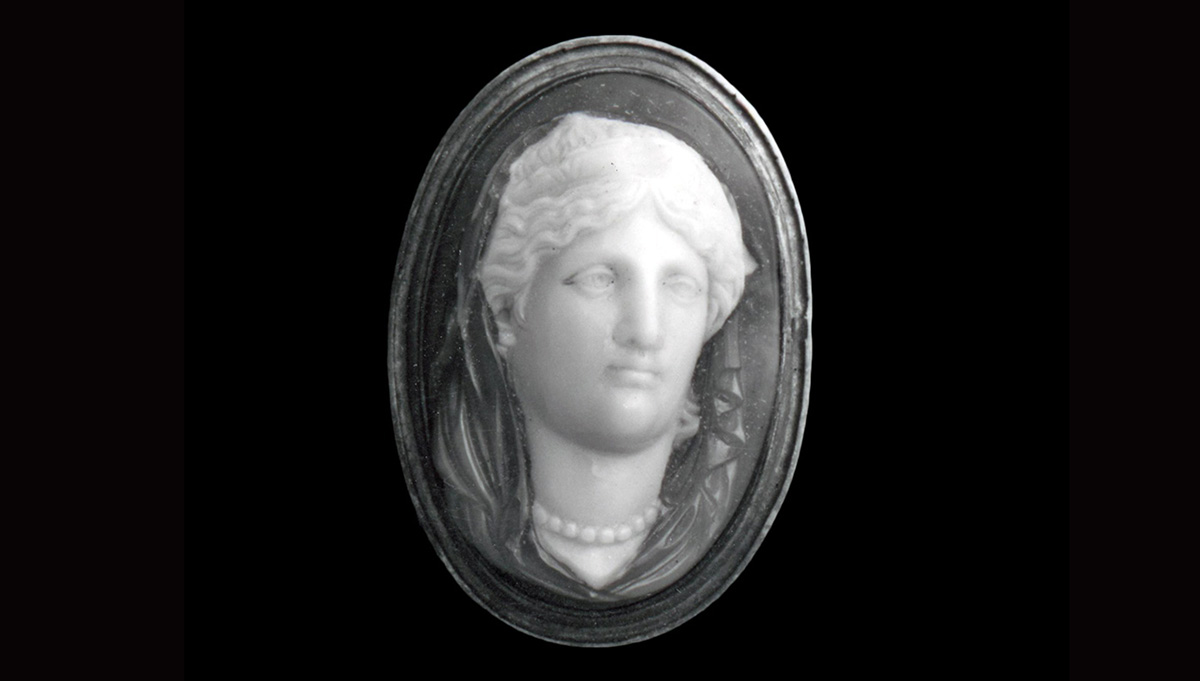
Several surviving sources accuse Livia of scandalous and murderous behavior. The most coherent characterization of her as a vicious figure is made by Tacitus, a Roman senatorial historian writing around a century after Augustus’ death. He called Livia: “a mother burdensome to the commonwealth and a stepmother burdensome to the house of the Caesars” (Annals 1.10).
There are several accusations contained within this simple sentence that Tacitus and other authors expand on in their works. They suggest she was a politically astute but ruthless player who exerted excessive influence over her husband Augustus and then her son Tiberius. Such involvement in Roman politics was considered scandalous for a woman. There is also the more serious charge that, through political machinations and outright murder, she secured the succession of her son Tiberius over Augustus’ Julian heirs.
These stories were perpetuated over the centuries, echoed by the gossipy biographer Suetonius and much later by the cynical historian Cassius Dio, making Livia, the first Roman empress, the archetype of an overbearing and dangerous imperial woman. But this was in stark contrast to how she was represented in contemporary imperial propaganda. Do the charges against her hold up to scrutiny?
Charge #1: A Scandalous Marriage
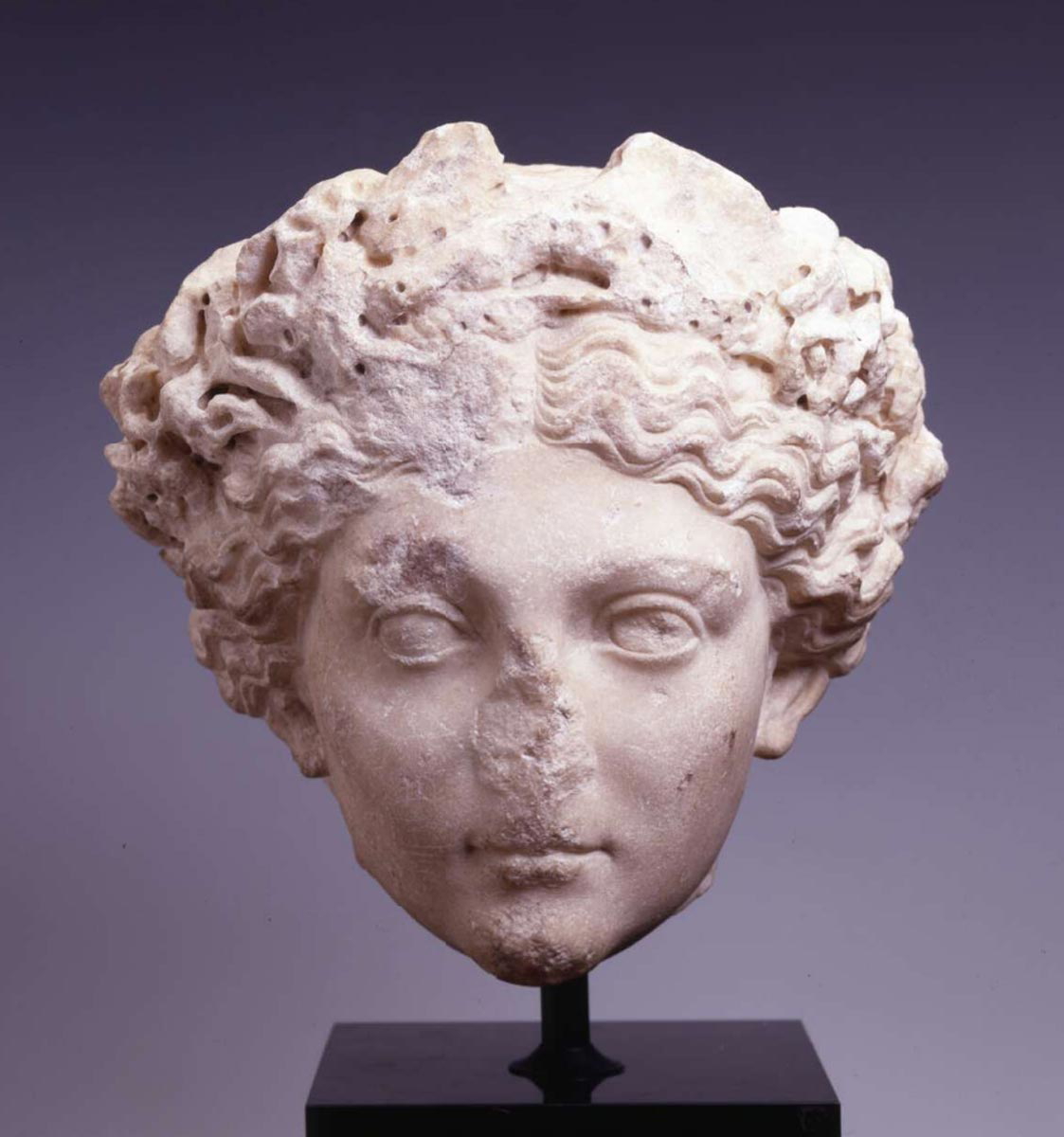
From the very beginning, Livia’s marriage to the emperor Augustus was embroiled in scandal. When Augustus, then still known as Octavian, met Livia, she was already married to Tiberius Claudius Nero, who had sided with Mark Antony in the civil war. The couple was allowed to return to Rome in 39 BC following a general amnesty to those who had opposed him. At the time, Livia had a young son, Tiberius, and was already pregnant with her second son, Drusus.
Octavian reportedly met Livia on Rome’s social scene and fell for her immediately. He was also married, but divorced his second wife, Scribonia, on the day she gave birth to his only biological child, a daughter, Julia. He then pressured Tiberius Claudius Nero to divorce Livia. She gave birth to her second son on January 14, 38 BC, and married Octavian on January 17, which broke social protocols. But Livia’s former husband was present at the wedding, giving it his “blessing.”
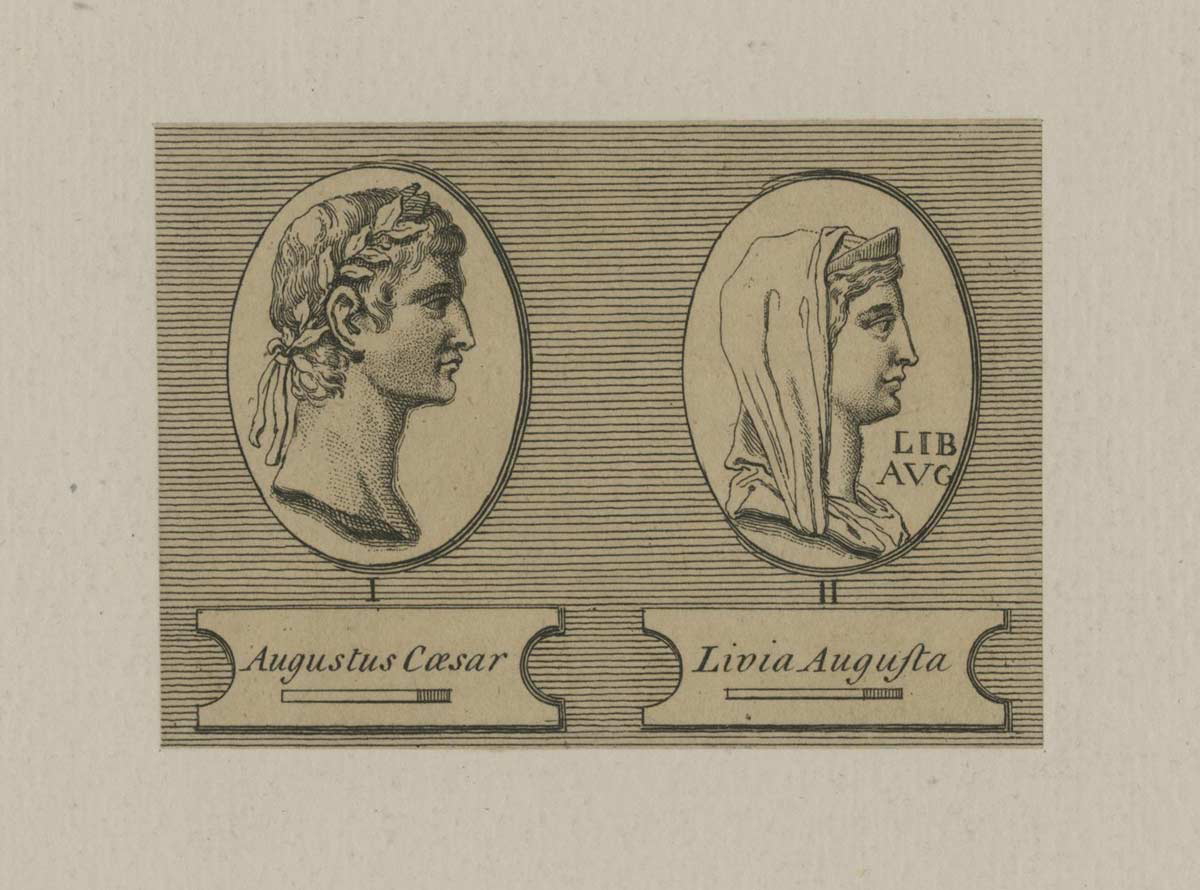
While the sources tend to describe this as a love match, there may also have been political motivations. Livia was well-connected to the prominent families that had opposed Octavian. The marriage allowed Octavian to build bridges and Livia’s family to show their loyalty. This worked well for them, as the Claudian gens became one of the most prominent families in Rome. There was also the fact that Octavian only had a daughter and must have wanted a male heir. The young Livia had proven herself capable of bearing sons. While the promised sons never came, Livia and Augustus remained married for 51 years, again suggesting a genuinely affectionate relationship.
Verdict: While the marriage may have been scandalous, and Livia, despite being married, may have welcomed the advances of the most powerful man in Rome, she can hardly be held responsible. Just 20 years old at the time, it was the men in Livia’s life who decided who she should marry and when.
Charge #2: Murdering Augustus’ Heirs

Augustus had a notoriously hard time holding onto an heir, with each of his chosen successors dying prematurely. The sources imply that Livia may have played a role in their demises to clear a path for her eldest son to succeed. Tiberius was not a “top choice” because he was Livia’s son from a previous marriage and therefore did not belong to Augustus’ Julian gens, but rather the Claudian gens.
Augustus’ first chosen heir was Marcellus, the son of his sister Octavia. To secure his position, Augustus married his nephew to his only daughter, Julia, despite the close familial relation. But the 19-year-old Marcellus died unexpectedly in 23 BC from an illness that spread through Rome. Augustus also suffered from the illness, but while the emperor recovered, his young heir did not. Cassius Dio says that there were allegations that Livia was behind his death because Augustus preferred Marcellus to her own sons; Tiberius was only a few years younger than Marcellus.
Next, Augustus looked to his long-time friend Agrippa. He had supported Octavian from the beginning and had proven himself an effective general. Augustus married Agrippa to Julia in 21 BC. He later gave him maius imperium (greater imperium) and tribunicia potestas (tribunician power), matching his own most important powers. But Agrippa fell ill while campaigning in Pannonia in 13 BC, and he died on the return journey home in 12 BC. Livia was not implicated in the 51-year-old’s death. Nevertheless, the following year Augustus forced Tiberius to divorce his beloved wife, Vipsania Agrippina, the daughter of Agrippa, and marry Julia, marking him as an heir.

But Augustus was hedging his bets and looking for a “proper” Julian heir even before Agrippa’s death. In 17 BC, he adopted the two infant sons of Agrippa and Julia, Gaius and Lucius. As they aged, they were quickly groomed for succession. They were both granted various public honors, including being nominated for consul at 15 to hold the position when they turned 20.
In AD 2, a 19-year-old Lucius died suddenly of sickness while traveling to Hispania to gain military experience. The following year, Gaius, while returning from the East, was ambushed and severely wounded. His wound never properly healed, and he became frail, which led him to ask to retire from public duties. He eventually died in AD 4 before ever returning to Rome. Tacitus implies that Livia may have had a role in their deaths, stating that “premature death through fate or the treachery of their stepmother Livia carried off” the two boys (Annals 1.3).
Verdict: While there is no actual evidence that Livia played a role in any of these deaths, and their distance from Rome makes it seem unlikely, she got what she wanted. Tiberius, who had retired from public life to the Greek island of Rhodes in 6 BC to make way for the two boys, was recalled and confirmed as Augustus’ heir.
Charge #3: Political Puppet-Master
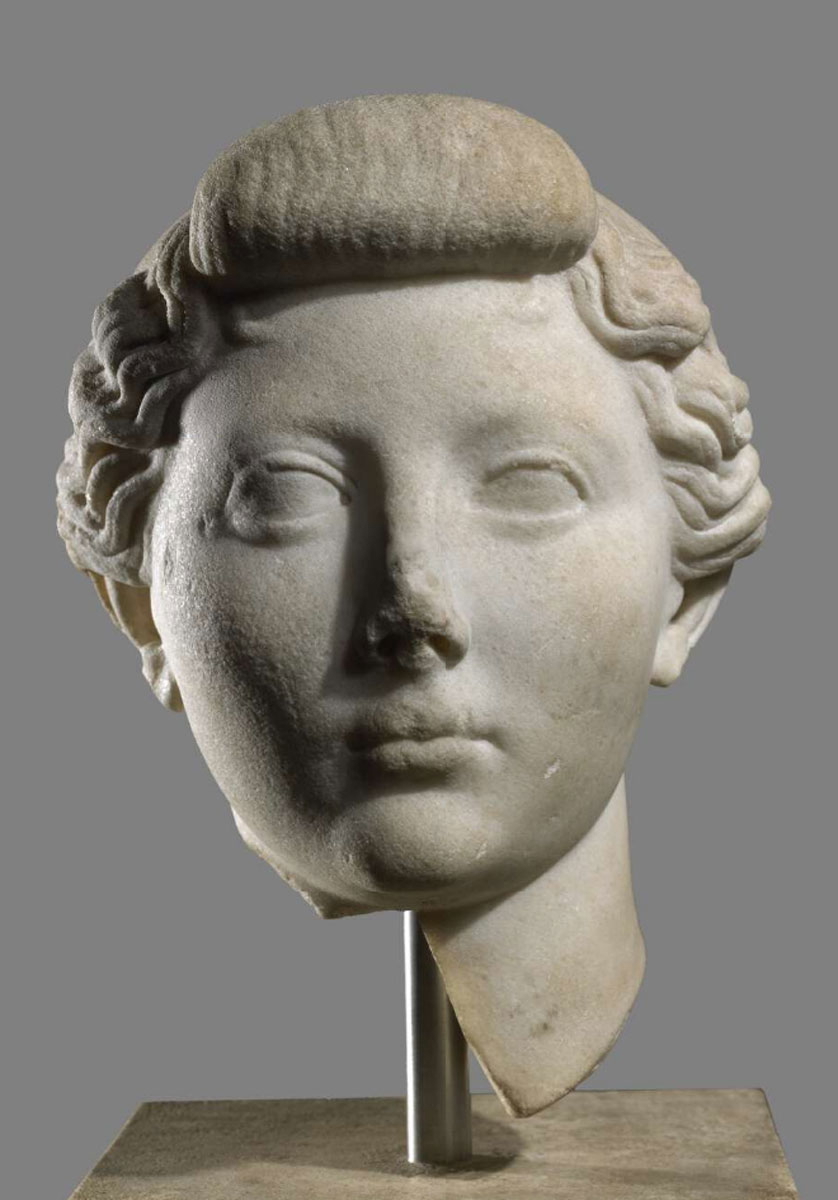
In ancient Rome, public life, and especially politics, were considered the domain of men. Women were completely excluded from public life, especially during the Republic. But Livia is accused of wielding immense political influence. The sources regularly suggest that she was Augustus’ closest confidante and advisor, suggesting that he rarely made a major decision without consulting his wife.
The contemporary author Philo praised Livia’s political acumen, ascribing her “masculine intellect,” as she was acting in masculine fields.
“But she, as she surpassed all her sex in other particulars, so also was she superior to them in this, by reason of the pure learning and wisdom which had been implanted in her, both by nature and by study; so that, having a masculine intellect, she was so sharp-sighted and profound, that she comprehended what is appreciable only by the intellect, even more than those things which are perceptible by the outward senses, and looked upon the latter as only shadows of the former.”
Cassius Dio records that Livia advised Augustus on how to handle conspiracies. Notably, she supposedly convinced him to show clemency to the would-be assassin Cinna, arguing that mercy would win him more loyalty than executions. Augustus took her advice, pardoned Cinna, and the conspiracies largely stopped. Suetonius suggests that Augustus took notes from his conversations with Livia and carried them with him in the Senate to consult, so as not to forget her points.
In 9 BC, Augustus granted his wife the exceptional privilege of ius liberorum, which exempted Livia from male guardianship (at the time his own), allowing her to own, inherit, and manage her property independently, which made her vastly wealthy in her own right.

While Livia is mostly described as exerting a benevolent if unprecedented influence, she was also accused of exploiting it. For example, she is accused of influencing Augustus to banish his daughter Julia from Rome in 2 BC due to her personal dislike of the girl and her poor treatment of Tiberius during their marriage.
Verdict: There is ample evidence of Julia’s adultery and promiscuity, which made a mockery of Augustus’ moral laws. Moreover, she was probably involved in a political conspiracy against her father. Augustus’ anger against his daughter was widely recorded. If Livia favored her exile, Augustus seems to have needed little convincing. While Livia’s political influence may have made Roman men uncomfortable, there is little evidence that she maliciously abused her position.
Charge #4: The Poisoned Fig
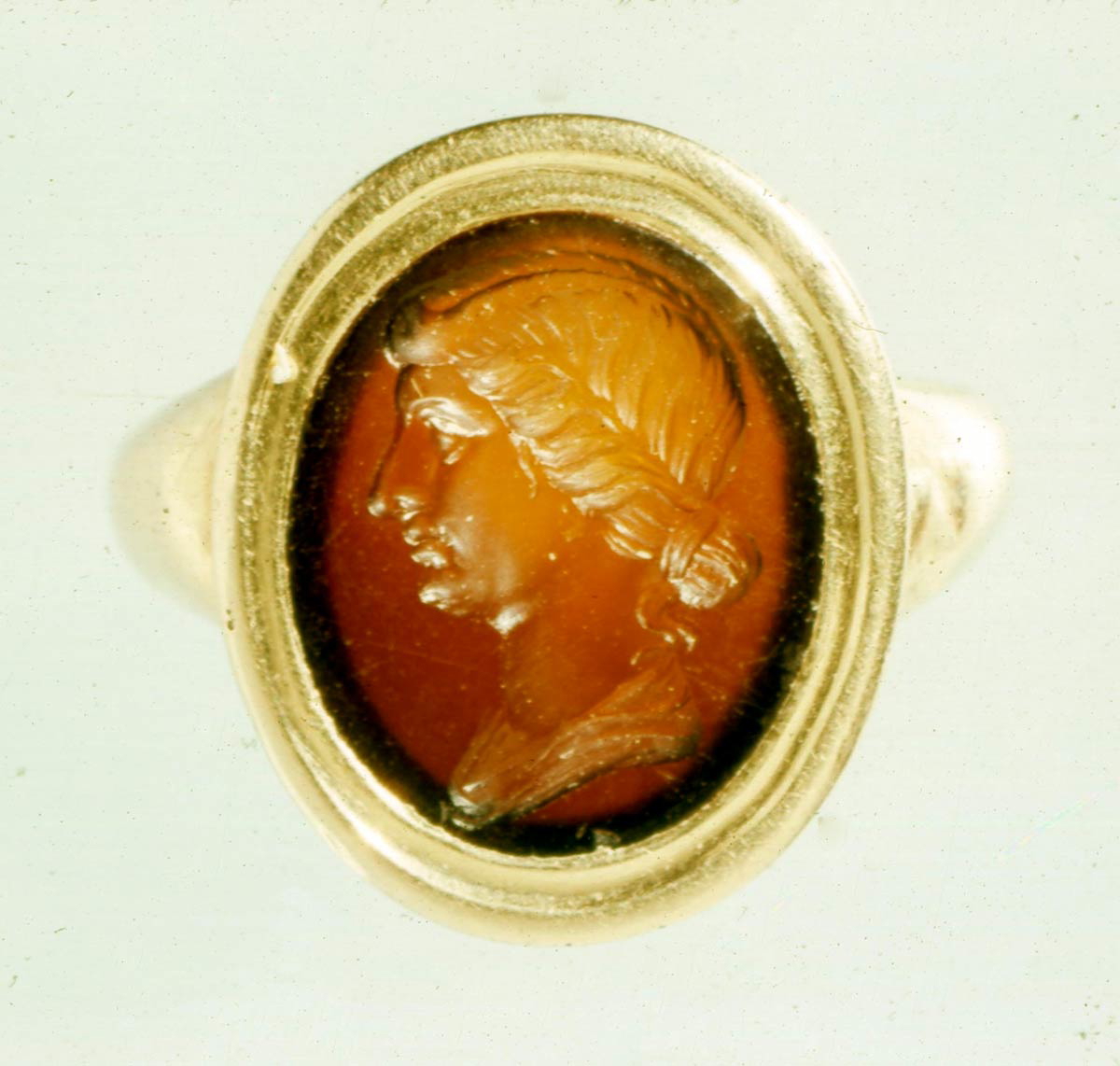
Probably the most heinous charge against Livia is that she played a role in the death of her husband. Augustus died in AD 14 at Nola in Campania at the age of 76, probably of old age. But while few dispute that Augustus was already on death’s door, the sources suggest that Livia may have hastened his demise.
Cassius Dio says that Livia allegedly smeared poison on fresh figs while they were still hanging on the tree in their garden. She picked and ate the untainted fruit herself to deflect suspicion, while offering the poisoned ones to Augustus. Along with Tacitus, he suggests that this was motivated by a last-minute threat to Tiberius’ succession.
Agrippa and Julia had another younger son, Agrippa Postumus, born shortly after Agrippa’s death. At the time of Augustus’ death, he was exiled from Rome. But there were reportedly rumors that Augustus secretly visited him in the days before his death, possibly with the intention of reinstating him as heir. The charge is that when Livia learned of this, she hastened Augustus’ death to avoid any changes to the current settlement. She also reportedly cordoned off the house following Augustus’ death and released reports that the emperor was merely sick until Tiberius could arrive. The death of Augustus and the succession of Tiberius were then announced together.

While modern historians tend to think Livia had no role in Augustus’ death, she may well have had a hand in the downfall of Agrippa Postumus. He was originally adopted alongside Tiberius as co-heir in AD 4. But he was formally disinherited and exiled in AD 6 or 7, reportedly for being mentally erratic and violent. Tacitus suggests that Livia poisoned Augustus’ mind against the boy for years, causing his fall from grace.
Moreover, within hours of Augustus’ death, a centurion was sent to execute Agrippa Postumus. According to Tacitus, when the centurion reported to Tiberius that the deed was done, he denied giving any such order. Tacitus suspects that either Augustus left orders on his deathbed for the execution to ensure a smooth succession, or Livia orchestrated the murder.
Verdict: While this seems like a “trope,” an accusation appropriate for an ambitious stepmother, it may be that Livia was in some way complicit in the death of Agrippa Postumus. Regardless of her ambitions for her son, two heirs were a recipe for civil war, as seen with Octavian and Mark Antony. She was probably not the only person who considered it a “necessary evil.”
Charge #5: Power-Hungry Mother
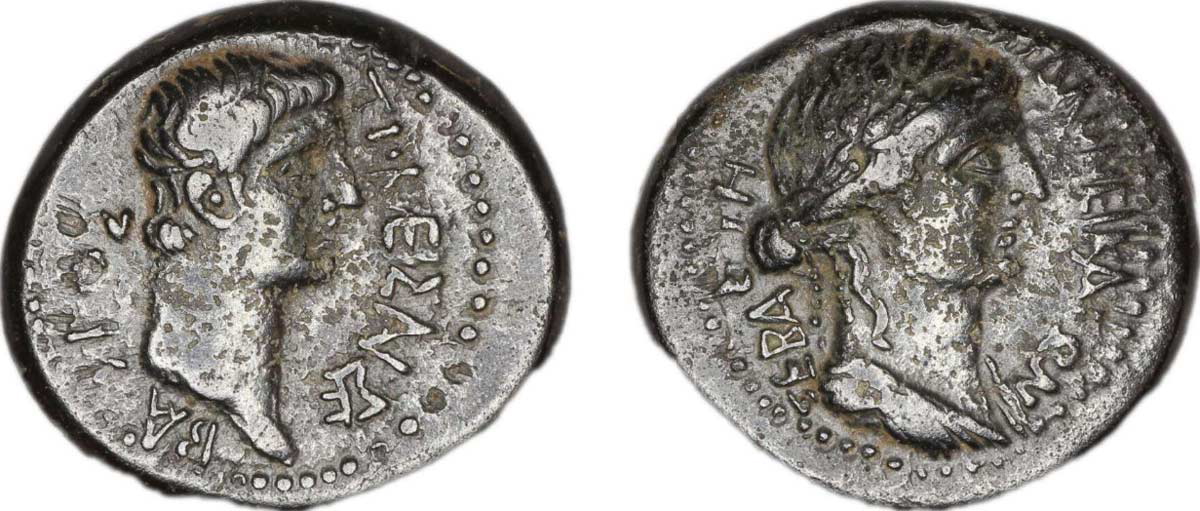
Rather than slipping into the background as a dowager empress, Livia became even more powerful under Tiberius. Augustus set Livia up for power in his will. He adopted her into the Julian gens, as he had Tiberius in AD 4, and granted her the title Augusta. Thus, she became Julia Augusta, a title that implied she was on equal footing with her son, Tiberius Julius Caesar Augustus.
The Senate voted many other honors for Livia, some of which Tiberius accepted, such as her wedding anniversary to Augustus and her birthday becoming public holidays, and others he rejected as excessive, such as the titles mater patriae (mother of her country) for his mother and pater patriae (father of his country) for himself.
The evidence suggests that Livia exercised power in her own right alongside Tiberius. She held formal audiences with ambassadors and signed agreements with vassal states alongside her son. Her independent power reportedly caused friction. For example, Cassius Dio tells us that when Livia repaired a statue of Augustus near the Theater of Marcellus, she had the dedicatory inscription carved with her name listed above Tiberius’. This supposedly angered Tiberius, who started to distance himself from his mother.
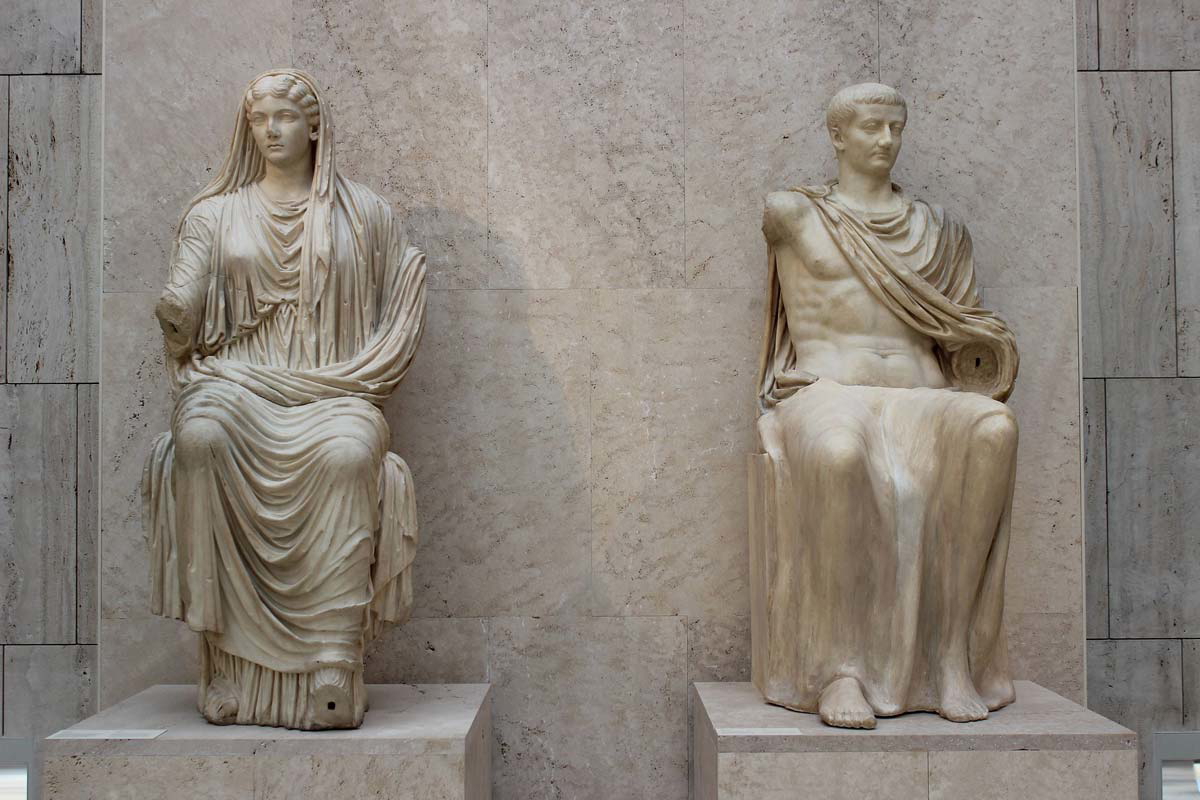
When Tiberius retired from life in Rome to Capri permanently in AD 27, he left his Praetorian Prefect Sejanus in charge, but Livia remained in Rome and had few curbs on her influence. In fact, her influence likely kept Sejanus in check, who made an unsuccessful play for power after Livia’s death.
But the sources again accuse Livia of murder under Tiberius, this time of Germanicus. He was her grandson, the son of Tiberius’s brother Drusus, whom Tiberius adopted as his heir following Augustus’s instructions. While Germanicus was popular, he was not an overly effective general. Therefore, when Tiberius granted him power over the eastern provinces, he also sent his trusted ally Gnaeus Calpurnius Piso to babysit. The sources suggest that this was Livia’s idea and that Piso was her creature.
Germanicus, and even more so his wife Agrippina, another daughter of Julia and Agrippa, seem to have been unhappy with this oversight. When Germanicus fell ill and died in AD 19, Agrippina accused Piso of killing her husband. Piso was tried, and while not convicted of murder, he committed suicide. The taint of the accusation clung to both Livia and Tiberius.
Verdict: This is another unlikely accusation. Germanicus was a beloved grandson, and his eldest sons, Drusus and Nero, were recommended to the Senate as potential successors in the years following his death, suggesting his family continued to enjoy imperial favor. Moreover, it was only after Livia’s death that Agrippina and her eldest sons were exiled from Rome, suggesting that it may have been Livia’s power and influence that protected them.
Mother of an Empire or a Tyrant in the Shadows?
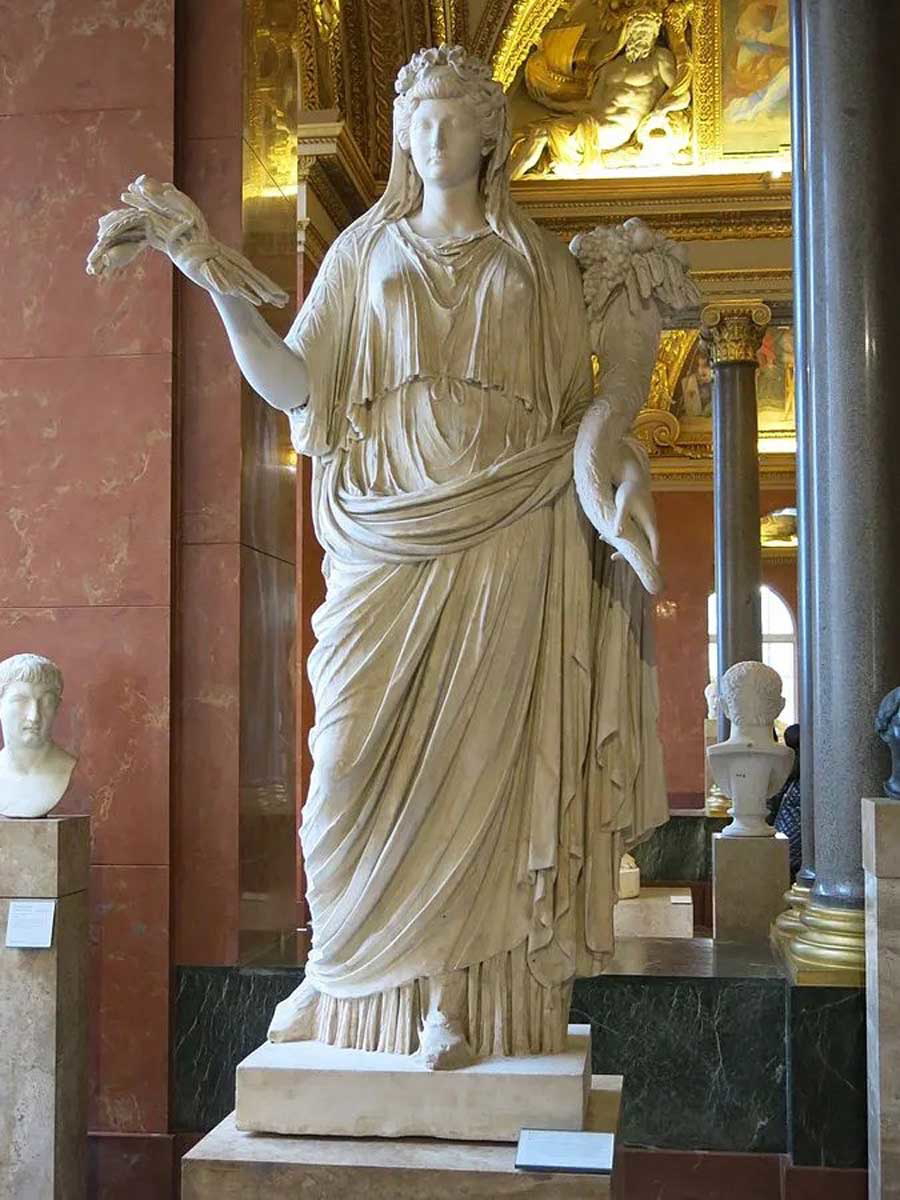
While the ancient authors, the earliest, Tacitus, writing a century after the fact, cast Livia in a dubious light and accuse her of horrible acts, this may not have been her image during her life.
In contrast to Augustus’ daughter Julia, Livia was held up as an example of what a dutiful Roman wife should be. She supposedly wove Augustus’ clothes by hand in the Roman tradition. She dressed modestly and wore minimal jewelry, aligning with Augustus’ sumptuary laws against excessive spending. She was also famously chaste. While there were many accusations made against her, adultery was never one of them.
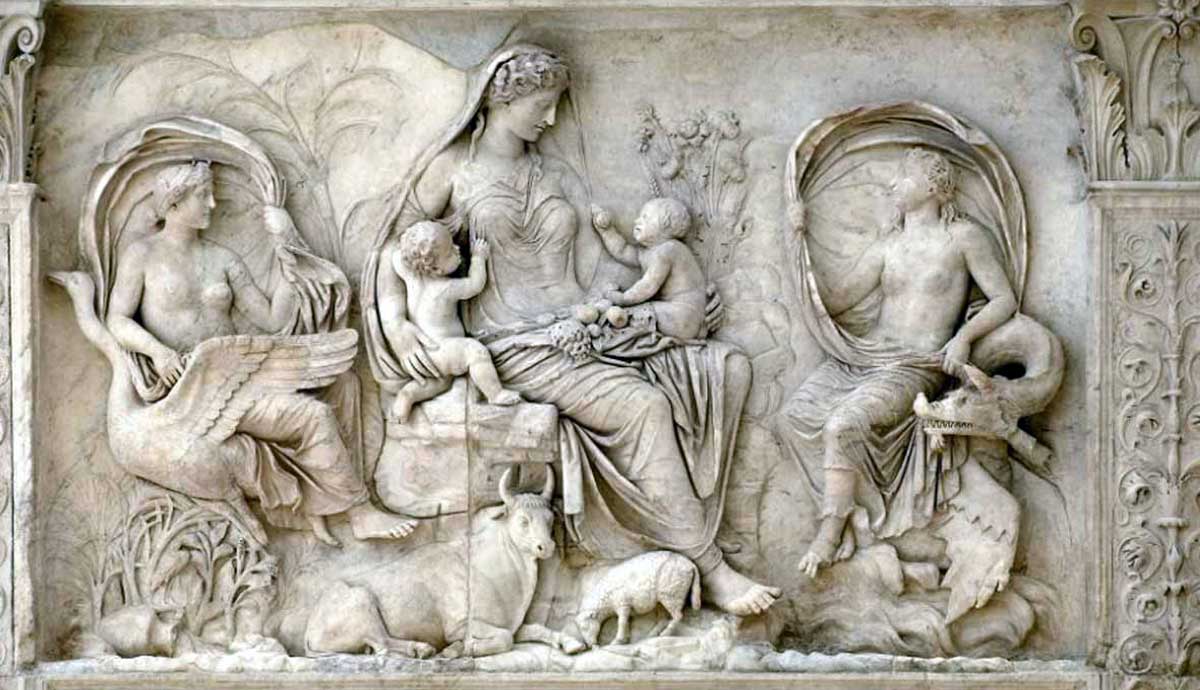
Rather than buying into the murderous evil stepmother trope, the contemporary politician and historian Velleius Paterculus, who wrote under the patronage of Augustus and Tiberius, praised Livia for her maternal nature.
“She, the daughter of the brave and noble Drusus Claudianus, most eminent of Roman women in birth, in sincerity, and in beauty, she, whom we later saw as the wife of Augustus, and as his priestess and daughter after his deification, was then a fugitive before the arms and forces of the very Caesar who was soon to be her husband, carrying in her bosom her infant of two years, the present emperor Tiberius Caesar, destined to be the defender of the Roman empire and the son of this same Caesar.”
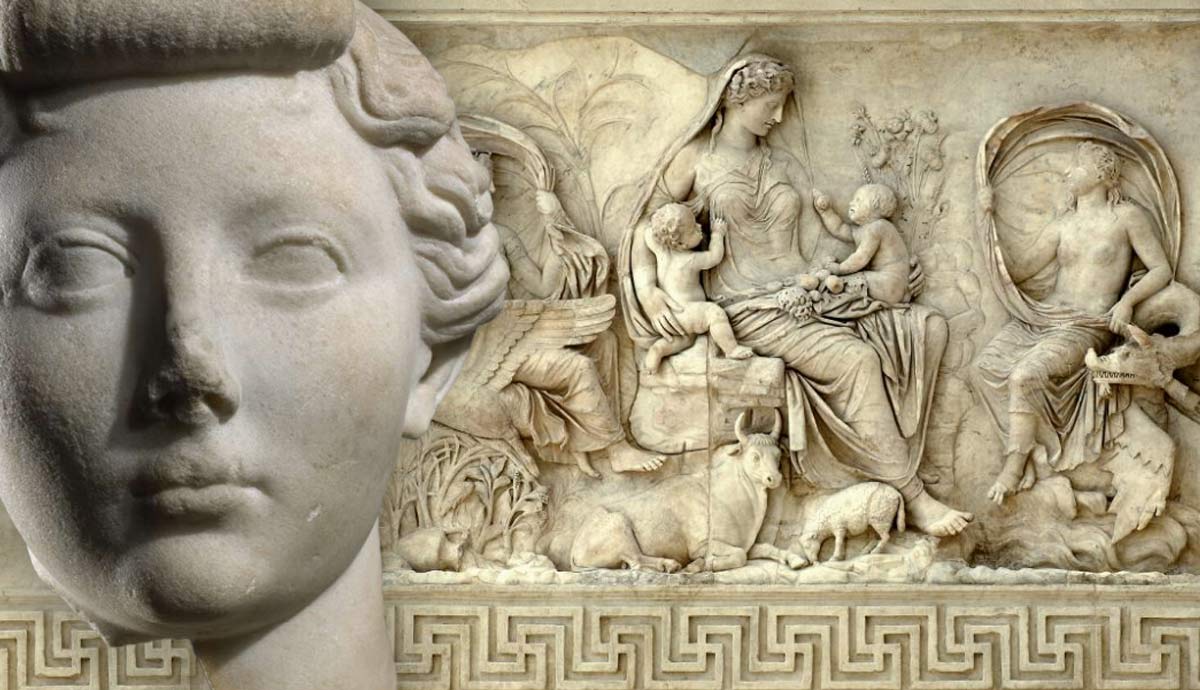
The most visible recognition of Livia as the ideal mother of the Roman state probably came in 9 BC with the dedication of the Ara Pacis, the altar of Augustan peace, on Livia’s birthday. The dates of religious dedications were important in ancient Rome, and this clearly associated the altar with her person. The altar depicts Augustus’s extended family as the family of Rome, and Livia is the key female figure in the center of the familial procession. The altar also assimilated Livia with the goddess Pax or Terra on another altar relief, casting her as the mother of the state.
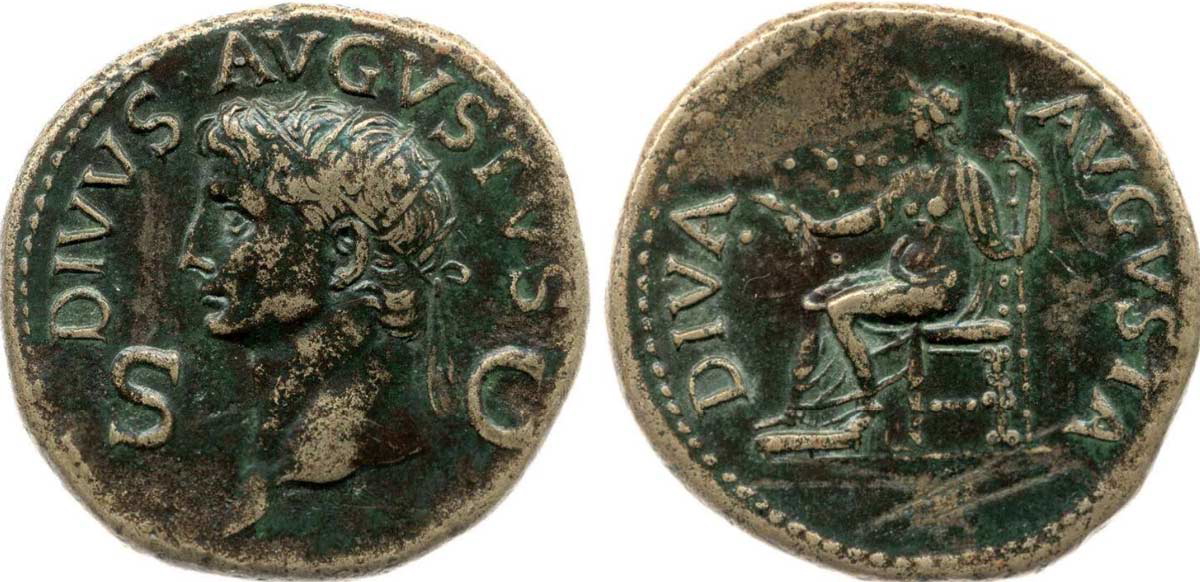
Livia’s reputation seems to have been intact when she died at age 86 in AD 29. The Senate proposed posthumous deification alongside her husband, who was declared Divus Augustus directly following his death. Tiberius refused the honor for her. When Tiberius died, Caligula claimed to fulfill the wishes of Livia’s will, which he stated had been ignored by Tiberius. Then, when Claudius came to power, he had his grandmother deified as Diva Augusta in AD 41. While Caligula and Claudius had their own reasons to promote their ancestral matron, this suggests that she continued to enjoy broad popularity in the decades following her death.
It is suspicious how closely criticism of Livia aligns with criticism of Claudius’ final wife, Agrippina the Younger. She was also accused of killing her husband, this time with mushrooms, to clear the way for her son, Nero. She was also described as being overbearing upon her son’s accession, but unlike Livia, Nero eventually had her assassinated. It seems likely that Agrippina’s stories may have influenced Livia’s legacy.