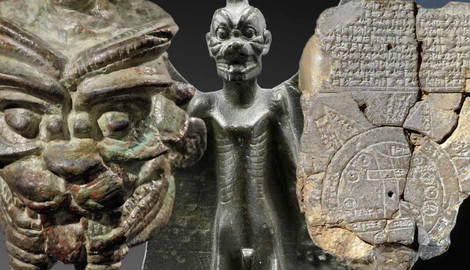
In ancient Mesopotamia, magic was considered commonplace and was inseparable from religion, politics, and daily customs. Unlike today, magic was not seen as “other,” but essential for the functioning of society. This was true for all the various city-states and empires that flourished in Mesopotamia across its 3,000 years of history. This article explores the types of spells and rituals that characterized magic in ancient Mesopotamia.
A Rational World View
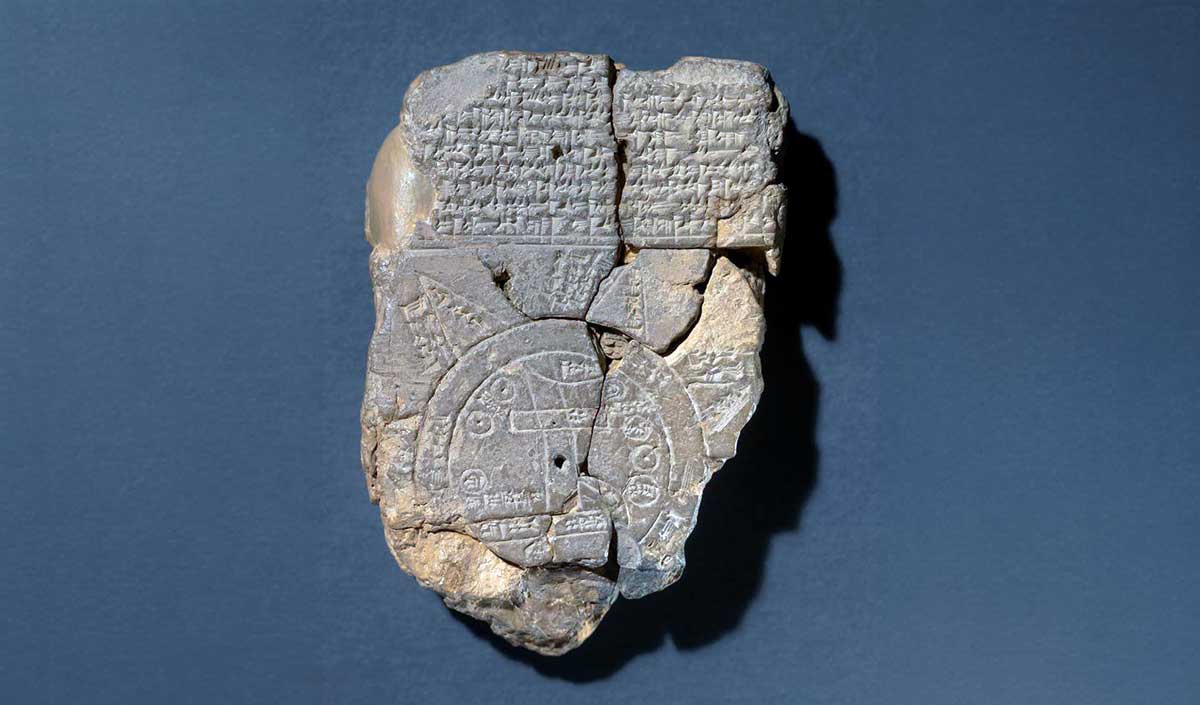
In ancient Mesopotamia, magic and spells were considered a normal part of religion and were integrated into daily customs. Polytheists, people could call on a variety of gods through spells and rituals, though the patron deity of an individual city was chiefly honored.
Unlike ancient Egyptian religion, which was built around the predictability of the life-giving Nile flood, Mesopotamian cosmology was shaped by the instability of life in the ancient Near East. Whether conditions were harsh, harvests irregular, wild animals threatening, and there was often armed conflict between people. There, it is not surprising that their pantheon was occupied by both gods and demons, connected with nature and the other unpredictable elements of life in the region. While the gods were often anthropomorphic, they could also appear as mythical beasts that embodied aspects of the animals in the region, including lions, snakes, and birds of prey.
Dark Magic
While magic was often used for purposes such as protection, healing, and divination, it could also have a darker tone. Curses, known as māmītu, were also common. For example, they are often found inscribed on tablets to deter theft from temples or libraries. Curses were seen as spiritual or social justice that arose from broken oaths or divine anger. They could cause illness or encourage demonic attacks that could result in personal ruin.
The “Curse of Akkad” was a didactic text that explained how curses worked. It describes how Naram-Sin, the king of Agade, wanted to build a temple. He received bad omens from the gods, but in his arrogance, he built the temple anyway, plundering a temple of the god Enlil in the process. Enraged, Enlil cursed Naram-Sin and his people, sending a barbarian tribe to attack them. To save all of Mesopotamia from being destroyed by the barbarians, the other gods placed a curse on Agade that it should never be rebuilt.
Curses violated cosmic order and required complex rituals to counteract them. Everything from everyday objects to major deities could be invoked to thwart malicious magic.
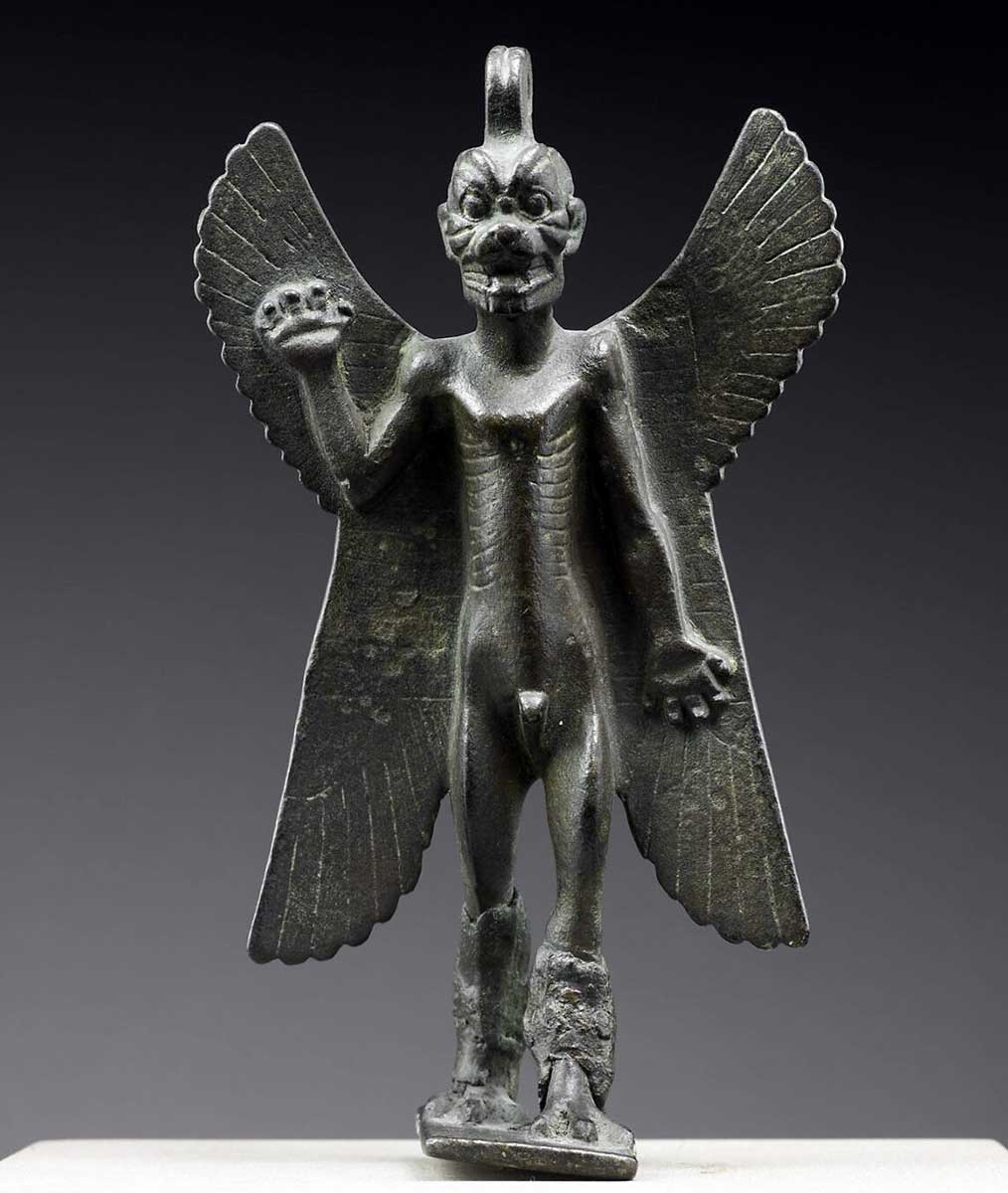
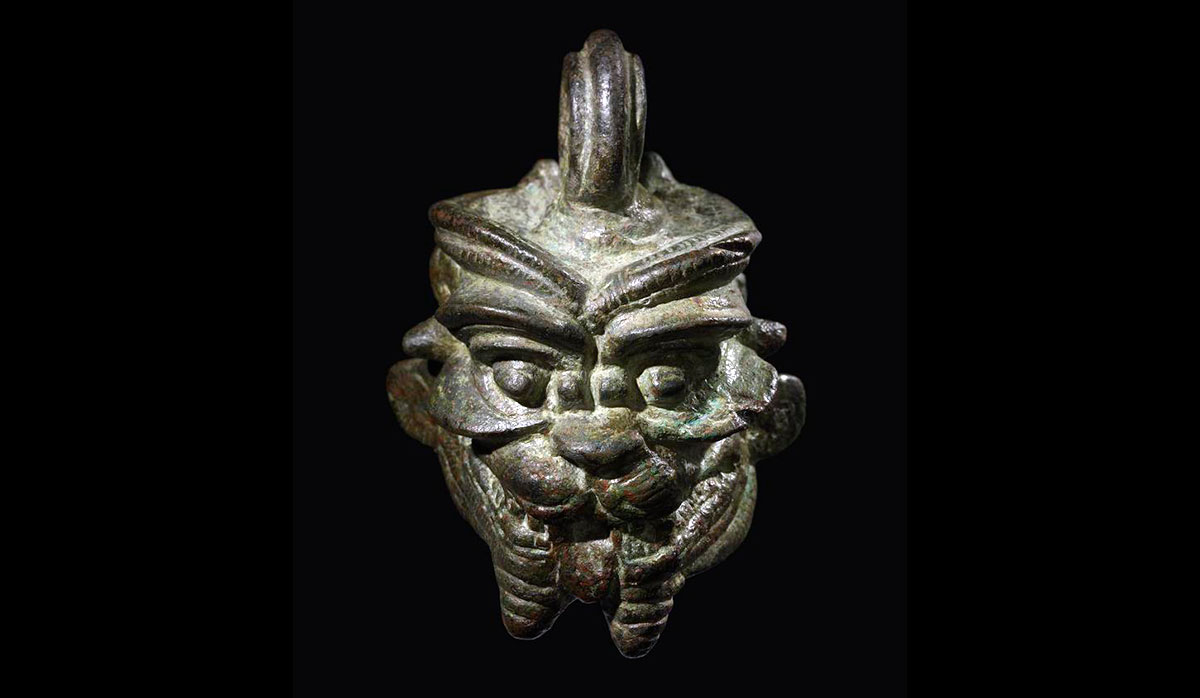
Pazuzu was one of ancient Mesopotamia’s most feared yet protective demons. Depicted with a dog-like face, talons, and scorpion tail, he embodied the destructive desert winds that brought famine and disease. Despite his terrifying form, Pazuzu was invoked to repel more fearful forces, such as the demon Lamashtu, who was associated with infant deaths. Amulets and figurines bearing his image were placed in homes or worn by pregnant women to protect against supernatural harm.
The Udug or Utukku were a general subset of Mesopotamian demons. They were most prominent in causing disease, but unlike Pazuzu, they were inherently evil. In Mesopotamian mythology, the Udug are frequently associated with the underworld and feature in the myth of “Inanna’s Descent to the Underworld.”
Accusations of Witchcraft
While cursing temple thieves was considered a legitimate and even favorable use of magic, malicious magic was considered witchcraft. This kind of harmful magic was seen as a direct threat to the cosmic order and a danger to communities. Therefore, accusations of witchcraft were taken very seriously. Suspected witches were typically outcasts within their communities, often foreigners and poor women who were believed to wield destructive power motivated by malice.
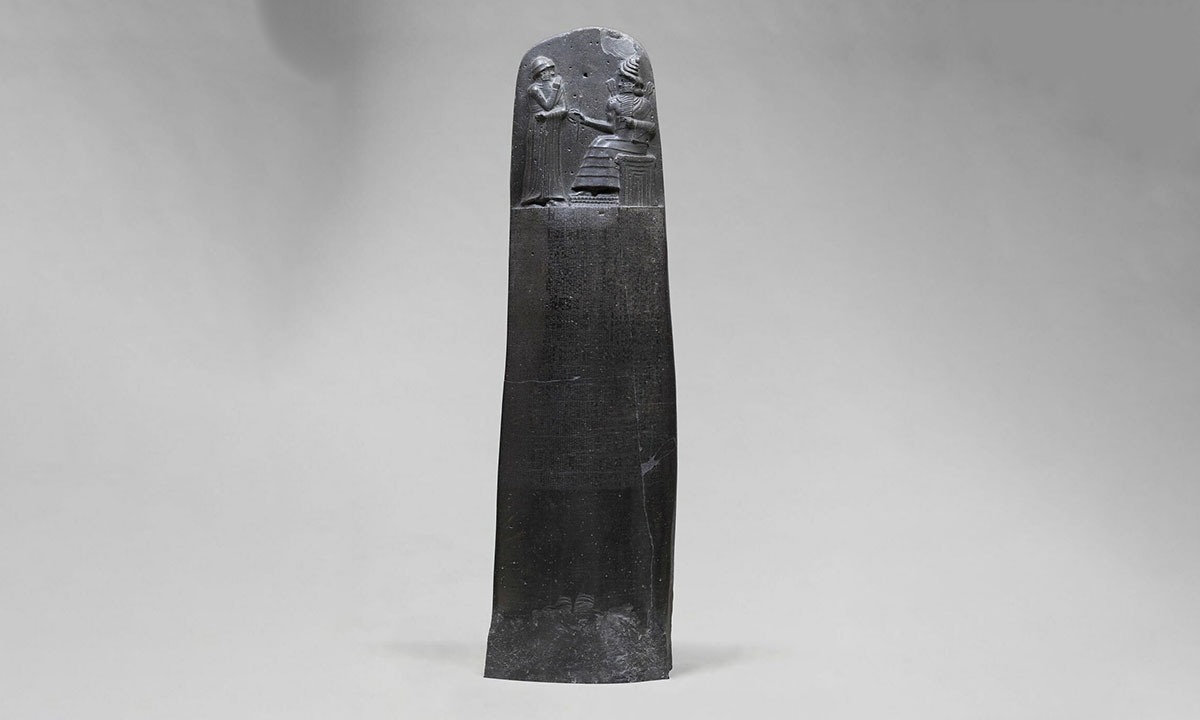
Legal codes, notably the laws of Hammurabi, addressed such dangers through trial by ordeal, in which survival after being thrown in the sacred river signified innocence. If they died, the accuser took the defendant’s assets. If they survived, the accused had to hand over their own property to the alleged witch.
Practitioners and Tools
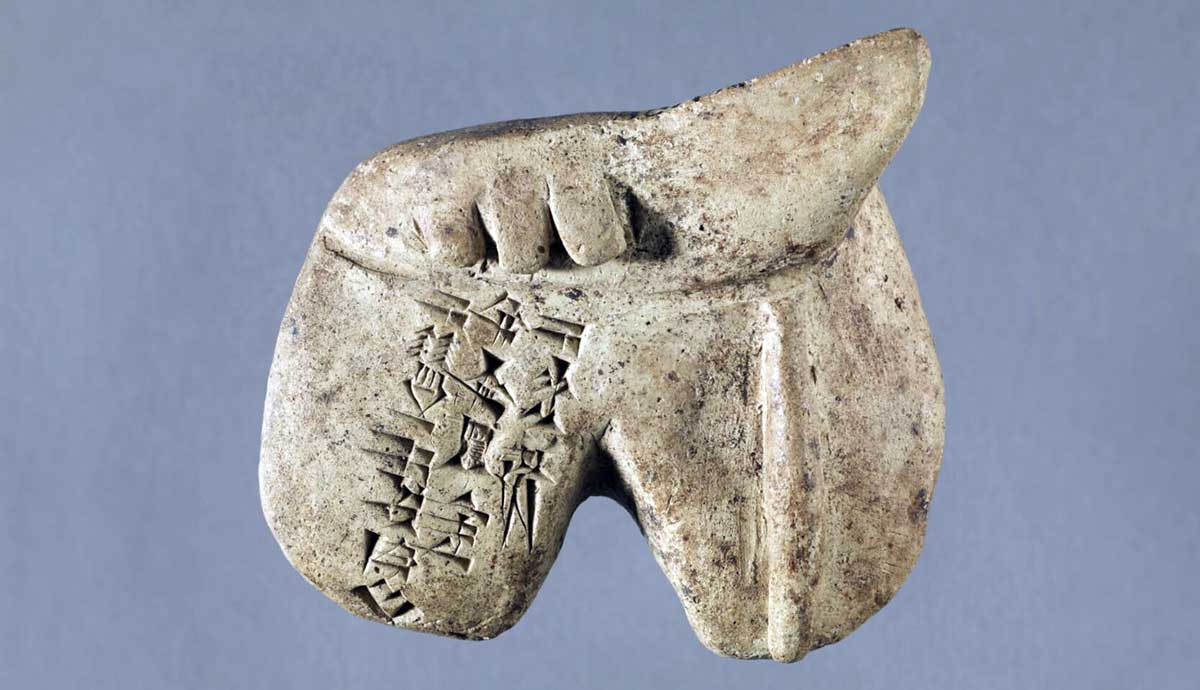
While we cannot say for certain, it seems that most people in ancient Mesopotamia performed magic to a degree. Ordinary people were mainly focused on protection from bad spirits, illness, and the difficulties with their local environment. One of the most common practices was to wear amulets and talismans to protect against demons.
Many amulets depicted protective deities designed to ward off dangerous spirits, but they could also show the evil spirits themselves. In this way, the user of the amulet could reduce the demon to a small and more controllable size.
Additionally, ordinary people also performed rituals at home. Spoken incantations and written spells were used to invoke the aid of the gods. There were also folk practices, like tying and untying knots in rope to break suspected curses. Incense was burned to cleanse a space of evil spirits, and blessed waters were used to purify the body of bad energy.
There were also those who trained as magic professionals, mostly selling their services to the wealthy. The Āšipu or exorcists were tasked with relieving illness and countering malevolent spirits. Bārû were diviners. They usually trained from a young age, and the profession was inherited within noble families. They interpreted omens through animal livers, dreams, and celestial signs, or through oil in water and smoke patterns. Due to their profession, the Bārû were required to be in good health, or it was apparent they had lost favor with the gods.
Protective Magic
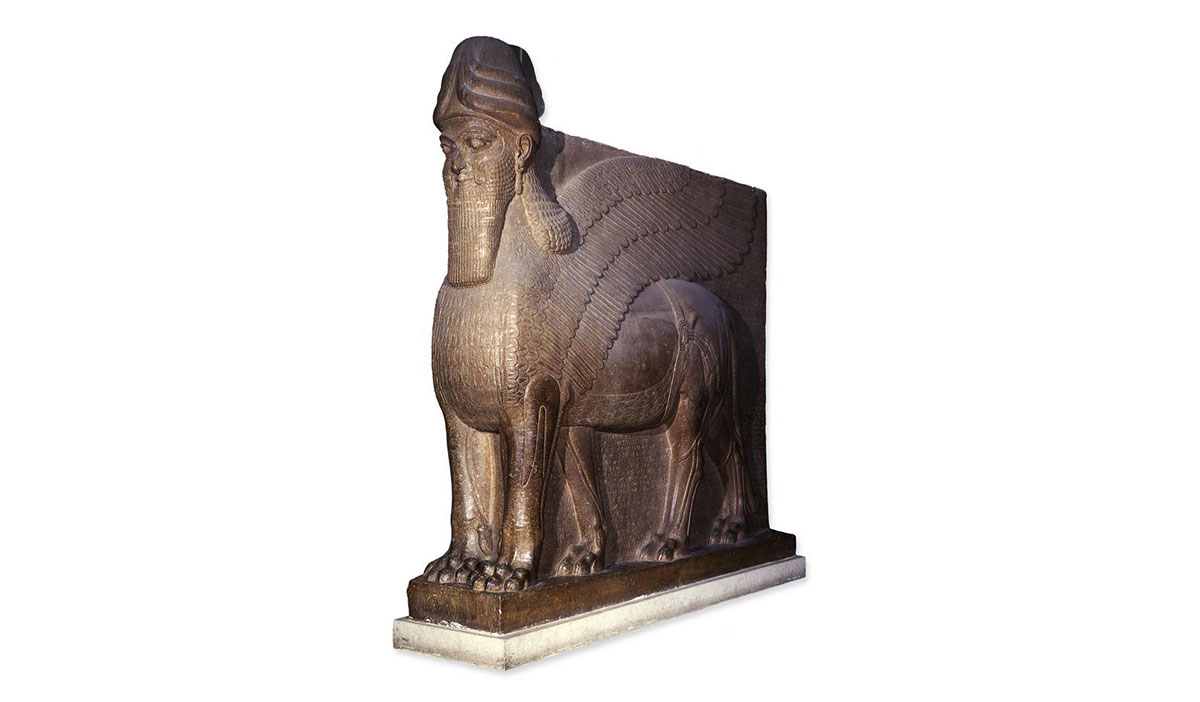
Wearable talismans and amulets were not the only way ordinary people could use magic to protect themselves against evil forces. Clay figurines were an integral part of protective magic. Usually, they portrayed deities or powerful animals and were hidden under doorways to defend the home from demons. The figurines were also placed in liminal spaces like the corners of rooms and other areas where evil spirits were thought to be able to enter.
Within the royal palace, priests also hid clay figurines beneath floors and thresholds to block malevolent forces. Nevertheless, protective magic in the royal household was much more extensive and relied on a dense network of apotropaic beings and rituals.
Neo‑Assyrian kings filled their palaces with monumental lamassu and other hybrid guardian figures believed to repel supernatural threats and secure the stability of the throne. These installations worked continuously, creating a magically fortified environment that safeguarded the king’s body, household, and reign.
Priests also resided within the palace, including some Bārû and Āšipu. The king himself was considered a divine representative and was therefore in constant need of supernatural protection from evil spirits who wanted to put him in harm’s way and plunge his kingdom into chaos. Spells and prayers were often used in conjunction with physical objects and ritual practices by priests to ensure the king’s success and longevity.
Magic and the State
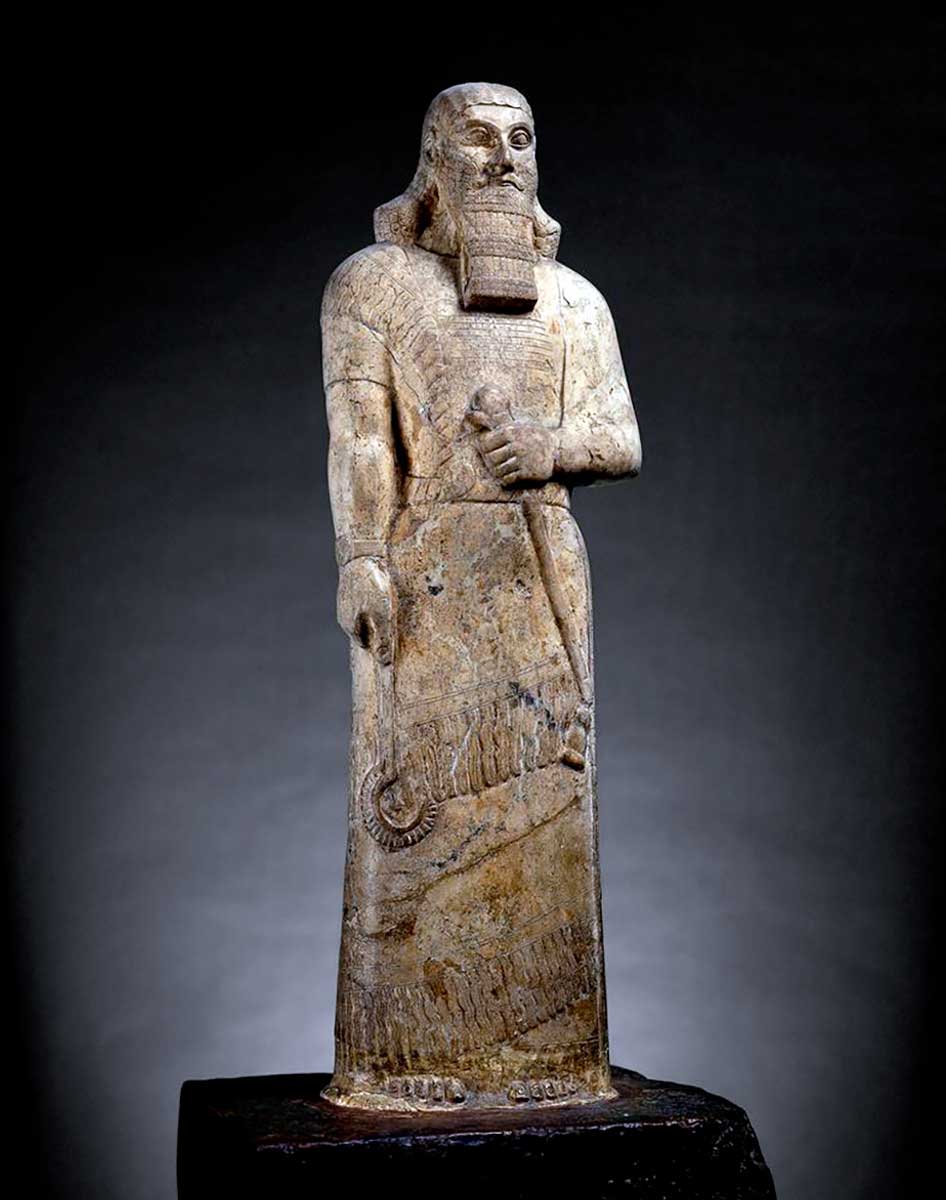
Magic was also political, and deeply embedded in the structures of governance. The king’s power was considered the manifestation of divine will, and maintaining the favor of the gods maintained political stability. Especially in Babylon and Assyria, the living ruler was considered the tool of the gods on earth.
Magic enabled communication between the king and the divine, though trained experts such as the Bārû and Āšipu who served the royal court. As well as interpreting omens to assign the support of the gods to the acts of the kings, they also engaged in rituals such as symbolically destroying an enemy’s power through iconography and incantations.
When wide-reaching emergencies such as natural disasters, military defeats, or political unrest occurred, magical divination provided both an explanation, typically divine displeasure, and guidance on how to restore cosmic and civic order.
Healing and Medical Magic
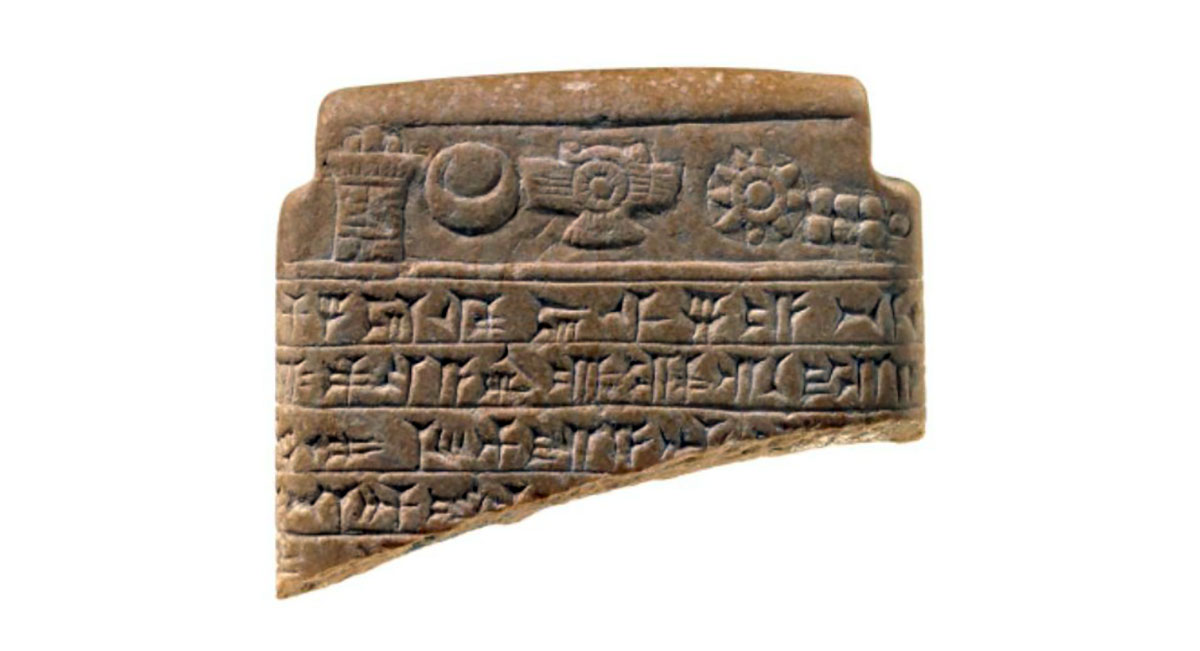
Magic was often used for healing. Remedies rested on the belief that sickness came from divine displeasure, demons, or restless ghosts, making medicine and magic inseparable. Treatment required both an Asû, an equivalent to physicians, who applied herbs, poultices, oils, and bandages, and an Ašipu, who confronted the supernatural forces behind the illness through spells and ritual.
Incantations invoked deities such as Gula or Marduk to lift curses or reverse divine punishment. Spoken spells were believed to activate the potency of medicinal substances.
Surgeons, dentists, and even veterinarians operated within this same spiritual framework, understanding themselves as instruments of the gods. Diagnosis framed every ailment as the work of a deity or demon, meaning that recovery required not only physical treatment but confession, ritual cleansing, and renewed piety. In this system, healing was a holistic negotiation between body, spirit, and the divine order.
Love and Fertility
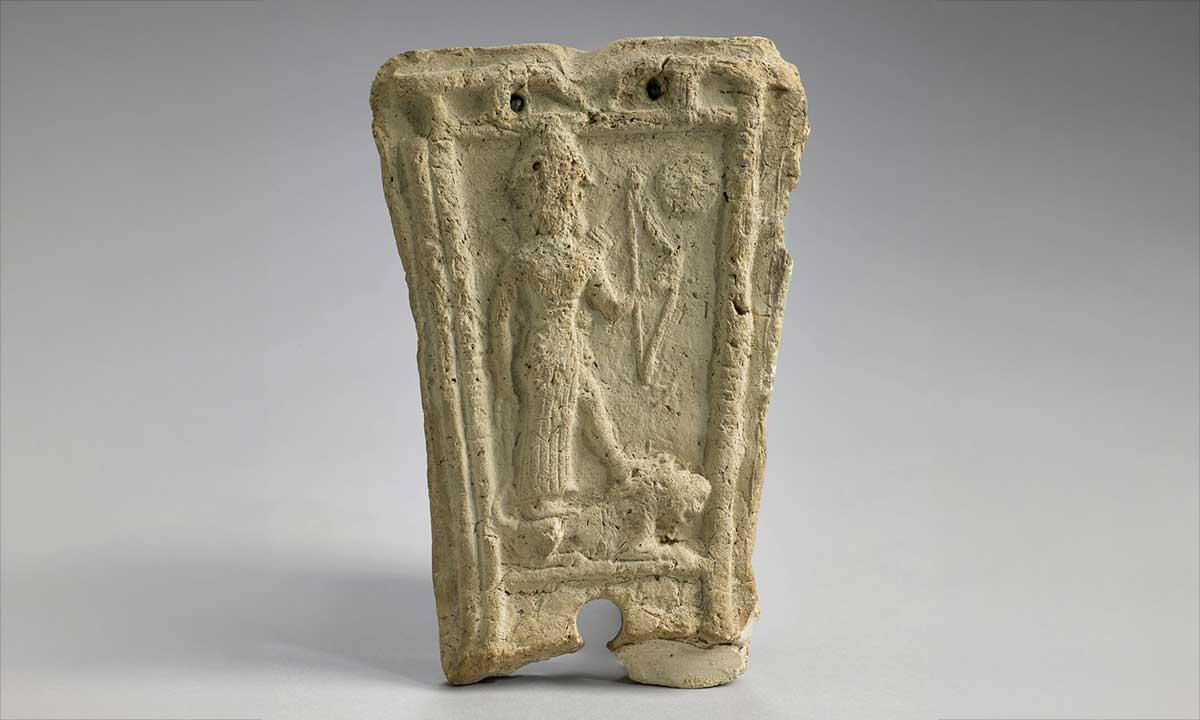
Magic was fundamental to attract and maintain a desired partner in ancient Mesopotamia. Correspondingly, magic surrounding fertility and love centered on influencing lust and securing affection under the protection of powerful deities. Ritual specialists used incantations and sympathetic magic, especially small clay figurines, to symbolically connect two people.
Spells frequently invoked Inanna or Ishtar, the goddess of fertility and lust, whose power influenced sexual vitality. A key element of fertility magic was to draw on agricultural metaphors, specifically a god plowing the fertile earth. Magic was also used in agriculture, shaping how farmers protected their fields and secured abundance within an unpredictable environment. As the land was seen as divine, every stage of cultivation required ritual support alongside practical irrigation and labor.
Farmers performed incantations and offerings to gods like Ninurta to ensure healthy crops, while namburbi rituals were used to avert evil omens that threatened harvests. Magical protections guarded stored grain from pests, and seasonal festivals marked key agricultural milestones in the year, connecting the community to the rhythms of nature. Myths such as the “Tale of Enki and Ninhursag” reinforced the belief that agriculture itself originated through divine intervention, reinforcing the concept that magic was an essential tool in farming.
Mesopotamia’s Magical Legacy
Mesopotamian magical traditions influenced later Near Eastern and Mediterranean concepts of ritual and divination. Many features of Hebrew ritual culture, namely protective incantations and amulets to repel demonic danger, clearly reflect Mesopotamian practices. The Persians frequently interpreted dreams and exorcised demons. Like the Mesopotamians, the ancient Greeks used animal livers when deciphering the will of their gods. Figurines and binding spells are also attested in the Greek Magical Papyri.
In modern occultism, Mesopotamian deities, especially demons like Pazuzu, have been reinterpreted within ceremonial magic and neopaganism. Although largely transformed, the core Mesopotamian idea that magic mediates between human life and environmental forces has left a lasting impact on contemporary magical customs.