





About Matt Whittaker
Matt Whittaker is an avid history reader, fascinated by the why, how and when. With a BA in History and Asian Studies from University of Massachusetts, he does research and story telling on Medieval, Asian and military history. Matt’s other passion besides family is the long-distance Zen-like runs.
Education
BA History & Asian Studies
University of Massachusetts
Areas of Expertise
About Matt Whittaker
Matt Whittaker is an avid history reader, fascinated by the why, how and when. With a BA in History and Asian Studies from University of Massachusetts, he does research and story telling on Medieval, Asian and military history. Matt’s other passion besides family is the long-distance Zen-like runs.
Education
BA History & Asian Studies
University of Massachusetts
Areas of Expertise
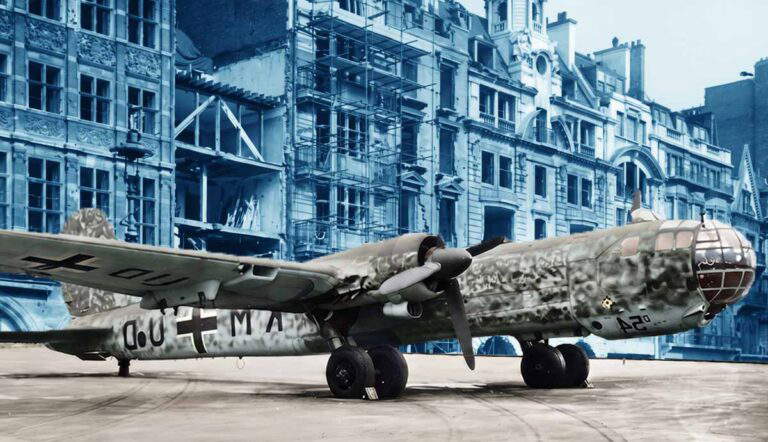
The True Impact of Germany’s Operation Steinbock in World War II
Operation Steinbock, sometimes known as “The Baby Blitz,” was the last air offensive launched by German bombers against the UK during World War II.
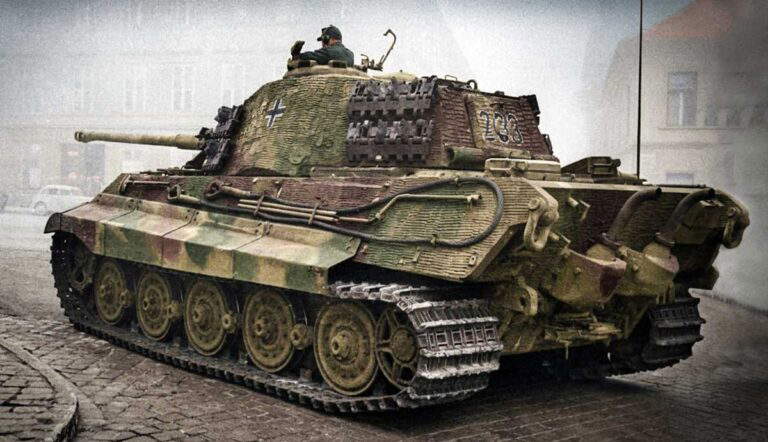
Why Was the German Tiger Tank So Feared During World War II?
The Tiger had such a ferocious battlefield reputation that the fear it conjured up in Allied soldiers was out of proportion to its actual numbers.
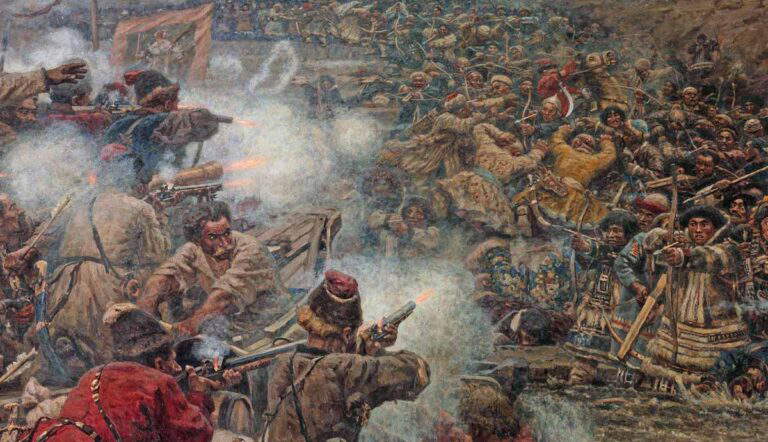
The Wild East and the Bloody Russian Conquest of Siberia
In the 16th century, ruthless Cossack mercenaries spearheaded Imperial Russia's bloody conquest of Siberia, driven by the lucrative "soft gold" fur trade.
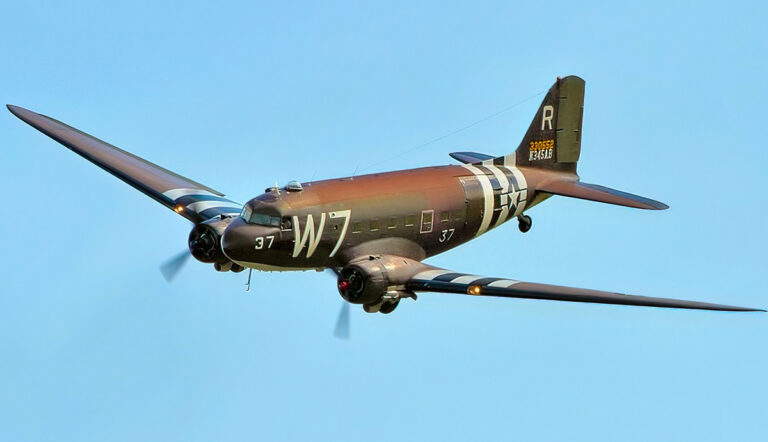
Why Was the C-47 Skytrain the Most Indispensable Plane of World War II?
The C-47 Skytrain featured intelligent design features that made it an integral part of World War II’s Allied military campaign.
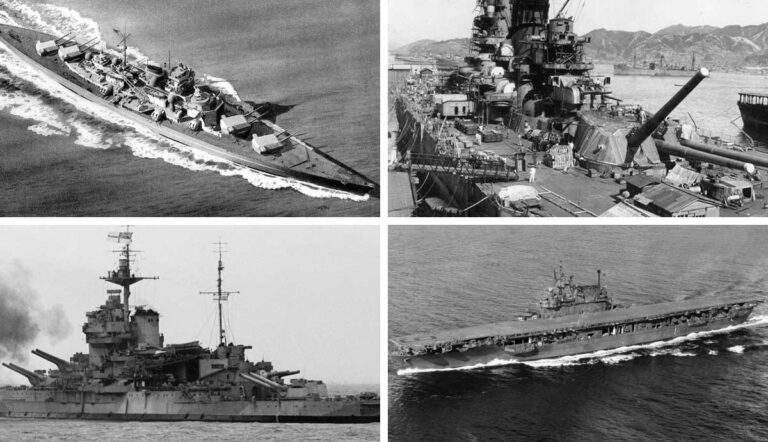
4 Legendary WWII Warships That Altered Global History
Like the Great War, World War II produced great ships, both Axis and Allied. These individual ships, which took part in actions, triumphs, or even losses, helped change the war.
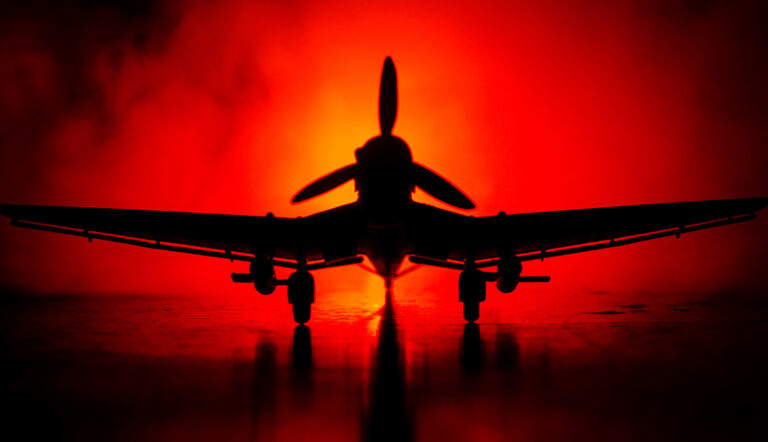
What Made the Ju 87 Stuka Such a Terrifying Psychological Weapon?
With their loud wailing and their deadly precision, few planes inspired fear like the Stuka dive bomber, as it wrought havoc over the continent of Europe.
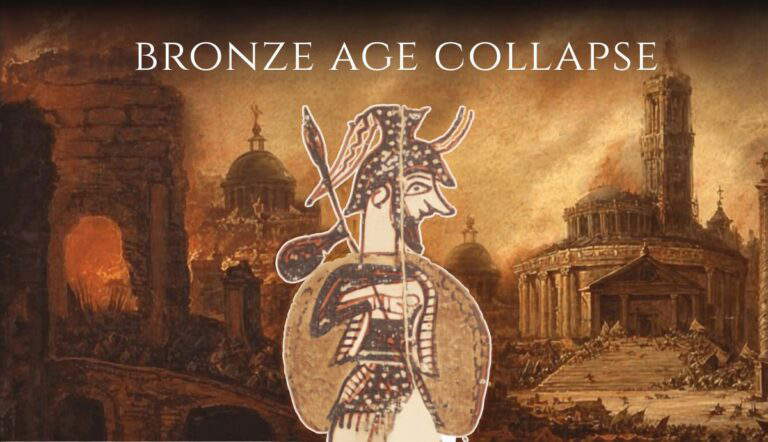
How the Entire Bronze Age World Collapsed in 1177 BC
Around 1177 BC, a series of droughts, earthquakes, and invasions by the mysterious Sea Peoples destroyed most major Bronze Age civilizations.
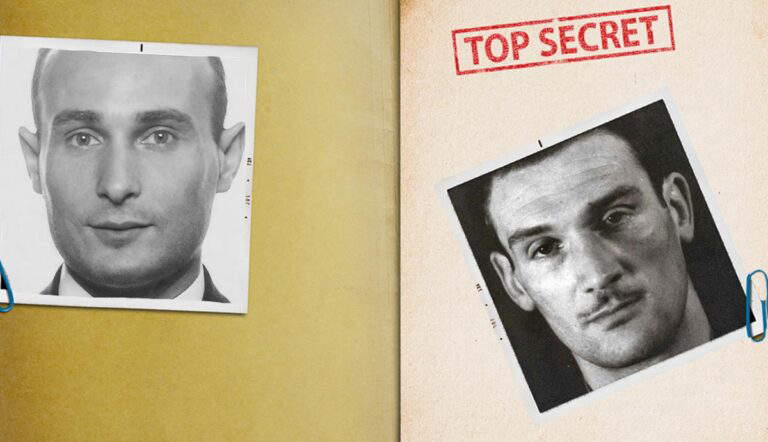
Who Were the WWII Double Agents Who Played Both Sides of the War?
These double agents had lives that are still shrouded in secrecy.
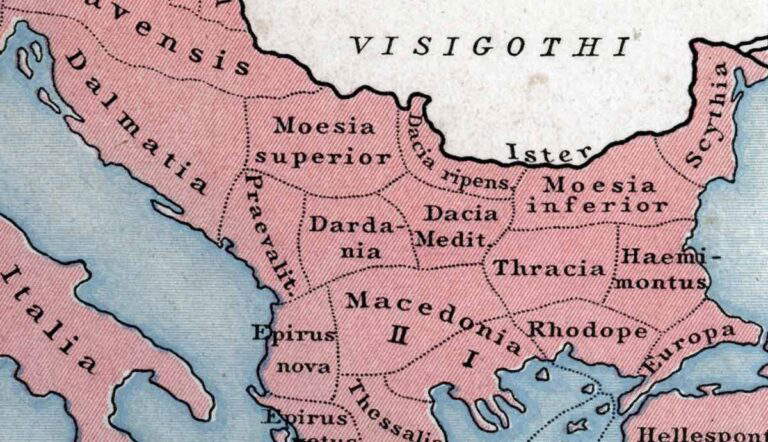
How the Danube River Shaped Rome’s Northern Defense
Rome used the Danube River as both shield and gateway until extreme pressure shattered its defenses.
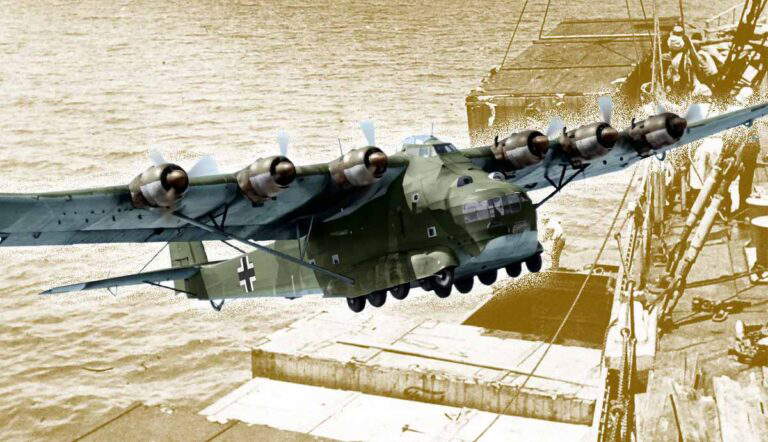
Why Were Military Logistics the True Deciding Factor in World War II?
Behind the front, trains, trucks, planes, and ships labored tirelessly to bring munitions to the troops.
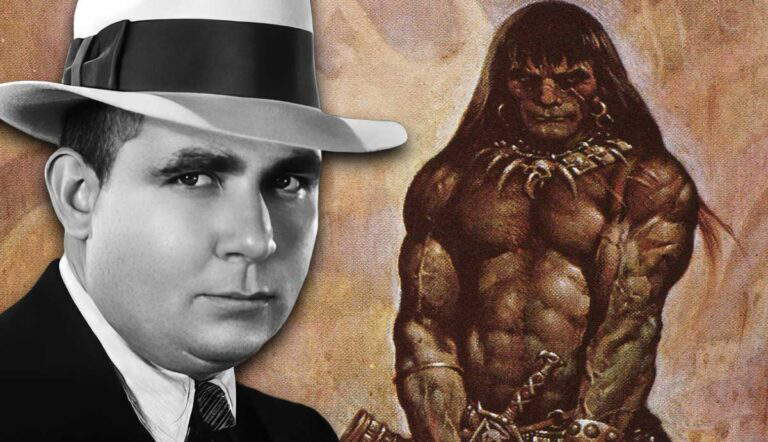
Why Robert E. Howard Is the True Father of Sword and Sorcery
American writer Robert E. Howard first emerged as an author in the 1920s and swiftly became one of the greatest writers of the Pulp Era.
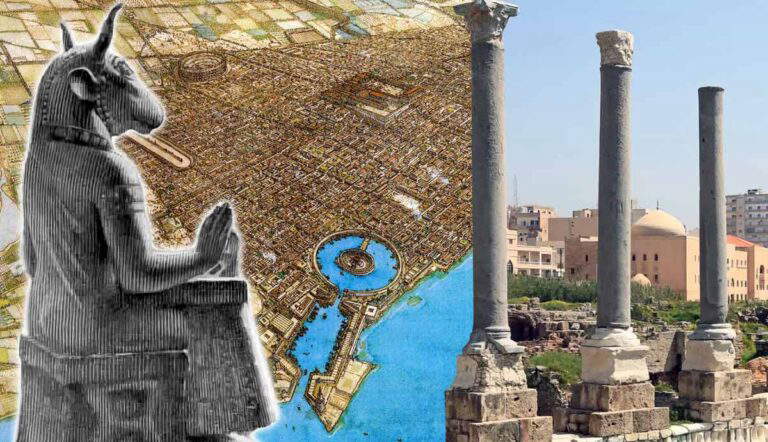
7 Mighty Phoenician Cities That Shaped Ancient Trade and Empire
To the Phoenicians, the Mediterranean served as a highway. They planted cities and colonies to serve their mercantile fleet.