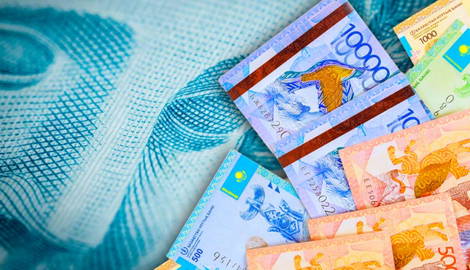

Banknotes are more than transactional paper (or polymer). They are canvases for communicating and reinforcing national history, ideals, and beliefs. Despite the rise of digital payment methods, physical currency remains a proud, seemingly permanent display of national identity, transferred into the hands of billions of people every day.
The Portable Monument and the Psychology of Everyday Art
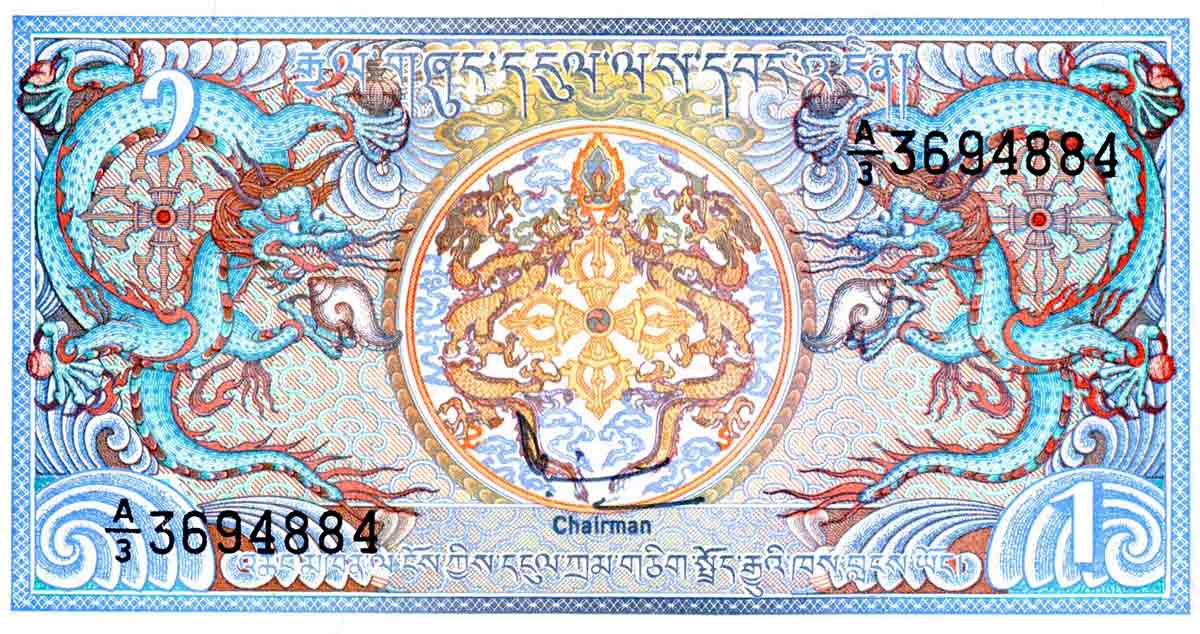
From a legal perspective, physical money is technically owned by the state in most jurisdictions, and its use constitutes a continual passive connection between citizens and authority. Designed for mass public consumption, banknotes are, in some ways, miniature state-sanctioned art galleries that also act as propaganda.
What is displayed on the banknotes, and what millions of people see every day, is usually a decision left to government and financial committees, which use the opportunity to promote the nation’s values alongside the literal value, in international and national markets.
Selecting Iconic Figures to Build National Mythologies
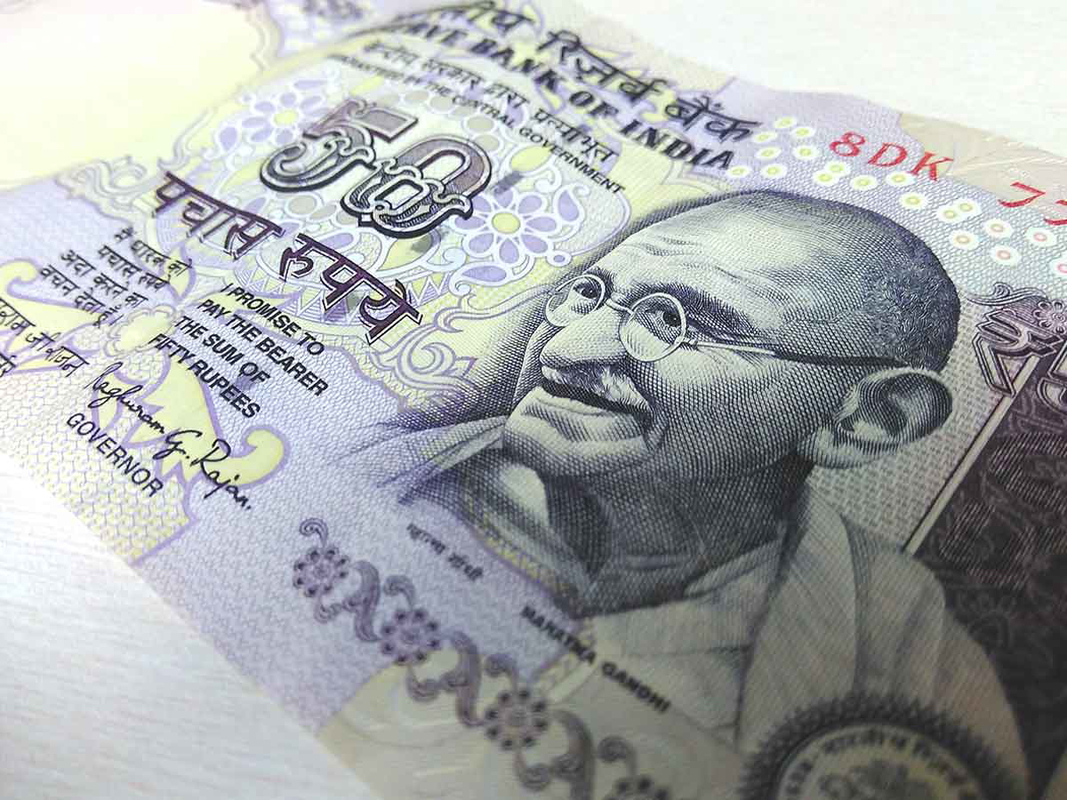
Most banknotes feature historical figures. The selection of these figures communicates the values of the state. Leaders are often selected, such as struggle icons, revolutionaries, monarchs, presidents, and prime ministers. These selections tell the nation and the world who their greatest leaders were.
Of course, as countries undergo political change, the currency and the leaders depicted on it change too. South Africa, as one example, underwent a massive shift from apartheid to a fully democratic state. The country went from depicting (what they thought was) the colonial figure Jan van Riebeeck to depicting nobody (just animals) in a bid to distance itself from political representations on money. This decision was changed again, and now Nelson Mandela appears on all the banknotes along with animals on the obverse, represented as families.
Icons don’t have to be political. Great thinkers like Aristotle and Confucius have been depicted, as have scientists such as Einstein, Copernicus and Alan Turing. Artists feature too, such as Hokusai on the reverse of the Japanese 1,000-yen note and JMW Turner on the British £20 note. Before Turner, the £20 featured a scientist, Michael Faraday, and before that, a writer, William Shakespeare.
Such selections communicate messages of scientific brilliance, powerful and dynamic leadership, fortitude, and creativity.
Abstract Symbols, Animals, and Architecture on Banknotes
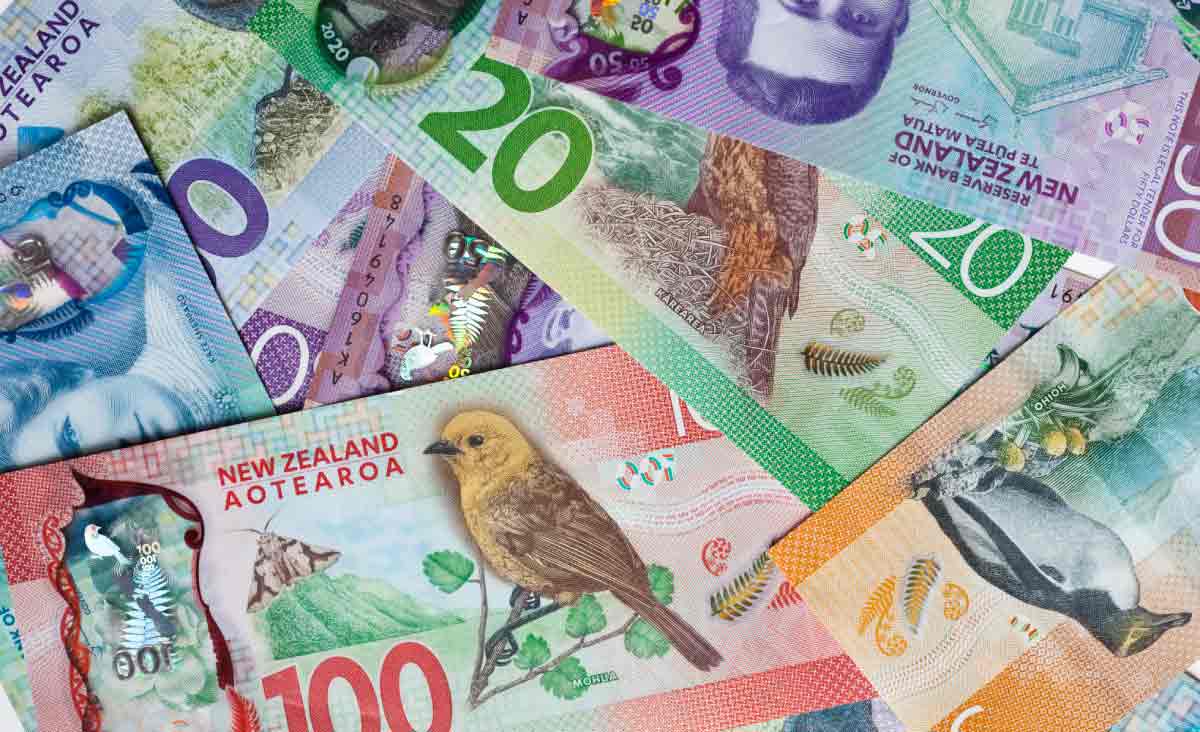
People aren’t the only things depicted on money. Flora and fauna are popular choices. Such examples include the “Big Five” on the South African rand, native birds on the New Zealand dollar, and local wildlife on the Brazilian real.
Many countries also display their natural beauty with landscape imagery on their money. The Chinese yuan features such displays, as does the Kazakhstan tenge. Meanwhile, currencies like the Indian rupee have Gandhi on the obverse, but architectural landmarks on the reverse. The Euro also features architecture, but its depictions are fictional and represent architectural styles rather than individual buildings. Such artistic effort plays to the theme of neutrality among its members.
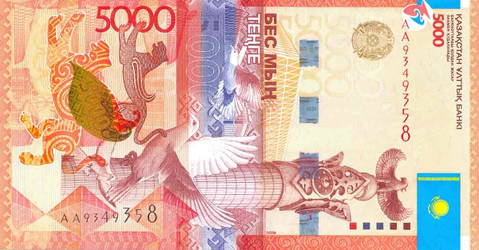
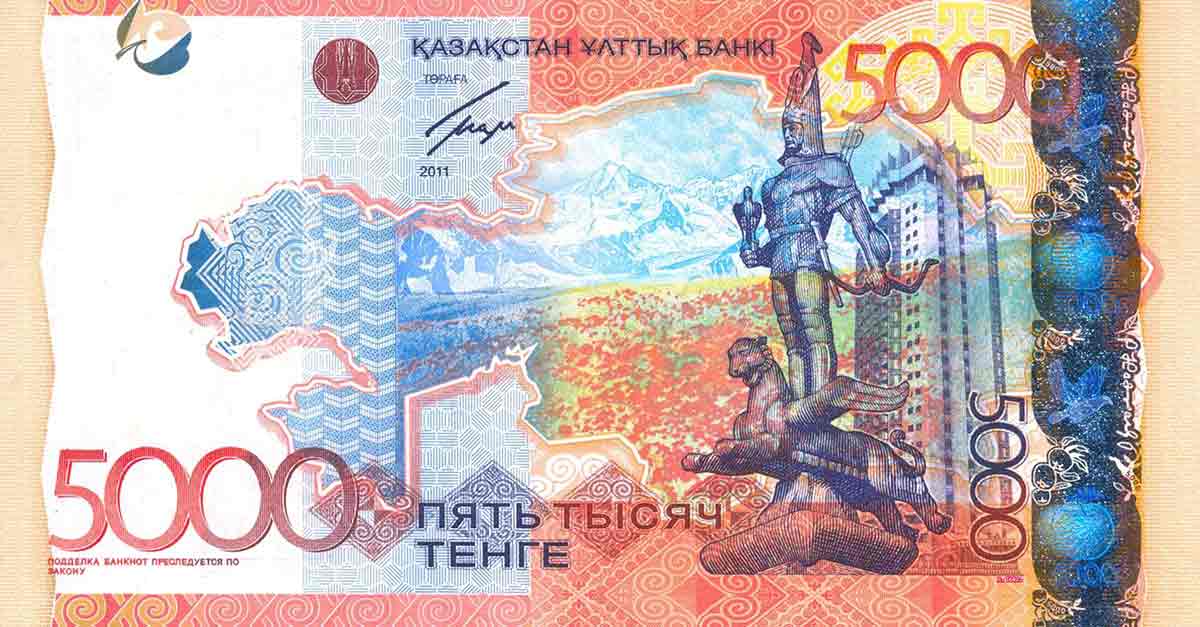
The Norwegian Krone has boats, fish, and the ocean on the obverse, and abstract geometric patterns on the reverse. In fact, abstract design in the form of traditional motifs is a common feature on banknotes around the world, and showcases local design. Spectacular examples of this include the Aruban florin and, again, the Kazakhstan tenge, which are undeniably beautiful and colorful!
Tradition and myth are also represented. A particularly famous numismatic example is the story of Ina and the Shark, which features on the Cook Islands $3 note.
The Art of Design and the Design of Art in Modern Currency
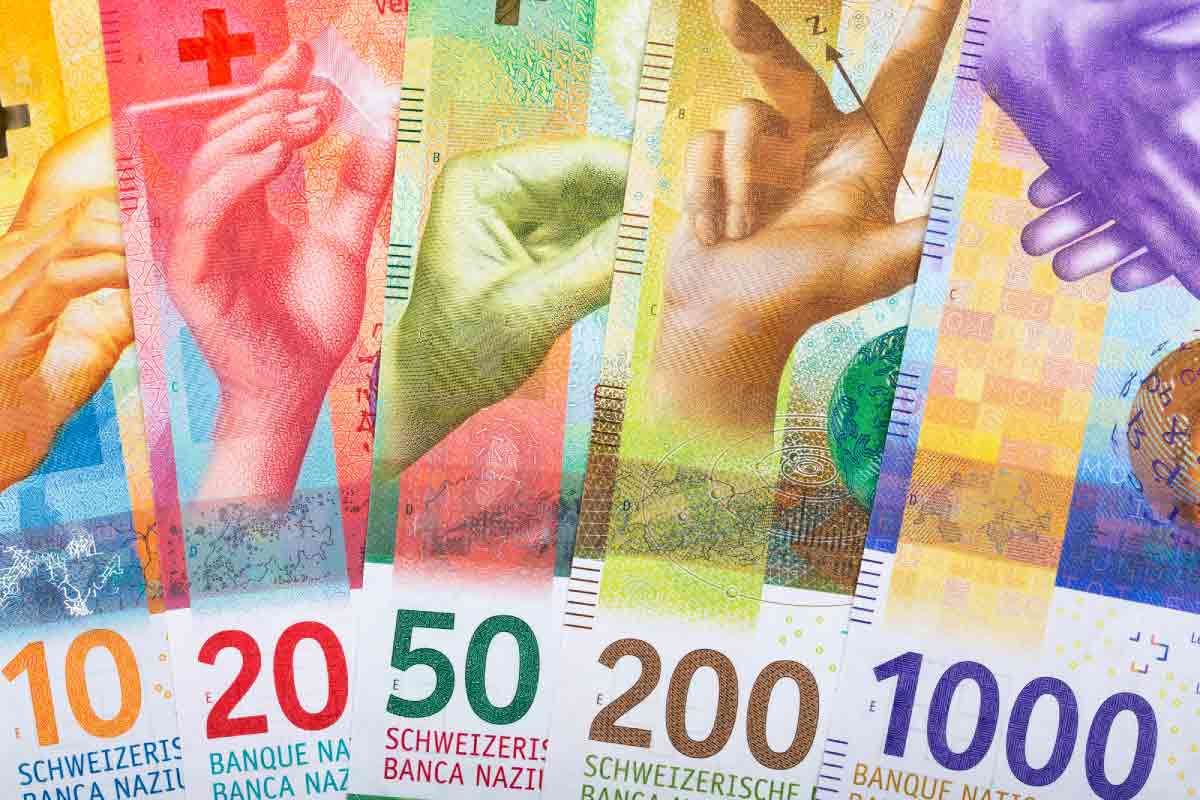
Each country aims to have a unique currency that is easily recognizable on the world stage, promoting the country’s presence. Realizing this desire is a painstaking endeavor that includes artists, engravers, graphic designers, technical engineers, and security engineers. The art is complex, the designs are eye-catching, and the representations are meaningful. Even the counterfeiting measures are works of art in their own right, and indeed, the complexity of the art is a counterfeiting measure itself.
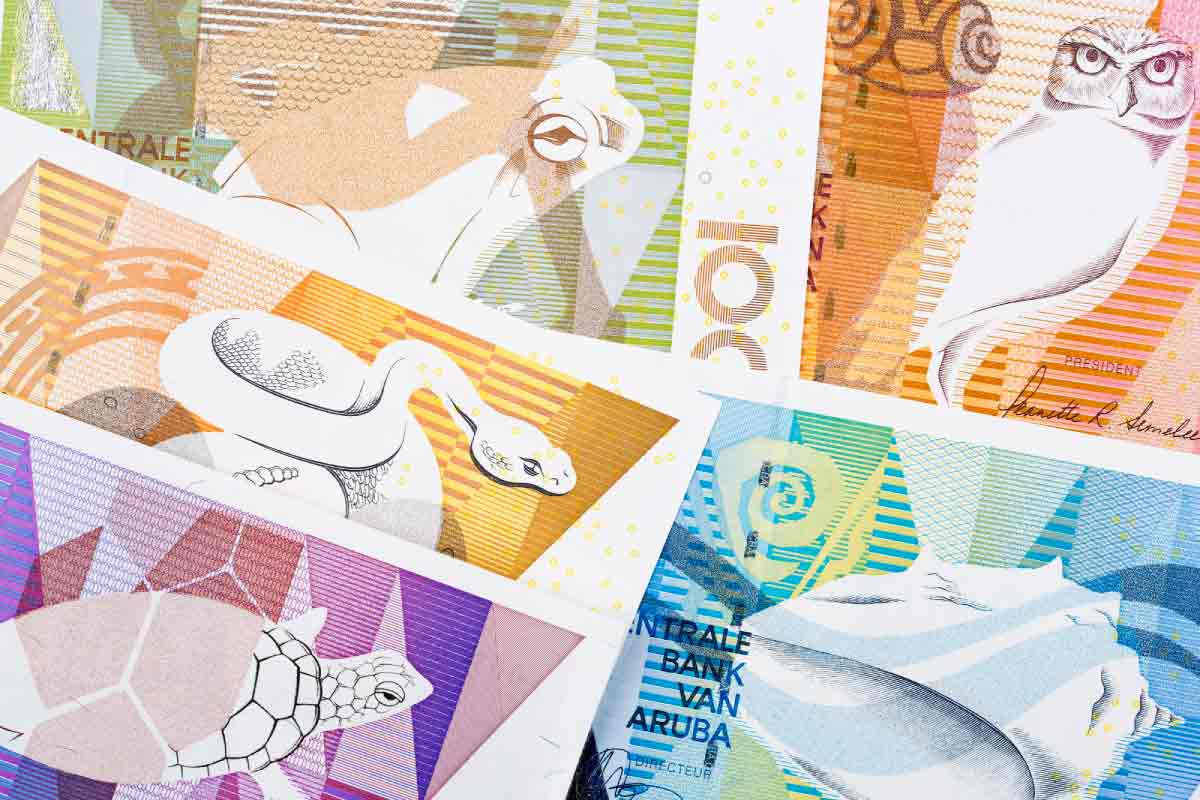
When combined, these efforts result in durable and pragmatic currencies that are also marvels of intricate beauty that deserve their homes in frames as much as they do in wallets, just as the messages on currencies find themselves at home in the minds of people.