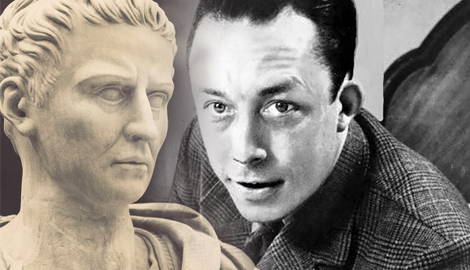

Caligula shrieking “I am still alive!” in Camus’ eponymous play should shake you to your core. This is no triumphant shout nor act of defiance. Caligula is both dismayed and astonished to be still alive. The curtain closes with a bloodied but very much alive and shocked main character. This ending has remained confusing for actors and audiences alike. In this article, we explain it based on Camus’ wider work and his inclusion of this play in his absurd cycle.
Background
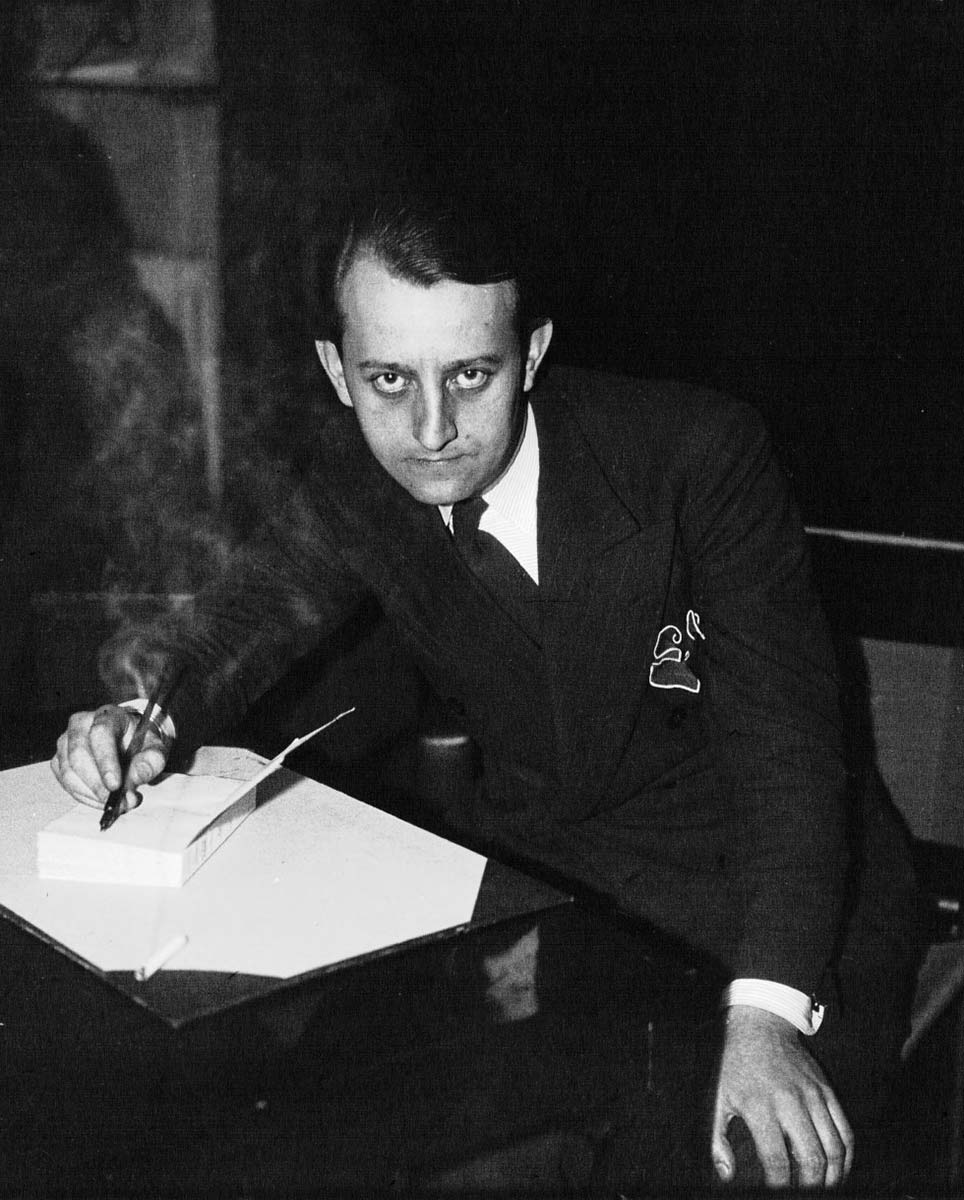
Albert Camus’ debut in the theater was in 1936 in his native Algeria. At the age of just twenty-three, he formed a theater company called Théâtre du Travail. The play they were putting on was André Malraux’s Le Temps du mepris.
Camus had written to Malraux asking permission to stage the play and had been delighted to receive the one-word response: play! Somewhere between 1,500 and 2,000 people showed up to watch the performance. From this beginning, Camus fell in love with the theater. He would later say that the theater was one of the only places he ever felt truly happy.
In 1937, he formed a second group, this time called Théâtre de l’Équipe. It was during this time that Camus was struggling to find work. It is because of this that, when he was offered the opportunity in 1940 to work for a newspaper in France, he jumped at the chance. He arrived in Paris in March with a draft of Caligula in his briefcase.
The play went through several drafts and revisions before it premiered on September 26, 1945 at the Théâtre Hébertot in Paris. The first notes appeared in 1937, and the first full draft was completed by September 1939. A second draft appeared in 1941, and the play, with significant changes, was published in 1944. The version we will be using is Camus’ final version, written in 1958.
Although Caligula was the first solo play written by Camus, his second play, The Misunderstanding, was actually staged first. It premiered on August 24, 1944. Although very different, both plays are concerned with similar themes, in particular the absurd, nihilism, and the search for meaning in a meaningless universe. Camus planned and produced his philosophical work in cycles. Both these plays form part of his first cycle devoted to the exploration of the absurd.
Camus’ Cyclical Work
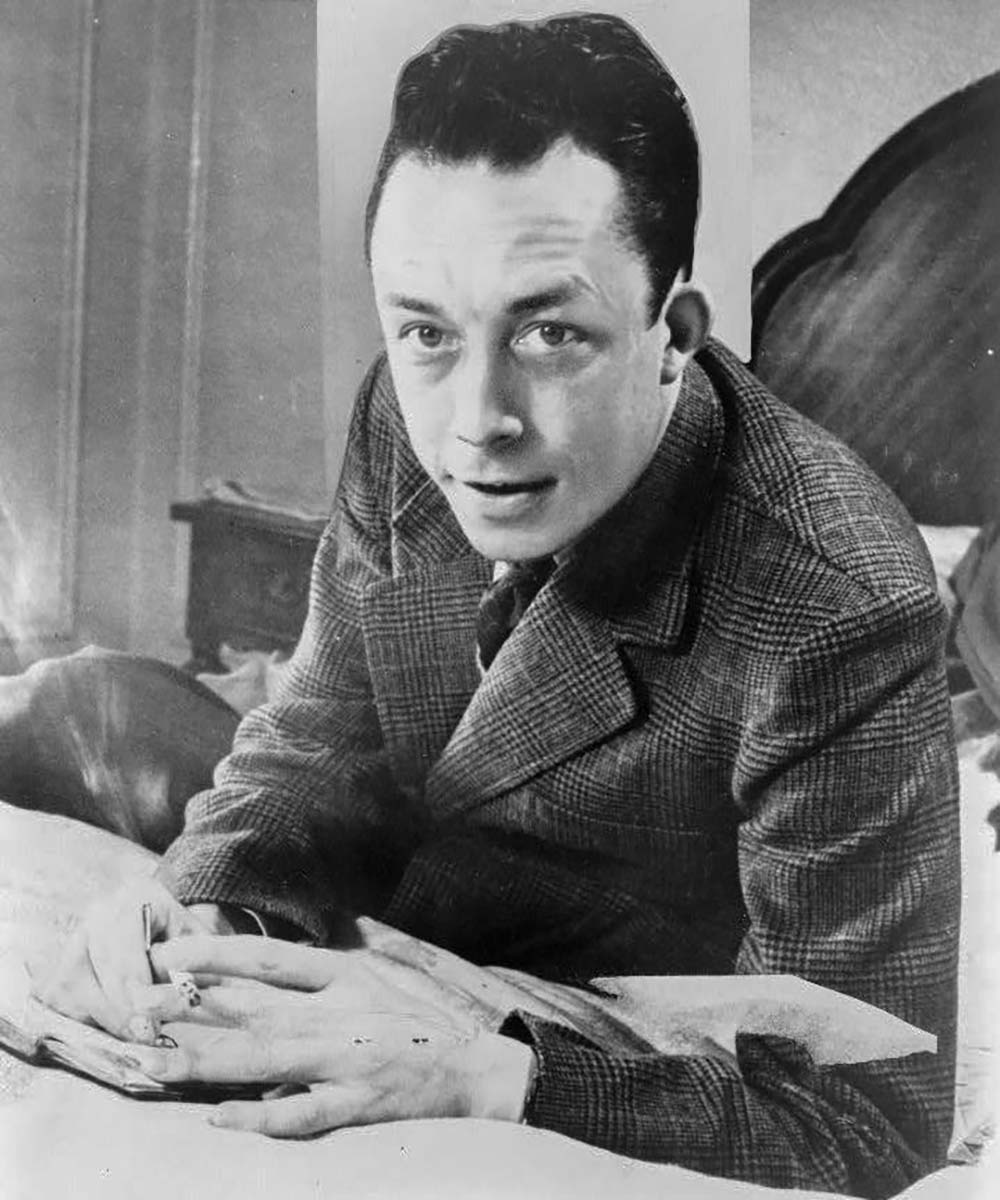
In Camus’ notebooks, we read his plans for his works. As a plan, it is extremely ambitious. It comprises three cycles, each devoted to a single overriding theme, and consisting of a novel, a book-length essay, and two plays.
The first cycle is devoted to the absurd, and the second is devoted to rebellion. To avoid confusion, it is worth mentioning that some texts readers may be familiar with, such as the collection of short stories Exile and the Kingdom and the novel The Fall, are not part of the cycles. They were written between completing the second and starting the third.
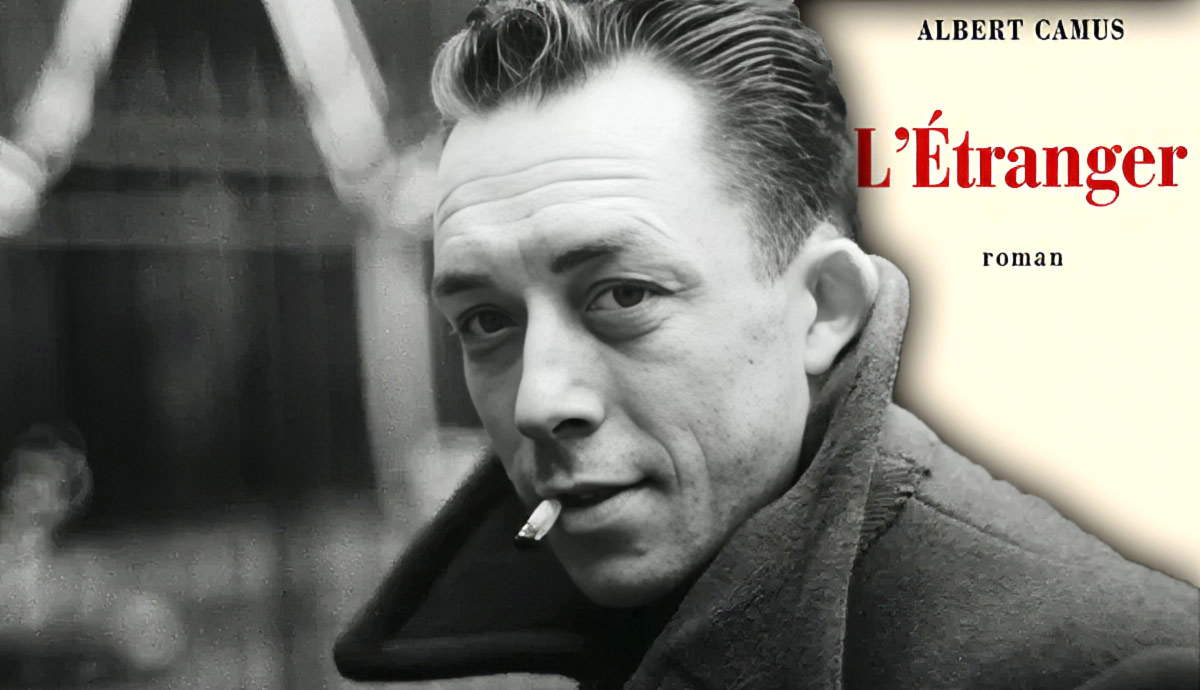
In this article, we are concerned with Caligula, which is part of the first cycle on the absurd; along with the novel The Stranger (1942), the long essay The Myth of Sisyphus (1942), and the play The Misunderstanding (1944). Let us begin with an overview of the play.
Overview of Caligula
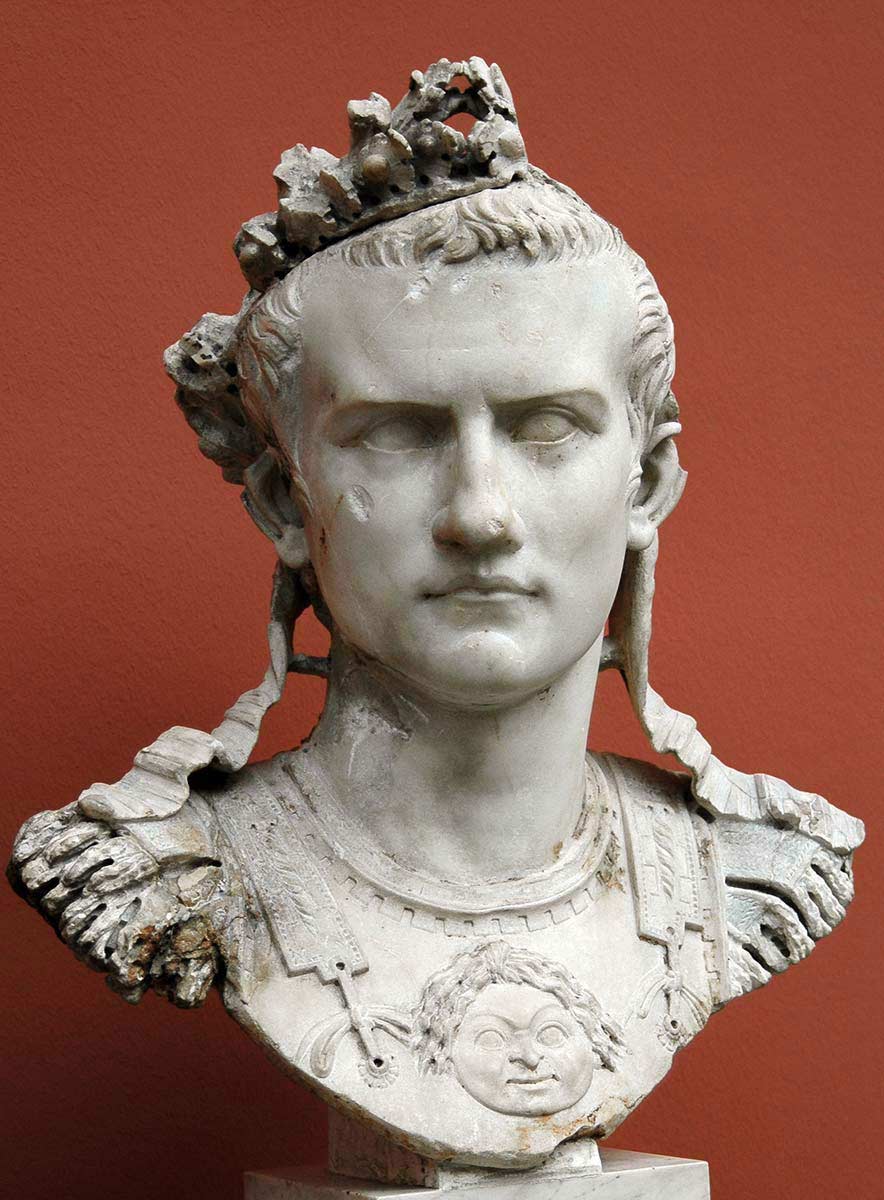
Caligula is a play in four acts and dedicated to Camus’ friends in the Théâtre de l’Équipe. The main characters are as follows: The Roman emperor Caligula; Helicon, his loyal servant; Caesonia, his mistress; Cherea, a philosopher and writer; and Scipio, a younger poet and former friend of Caligula. The other parts include the Roman patricians whom Caligula torments and humiliates, as well as actors playing guards and slaves, etc.
The play begins with a search for the young emperor, who has been missing for three days. His lover (and sister) Drusilla has just died, and Caligula appears distraught with grief.
As Cherea and the patricians discuss the missing emperor, we learn that they think him scrupulous but inexperienced with a love of books. Later in scene VI, we learn from Scipio that Caligula believed that religion, love, and art were all that was needed to carry people through life. And that to make others suffer was the worst mistake a person could make.
When Caligula appears, he is soaked and wild-looking. The first person to see the returning emperor is his servant Helicon. From the moment he starts talking, Helicon realizes that Caligula is acting strangely. But he knows it is not a servant’s place to pass comment.
Caligula has changed significantly over the three days he was missing. He has returned with a plan. His experience has taught him a valuable lesson. This lesson he wants to teach all of Rome. It is that “People die and they are not happy.” This Caligula takes to be a profound truth that people miss because everything around them is a lie.
Over the course of the play, we see Caligula subject the patricians to various humiliations to show them that people die and no one is happy. This includes arbitrary executions and forcing their wives to work in the public brothel.
For four years, he subjects the people in Rome to his regime of arbitrary terror. He makes all Roman citizens who have money leave it to the State instead of their families, and he deliberately engineers a famine. By doing so, Caligula knows that he is fomenting the seeds of rebellion against him and that one day he will be assassinated. This, he welcomes.
At the end of the play, he is stabbed multiple times. Covered in blood, the last line of the play is his: “I am still alive!”
The Absurd
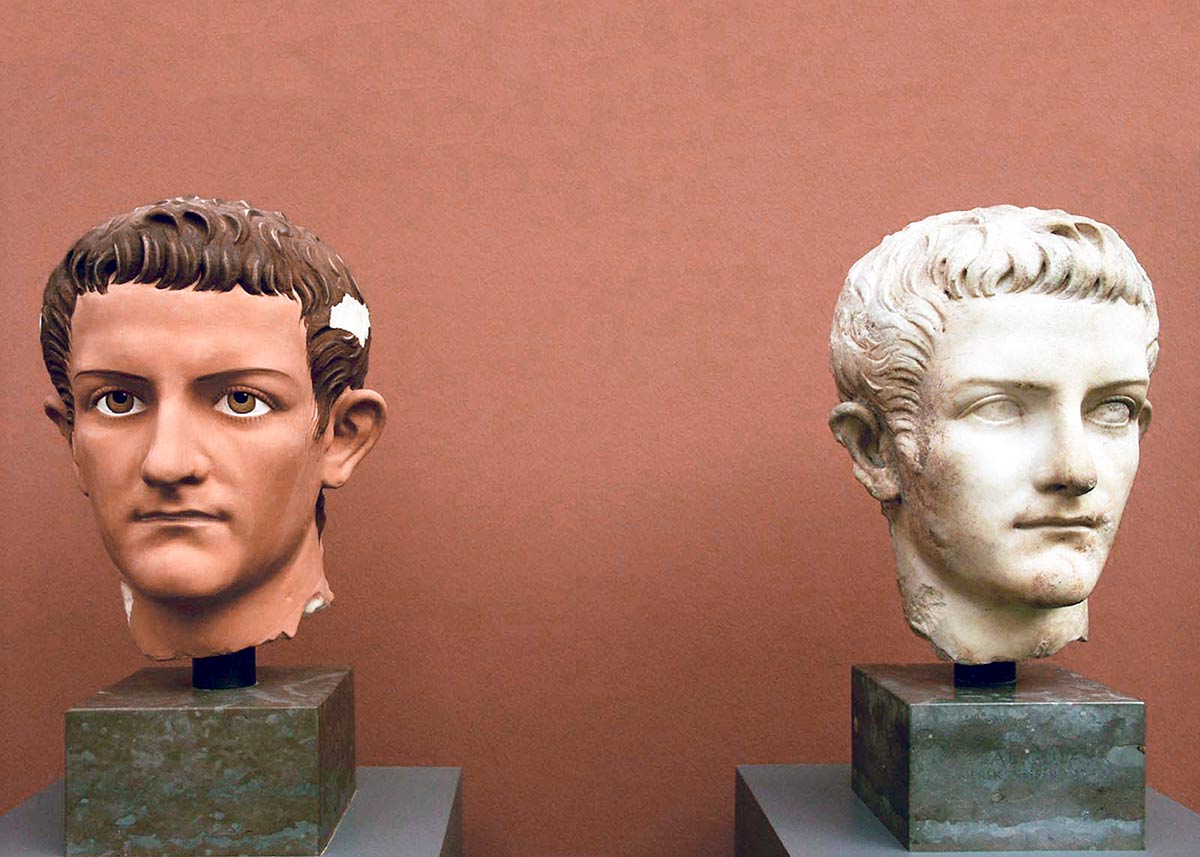
For Camus, the absurd is the experience of finding oneself suddenly devoid of the myths that give meaning to life.
There are some things in life that can only be made clear by a process we sometimes call mythopoesis. Mythopoesis refers to the creation or retelling of myths for the benefit of a society that no longer accepts such myths literally. Typically, myths are repackaged and presented anew so that the hero’s quest becomes a critique of current social norms and values, whilst typically pointing the way to an alternative future. Camus does just this with his reworking of the Sisyphus myth at the end of his essay The Myth of Sisyphus.
For Camus, Christians and people of other religions do not experience the absurd because their desire for meaning is answered by their faith. Their universe comes with a meaning and purpose already built into it by their deities. Those without faith are born into a universe that has no meaning or purpose outside of that which they can create for themselves.
In Caligula, the young emperor finds himself bereft of myths after the death of his love, Drusilla. Because of this, he has a powerful experience of the absurd. And from this, he believes he discovers a single, powerful fact about the human condition: that people die and are unhappy.
The Assassination of Caligula
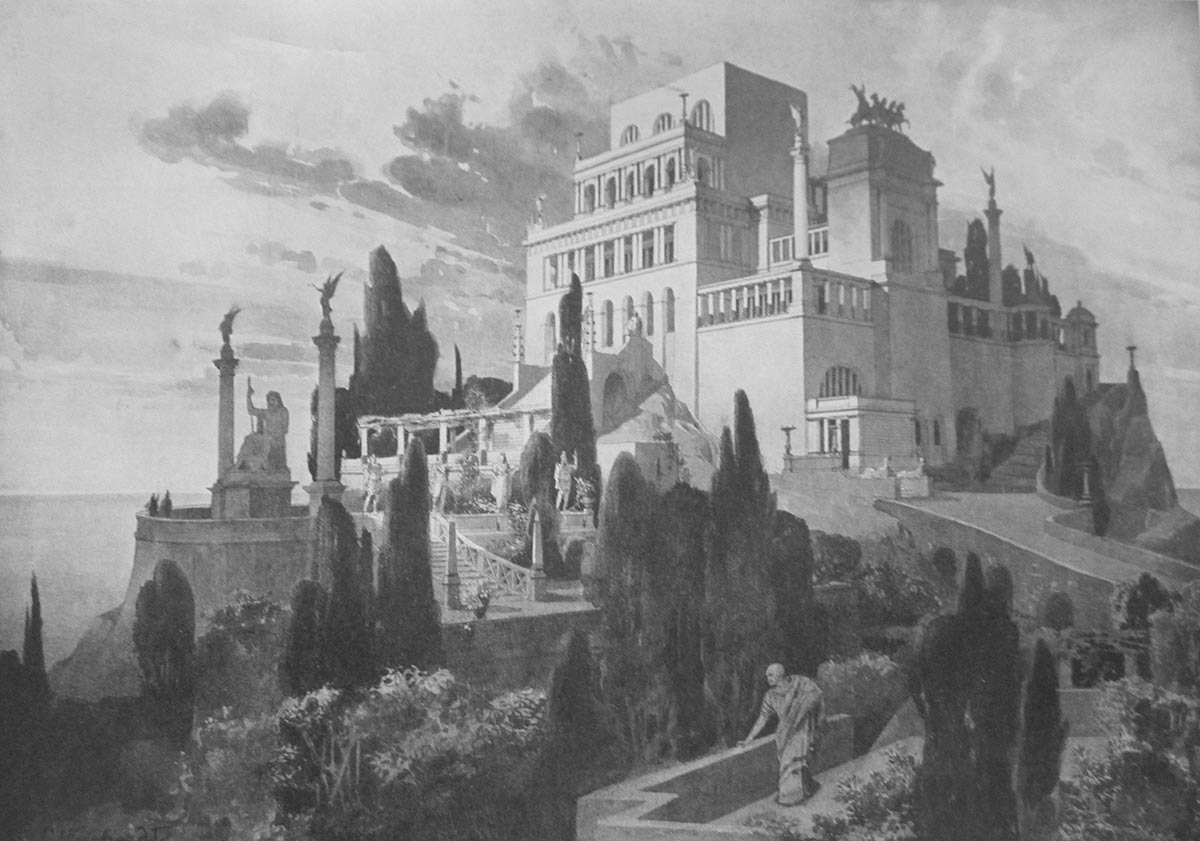
Helicon intercepts a wax tablet that proves Cherea and others are planning to assassinate the emperor. He gives it to Caligula, but cannot convince him to take it seriously. Caligula knows the plot is real, but he just does not think that it is serious. If the only truth is that people die and they are unhappy and everything else is equally meaningless, then his death is meaningless; the act of killing him is just as unimportant, in his mind, as the act of painting one’s toenails.
Caligula is also warned by an old patrician who, out of cowardice, betrays his friends and reveals the plot. He sends the patrician away, telling him that he would rather think of him as making a joke than as a coward or a betrayer of friends. Caligula is merely playing with him. He knows the plot is no joke.
Finally, he confronts Cherea, whom he knows, thanks to the tablet Helicon gave him, is the leader of the plot. Cherea assumes the game is up and all but admits to Caligula his plan to assassinate him. To Cherea’s absolute amazement, Caligula produces the tablet proving Cherea’s guilt and uses a torch to melt the wax, destroying the evidence.
When the assassins arrive, knives in hand, Caligula faces them with an insane laugh. He continues to laugh until it is no longer possible, as they repeatedly stab him.
Mirrors and Self-Reflection
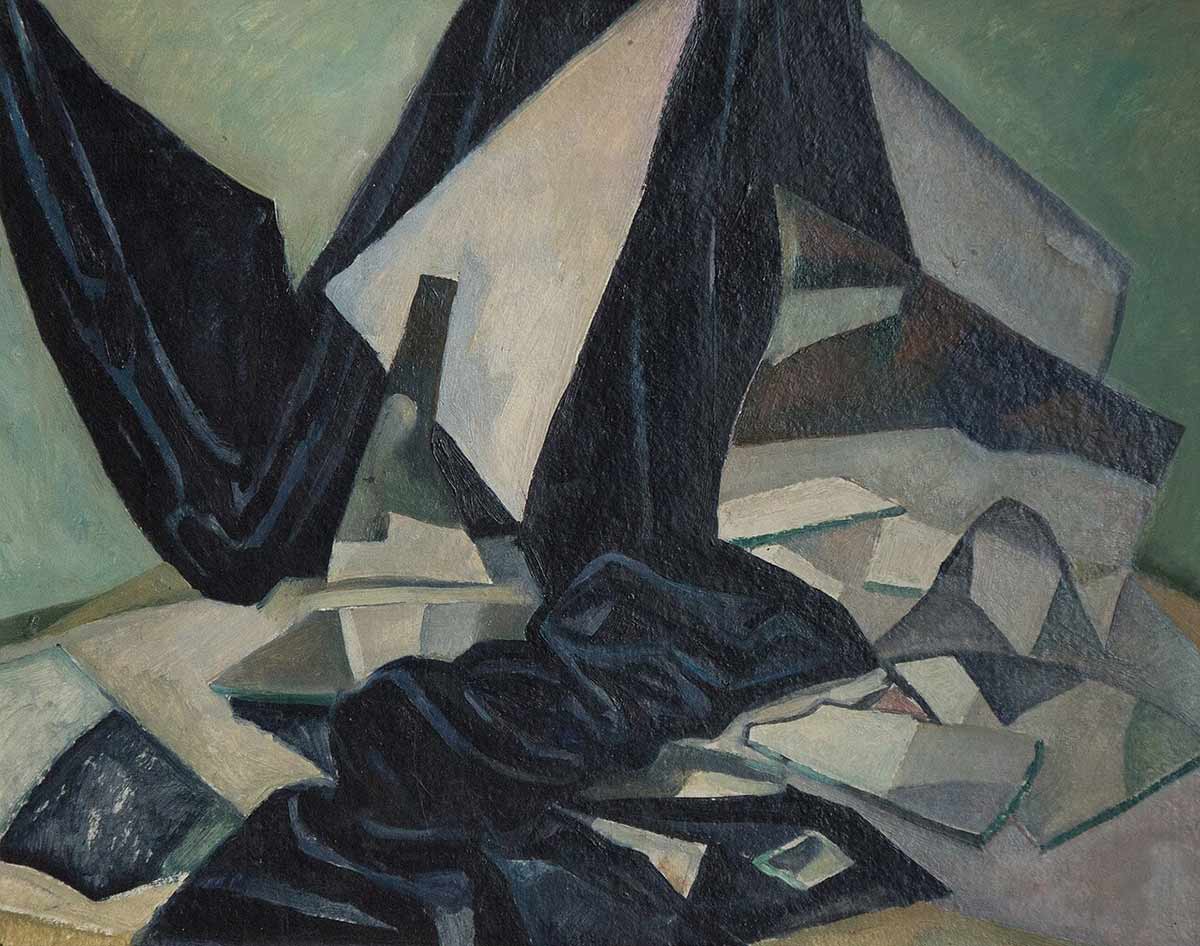
At the beginning and end of the play, we see Caligula staring at himself in the mirror. The idea of reflections and mirror-images is key to the play.
Caligula, having absolute power as emperor of Rome, manages to force the world around him to mirror his own inner desolation. His aim is to bring the truth of the human condition, as he sees it (that people die and they are unhappy) vividly to life by forcing people to live their lives as characters in a macabre play of his own writing. In many ways, Caligula is a reverse mirror-image of Christ. Instead of bringing the good news of eternal life, he wants to show there is nothing but death.
Caligula also uses a mirror to perform for himself and see the performance. In the beginning and the end of the play, Caligula talks to himself in a mirror before smashing it. The first time signals the birth of the new Caligula, and the last time signals his death.
If Caligula creates a world to mirror his inner turmoil, his reflection in the mirror is the inversion of this world. In other words, when Caligula sees his reflection, he symbolically sees his real self. The first time he smashes the mirror, he announces triumphantly, “Caligula!” Here he is destroying his reflection and with it, he hopes, his old self: the good-natured, studious young man who thought the worst thing in the world was to make someone suffer.
This leaves only the new Caligula: the mad tyrant-teacher. The second time, he destroys his reflection again because he has discovered that it is impossible to destroy his real self. He smashes the mirror in an act of hatred for himself and from dismay that he cannot escape himself.
The Ending Explained
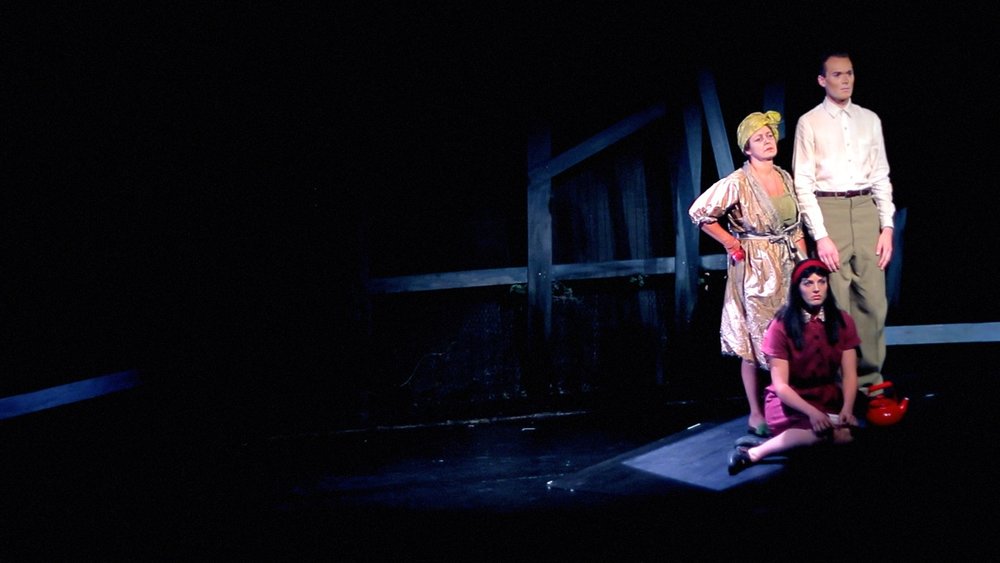
Camus wants to show that there is something indomitable in human beings. Something that even someone with absolute power like Caligula cannot destroy, even in themselves. We also see this in The Misunderstanding, the other play in the cycle on the absurd.
As we saw, Camus believes that we are born into a meaningless universe and have the opportunity to create meaning for ourselves. But he does not think we have total freedom. We cannot entirely deny the absurd and the lessons it can teach. Caligula creates a grotesque myth that he forces everyone to live (and die) in real life. He wants to demonstrate “his truth,” but his own myth ultimately shows him that he was wrong. Before he smashes the mirror the second time, he shouts, “My freedom is the wrong kind.”
Caligula failed to destroy himself, but his assassins also failed to kill him. Why? Camus is warning us that there will always be “Caligulas” of one kind or another and that the temptation to ignore the real lessons of the absurd will never be destroyed. We must be, therefore, continually on our guard, ready for the next “Caligula” who tries to impose the wrong kind of freedom.
The “Caligulas” of Camus’ day were Hitler and Stalin; the question he leaves us to answer is, who are the Caligulas of today?