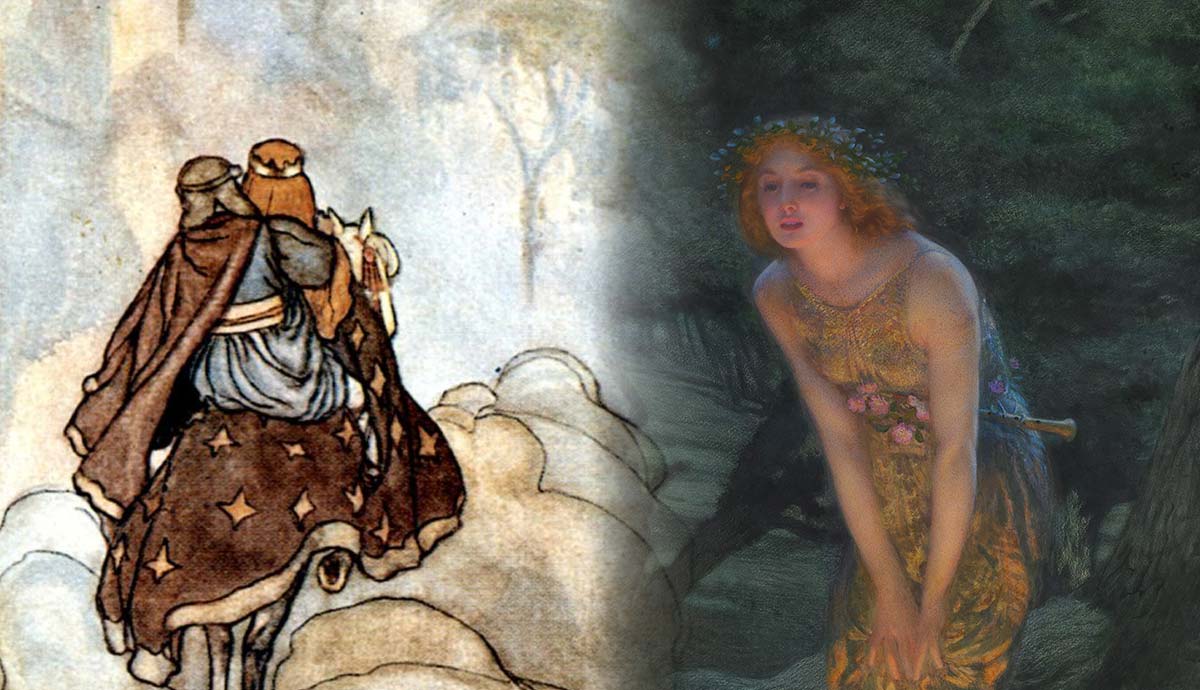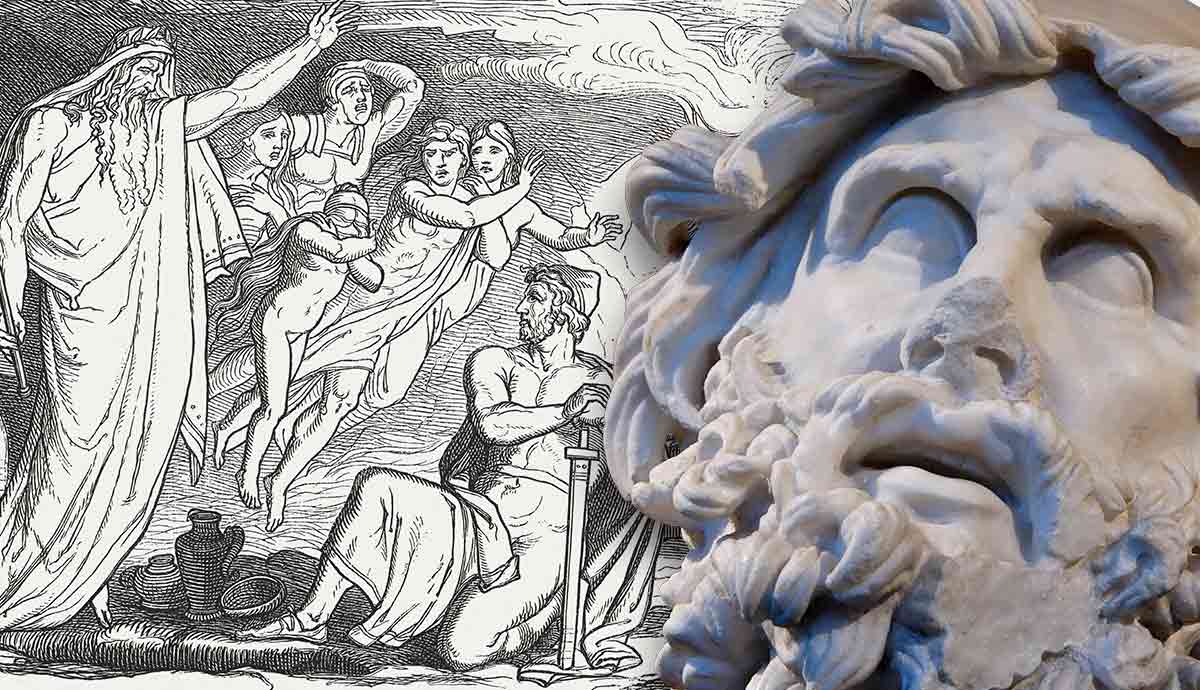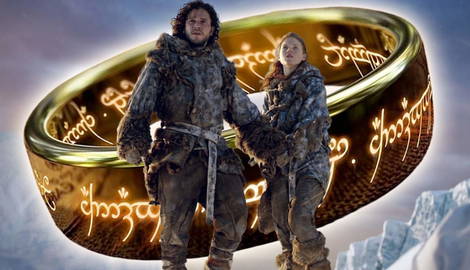

A light fog rests on the calm waters as a swan-shaped boat arrives to take the heroes to a mystical land where time is different and where mortals cannot tread. It is not a place separated by geography and related to the real world, but a veil between realities where the weary can find rest.
This is not a scene from the Irish or Welsh myths, but the ending of The Lord of the Rings, when Gandalf, Frodo, and Bilbo must say goodbye to their loyal friends in what is fondly remembered as a heart-wrenching scene.
Modern fantasy has been heavily influenced by the myths of the ancient Celtic people and places, creating a fertile ground for imagination. Adapting the old to the new, such re-envisioning of styles, tropes, and aesthetics has become readily recognizable worldwide as a staple of the fantasy genre.
Core Elements in Celtic Mythology

Finding its way to many modern fantasy stories is the idea of a magical pathway or portal to a parallel world of wonder. This is how the Otherworld realm of Tír na nÓg can be reached. In Irish legend, this is a realm of joy and abundance that exists alongside the real world. Its portals are located in fairy mounds and caves where the veil between this world and the Otherworld is thinnest.
Reference to this idea can be found in many modern stories. In the world of C.S. Lewis, Narnia is accessed through a liminal threshold. It is a place like Tír na nÓg, where time runs differently. Years can pass in Narnia while only a minute passes in the real world. This is directly influenced by stories of Tír na nÓg in Irish myth, although the time dilation is the other way round! A year in Tír na nÓg often results in 100 years having passed in Ireland.
The trope of crossing through thin veils into an otherworld of magic and wonder is certainly not confined to the writing of C.S. Lewis. It is a trope found in Bridge to Terabithia, the Harry Potter series, Pan’s Labyrinth, The NeverEnding Story, and Alice in Wonderland, to name just a few.
The magical realms on the other sides of these portals are filled with wondrous elements, from strange places and fantastical palaces, to wizards, dragons, trolls, and all manner of mythic beasts.
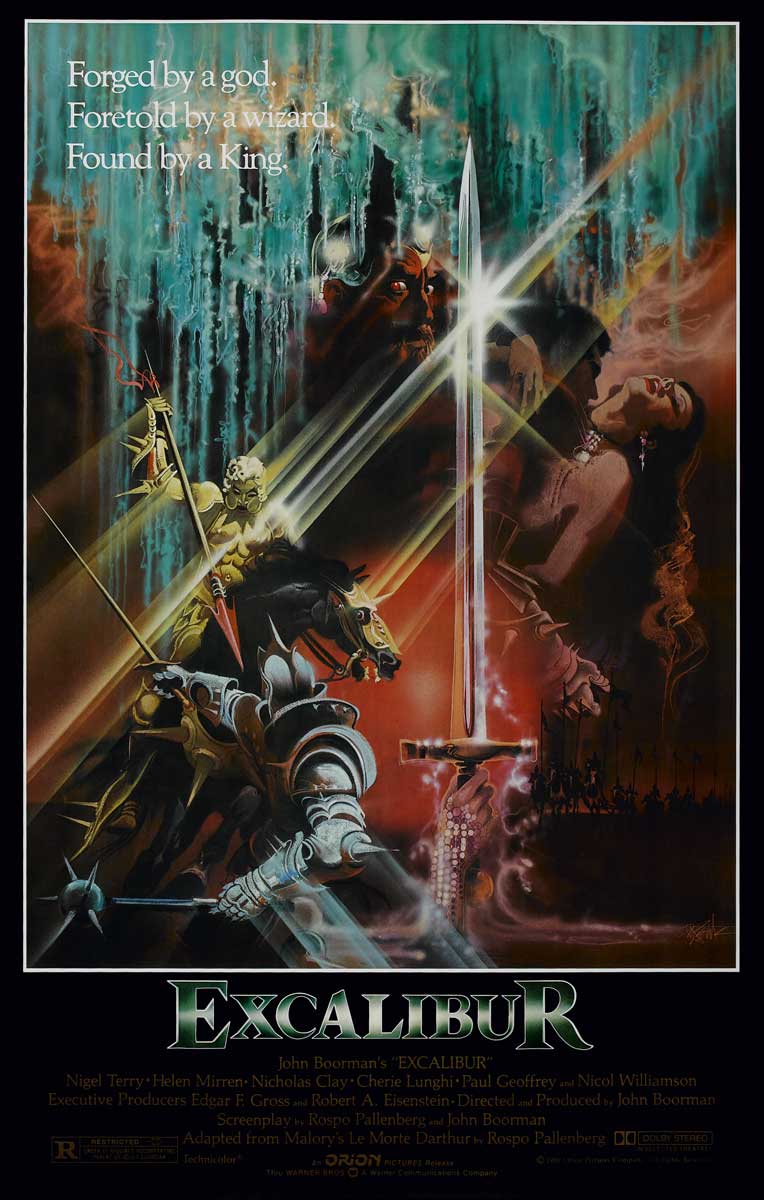
Of major significance are the Arthurian legends, which have provided inspiration for modern fantasy for many decades. The themes of success and power, weakness and loss, magical curses, strange beings, magical swords, and quests for glory are fresh in the memory of the modern public, having been the subjects of pervasive repetition.
But even these stories pale in comparison to the influence of modern fantasy’s most famous author…
The Influence of Tolkien
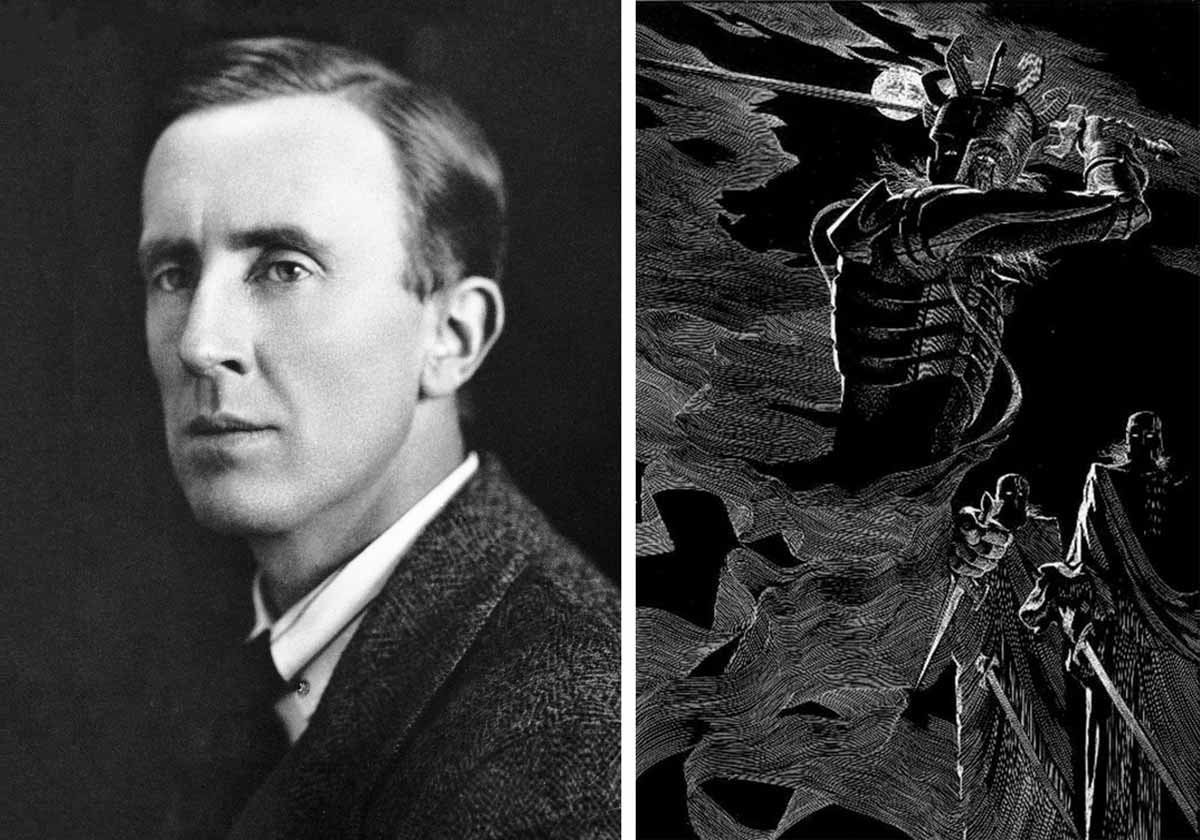
While Celtic mythology may very well have become a popular subject in modern fantasy, it is undeniable that much of what modern fantasy is today is owed to the grandfather of modern fantasy, J.R.R. Tolkien, who formed a foundation of elements on which so much fantasy is built today.
Tolkien invested significant effort into the background lore of his stories. With a deep knowledge of European myth and his command of linguistics, he created people, places, and languages that were believable, despite being set in fantastic realms of his imagination.
Of note is the Sindarin language of the Elves, which Tolkien constructed with Welsh phonology, while the Noldor Elves of Tolkien’s Silmarillion are deeply inspired by the Tuatha Dé Danann, the race of godlike beings in Irish myth.
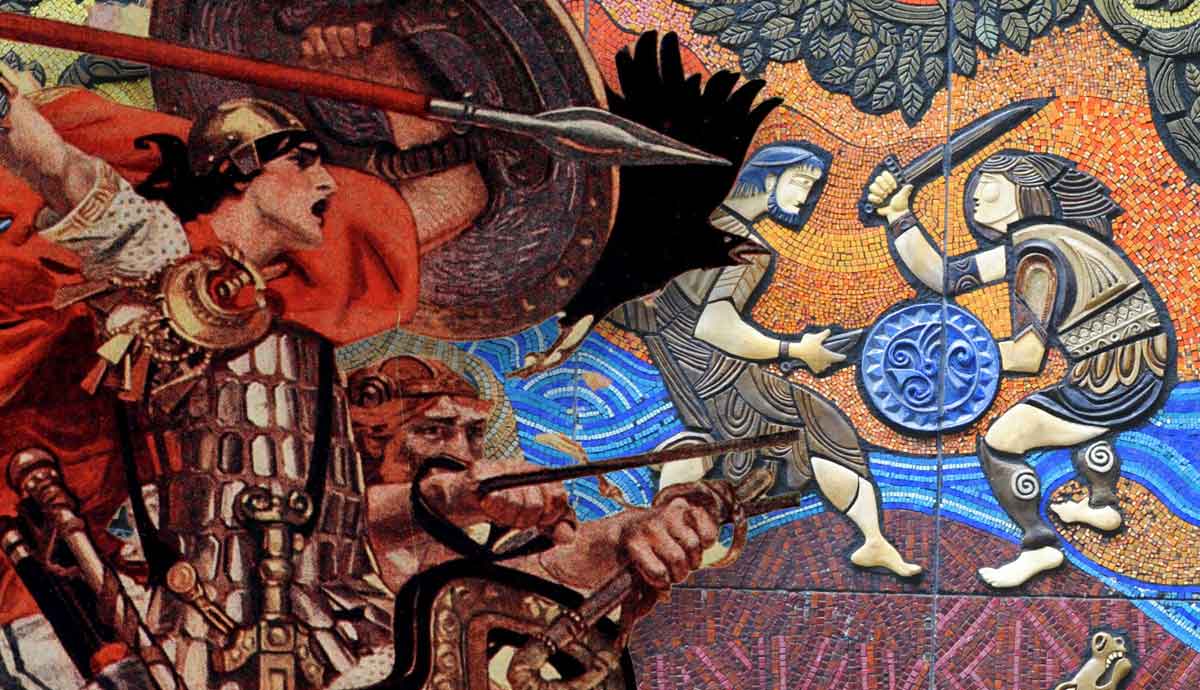
The Noldor leave their home of Valinor from across the sea, arrive in Middle-earth, burn their ships, and fight the dark lord Melkor. In Irish myth, the Tuatha Dé Danann leave their mystical lands, arrive in Ireland, burn their ships, and fight the monstrous Fomorians for control over the mortal realm. It has also been suggested that the Eye of Sauron was influenced by Balor of the Evil Eye, the king of the Fomorians. The gaze from his eye could lay waste to entire armies.
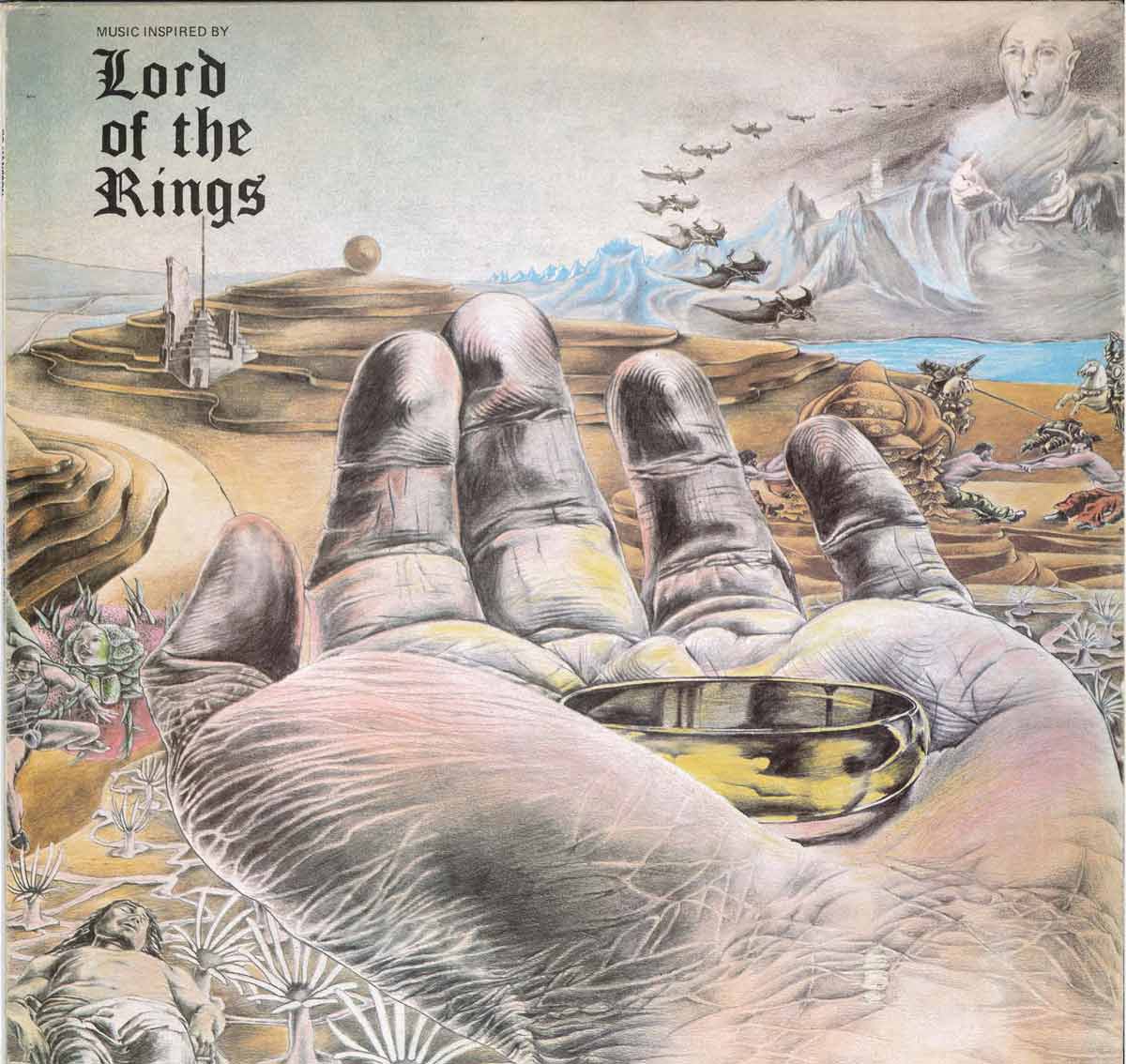
Despite these influences, Tolkien was wary of his work being associated with anything “Celtic.” He wrote:
“I do know Celtic things (many in their original languages Irish and Welsh), and feel for them a certain distaste: largely for their fundamental unreason. They have a bright colour, but are like a broken stained glass window reassembled without design. They are in fact ‘mad’ as your reader says – but I don’t believe I am.”
From a visual perspective, Tolkien’s influence in designing the Elvish components of his works was not dissimilar to Art Nouveau, using flowing organic and sinuous forms rather than the neatly packed Celtic knots, which have also become synonymous with Elvish aesthetics in modern fantasy.
While Tolkien may have relied more on ideas of Norse and Germanic myth, the aesthetics of his work have evolved beyond his imagination. In Peter Jackson’s modern retellings of Tolkien’s epic, conceptual designer Alan Lee is quoted as having used elements of Celtic design and Art Nouveau, which Tolkien scholar Dimitra Fimi notes as having a ‘Celtic’ air and ambience, which is also supported by a musical score by Howard Shore that promotes the ethereal Celtic feel.
Reviving the Celts
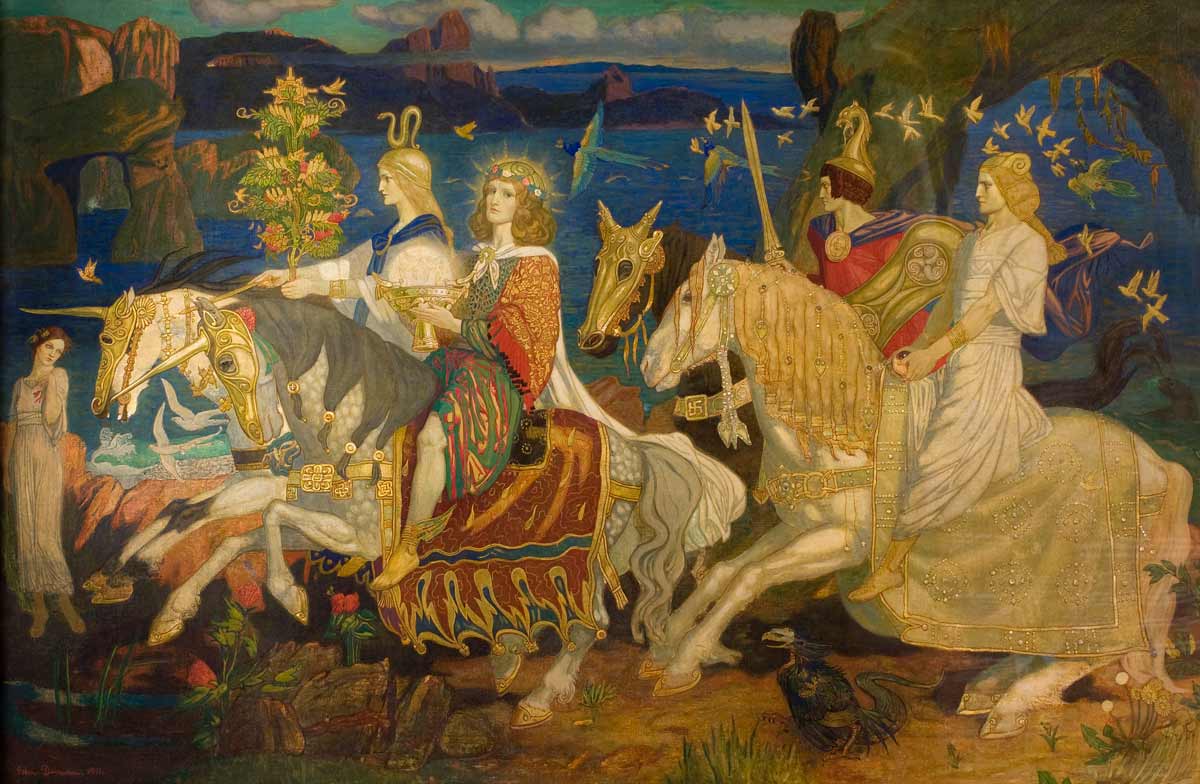
Our ideas of what formed Celtic society and aesthetic are significantly shaped by the Celtic Revival, a series of movements that began in the late 19th century that invigorated Celtic culture. Much of it is based on assumptions and romantic envisionings that connect with viewers on an emotional level. Some of what we consider “Celtic” today did not exist in the form we imagine it. As such, our idea of what constitutes “Celtic” is malleable, and our perceptions of it are often not based on direct historical certainty. This makes it a very attractive resource for creating fantasy realms and populating them with all manner of cultures and creatures.
It is fair to say this movement never really died out. It is consistently revitalized by successive waves of interest. In the real world, it is a factor in societal identity within the “Celtic” nations. In imagination, it serves as a major influence in modern fantasy, where it has found a very comfortable home across multiple media.
While modern ideas of “Celtic” may not always be totally faithful to the source, the idea, its aesthetic, and ambience are real inasmuch as they form a creative foundation for expanding the imagination of what “Celtic” could represent.
Celtic Myth in Modern Fantasy
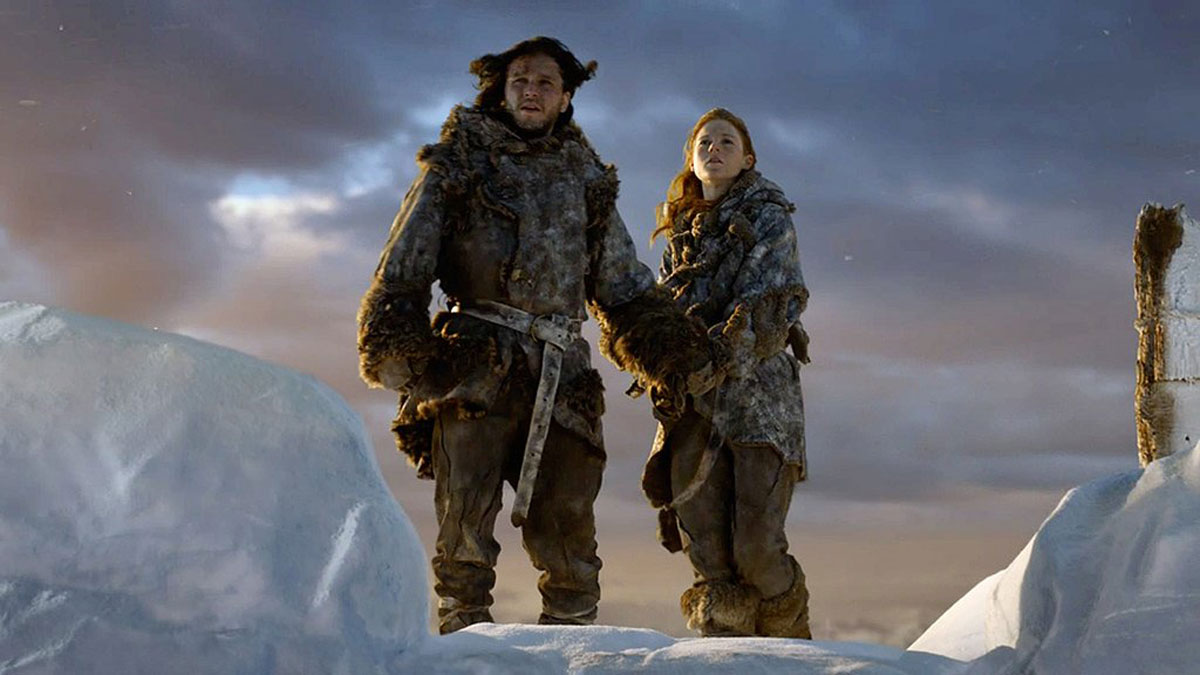
Presently, the fantasy genre is one of massive popularity and is certainly one of the most profitable. Over the past two decades, Game of Thrones and its spinoffs have kept viewers glued to their screens.
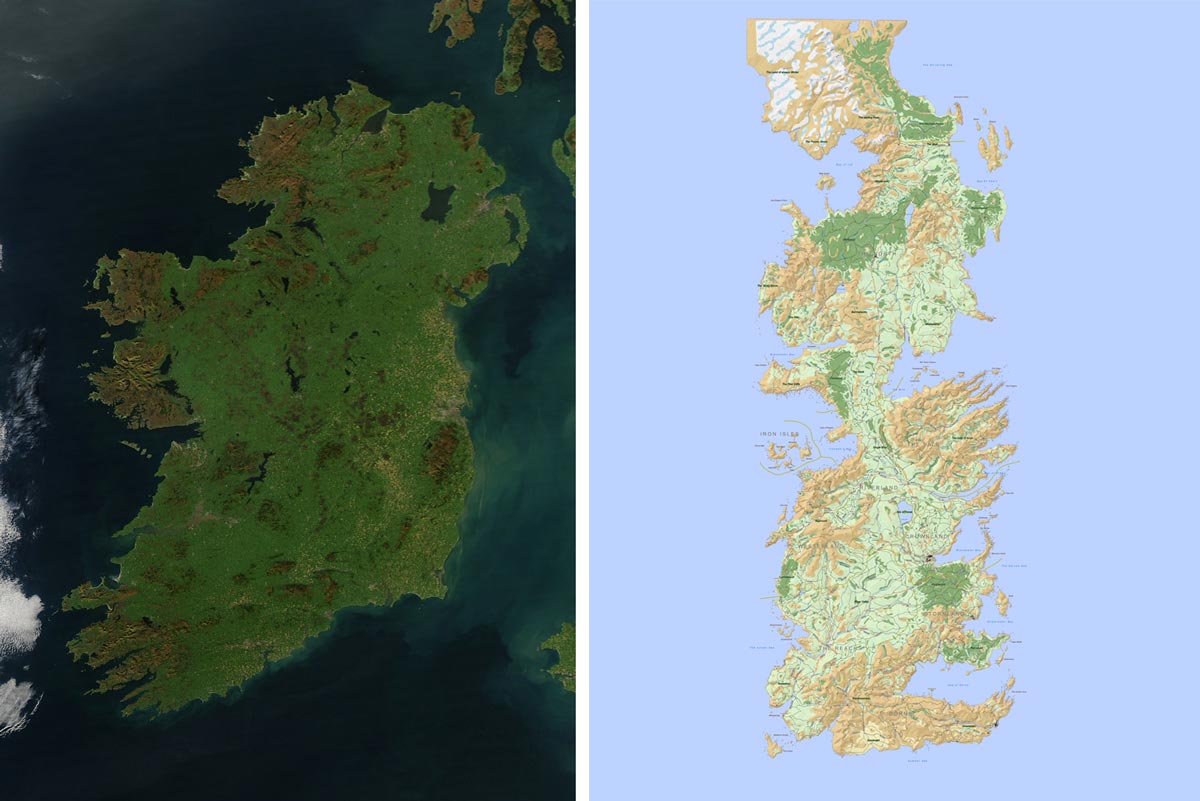
Given the trend of Celtic influence in modern fantasy, it is no surprise that it is present in this sweeping epic by George R. R. Martin. Much of the lore of Westeros is inspired by British history, of which a considerable quantity is Celtic. This much is apparent simply by looking at the map. A sizable portion of it is a facsimile of Ireland rotated 180 degrees.
Of course, that’s not the only Celtic reference in Game of Thrones. The series is filled with names and places that recall the ancient British Isles. The Wall is inspired by Hadrian’s Wall, which separated Roman Britain from the Picts in the north. One of the principal characters, “Bran,” (the Three-Eyed Raven), is a name common in Irish myths, and means “raven,” while “Tyrion” is similar to the Welsh word “tirion,” meaning “gentle” or “fair.” While the latter connection may be tenuous, it is undeniable that the phonology sounds very Welsh.
The history of Westeros also mirrors that of England. While the Anglo-Saxon migrations pushed the Celtic Britons north and west, so too did the Andals drive the First Men to the north, with a substantial number of them becoming the Wildlings beyond the Wall—mirroring the Picts in reality.
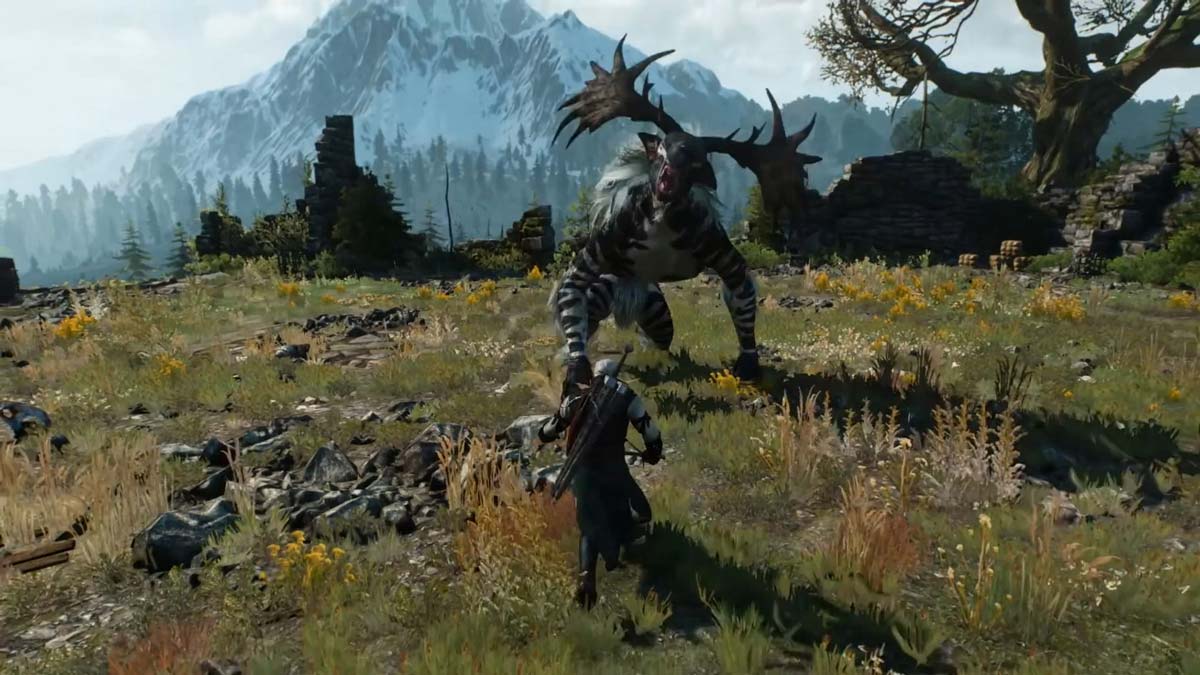
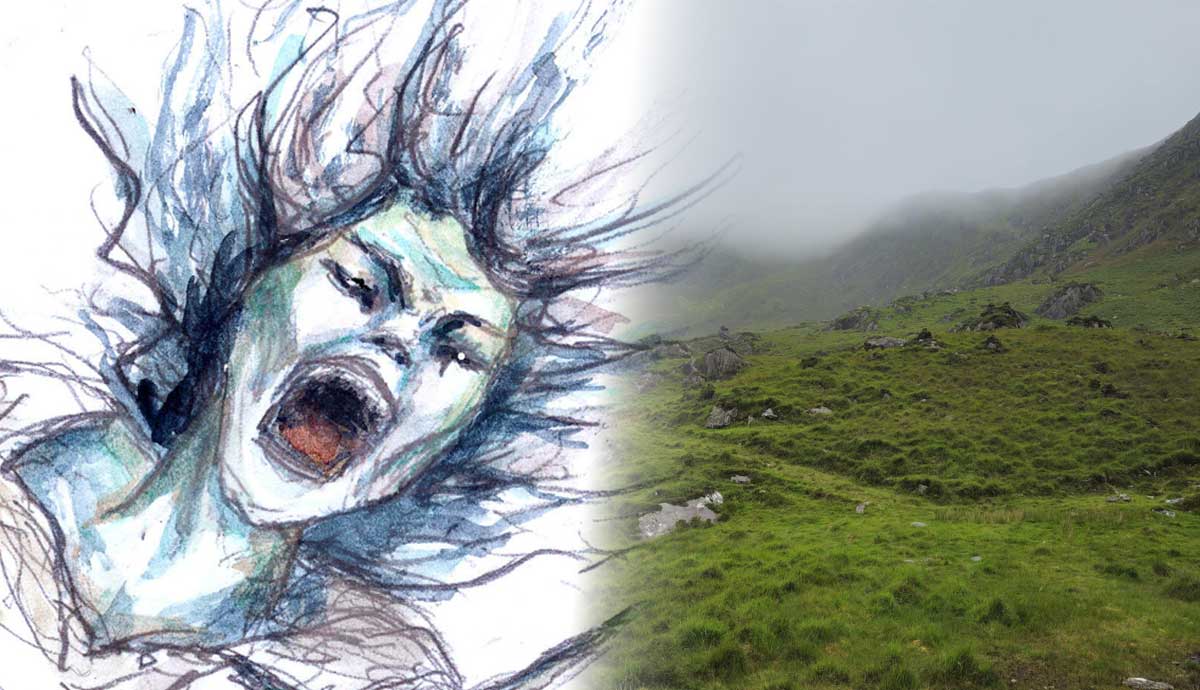
Beyond Westeros and the lands of Game of Thrones, many other fantasy worlds exist. Of note is the Witcher series of books created by Polish author Andrzej Sapkowski, which became an international hit as it expanded into the video game and television series markets. The stories center around Geralt of Rivia, a superhuman monster hunter, and his ward, Ciri, who is unique in that she can travel freely between worlds. This makes her extremely valuable to the Wild Hunt, a group of powerful elves who want to use her powers to escape their dying world. While the concept of traveling between worlds is well attested in Celtic mythology, with stories of journeys to the Otherworld, the Wild Hunt is a myth with pan-European roots that is also found in Celtic mythology.
Many of the people and creatures that inhabit the world of the Witcher are also directly inspired by Celtic legends. There are pixies, banshees, barghests, spriggans, and a Leshen (A Slavic creature) named Kernun, a possible reference to the Celtic god Cernunnos.
In J.K. Rowling’s Harry Potter series, there are also plenty of references to Celtic myth, and Rowling has stated that she drew from British folklore for inspiration. The Harry Potter series also includes banshees as well as leprechauns, kelpies, redcaps, and many other mythical creatures.
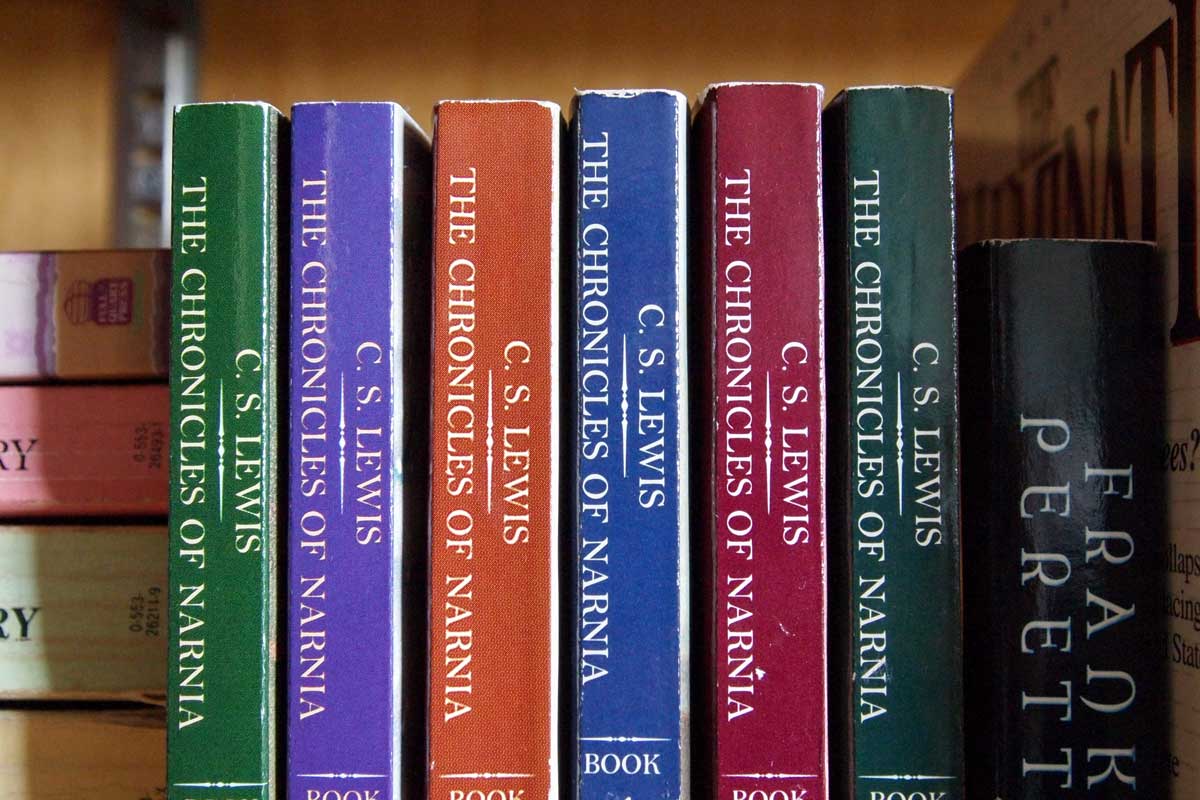
Meanwhile, recent decades have also seen renewed interest in the Narnia series by C. S. Lewis, which features unicorns, dragons, and other fantastical creatures inspired by Celtic myth. The Celtic idea central to the story is the ability to travel between worlds. The third book, The Voyage of the Dawn Treader, is heavily inspired by an old Irish tale of a sea journey to the Otherworld.
Indeed, crossing the threshold into a different realm is a staple of fantasy fiction. In the NeverEnding Story, Bastian journeys to Fantastica (Fantasia in the film) through a book. In Bridge to Terabithia (novel and films), a world born purely of children’s imagination is accessible by swinging on a rope across a creek.
The themes of Celtic mythology are remarkably adaptable and are able to fit a wide range of fantasy settings, easily spilling over into other genres. Modern versions of Celtic myth may not closely resemble their ancient origins, but they preserve the wonder and mystery that made the ideas so compelling thousands of years ago. Reimagining the elements of Celtic mythology has kept audiences engaged for centuries and suggests a promising future for the continued preservation and evolution of these Celtic ideas.