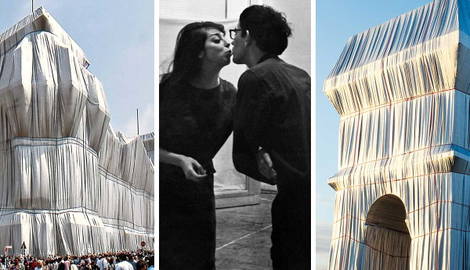

Christo and Jeanne-Claude were the famous artistic couple who created large-scale environmental art together for five decades. They worked with draperies, wrappings, and natural movement provided by weather conditions to create fluid and living installations often using public buildings and landscapes. Read on to explore the unique and fascinating artistic partnership of Christo and Jeanne-Claude, along with their inspiring creative philosophy.
Christo and Jeanne-Claude’s Parallel Lives
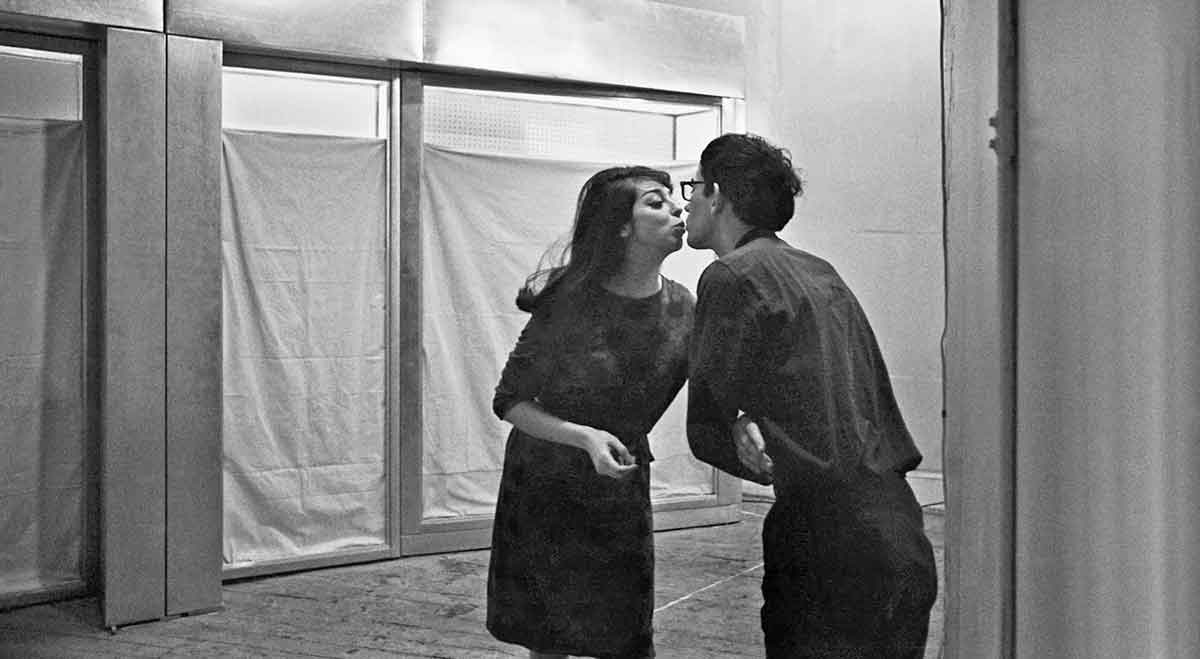
On June 13, 1935, in Bulgaria and Tunisia, two artists were born at the same hour. A little more than two decades later, they would meet each other in Paris and start one of the most ambitious and outstanding artistic projects. Christo and Jeanne-Claude were partners in life and work and spent more than fifty years together. Still, despite the shared birthday, their lives before their meeting could not have been more different.
Christo Vladimirov Javacheff was born in Gabrovo, Bulgaria, and had Macedonian origins. Before World War II, his father owned a textile factory, but after the Bulgarian Communist Party took over in 1946, his business was nationalized and he became a regular worker in the same enterprise. Christo’s mother worked in Sofia National Academy of Art, and thus the family had connections in the local community of artists. He was a quiet and shy child with an early inclination to arts. In Sofia, he began his training as a conventional Socialist Realist painter but managed to get permission to travel to Czechoslovakia. There, he encountered Western avant-garde art for the first time. From Prague, he decides to flee to Vienna by bribing a railway worker. From 1957, he wandered through Europe, taking art classes and earning a living by painting portraits.
In 1958, Christo settled in Paris. Despite soon making friends with local artists, he felt isolated from his home and usual environment. At that time, he had already begun inventing the style of art that would later make him and Jeanne-Claude famous. He lived in poverty and had access only to the cheapest materials. In his studio, Christo started wrapping crates and boxes with rope and fabric. Then, he viewed them as sad reflections of his own destitute and lonely state.
In October 1958, Christo was commissioned to paint a portrait of Precilda de Guillebon, a wealthy Frenchwoman who had recently come back from Tunisia. Precilda’s daughter, Jeanne-Claude Denat de Guillebon enjoyed the status of a privileged officer’s daughter, studied Latin in Switzerland, and trained to become an Air France stewardess. She was also going to get married soon. Yet, her meeting with Christo changed these plans. Although she did indeed marry her fiance, she left him immediately after their honeymoon, revealing her secret affair with Christo. Soon, they moved in together, and Jeanne-Claude’s mother allowed them to use their attic as a spacious studio. Christo and Jeanne-Claude also raised a son Cyril Christo who is a poet, photographer, and activist.
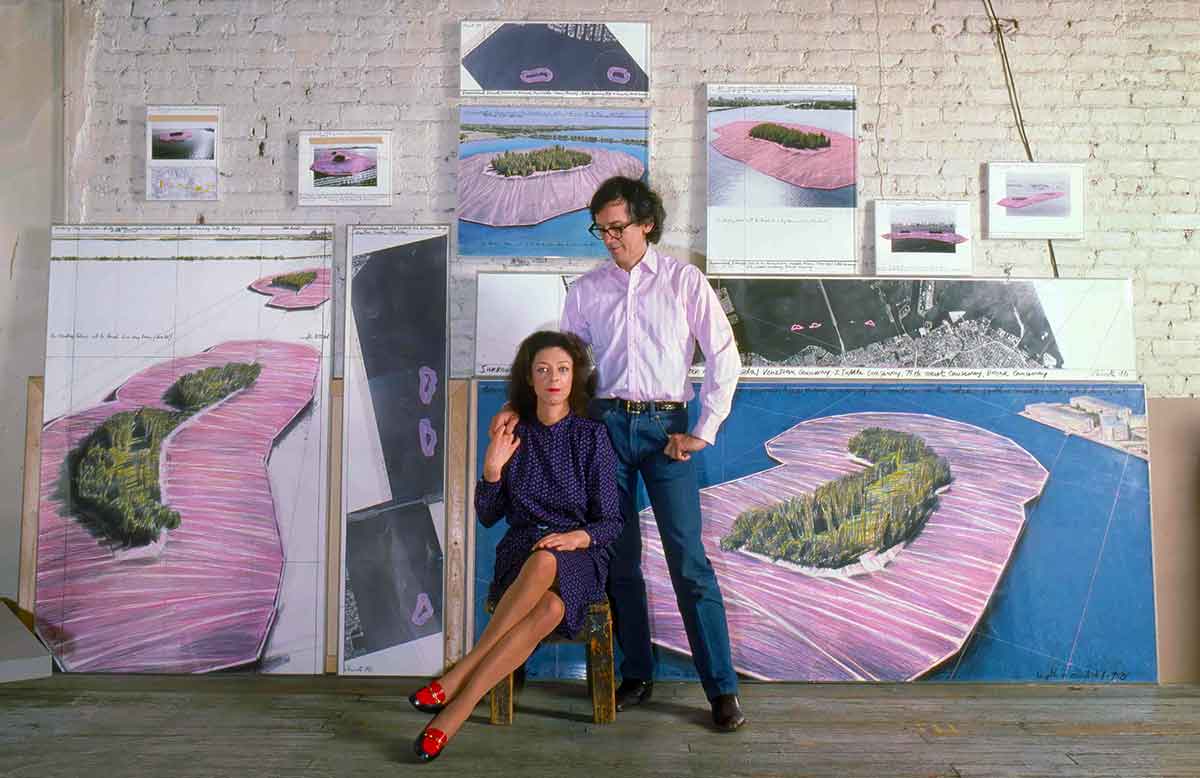
In 1961, the couple created their first work together—an installation made of stacked oil barrels tied with rope. Presented outside, it became the first outdoor work of art Christo ever created. In 1964, they moved to New York and, for the following decades, continued to work together. Initially, they presented their art under Christo’s name to avoid possible biases that came with the reception of women artists. However, several years later, the couple adopted a double nickname that would reflect their creative process more accurately. Although the couple put equal creative effort into their installations, Christo was always more involved in the aesthetic side of the issue, while Jeanne-Claude focused more on fundraising and management. The monumental oeuvre of Jeanne-Claude and Christo relied on several key ideas, principles, and concepts that made them a unique artistic duo.
Christo and Jeanne-Claude at Work: Creative Philosophy
Draperies
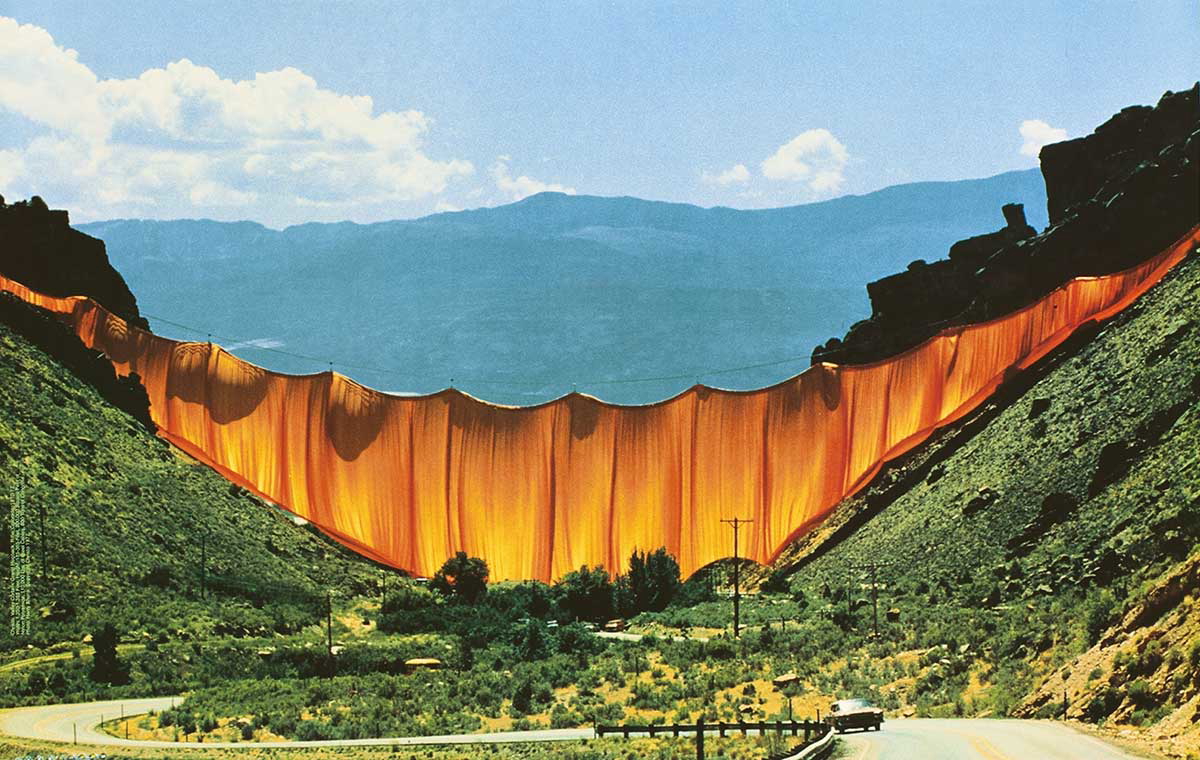
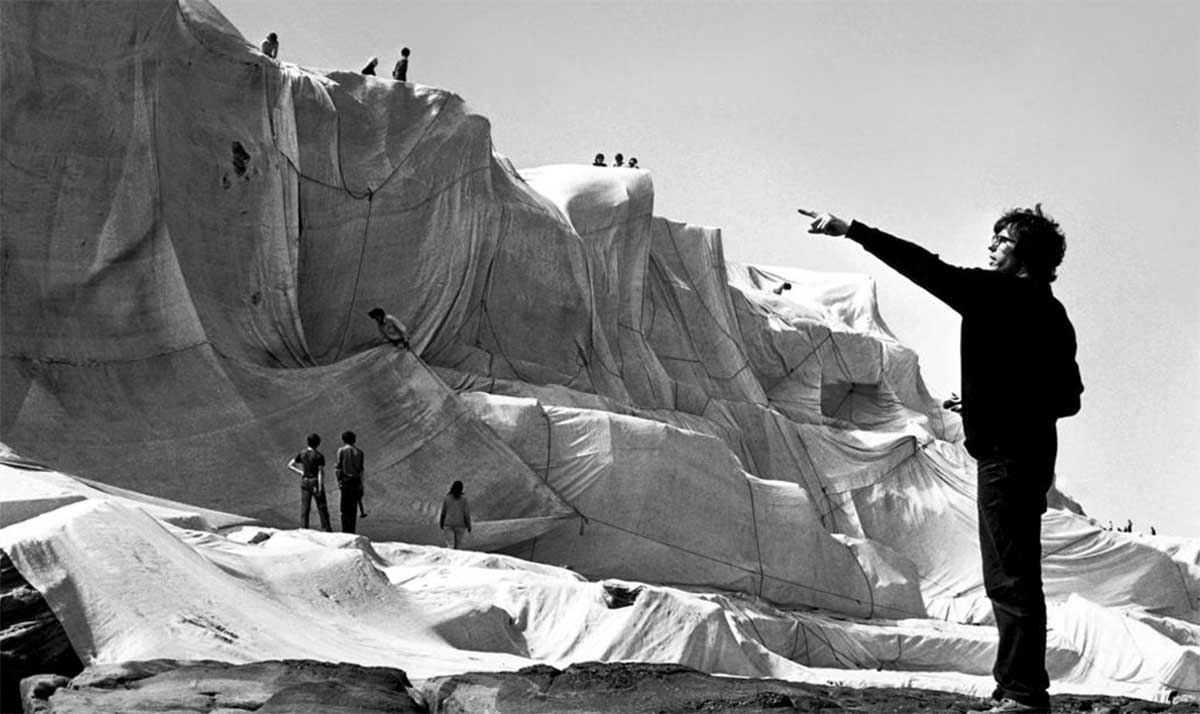
Critics of Jeanne-Claude and Christo’s art often said the artists worked with wrappings. This characteristic is not entirely correct. According to the couple, they primarily worked with draperies, just like many of their predecessors from the world of art. Draperies, especially those moved by the wind in their outside installations, represent the fleeting quality of all senses and natural beings. Both artists saw fabrics like nylon or canvas as mediators between humans and aesthetic experiences. However, instead of sculpting the fabric surface or painting it, they preferred to work with it directly, using it as the main expressive device. By wrapping famous landmarks or landscapes in flowing fabrics, Christo and Jeanne-Claude gifted lightness and movement to otherwise stable structures. Despite staying in place, these structures seem to disappear from the public eye, losing their familiar characteristics.
Impermanence
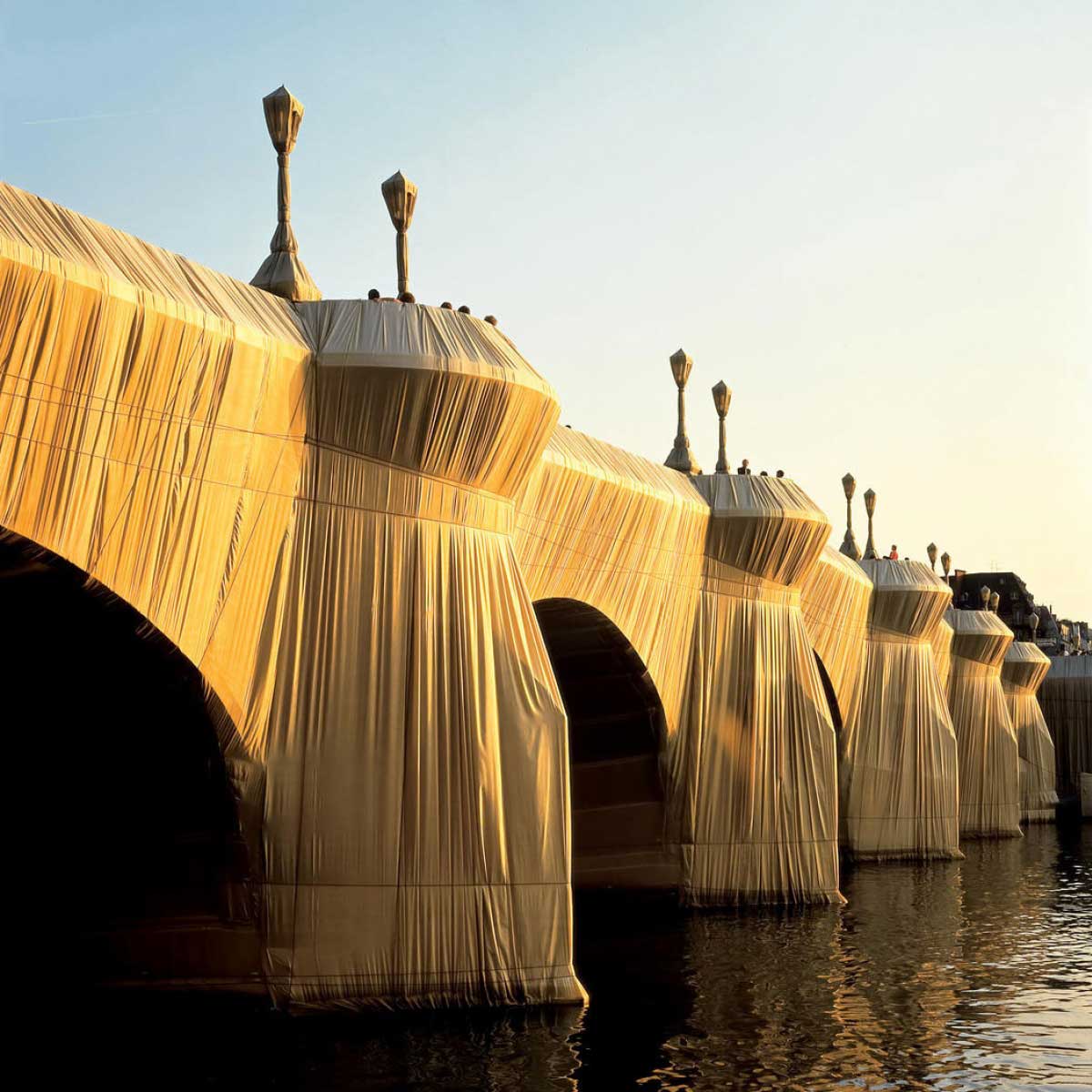
One of the key characteristics of Christo and Jeanne-Claude’s art is their exclusivity, but not in the sense of accessibility or high price tag. Instead, they strictly limit the time of a work’s existence and never repeat installations that were already presented once. This exclusivity and once-in-a-lifetime experience forced people to travel to other cities or even continents specifically to see their new work.
Site Specificity
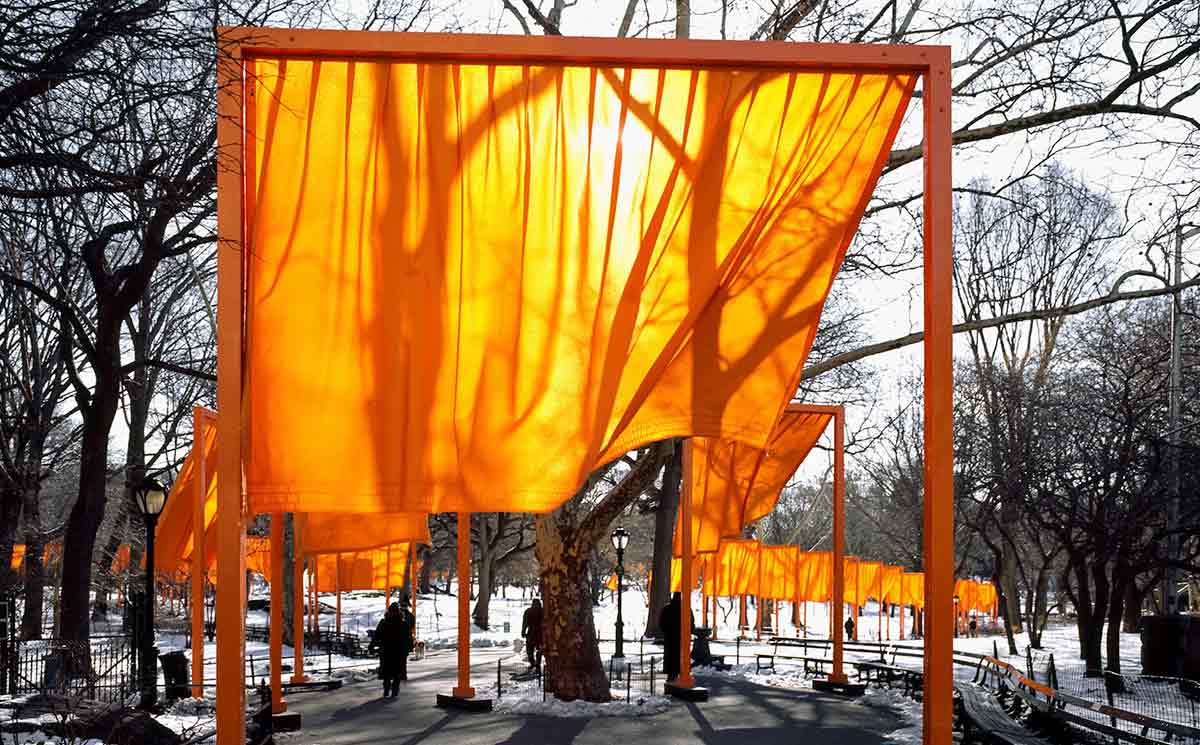
Each installation by Christo and Jeanne-Claude had a specific spatial relationship to its location. The goal was not to reinvent or transform the space but to highlight its already existing features. For that reason, these works could not possibly be retranslated into another spatial context.
The artists’ installation The Gates, constructed in New York’s Central Park, consisted of 7,503 square gates with saffron-colored fabric panels hanging from their tops. The gates were arranged according to the pattern of roads and walkways of the park, and the draping fabric, moved by the wind, turned them into flowing and ever-changing curves.
Teamwork
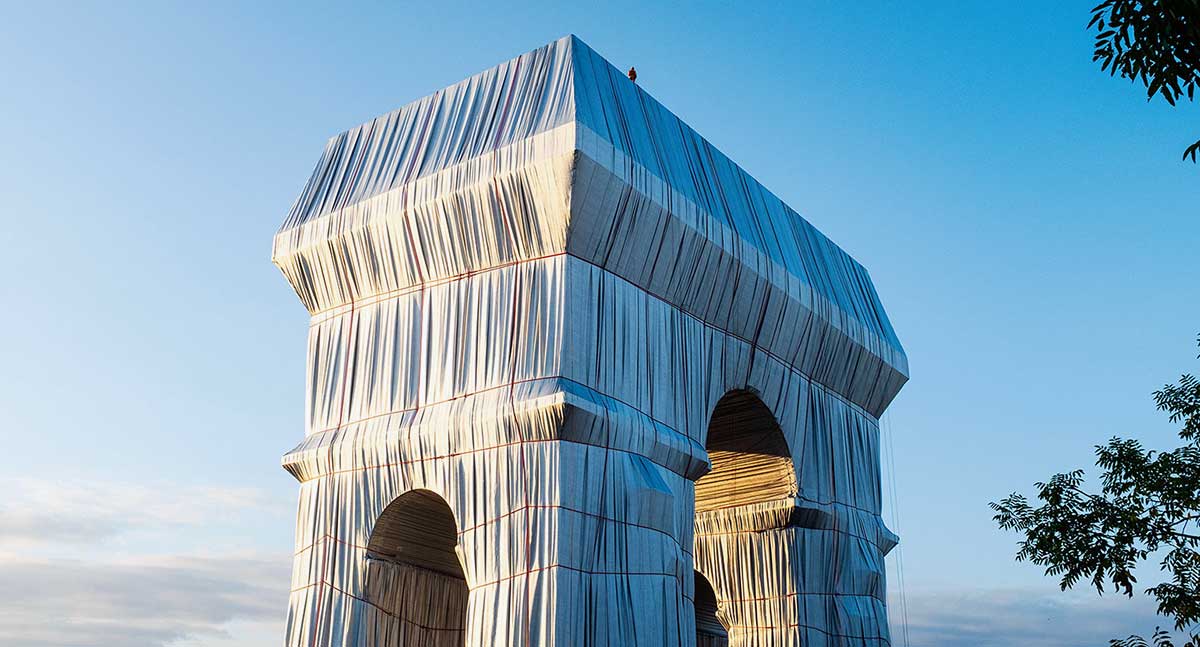
As it is obvious from their oeuvre, artistic collaboration is crucial for Christo and Jeanne-Claude. For decades, the artists wrote and spoke of their art using only the pronoun we. They presented themselves as a single creative unit, yet nonetheless had a division of labor between themselves. For instance, Jeanne-Claude never occupied herself with drawing, leaving this process entirely to Christo. At the same time, they saw themselves as interchangeable elements, ready to take on each other’s responsibilities, if the circumstances would demand so. The couple even had an agreement to always travel in different airplanes, so that if one of them died in a crash, the other would live and continue their work.
After Jeanne-Claude died in 2009, Christo continued working for ten more years, finishing their shared projects. He passed away in 2020, and the couple’s final installation, L’Arc de Triomphe, Wrapped, was presented posthumously in 2021.
Aestheticism
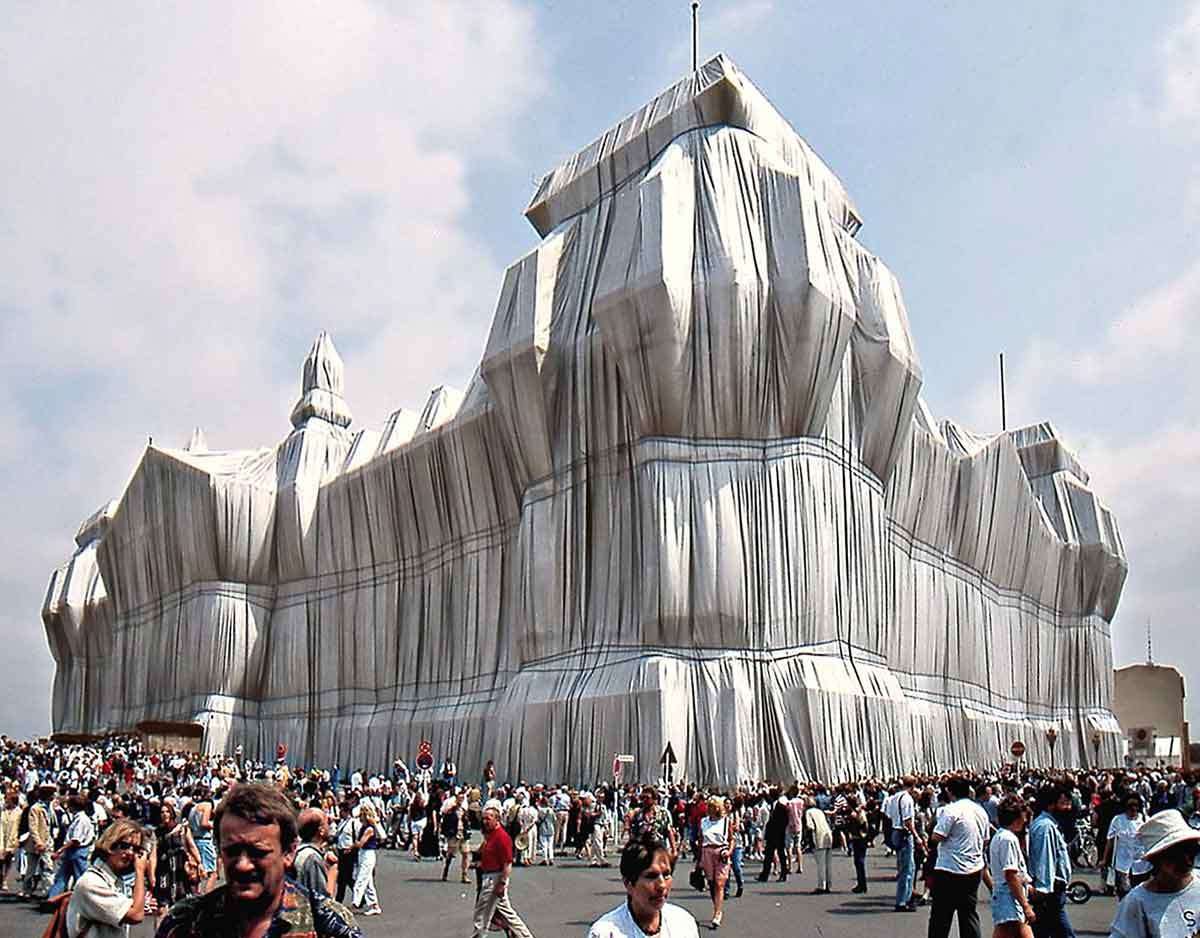
In a world dominated by conceptual art that prioritizes complex ideas over their material expression, the works of Christo and Jeanne-Claude provide an astonishing alternative to the purely visual experience. In 1995, the couple wrapped the entire building of the Reichstag in Berlin into flowy white fabric. The building, so heavy with historical connotations of politics, war, and violence, suddenly turned into an ethereal and light structure that visitors tried to touch. During the two weeks of the work’s operation, it attracted around five million visitors. Christo and Jeanne-Claude repeatedly emphasized that their works were deliberately devoid of meaning in the traditional conceptualist sense. They had only one function: being works of art in the aesthetic and emotional senses of the term.
Financing
Apart from their unique aesthetic vision, Christo and Jeanne-Claude had a specific approach to financing their work and making money off the art market. None of their installations were ever bought or sold. The artists specifically highlighted that their site-specific nature relied on short-term experiences and could not be reconstructed or repurposed in any other time or space. The artists’ main profit came from the sales of drawings and paintings that were made specifically to raise funds for a particular project. Dedication to a specific installation made these works exclusive, and collectors were ready to pay millions for their works.
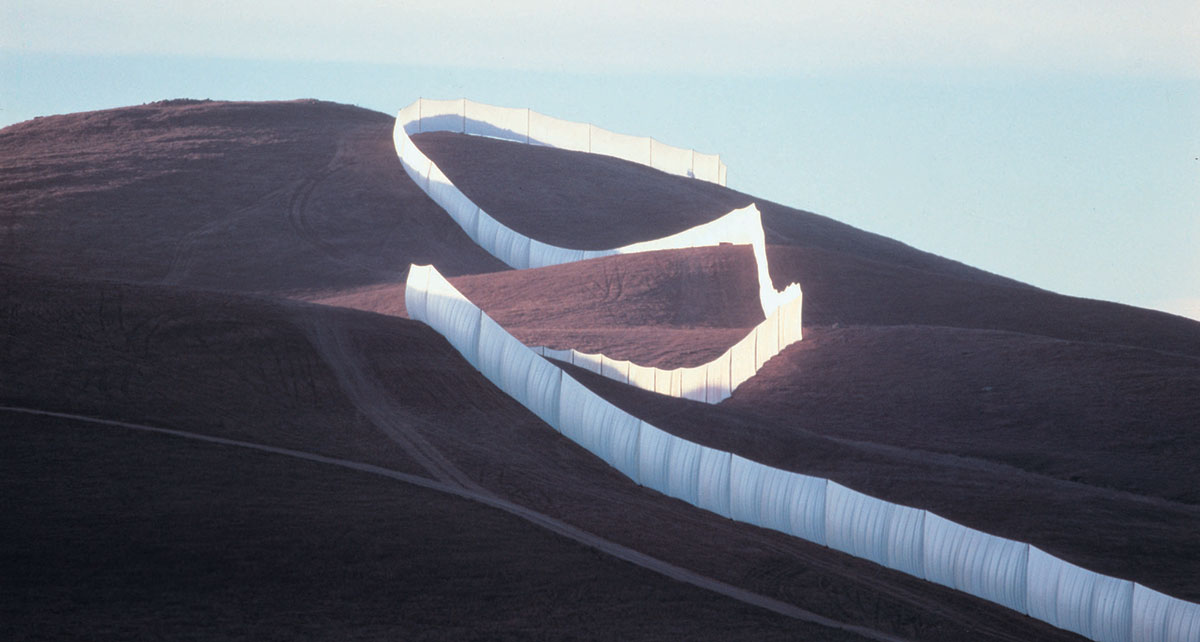
Another financial issue that Christo and Jeanne-Claude controlled was the working conditions of all people employed to construct their installations. For their legendary work Running Fence, the artists offered jobs to local Californians, and not only paid them wages but also gave away the materials remaining after the project so they could either be sold or repurposed. Some of the workers later sold their fragments to several important museums.
The Legal Battles of Christo and Jeanne-Claude
Given the scale of spatial complexity of Christo and Jeanne-Claude’s works, a particular segment of their practice was devoted to hearings, documentation, and negotiations with governments and landowners. Their famous Running Fence took two years and eighteen public hearings to become reality, while The Gates took around 30 years and several changes of New York mayors to finally materialize.
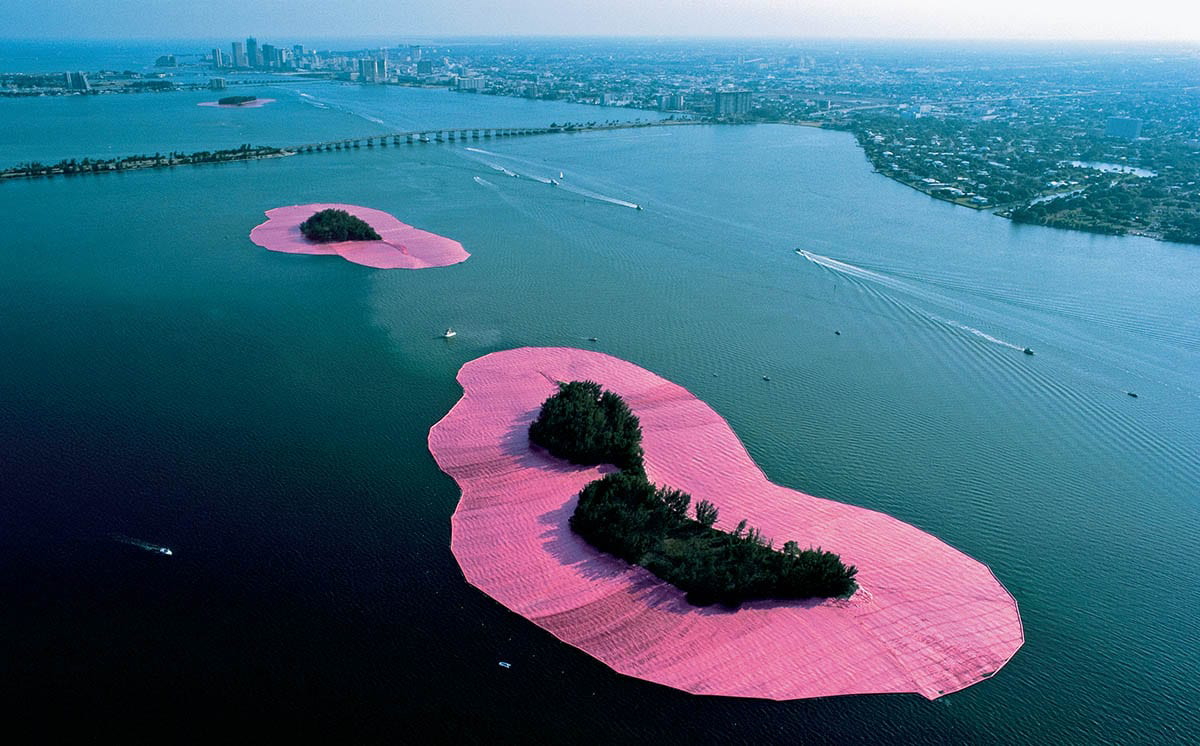
The artists even faced criticism from ecological activists for allegedly damaging ecosystems. For their installation Surrounded Islands Christo and Jeanne-Claude were wrongly accused of polluting eleven islands in the Biscayne Bay. The artists proved in court that they not only restored the island’s ecosystem but actually improved it by removing 40 tons of trash.