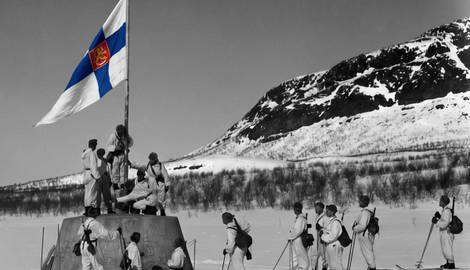

Finland in 1939 was a young democracy. In 1917, it had declared its independence from Russia in the midst of the Russian Civil War, which saw the rise of Soviet Russia. After its own internal civil war in 1918, Finland emerged as an independent country. However, Finland had constant strife with Soviet Russia over territory, and the Soviets wanted to integrate Finland into the Soviet Union. A tense non-aggression pact was reached, but the Soviets sought a way to circumvent it and annex parts of Finland.
How a Tiny Democracy Defied the Soviet Red Army in the Winter War
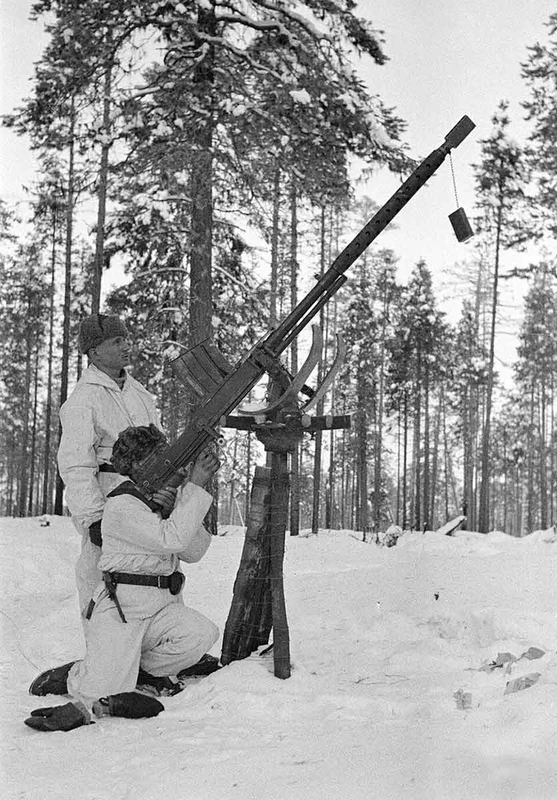
On November 26, 1939, the village of Mainila on the Finnish-Russian border was shelled. The Russians blamed Finland, but had actually shelled the village themselves as an excuse to break their cease-fire with Finland. What resulted was the three-and-a-half-month Winter War between the invading Soviets and Finland. While the initial attack of the Russian Red Army was repulsed, the Red Army reorganized and forced their way into Finland. On March 13, 1940, the two sides signed the Moscow Peace Treaty in which Finland gave up almost 10% of its territory to the Russians.
The Highly Controversial Choice That Allowed Finland to Survive World War II
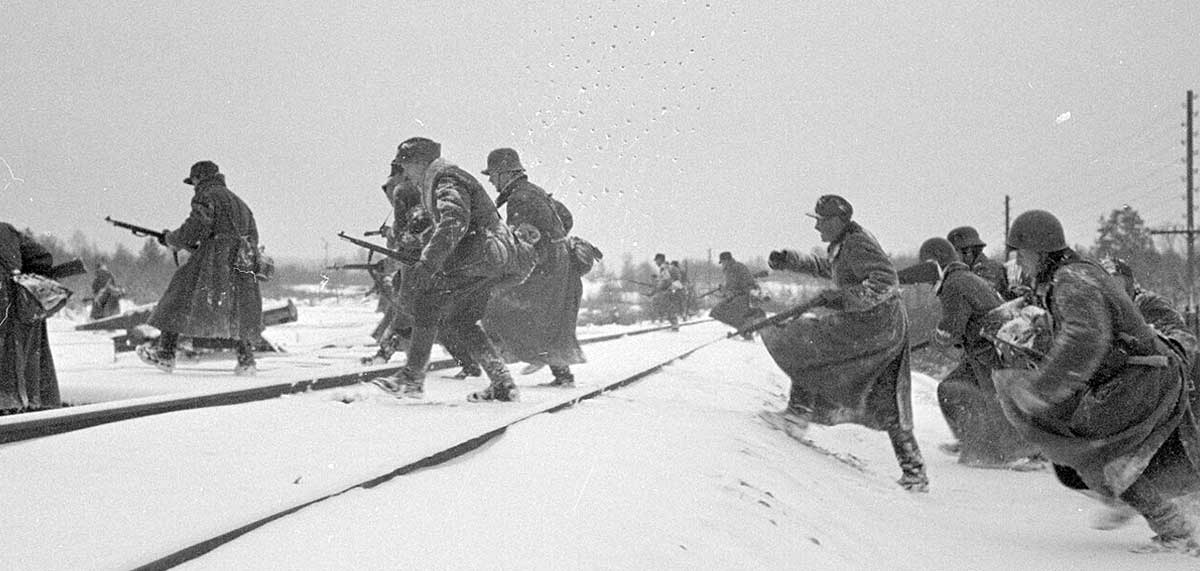
By 1940, little was known regarding the atrocities and the goals of the Nazi regime, and Finland was facing continuing pressure from the Russians. Attempts to gain support from other countries faltered in the middle of World War II, and Finland was left with only one place to turn – Germany.
The Third Reich was in the process of formulating Operation Barbarossa – the invasion of the Soviet Union and the breaking of its own pact with the Soviets. Finland’s proximity to Russia allowed the Germans a good staging area for part of the invasion.
When the Germans began Operation Barbarossa in June 1941, Finland began its own offensive to retake territory ceded to the Soviets after the Winter War. The offensive, called the Continuation War, pushed back the Soviets and even took some Soviet territory. By December 1941, Finland took up a defensive posture and was able to maintain it with little Soviet pressure due to the German invasion.
In February 1943, after the Battle of Stalingrad, the German invasion into the Soviet Union had been halted, and the Soviets began to push back the German advance. Over time and with Allied pressure from the West, the Soviets were able to rearm and were once again invading Finland by June 1944, regaining much of the territory they had won in the Winter War. However, Germany was the main prize, with the Germans on the retreat and the capture of Berlin imminent. Finland had also put up massive resistance against the Soviets, and the two sides came to a peace agreement known as the Moscow Armistice by September 1944 – an agreement which turned Finland against Nazi Germany.
The Lapland War When Finland Turned Its Guns on Former Nazi Allies
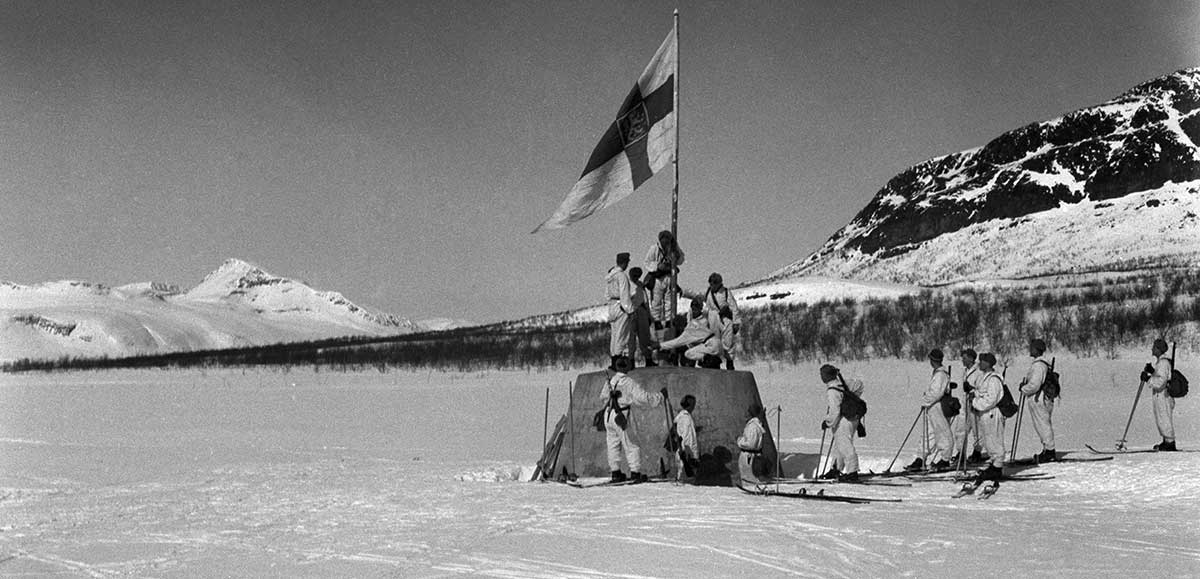
The Nazis held a significant presence in northern Finland, primarily for the nickel mines. Germany had no significant nickel supply, needed for armor and other military uses, and needed the nickel from northern Finland. The Nazis had planned – and Finland was going to allow – a retreat into Norway, but the Soviets wanted Finland to fight against the Nazis rather than allowing a withdrawal.
From September to November 1944, the Finnish Army and the German Army fought a series of minor battles, but most of the damage was done by the Germans performing a “scorched earth” policy on their retreat. The Germans laid land and sea mines, and ransacked some of the countryside in the midst of their withdrawal. By 1945, shortly before the end of World War II, the Germans had completely withdrawn from Finland.
The Ultimate Fate of Finland After 1945
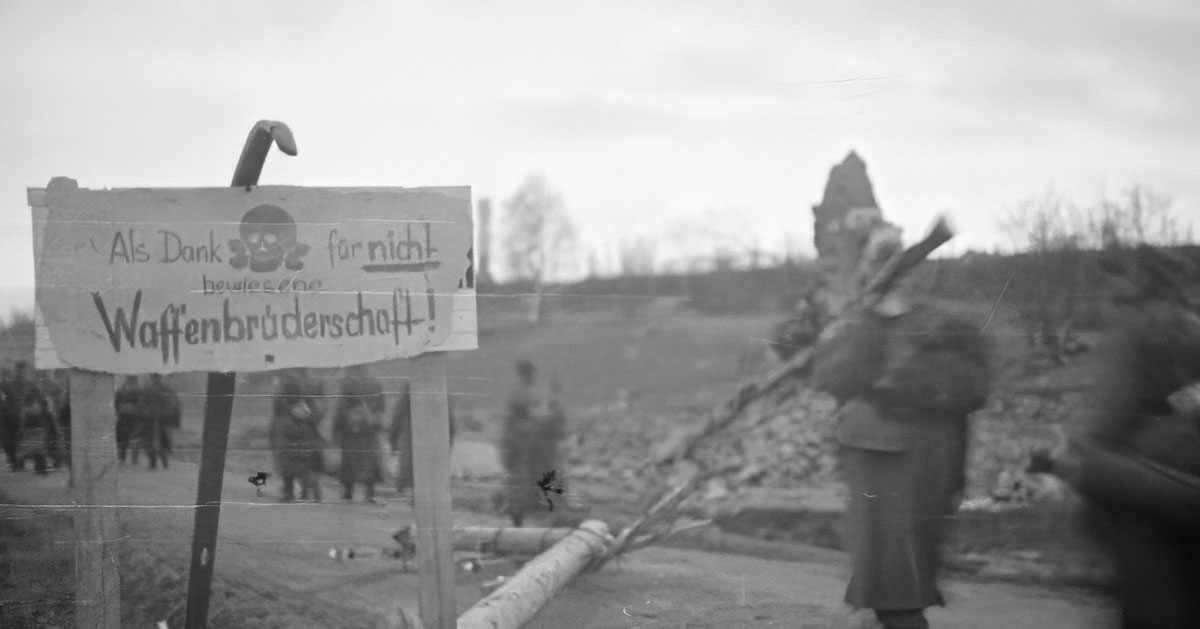
When the war ended, Finland had found several major successes. It had successfully prevented a Soviet invasion, exacting heavy casualties on a stronger, better-supplied enemy. Even though Finland had militarily sided with Nazi Germany, the Germans never had political control over Finland, and the fascist influence never took hold. Finland had been stuck between a rock and a hard place – a small country with little influence, caught up in a conflict between two major powers with significant moral issues.
What must be remembered about the position of Finland in the 1940s was how little the world knew about the atrocities of both Nazi Germany and Soviet Russia, particularly in the light of the necessity of survival.