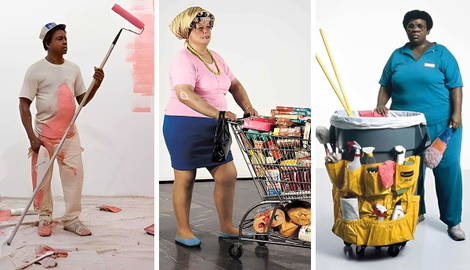

Duane Hanson was a figurative sculptor whose hyperrealist artwork addressed numerous social and political themes concerning American society. Hanson’s lifelike sculptures investigated the lifestyle of lower and middle-class Americans from the late 1960s to the early 1990s. In his early work, Hanson analyzed problems such as police brutality, anti-abortion laws, and the Vietnam War. Later, he began to explore more mundane activities like shopping, traveling, and working, but in no less critical and investigative manner. He used real-life clothing, accessories, and objects when producing his polyester resin and fiberglass sculptures.
Who Was Duane Hanson?

Duane Hanson was an American artist and sculptor born on January 17, 1925, in Minnesota. He graduated from Macalester College in 1946. Six years later, he obtained a Master’s degree in Fine Arts from the Cranbrook Academy of Art in Bloomfield Hills. In 1953 Hanson moved to West Germany in order to assume a teaching position at the U.S. Army School. He was an art teacher in Munich for four years and in Bremerhaven for another three. Hanson returned to the United States in 1960 where he would permanently reside until his death in 1996.
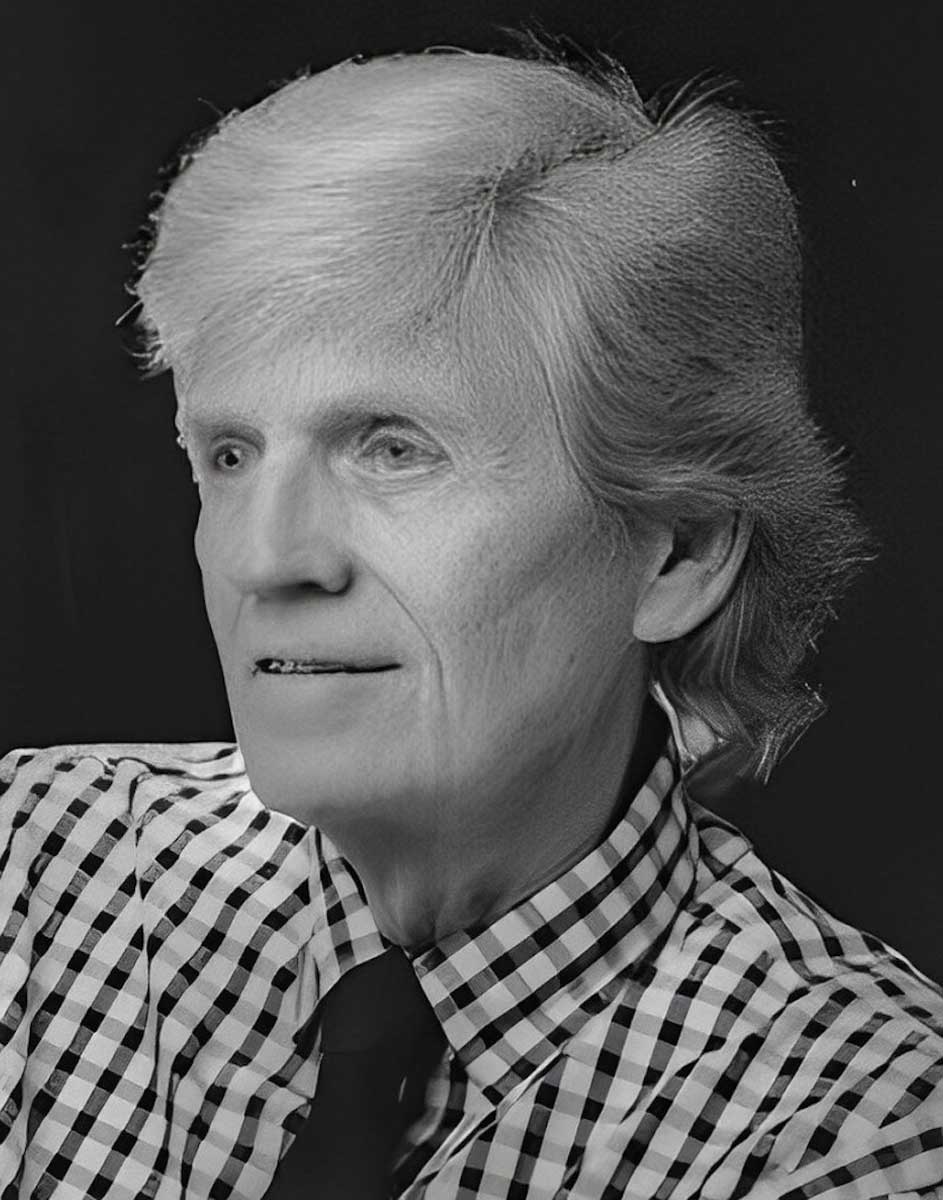
Duane Hanson is known for his lifelike and life-sized sculptures that address social and political issues in American society. His work falls under the category of Hyperrealism, a style developed alongside Photorealism that emerged in the early 1970s in the U.S. The former is considered to be more advanced than the latter, since it encompassed three-dimensional mediums, such as sculpture.
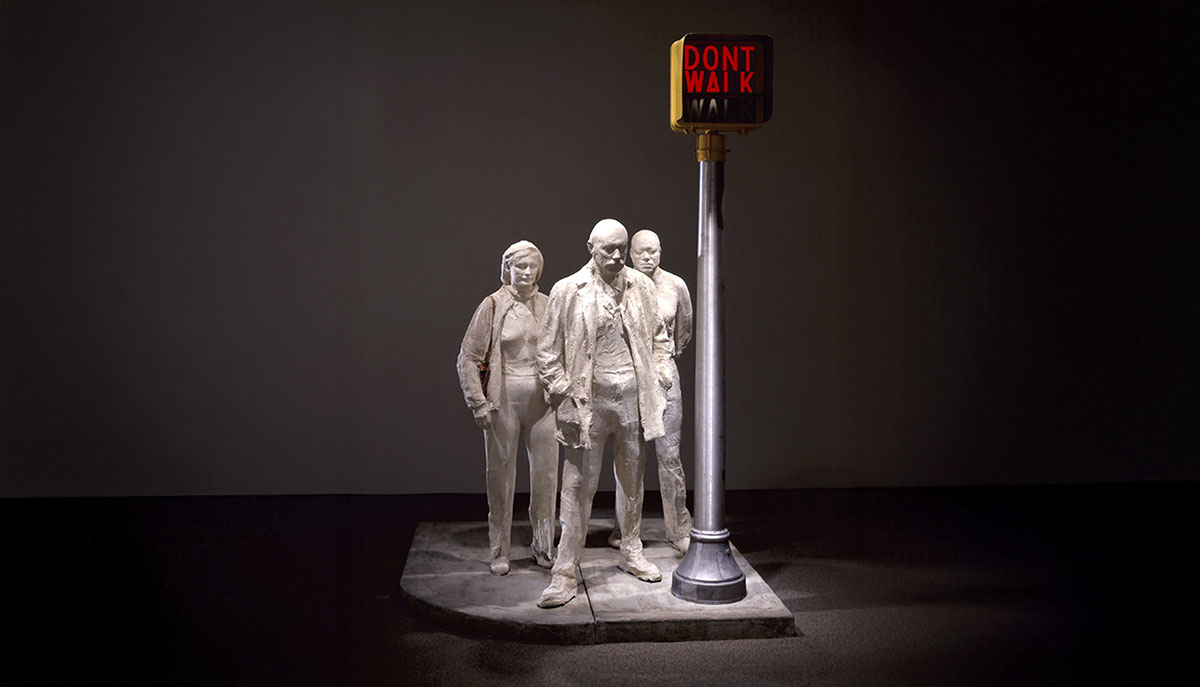
Hanson’s art is also linked to Pop Art in terms of his artistic methods and the themes he investigated in his work. Hanson didn’t find the abstract art of the 1950s relatable, so he adopted a figurative approach, just like Pop artists. Another similarity they shared is their interest in the contemporary sociopolitical issues they analyzed through their artworks. In addition, one of Hanson’s role models was George Segal, an American Pop Art sculptor famous for his life-sized figures.
Finally, Duane Hanson’s oeuvre can be divided into two sections—his early work, which marked the second half of the 1960s, and his more mature work, which he began creating around 1970. Hanson wanted to be remembered and evaluated by this second phase since he considered it to be more developed and representative of him as an artist. Because of this, Hanson destroyed most of his sculptures from the 1960s.
Early Work
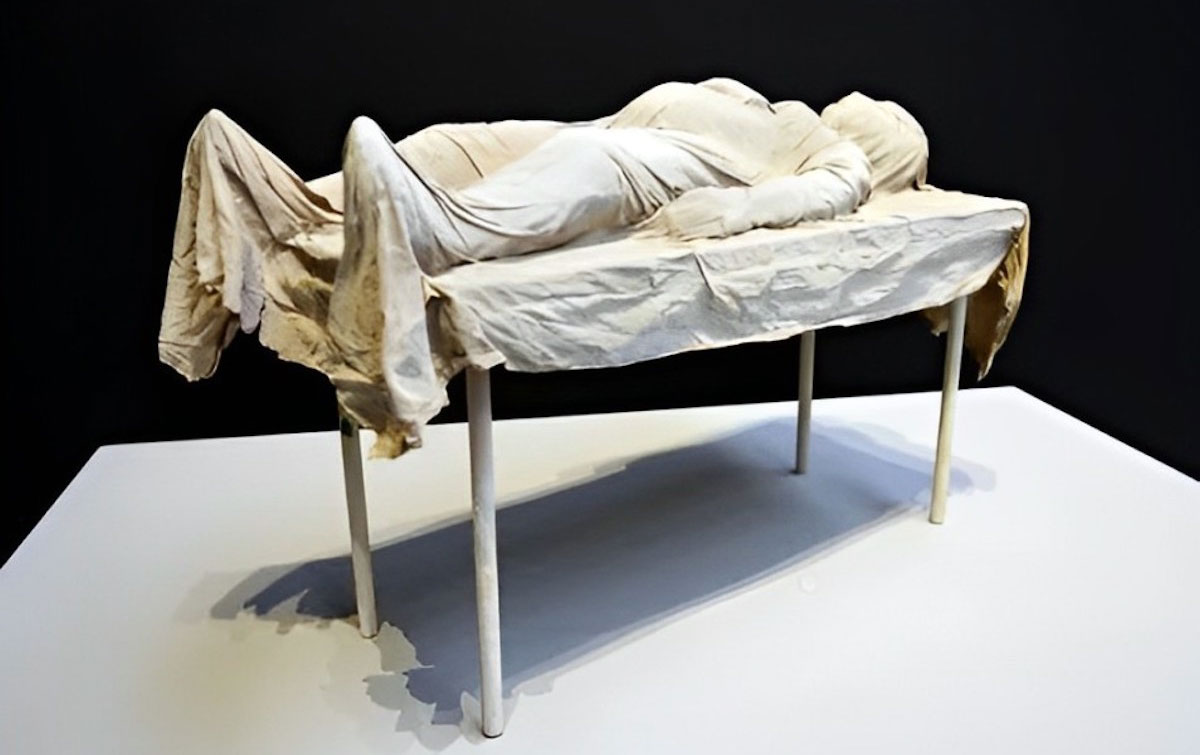
Even though Hanson almost completely annihilated his early works, some of the pieces did survive. These are very helpful and telling and they offer us a glimpse of Hanson’s beginnings both in terms of techniques and the themes he employed. In the mid-1960s, Hanson began to make figural casts of fiberglass and vinyl, portraying violent and disturbing scenes. His early work was critical of the social issues regarding restrictive abortion laws, homelessness, police brutality, etc.
Hanson used a hyperrealist approach in order to emphasize the realness of these problems. Confronted with a sculpture representing an abortion, the viewer is challenged to question the enactment of laws that endanger the lives of women who desperately turn to illegal, and therefore, very risky and potentially fatal procedures. The Abortion also subtly introduces the question of class as well. White and wealthy women were privileged even when abortion was illegal since their social and financial position enabled them to receive much better medical care and assistance. Lower-class women, especially those of color, would be the ones who ended up on a butcher’s table. Hanson’s work poignantly and vividly illustrates the horrors of an illicit abortion.
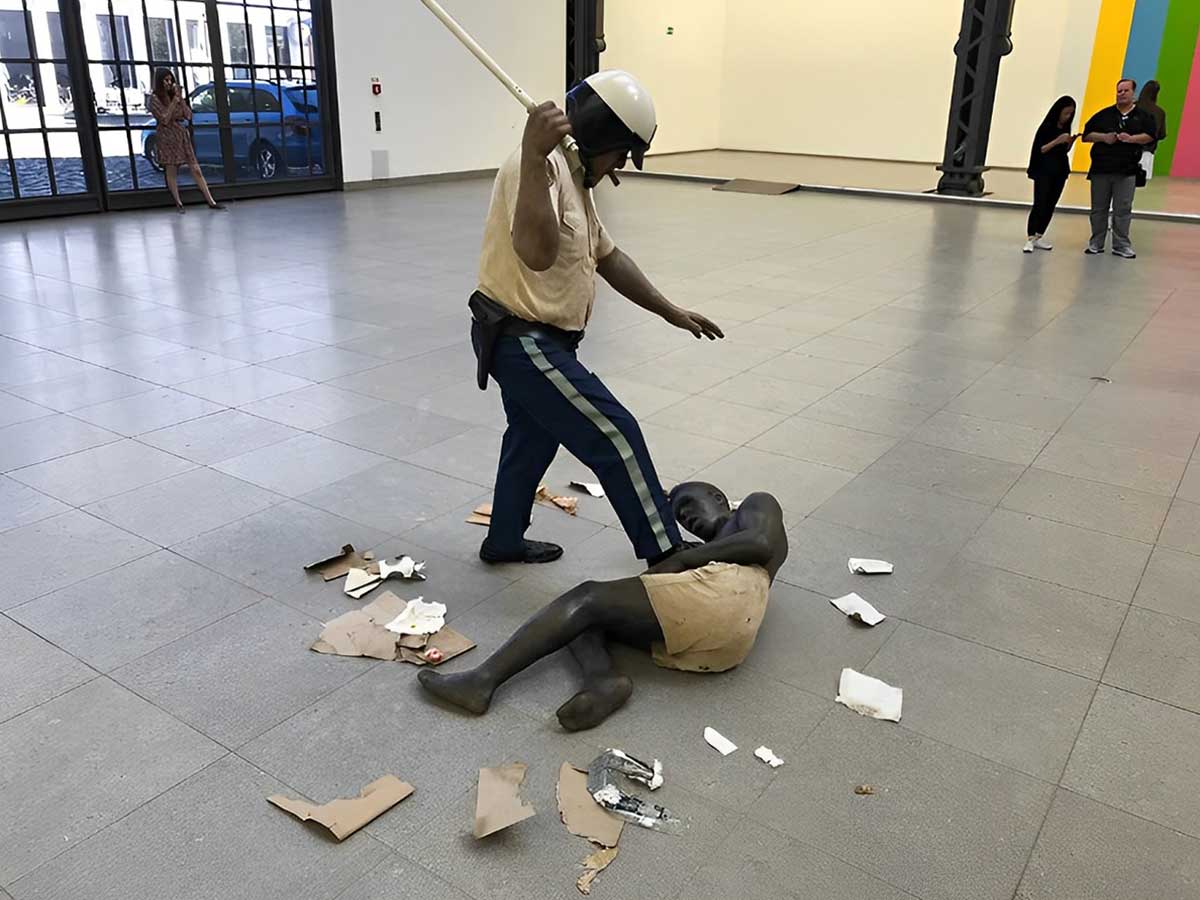
Hanson was also interested in exploring violence through his art, often creating disconcerting and even gruesome depictions. Policeman and Rioter will serve as a perfect example. Even though the piece was created in 1967, one can find the image very relatable, due to the ongoing issues with law enforcement’s abuse of power. Hanson portrayed a white policeman assaulting an African-American rioter. The disproportion of power between two different groups in terms of their race, class, and social background becomes painfully obvious thanks to Hanson’s hyperrealist approach. One quite literally has a feeling of being a witness to a brutal riot.
Hanson’s Technique and Methods

Duane Hanson employed materials such as polyester resin, fiberglass, Bondo (a polyester putty product originally marketed as an automotive body filler), and bronze. In order to create as realistically looking sculptures as possible, Hanson created casts of actual living people. Then, he would use acrylic and oil paint, making the skin true to life, with all the bruises, veins, fingernails, and body hair (he used wigs and synthetic hair). He was especially focused on creating those little imperfections of the human body, often confusing viewers when confronted with his work in galleries and museums. Visitors would frequently try to engage in conversations with his life-sized sculptures, like his Museum Guard, only to realize that these are not real people.
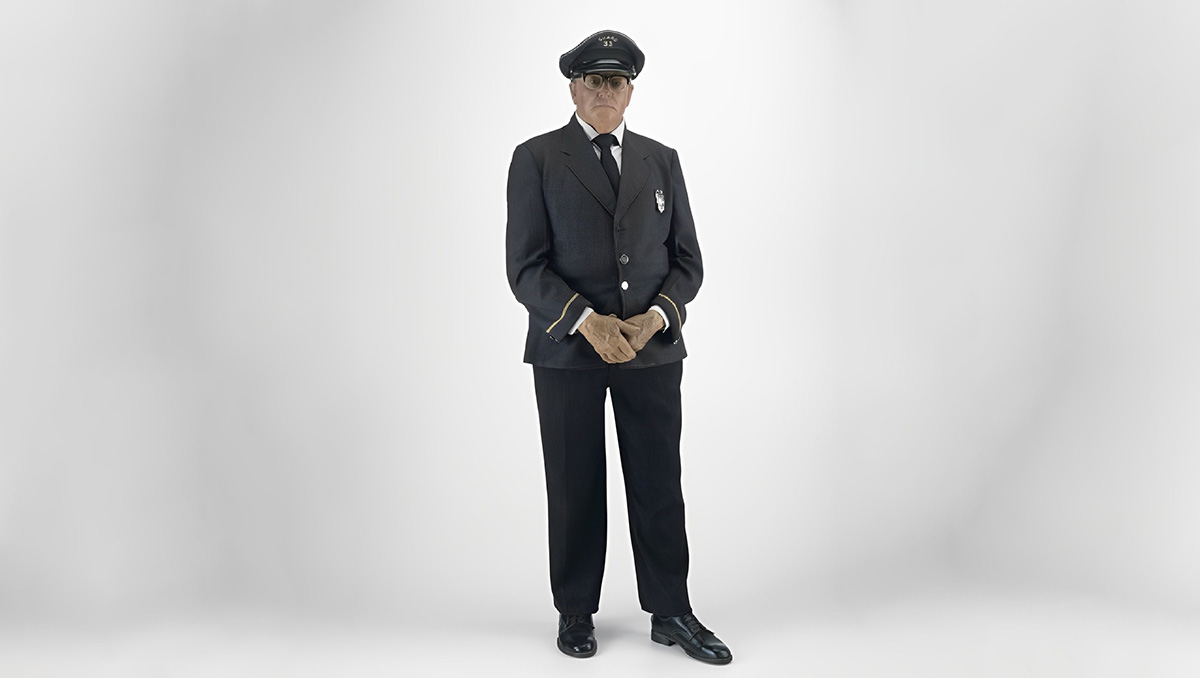
Hanson took his hyperrealist approach one step further by using real-life objects to adorn his sculptures, such as clothing, accessories, and various mass-produced items like bottles, shopping carts, and bags. When it came to clothing, Hanson would either buy some at second-hand shops or have the people who modeled for him give him theirs. The latter practice provided his sculptures with a more personal feel. In addition, Hanson would often interview his models to capture their personality traits and peculiarities.
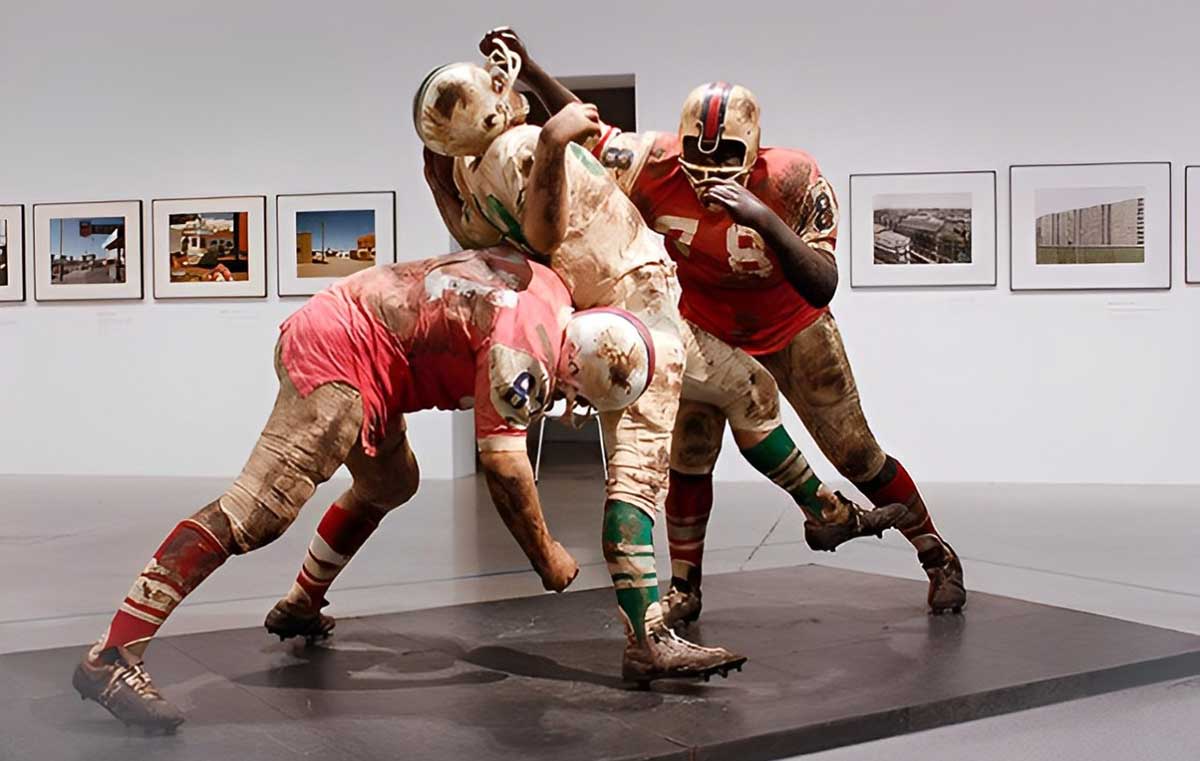
Finally, Duane Hanson’s approach to sculptures changed over time. In his early phase, he would place his figures in tableaux. Football Vignette depicts three young men engaged in a violent sport. By creating a group piece, Hanson placed the viewer in the position of a witness. Even though we are confronted with various violent acts in his early work, it seems that we are mere spectators who are immaterial to the ongoing event. Conversely, his later work offers a much more active role to the viewer. By creating individuals or couples with listless expressions, he erased a clear boundary between them and the viewers. Thus we are invited to engage with and almost voyeuristically examine Hanson’s sculptures.
Abundance of Emptiness
As mentioned before, Duane Hanson was more interested in political themes in his early career, depicting them in a gruesome and perturbing way. Later, he became a little more subtle in his approach, but no less graphic. Hanson began to explore the basics of American culture and lifestyle. He showed a special interest in investigating the dark side of capitalism, in terms of how access to abundant amounts of products can turn out to be harmful to the consumer.
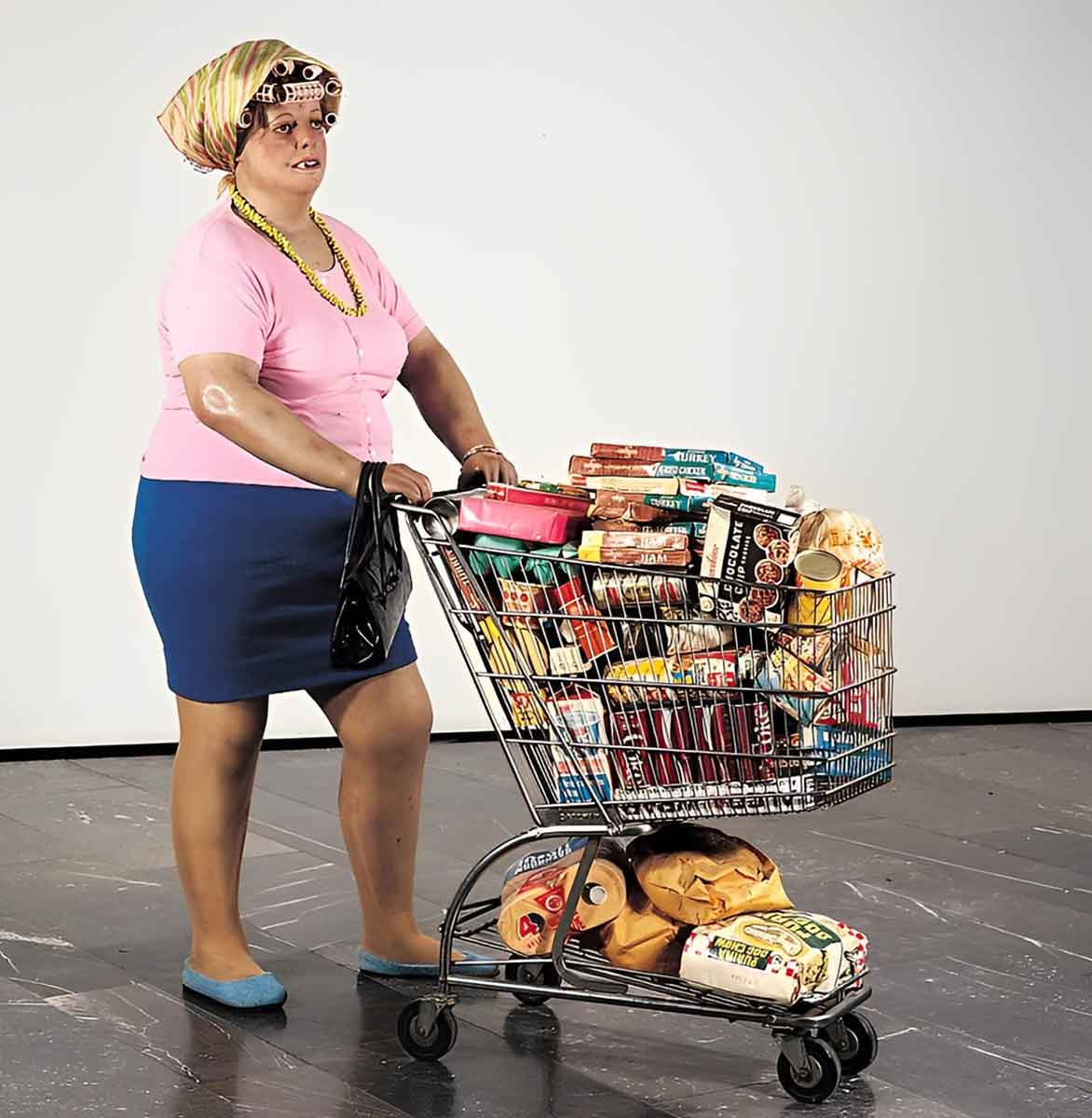
Therefore, in 1970 Hanson created a sculpture titled Supermarket Shopper where a middle-aged woman is shown pushing a shopping cart. But because Hanson’s figure is placed in an art space, it has a strong impact on the viewer making them question the concept of consumerism. The woman depicted seems depressed, even though her cart is almost spilling over with goods. Her gaze is empty, her posture slouched, and her skin bruised. She looks apathetic and like she doesn’t even care about her physical appearance with her hair curlers on even though she is out in public.
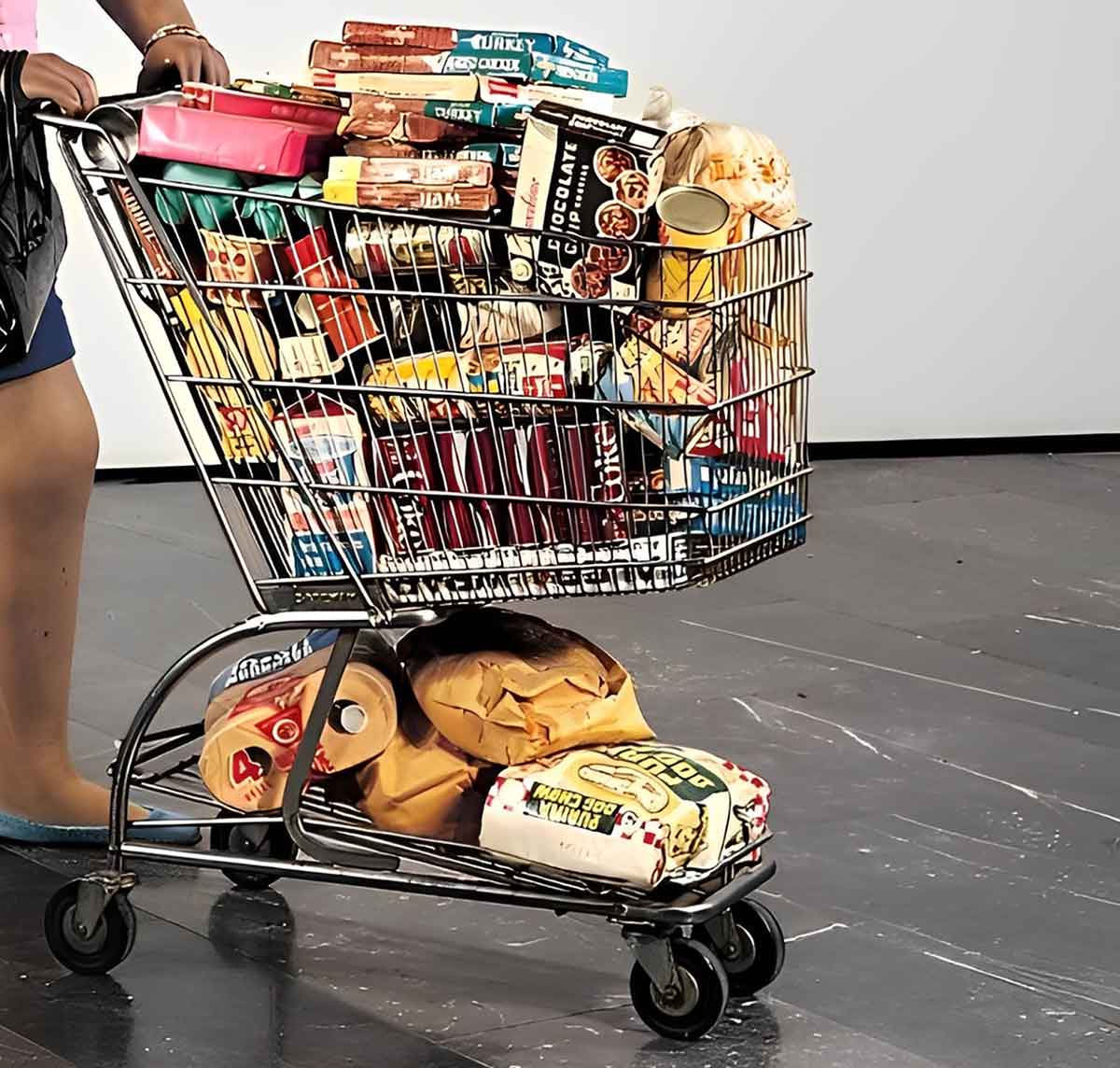
Furthermore, all of the products in her shopping cart, such as Coca-Cola bottles, canned goods, and shelf-stable milk, are living proofs of the benefits of capitalism. Thanks to the rapidly developing industrial technologies, food preservation and conservation became widely accessible to a great number of American citizens. Nevertheless, this shopper doesn’t seem satisfied or fulfilled. Her instant TV dinner and other unhealthy food she purchased show a level of negligence to her own health. She is overweight with troubled skin, which possibly alludes to some serious underlying medical conditions. Her physique is highlighted further by her poor dental care, leading us to believe that she could also be a smoker.
Overworked and Underpaid
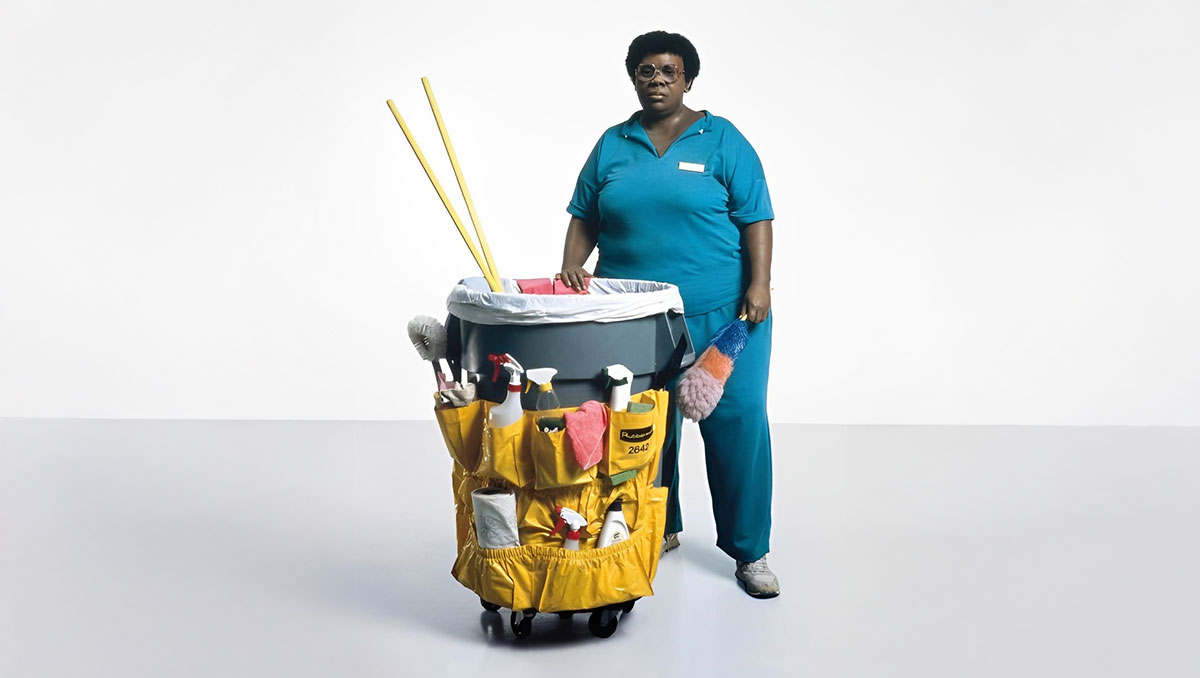
Another subject that Duane Hanson found inspiring is the problem of underpaid jobs that lower-class citizens had to do. Depicting painters, cleaners, and museum guards, Hanson urged the museum-goers to think about those low-ranking positions. Queenie II is one of the few sculptures Hanson actually gave a person’s name to. She is not some anonymous person, but rather an individual with her own distinctive personality.
Queenie looks resigned and tired. Holding a cleaning duster in one hand, while the other is flabbily placed on her sanitary equipment, her posture conveys a sense of extreme exasperation. Her physique indicates that her long working hours prevent her from taking care of her diet and physical health. By naming the work Queenie, Hanson made us think in terms of onomastics. There is a strong contrast between her name, which is derived from the word queen, indicating that her parents wished for her to lead a better and more dignified life worthy of a human being, and her reality, which consists of performing tiresome and repetitive tasks.
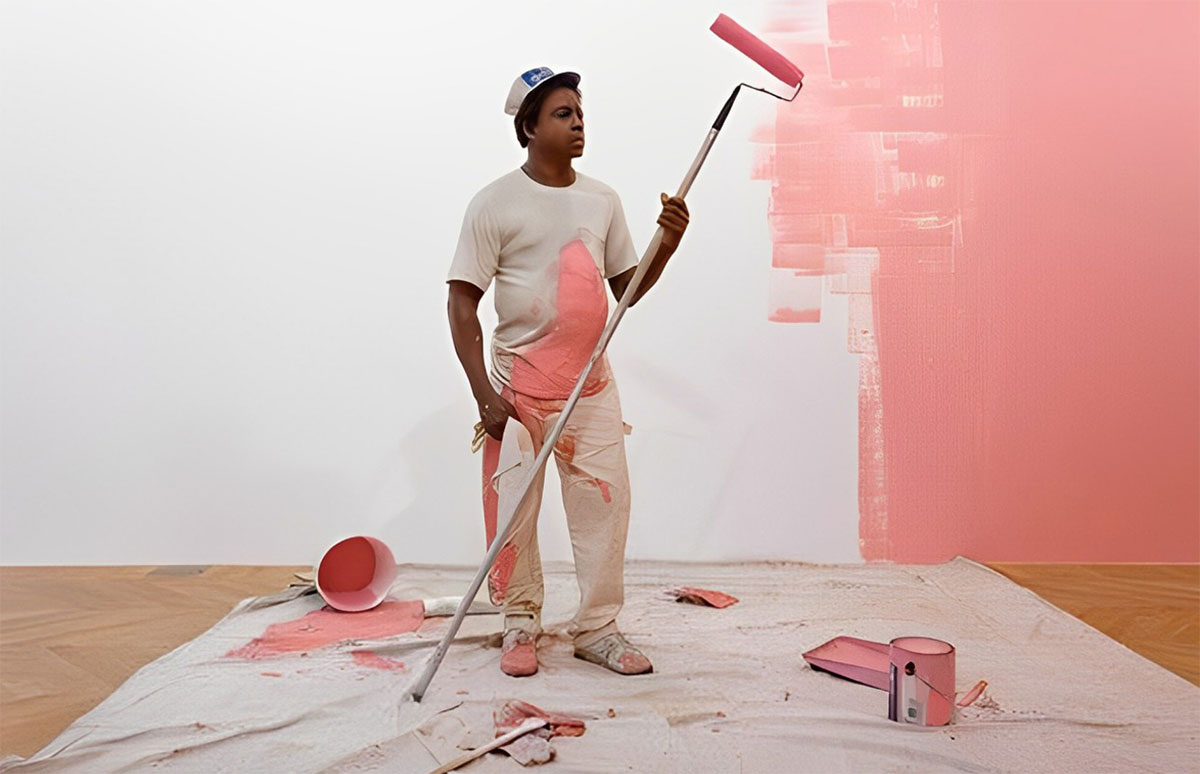
Duane Hanson’s Painter also investigates the underappreciated jobs that underprivileged citizens need to do. It is not by chance that both Hanson’s sculptures, Queenie II and Painter, depict Black people. Even in the 1980s, racial and class divisions were very much present in society. Blue-collar positions were reserved for individuals who were often people of color. Suddenly becoming aware of the thanklessness of his dead-end job, the depicted painter looks like he just paused in order to contemplate. While his gaze is desperate, there is a subtle layer of hope for a better life underneath. Dissatisfied with his current living situation, the painter takes a second to envision a different reality. Finally, the pink color on the walls he is painting is further underlining the stark gulf between his gloomy present and the employer’s bright one.
Duane Hanson’s Approach: Critical or Empathetic?

Art historians and critics, as well as the audience, are divided when it comes to interpreting Hanson’s work in terms of his stance toward the subjects he chose to depict. His early work is unequivocally perceived as severely critical of the political and social scene in the 1960s in the U.S. As a result, Hanson’s approach was even described as being a modern-day equivalent of Honore Daumier’s and Jean Francois Millet’s socially engaged art of 19th-century French Realism. It’s his more mature work that is a tough nut to crack.
His hyperrealist portrayals of mundane activities are considered to be of a critical nature. Hanson offered a display of the typical American culture through his sculptures. People were obese and unhealthy-looking, obsessed with excessive consumption. Tastelessness, ignorance, and laziness are some of the epithets that outsiders would probably use to describe the American nation. For example, by depicting comically over-equipped tourists dressed in tacky and colorful clothes, Hanson gave his critique of the tawdriness of a mediocre American tourist mindset.
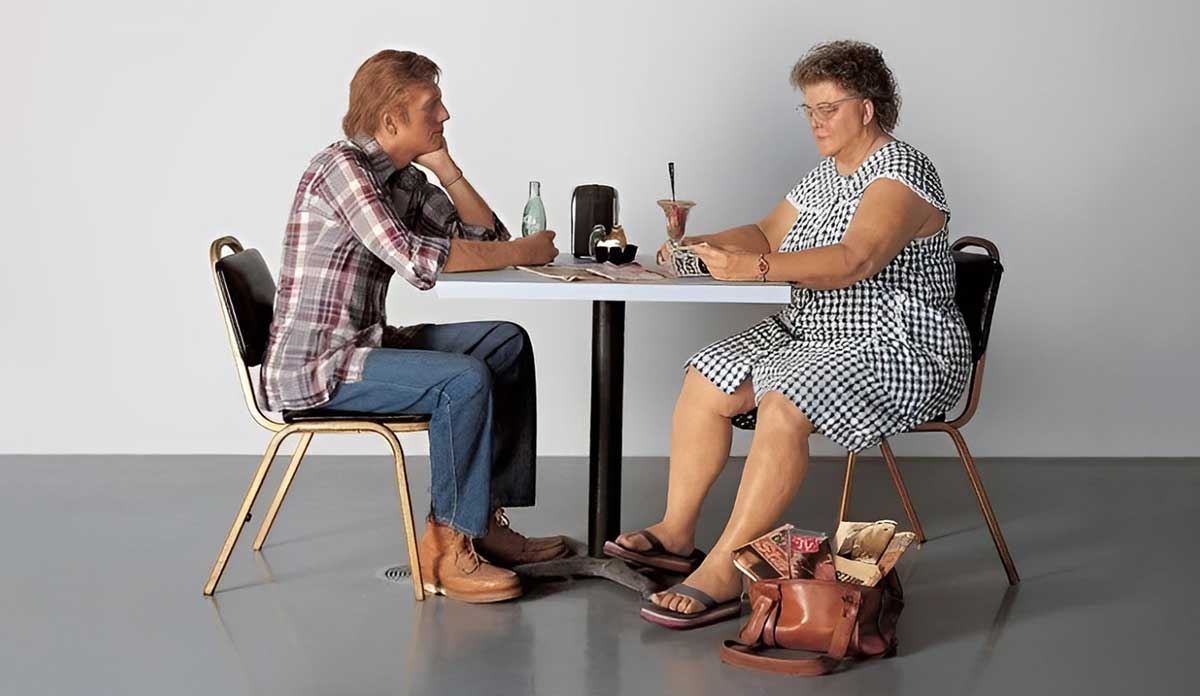
However, Hanson’s approach is not lacking in empathy. His sculptures are always conveying a sense of loneliness, alienation, and isolation. Therefore, by incorporating a person’s emotional life into his work, Hanson offers compassion for what they are going through. Douglas Coupland, a Canadian author and artist, stressed that Hanson’s portrayals of average American people were not stereotypical, but rather archetypical. Stereotypes are of a pejorative nature since they refer to oversimplified and preconceived ideas of a person, while archetypes represent a typical example of an individual, but not necessarily in a negative way. Therefore, Hanson depicted archetypes of American people with whose tiredness, disappointment, and resignation he empathized with. Finally, it is best to conclude that Hanson’s art is multifaceted. It consists of both critique and compassion and sometimes even humor. These elements are constantly overlapping and interweaving, but never overpowering one another.