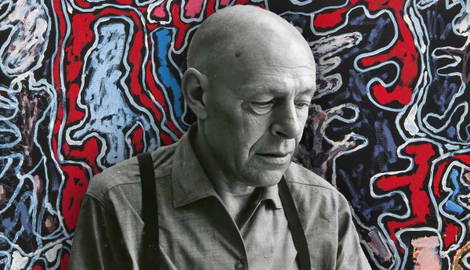

Jean Dubuffet was a prolific French artist and a promoter of Outsider art—art created by untrained artists in isolation from the art world and its actors. Inspired by the psychiatrists of his time, he studied and collected the works of asylum patients, arranged their shows, and promoted a new outlook on art. He believed artists should reject the categories of beauty and ugliness and embrace art as a purely expressive medium. Read on to learn more about Jean Dubuffet and his ideas on Outsider art.
Early Artistic Career of Jean Dubuffet
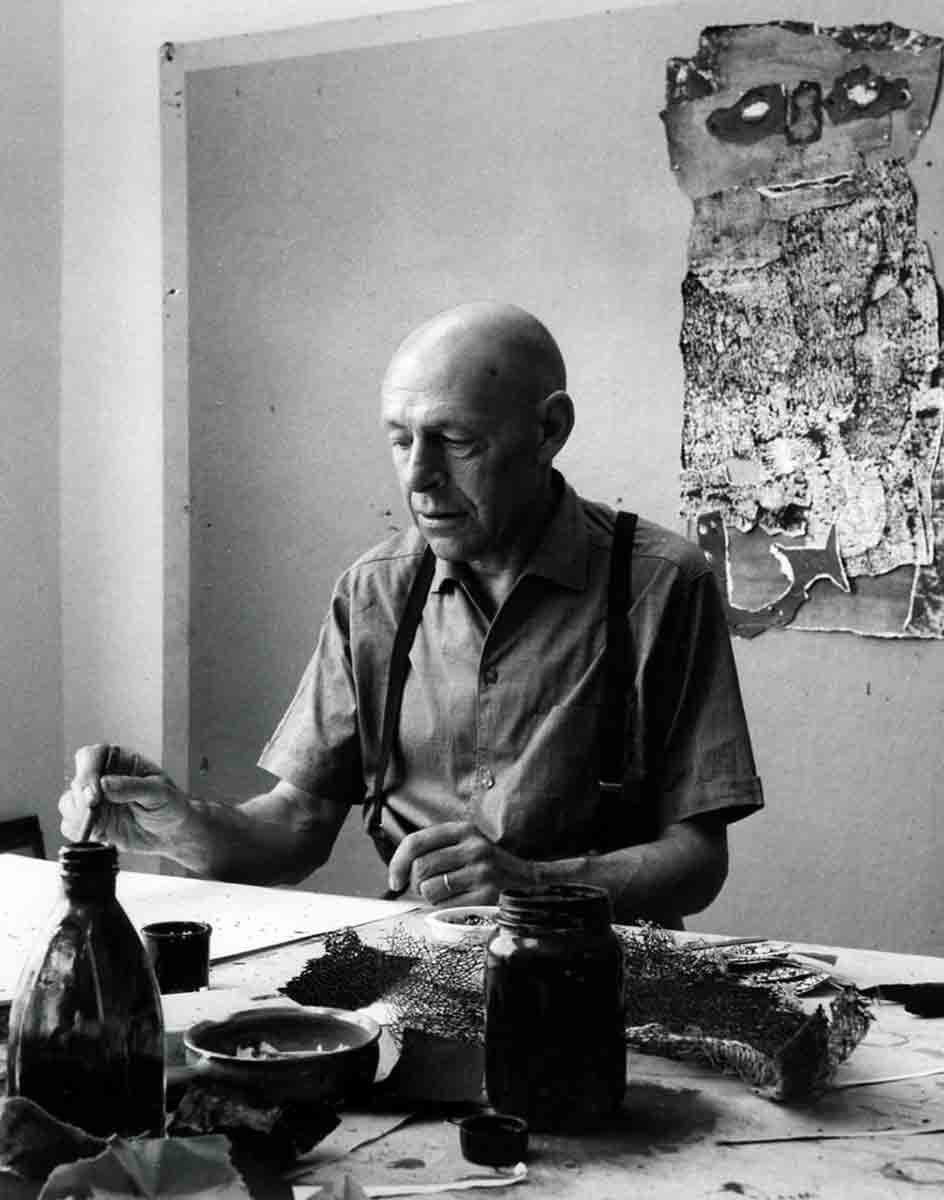
Jean Dubuffet started his career path in a rather conventional manner. He was born in 1901 in Northern France into a wealthy family of wine merchants. At the age of seventeen, he enrolled in the famous Academie Julian, a liberal art school that raised many famous Symbolists, Cubists, and Fauvists. He befriended Fernand Leger and Juan Gris and was considered a talented young artist. However, only six months after beginning his study program, he quit the academy. Conventional artistic training, even as progressive as the one offered at the Academie Julian, bored him. He traveled the world, got married, and became involved in the family business. In the 1930s, he made another attempt at art but soon, again, got tired of all its rules and limitations.
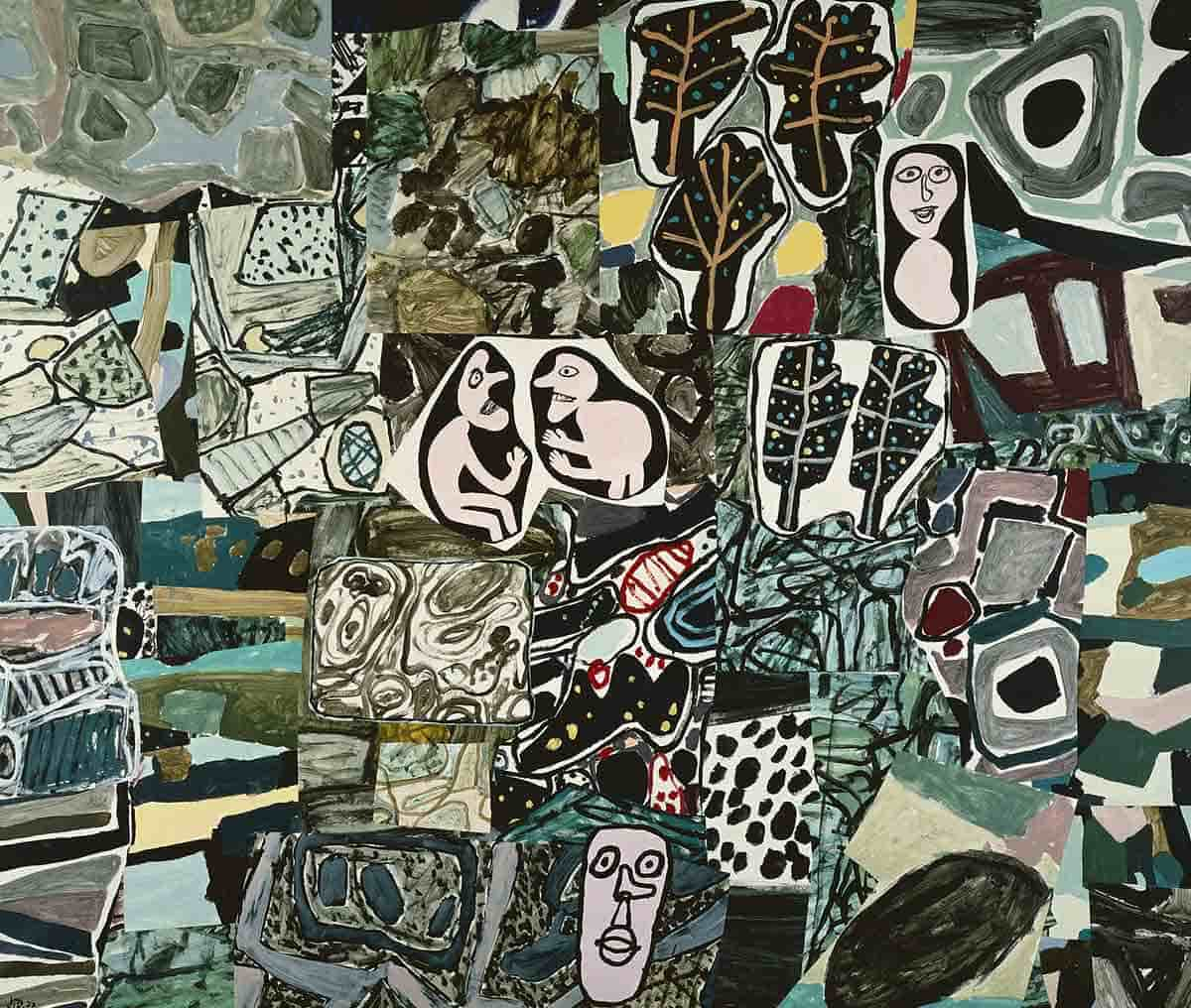
The decisive breakthrough happened in 1942 when he adopted the Fauvist style into his works. His first exhibition in Paris happened soon after the liberation of Paris in 1944. This factor probably contributed to Dubuffet’s growing popularity, as this was the first major art show after the occupation. Many interpreted it as a political gesture of the progressive art’s victory over conservative values instilled by the Nazis.
Eager to dismantle the conventions of traditional art, Dubuffet began experimenting with materials. He poured earth and sand into his paint or mixed it with clay or straw to create texture. In the 1950s, he created a series of works made from butterfly wings. His years of absence in the art world were not wasted: while working as a wine merchant, he read literature on psychiatry, the Indigenous cultures of Africa and Asia, and works on the mental development of children.
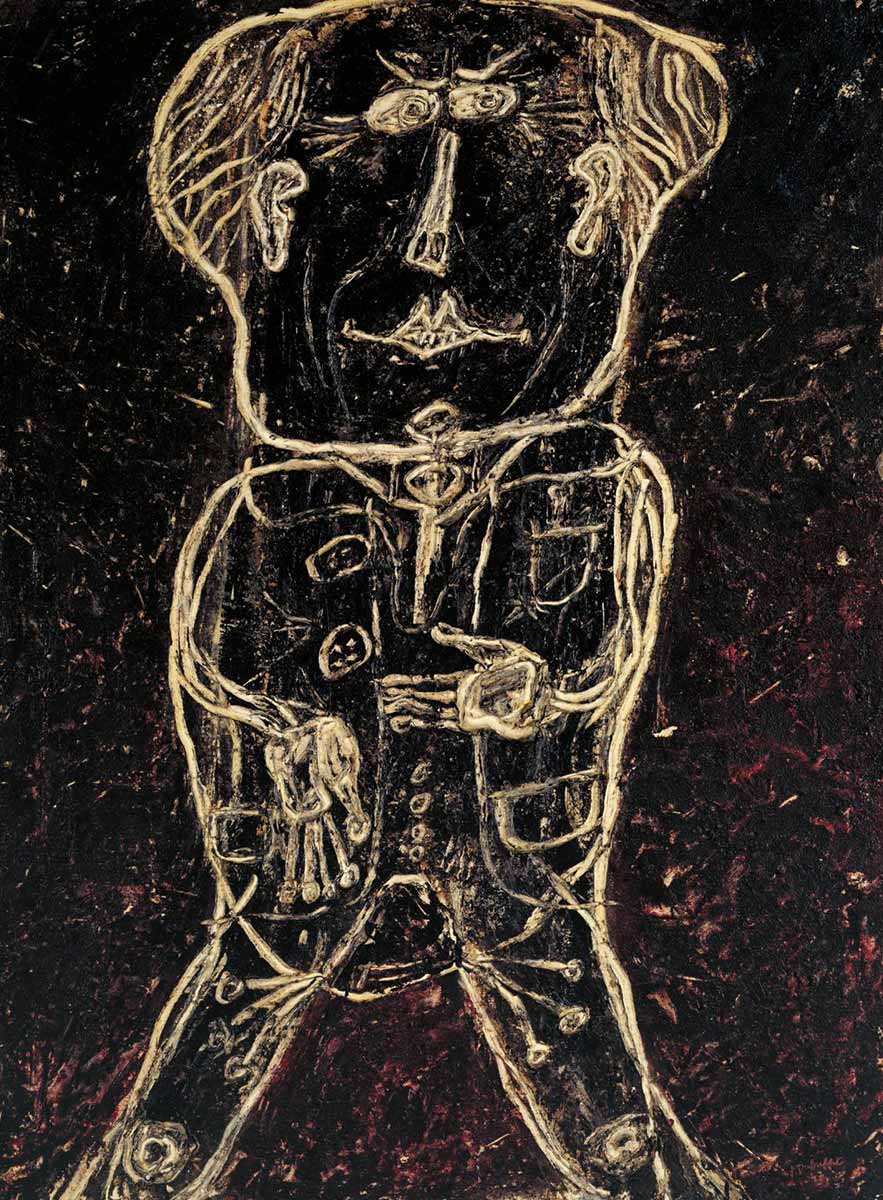
Dubuffet finally found the only philosophy of art he was ready to follow. He wanted to rebel against bourgeois conventions and make creative expression genuine and honest again. He protested against a violent education system and culture that stifled human expression through art, movement, or voice, replacing it with rigid social conventions and rules. Dubuffet observed that children, even before learning to speak, could naturally sing but often lost their confidence and abilities as they progressed through formal education. He applied the same principle in art and paid specific attention to works created by untrained artists, especially those who were isolated from society due to their mental illnesses. To describe such art, he coined the term Art Brut, meaning raw art. Present-day art experts prefer to use the term Outsider art.
Dubuffet’s Influences: Artistry of the Mentally Ill
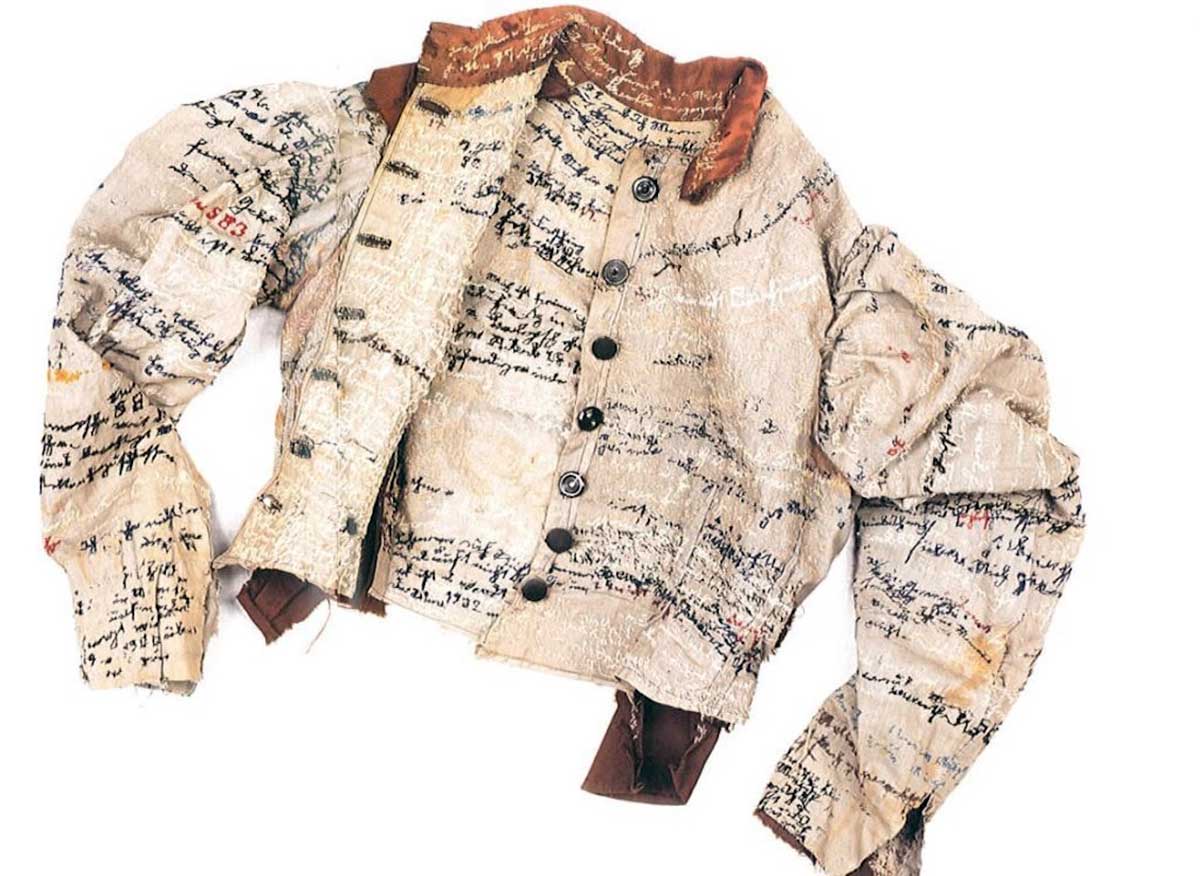
Although Dubuffet popularized Outsider art and elevated it to the point of recognition, he was certainly not the first to take an interest in it. One of his main influences in the years that directly preceded his pro-Art Brut campaign was the book written by German psychiatrist Hans Prinzhorn titled Artistry of the Mentally Ill. As a practicing psychiatrist, Prinzhorn collected artworks made by his patients and analyzed them. After the Nazis came to power in Germany, Prinzhorn’s work and collection was hidden from the public view. Its revival happened only after World War II, partially with the help of Dubuffet. While studying the works of mentally ill artists and those who lacked professional training, Dubuffet gradually began to imitate them.
Dubuffet’s Anticultural Positions

In 1951, Dubuffet presented a lecture titled Anticultural Positions in Chicago, in which he explained the necessity of studying Outsider art and learning from it. Dubuffet said that Western humanism separated humanity from nature by proclaiming the uniqueness of human perception. In Western culture, humans are unable to compare or identify themselves with trees, rivers, and other entities of the natural world, as they see themselves as inherently superior. The strict emphasis on logic, rationality, and intellect also made Western culture unresponsive to natural emotions and conditions.
Dubuffet also criticized the Western obsession with theories and ideas. He believed that formulating ideas halted the process of development, similar to how a stair landing halted movement. Instead of dissecting concepts and events, he proposed studying them in their original contexts through experiences.
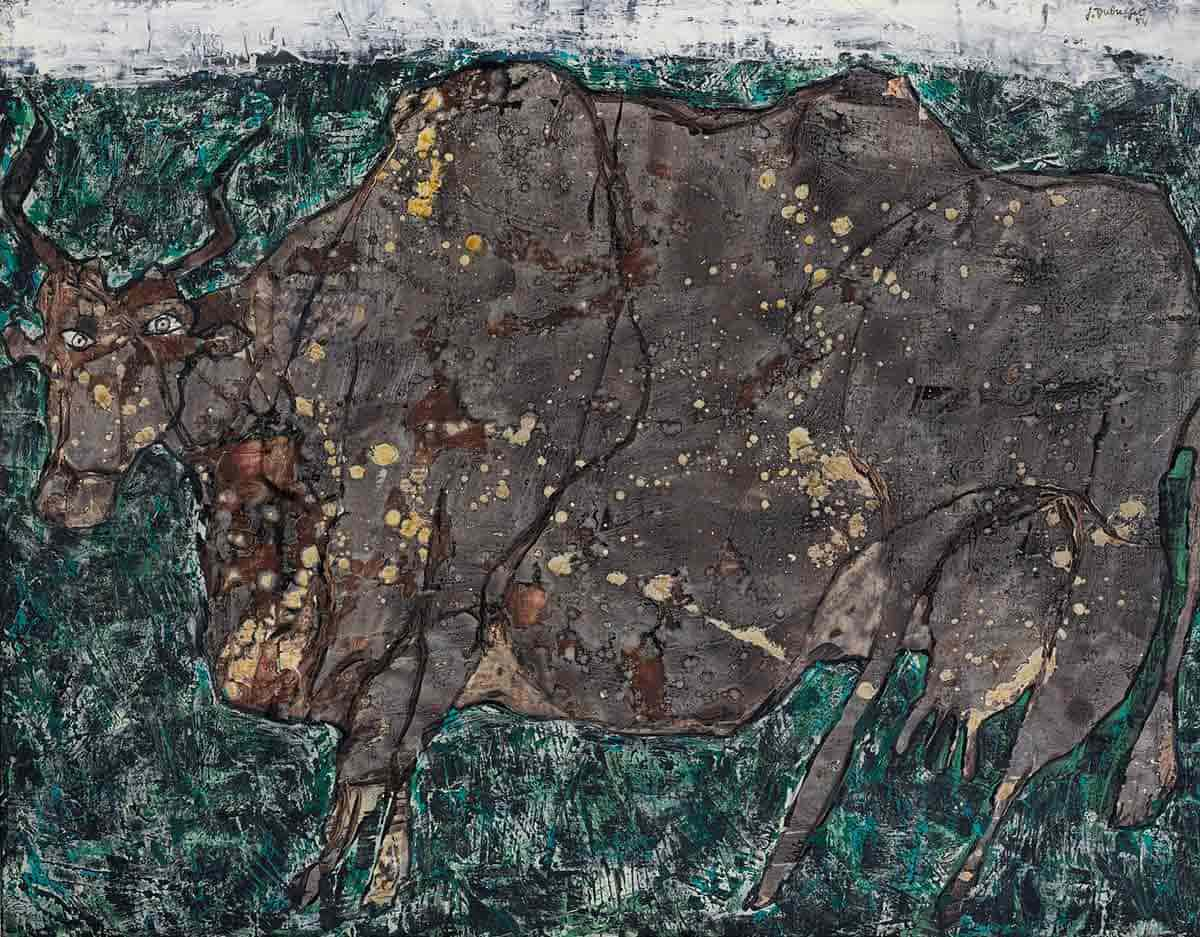
He also rejected written language in favor of painting and emotionally charged verbal expression. For him, language as a construct was too regulated and rigid and either distorted the original communicative intention or at least undervalued it. The Western necessity to code everything into precise mathematically calculated language forms, for Dubuffet, only made thought and expression harder.
By contrast, the so-called primitive man (Dubuffet uses this word as a quote from Western-centered thinkers rather than his own characteristic) sees himself as one of many beings present within the large world and avoids strict hierarchies. Within the primitive way of thinking, a human being is more respectful toward the mental and psychological differences of others, viewing them as ways of seeing or expressing. The concept of a primitive man included not only representatives of non-Western cultures but also the mentally disabled or ill. Dubuffet associated, but did not equate, artistic talent with conditions socially categorized as madness.
Most importantly, Jean Dubuffet attacked the Western dichotomy of beauty and ugliness. A primitive mind did not understand the Western category of beauty, and for that reason alone, it got the label of primitive. However, the notion of beauty has proven to be subjective and transformed over time. These qualities effectively erase any chance of strictly defining beauty once and for all.
Dubuffet admitted the existence of beauty but saw it as a rather upsetting and even oppressive category. To illustrate his point, he addressed people deemed too old or too heavy to be considered beautiful, as well as the realization that the man-made world largely consisted of ugly things. By dismantling the traditional concept of beauty, the West would not lose beauty itself. Instead, it would gain new insights and ways of engaging with the world. Embracing the potential beauty in every object and figure would enrich perception and bring greater joy.
For those concerned with the existence of art in a world without beauty, Dubuffet offered to reconsider the art’s function and focus. Instead of looking for the most harmonious and conventionally beautiful combinations of color and form, he proposed focusing on the pure expression of the artist’s emotions and experiences.
Reception & Criticism
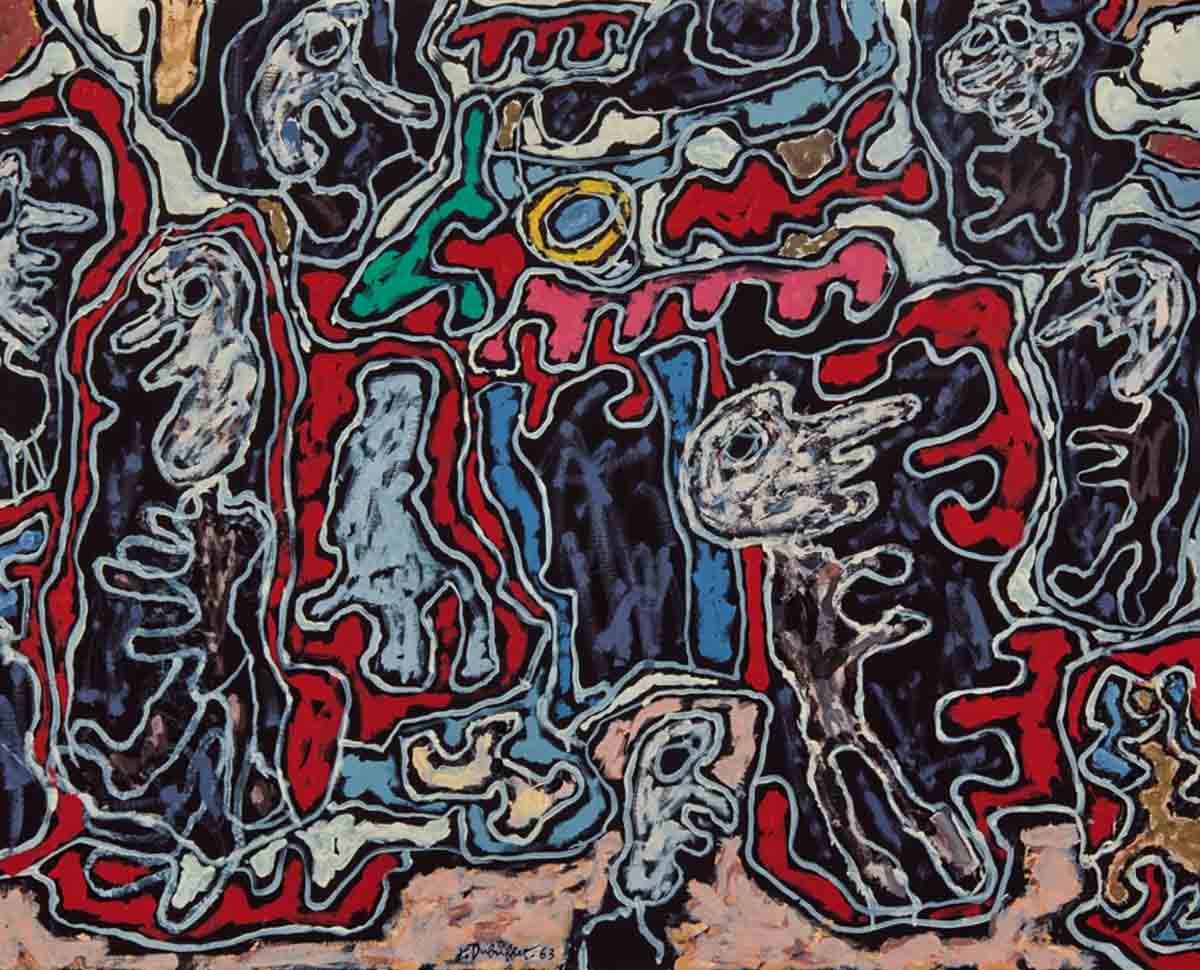
Dubuffet’s theories offended some of the more conservative critics but generally seemed to reach the right audience, at least for a while. He became particularly famous in the USA, where he held exhibitions annually and presented not only his collection of Art Brut but also his own works inspired by it. However, critics noted that Dubuffet’s attempts to replicate art by actual outsiders were doomed. His intellectualism and detailed understanding of artistic processes made his works artificial. Specifically, the curated aesthetics of Art Brut in his works could not overturn the fact that he was a trained artist with a major theoretical background, which he desperately tried to unlearn.
Ironically, Dubuffet’s promotion of Outsider art did not dismantle the art world. Instead, it seamlessly integrated these works into the art market, much like the efforts of many protest artists before him. The art intended to challenge the categories of beauty and ugliness ultimately conformed to existing conventions.
The Outsider Art Collection of Jean Dubuffet
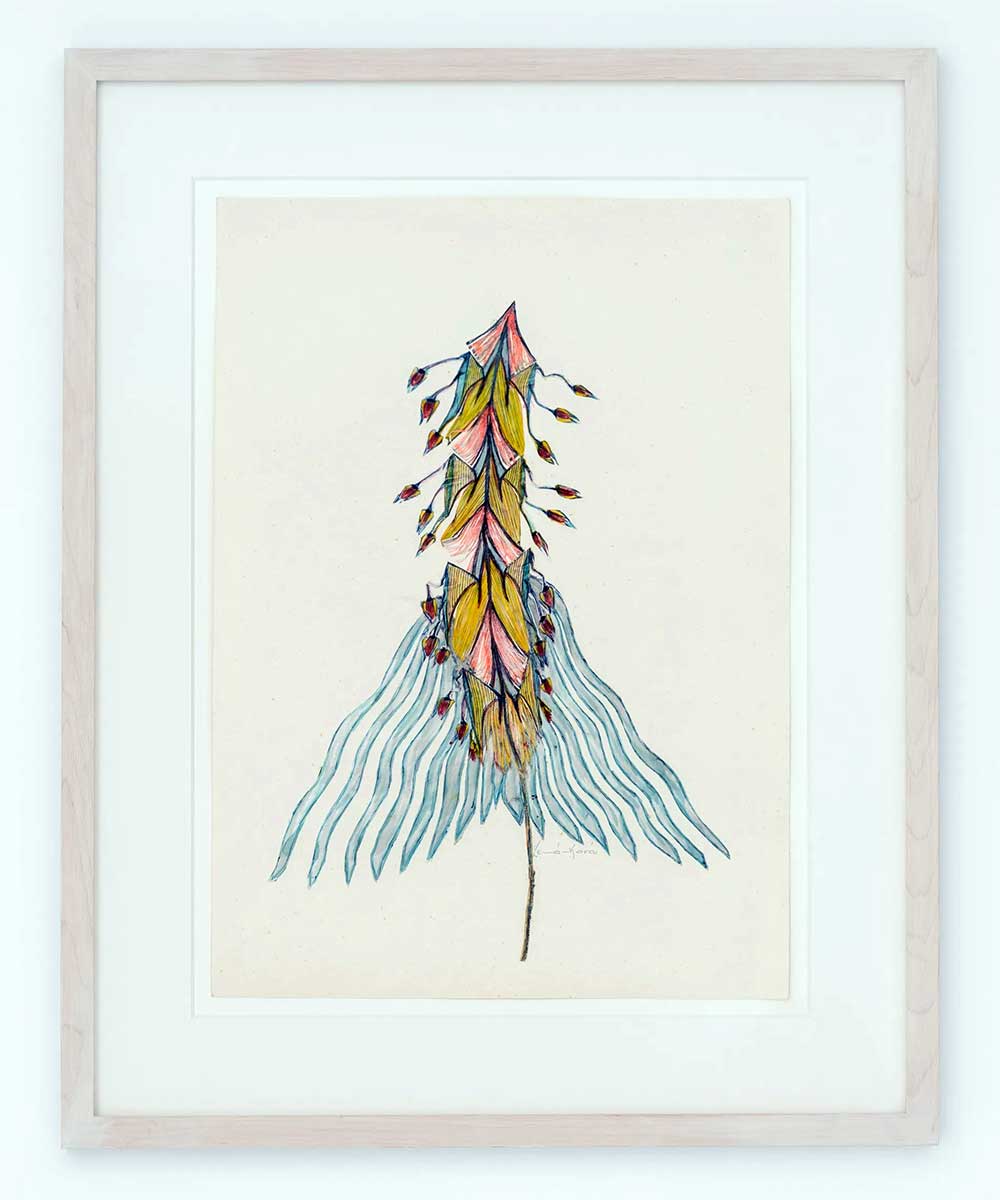
Over the years of his interest in Outsider art, Jean Dubuffet amassed a vast collection of works. He talked to psychiatrists to learn about their creative patients and simply relied on his colleagues all over Europe to find new, interesting names. One of them was Czech dentist Anna Zemankova, who created images of fantastic plants and flowers, similar to early organic abstraction.
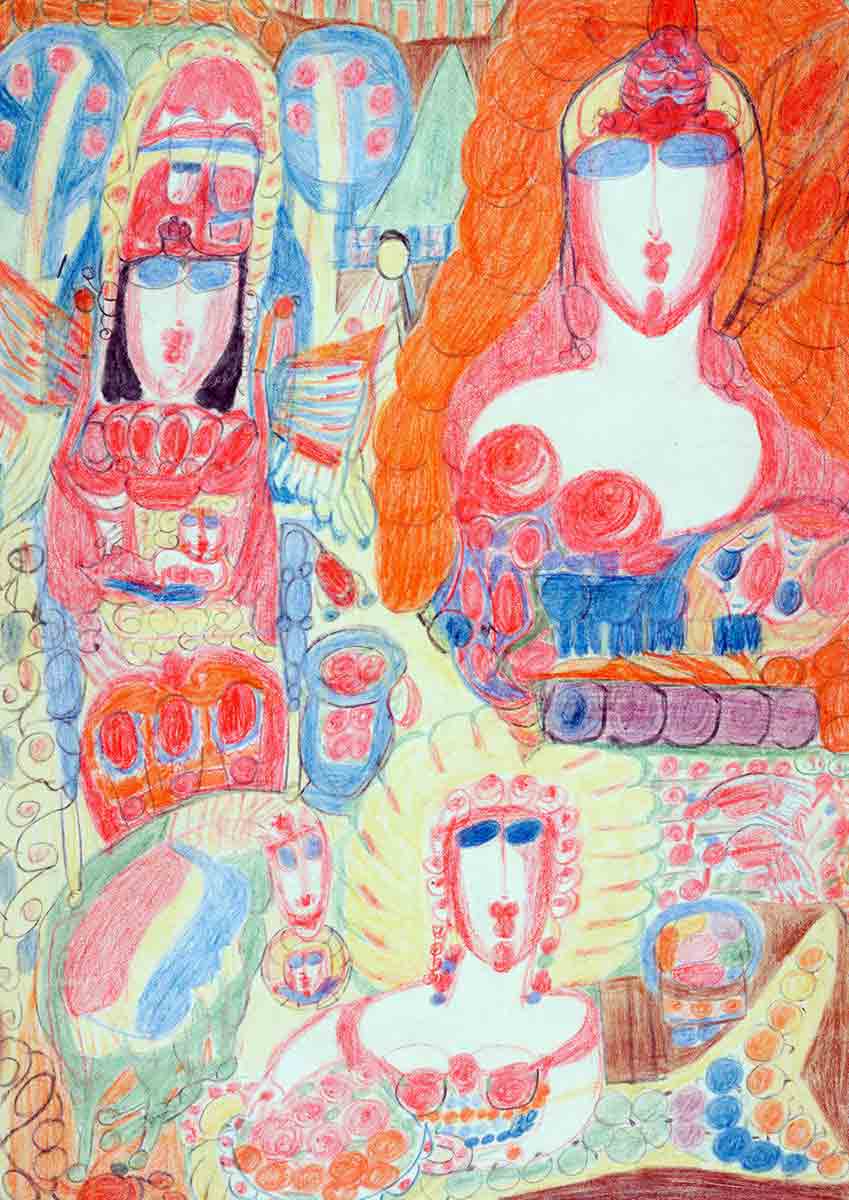
Dubuffet’s collection included other famous names of Art Brut, such as Aloïse Blanche Corbaz, a Swiss teacher diagnosed with schizophrenia who had an imaginary relationship with the German Kaiser Wilhelm II. Corbaz mostly drew romantic scenes and stage performances, illustrating her dreams that never came true due to her illness. Dubuffet believed she partially cured herself by embracing her feelings rather than fighting them as delusions. Another famous artist in Dubuffet’s collection was Adolf Wölfli, a patient who fought his outbursts of violence with incessant drawing.