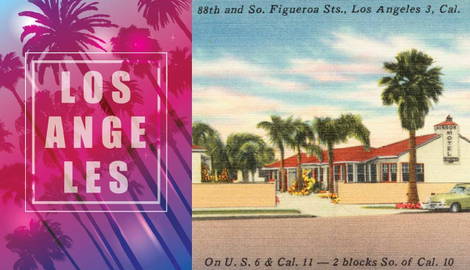

The silhouette of a Washingtonia robusta on a sunset background is a pictorial cue that symbolizes the city of Los Angeles. For almost a century, palm trees have become an iconic part of the city’s skyline, generating a sunny ambiance that entices visitors with ideas of paradise. Over the decades, these symbols have been etched into the skyline and the imaginations of millions, finding their way onto photographs, films, and the canvas.
Beyond the fronds lies a much deeper story.
Inventing the Fantasy and the Historical Myth of Native Palms
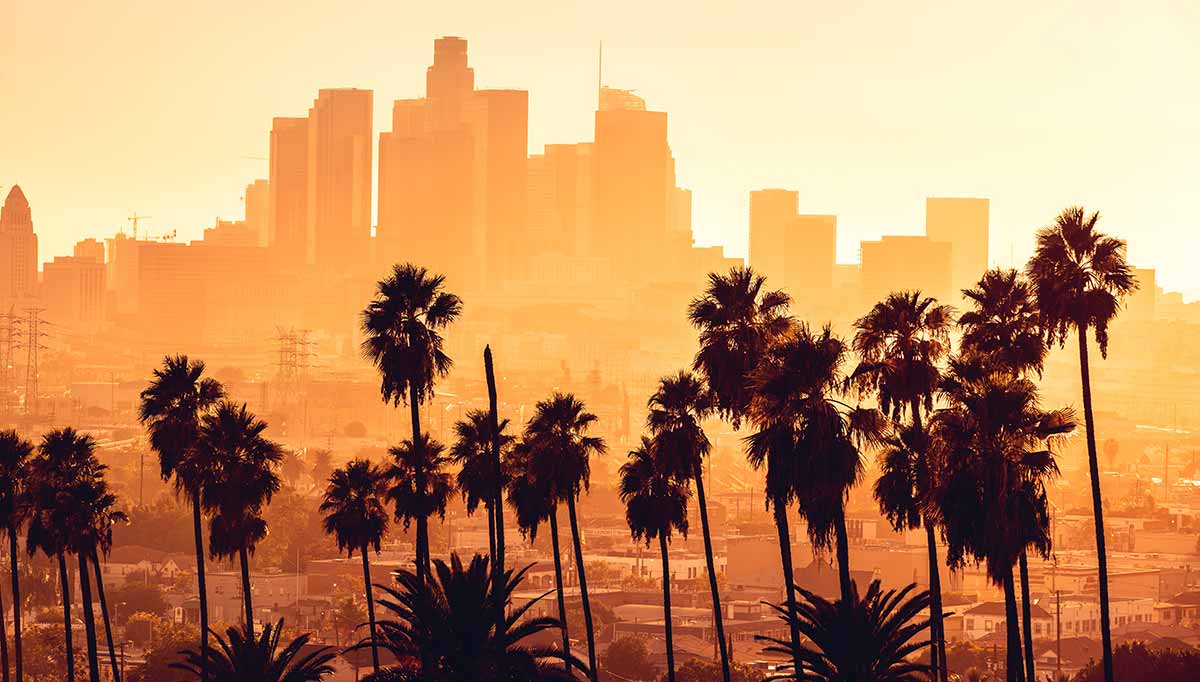
Of all the palm trees in Los Angeles, only the California fan palm (or desert fan palm) is native to the region. It is shorter and stockier than Mexican fan palms, which are synonymous with the silhouettes of the city. The latter were imported from Mexico and planted along boulevards and avenues for beautification, creating a unique atmosphere in an American city. By 1932, over 40,000 of these trees had been planted ahead of the Olympic Games of that year, held in Los Angeles.
Palm Paradise in Postcard Propaganda
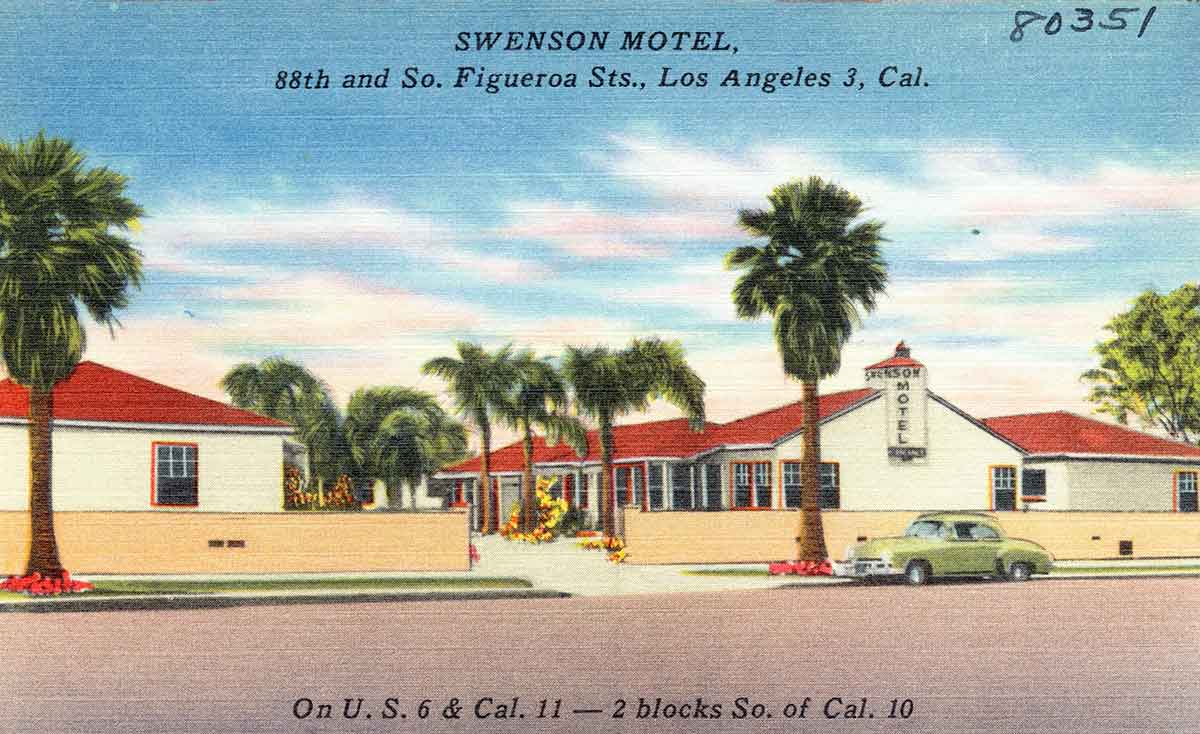
In the Victorian era, empires advertised their territory with imagery of picturesque exotic landscapes. The same dynamic holds true with the manufactured aesthetic of Los Angeles in the early decades of the 20th century, when the city underwent a massive population boom.
Artists painted what they saw, and the impressions of what they saw. Mexican fan palms began to dominate, overshadowing other trees and infusing local landscape art with their matchstick forms. A rich history of plein air art in LA meant colorful visions of this almost-tropical paradise were seen en masse.
Postcards and paintings acted like real-estate adverts, helping to draw hundreds of thousands to a new life in a city of dreamers. Sometimes in the background, and sometimes the subject of the paintings, palm trees became symbols of LA.
How Modern Masters Reframed the Los Angeles Skyline
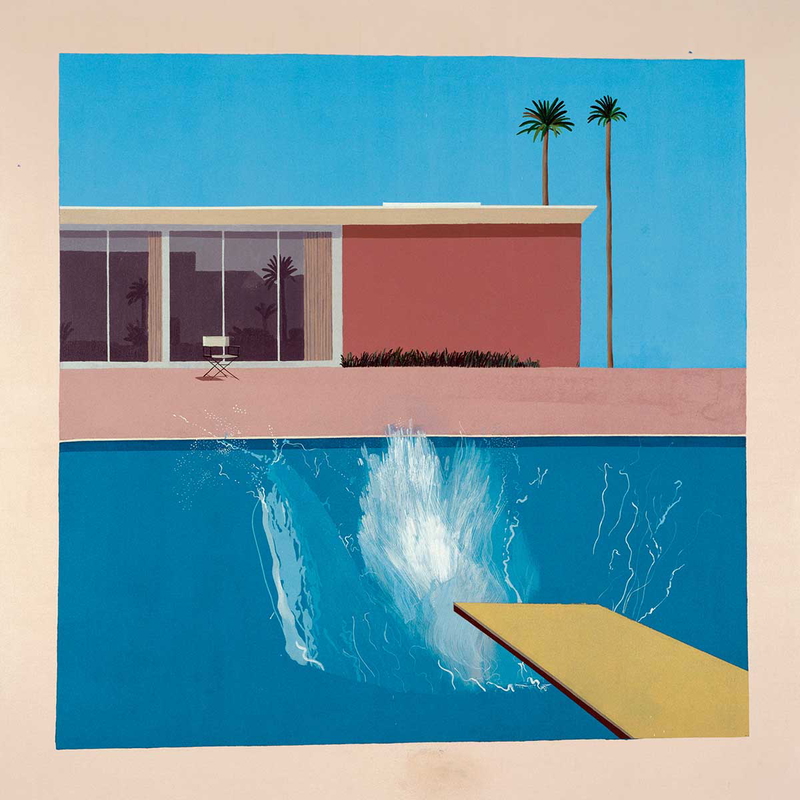
Many artists in Los Angeles incorporated the palm trees into their works. David Hockney used the palm as an instantly recognizable LA device (such as in A Bigger Splash), while Edward Ruscha stripped it of its surroundings and presented it as an urban object, the subject in its own right. It became the sole focus, not just of one or two images, but of an entire book (A Few Palm Trees, 1971). In more recent decades, palm trees continued to feature heavily in contemporary art, such as that of John Baldessari and Charles Gaines.
Over the decades, the Mexican fan palm went from being represented with Los Angeles to being representative of Los Angeles. No longer a complementary feature in paintings, it became a symbol that, standing alone, evoked the notion of the city, without needing any other prompts.
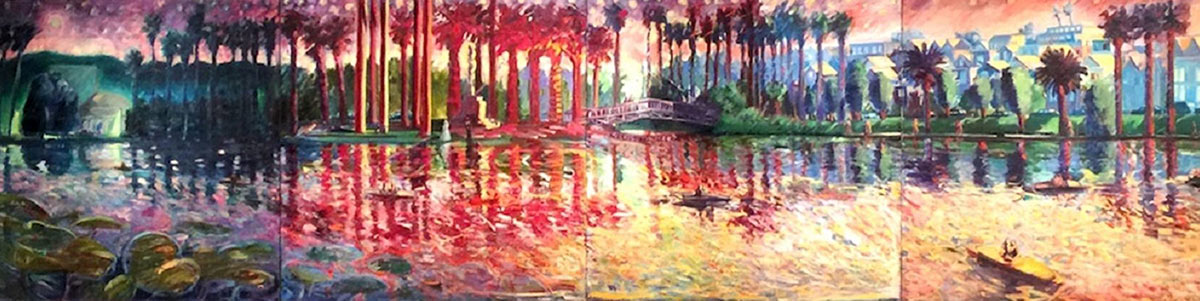
Meanwhile, sanitized imagery and idyllic locations have become subverted as a colorful frame for the realities of city life, as illuminated by Carlos Almaraz, a prominent artist in the Chicano movement. While his Echo Park Lake paintings depict a dreamlike quality of peace, behind them lie the trappings of industry and urban development.
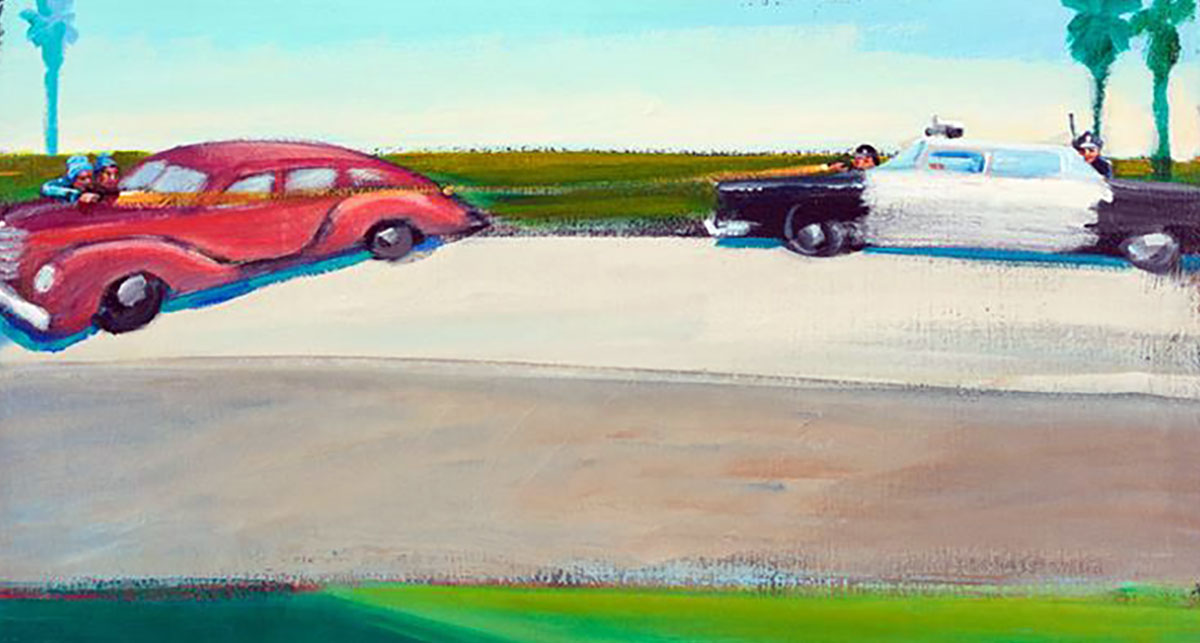
In Shootout (1978), palm trees act as background motifs for a violent confrontation between a police officer and suspects. Here, palm trees are part of the pop art vocabulary, transformed from symbols of paradise to the background of strife.
Synthwave and Vaporwave Aesthetics of Nostalgia
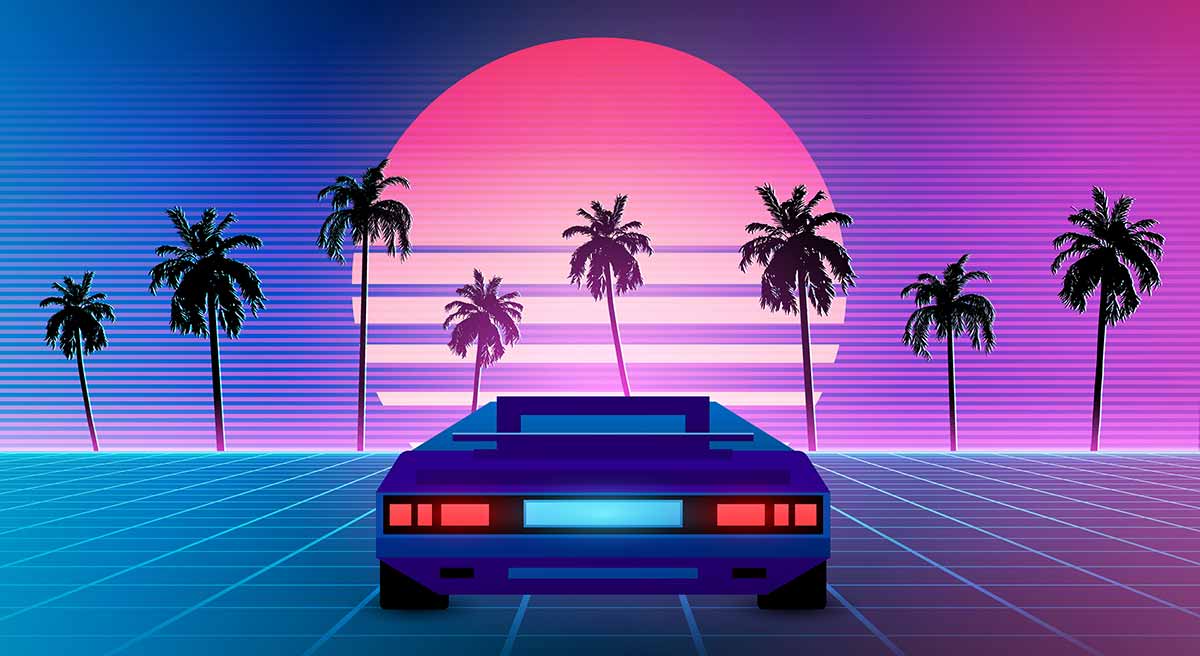
In later decades, palm trees in Los Angeles found another home in the digital realm, becoming core features of vaporwave and synthwave aesthetics, capturing the nostalgia of a past that promised a better future. Here, palm trees represent an imaginary paradise, nostalgic escapism, and leisure.
While vaporwave presents these elements in a hazy, pastel-themed collage of vector images, synthwave combines palm trees with the colors of sunsets, bold silhouettes, and fast cars, often presented on an infinite wireframe grid, suggesting the eternal reality of the digital realm as realized in imagery from the 1980s.
While it isn’t explicitly stated that the vistas represented in these genres are those of Los Angeles, both vaporwave and synthwave draw heavily from core visuals of Southern California. And the palm trees are certainly recognizable as such.
Biological Decay and the Vanishing Vistas of Los Angeles
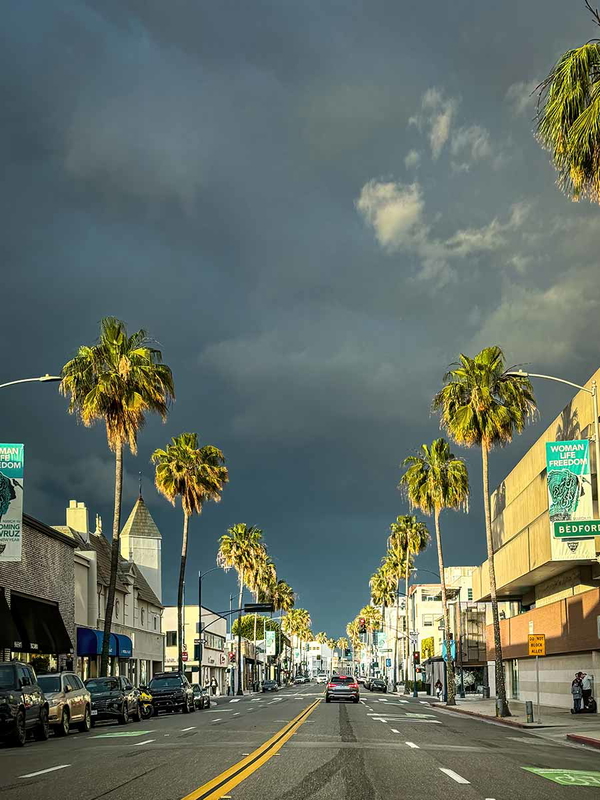
Sadly, the iconic palm trees will not be featured in the Los Angeles skyline as much as before. Weevils plague these trees, and from a pragmatic perspective, the maintenance of the trees is costly. They are nearing the end of their lives, and many will not be replaced. The iconic palms will, however, be preserved in select areas.
Whatever their future, they are memorialized in art. From photographs to paint, and in the digital realm, they signify an era of fantasy and the American dream that encapsulated the City of Angels in the 20th century.