
The art group known as Les Nabis was rather short-lived yet made a lasting impression on the development of Western art. Inspired by Paul Gauguin and Japanese woodblock print, they sought to rejuvenate painting by bringing elements of mysticism and techniques used in decorative art. Post-Impressionist in technique and Symbolist in subject, they created fascinating and multi-faceted art that would contribute to the rise of abstract painting. Read on to learn 6 important facts about Les Nabis—the art collective disguised as a religious cult.
1. Les Nabis Met in an Art Academy
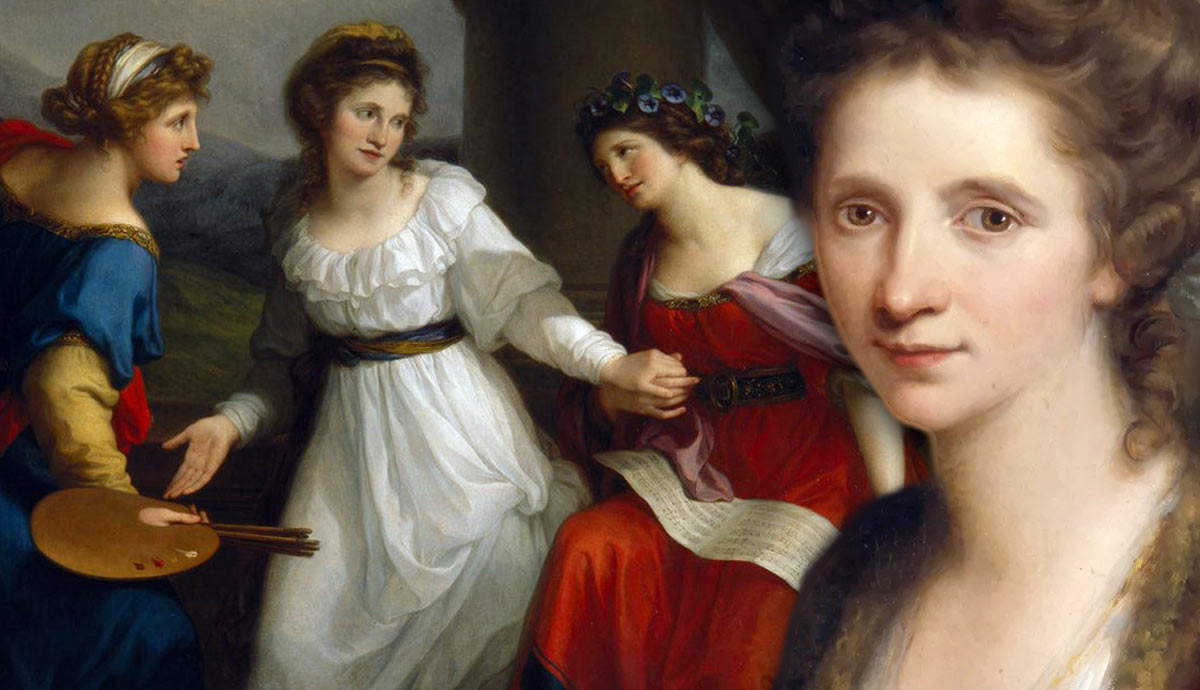
If you wanted to become a successful and progressive artist in Paris in the 1880s, there was only one place for you to go: Academie Julian. At the time, it was known as the most progressive art academy in France. Academie Julian was surprisingly inclusive for its era, allowing women to study art (although the staff did not allow them to study in the same space as men, separating the floors). Another feature that made Academie Julian stand out was their willingness to accept foreigners.
The prestigious Ecole des Beaux-Arts forced their non-French students to take a notoriously hard French exam that was almost impossible to pass, while Academie Julian was ready to welcome students who spoke basic French, preferring artistic skill to perfect grammar. Such politics lead to an incredible diversity of cultures, influences, and ideas, making Academie Julian the most desirable place for wannabe artists. Among other students of the academy were Marie Bashkirtseff, Marcel Duchamp, Louise Bourgeois, and many others.
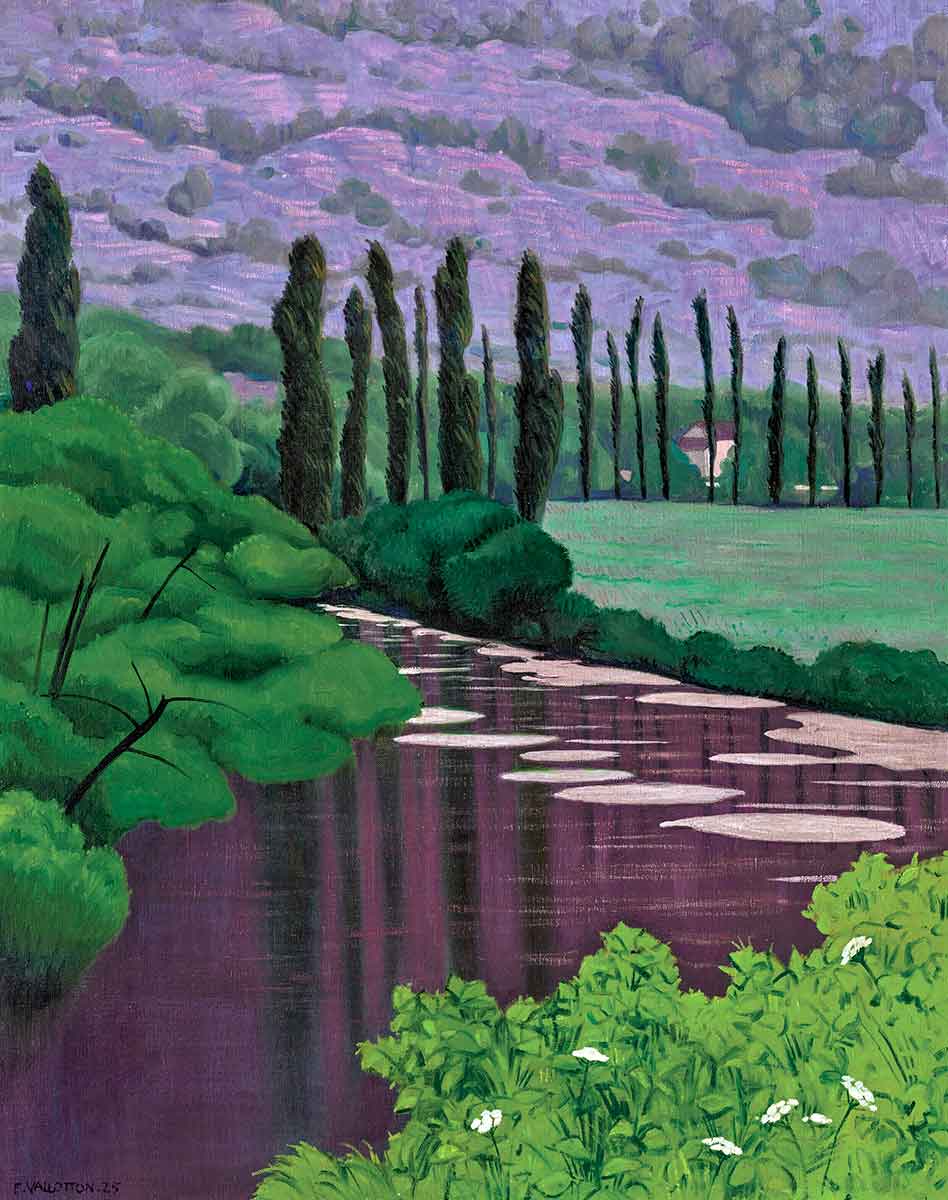
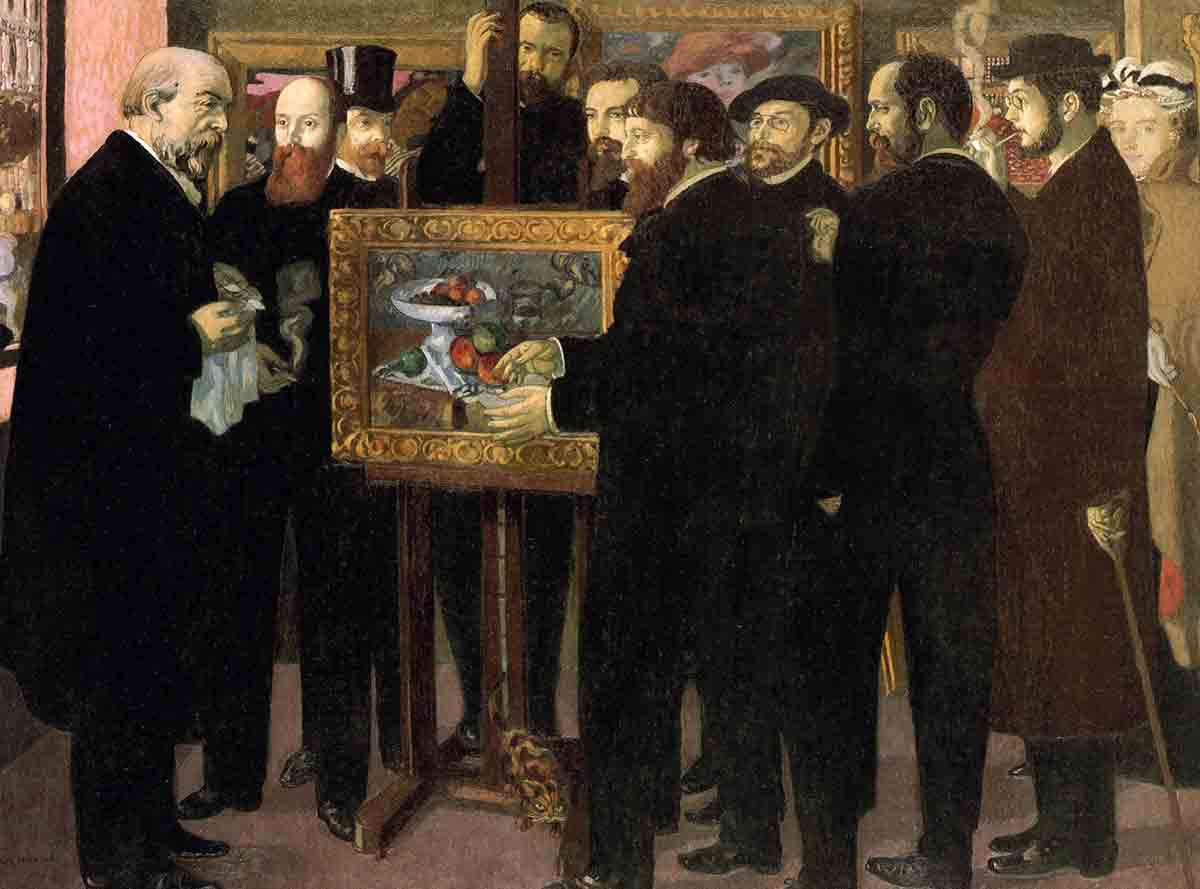
Yet, despite the progressive facade, many students were concerned with the conservative ways of education and outdated standards. Among these students were those who would later become known as Les Nabis: Paul Serusier, Felix Vallotton, Ker-Xavier Roussel, Edouard Vuillard, Paul Ranson, Pierre Bonnard, and Maurice Denis. There were other members, too. Over the years, artists, poets, and writers came and went, yet the core remained the same until their breakup in the 1900s.
2. Everything Started With Paul Gauguin
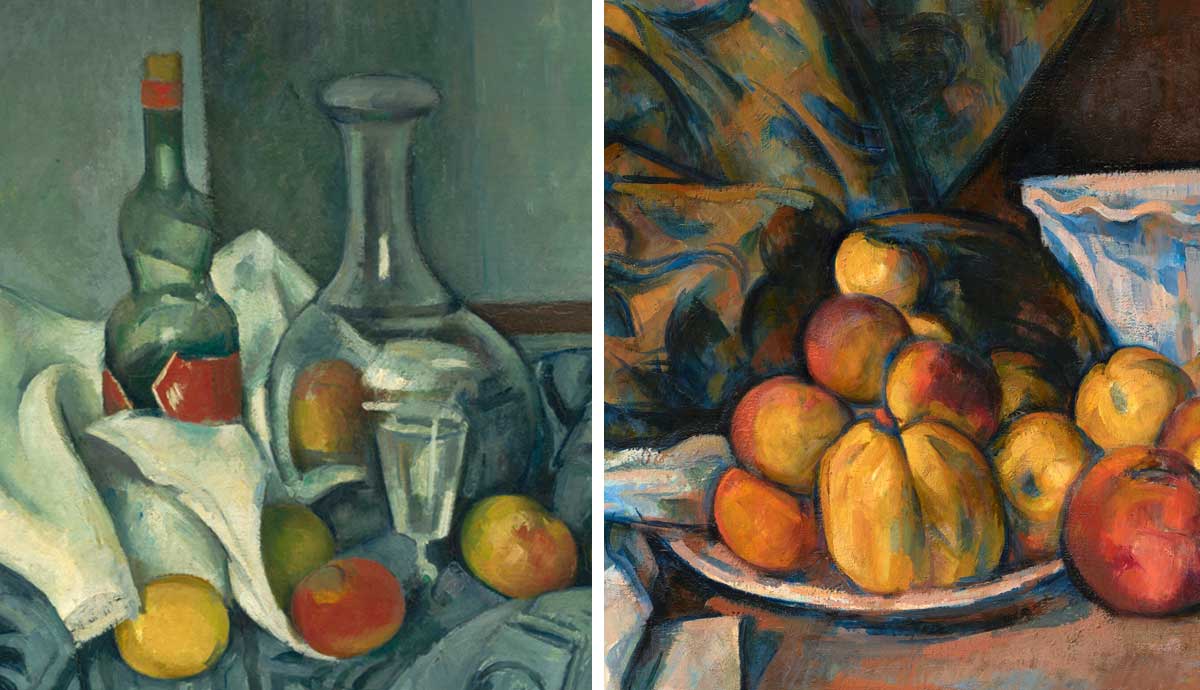
The story of Les Nabis began with a painting. Les Nabis took their biggest inspiration from the works of Paul Cezanne and Paul Gauguin. From Gauguin, they took the bold use of flat planes of pure color and thick contour lines, and from Cezanne, geometric forms and new ways of perceiving perspective.
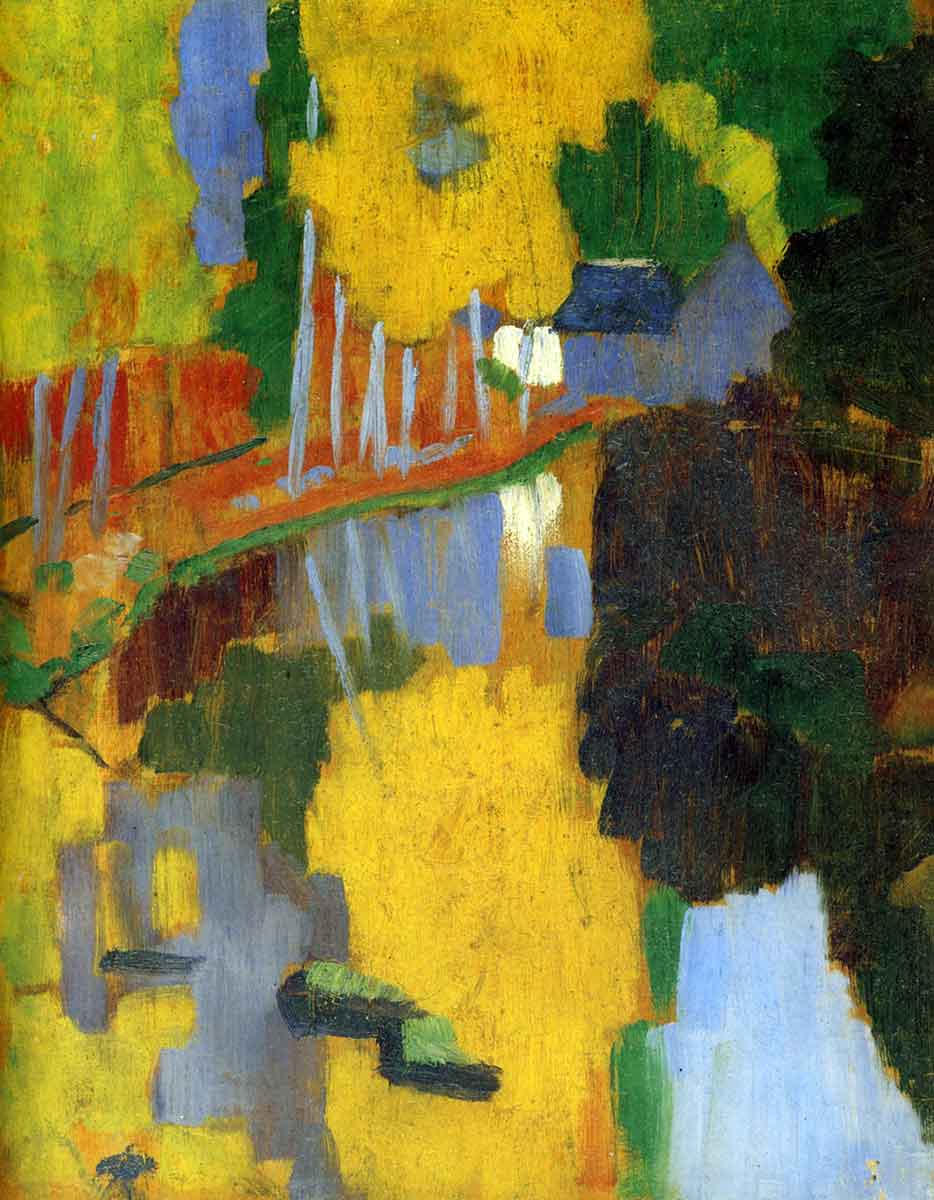
One of the Nabis, Paul Serusier actually had a chance to meet Gauguin in Pont-Aven, Brittany, in 1888, and paint under his guidance. The final result was a small painting on a wooden cigar box, a semi-abstract landscape in blues, greens, and yellows. The work was collectively titled The Talisman and treated with almost religious reverence. According to letters and memoirs of Les Nabis themselves, they had another sacred piece of art—an unidentified painting by Gauguin that was passed from one Nabis studio to another.
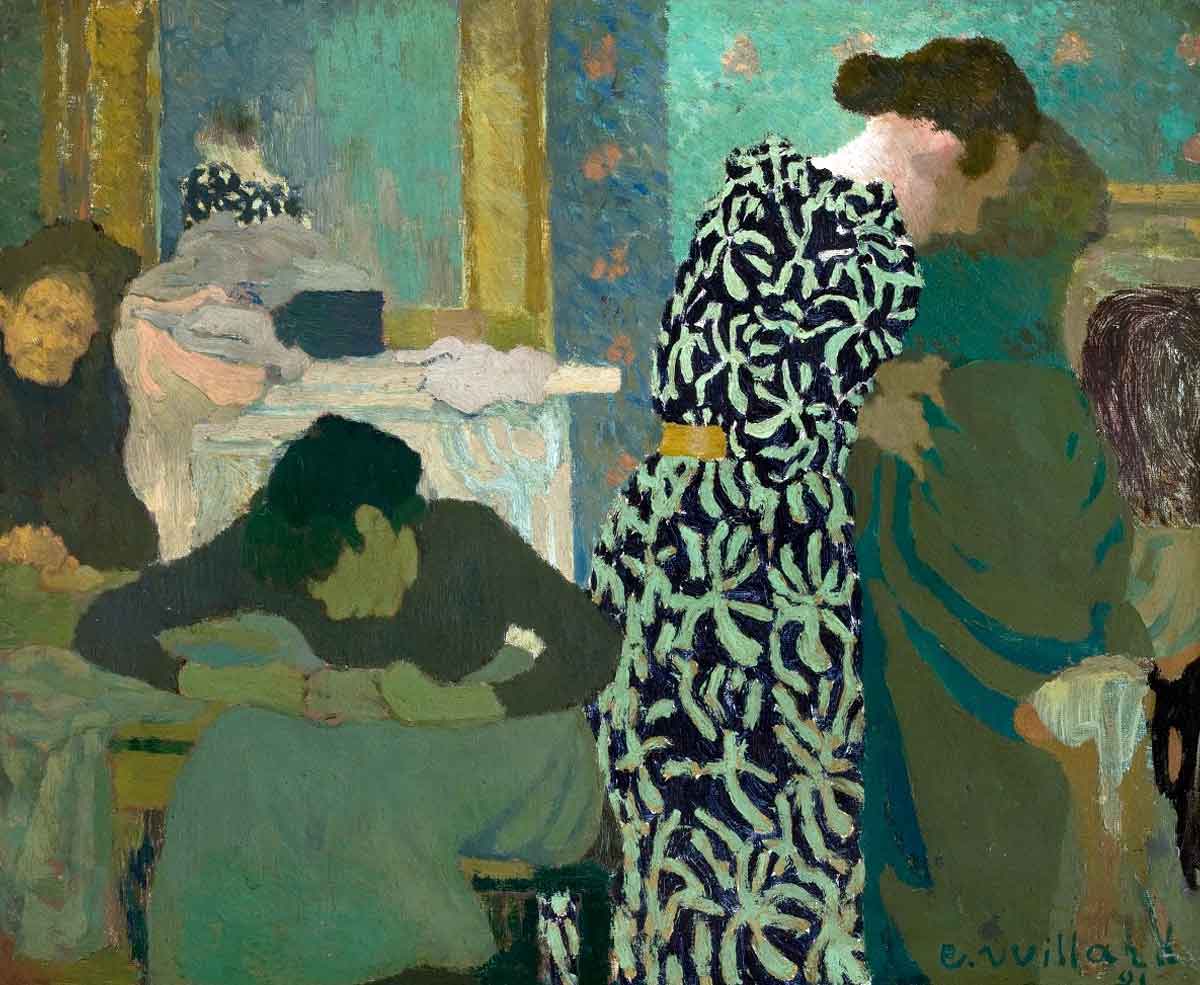
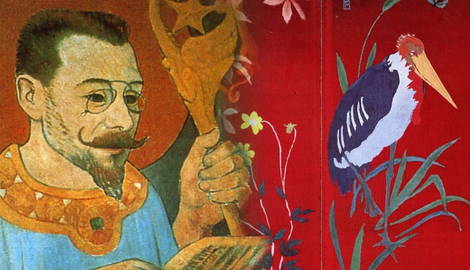
Les Nabis sought to dismantle the existing hierarchy of arts. At the time, decorative arts were perceived as a lesser genre in comparison with easel painting. The applied function of decorative art pieces made them less worthy in the eyes of critics and the public. Les Nabis strongly opposed this opinion. Many of them were trained as decorative artists before attending Academie Julian, and they understood the effort and thought put into those objects by an artist. Their protest was expressed in their works: along with painted canvases they made ceramics, tapestries, and decorative screens.
3. They Looked Like a Religious Cult
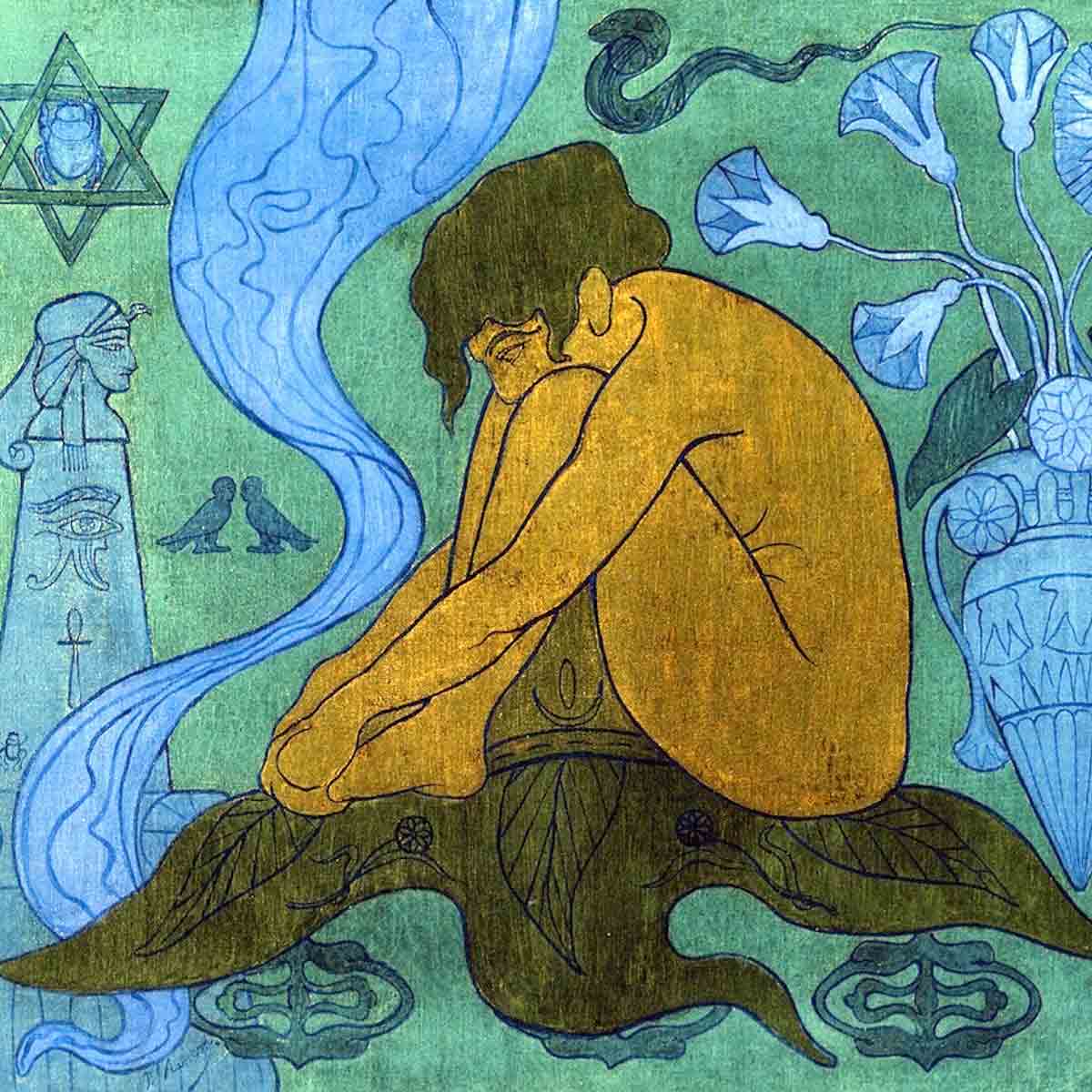
The word Nabi was an incorrect Hebrew word for prophet. Auguste Cazalis, an artist and linguist who studied Eastern languages at the time, proposed the name for the group. Cazalis explained his choice by drawing a parallel between ancient prophets bringing Israel into the new age and the group of innovative artists who were supposed to bring new life to art. The rest of the artists agreed with the name and even acted the part, growing out long beards and surrounding their practice with mysterious rituals.
The word Nabis itself was, in a way, a secret. The artists never used it publicly, keeping it in private conversations and letters to one another. They often used coded language and symbols: for instance, they rarely used a proper date system, marking days with astrological and alchemical signs. In fact, for an outsider, their avant-garde art collective might have looked suspiciously like a weird religious cult. Apart from the secret name and coded language, their dedication to mysticism was reflected in their works that featured Egyptian symbols and scenes of witchcraft.
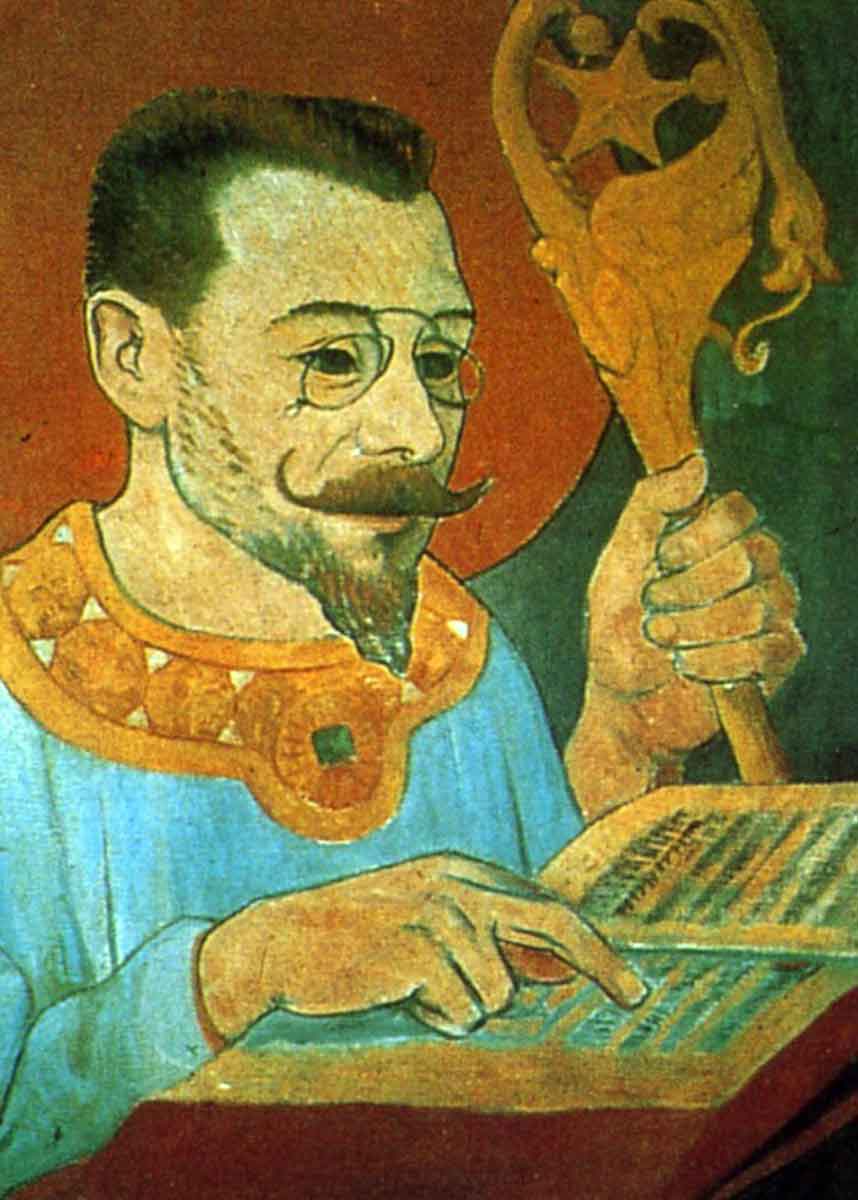
Every person in the group had a unique nickname. The members designed special costumes and altars for their gatherings. The group’s meetings took place in Paul Ranson’s apartment. Among Les Nabis, the apartment was called The Temple, and Ranson’s wife, the hostess to the meetings, was addressed as The Light of the Temple.
Although the Nabis, like many other artists of their generation, were interested in spiritualism and occult practices, their interest was semi-ironical. They used occult symbols as decorations and artistic challenges, while still retaining their own religious views. Maurice Denis was a devoted Catholic, while Paul Ranson was a skeptic who radically opposed any church authority.
4. They Were Influenced by Japanese Art
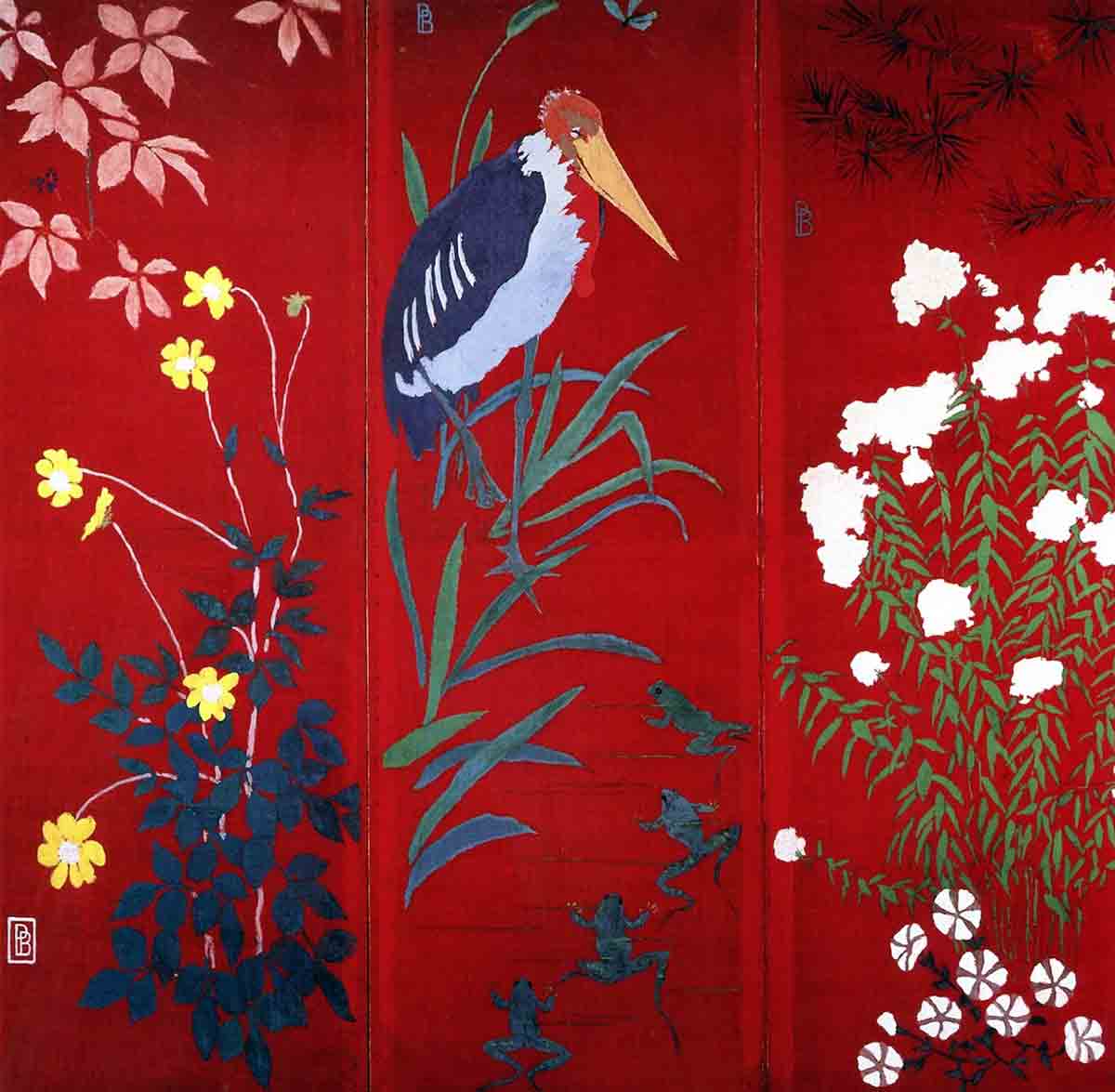
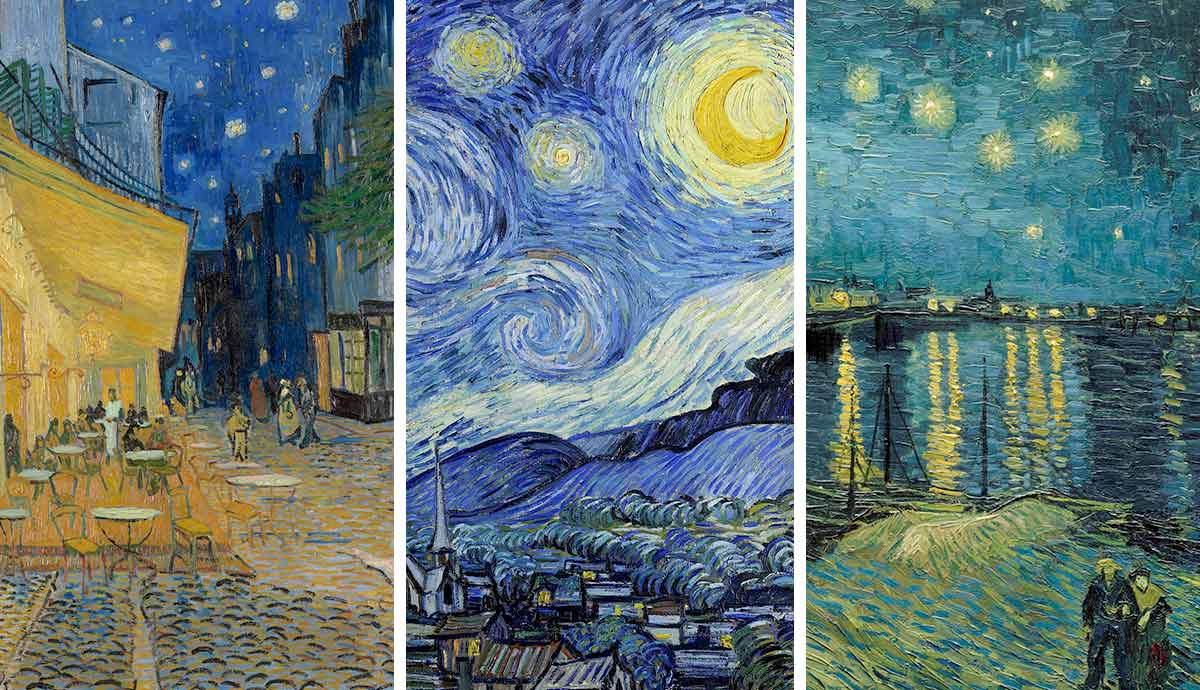
Like many artists of their era, including the Impressionists and Vincent van Gogh, Les Nabis were fascinated with Japanese art. After Japan opened its borders to foreigners in the mid-19th century, woodblock prints, fabrics, and paintings filled European galleries and markets. In them, Western artists found long-awaited alternatives to traditional compositions and stylizations.
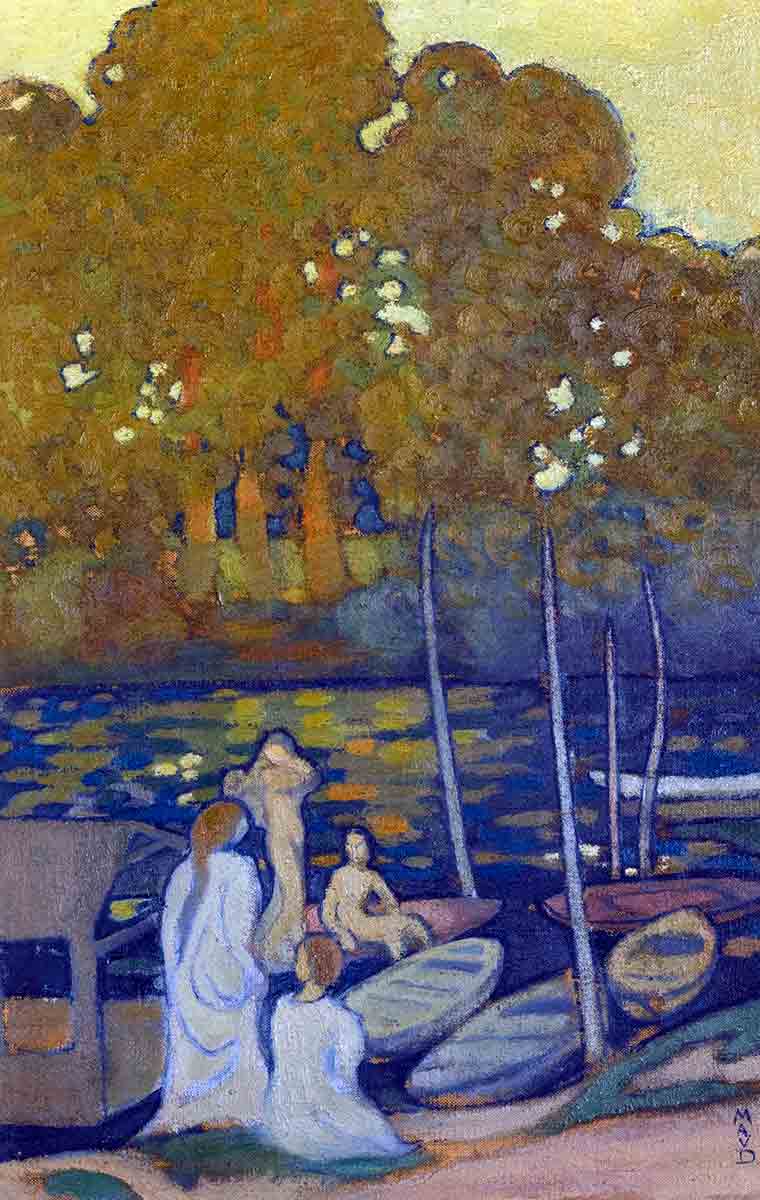
One of the most prominent elements Les Nabis borrowed from Japanese art was the flat surface of images. Instead of creating an illusion of depth, they emphasized form and color, often directly imitating Japanese artworks. A popular motif for the group’s paintings was a group of women strolling through lush gardens, borrowed from ukiyo-e prints.
5. They Had a Great Impact on Abstract Art
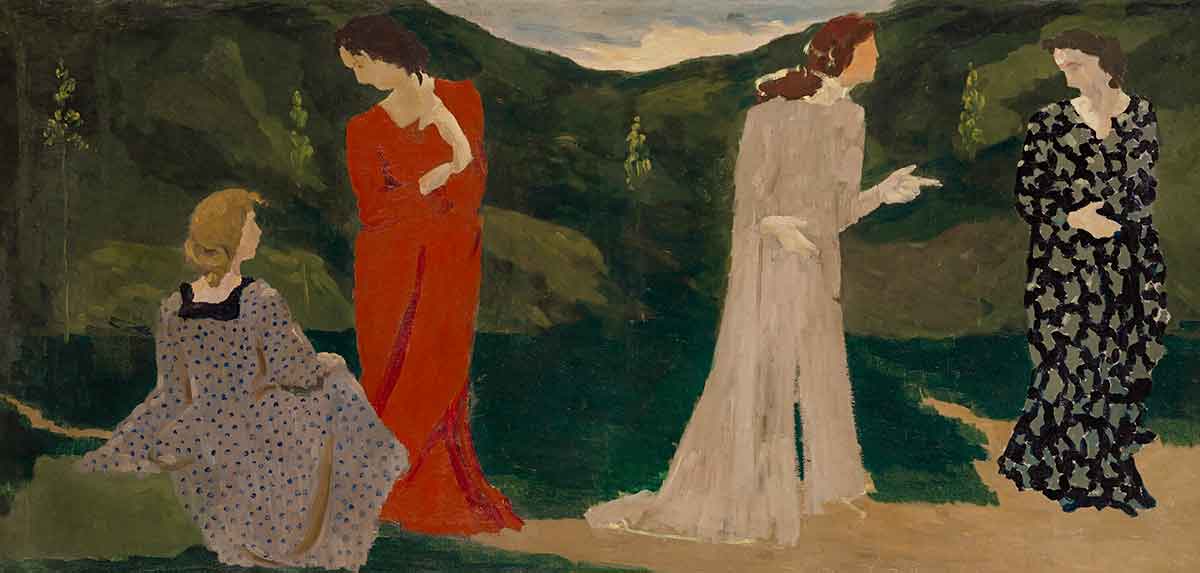
Although Les Nabis were a small close-knit group with limited influence, their work left a tremendous impact on the development of abstract art. The Talisman by Serusier already stood at the doorstep of abstraction. The main artistic goal of Les Nabis was to liberate color and line from the imperative reflection of reality and give them their own significance. As Maurice Denis wrote, “A painting before being a battle horse, a nude woman or a sort of anecdote, is essentially a flat surface covered with colors assembled in a certain order.” Decades later, this idea manifested itself in art which celebrated pure color, texture, or form with no relation to physical reality. Les Nabis’ obsession with decorative art and ornamentation also led to an increased interest in compositions not bound to the laws of pictorial space. Maurice Denis became one of the most influential artists and theorists of the early 20th century, with his writings propelling various avant-garde movements. He was also the teacher of Tamara de Lempicka.
6. Les Nabis Broke Up Because of the Dreyfus Affair
The last collective exhibition of Les Nabis took place in 1900. There were several reasons for their breakup, both personal and political. On the one hand, the brotherhood had outlived its purpose. At the beginning of the new century, new, more progressive, and shocking avant-garde art movements were emerging. With the development of Cubism and Expressionism, Les Nabis’s efforts to remain relevant and modern were unsuccessful.
Another prominent reason for the breakup was the infamous Dreyfus affair. The anti-Semitic scandal divided the group into two politically opposing groups. Pierre Bonnard and Edouard Vuillard were staunch supporters of Alfred Dreyfus, outraged by the actions of the French government. Maurice Denis and Paul Serusier, on the contrary, took the side of the army officials who refused to release the officer.
The group’s brief reunion took place in 1908 when Paul Ranson fell ill and struggled with money. To help his family, the group founded an art school in his name. The Academie Ranson remained open for decades but closed its doors in 1955.