Music that you can dance to, cry to, smile to, and even philosophize to: over the centuries, composers have plumbed the depths of music’s emotional range and place in our lives. There’s no denying that this history is dominated by big names like Johann Sebastian Bach, Wolfgang Amadeus Mozart, and Ludwig van Beethoven, key figures in what we call the Western canon. But, although the image of the isolated genius in a garret channeling divine inspiration is potent, no composer truly works alone. Music history is the story of many contributors, some more visible than others.
1. The Father of Opera: Jean-Baptiste Lully
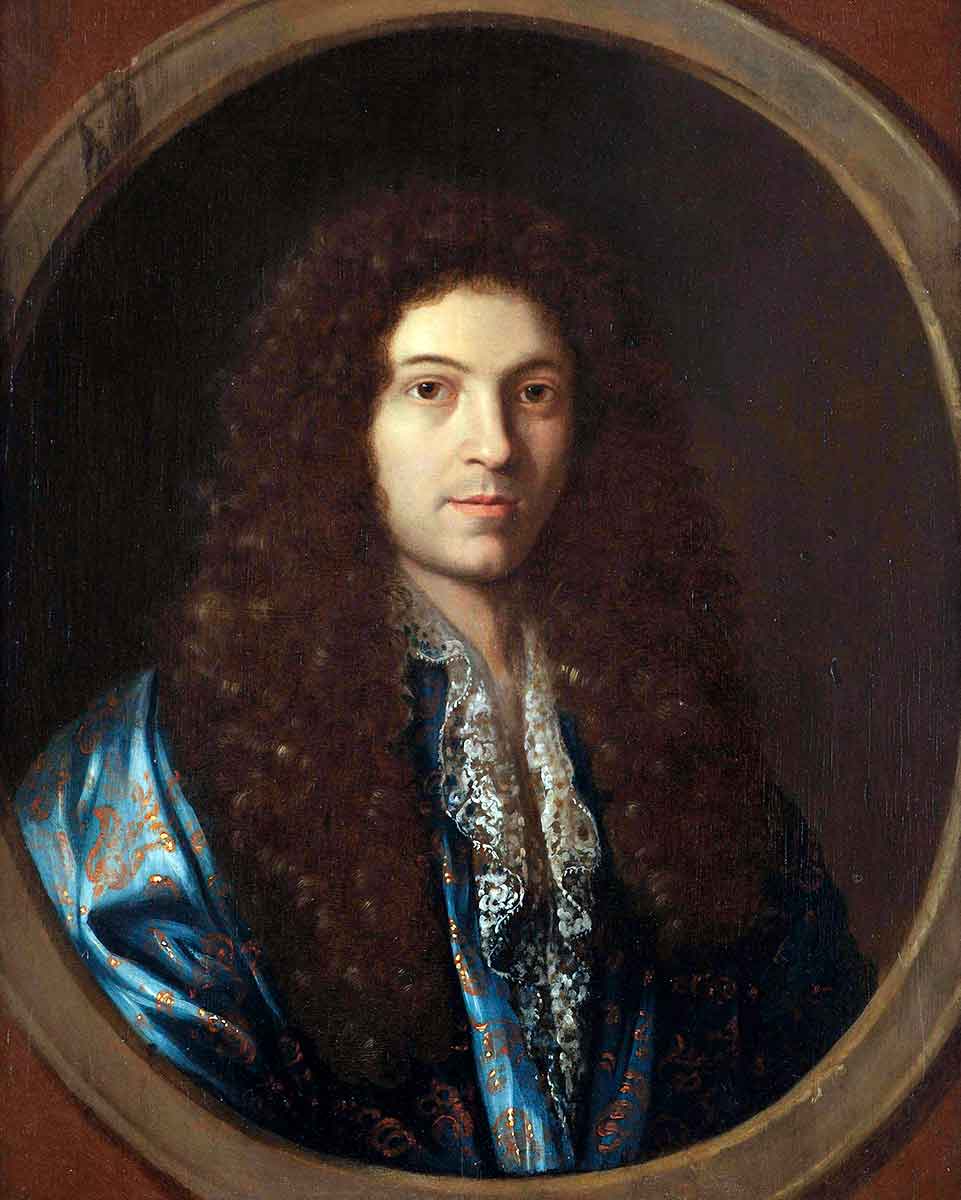
There are a couple of misconceptions behind the mythological image of the godlike genius composer, embodied in Beethoven in particular. One: the composer stands apart from state affairs and ploughs his own furrow, driven by an uncompromising notion of art. Two: the composer, through his refusal to compromise, finds it difficult to make a living.
Jean-Baptiste Lully’s career contradicts both ideas. Something of a rags-to-riches figure, Lully rose up in the ranks of Louis XIV’s court, in the mid-17th century, to become the court’s foremost composer, employed to write incidental music for the king’s entertainments. As such, he was closely involved with politics (though he frequently sailed close to the wind, earning Louis’s disfavor with his sometimes tyrannical behavior and sexual misdemeanors) and ultimately quite rich.
Lully also impacted music history through his compositions. Despite his Italian birth, he is considered the father of French opera, transporting this originally Italian form of music theater to Louis’s court and making key alterations to appeal to French audiences. French opera, following Lully’s interventions, tended not to separate arias (self-contained pieces for solo voice) from recitativo (a kind of sung speech used to deliver much of the plot in operas).
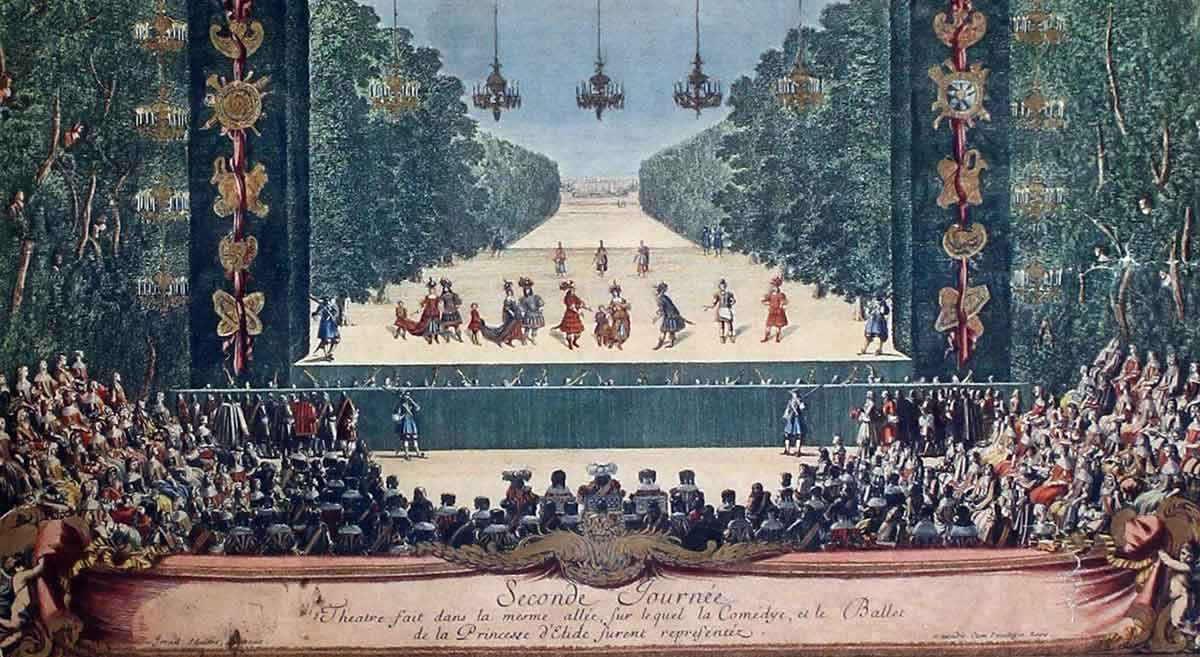
He also introduced much more dance into opera, making it a more all-encompassing theatrical event. Lully was an accomplished dancer himself and innovated the genre of comédie-ballet. Many of these theatrical works were written in collaboration with the playwright Molière, an early instance of the fruitful possibilities in interactions between music and literature.
Lully is a crucial figure in music history for his changes to the relationship between vocal music and the orchestra, to the perception of ballet in music theater, and for showing, just about, that composers could get on well with rulers of state.
2. The Touring Pianist: Clara Schumann
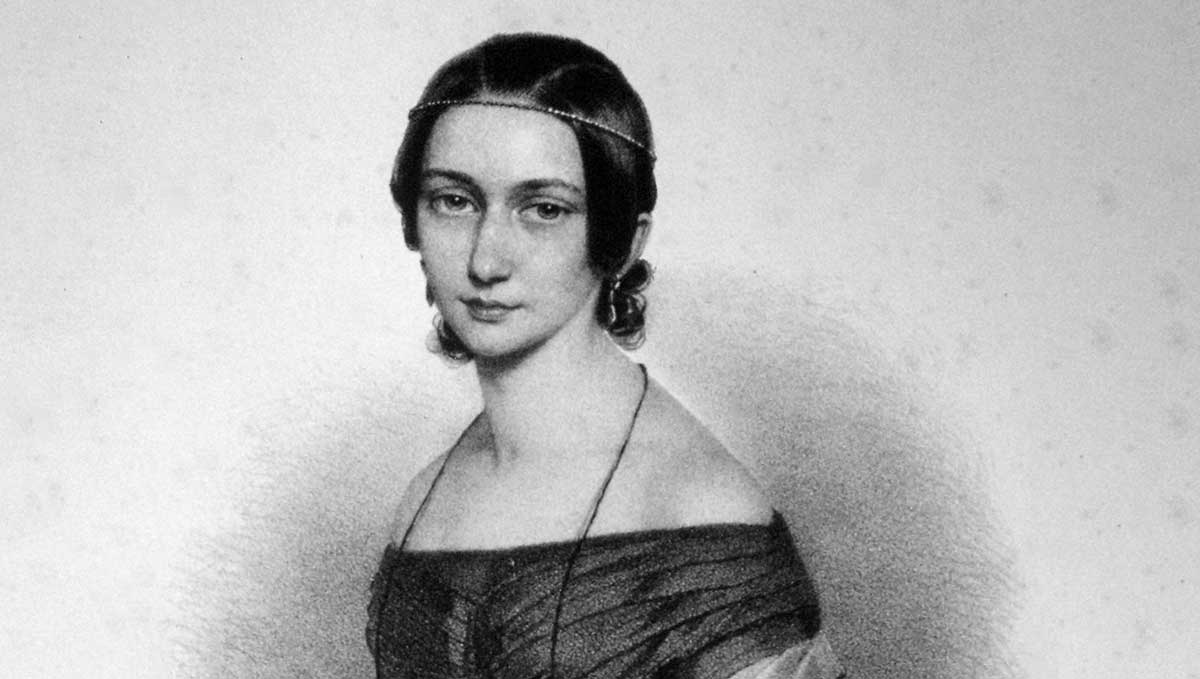
No one embodies the developments in music across the course of the Romantic period, spanning the entire 19th century, better than Clara Schumann. A child prodigy like Mozart (benefiting, like him, from a devoted, if domineering, teacher who was also her father), she became in adulthood a consummate professional who could do it all, in keeping with new ideas about musicians and their abilities.
By the mid-19th century, audiences were flocking to hear performances by virtuosi, exceptionally talented musicians who would give dazzling displays of both their own works and works from the newly developing canon. Clara Schumann’s piano concerts were instrumental in establishing this core of composers, past and present, who were considered great. She regularly programmed music by Bach, Mozart, Beethoven, Franz Schubert, Felix Mendelssohn, Frédéric Chopin, and her husband Robert Schumann.
Clara Schumann is known to many as Robert’s wife, and her impact on music history is partly due to this partnership. As a prolific pianist and the daughter of Robert’s piano teacher, she influenced the style of his piano song cycles and served as his muse, with several pieces containing coded references only comprehensible to them (Robert was keen on musical cryptograms). Both Schumanns also supported Johannes Brahms early in his career, helping him on his way to becoming one of Europe’s heavyweight composers by the late 19th century.
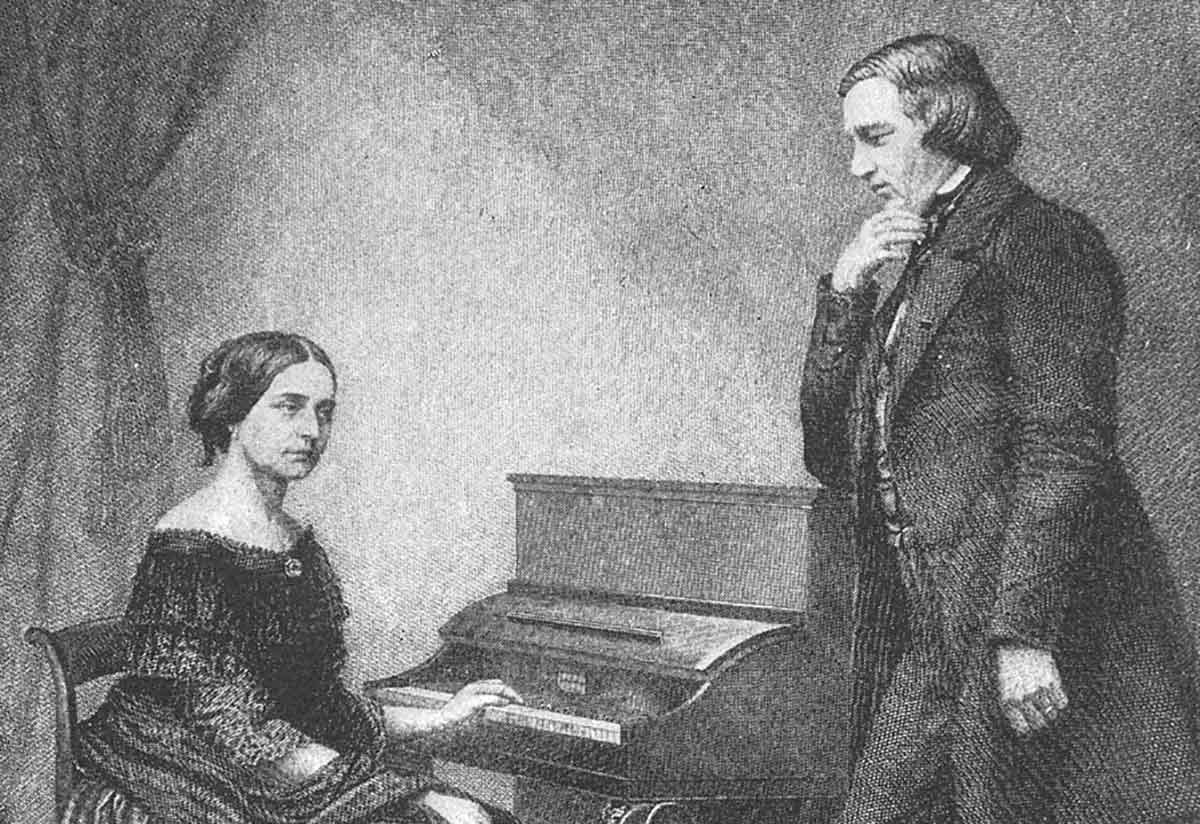
Yet Clara changed music history on her own merits. After her husband died following a long battle with mental illness in 1854, Clara was left with eight children to support. She balanced this with a career as one of classical music’s first and foremost touring artists, at a time of vast expansion in the musical world. There was a market for chamber music concerts in cities across Europe, and Clara traveled far beyond her native Germany to Russia and to England, the latter 19 times.
She laid the groundwork for modern traditions in concert programming, blending revered canonical pieces with new, exciting works, performing everything from memory and respectfully honoring the composer’s intentions with greater accuracy than many virtuosi before her.
3. The Modernist: Arnold Schoenberg
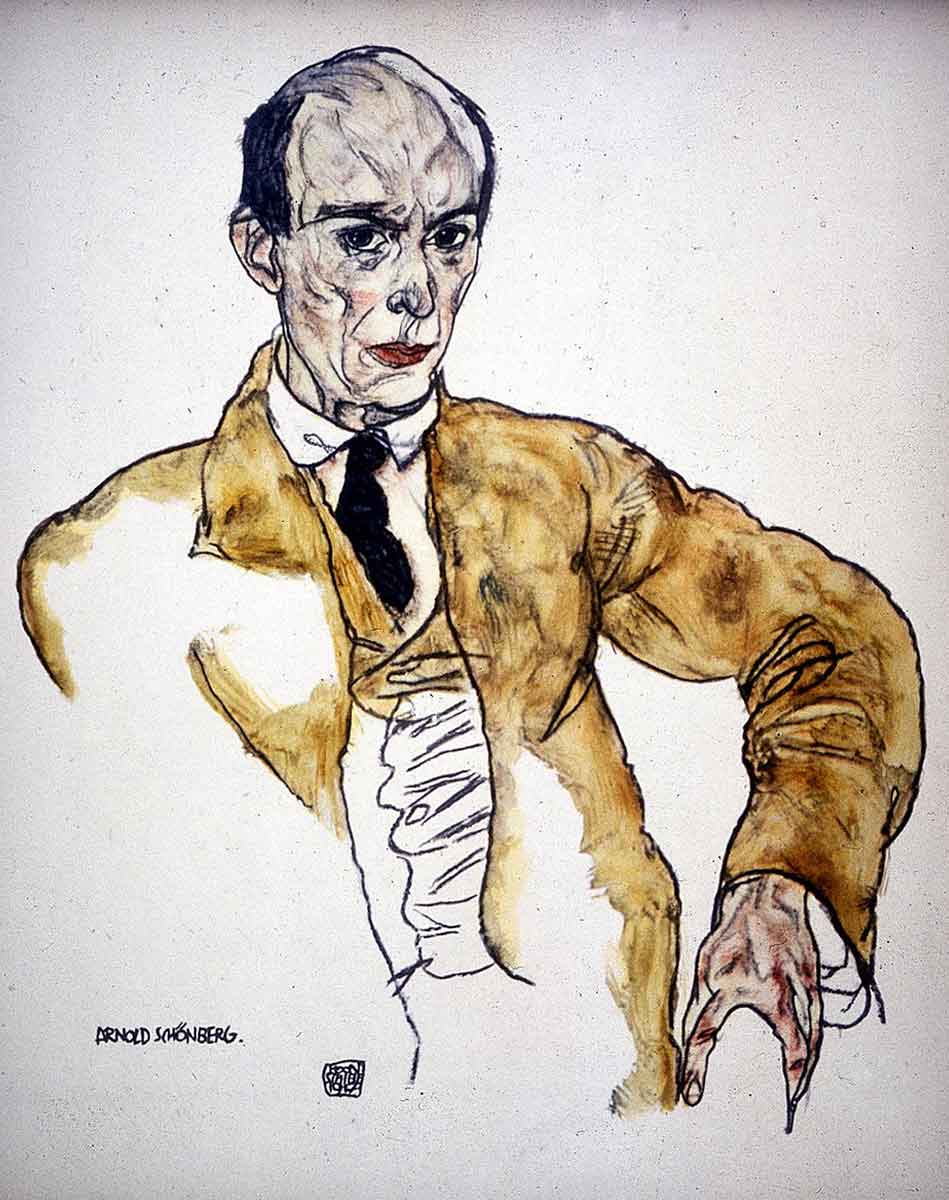
There would most likely be no Arnold Schoenberg without Richard Wagner, the 19th-century titan whose experiments in chromaticism and the expansion of musical form changed composition forever. Although Wagner revered ancient Greek theater and aimed to revert to its principles, it was his sense of breaking free from classical limitations that made him so influential to successors as diverse as Richard Strauss, Igor Stravinsky, and Claude Debussy.
Different again is Schoenberg, who took Wagner’s experiments in harmony one step further. Moving beyond the idea that a piece of music should find coherence in its harmonic underpinning—that is, being fixed in a key, on which all the piece’s chords are built—Schoenberg looked instead to patterns and motifs.
The twelve-tone method, also called serialism, is based on approaching all 12 notes in a chromatic scale equally. Composers using this method, such as Schoenberg and his pupils in what became known as the Second Viennese School, avoid repeating any note from the scale within a sequence (known as a ‘tone row’) and giving it greater importance than the others.
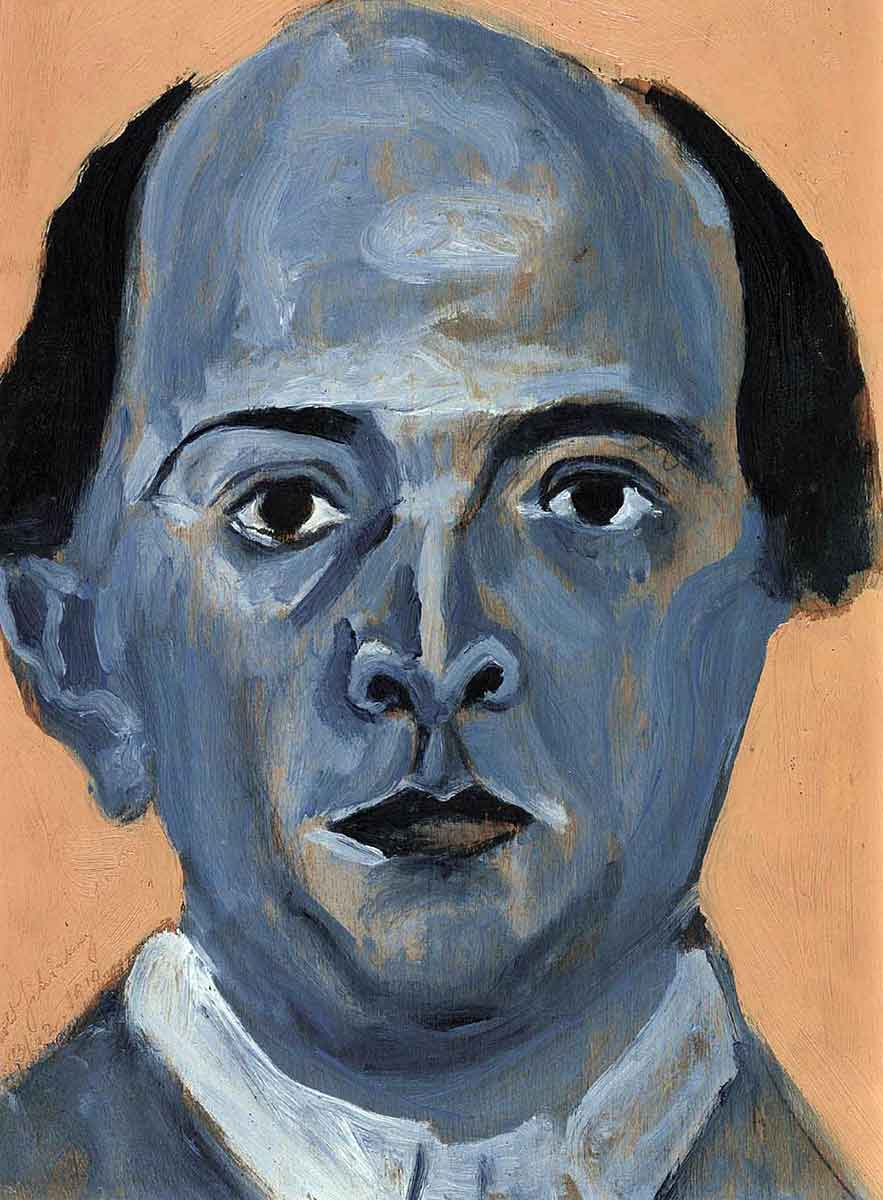
Underlying the principles of twelve-tone is a democratic perspective, which was echoed in Schoenberg’s life. His music was radically modernist, including alongside serialism a new technique called Sprechstimme or spoken singing, a delivery pitched between speech and music, on display in his song cycle Pierrot lunaire (1912).
When the Nazis came to power, they denounced the music of Schoenberg and the Second Viennese School (as well as jazz) as degenerate and banned it. Refusing to be intimidated, Schoenberg emigrated to the US, where he wrote music that attacked tyrants and expressed compassion for their victims.
4. The Dissident? Dmitri Shostakovich
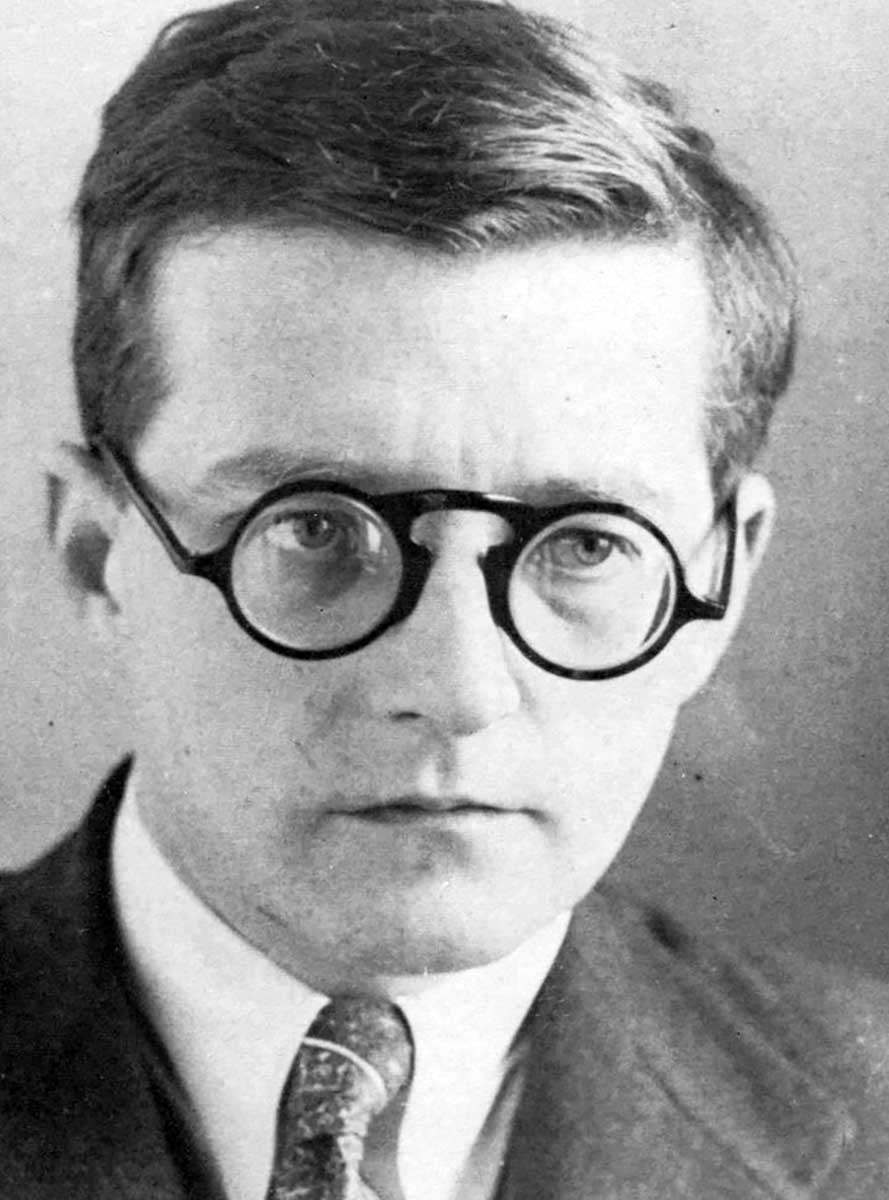
Like Schoenberg, Dmitri Shostakovich proved that music can be so powerful that dictatorships see fit to restrict it. Like many artists in the Soviet Union, Shostakovich was forced to live in fear, watching out for the changing tide.
What does it mean to follow the party line as a composer? Music does not ‘say’ or ‘show’ things in the way a novel, a painting, or a work of theater can. In the case of Shostakovich’s early opera Lady Macbeth of Mtsensk (1936), it was condemned as a “muddle instead of music” after Joseph Stalin attended a performance and left before the end, disappointed with its “coarse, primitive and vulgar” sound.
According to the Soviet regime, composers ought to use a “popular musical language accessible to all.” It was about connecting with the people, not pursuing complex, formalist, avant-garde innovation. In this sense, the Soviet regime held the same mistrust towards Schoenberg and twelve-tone (and, for some time, jazz) as did the Nazi regime. Both saw atonality, arrhythmia, and dissonance as symptoms of societal decay that would have no place in their brave new worlds.
After Lady Macbeth of Mtsensk and a close call with the law, Shostakovich composed music more calculated to appeal to Stalin and his associates, and rose through the ranks to receive the highest honors available in the Soviet Union—though he never felt truly secure in his position.
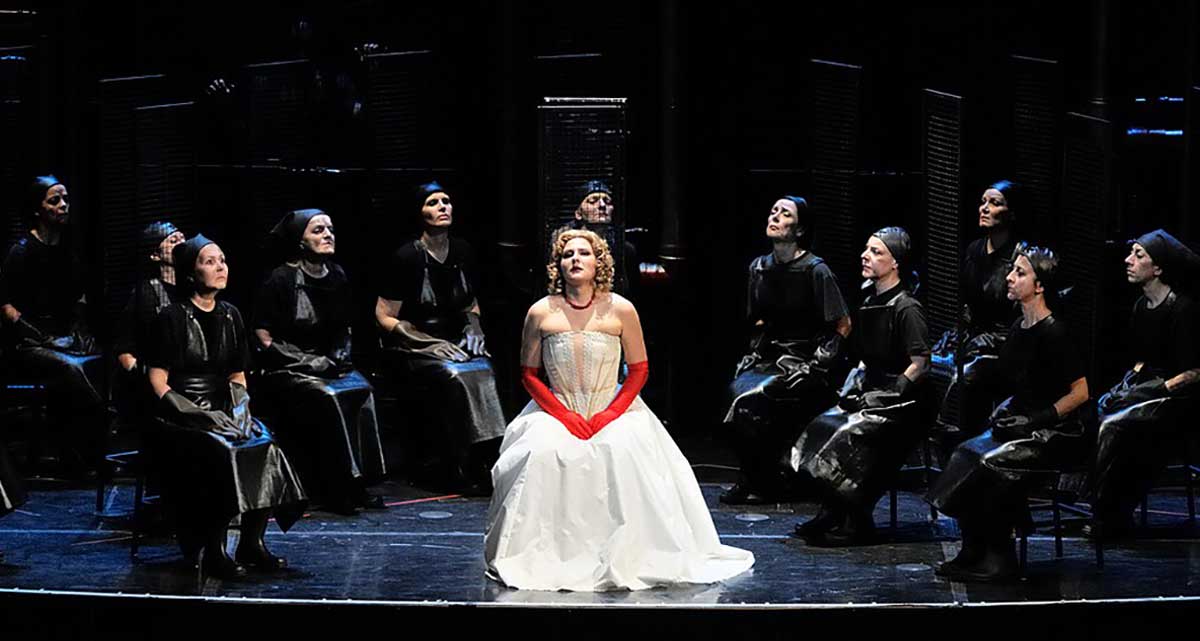
All this time, he wrote works “for the desk drawer” which were not performed until after Stalin’s death, including the satirical cantata Antiformalist Rayok. ‘Rayok’ is a Russian term for a comedic peep-show, and Shostakovich’s was a send-up of Soviet cultural dictates, even incorporating references to Stalin’s favorite Georgian folk song.
Shostakovich’s career is a testament to the perseverance and persistence of art. Had he been born in another time, another place, he might have done more, he felt. Yet he trod carefully, avoiding collusion but acting pragmatically to ensure he could continue writing (publicly and privately) the music that made him one of the best-loved composers of his generation.
5. The Genre-Hopper: George Gershwin
While regimes in Europe denounced jazz, often in explicitly racist terms by framing it as the music of a culture they deemed inferior, it had a different relationship to classical music in 20th-century America. Although by no means instantly embraced by white musicians and audiences, music historically made by African American composers and performers was more freely interpolated into and alongside classical forms and styles.
Many American composers in the early 20th century felt their work was hybrid by default. The European classical tradition was omnipresent. Many of America’s music teachers and publishers had come over from Europe, and its concert halls were modeled on European ones, its stages filled with European players. Yet American composers were conscious, in keeping with the trend for nationalist music sweeping Europe at the same time, that their music could express something distinctly American.
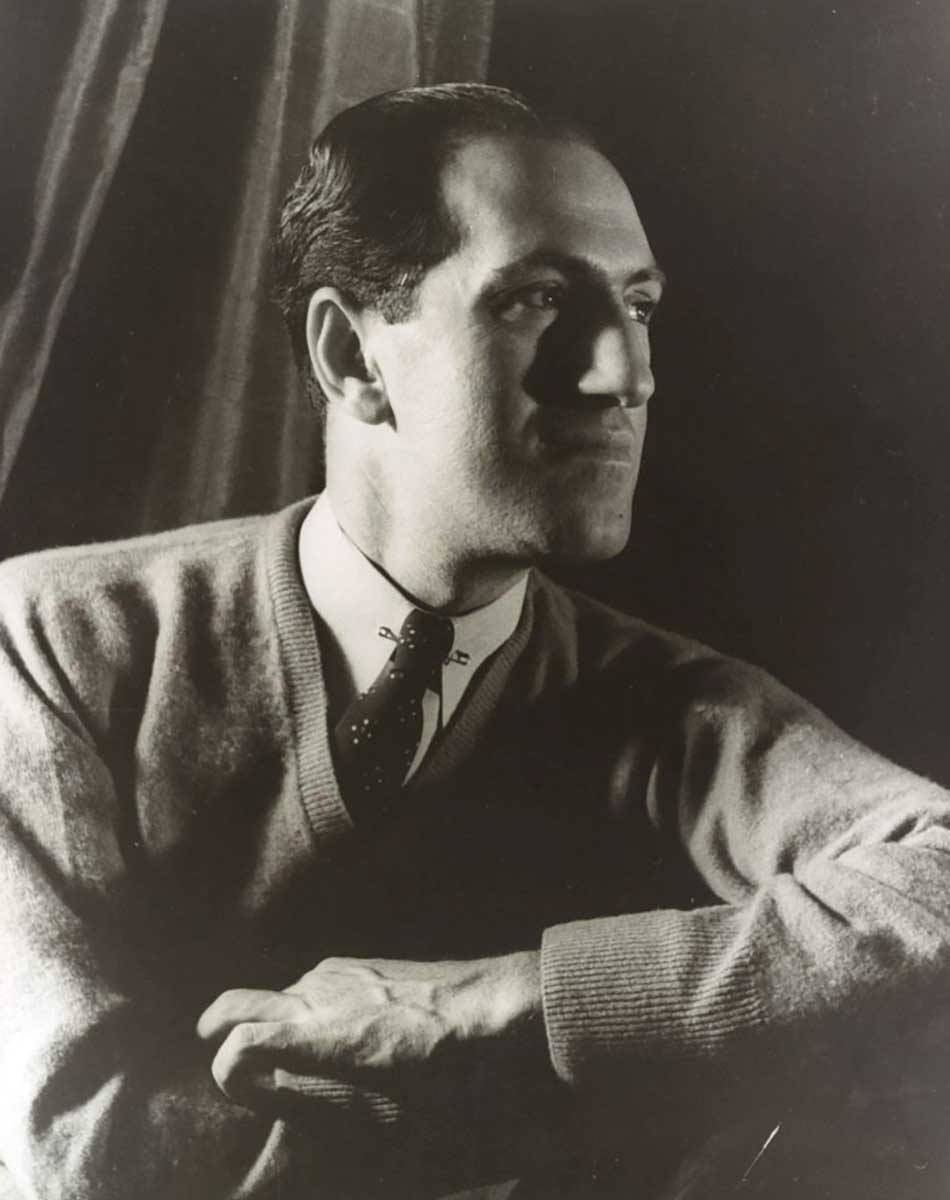
George Gershwin brought elements of jazz, ragtime, and blues into typically classical works such as concertos and operas. His sounds echo the bustling, diverse cityscape of his native New York. He was not the only composer seeking to expand the limits of classical composition in this period, but he was the most successful one.
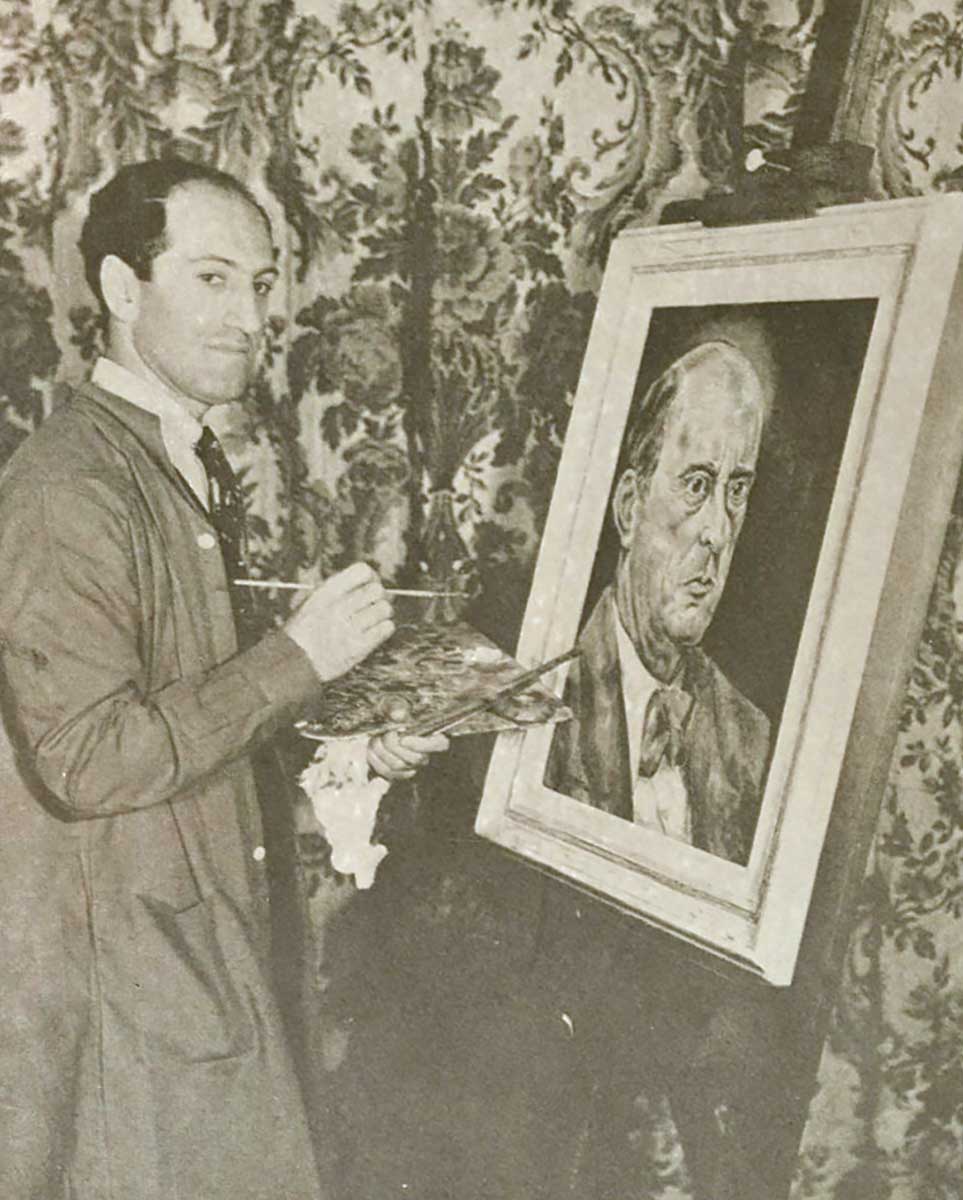
Gershwin was a far cry from the mid-19th-century popular image of the composer, profoundly influenced by perceptions of Beethoven: a Bohemian, starving in a garret somewhere, railing against government and society. Working in 1920s New York, Gershwin benefited from the explosion of a market for popular music. As well as writing large-scale symphonic works for orchestra, he composed songs for voice and piano.
His most lucrative successes were on stage and screen. The opera Porgy and Bess (1935) was staged with an African American cast—as stipulated by George and his librettist, his brother Ira—and has become a fixture in the operatic canon, with the song ‘Summertime’ in particular becoming a lasting classic.
As well as writing songs, operas, and musicals, Gershwin recorded his music for radio and film, taking full advantage of new developments in recording technology. His openness to working across musical styles and contexts made him, according to one calculation, the richest composer of all time.
But it’s not just about the money. Gershwin’s genius lay in capturing in music a specific time and place: Jazz Age New York. As he wrote: “True music must repeat the thoughts and aspirations of the people and the time. My people are American. My time is today.”
6. The Pioneer: Ethel Smyth
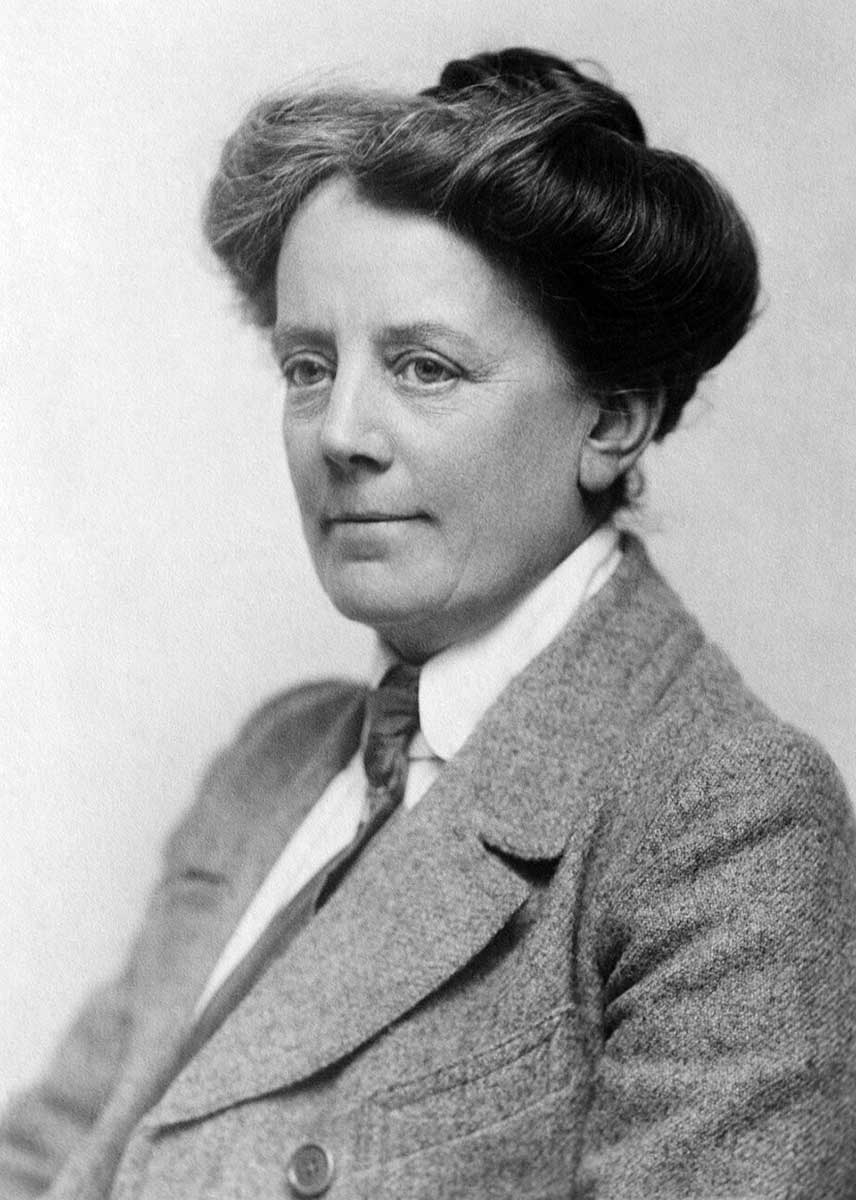
There were female composers before Ethel Smyth: Clara Schumann, for one. Back in the Middle Ages, the nun Hildegard of Bingen had written reams of sacred music. The Baroque period saw singer-composers such as Barbara Strozzi and Francesca Caccini.
Some women’s compositions were eclipsed by their reputation as performers or association with male composers, as in the case of Pauline Viardot and Fanny Mendelssohn. By the late 19th century, female composers (such as Cécile Chaminade) were studying at the Paris Conservatoire and receiving instruction from female teachers (such as Louise Farrenc).
Ethel Smyth, born in 1858, was not the first woman to compose, nor the first woman to make a living from composing. She changed the course of music history, though, by being so vocal about what it was like to be a female composer. Smyth was also, arguably, the first feminist composer.
In a history still dominated by male names, Smyth’s feminist approach to being a composer is important. When the prodigiously talented Smyth began to study at the prestigious Leipzig Conservatory (founded by Felix Mendelssohn), she knew she had to work twice as hard as her male peers to gain recognition. This was a time when most music journalism still parroted the commonplace that women were mentally unsuited for writing music. She befriended Brahms, met Edvard Grieg and Pyotr Ilyich Tchaikovsky, but still faced the judgment that her music was pretty good for a woman.
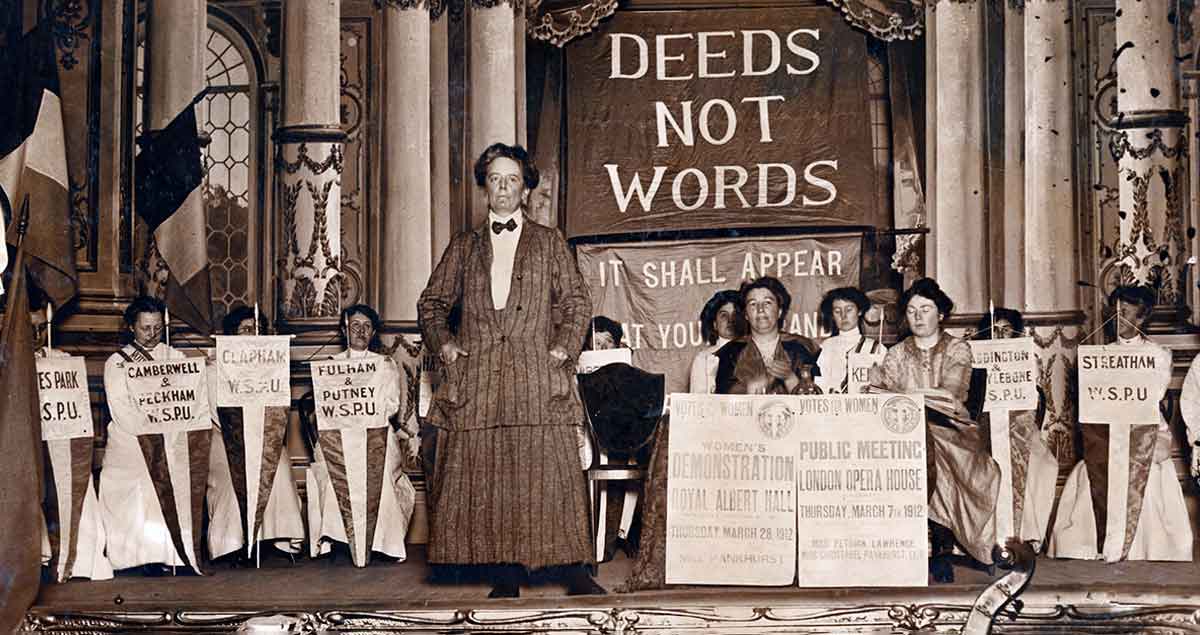
On top of this, Smyth was criticized for writing ‘masculine’ music. Many female composers before her had stuck to permissible forms such as songs and short, often instructive pieces. Smyth’s music was large-scale in every possible respect. She wrote a mass, string serenades, concertos, and operas. They were daring, powerful, stylistically continuing where Brahms had left off.
One of Smyth’s best-known works is ‘The March of the Women’ (1911), written in support of the women’s suffrage movement and adopted as an anthem by the Women’s Social and Political Union, of which Smyth was a member. She was arrested along with 100 other women for throwing stones at the house of a prominent politician. During her two-month stint at Holloway Prison, she could be found conducting her fellow inmates in a rousing chorus of ‘March of the Women,’ using her toothbrush as a baton.
Smyth was a keen writer too, and left several volumes of memoir, written continuously throughout her adult life until shortly before her death in 1944. These volumes are as important a contribution to music history as her music itself. They reveal Smyth as a fun-loving but uncompromising character. Her memoirs show Smyth’s strong will, her belief in her own musical abilities, and the need to blaze a trail for musical women after her. She left for posterity a decisive statement about being a female composer in a world which still, thanks to the powerful mythos of the classical canon, prizes music by men more highly.