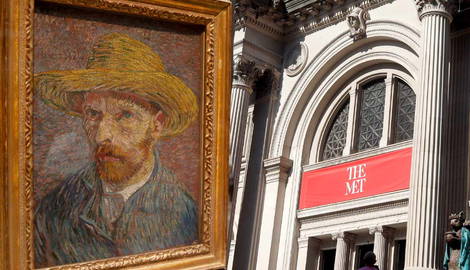
With over 300 rooms across two floors and a gallery space of 633,000 square feet, the Metropolitan Museum of Art is immense. After all, it is the largest museum in the Americas. Under normal circumstances, you need hours, if not days, to enjoy all the art and history that the museum has to offer. But if you do not have days to spend, you should focus on the highlights.
I recently visited the Met, and here are the 10 highlights that stayed with me long after I left.
1. The Temple of Dendur (Gallery 131)
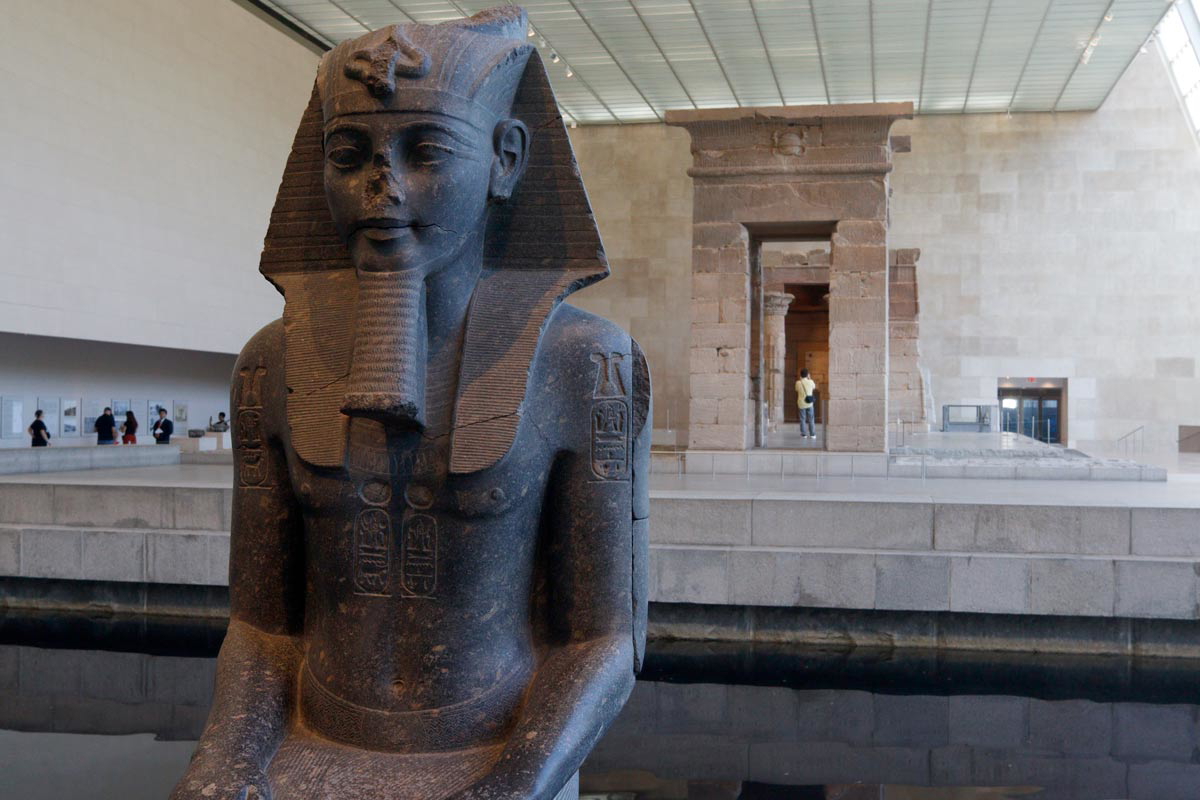
The first stop is the temple of Dendur. To get there, head right from the Great Hall (entrance). You will pass through the Egyptian galleries and get to see some mummies and sarcophagi.
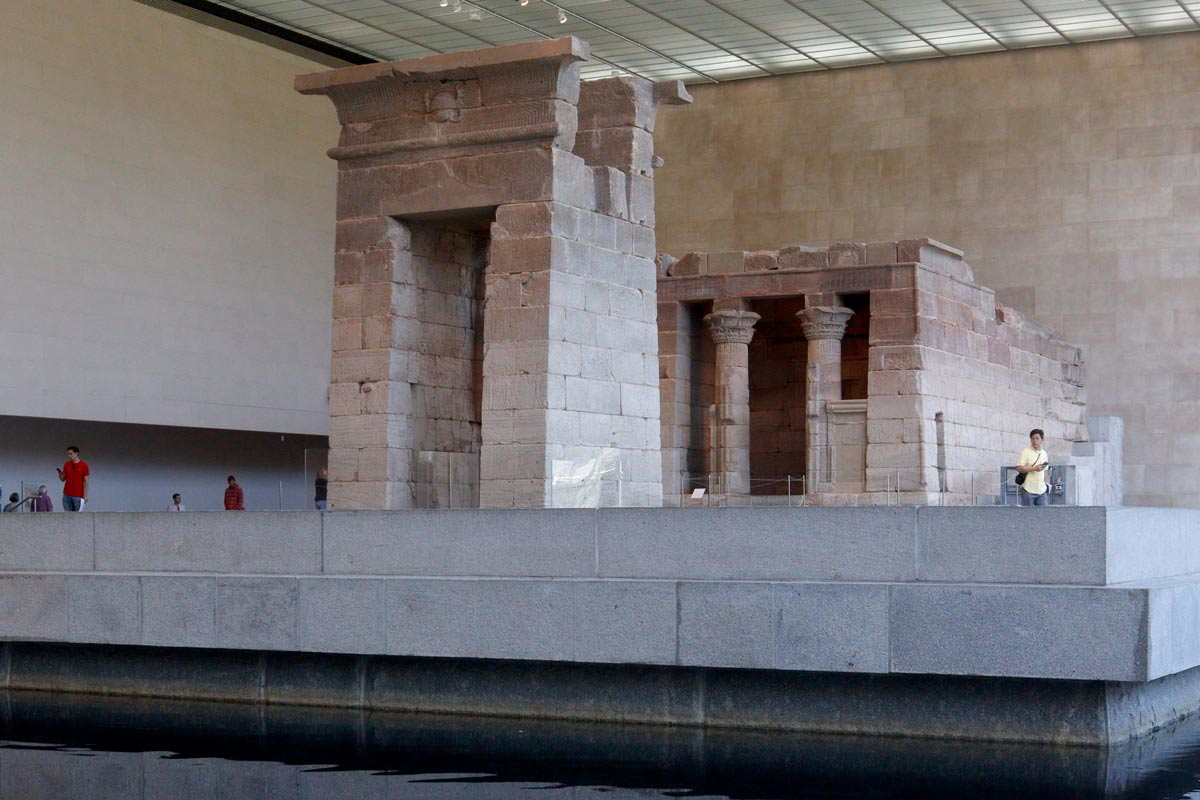
In Gallery 131, you will reach the temple of Dendur, an entire Roman-era Egyptian temple of the 1st century BC. The temple honored the goddess Isis and, beside her, Pedesi and Pihor, deified sons of a local Nubian ruler.
Egypt gifted the temple to the Met, where it has been exhibited in a massive glass-walled pavilion with views of Central Park since 1978.
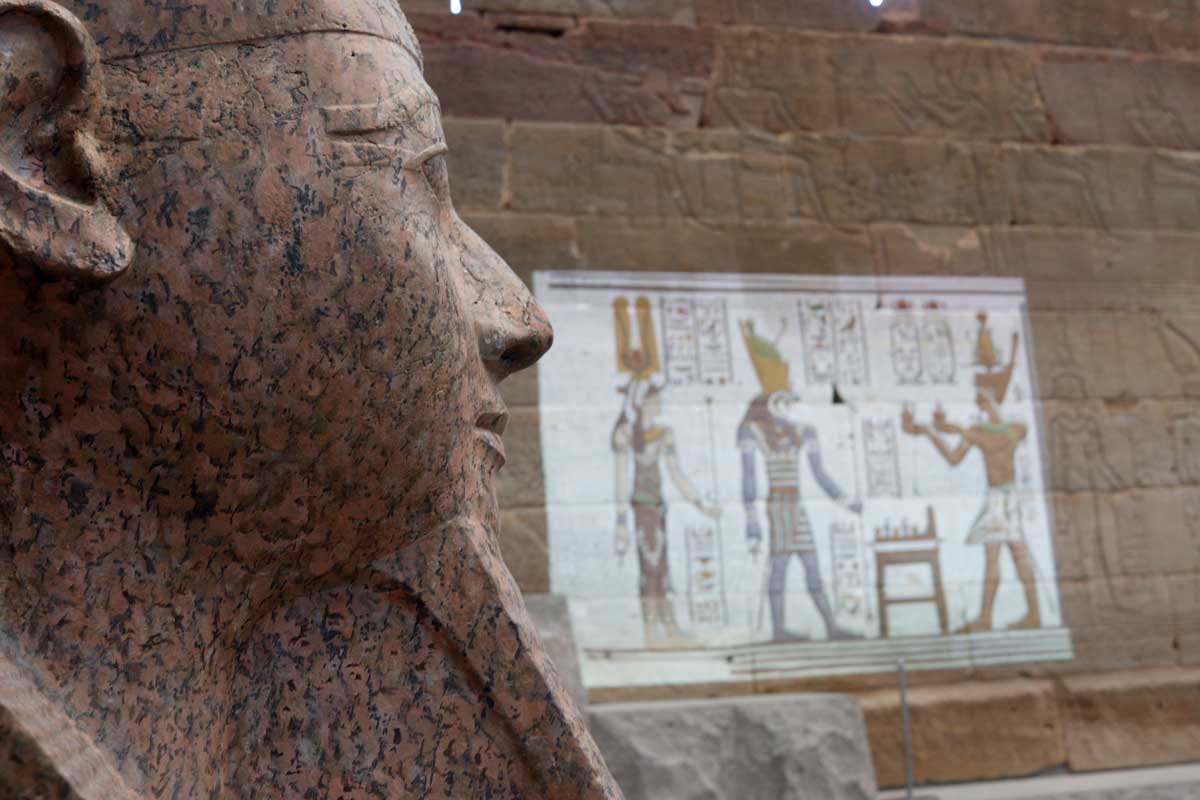
Leaving the temple of Dendur, make your way through Gallery 116, where you will find the Sphinx of Hatshepsut, Egypt’s famous female pharaoh who left a lasting legacy despite the damnatio memoriae that almost erased her name from history.
2. Perseus with the head of Medusa, Antonio Canova (Gallery 541)
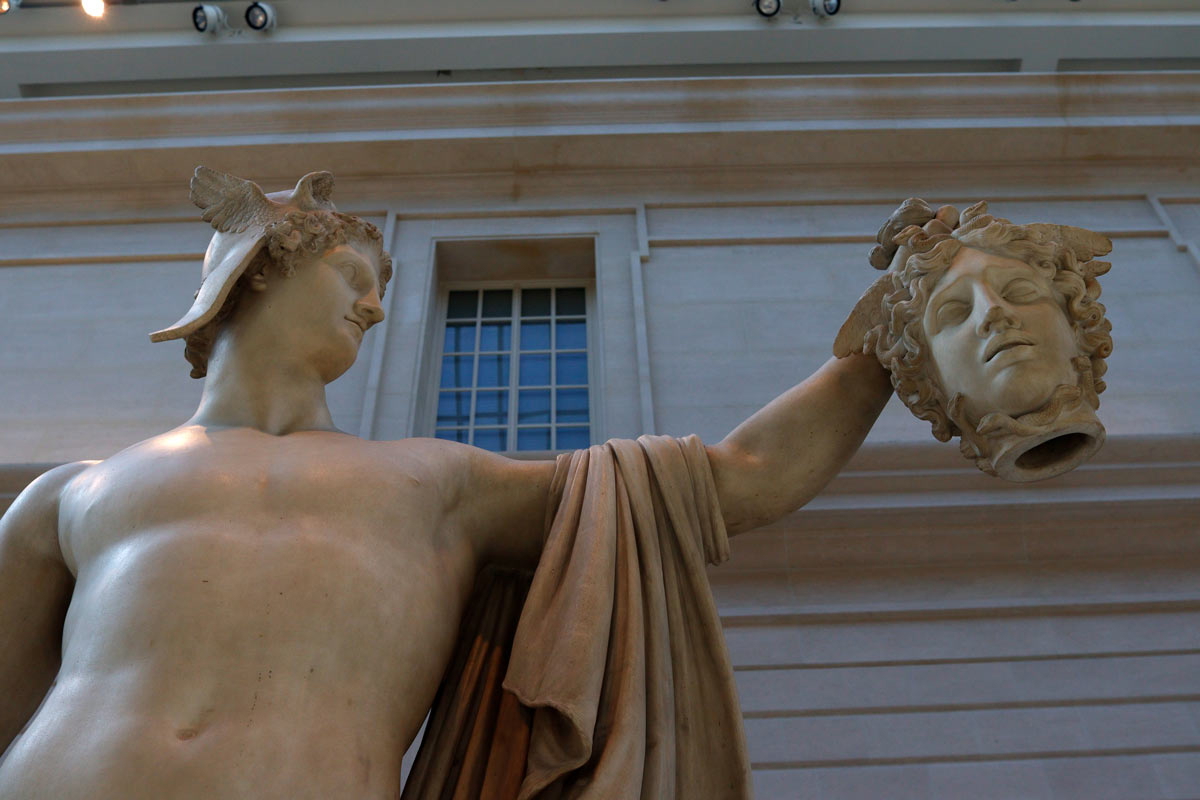
As you head for the European Sculpture and Decorative Art wing, you will encounter Antonio Canova‘s famous statue of Perseus holding the head of the infamous Medusa from Greek Mythology.
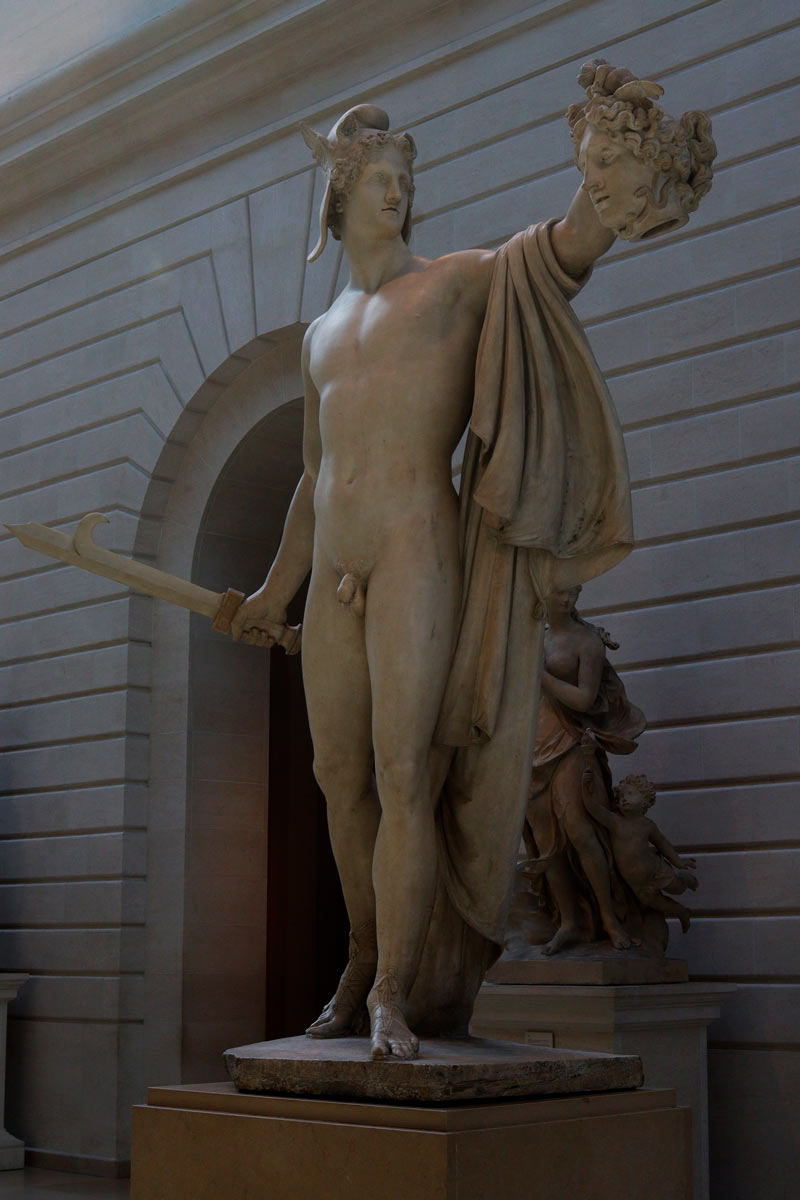
Perseus with the head of Medusa is one of the most impactful sculptures you will encounter in the museum and is representative of Neoclassical sculpture of the period.
Canova, a prominent sculptor of the Neoclassical Movement, depicts Perseus at the moment of his triumph, holding the head of his enemy. Unlike other depictions of this mythical episode, such as Caravaggio’s, Canova’s sculptural complex is strangely serene, exuding a calm beauty.
3. Diadoumenos (Gallery 153)
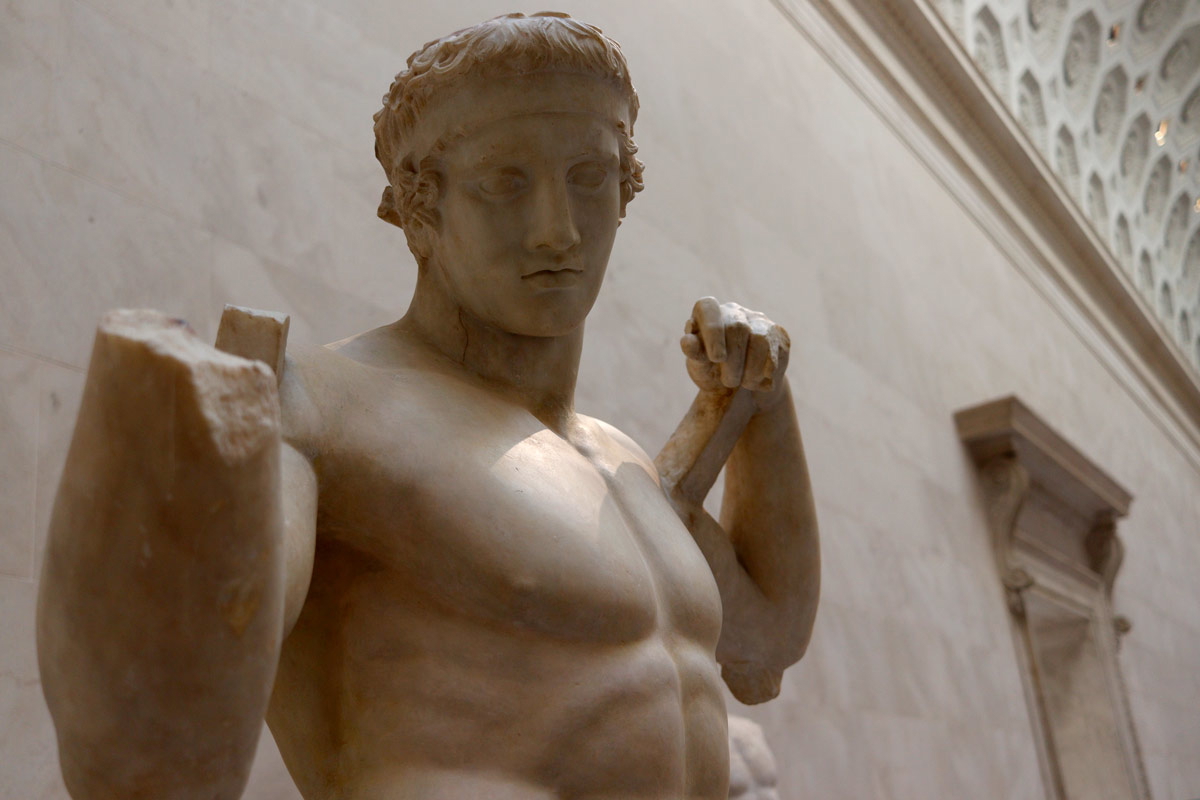
Without a doubt, there are important artifacts in the Arms and Armors section of the Museum. However, this list cannot fit everything. It can, however, fit a Roman copy of the Diadoumenos, one of Classical antiquity’s most famed sculptures.
The ancient Greek sculptor Polykleitos created a statue that may have looked more or less like this one in the fifth century BC. Polykleitos depicts a young man adorning his head with a band after having won an athletic contest.
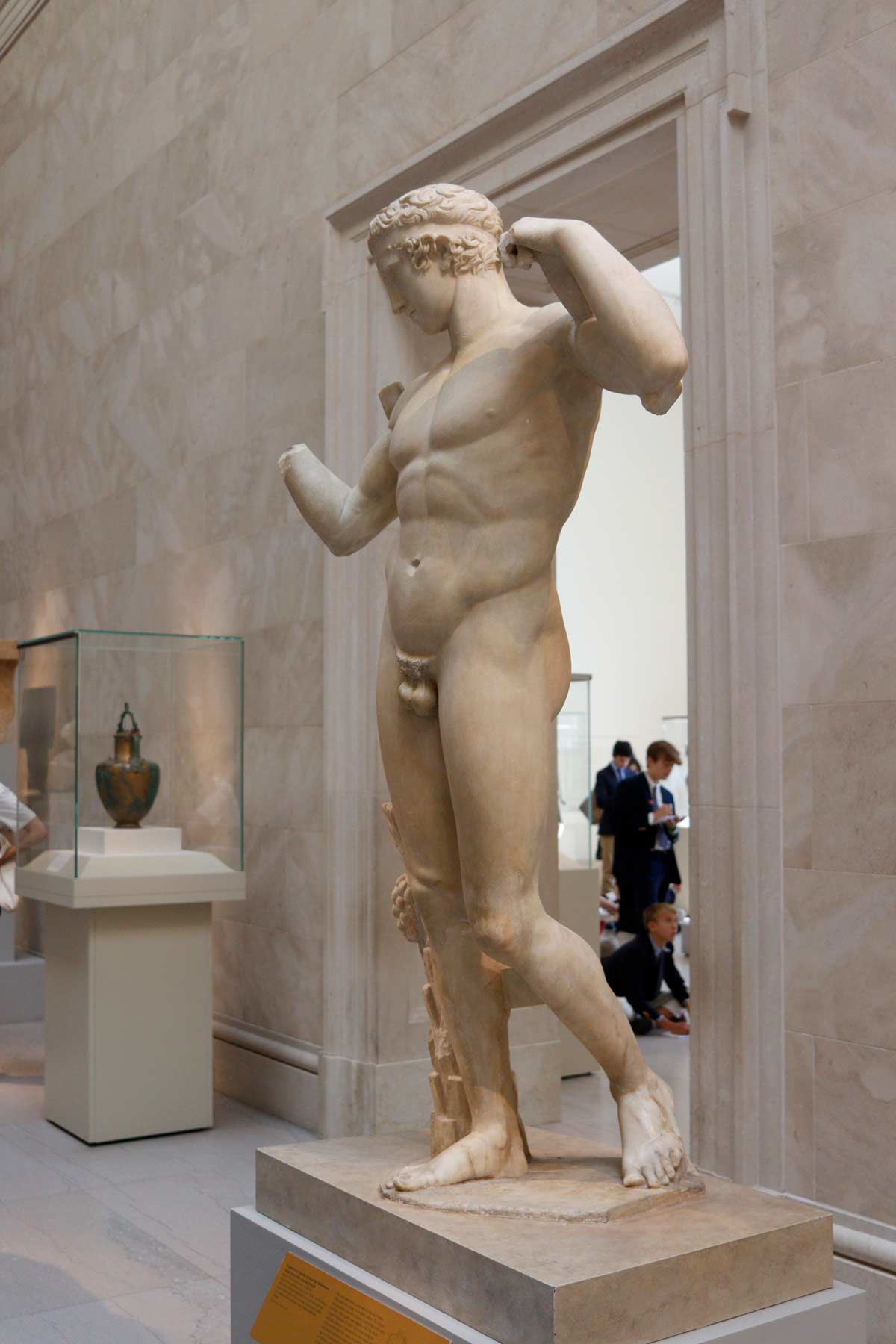
The calm pose of the man, who stands in contrapposto, creates a tension that makes him look as if he is about to move, which is one of the reasons that made Polykleitos one of antiquity’s most famed sculptors.
The Met’s is not the only copy of a Polykleitean Diadoumenos, and this is what makes this sculpture special. It was so famous that many copies were made; the ancient world couldn’t get enough of it.
4. Marble column from the temple of Artemis at Sardis (Gallery 160)
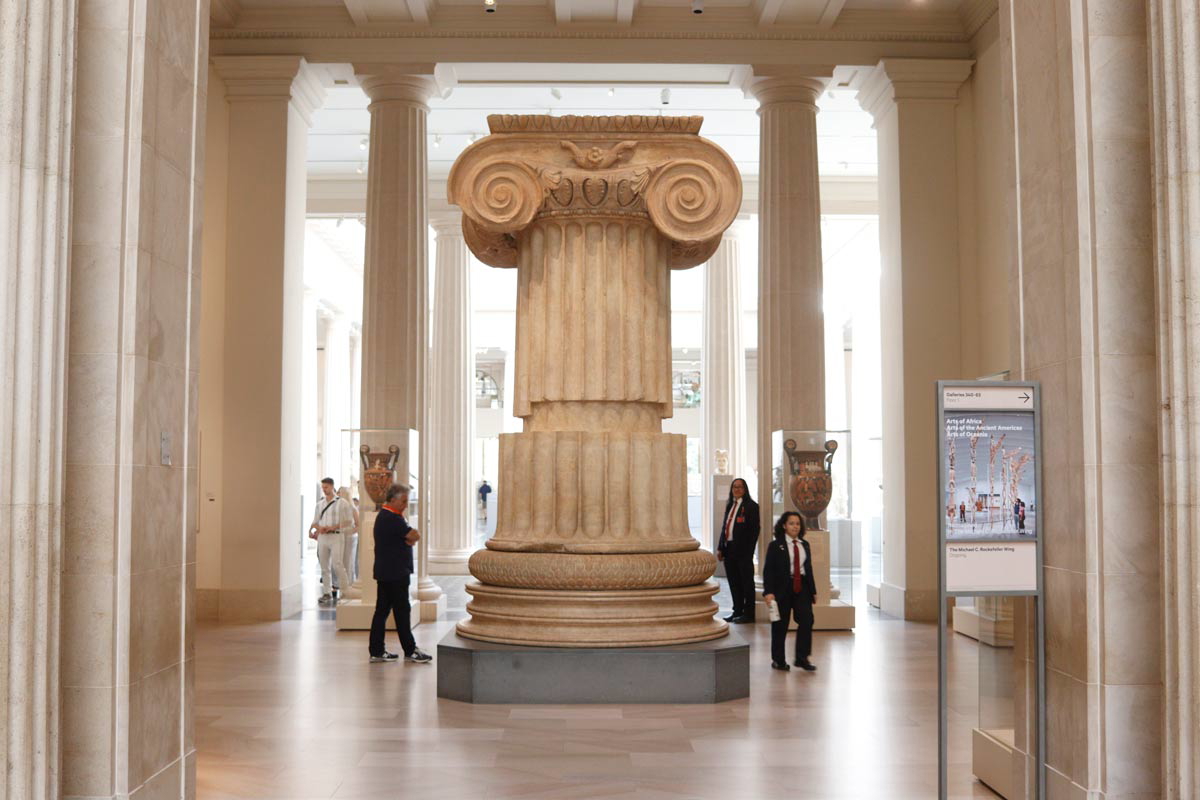
As you pass through the spacious Leon Levy and Shelby White Court, designed to feel like a Roman villa filled with Greek and Roman art, you will encounter a giant marble column from the Temple of Artemis at Sardis (ca. 300 BC).
The reason this highlight was selected is due to its impact, which allows the viewer to catch a glimpse of the grandeur of the full ancient Greek temple, which once stood fifty-eight feet high. However, there are many other notable artworks in the Met’s Greek and Roman collections if you are interested in these ancient civilizations.
5. Buddha of Medicine Bhaishajyaguru (Yaoshi fo) (Gallery 206)
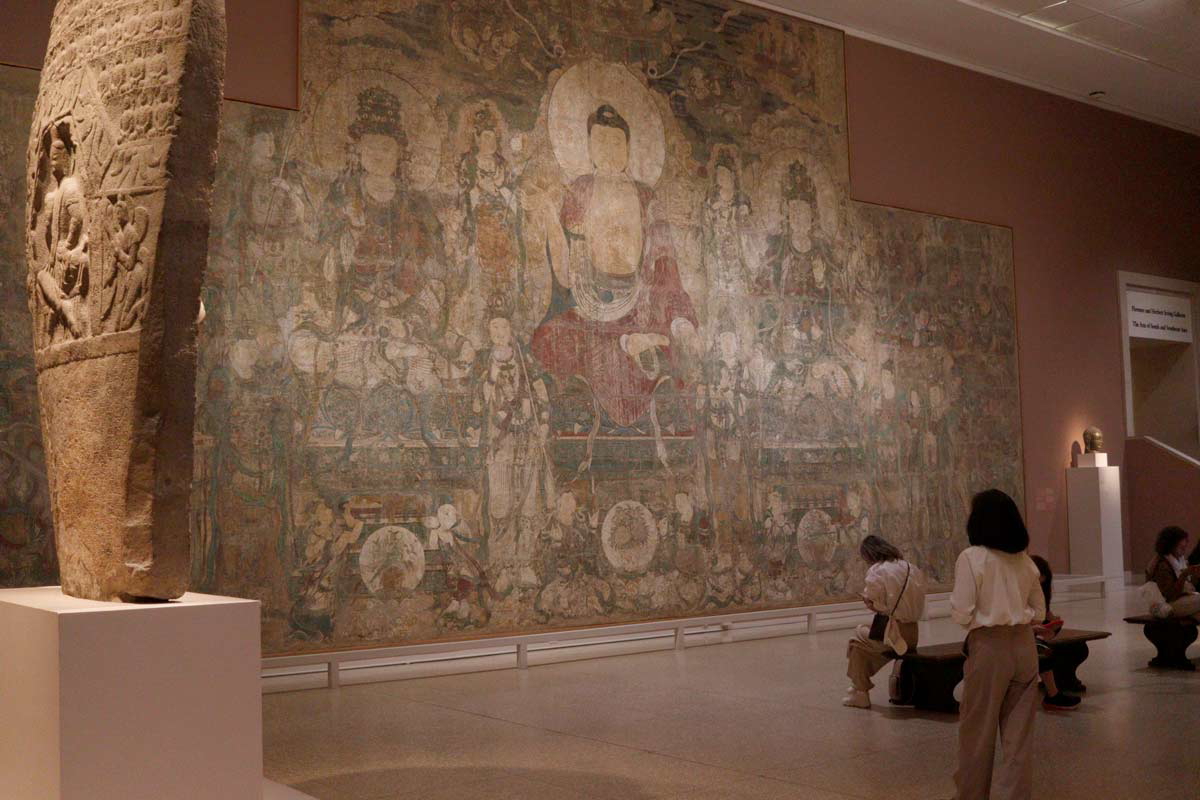
As you climb to the second floor, turn to your right and enter the Asian art area. You will easily locate the Buddha of Medicine Bhaishajyaguru sitting on a lotus throne encircled by deities at gallery 206. This grandiose painting dates to 1319 and once adorned the Lower Guangsheng (“Vast Triumph”) Temple, in the northern Chinese province of Shanxi.
A break here is well-deserved and much-needed, as time is necessary if you want to properly investigate the rich detail, elegant symbolism, and unique history of this work.
6. Washington Crossing the Delaware, Emanuel Leutze (Gallery 760)

The massive, heroic depiction of the pivotal Revolutionary War moment of Washington crossing the Delaware River is a must-see for everyone interested in American art and history.
Washington Crossing the Delaware (1861) was painted by the German Emanuel Leutze and became popular in his native Germany and, of course, in the United States.
7. Marie Joséphine Charlotte du Val d’Ognes, Marie Denise Villers (Gallery 634)
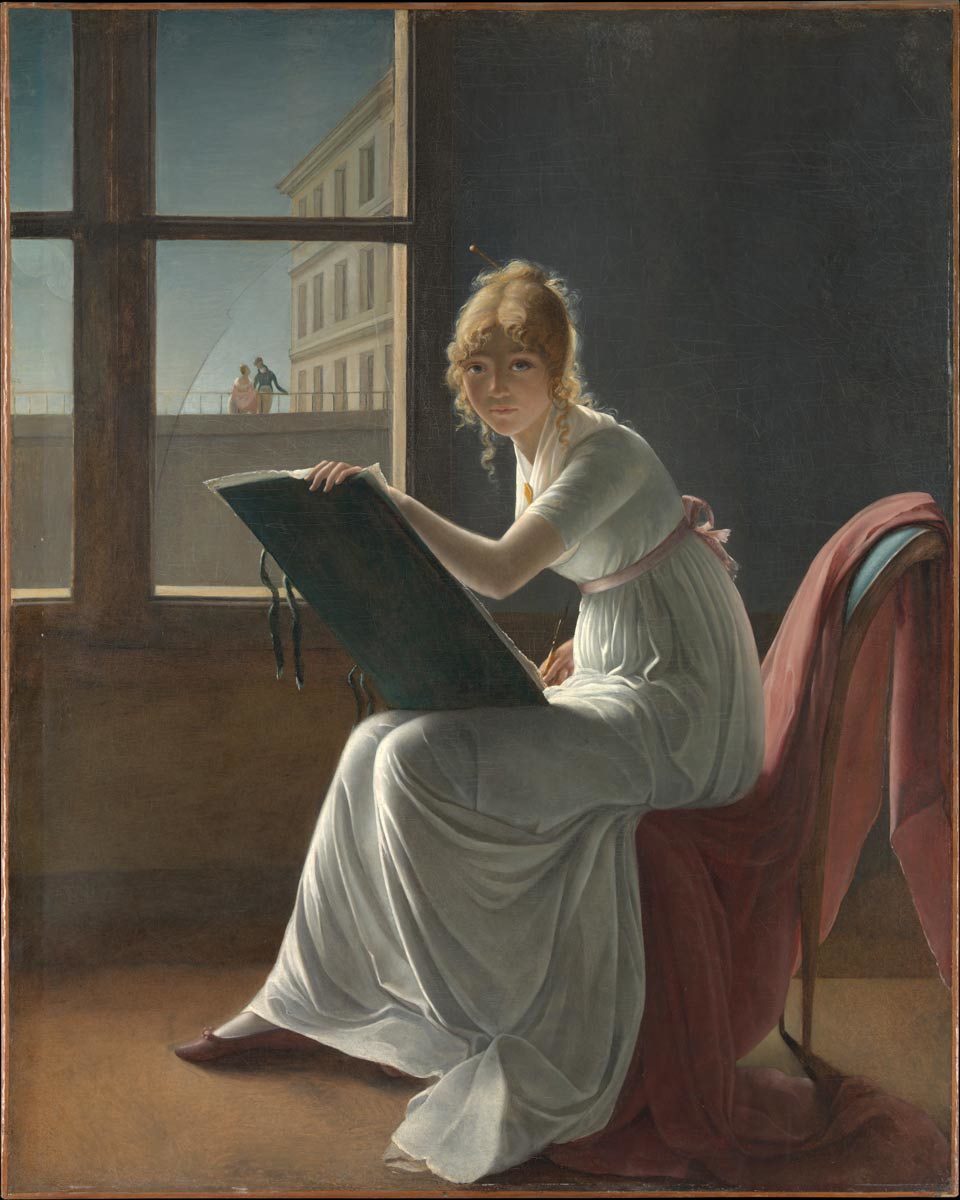
Although the Met is known for its rare collection of Vermeers (Gallery 614) and for Rembrandt’s Aristotle holding a bust of Homer (Gallery 616), I particularly enjoyed Marie Joséphine Charlotte du Val d’Ognes by Marie Denise Villers, and, after learning about the painting’s story, I genuinely believe that it deserves a place in your must-see list.
I spent quite some time looking at the painting, which has its unique way of drawing you in. The woman’s gaze, staring directly at the viewer, first captures your attention. The woman appears to be drawing. The light is coming from a window that appears to be broken. Outside, a couple is chatting.
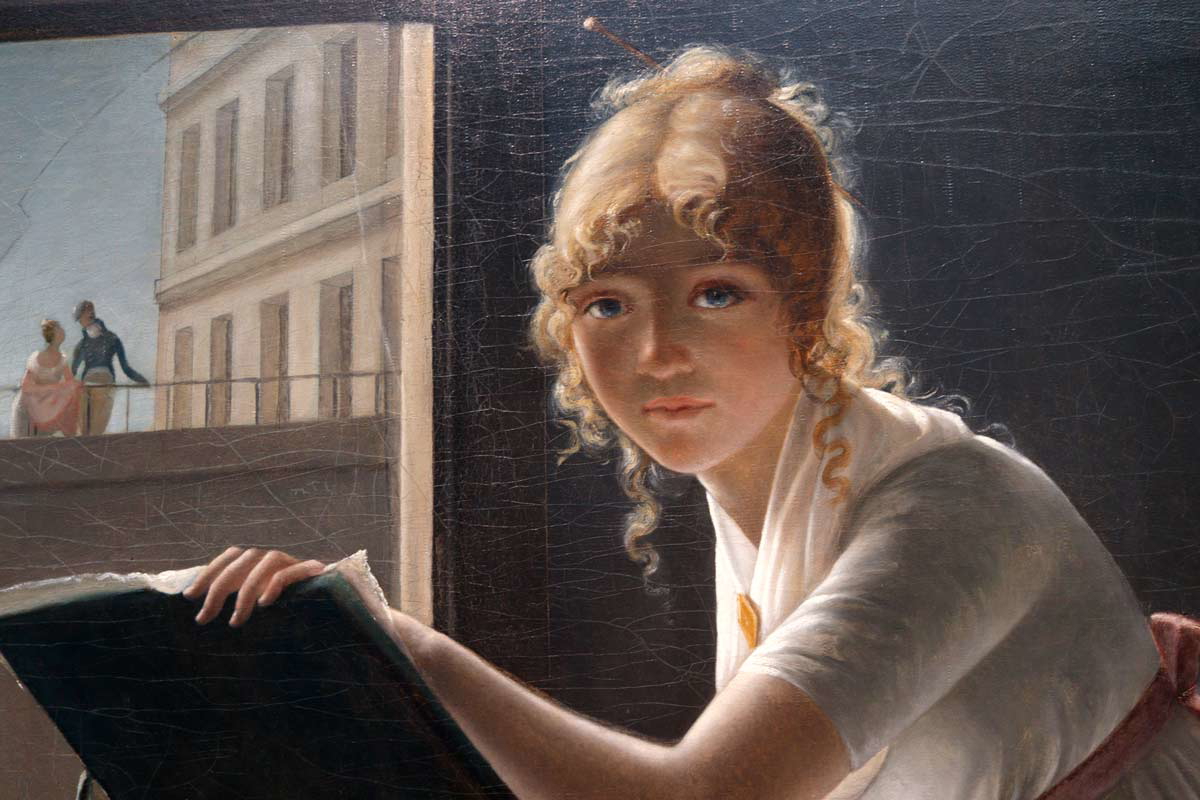
The painting’s special history is related to the representation of women in art. The woman with the mesmerizing gaze is Marie Joséphine Charlotte du Val d’Ognes (1786-1868), a skilled painter who wanted to become a professional artist but gave up art when she got married, which helps explain why the couple stands behind the broken window of the woman staring at us from this painting.
8. Ballet Class, Edgar Degas (Gallery 815)
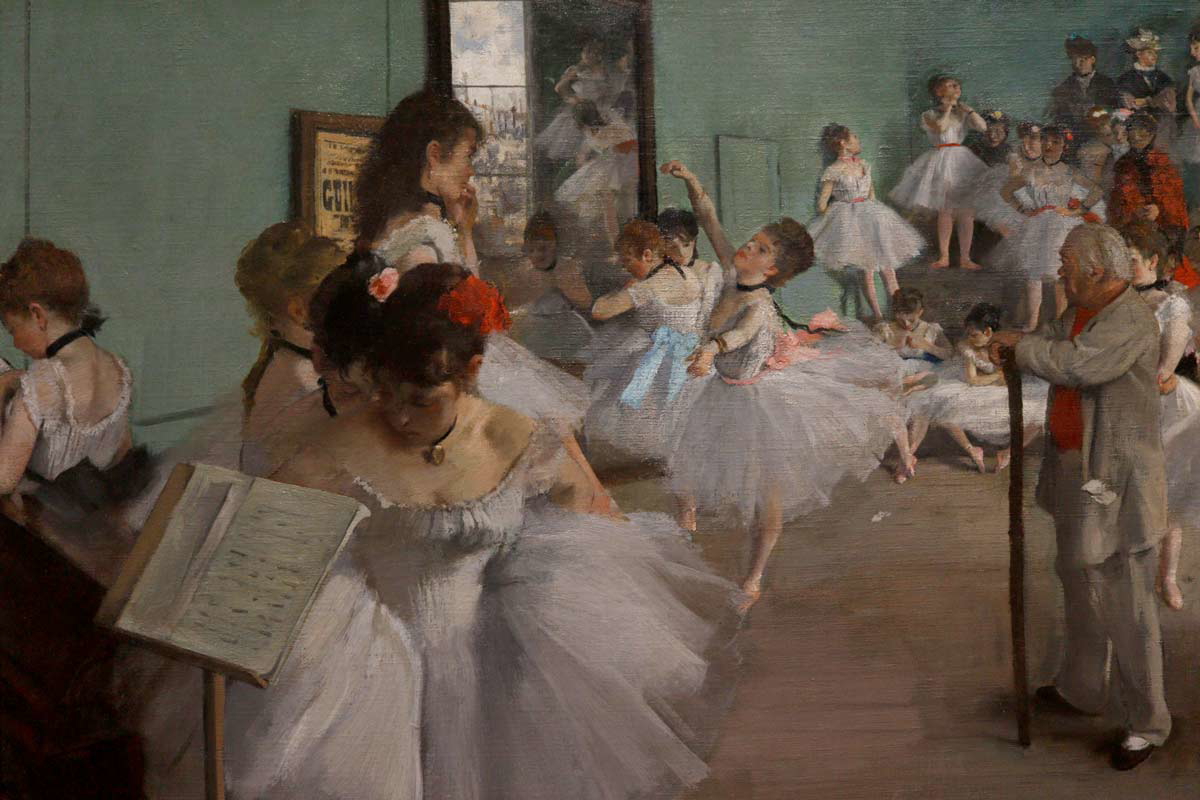
If you ever took an Art History class, you probably know that when ballet dancers are involved in a painting, it’s probably a Degas. The Dance Class is probably the French painter’s most famous work, and one of his most crowded.
Twenty-four women, ballerinas and their mothers, attend a class conducted by Jules Perrot, a famous ballet master.
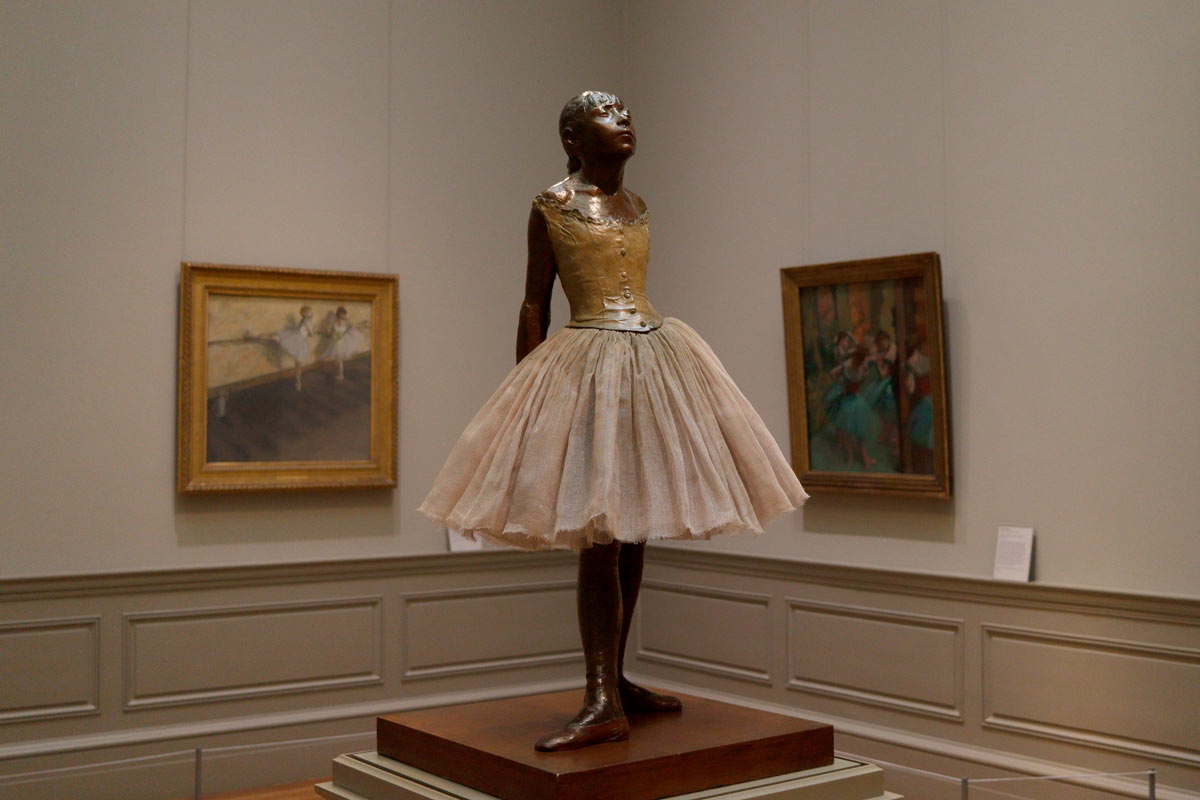
In the same gallery, you will also find Degas’s Little Fourteen-Year-Old Dancer, proudly posing surrounded by other ballerinas, also painted by Degas.
9. Self-Portrait with a Straw Hat, Vincent Van Gogh (Gallery 822)
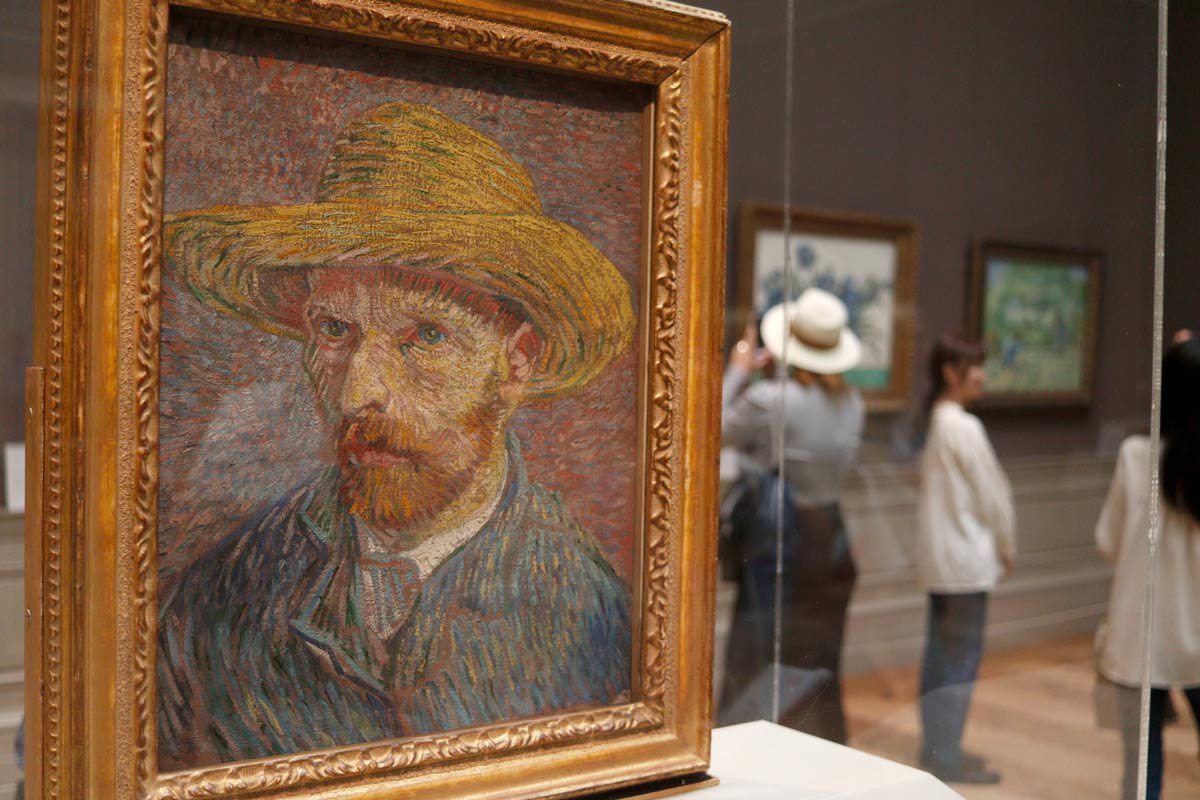
Van Gogh‘s fame and popularity have turned the artist into a contemporary myth. Van Gogh painted this self-portrait in 1887. In total, he would paint 20 self-portraits throughout his turbulent life.
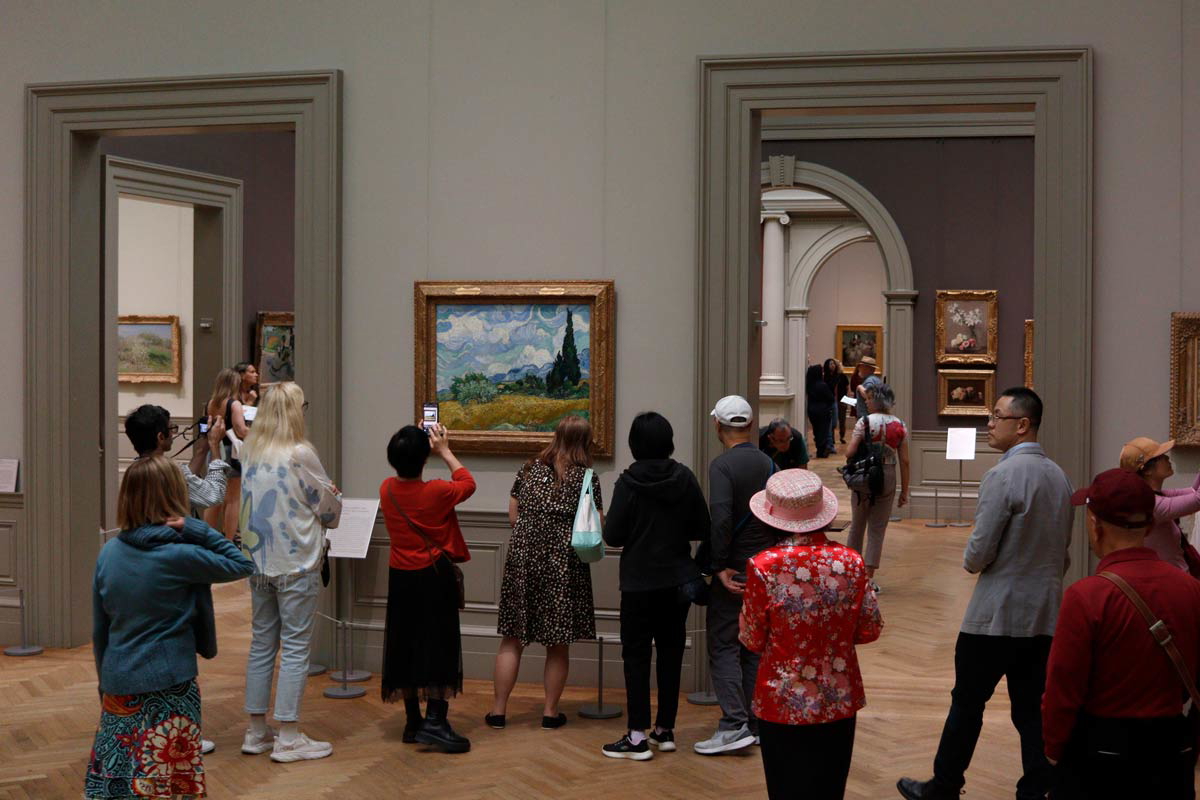
In the surrounding rooms, you will find other famous paintings by Van Gogh, such as the Wheat Field with Cypresses (1889), other artists such as Seurat, Renoir, Gauguin, and more. This section is a maze, but it’s ok to get a bit lost here.
10. Self-Portrait, Leonora Carrington (Gallery 901)
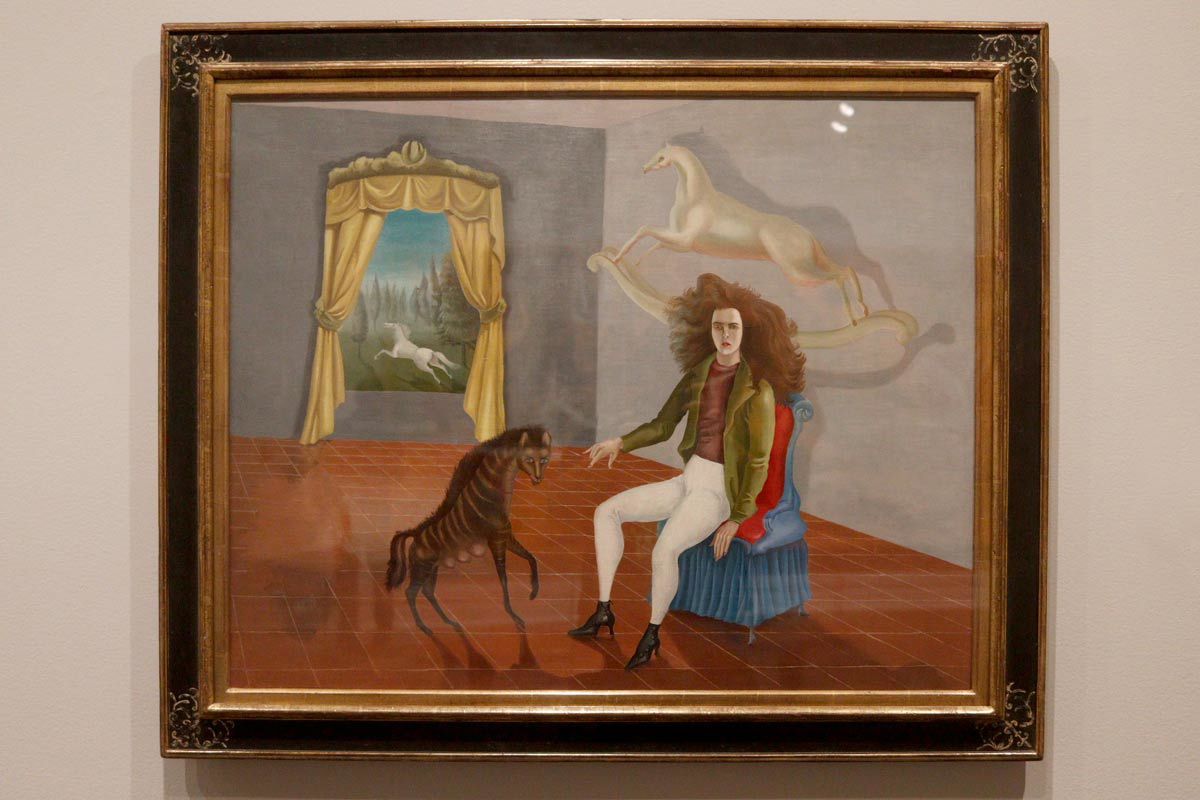
Carrington’s Self-Portrait is truly impossible to ignore. The more you look at the image, the more you feel drawn to it, and the more you discover.
Leonora Carrington depicted herself seated next to a lactating hyena while a rocking horse is levitating behind her, and another (this time real) galloping horse can be observed outside of the room’s door.

The painter is depicting herself with wild hair, just like the horse’s mane, while her green jacket matches the forest outside.
Tips for Your Visit
1. Book Your Ticket & Plan Ahead
Although in my case, I did not encounter a problem, if you only have three hours, then you do not want to spend a single minute stuck in a queue. Buy your ticket ahead of time and skip the line. You can buy your ticket on the museum’s website.
2. The Map!
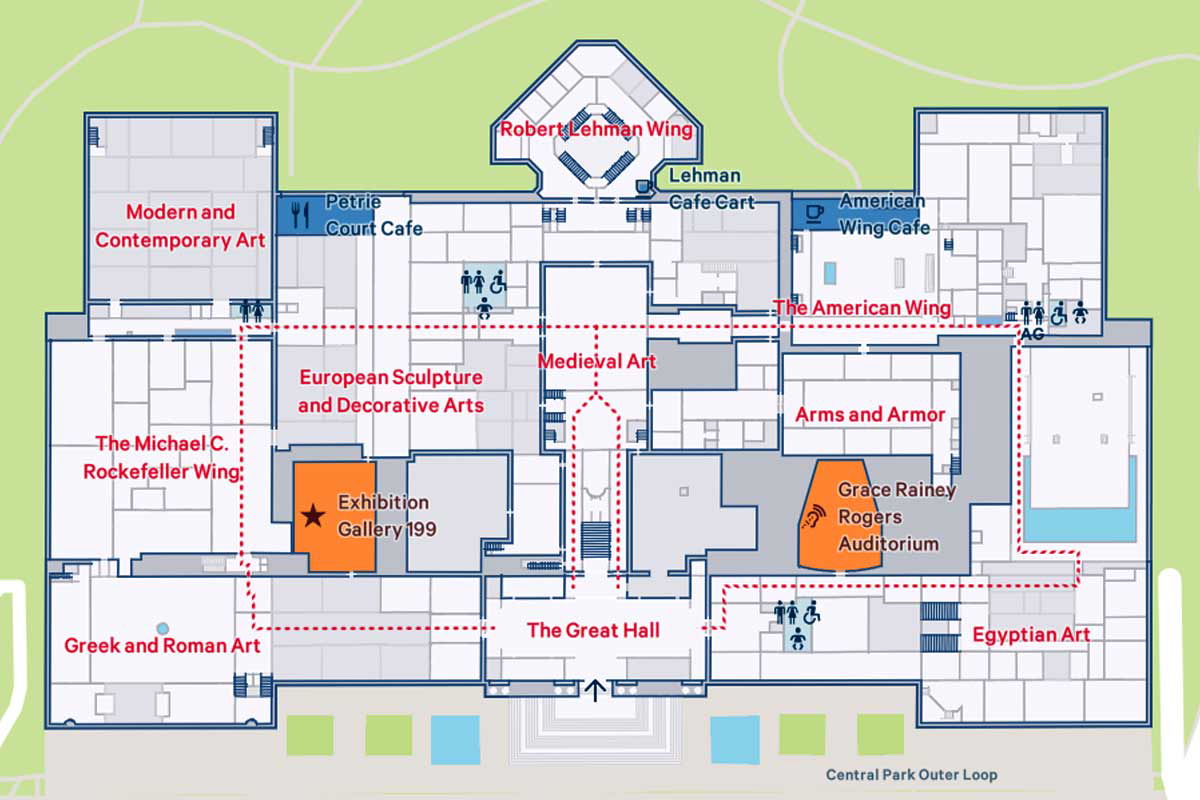
The museum’s map is your best companion. Follow the red path; it will take you to the highlights. Since time is of the essence, you don’t want to get lost. You can also find the map at the Met’s website.
3. Pace Yourself
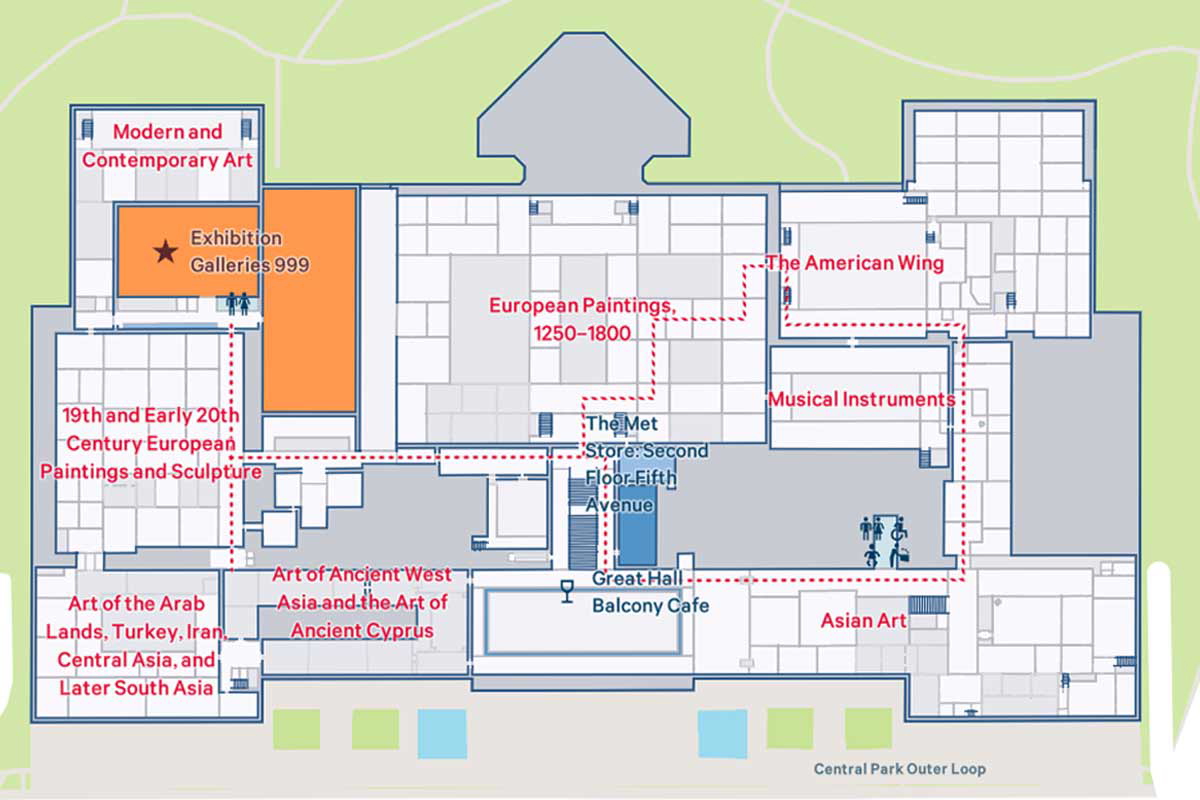
With over 300 rooms across two floors and a gallery space of 633,000 square feet, you need to find a pace that will keep you going. Going too slow will tire you out fast. Going too fast will prevent you from processing the information in each room. Find a pace that works for you and keep it going.
Keep in mind that you cannot see everything. You do not need to read every single label. You do not need to look at every single artifact. You have enough time to see the highlights only.
If you have time to spare, then you should probably plan a few consecutive visits to the museum. There is so much to see and learn at the Met, that your time there is never enough.