
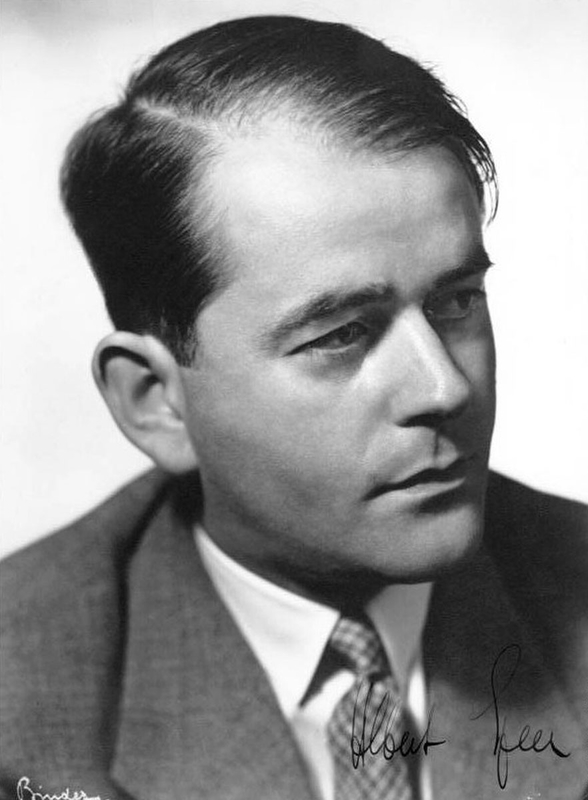
Born in 1905 to a middle-class family, Speer followed in the family’s footsteps as an architect, graduating in 1927. In 1931, he joined the Nazi Party, seeing it as Germany’s future. Introduced to Goebbels, he completed work for the Propaganda Minister. This got him a meeting with Hitler, who liked his work. Speer soon received his first government post as an architect.
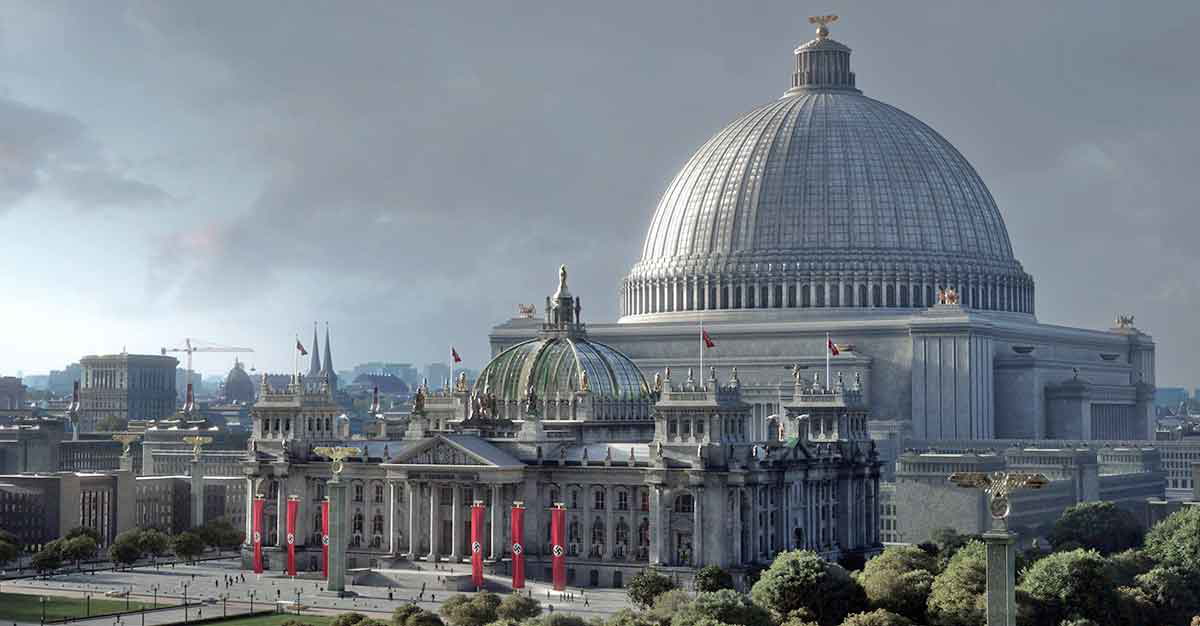
He met with Hitler almost daily, becoming part of Hitler’s circle. Speer’s architectural credits before 1937 included the Munich rallying grounds and the Zeppelin Hall. In 1937, Hitler appointed him General Inspector for Berlin, which further heightened his stature. As Inspector General, Speer got carte blanche to build in the city per Hitler’s orders.
Taking Over Organisation Todt and Nazi Underground Factories
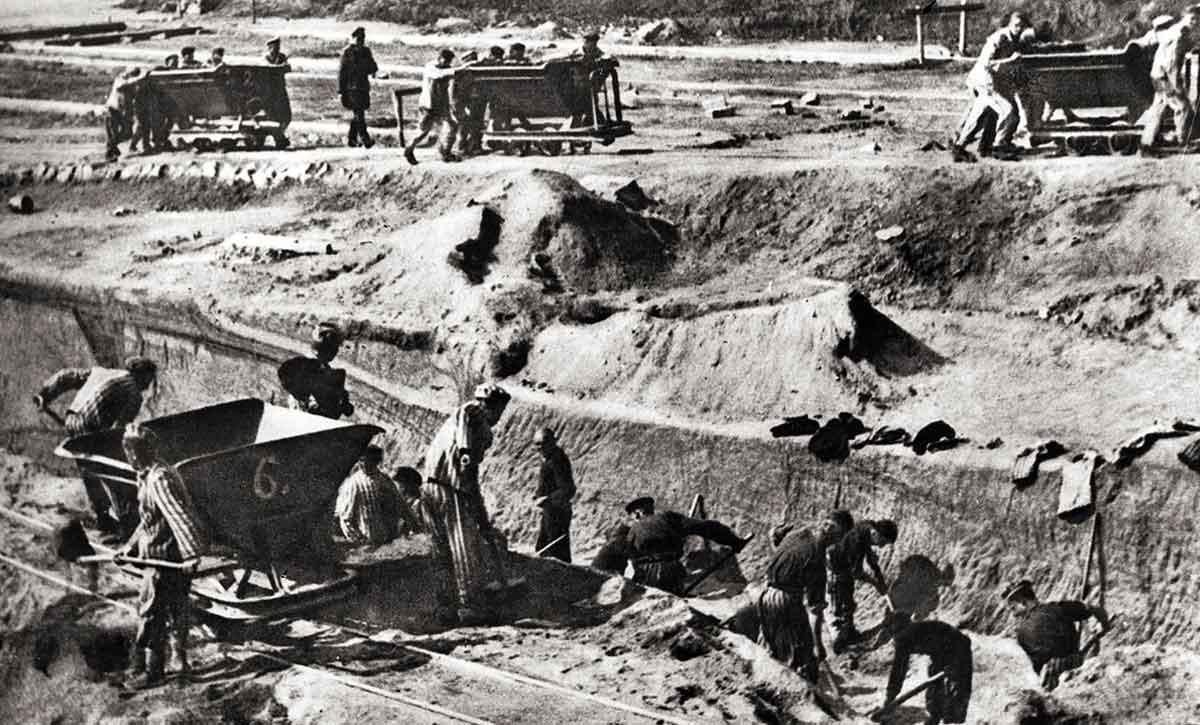
In February 1942, Speer inherited this organization as its namesake leader, Todt, perished in a plane crash. He was now responsible for all engineering projects in Germany and occupied territories. Nearly all the projects done by Organisation Todt used slaves, forced laborers, and prisoners of war by the millions to build anything required by the German military.
One such massive development, Mittelwerk, resulted from the incessant Allied bombing. This underground factory built V1 and V2 rockets using concentration camp labor – thousands died. Its construction and management fell under Organisation Todt’s purview; thus, Speer.
Expanding Control Over the Reich’s War Economy
First named Armaments Minister in early 1943, Speer persuaded Hitler to appoint him as Reich Minister of Armaments and War Production, which controlled all military production. Speer soon realized German factories faced a worker shortage due to the military needs. He mobilized his different resources to obtain all kinds of workers – typically from the concentration camps. Millions of others were imported from their home countries, usually Eastern Europe. Western Europe, especially France and Italy, had thousands exiled to the Reich’s factories.
Driving German Armaments Production to Its 1944 Peak
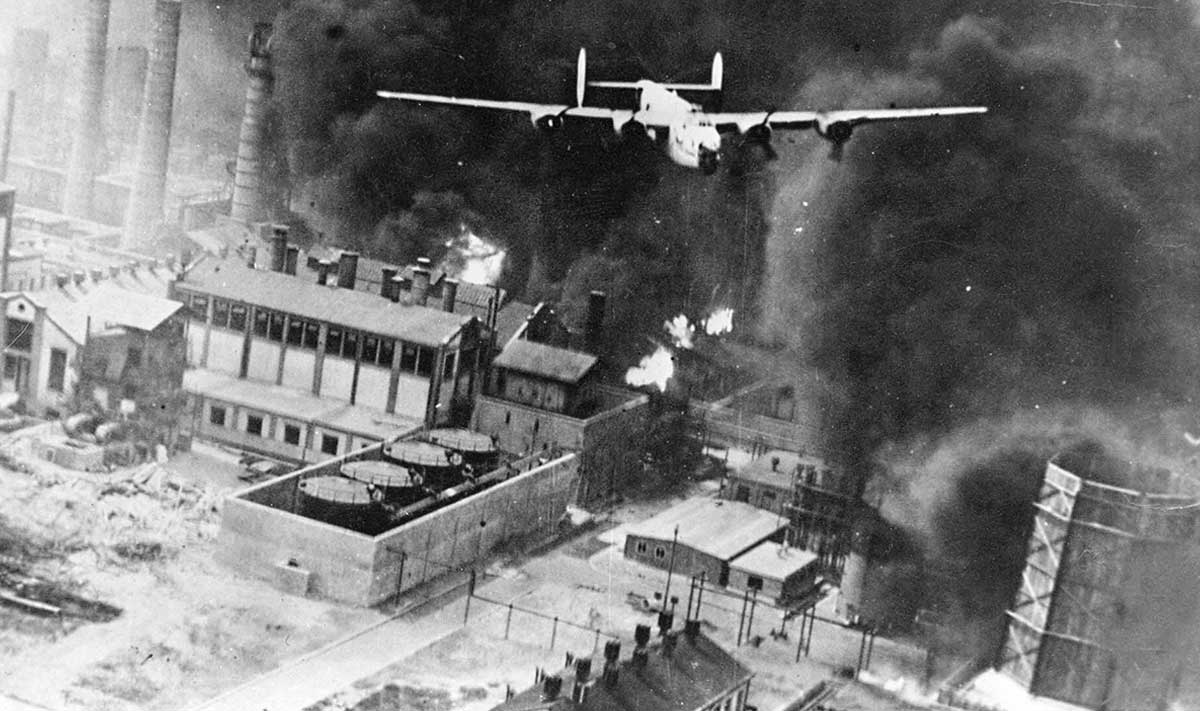
Germany’s industrial output by late 1943 began to falter. Ceaseless Allied bombing and various groups vying for finite resources were the main reasons. With all production now under Speer’s control, he put the German economy on a war footing. He halted all consumer goods production and consolidated arms production under his department, which enabled better resource coordination, and again he used increased forced labor.
The numbers produced in 1944 show the turnaround. In 1941, Germany produced 4,900 tanks versus 17,300 in 1944. 8,400 planes rolled off the assembly lines in 1941, and by 1944, over 34,000. On Speer’s orders, vital factories went underground, which helped quantity, but quality decreased. The only industry that couldn’t be helped despite the Reich Minister’s efforts was oil, the Nazi’s Achilles’ heel.
Defying Hitler’s Destruction Orders and Facing the Nuremberg Trials
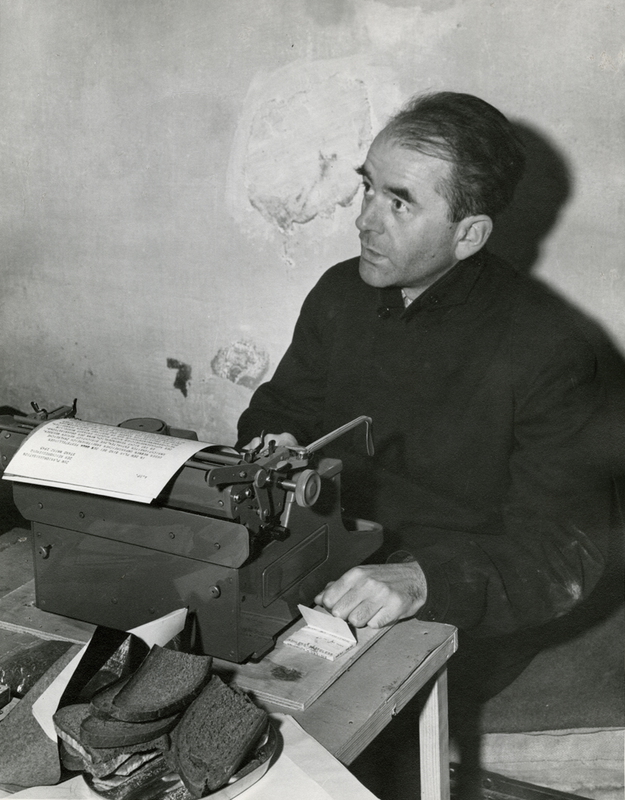
By March 1945, Speer knew the war was lost. Despite this, he asked for more concentration camp laborers for projects. Yet, simultaneously, he helped foil Hitler’s scorched-earth orders to destroy all infrastructure, leaving the Allies nothing from the “failed” German race. This interference would factor importantly postwar.
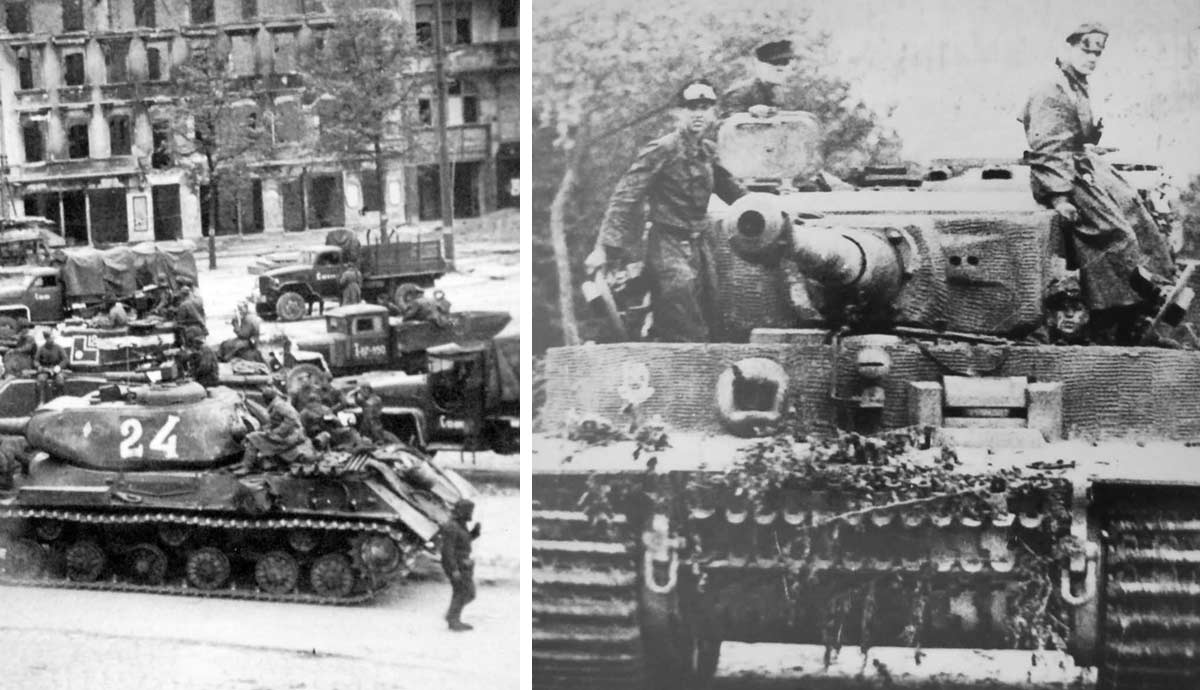
Germany surrendered on May 7, 1945, as Speer fled to Flensburg, Germany, joining the rump government under Hitler’s successor, Admiral Doenitz. American troops, seeking Hitler’s inner circle, arrested the ex-Reich Minister on May 23, 1945. As with other senior Nazis, Speer faced the Nuremberg Trials. All but Speer proclaimed their innocence, stating they only followed orders or were ignorant despite witnesses and other evidence.
Speer, in a mix of lies and real regret, took accountability for his actions but denied knowledge of the Holocaust. On October 1, 1946, the Nuremberg judges found him guilty of war crimes and crimes against humanity.
Both counts involved using slave labor. Evidence used against Speer included his responsibilities as Reich Minister, the increasing use of millions of slave laborers, his own testimony, and witnesses. Speer’s visits or inspections placed him at locations like Mittelwerk, the giant underground missile factory, where Jewish inmates perished working, or subordinates told him about the death camps. Speer got a 20-year sentence and was freed in 1966.
Crafting the Good Nazi Myth and Its Ultimate Collapse
Upon Speer’s release, he settled in West Germany and authored books about the Third Reich. He carefully rehabilitated his image as maybe the only “good Nazi.” Despite this, people questioned his writings, denials, and testimony, claiming he knew about the Jews’ extermination. Albert Speer died in London from a stroke in 1981, and his remains were cremated.
Speer’s legacy was gutted entirely in the early 2000s using recently published letters. Here, he admitted he listened to the infamous Himmler speech about the Final Solution.