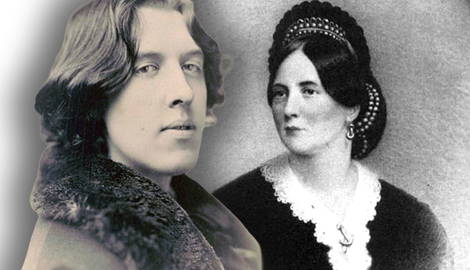

Jane Frances Elgee was born on December 27, 1821, in Dublin, 20 years after Ireland lost its independence to Great Britain. Her parents were Charles Elgee and Sarah Kingsbury. She and her three siblings grew up in a middle-class Protestant household that was conservative and unionist. These were political views Jane would spend her adult life rebelling against.
Who Was Jane Wilde or Speranza?
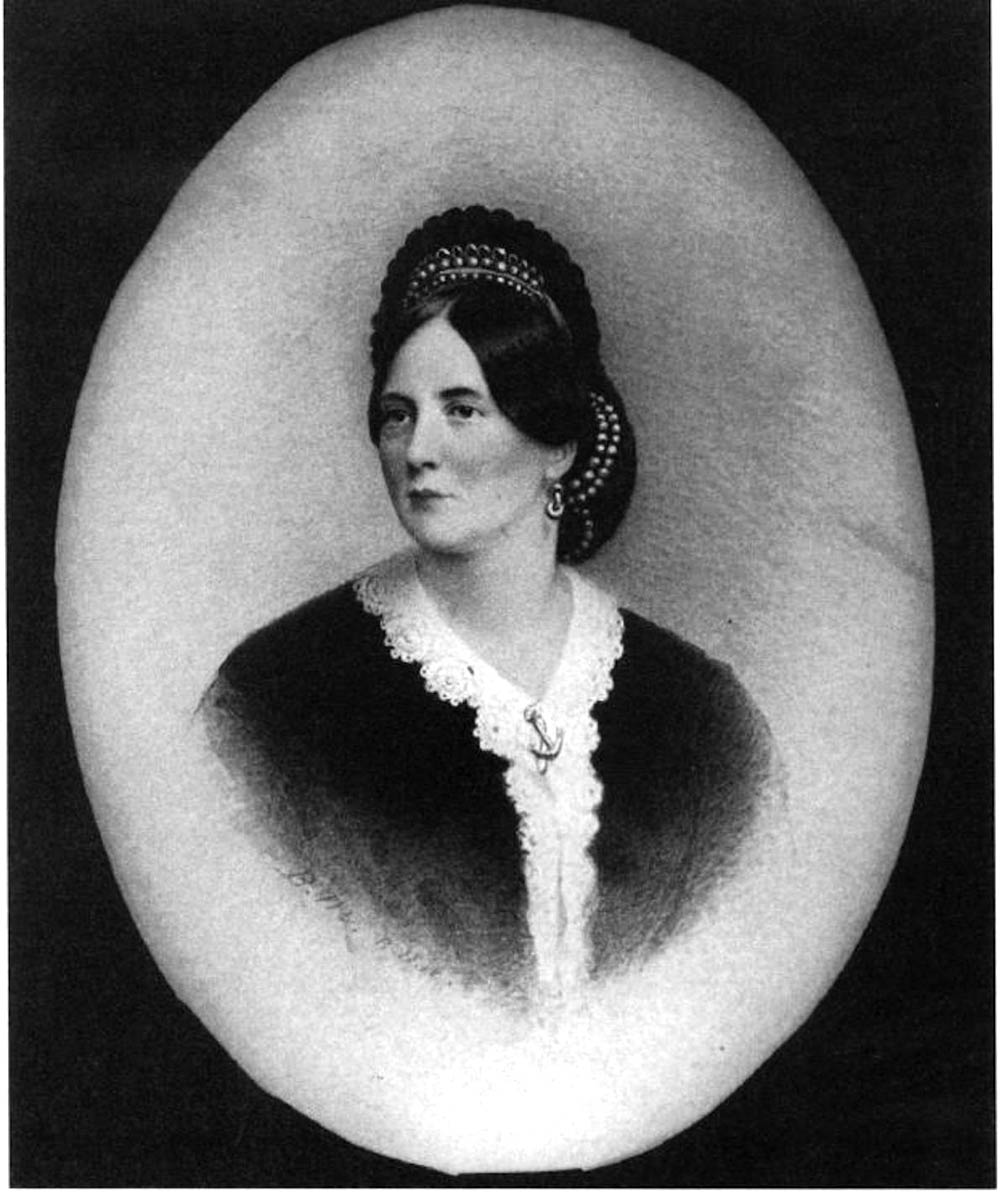
Jane’s family was of English and Irish heritage, but she had a vivid imagination. She claimed to be of Italian heritage, stating that her last name was a corruption of Alighieri and that she was descended from Dante Alighieri himself. Jane Frances Elgee presented herself as Jane Francesa Elgee. Then she went one step further, writing under the pseudonym Speranza.
As a young girl, Speranza learned English, Greek, Latin, Italian, French, and German. Over time, she added Spanish and Portuguese to her repertoire. These languages proved useful to Speranza’s work as a translator and writer.
Though not well-traveled, knowing many languages meant Speranza could situate the struggle for Irish freedom within the larger context of independence movements spreading across Europe in the 1830s, but her broad horizons did not quite extend so far as to champion the cause of abolitionism in the US, and in fact, she was a Confederate sympathizer. Her brother, Confederate Judge John Kingsbury Elgee, not only enslaved men and women in Louisiana, but he also signed Louisiana’s Order of Secession in 1861 and helped design Louisiana’s Confederate flag. Speranza’s nephew, Charles LeDoux Elgee, fought and died for the Confederacy. Speranza used slavery as a rhetorical device in her poems, writing with outrage about England’s enslavement of the Irish people. Yet she mustered neither outrage nor compassion for those who were enslaved in the United States.
“The Nation” and the Young Ireland Movement
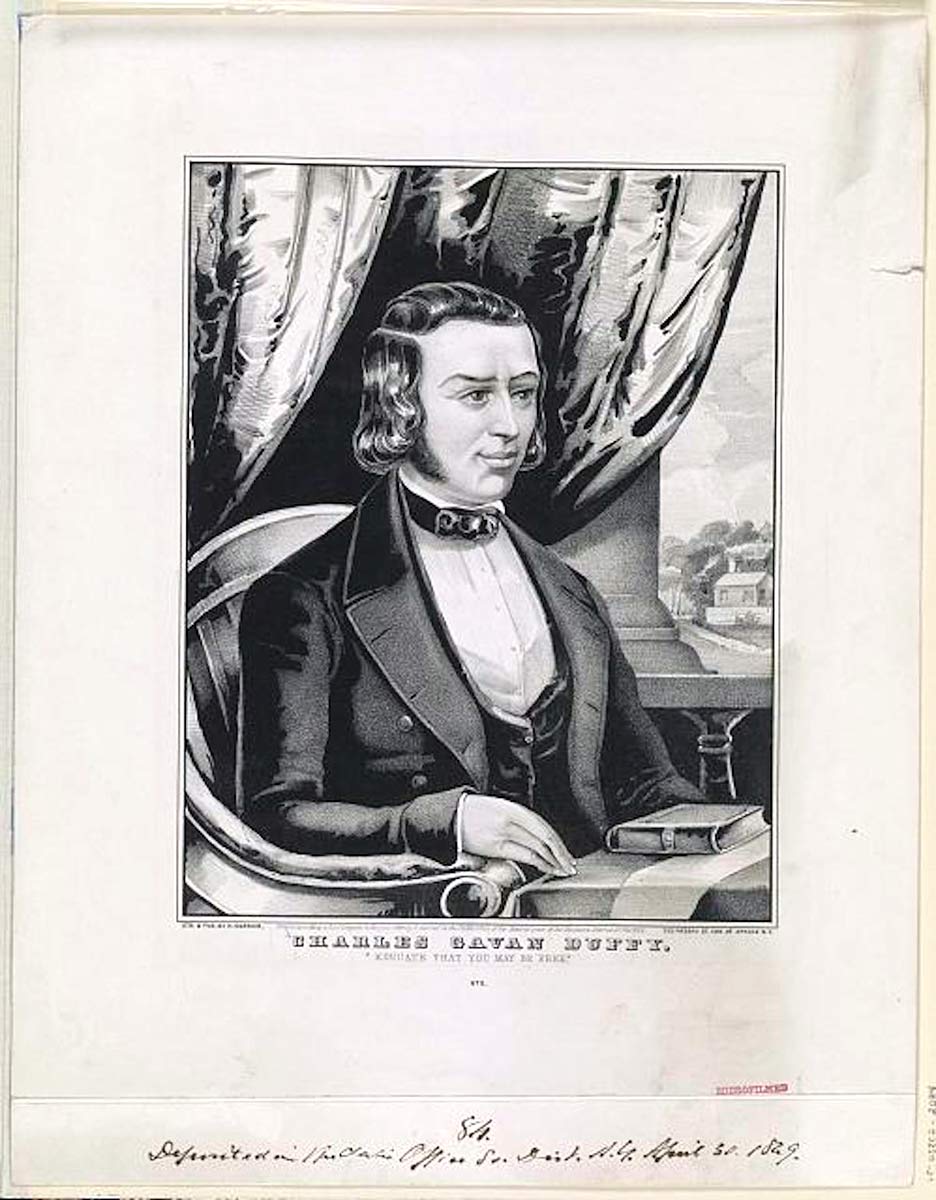
Speranza translated poetry from German, French, Italian, Spanish, and Portuguese for a radical Irish political journal, The Nation. Charles Gavan Duffy, Thomas Osborne Davis, and John Blake Dillon were the three co-founders of The Nation. Duffy and Dillon were also the founders of the Young Ireland movement.
The Nation advocated against Britain’s colonial oppression of Ireland. It employed militant Irish nationalists like Mary Anne Kelly O’Doherty. Some writers for the journal were members of Young Ireland, a political movement that gave voice to the cause of Ireland’s independence from Great Britain. In choosing Young Ireland as the name for the movement, its founders were aligning themselves with other nationalist independence movements that emerged in Europe in the 1830s and 1840s, such as Giuseppe Mazzini’s Young Italy, as well as Young Germany.
At the time Speranza wrote for The Nation, Ireland was in the grip of a devastating catastrophe. A fertile agricultural land, it exported wheat, oats, barley, and other crops to feed the people of other nations. Subsistence farmers, the Irish were dependent on the potato to feed their families. Other crops were sold to pay rent to absentee landlords. Speranza railed against these landlords and the misery they caused in her poem, “The Faithless Shepherds.”
The Famine Poems
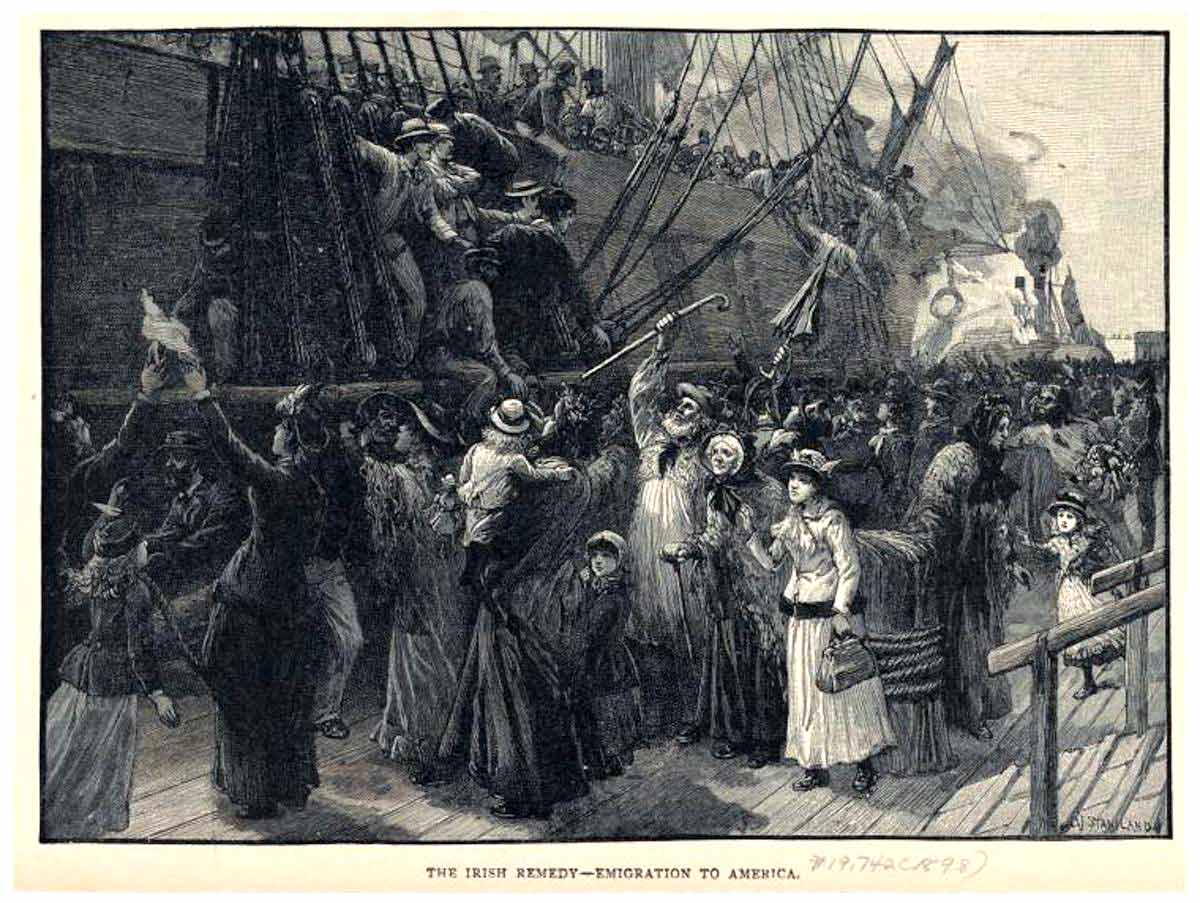
A blight struck the potato in 1845, causing crop failure. Over the next few years, the blight would haunt the Irish farmers, returning and causing additional crop failures, and then a typhus epidemic struck the country in 1847. The Whig-led Westminster government in Britain took a non-interventionist approach to the catastrophe, one that aligned with its laissez-faire economic policy. Over the next ten years, more than a million Irish men, women, and children died of starvation and famine fever. Another million fled to Liverpool. An additional two million Irishmen emigrated to the United States to avoid starvation.
The tragedy of the Potato Famine would be the impetus behind Speranza’s Famine poems. As the conditions of the Irish people became more dire, Speranza’s writing became more radical, seditious, and violent. Her poems were a cry of lamentation for her country and a call for divine judgment against Britain.
In “The Famine Year,” the poem opens with an account of the desperate plight of the Irish people and the reasons for their misery. The poem concludes with a warning saying that vengeance is coming, that it is unavoidable, and it will come from God.
In the poems “France in ‘93” and “The Fall of Tyrants,” Speranza looks to the French Revolution as a model of what could take place in Ireland. Ultimately, she hoped that her writing would incite an Irish uprising against British rule, much like the French uprising against the nobility and clergy.
Jacta Alea Est
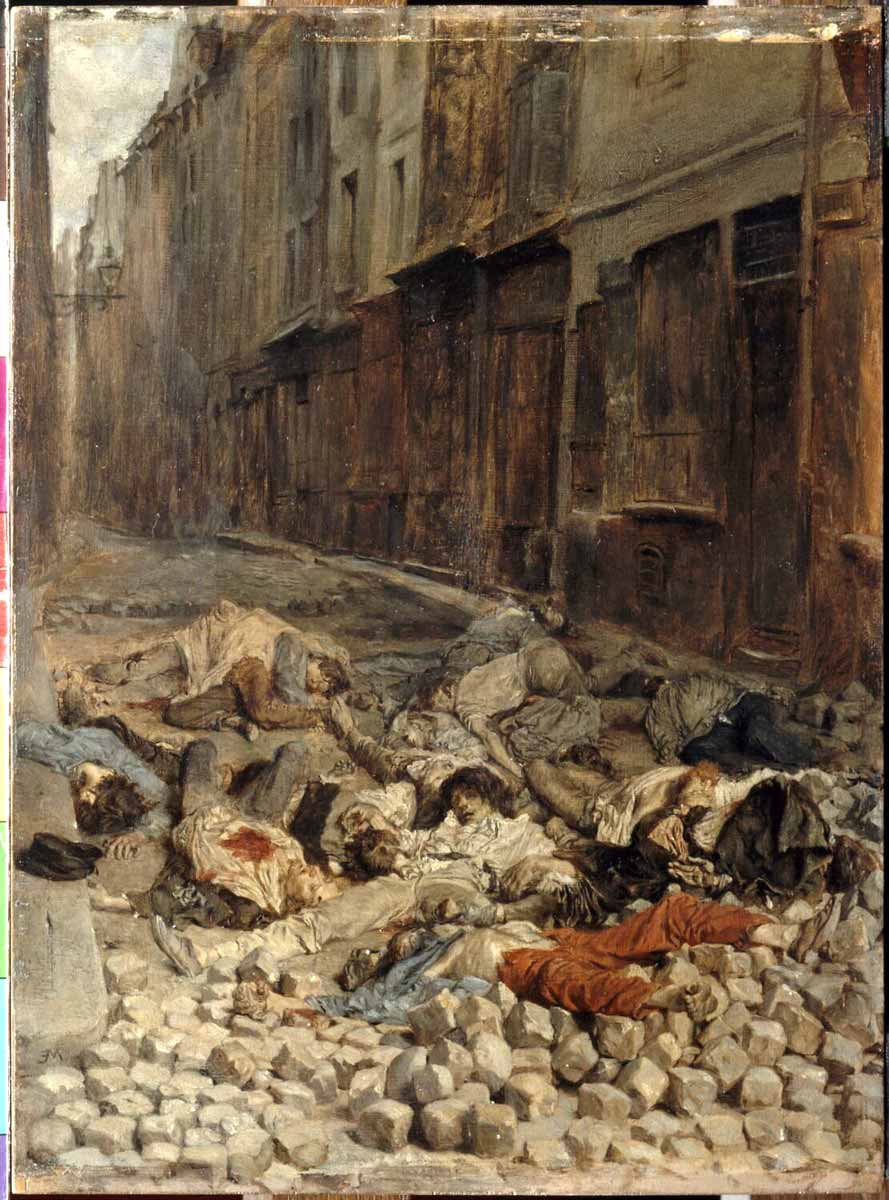
In 1848, while France was being convulsed by another revolution, Speranza’s most polemical piece of writing yet appeared in The Nation. The editorial was titled, “Jacta Alea Est.” No longer content with waiting for God’s judgment, the editorial called for an armed rebellion against the British. Speranza wrote:
The Irish nation has at length decided. England has done us good service at last. Her recent acts have taken away the last miserable pretext for passive submission. She has justified us before the world, and ennobled the timid, humble supplication of a degraded, insulted people, into the proud demand for independence, by a resolved, prepared, and fearless nation… Oh! for a hundred thousand muskets glittering brightly in the light of heaven…
Even as you read these weak words of a heart that yet palpitates with an enthusiasm as heroic as your own, and your breast heaves and your eyes grow dim with tears as the memory of Ireland’s wrongs rushes upon your soul – even now lift up your right hand to Heaven and swear – swear by your undying soul, and by your hopes of immortality, never to lay down your arms, never to cease hostilities, till you regenerate and save this fallen land.
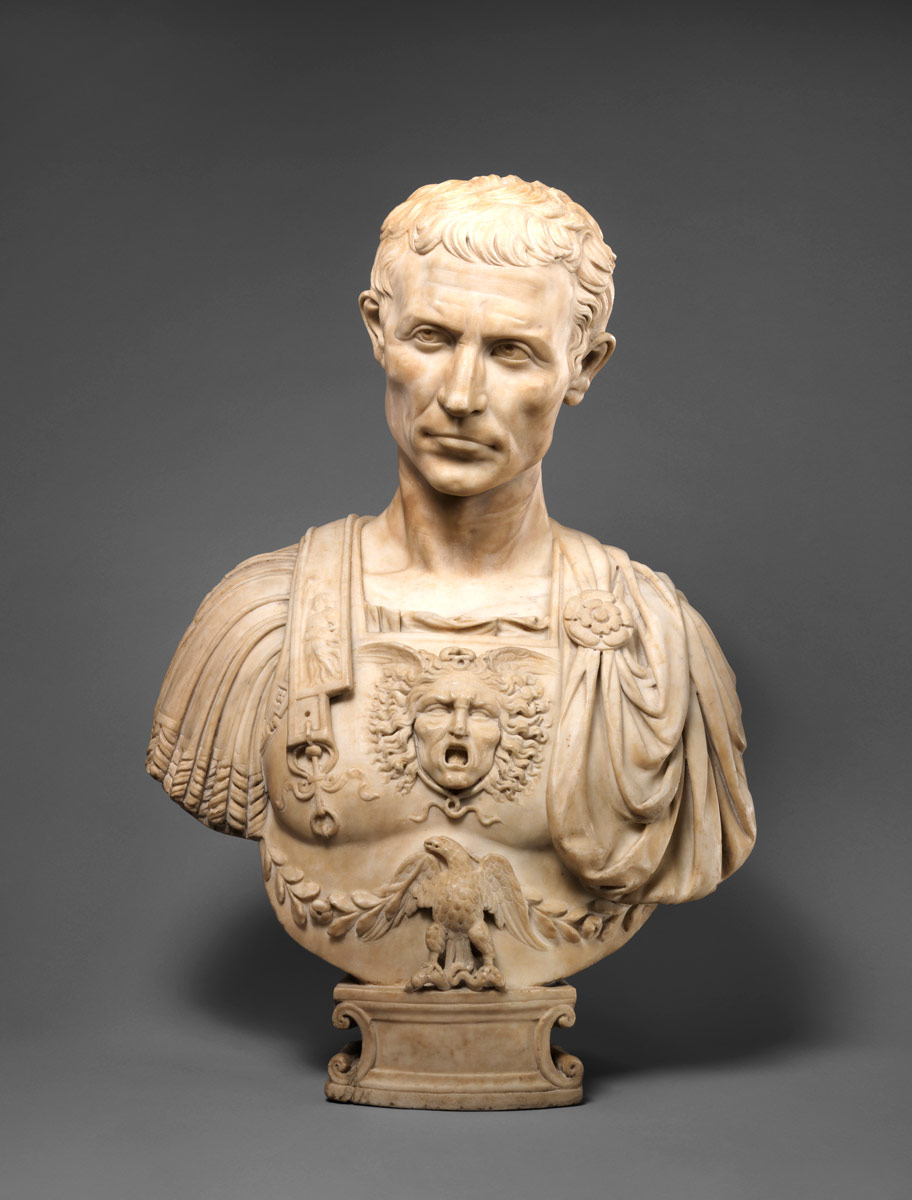
By this point, The Nation’s office had already been raided by the government. Editor Charles Gavan Duffy was arrested and imprisoned for treason and sedition. After “Jacta Alea Est” was published, the editorial was incorrectly attributed to him. The editorial’s title, which means “the die is cast” in Latin, is a phrase that indicates a point of no return has been reached. The phrase was spoken by Julius Caesar when he crossed the Rubicon. The government in Westminster then suspended Habeas Corpus, probably out of concern that Ireland might become part of the 1848 revolutionary wave.
Duffy was tried no less than six times. According to her own account of what transpired, Speranza attended Duffy’s trial. When Duffy was accused of writing “Jacta Alea Est,” Speranza stood up and claimed authorship, making herself a public figure, which women in the Victorian Era were not supposed to be. Rather than prosecute a woman, the court dropped the charge.
The Literary Salon and Mary Travers Scandal
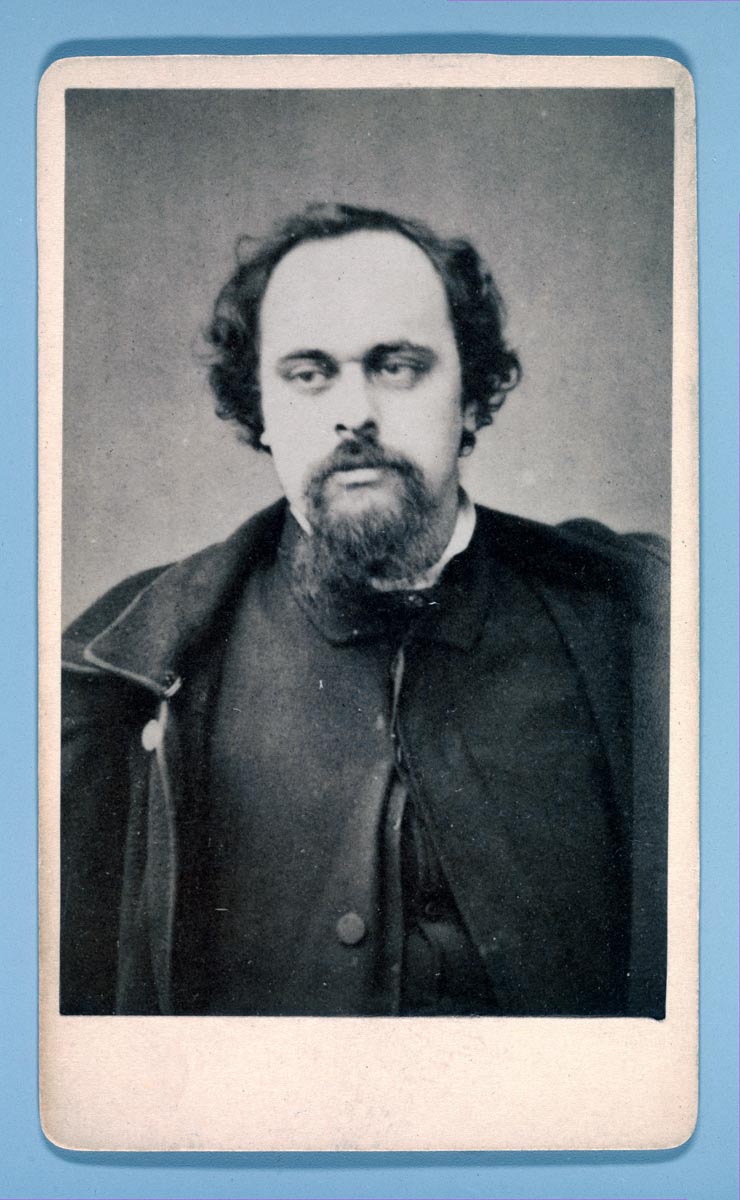
With the trial behind her, Speranza continued working as a writer, poet, and translator. Her most influential work was the translation of J. W. Meinhold’s novel Sidonia von Bork. Retitled Sidonia the Sorceress, Speranza’s translation was read by a who’s-who of the art and literary world: Pre-Raphaelite Dante Gabriel Rossetti, novelist Charlotte Brontë, and literary critic Walter Pater all read it. Speranza’s influence would only continue to grow after her marriage to Dr. William Wilde and the founding of their literary salon at their home in Dublin. Speranza had three children with Dr. Wilde: William “Willie,” Oscar, and Isola. An unusual practice for the time, their children were welcomed at the weekly literary salon.
During this time, Mary Travers, a patient of Dr. Wilde who had become a family friend, was rapidly becoming an enemy by initiating a relentless campaign of harassment against the Wildes. After accusing Dr. Wilde of rape, she demanded money. When he refused to pay, Mary attempted to sabotage Dr. Wilde by creating private and public disturbances. She overdosed on laudanum at the Wilde’s home. She impersonated Dr. Wilde’s wife by writing damning pamphlets about him under the name Speranza. She even followed Speranza from Dublin all the way to Bray, a distance of 13 miles.
Finally, Speranza wrote a letter to Mary’s father informing him of her conduct. In response, Mary Travers sued Jane for libel and £2,000 in damages. The 1864 trial was covered by The Irish Times. The proceedings were at times theatrical and at other times farcical, but Speranza won in the court of public opinion. Instead of £2,000 in damages, Mary Travers was awarded one farthing, which amounted to one quarter of a penny.
Jane as Lady Wilde
Ironically, the trial took place during the very same year that Dr. Wilde was knighted by the English Crown. This meant Speranza was now Lady Wilde.
Though a second trial was behind her now, the ensuing twelve years were difficult for Speranza. She lost both her daughter and her husband. Her eldest son, Willie, experienced financial difficulties due to his alcoholism. Dr. Wilde left the house she lived in to Willie, who sold it out from under his 58-year-old mother. Having no other recourse, Speranza had to relocate and work as a freelance writer.
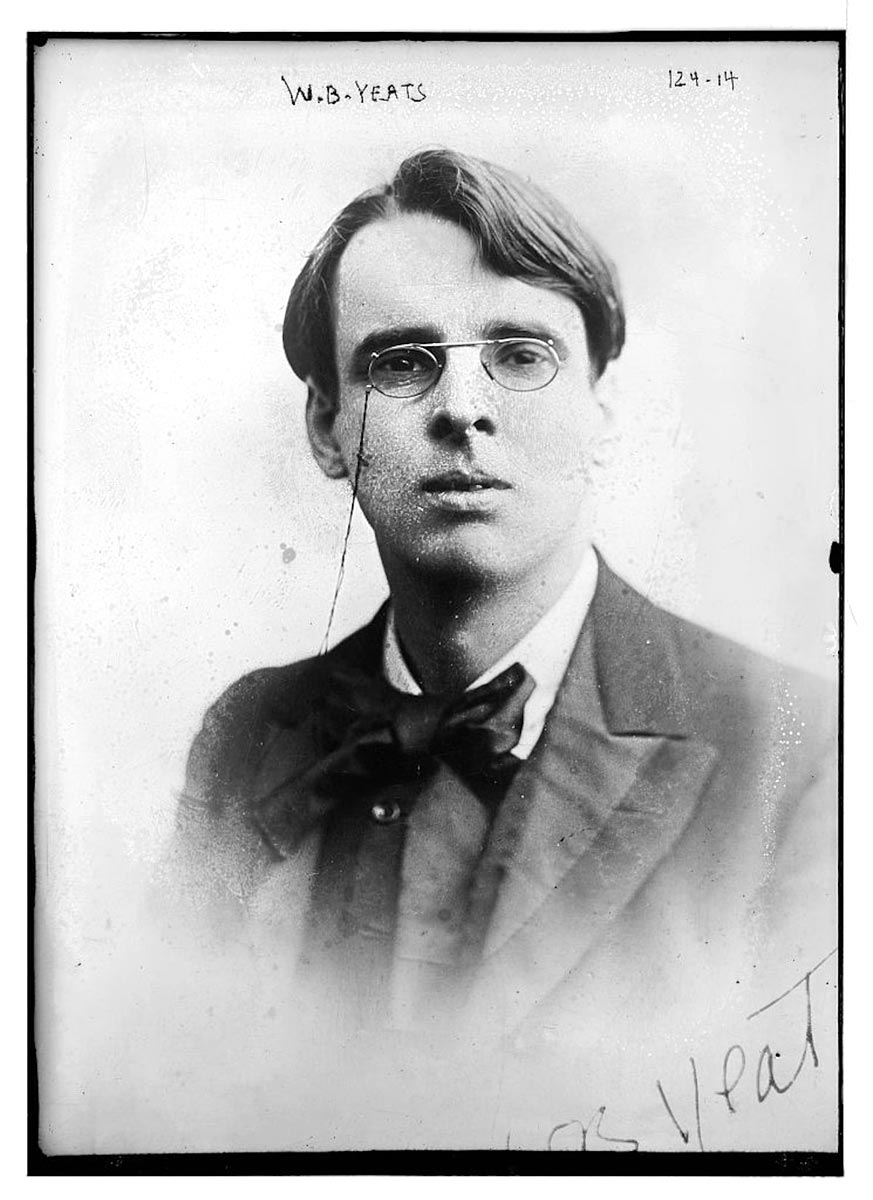
After publishing the anti-English pamphlet The American Irish, she moved to London. There, she wrote articles for The Saint James’s Magazine, the Pall Mall Gazette, and other publications. She found a publisher for her books, like Driftwood from Scandinavia, Ancient Legends, Mystic Charms, and Superstitions of Ireland, and Notes on Men, Women and Books. She resumed her literary salon, which included among its guests George Bernard Shaw, W. B. Yeats, Eleanor Marx, Robert Browning, as well as her son, Oscar. She also invited Jefferson Davis, the defeated and disgraced former President of the Confederate States of America, to her home.
Jane Wilde and Oscar Wilde’s Trial
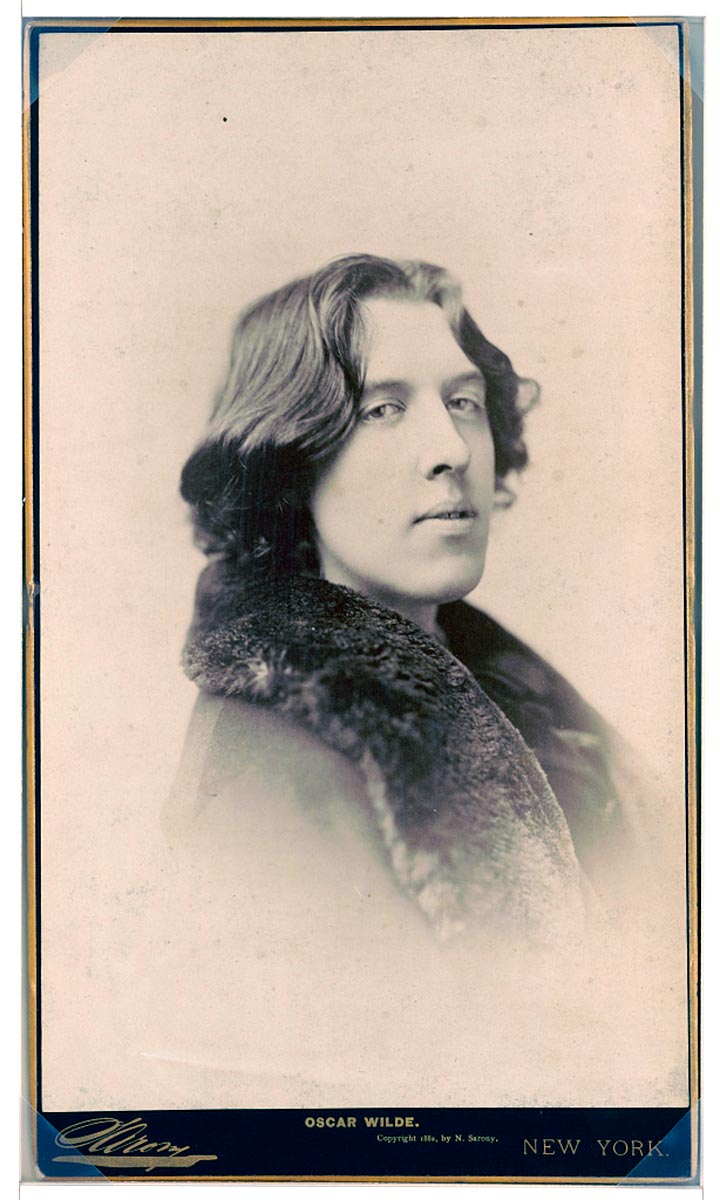
Oscar helped his mother financially over the years. By this point, his literary career outshone his mother’s. However, his fall was imminent. Oscar was in a relationship with Lord Alfred Douglas, the son of the Marquess of Queensberry. This enraged the Marquess, who then provoked Oscar into suing him for libel. The trial did not go as Oscar had hoped. Queensberry was found not guilty.
Oscar was arrested and charged with “gross indecency,” but Speranza never abandoned him. While Oscar was out on bail, no establishment would rent him a room. He ended up staying in his mother’s small apartment. Found guilty, Oscar was sentenced to two years of hard labor in prison. Speranza would never see her son again. She died one year later in 1896.