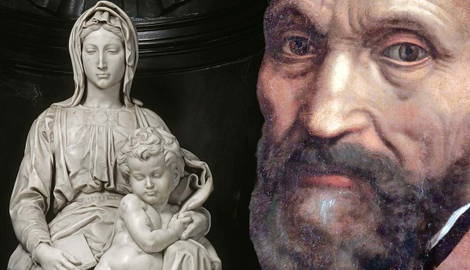

Throughout history, many works of art have traveled difficult journeys. Misplaced by war and revolution, these works of art have found themselves transported into completely different settings than originally intended, often by underhanded or perilous means. One of the most memorable examples of these types of works of art is the Madonna of Bruges by Michelangelo Buonarroti, created in the early 1500s.
While the history of this sculpture is fascinating, having survived both the French Revolution and the Second World War, equally fascinating is the work of art itself, which stands apart from contemporary depictions of the Madonna and Child during the Italian Renaissance.
Breaking the Rigid Rules of the Renaissance Madonna
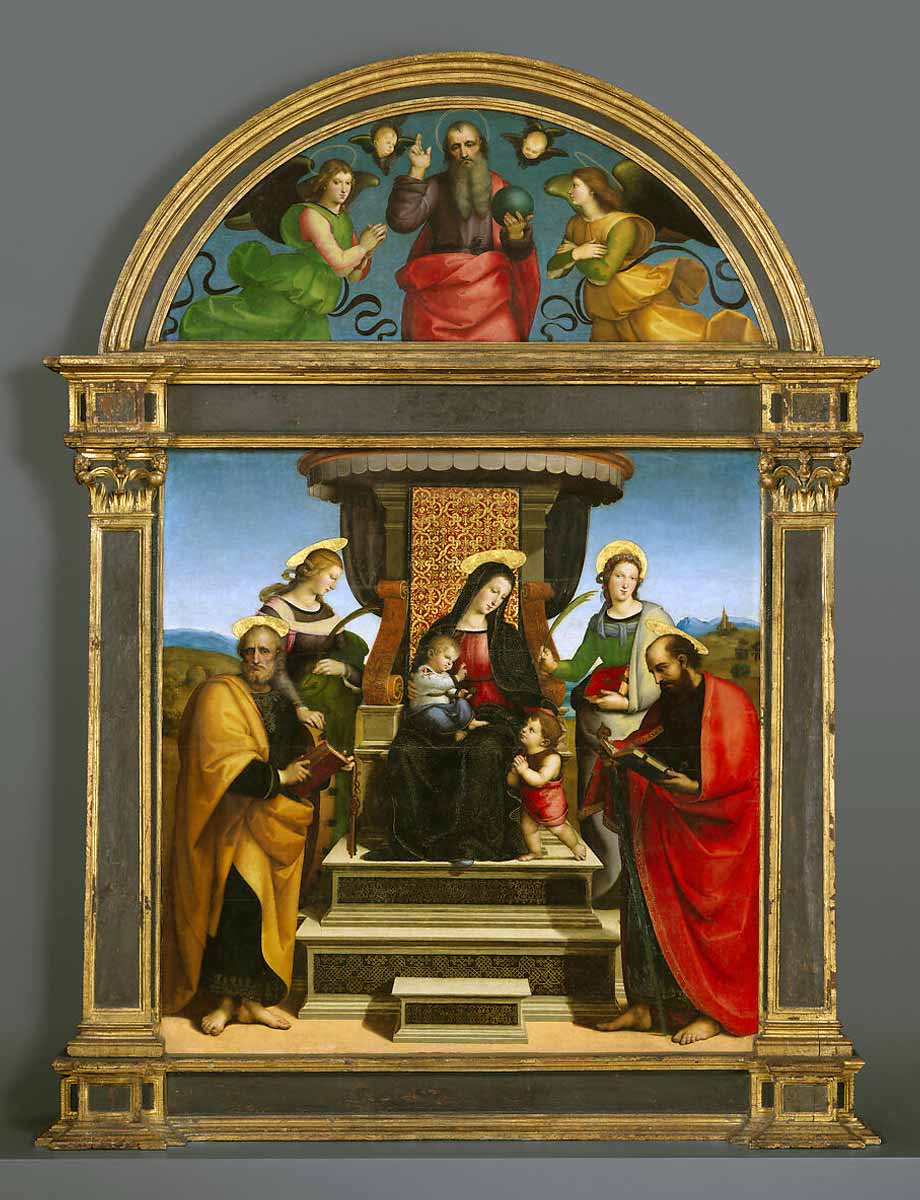
Michelangelo’s Madonna of Bruges was created during the Italian Renaissance, a period of great artistic innovation and creativity. Originating in the 14th century in Florence, the Italian Renaissance saw the fine arts becoming more lifelike in appearance, with artists embracing such techniques as foreshortening and chiaroscuro. Under the Catholic Church that dominated Italian Christianity at the time, much of the art of the Renaissance is deeply intertwined with Biblical narratives.
The image perhaps most strongly associated with Catholic Italian Renaissance art today is that of the Virgin Mary holding the infant Jesus, commonly referred to as the Madonna and Child.
While works of art featuring the Madonna and Child can be traced as early as the 6th century AD, during the Italian Renaissance, the Virgin Mary’s devoted faith and purity of heart had come to represent an ideal Catholic woman strove to emulate. The evolving nature of art in this period affected how the Madonna and Child were depicted in paintings and sculptures.
Traditional representations of the two figures seated on a throne remained popular during the early phases of the movement, with heavy emphasis on the use of sumptuous substances such as gems embedded in the canvas.
During the Renaissance, more and more artists strove to humanize the characters, representing them as a real mother and son. It was against this landscape that Michelangelo created his Madonna of Bruges, driving the evolution of depictions of the Madonna and Child in art forward in unprecedented ways.
The Beauty of the Bruges Madonna
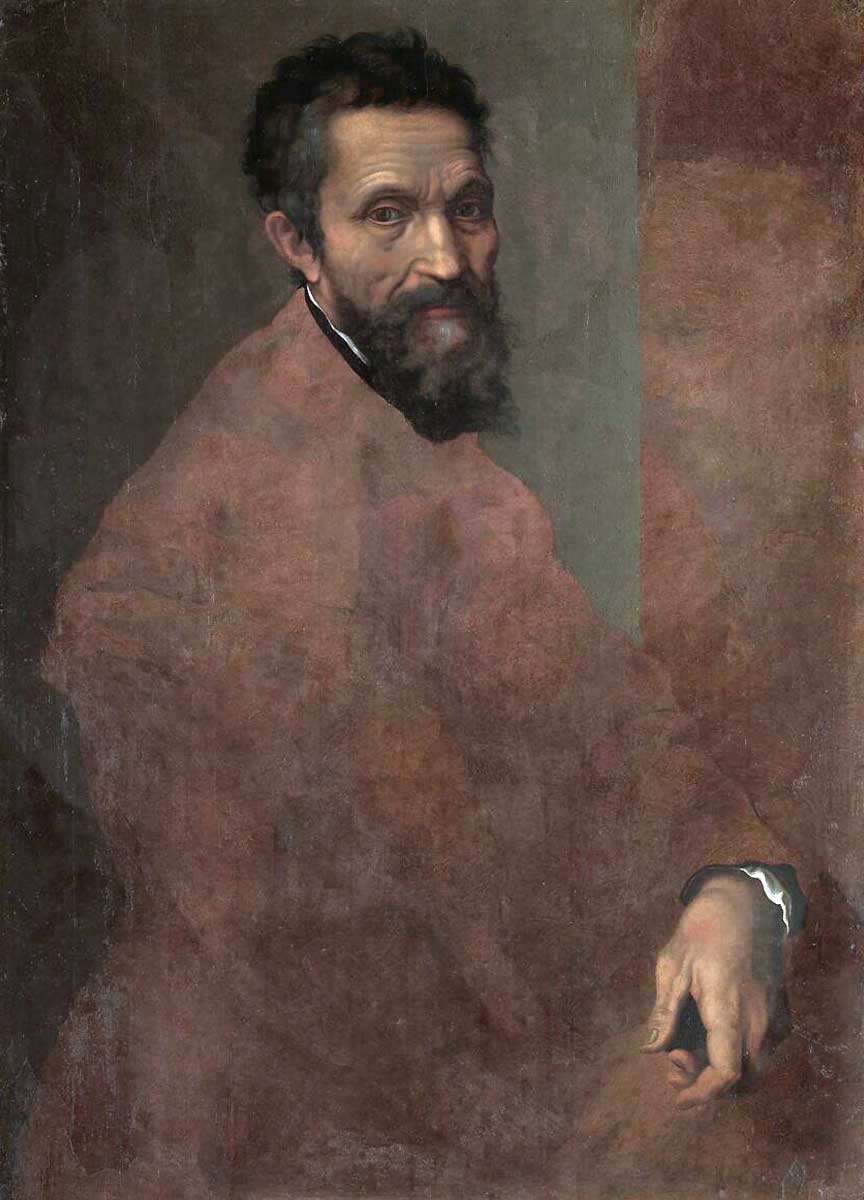
By 1503, the year Michelangelo began work on the Madonna of Bruges, the artist was no stranger to depicting the subject of the Madonna and Child. Around the year 1491, Michelangelo created a work of art known as the Madonna of the Stairs, which featured a Madonna and Child scene.
The artist’s first completed sculpture, it depicts the Madonna in profile, with the nestled Christ Child’s back turned to the viewer. Here, the artist seems to have been focused mainly on materiality and less on emotion, with the figures appearing flowing and ethereal in spite of the fact that they are made of marble. Underlining this emphasis is a scene of stone masons or sculptors visible in the background.
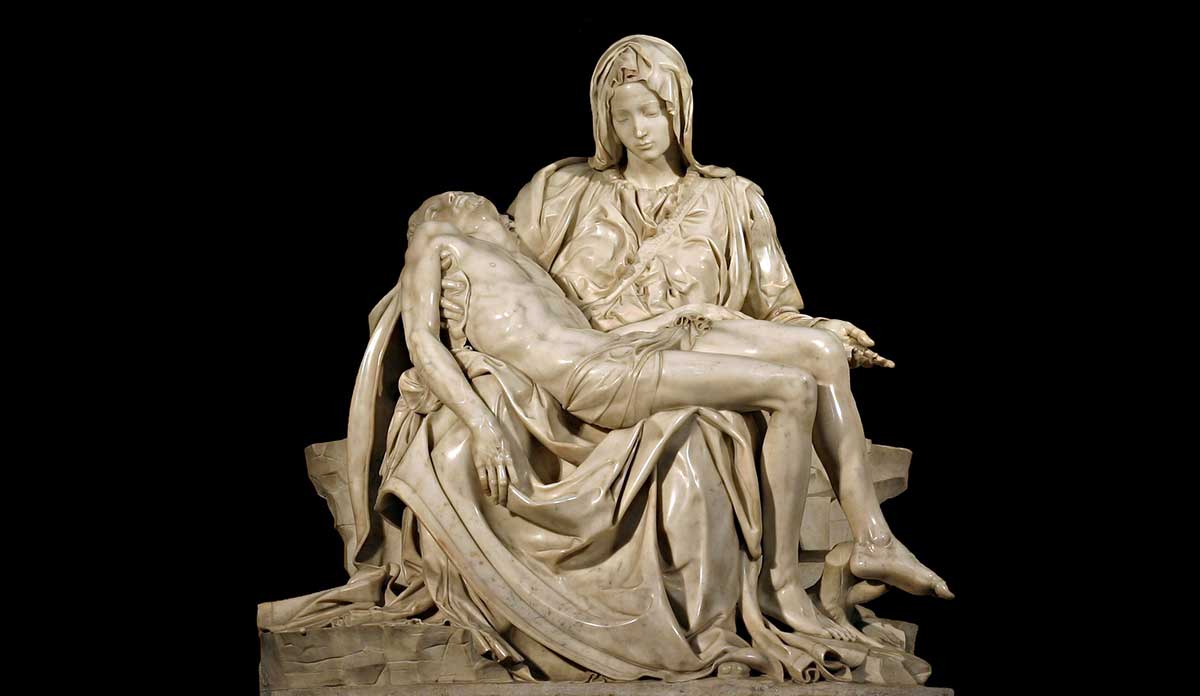
More famously, Michelangelo created a monumental sculpture of the Pietà (seen above), a scene in which the Virgin Mary cradles the body of Christ, in 1499, for Cardinal Jean Bilhères de Lagraulas. Here, emotion is a far more important element of the sculpture, as the Madonna lowers her head in grief as she clutches the body of her dead son. At the same time, she extends one of her hands in reverence, demonstrating her devotion to the will of God in spite of the pain she is suffering.
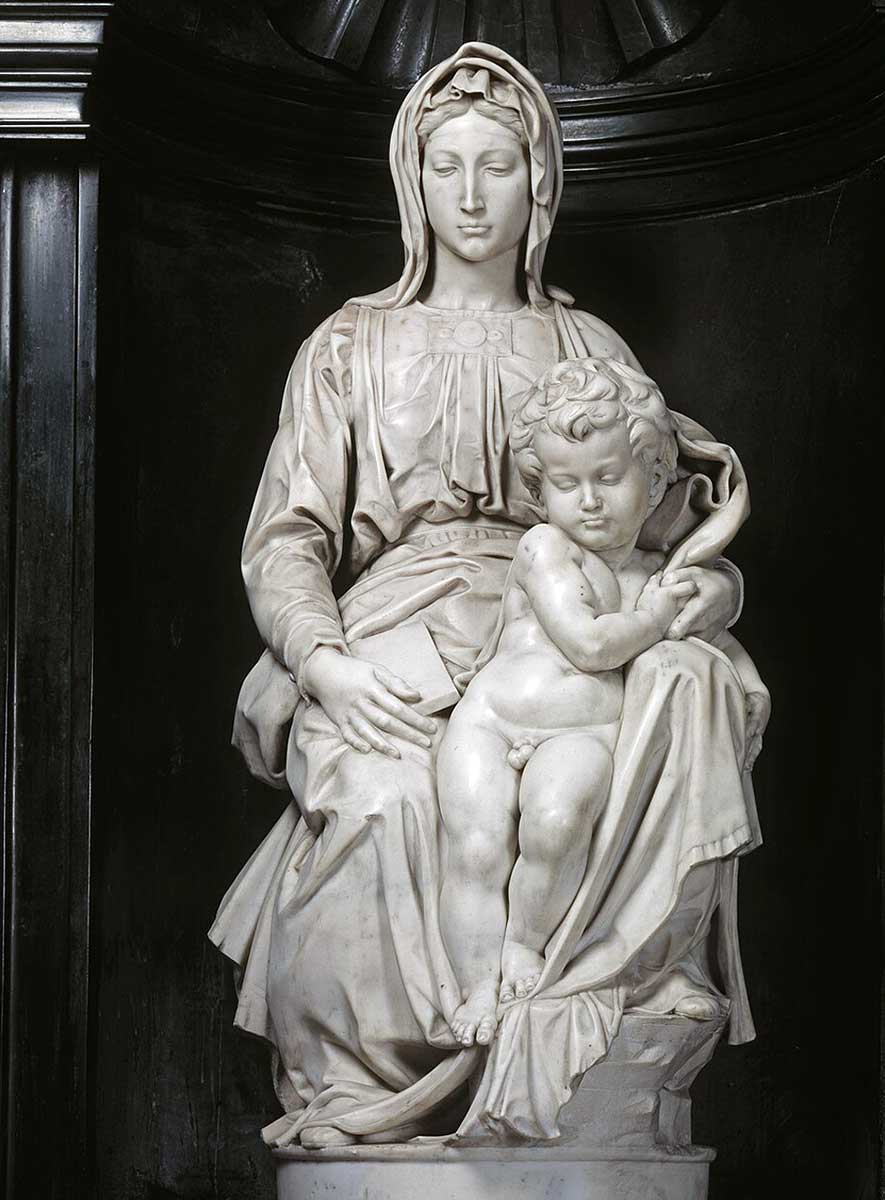
In many ways, Michelangelo’s Madonna of Bruges appears to be a fascinating prequel narrative to that of his Pietà. In both scenes, Mary embraces her son, in this instance, holding Jesus as a small child.
While in the Pietà, Jesus is motionless in death, the child in this sculpture actively seems to be trying to relinquish Mary’s grasp and step forward. Mary herself appears to be gently allowing her son to take these first steps, her face somber in a concession of what will happen when Jesus reaches adulthood.
The complex emotions of the scene, in which Jesus appears to express curiosity about the world coupled with Mary’s heavy-hearted expression in response, are what make the sculpture memorable to scholars and admirers of Renaissance art to this day.
This insightful depiction of the relationship between Mary and Jesus Christ was unlike any other that had come before it and marked a major step forward in the realization of these figures as beings with deep emotions. It would influence further depictions of the Madonna and Child for hundreds of years to come.
Also adding to the sculpture’s appeal was its sense of asymmetry. Prior Madonna and Child scenes, both in painting and in sculpture, had adhered to a strict sense of rigidity and balance. Here, the two figures interact with each other in an extremely naturalistic and lifelike way, again adding further strength to the sculptor’s vision of a real mother and son.
The Deal That Created the Masterpiece
But how did this innovative sculpture come into existence? Who commissioned Michelangelo for it, and what was the intended purpose of the sculpture?
Many facts surrounding the sculpture’s creation are a mystery. What is known is that it was commissioned by two brothers named Jean and Alexander Mouscron, whose family fortunes had been made by selling textiles throughout Europe.
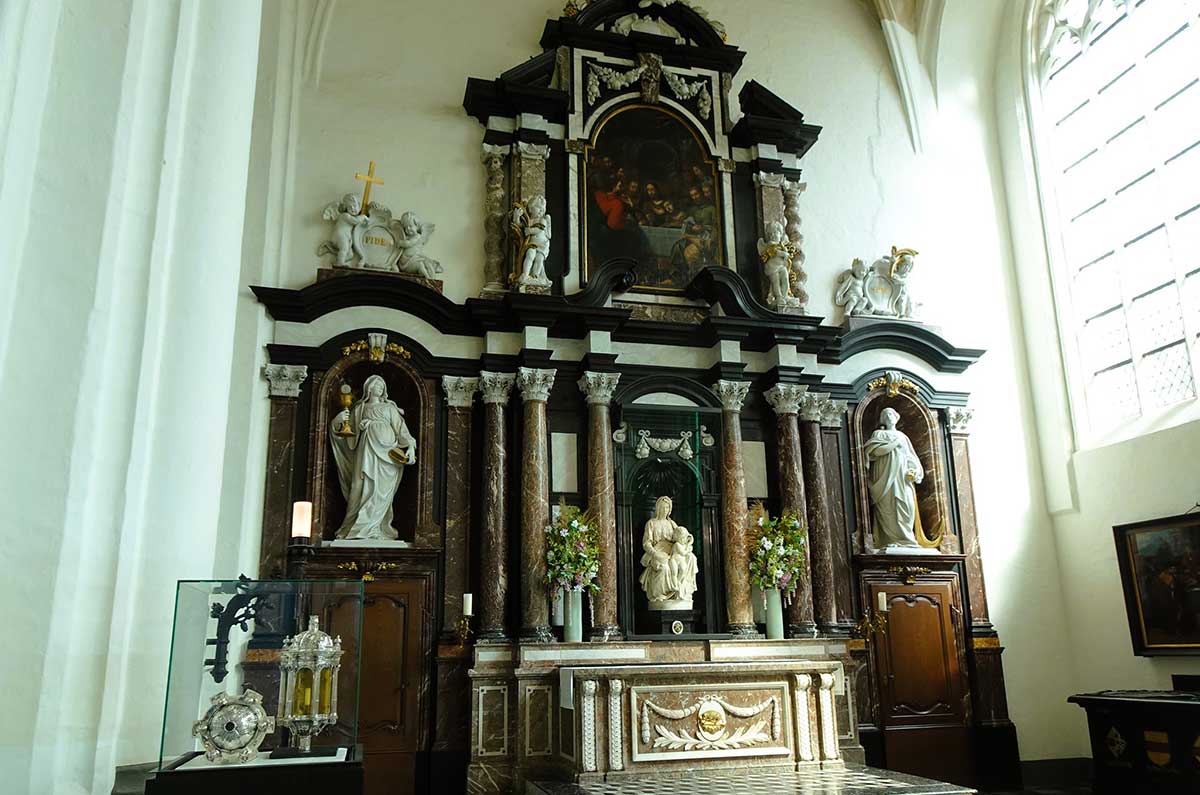
Once the sculpture was completed, it was placed in a chapel dedicated to the wealthy Mouscron family at the Church of Our Lady in Bruges, Belgium. This chapel was intended to be used as a sort of interment chamber for the Mouscron family and its future generations, and the sculpture was meant to elevate the chapel into a sophisticated and reverent space. Interestingly, it is the only statue by Michelangelo that was sent to another nation outside Italy before his death.
It is unclear how the Mouscron brothers initially made contact with Michelangelo and why Michelangelo accepted this particular job from them. It is known that Michelangelo was paid twice by the Mouscron family for the sculpture, once in December 1503, and again in October 1504. Little further documentation exists on the relationship between the artist and his two patrons.
However, it is important to note that at the beginning of the 16th century, Bruges was an important exporter of textiles throughout Europe and the rest of the world. Because of its prosperity, many businessmen from the Italian peninsula had taken up residence in Bruges. It could have been possible for the Mouscron brothers to have learned about Michelangelo through one of their Italian neighbors in Bruges, or through business trips throughout the Italian peninsula.
Either way, their commissioning of the sculpture has fascinated art historians due to its evidence of the interconnectedness of Belgium and Italy’s economies.
Perilous Journeys and the Nazi Theft of the Madonna
Today, the Madonna of Bruges conveys a sense of majesty and serenity to all who view it. However, its history since it was originally transported to Bruges in the early 1500s has been far from tranquil. In the early 1790s, for instance, Bruges was conquered by French revolutionary troops, who had succeeded in completely overtaking the nation of Belgium by 1794.
Previously, Belgium had been ruled by the powerful Habsburg family from their seat in Austria, but the nation now fell into the hands of the Habsburgs’ revolutionary enemies. As part of their plans for controlling Bruges, the French revolutionaries demanded that the best works of art in the city be sent to Paris.
The Madonna of Bruges was one of many works of art claimed by the French during this period. Over 20 years later, in the aftermath of Napoleon’s crushing loss at Waterloo, the work of art was finally given back to the Belgians.

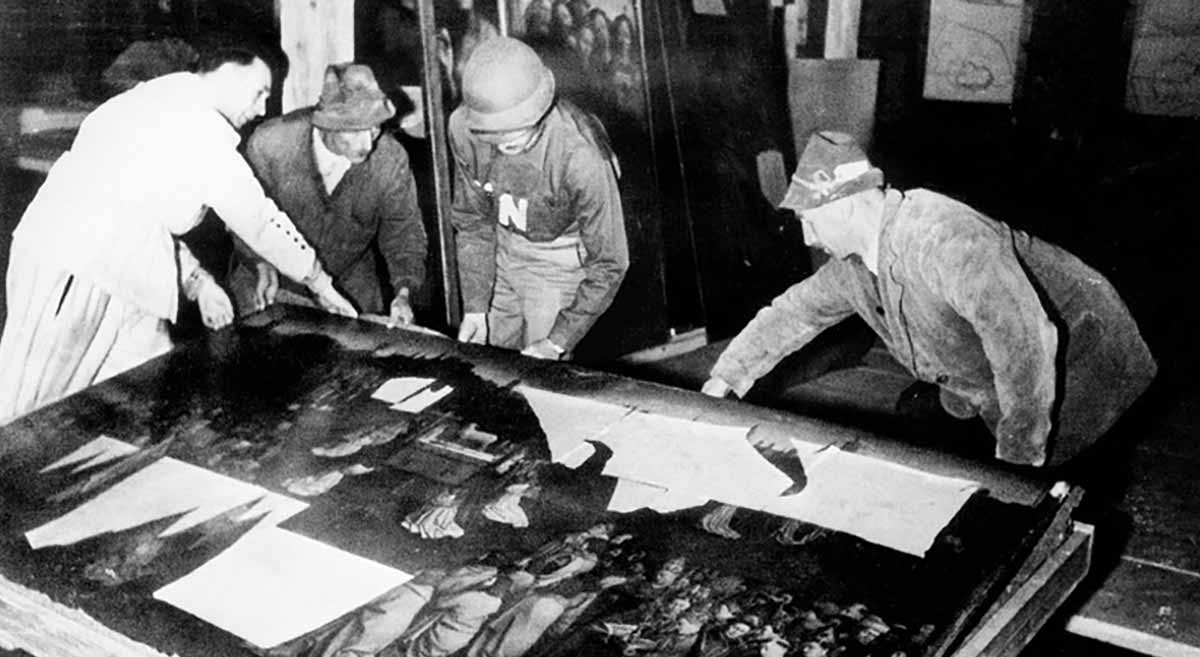
The sculpture was seized again during the Second World War, this time by the Nazis. In 1944, as the Allied forces liberated growing sections of Europe, the increasingly desperate Nazis stole the Madonna of Bruges.
Smuggled out of Belgium hidden in a Red Cross truck, the Madonna of Bruges was then placed in a salt mine known as Altaussee along with numerous other works of art.
The sculpture was later recovered by American President Franklin D. Roosevelt’s “Monuments Men,” whose story has been recounted in a 2014 film of the same name. A band of art experts deployed to locate works of art seized by the Nazis, these individuals officially served as part of the Monuments, Fine Arts, and Archives Program.
Today, the Madonna of Bruges can still be viewed in its original home at the Church of Our Lady in Bruges, largely thanks to the efforts of this dedicated team.
The Sculpture That Stunned a Continent
Michelangelo’s Madonna of Bruges had a major impact on the lives of artists for centuries to come. The German artist Albrecht Dürer, for instance, is known to have viewed the sculpture in person and held it in high esteem.
It is possible that Raphael, one of Michelangelo’s Italian Renaissance competitors, also saw the sculpture or heard about it, as some of his Madonna paintings depict the infant Jesus in a similar manner to Michelangelo’s.
In tandem with its influence over individual artists, the Madonna of Bruges today serves as a reminder of Michelangelo’s own personal creativity and vision. Today, Michelangelo is most famously associated with works such as his paintings on the ceiling of the Sistine Chapel and his monumental sculpture of David.
The Madonna of Bruges demonstrates that even for the Mouscron family’s small personal chapel, Michelangelo’s talent and emotional sensitivity embodied characters and personalities in ways that no other artist before him was able to achieve.