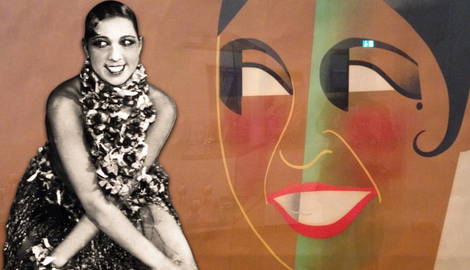

Josephine Baker was not just another performer; she was a cultural phenomenon. She broke barriers in her life, first as a dancer/performer, and later as a spy. As the first Black woman to be in a major movie, she also dedicated her life to ending racism in the United States. But how did she, like many high-profile figures, transition from performer to spy?
From Poverty in St. Louis to Harlem’s Stage
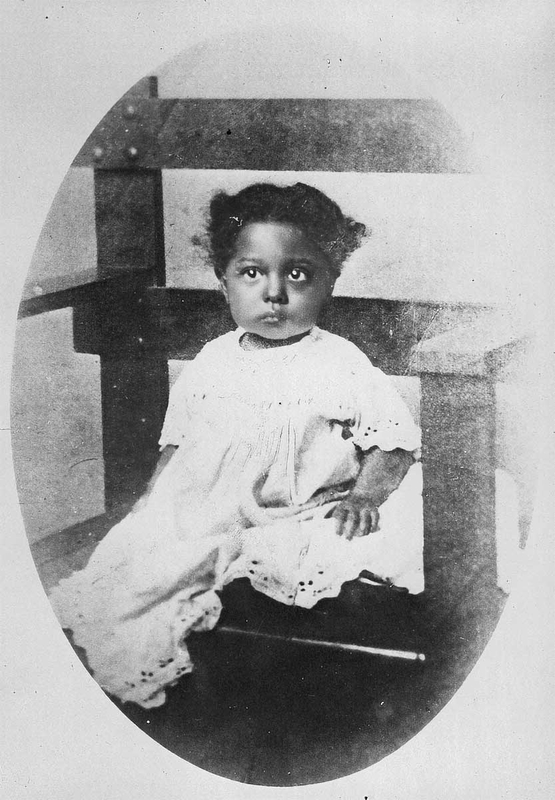
Baker was born June 3, 1906, in St. Louis, Missouri. As a Black woman in a time when Jim Crow laws segregated the population, Baker faced poverty as a child. Her full name was Freda Josephine McDonald. Her mother was Carrie McDonald, but her father remains a mystery, though some speculation exists. Her foster son suggests in her biography that her father was white because her mother had spent weeks in a predominantly white hospital at a time when most African-American children were born at home. The birth certificate only says “Edw,” and she was working for a German family around the time she conceived.
Baker eventually dropped out of school and worked for the performance group, Jones Family Band. She married her first husband, Willie Wells, at 13. She divorced him and married William Howard Baker at 15, then divorced again to go to New York City to perform for a vaudeville troupe. She would make her big break after moving to France.
Taking 1920s Paris by Storm
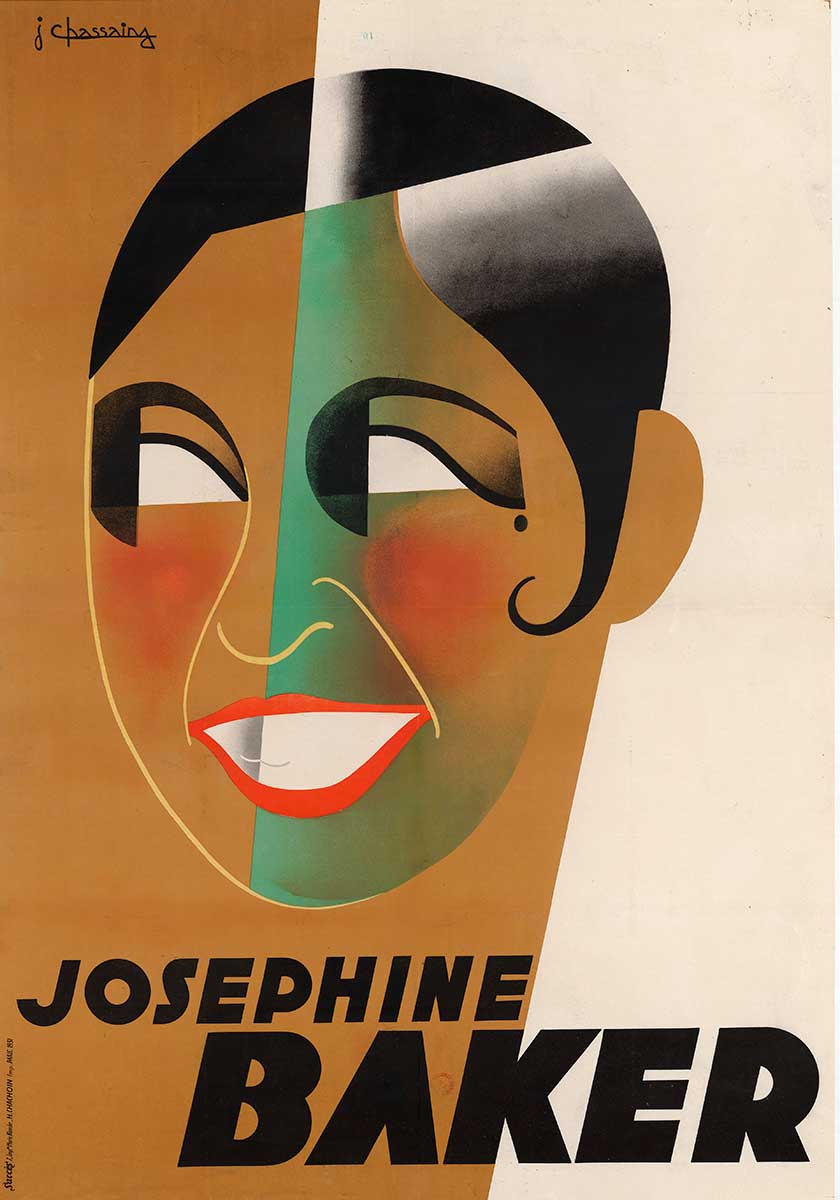
After spending some time in New York City and being a part of the Harlem Renaissance, Baker decided to go to Paris. Her dancing and costumes made her a sought-after performer, and her performances drew in thousands of fans. Baker’s audacious style and bold looks redefined femininity and sensuality, challenging the normal conventions of the 1920s. Her biggest influence was that of a Black woman in popular culture and being an object of sensual sexuality.
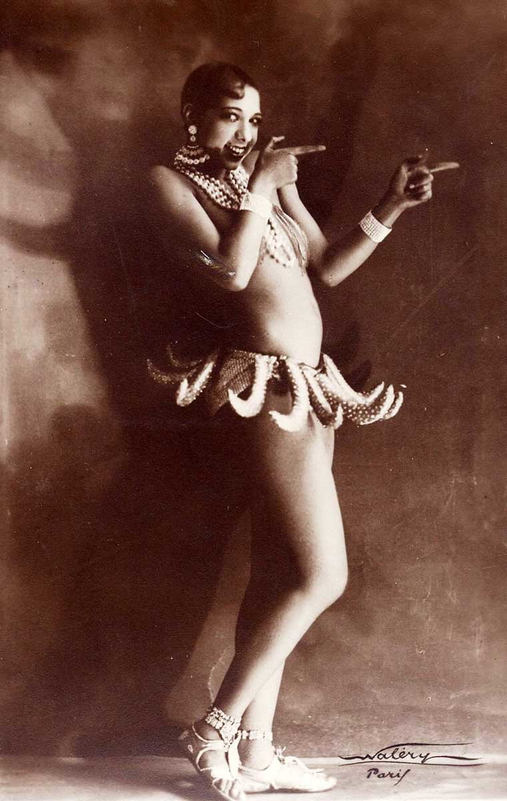
Besides her dancing, she was also a singer and actor, appearing in major films released in Europe. Josephine talked about why she chose to move to France to propel her dance career: “I was living in a country where I was afraid to be Black… So I left. I had been suffocating in the United States… I felt liberated in Paris.” Paris drew many Black performers and intellectuals because it was more racially integrated than the United States.
By her early 20s, she was one of the highest-paid and most photographed women. This inspired others to break barriers and the glass ceiling.
Swapping the Spotlight for the Frontlines
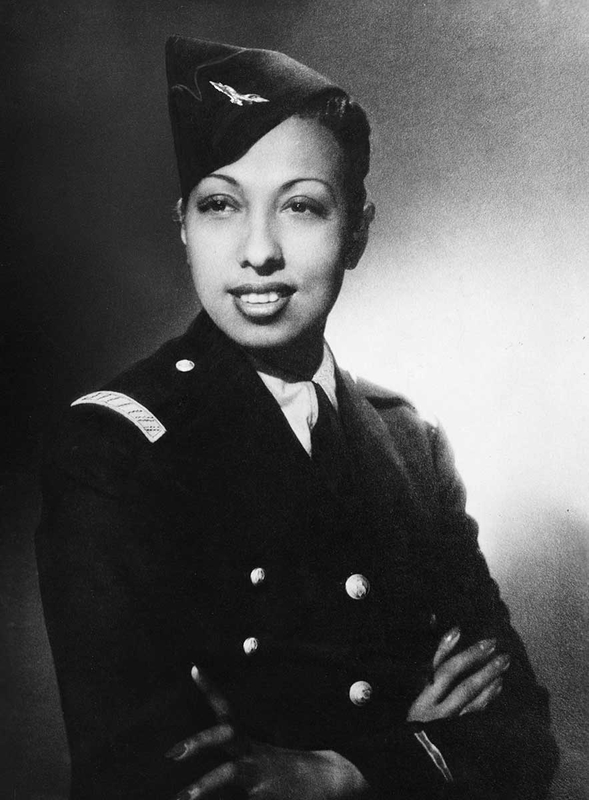
As World War II approached, artists like Baker felt compelled to contribute to the war effort. Baker’s motivations were deeply rooted in her experiences and the injustices she had witnessed. She had felt the weight of racism and understood the urgency to combat fascism. Baker began her activism with the Red Cross, aiding wounded soldiers and providing entertainment.
During World War II in 1945, the Red Cross estimated it had 7.5 million volunteers and over 30,000 paid staff who worked to help the military. The types of work possible included working as a nurse or in medical support, collecting items for soldiers, blood collection, and providing entertainment to the troops. Her compassion and empathy flourished in this role, which laid the groundwork for her shift toward espionage. She would eventually become a part of the French Resistance movement.
Invisible Ink and Sheet Music: How She Outsmarted the Nazis
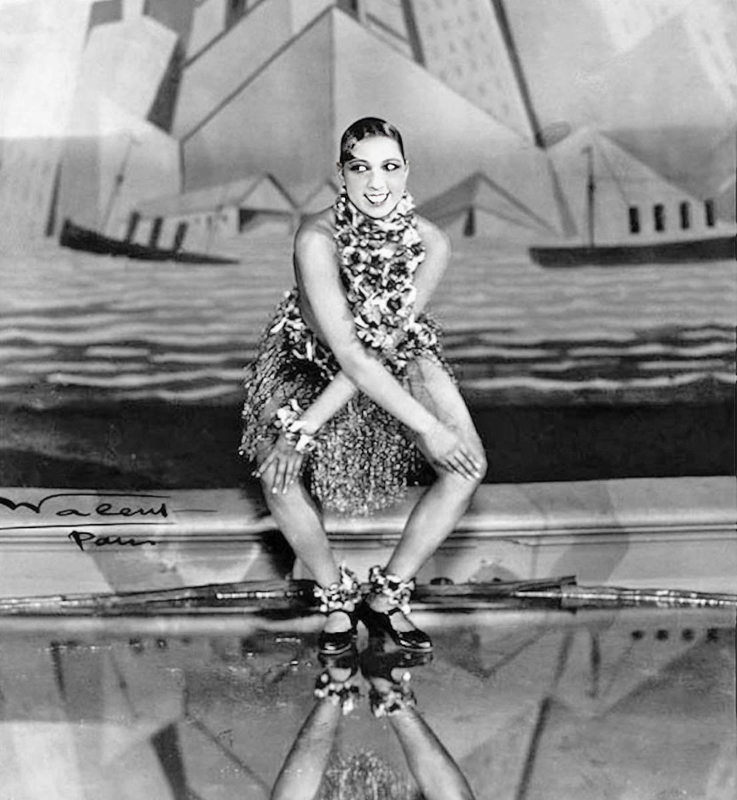
Like other high-profile spies, Baker’s celebrity status worked to her advantage. Her charisma, charm, and extensive social network made her an ideal candidate for undercover work. A prime example of her espionage technique was her ability to use performances as a cover. By attending various social gatherings, she discreetly gathered and passed along information to the Allies.
The different clubs, embassies, and other events that she visited were the perfect locations to exchange information between friends and comrades. No one considered who else would be listening. She would then pass that on to specific contacts.
Her missions could be dangerous, with capture always possible. Baker’s ability to blend in meant maintaining composure while often using her charm to deflect suspicion. For instance, during one occasion in Morocco, she gathered intelligence at a party filled with German officers, all while captivating them with her performance.
Outside of her spy work, she also obtained a pilot license and flew missions during the Phony War. She was a true jack-of-all-trades and one of many essential women heroes of the war.
From Civil Rights Hero to the French Pantheon
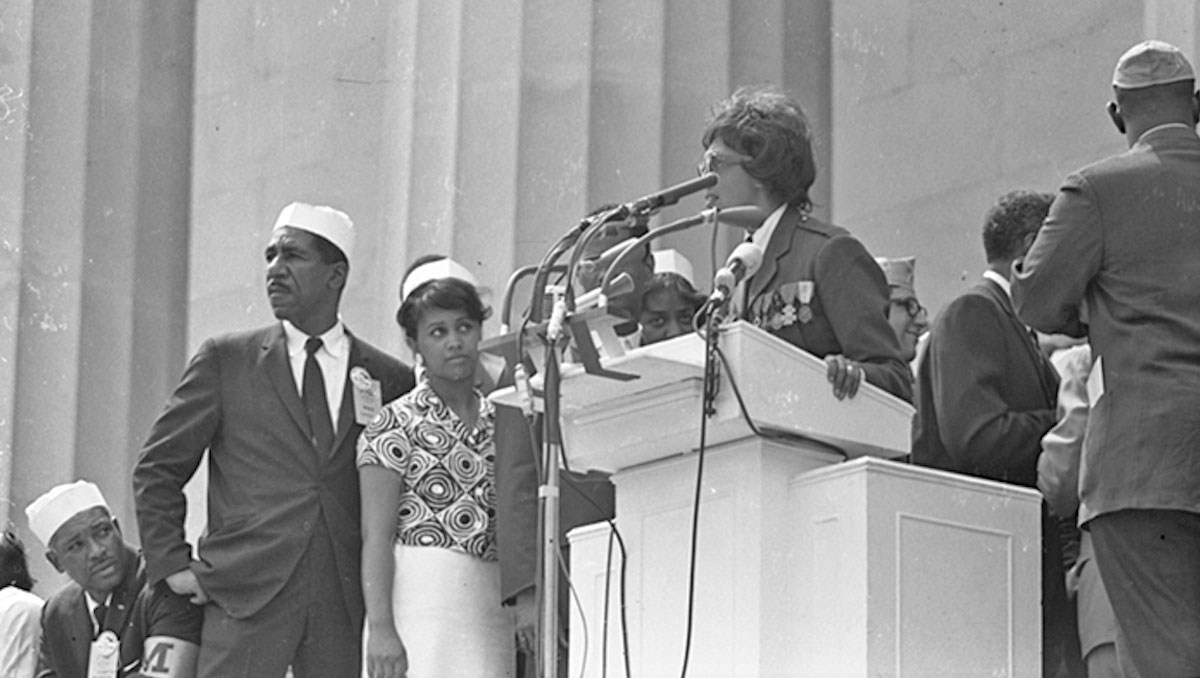
Baker’s work in the war did not go unnoticed. In 1961, she received the Legion of Honor. She was also the first Black woman inducted into the Pantheon mausoleum, several decades after her death. While she is known as one of the most successful Black dancers in France, her career extends far beyond that to her roles in World War II and her work as an activist for Black rights. Even today, videos of her dancing remain on YouTube for future generations to see. Her legacy inspires those who dare to dream and challenge societal norms, and Baker’s story is one of courage, creativity, and an unwavering commitment to justice.