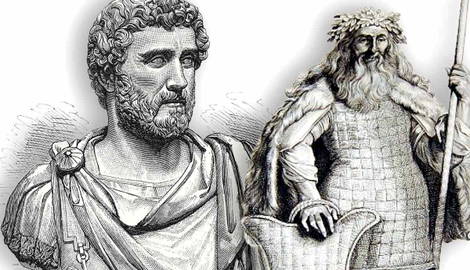
During the second century AD, Rome experienced a period of peace and prosperity known as the Pax Romana. But during the reign of Marcus Aurelius, it faced a genuine crisis in the form of the Marcomannic Wars. His reputation as Rome’s Philosopher Emperor is at odds with the reality of these bloody and brutal conflicts, as well as the plagues, invasions, and instability that blighted his reign. What were the Marcomannic Wars, and how did they shape Marcus Aurelius as an emperor and philosopher?
End of the Pax Romana
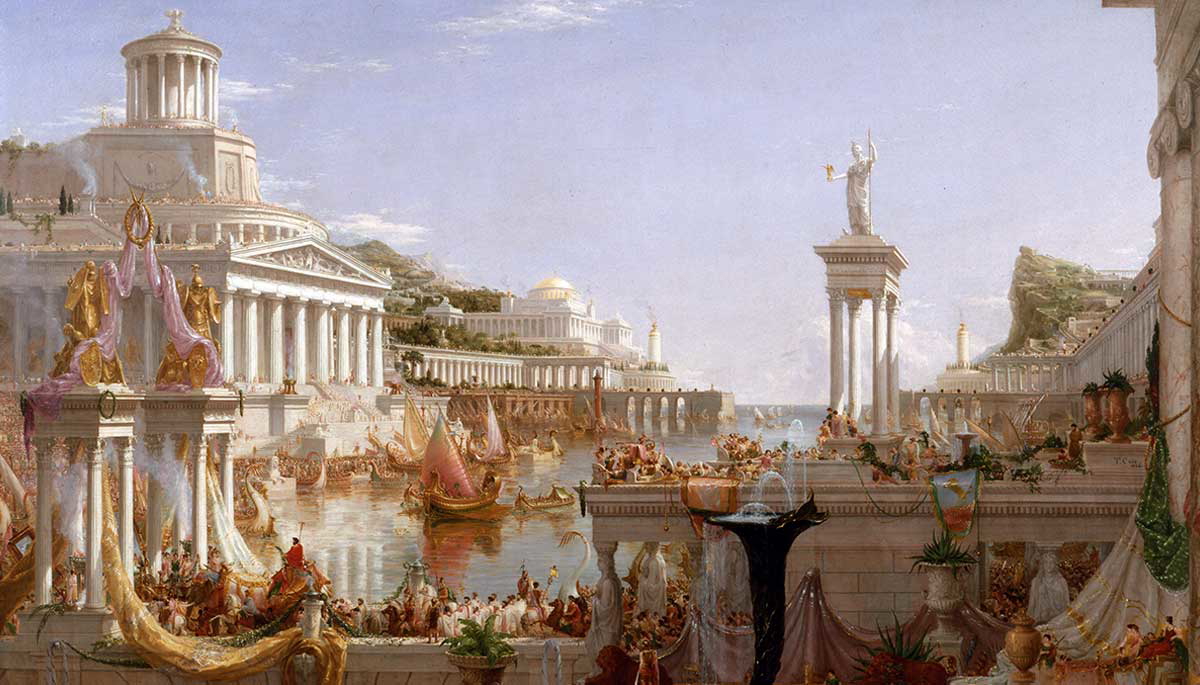
From its earliest days, shrouded in myth, Rome was constantly expanding its territory. By the early 2nd century AD, the Roman Empire was at its height, with its provinces stretching from Britannia in the north, Egypt in the south, the Iberian Peninsula in the west, and Mesopotamia in the east. The Empire was connected by a vast system of well-maintained roads, which allowed trade and legions to move with unprecedented efficiency.
While there were wars and revolts, for the most part, the average inhabitant of the Roman Empire lived a life of peace and prosperity for about two centuries. From the reign of the first emperor, Augustus, to those of the “Five Good Emperors,” Rome experienced a Golden Age. But by the mid-second century AD, Rome was falling victim to its own success.
Marcus Aurelius’ predecessor, Antoninus Pius, never left Italy during his reign; the Empire’s stability meant there was no reason to. Border security and other military matters were left to legionary legates and provincial governors. But during his reign, far to the east, a revitalized Parthian Empire began encroachment on Roman boundaries. Shortly after the emperor died in AD 161, the Parthians marched into Armenia, a Roman client kingdom, and deposed the Roman-backed leader. One of the first tests of the new co-emperors, Marcus Aurelius and Lucius Verus, was to respond to this threat. It took five years, but after a grinding conflict, Rome triumphed, sacking the Parthian capital of Ctesiphon in AD 166.
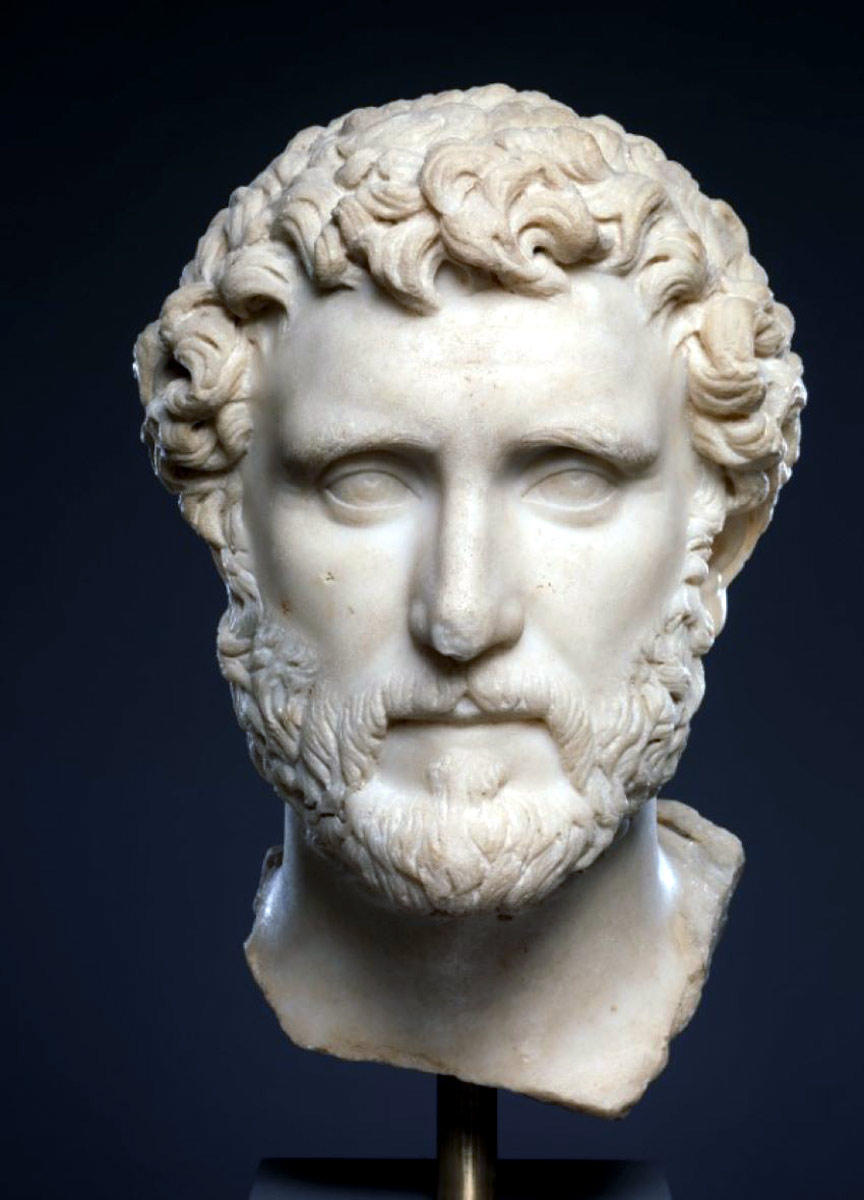
Rome may have triumphed on the battlefield, but it suffered severe consequences. The Antonine Plague was brought back from the east by the Roman legions, and the disease quickly spread throughout the Empire. Based on the symptoms described by the Greek physician Galen, it was probably a form of smallpox. When it finally petered out, the death total was between five and ten million, with some even suggesting that up to a third of Rome’s population was killed by the disease.
The Roman military was hit particularly hard, especially on the Germanic frontiers. Once a highly disciplined and professional fighting force, the legions were badly crippled. Marcus Aurelius was forced to recruit replacements from among slaves, criminals, and gladiators. This meant the Romans guarding against barbarian encroachment were not only depleted in number, but also in professionalism and experience.
Many historians believe that the Antonine Plague was the first stage in the fall of the Roman Empire. It was certainly a heavy blow and a sign that not all was right within the Empire. Taking advantage of Roman weakness, Germanic tribes surged across the Rhine and Danube frontiers, driving deep into Roman territory.
Mud and Blood: The Reality on the Danube Frontier
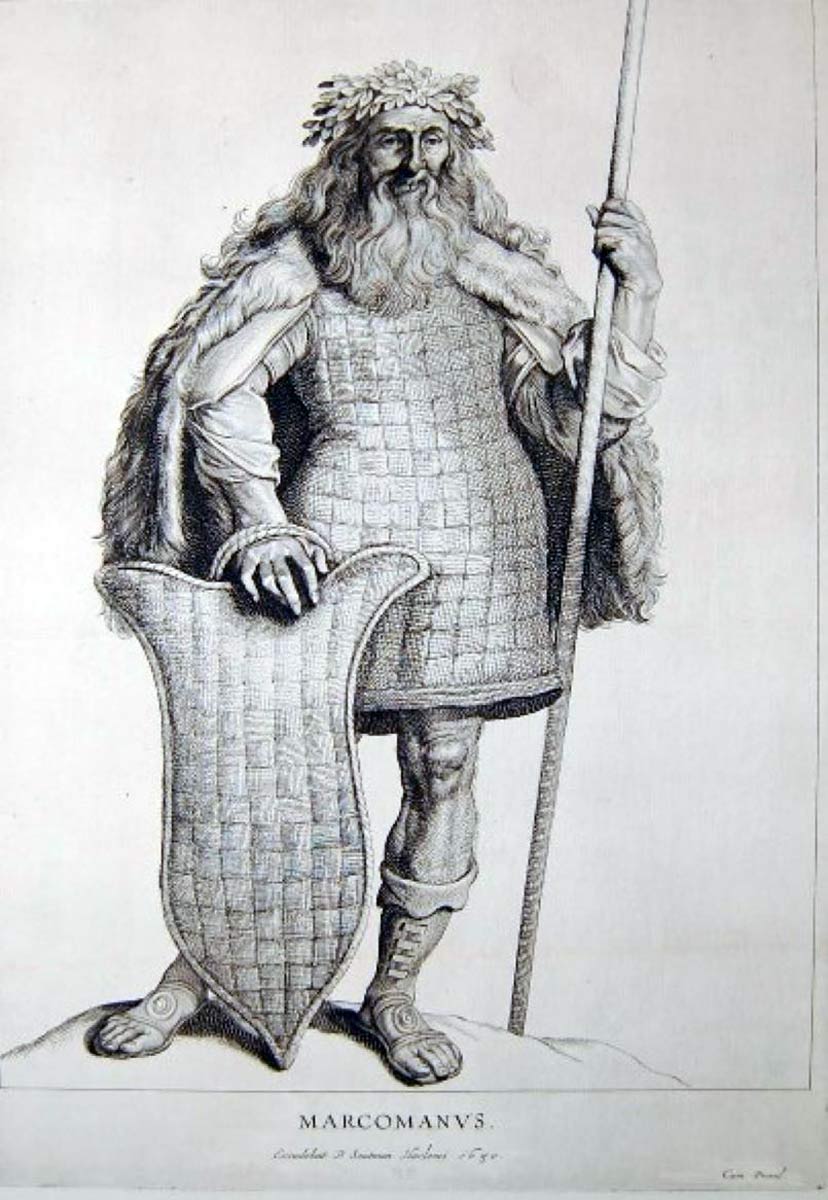
While many tribes were involved, the three most prominent were the Marcomanni and the Quadi, both Germanic tribes related to the powerful Suebi and the Iazyges. The Iazyges were Sarmatians, nomadic peoples from the steppe who settled in what is now Hungary and Serbia and adopted a semi-nomadic lifestyle. All three were nominally clients of Rome. They engaged in trade and diplomacy with Rome, even fighting as allies in the Dacian Wars and other conflicts. Because of their close contact with Rome, they were familiar with Roman military tactics and weaponry, and how to counter these threats.
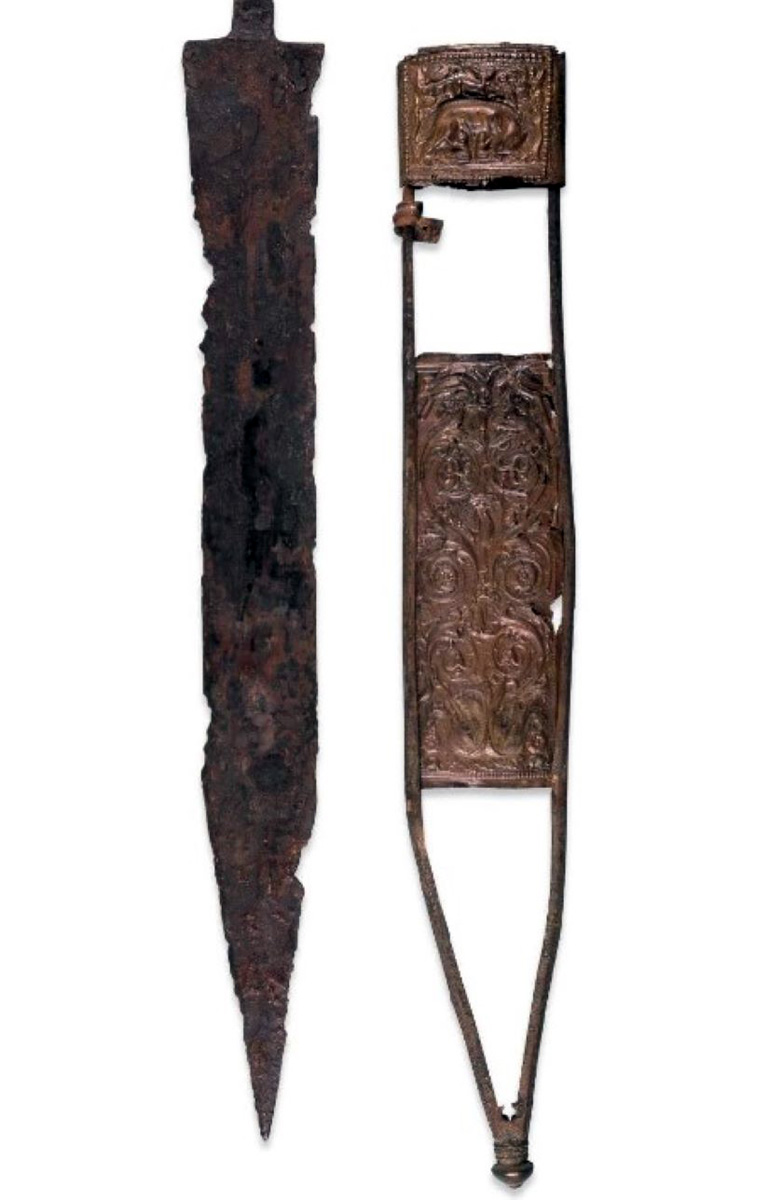
There is little firsthand information about the exact weapons and equipment used by the Marcomanni and their allies, but they were much more sophisticated than popularly believed. Their warriors, at least wealthy warriors, were equipped with iron mail shirts and iron or bronze helmets. They used spears, axes, and swords, and were protected by large, oblong or rectangular wooden shields. As the Marcomannic Wars progressed, they also captured and used Roman gear. They may not have been as disciplined or professional as their adversaries, but they were far from an unorganized rabble.
The fighting in the Marcomannic Wars can best be described as a hybrid between conventional armies and guerrilla tactics. There were traditional battles and sieges that the Romans were familiar with, but the barbarians also made use of the difficult terrain to their advantage. The Danube and Rhine rivers were wide and deep barriers that were generally well fortified, giving the Romans a clear advantage. The area around the frontier was open terrain, ideal territory for the legions to operate, though it was also perfect ground for the horse-based Iazyges. The rest of the region is filled with dense forests or rugged mountains, which the Germans could exploit as choke points. Swampland was also commonplace, and legionaries could be bogged down in the muck or forced to travel well-defined paths, right into carefully prepared ambushes.
While they excelled in pitched battles and sieges, the Romans became frustrated fighting an enemy that could melt back into the dark forests. What should have been an easy victory turned into an extended war of grinding battles against a determined enemy. Marcus Aurelius described the conflict as “the spider hunting the fly” (Meditations 10.10).
Writing Meditations in a War Tent
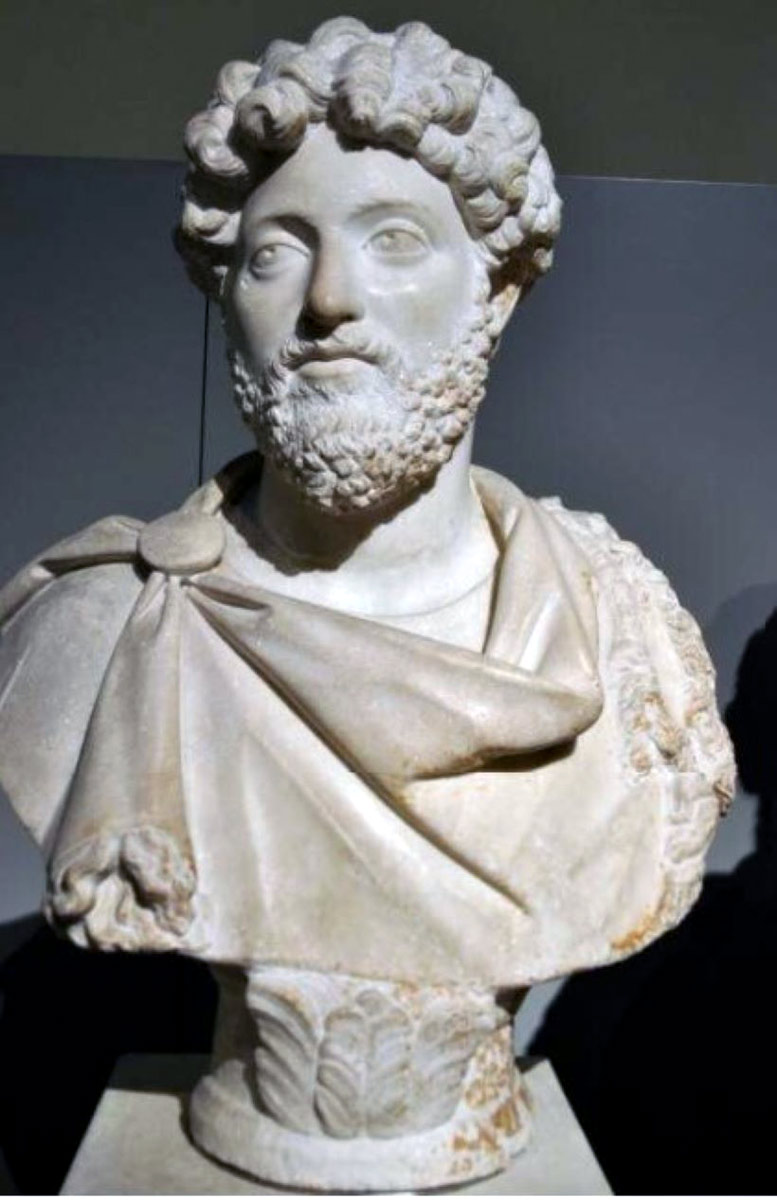
Marcus Aurelius spent much of his reign on campaign, and after the death of his co-emperor Lucius Verus in AD 169, was forced to lead alone. With the burden of leadership his to bear, he turned to Stoicism to endure. One of the key tenets of stoicism is the ability to endure and not be broken by the trials of life. Like a stony headland buffeted by waves, Marcus Aurelius reminded himself to be unshakable in the face of obstacles. No matter what was thrown at him, he would simply endure and not be brought down by despair or anger, unshakable to the core. He also reminds himself to focus on what is right in front of him and not to become concerned with the unknowable and distant future.
One of the most significant passages of Marcus Aurelius’ Meditations, his musing on life through Stoicism, is the heading of the second book. It states: “Written among the Quadi on the River Gran.” This reinforces that his philosophy was forged on the blood-soaked battlefield among enemies and not in the comfortable marble palaces of Rome. He reminds himself that during the day, he will face gossipers, envious men, complainers, and other less-than-pleasant individuals. He cautions himself not to take them personally and to have pity on them since they are ignorant and simply cannot help themselves. Every man shares the same divine spark and deserves patience.
The Wars in Brief
The invasion of Roman territory was caused by a domino effect. The first phases of the Great Migrations had begun, and the Goths, located in northern Europe, began to move south and west, driving other Germanic tribes out of their homeland. With no other choice, the Germans crossed the Roman borders of the Rhine and Danube rivers. In AD 166, the Lombards raided the Roman province of Pannonia, modern Austria, Hungary, Bosnia and Herzegovina, and Croatia. These were driven back by local forces, and the Marcomannic king Ballomar acted as a mediator between Rome and the German tribes. Marcus Aurelius attempted to launch a punitive invasion in AD 167, but had to delay a year due to the ravages of the Antonine Plague.
In AD 168, the Roman punitive expedition was launched into Pannonia, and the Marcomanni and others were forced to withdraw in the face of overwhelming Roman might. The Romans returned to winter quarters, and the emperor Lucius Verus died early in AD 169, leaving Marcus Aurelius as the sole ruler.
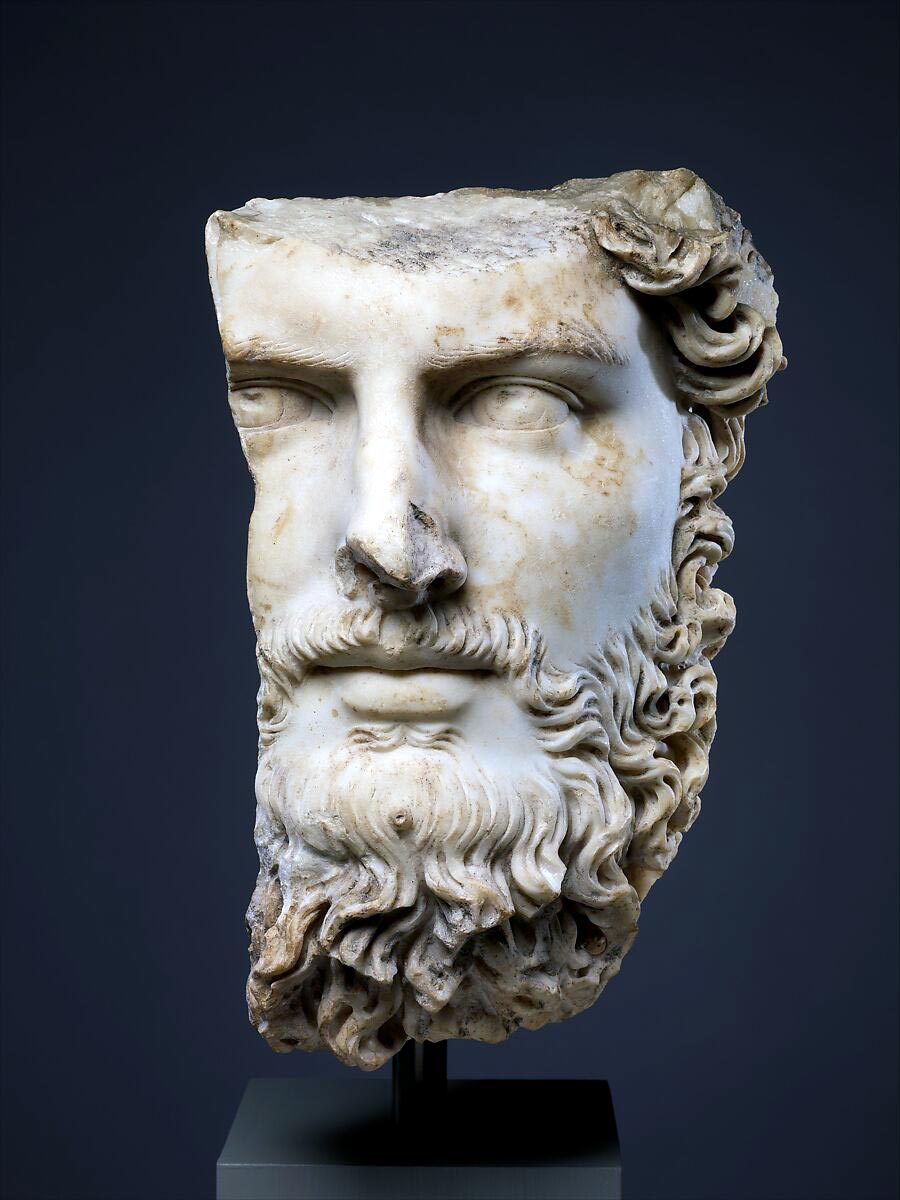
The next target of Roman wrath were the Iazyges. To fund the expedition, Marcus Aurelius was forced to auction off pieces of Imperial property as an alternative to raising taxes, which underscores the shaky foundation of the Roman system in the wake of the Antonine Plague. While occupied with the Iazyges, the border defenses were spread thin, and barbarians invaded Roman territory in Thrace, though they were repulsed. Of more concern was a massive invasion that crossed the Danube and crushed a Roman detachment of 20,000 men at Carnuntum, a major border fortress. They pushed south and reached Italy. This was the first invasion of Italy since the Cimbri in 101 BC. Marcus Aurelius devoted all his attention to defeating this threat, pulling troops from other frontiers.
The invasion was defeated in AD 171, and peace treaties were established with the various Germanic and Sarmatian tribes. The next year, Rome invaded Marcomanni territory, delivering a decisive defeat.
The Miracle of the Rain
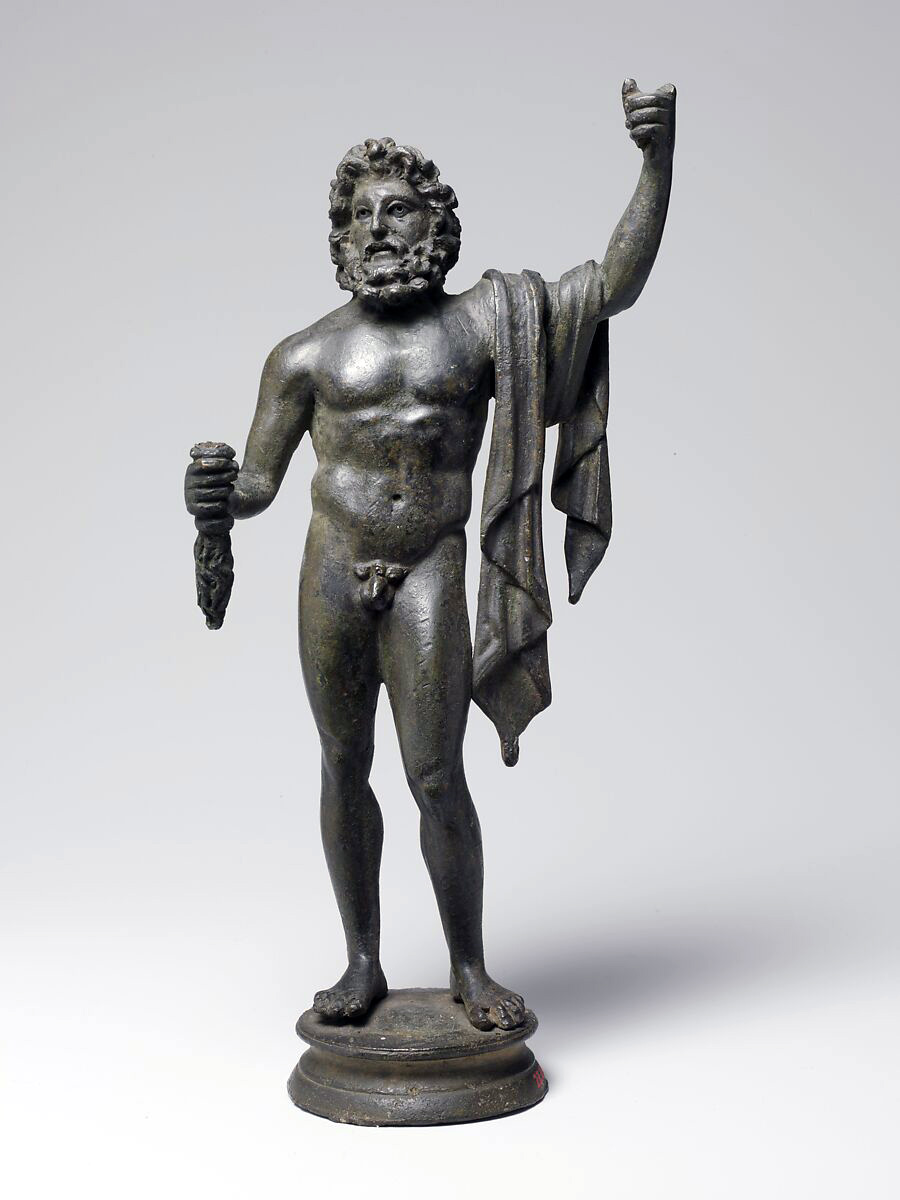
In AD 172, the most dramatic episode of the Marcomanni Wars took place. The Quadi had violated the terms of their treaty, and a punitive expedition was launched. During this campaign, the XII legion found itself surrounded on a high plain and unable to break through. It was the middle of summer, and the scorching temperatures were causing the Romans to fall victim to heat and thirst. The Quadi outnumbered them and had cut them off from any water supply. Too weak to break through, hope was quickly fading from the Romans, who would soon be forced to surrender. Just when all seemed lost, something miraculous happened.
Seemingly out of nowhere, clouds gathered, and a massive downpour fell on the trapped Romans. The legionaries collected water in their helmets, their shields, and any other container they could find, even lifting their faces to the heavens and catching the water directly in their mouths. The Quadi launched an assault while the Romans were distracted, and the legion fought and drank at the same time. Rather than being overwhelmed by the numbers, another miracle saved the Romans. Lightning fell from the sky, killing and driving back the Quadi, though not a single bolt fell on the trapped legion. Thrown into confusion, the Quadi were forced to withdraw, and the XII legion managed to escape.
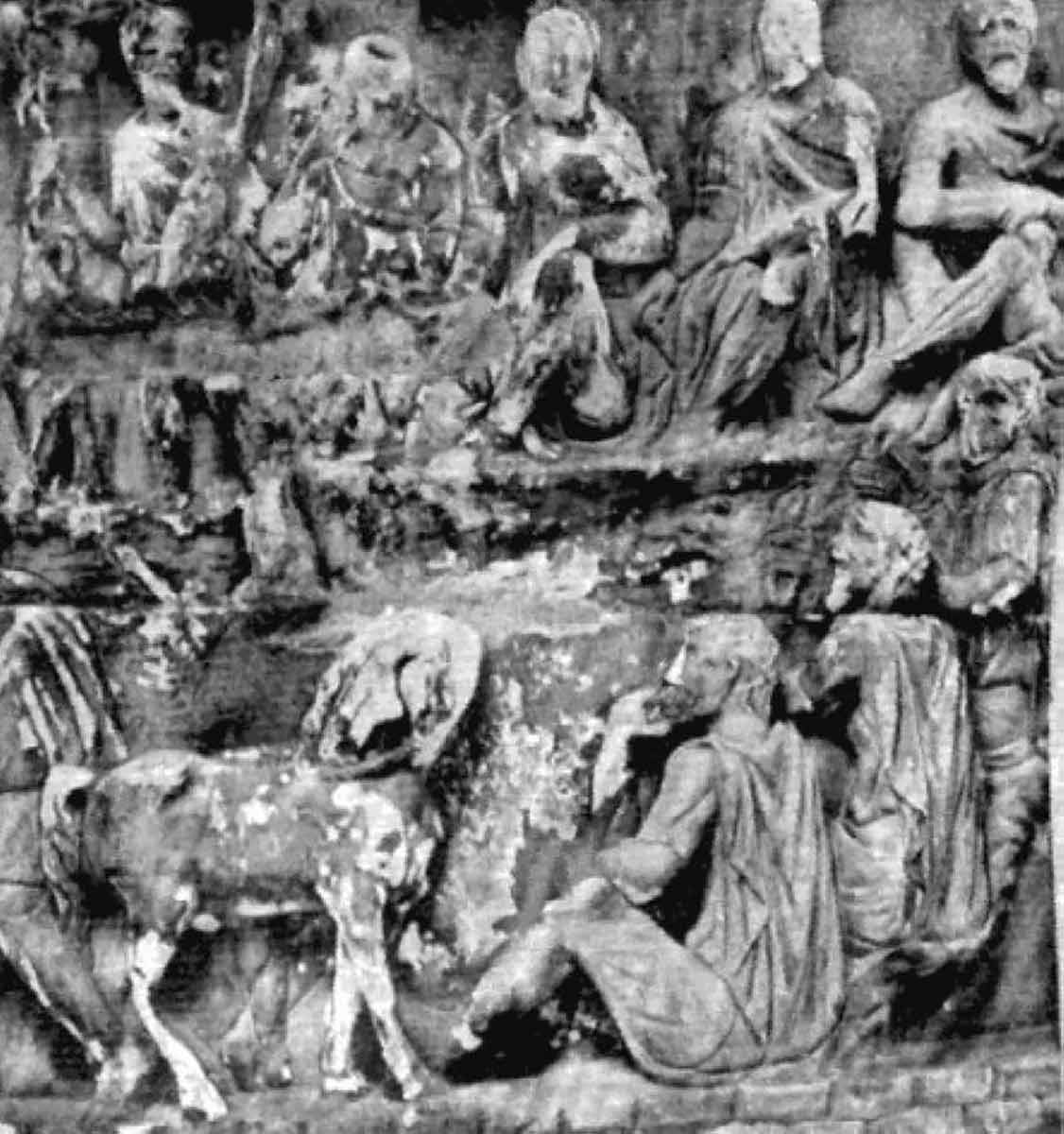
The Roman historian Cassius Dio attributed the event to the efforts of an Egyptian magician who served in the legion, stating he invoked the god Mercury to save the Romans. The Miracle of the Rains, as it became known, was also commemorated on the triumphal column of Marcus Aurelius, which shows the trapped legionaries being aided by a sky deity, probably Jupiter Pluvius. In stark contrast, Christian writers, specifically Tertullian, stated that they were saved thanks to the prayers of Christian soldiers in the army. No matter the reason, the event was a powerful propaganda symbol that was used to show divine favor.
The Column of Marcus Aurelius
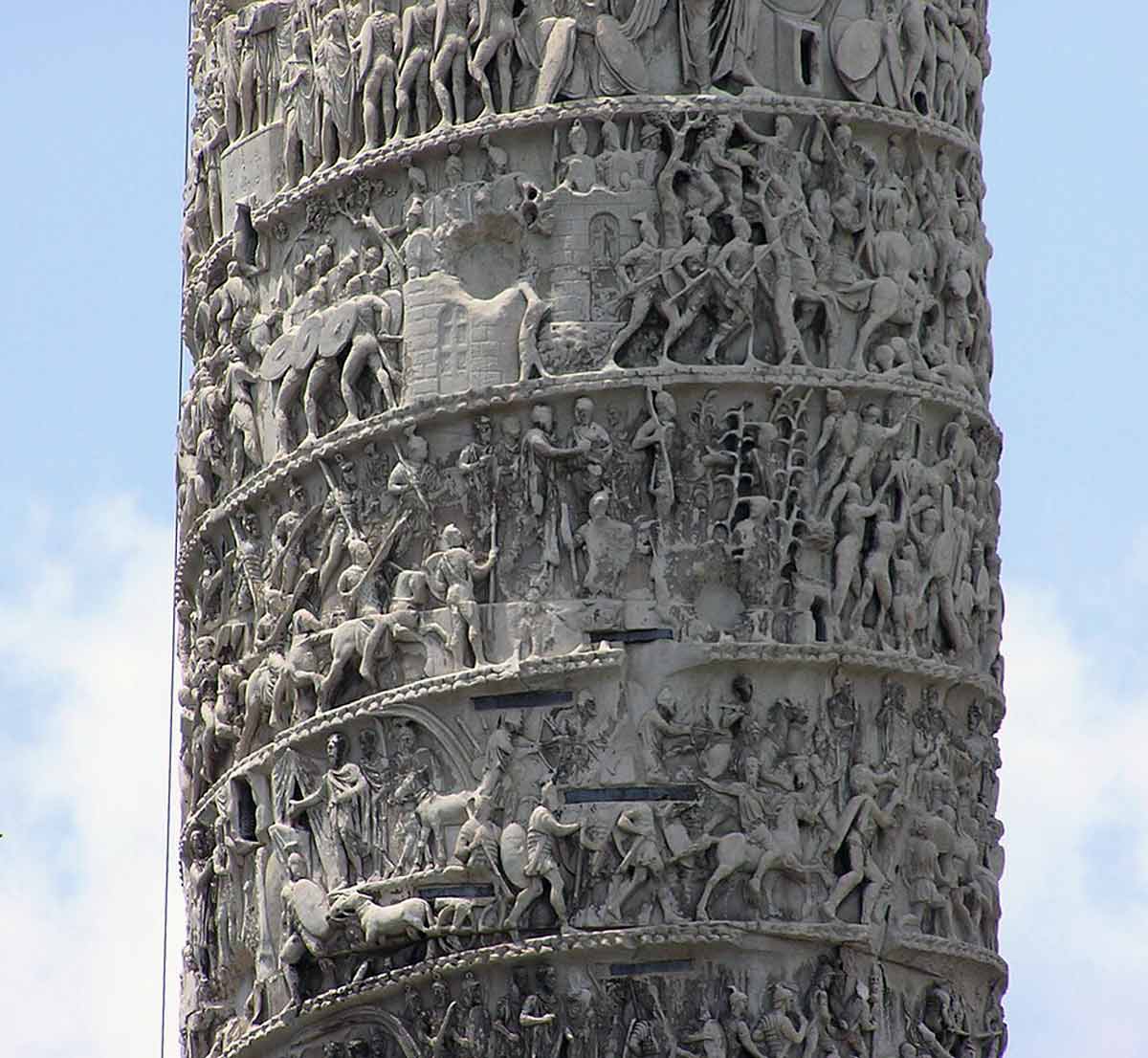
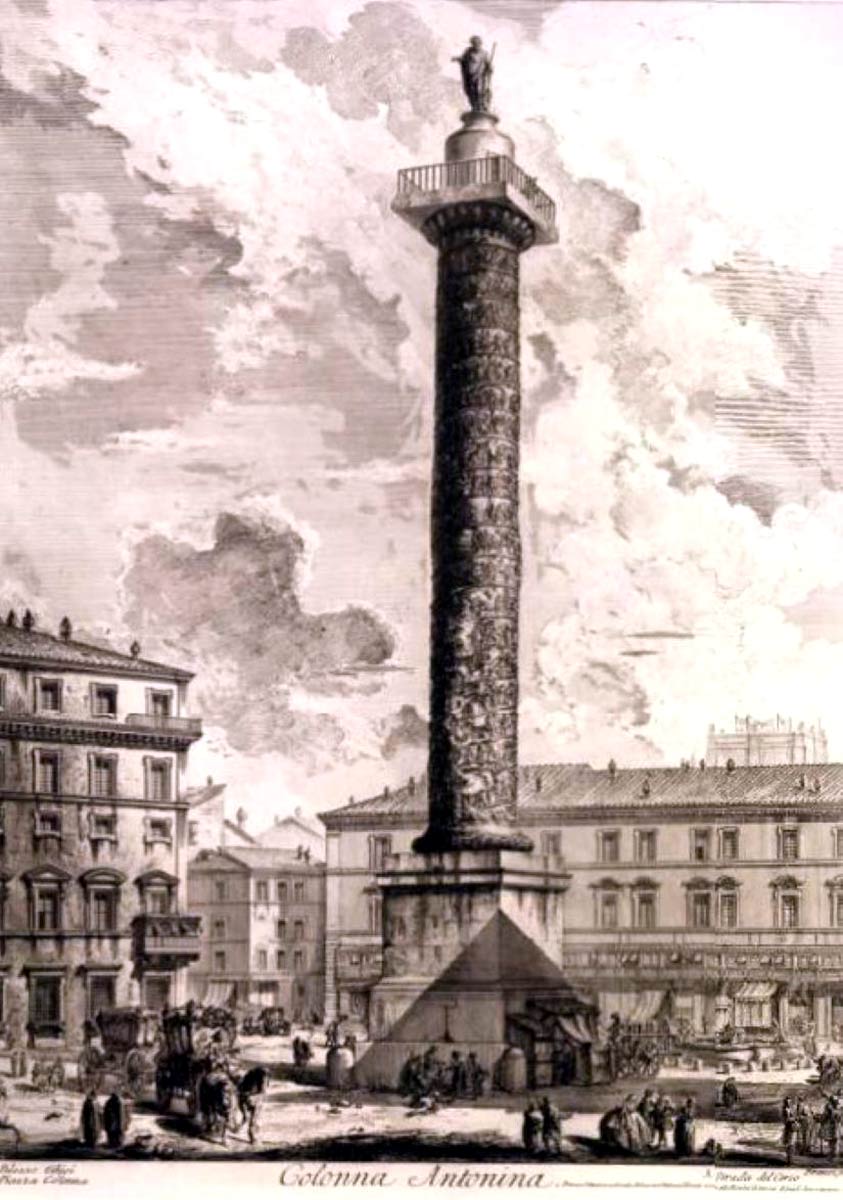
The Miracle of the Rain, along with other scenes from the war are commemorated on the Column of Marcus Aurelius. Modeled after the more famous Trajan’s Column, this marble monument was completed in AD 193. It stands just under one hundred feet in height, though there may have been a statue at the top increasing the height further. Twenty-one carved reliefs spiral. In addition to the written sources, the column provides a glimpse into the Marcomannic Wars. Each shows some aspect of the war, such as treacherous river crossings, decisive sieges, open field battles, and is a primary source depicting the weapons, armor, and equipment used by the combatants.
Though it is based on Trajan’s column, there are some significant differences. The figures are carved more deeply, which accentuates the shadows they cast, making them appear more visually striking and have much more of a sense of dynamism than Trajan’s. The heads of the figures are also disproportionately large, so their expressions are easier to see and interpret. Also, unlike Trajan’s Column, the Column of Marcus Aurelius is not in chronological order, and the exact events shown and the historical events they correspond is debated, though the Miracle of the Rain is a featured scene. Another difference is the subject matter. The Column of Marcus Aurelius is much more violent and brutal, openly depicting the burning of civilian settlements and the execution of prisoners of war.
The more violent images may shed light on how Rome viewed the conflicts. The Marcomannic Wars were defensive in nature, and instead of conquering new territory, the Romans were forced to act defensively. Angered by what they perceived as a betrayal, they were much more ruthless and more comfortable depicting their enemies being slaughtered. Italy itself was threatened, and the aura of Roman territorial inviolability was broken. Rome was psychologically scarred by the event and was perhaps using the aggressive imagery as a way to regain lost confidence.
Pyrrhic Victories and Succession Issues
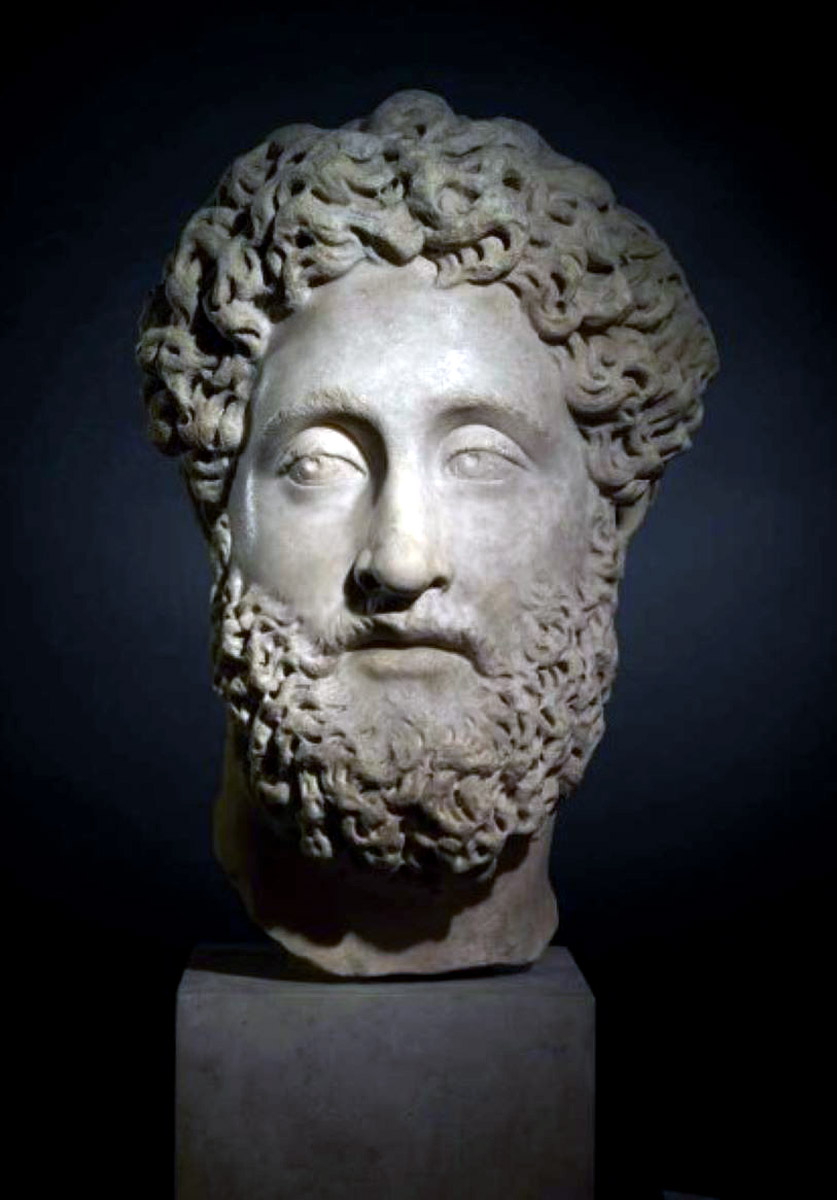
After the Miracle of the Rain, the First Marcomannic War continued, with each year bringing new incursions by barbarian tribes that were repulsed or Roman punitive expeditions. Many Germanic tribes were defeated and forced to turn over hostages or serve in the Roman military as auxiliaries. The Sarmatian tribes were also defeated and were forced to provide auxiliaries, many of whom were sent to Britannia, and may have been the seed of the Arthurian myths. In AD 176, Marcus Aurelius and his son Commodus celebrated a triumph in Rome, marking the end of the First Marcomannic War.
The next year, the Marcomanni and the Quadi rebelled, and Marcus Aurelius gathered an army for the operation against them. He spent the next three years campaigning, with the decisive clash occurring at Laugarici, now modern-day Trencin, Slovakia. At this battle, the Quadi were defeated, with the survivors finished off by forces under the Praetorian Prefect.
Shortly after this victory, Marcus Aurelius died at the Roman fortress of Vindobona, now Vienna. He was succeeded by Commodus, who was uninterested in the war, and returned home to celebrate a triumph, ending the Second Marcomannic War. There were other sporadic conflicts, which saw Romans fighting against the Iazyges and the Buri, as well as Dacians outside of Roman control. It ended with a Roman victory, and Commodus gave himself the title of Germanicus Maximus.
When Marcus Aurelius died, the imperial throne passed to his biological son, Commodus, for only the second time in Roman history; the first being Titus. Under the Antonines, the practice had been for emperors to handpick their successors, usually from among their close family, but they prioritized suitability over biology. This resulted in elderly men “adopting” middle-aged men with proven track records to succeed them, which worked well for more than half a century. Marcus Aurelius’ decision to elevate his young son, just 18 years old in AD 180, to the imperial throne was baffling to later historians. Even in his youth, it was apparently clear that Commodus was erratic and did not have the temperament for rule. Nevertheless, he was named Caesar and co-emperor in AD 177, ensuring his succession on his father’s death
It is unknown why Commodus was chosen instead of a man with more experience. Perhaps Marcus Aurelius thought that Rome needed a youthful leader, or other rivals to power threatened civil conflict. Or perhaps the old emperor bought into traditional Roman ideas around family honor and hereditary succession. Whatever the reason, this is often considered a turning point in Rome’s fortunes.
Legacy of the Marcomannic Wars

When the wars were finally over, Rome was forced to take stock. While it had triumphed over its enemies, Rome was forced to fight defensively, giving up the vital initiative to the enemy. After years of bloody fighting, Rome did not achieve great wealth or territorial gains, their only prize was survival. This, combined with the Antonine Plague, deeply scarred the Roman psyche. In more practical terms, it revealed that Rome had become complacent and their borders, especially along the Danube and Rhine frontiers, were vulnerable. The Empire reorganized its defenses, and around half of its legions were deployed along this border. This barbarian invasion was a dress rehearsal for the Great Migrations of the 4th and 5th centuries AD that eventually overran Rome.
Politically, the wars marked the end of the Pax Romana, as centuries of stability were broken and Italy was revealed to be vulnerable. The rise of Commodus also marked the end of political stability. The unpredictable emperor was assassinated, creating a power vacuum that saw a rapid succession of emperors. This instability would culminate a few decades later with the Crisis of the Third Century, a tumultuous time of near constant civil wars, power grabs, insurrections, and economic and cultural decay.
Though he spent most of his reign fighting barbarians on the front line, Marcus Aurelius was at best a reluctant warrior. His true passion was philosophy, and even on campaign, he devoted much of his time to studying and writing. His Meditations were shaped by the soldier’s camp more than a marble palace, and give insight into a man out of his element. Time and again, he reminds himself not to worry too far into the future, and to focus on the here and now, and only to worry about what he can control. It is a testament to his character that he led Rome through one of her most chaotic hours with his posthumous reputation intact.