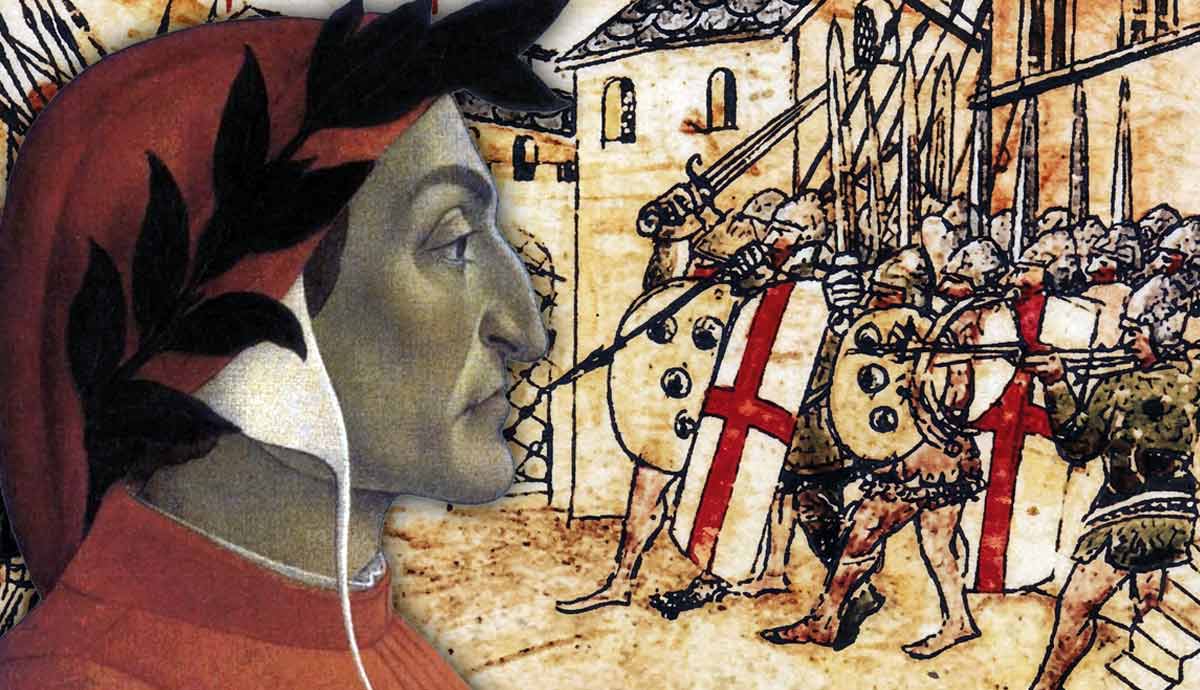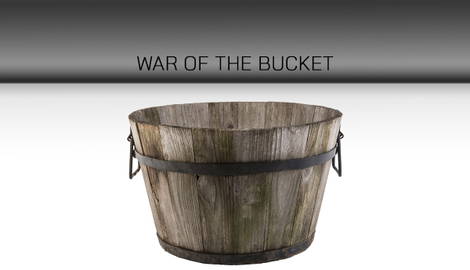

There is a story that makes the rounds online that several soldiers from the city of Modena snuck into the city of Bologna and made off with a wooden bucket used by the Bolognese to draw water from a well. When the theft was discovered, the enraged Bolognese declared war on the Modenese. Around 2,000 people died, and many thousands more were injured before the war was over. It’s a nice, tidy story of some medieval madness. The only problem is, almost none of that story is true.
The Guelphs and Ghibellines
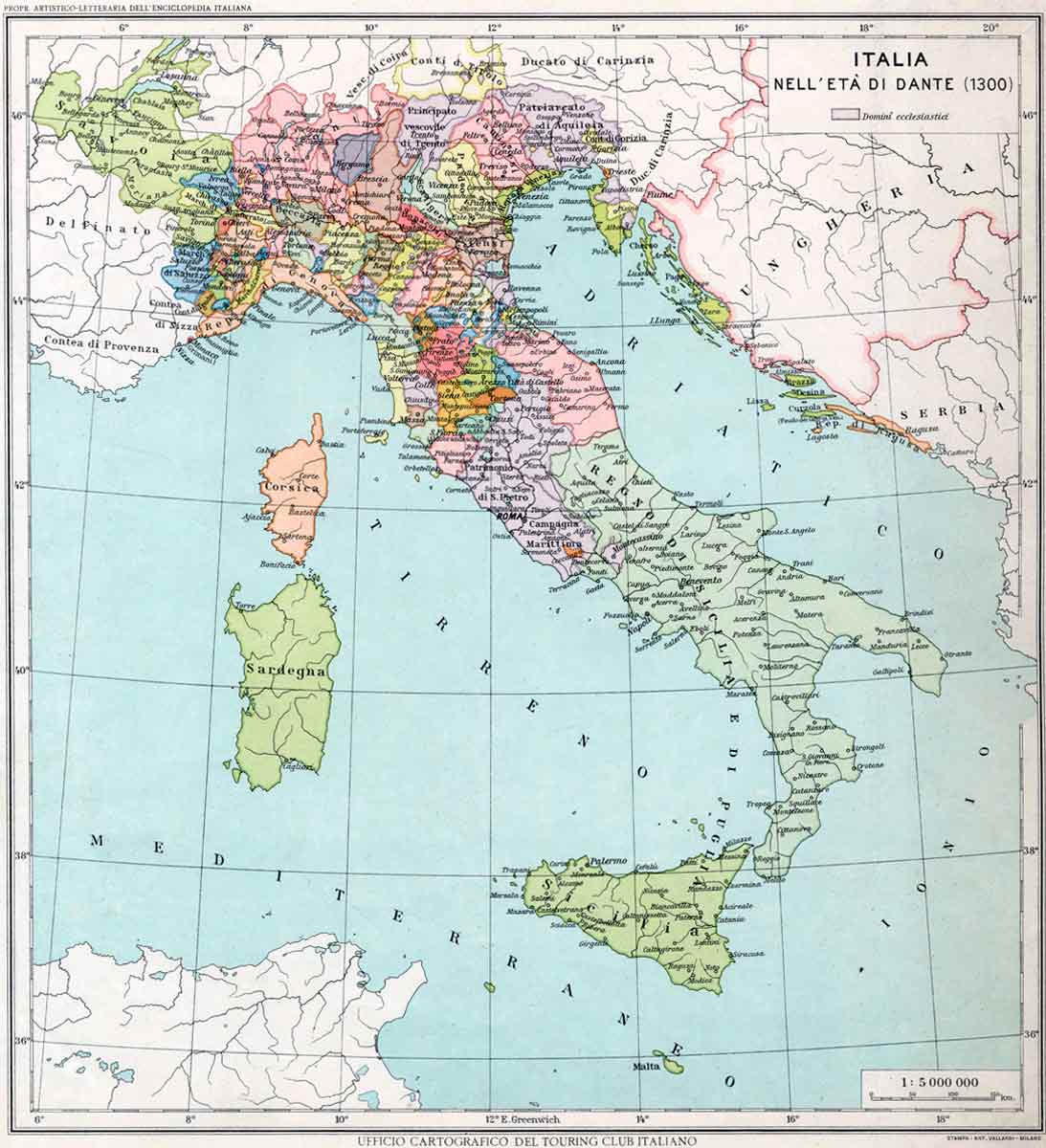
The concept of Italy as a unified country is a modern one. In the Medieval Period, Italy was divided among several kingdoms and empires.
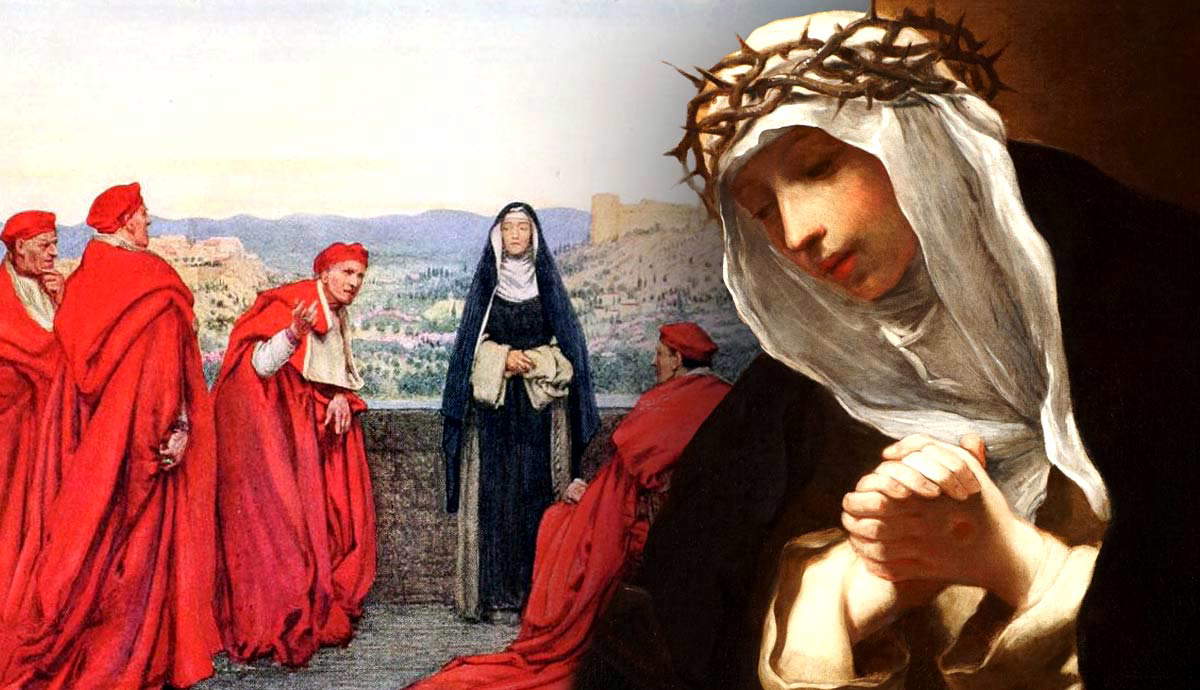
Northern Italy was a hodgepodge of city-states that fought incessantly with each other. Caught between the Holy Roman Empire to the north and the Papal States to the south, these cities would have to choose to align politically with the emperor or the pope.
The pro-Papacy faction was known as the Guelphs, and the pro-emperor faction was known as the Ghibellines.
And this was not just a division between the cities. There were militias of both factions present in various cities, which would occasionally erupt into what were essentially gang wars. The Guelph and Ghibelline conflict dominated local and regional politics for centuries, seeing peaks and valleys over the years.
Bologna was a staunch Guelph city, while neighboring Modena was pledged to the Ghibellines.
Border Conflict
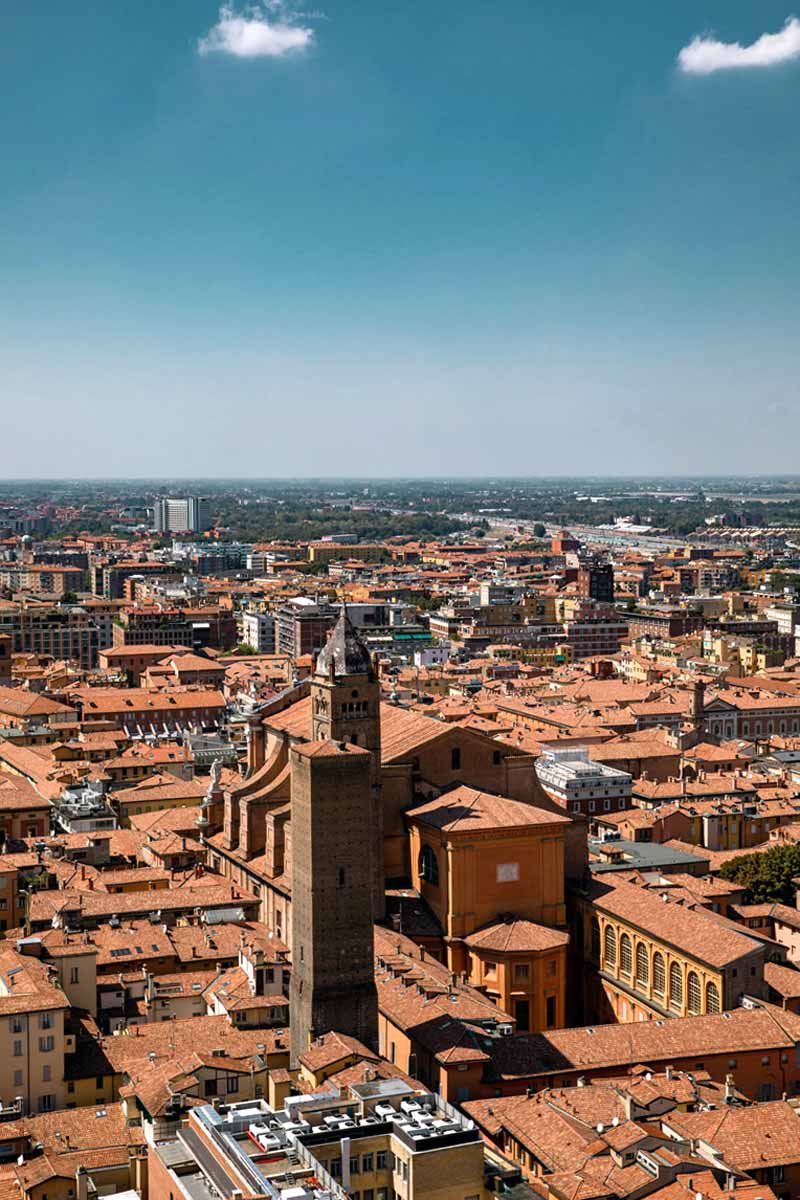
Differing factional allegiances exacerbated the border tensions between Bologna and Modena. In 1296, Bologna, with the support of the pope, seized the fortified towns of Bazzano and Savigno from Modena. After Modena chose to continue the conflict to try to regain its lost territory, Pope John XXII declared the leader of Modena, Passerino Bonacolsi, a rebel against the Church and granted an indulgence for the remission of the temporal punishment for all sins committed on Earth to anyone who harmed him or his possessions.
That type of indulgence was normally granted to Crusaders.
By the summer of 1325, the long-running conflict was still simmering. In July, Bolognese forces ravaged the Modenese side of the border, raiding and burning deep into their territory. In August, a Bolognese mob crossed the border. However, in September, the Modenese struck back.
The fortress of Monteveglio, held by Bologna, was taken by Modena after two soldiers garrisoning it opened the gate and allowed them in. Bologna could not let this stand and raised an army to retake it.
The Battle of Zappolino
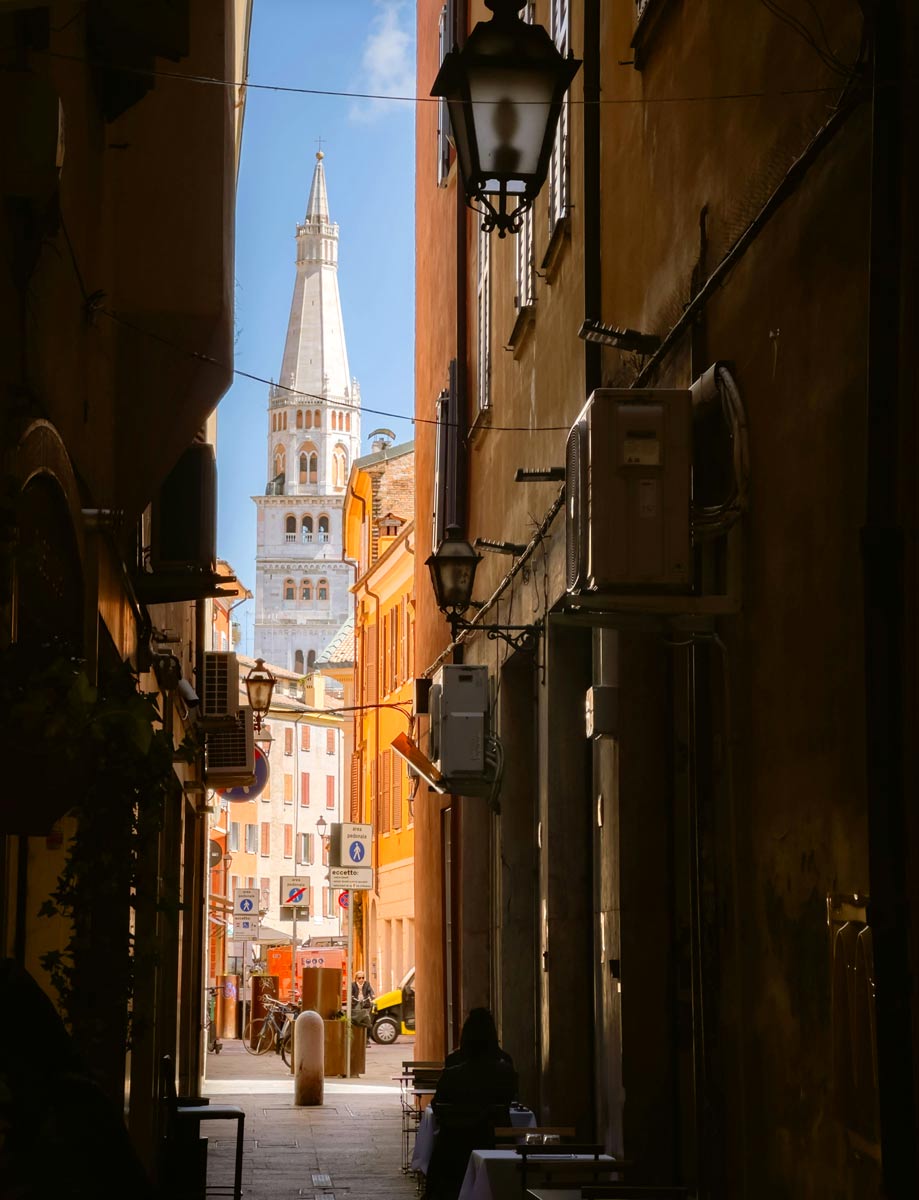
The Bolognese army numbered around 30,000 men, which was an enormous force for the Medieval Period. Modena, on the other hand, was only able to muster around 5,000 men. The lopsided numbers made the Bolognese think that this would be an easy victory.
The Modenese, however, had a plan to counteract Bologna’s superior force.
When the Bolognese set out to retake Monteveglio, Modena’s small force made itself appear much larger than it actually was. Using tried and true deception tactics like fake campfires, they were able to get Bologna to spread out its force over a much larger area than they should have.
When battle was joined at Zappolino, Modena was able to rout the Bolognese force, resulting in approximately 2,000 casualties for the Bolognese army.
The Bucket
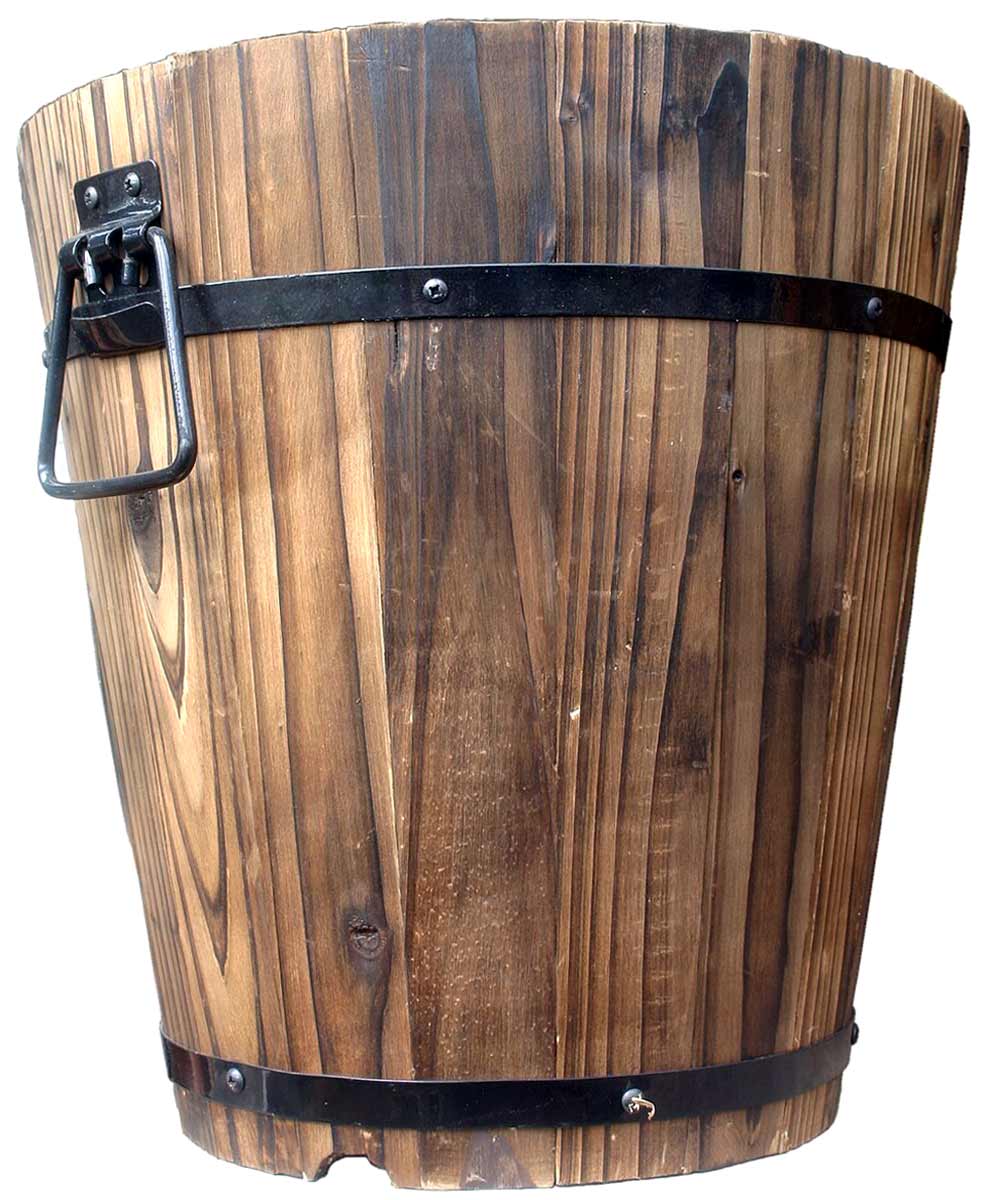
Modena pursued the broken army all the way back to the city of Bologna. While Modena did not have the force or the desire to commit to a lengthy and costly siege of Bologna itself, they wanted to humiliate their long-time rivals. They essentially held a party outside Bologna’s walls for days to rub salt in the wound.
During this time, some Modenese soldiers, possibly drunk, decided to take a wooden bucket from a well near the city as a trophy. When the Modenese army left Bologna, they took the bucket with them.
The bucket was put on display in Modena to commemorate the victory at Zappolino. First, it was displayed in the Torre della Ghirlandina in Modena’s cathedral complex, but then it was moved to the Camerino dei Confirmati at the Palazzo Comunale, where it can still be seen to this day.
The Legend

So, if that is the truth, then where did the story of the war being started over the stolen bucket come from?
The culprit is a Modenese poet named Alessandro Tassoni.
In 1622, Tassoni published La Secchia Rapita, a satirical poem about the war between Bologna and Modena. Being satire, the poem took place in a heightened version of reality where all the players were more absurd than their real-life counterparts. The conflict is deliberately designed to reference Homer, with the bucket playing the role of Helen of Troy, whose kidnapping caused a great war to break out.
Notably, Tassoni never intended for his poem to be read literally. However, when the story left northern Italy, it began to take on a life of its own.
The Opera
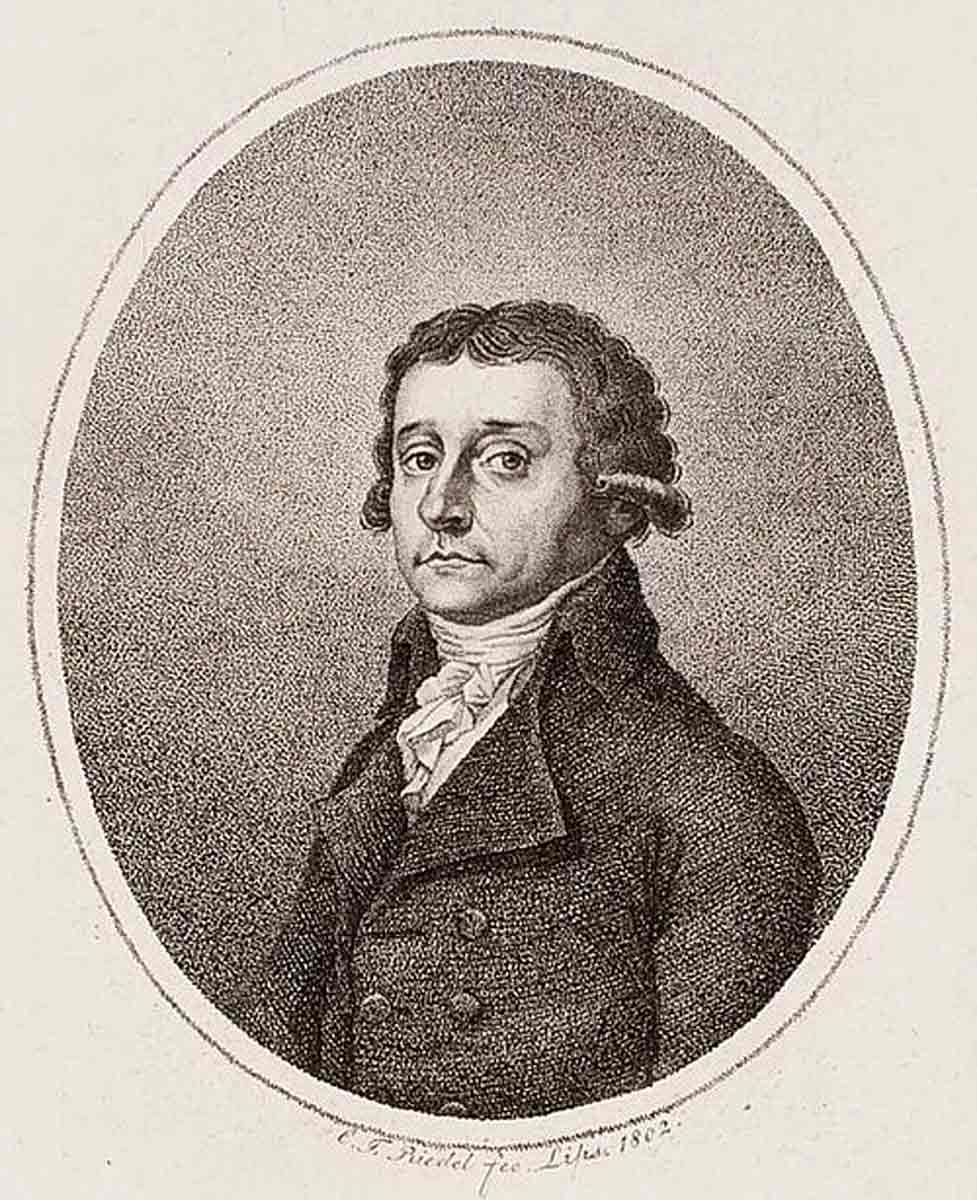
In 1772, Antonio Salieri, perhaps best known for his (mythical) rivalry with Wolfgang Amadeus Mozart, adapted La Secchia Rapita into an opera of the same name. The opera itself, much like the poem it was based on, was a comedic satire, this time of the popular opera seria that were all the rage in Vienna, where Salieri was composing.
The parallels to The Iliad were played up, with several arias being sung about the bucket. The opera ended with a song celebrating that the War of the Bucket would be more famous than the Rape of the Sabine Women, the Abduction of Helen of Troy, and the Kidnapping of Persephone.
Again, this opera was not meant to be a work of history. However, by this point in history, there was over a century between the opera and the poem, and three centuries between the poem and the events that it satirized. This historical distance and the multiple layers of irony and parody found in the opera and the poem began to obscure the historical truth.
Conclusion
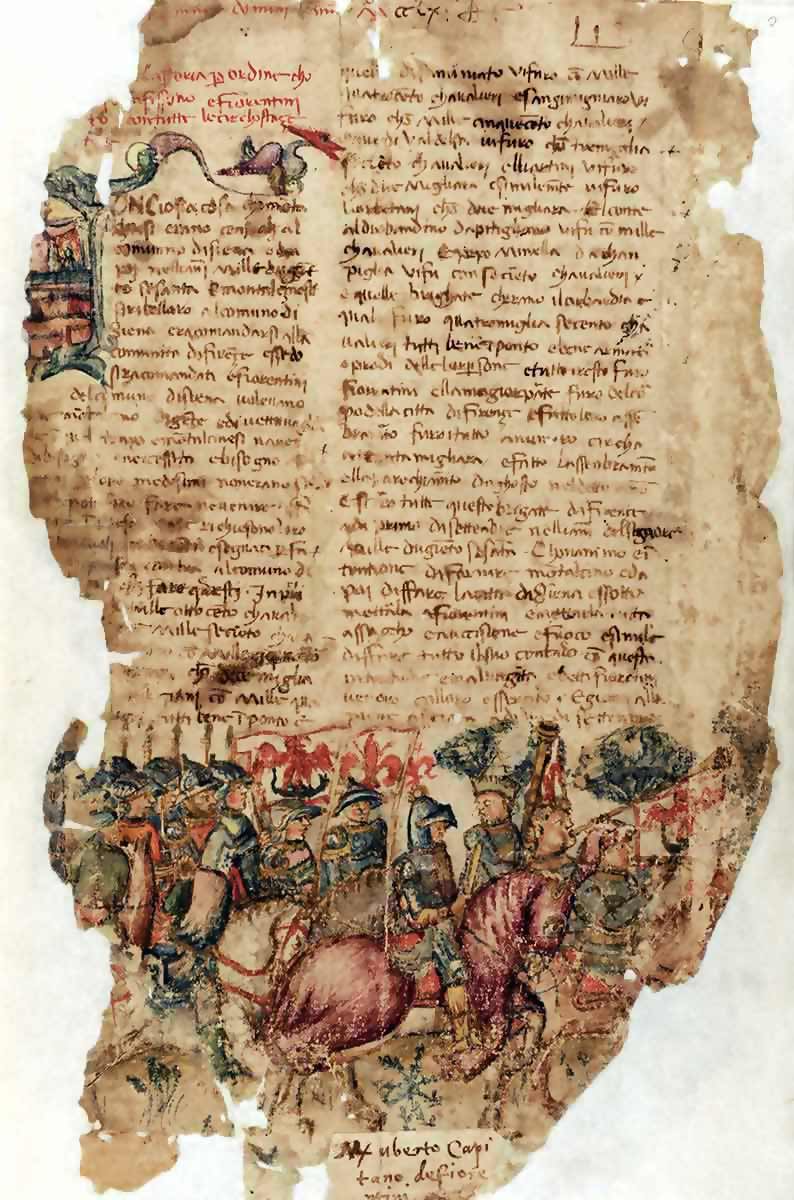
The age of the internet supercharged the legend of the War of the Bucket. Driven by sensationalism and clickbait, the story of two cities going to war over a stolen bucket is more immediately eye-catching than having to explain the conflict between the Guelphs and the Ghibellines.
There is also a general cultural sense that the Medieval Period was probably strange enough to have a war over a stolen bucket. After all, the Medieval Period was filled with some strange events like a pope putting his dead predecessor on trial, so is it really that much of a stretch to believe that two city-states went to war over something as trivial as a stolen bucket?
While there were, and still are, many instances of the truth being stranger than fiction, this is not one of them. The conflict between Bologna and Modena says more about the political division and factionalism of Italy in the Medieval Period than either city’s feelings about buckets.