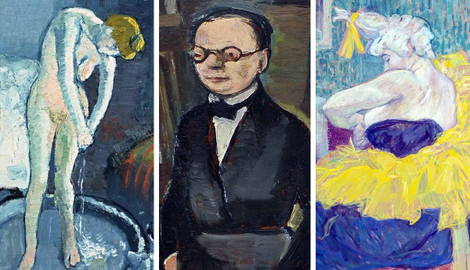

Long before blue-chip galleries dominated the global art market, visionary Parisian art dealer Berthe Weill spotted genius where others saw madness. She was one of the first women to own a gallery. From Pablo Picasso to Suzanne Valadon, she sold and exhibited all the artists of the Parisian avant-garde. She was pivotal in bringing attention to emerging talents, helping them gain visibility and recognition in the art market. Weill shaped modern art history, yet her pioneering legacy was nearly erased for over a century.
Who Was Berthe Weill?
Born in Paris on November 20, 1865, into a modest Jewish family, Berthe Weill was exposed to art from a very young age. After elementary school, Berthe, who had fragile health, studied art under a distant cousin, Salvator Mayer, an art dealer in prints and curiosities. When he passed away in 1897, Berthe began her career as a dealer alongside her brother Marcellin. Together, they opened a small gallery at 25 rue Victor Massé, where she sold antiques and prints. Then, she partnered with Pedro Manach, a young Spanish industrialist, with whom she purchased her first Picassos. But a few months later, due to family reasons, Manach had to return to Spain.
The separation from her brother and then from Manach marked a declaration of independence for the art dealer. By 1901, she became the first woman to run an art gallery in Paris. She then established her own tiny shop in Montmartre, with the sign “Galerie B. Weill” displayed out front. To escape the misogyny of the era, she chose not to include her first name. Notably, she embraced the term “gallery,” which was still relatively rare at the time and often replaced by “dealer.”
Weill revolutionized the profession by showcasing many unknown artists. At that time, alongside Ambroise Vollard, they were some of the only ones selling contemporary artists. Her greatest strength was her keen eye, which allowed her to exhibit many 20th-century talents and give them their first opportunities. She became known as one of the few dealers representing emerging artists and scouted talent at the Salon d’Automne. This is how she first discovered Picasso, promoted Toulouse-Lautrec, and supported the Fauves and Cubists at the beginning of their careers. Let’s focus on six famous artists she discovered and brought into the spotlight!
1. Pablo Picasso and the First Parisian Sales
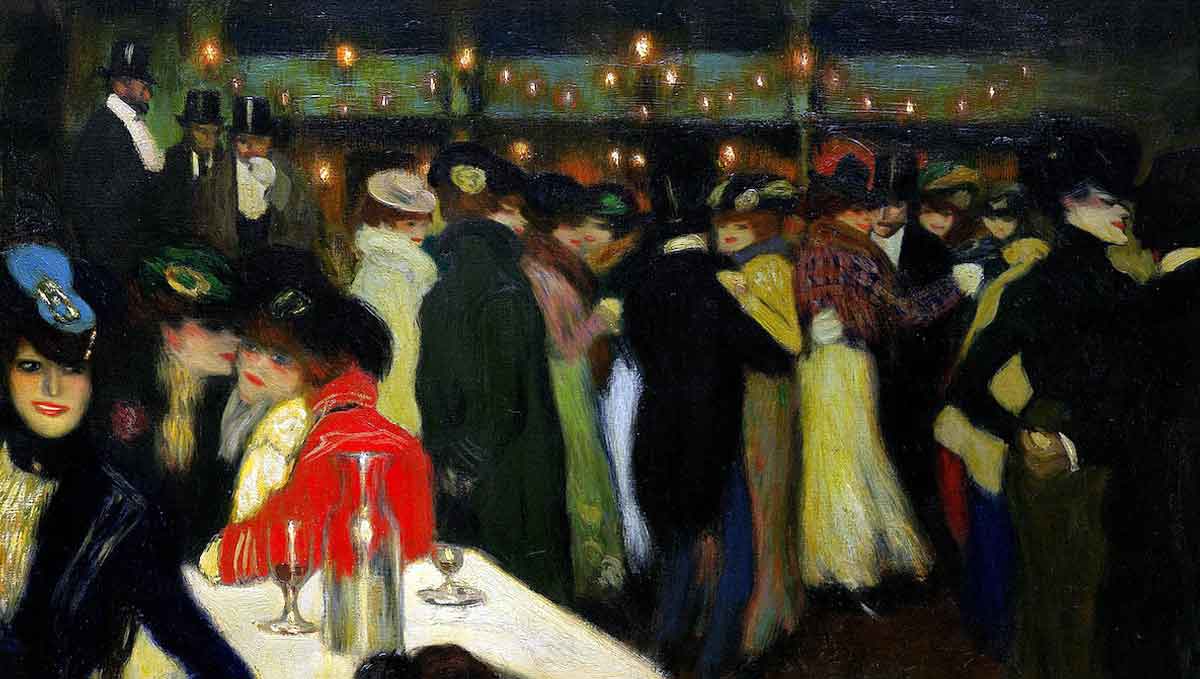
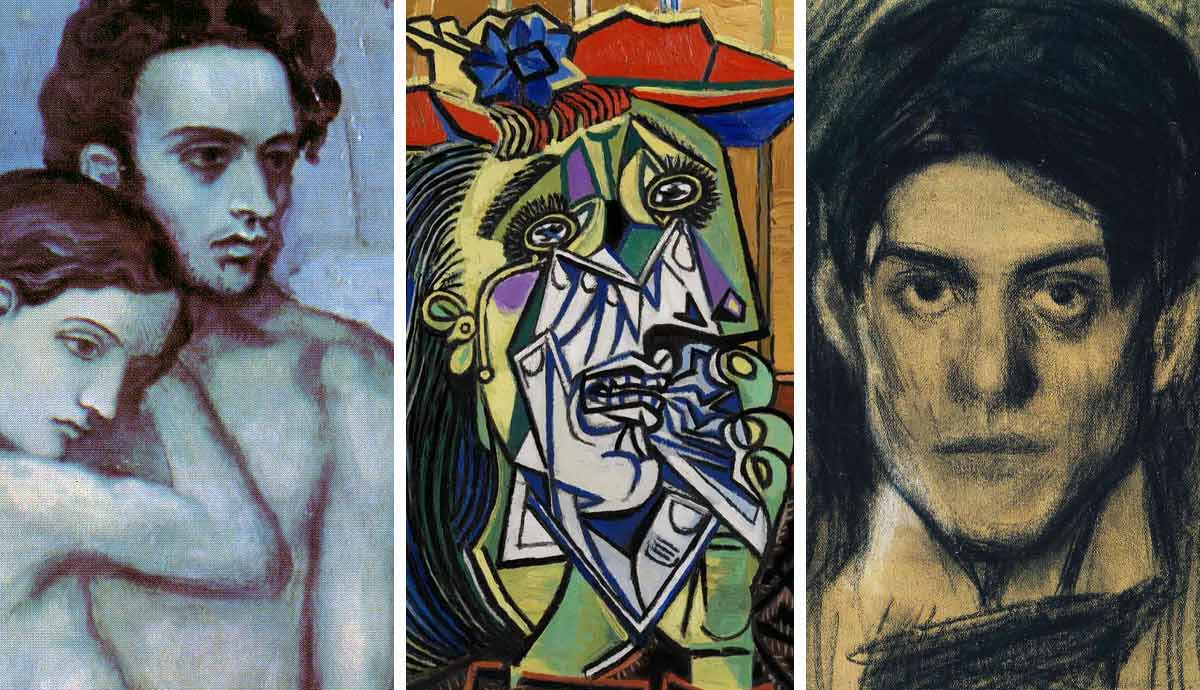
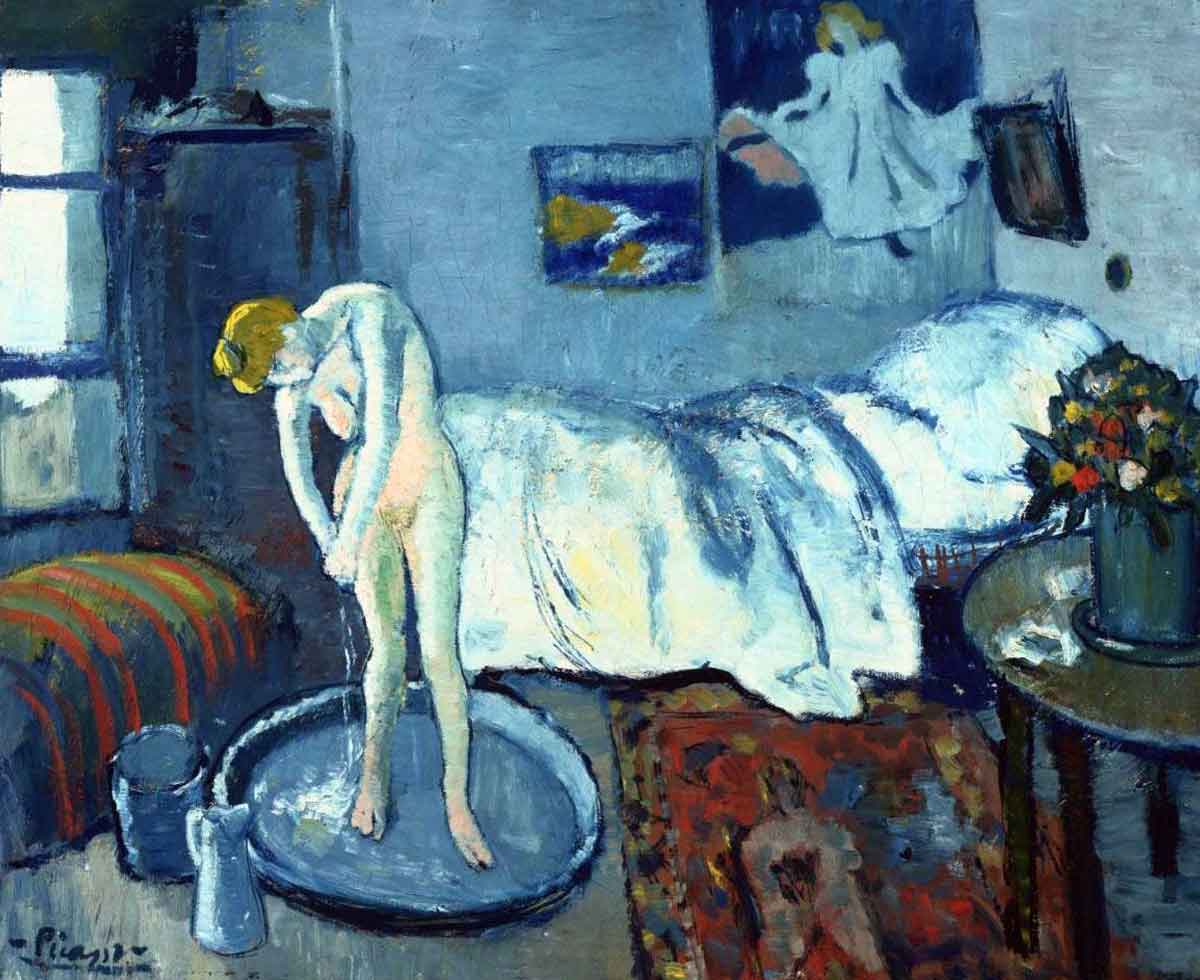
Picasso was one of the first artists in her gallery. She sold and exhibited his work as early as 1901. Weill acquired several of Picasso’s works during his early career, particularly from his Blue and Rose periods. She facilitated the sale of Picasso’s works, helping him financially during times when he struggled. She sold exquisite works by Picasso, some of which are now housed in museums, at relatively low prices. She also represented many Cubist artists, including Picabia, Braque, and Léger.
2. Amedeo Modigliani and the Scandalous Solo Exhibition in 1917
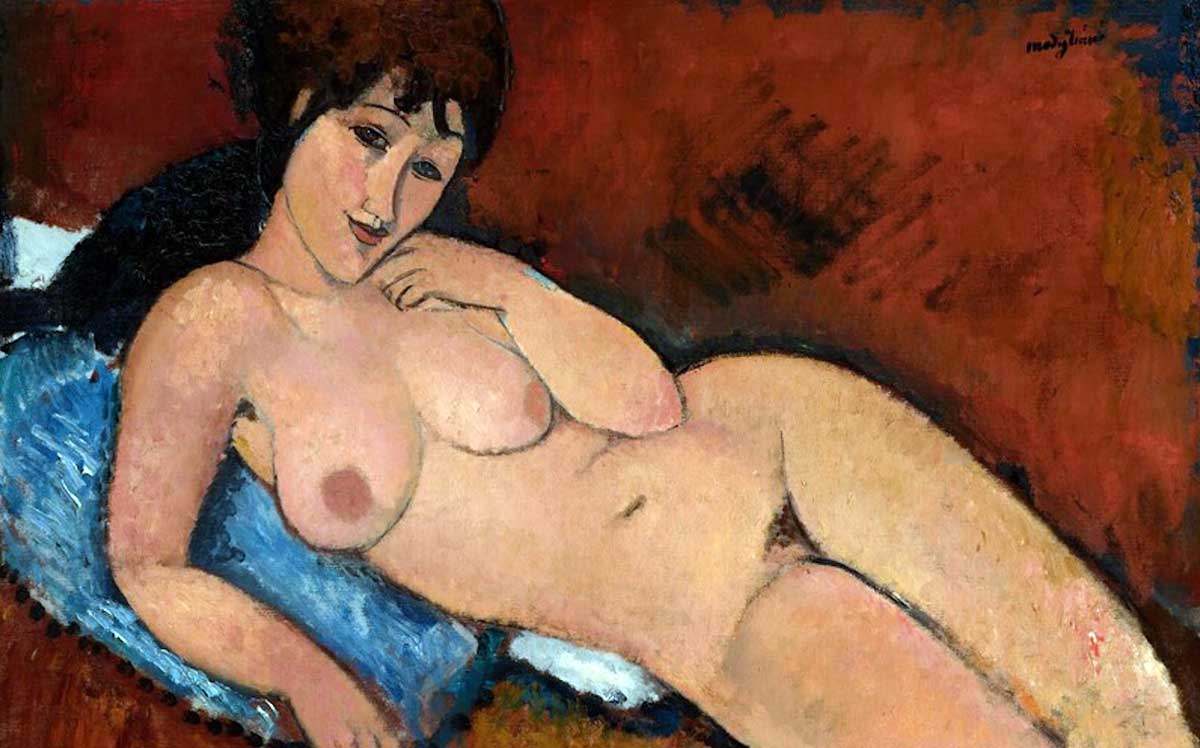
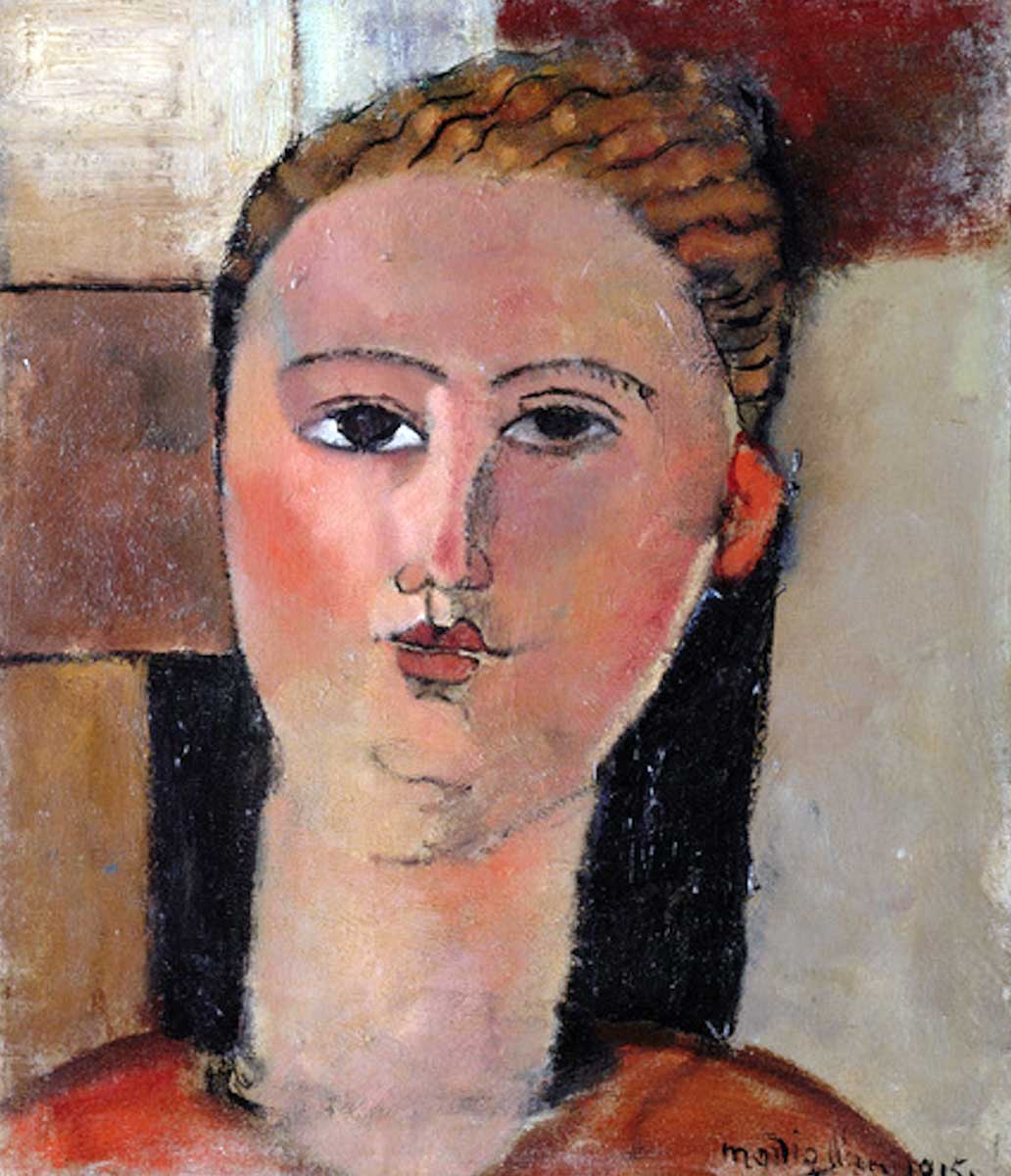
Berthe Weill greatly admired Modigliani’s work. They met through one of his dealers, Léopold Zborowsky. It was a wonderful encounter that resulted in the purchase of five works and an exhibition. She organized Modigliani’s first and only solo exhibition in 1917. The exhibition showcased a selection of his portraits and nudes, highlighting his signature elongated forms and emotional depth. It caused a scandal due to the famous Nu Couché—the police shut the exhibition down within a few hours of it opening due to nude paintings being visible from the street.
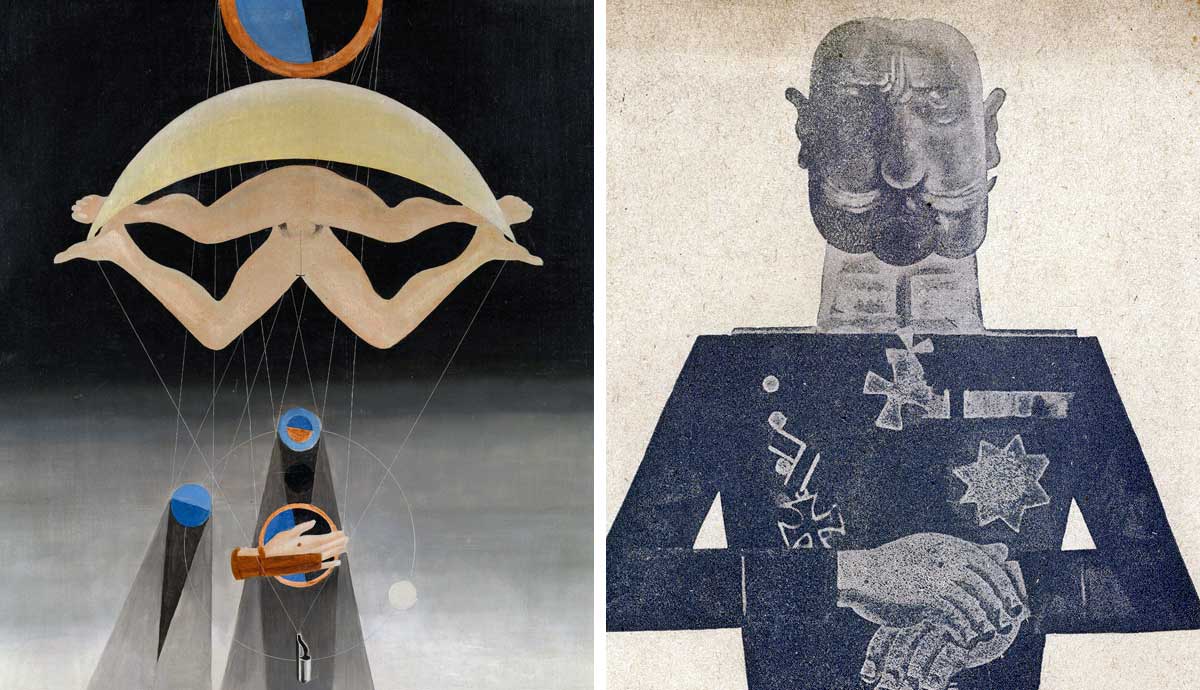
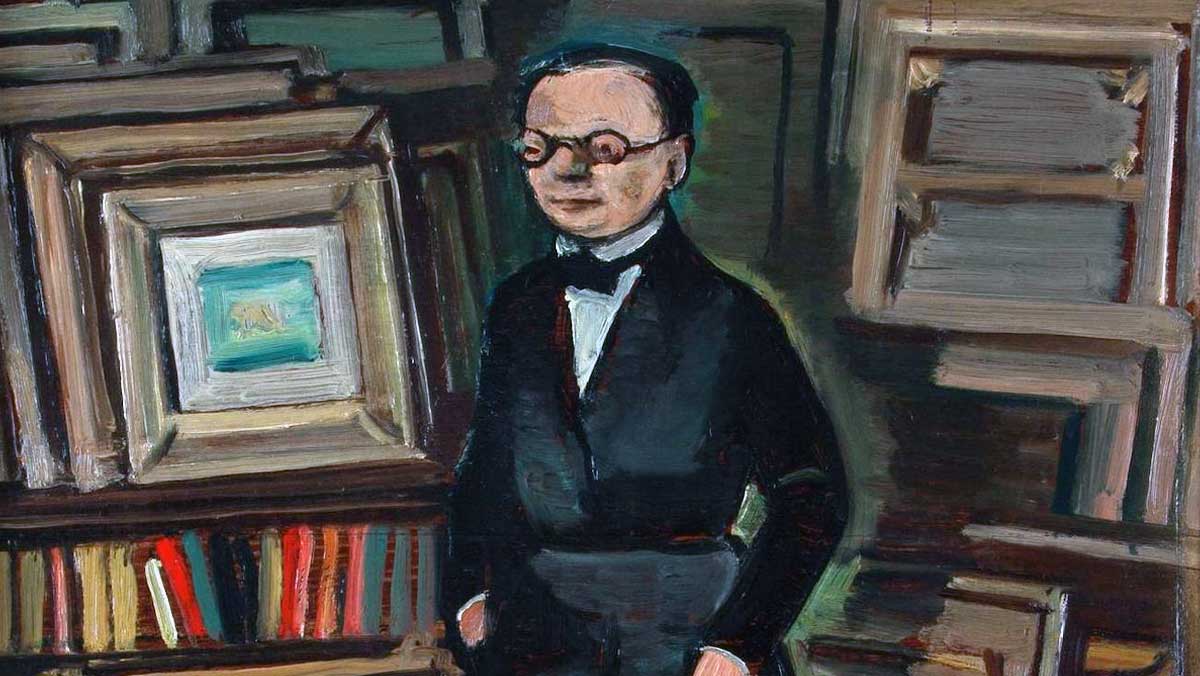
She also exhibited several artists from the School of Paris, including Marc Chagall, Jules Pascin, and Chaim Soutine. She was very close to Pascin. Her dear Pascin, as she called him, is, in fact, one of the select few artists who illustrated her memoirs Bam, Right in the Eye in 1933.
3. Raoul Dufy: Berthe’s Favorite Fauvist
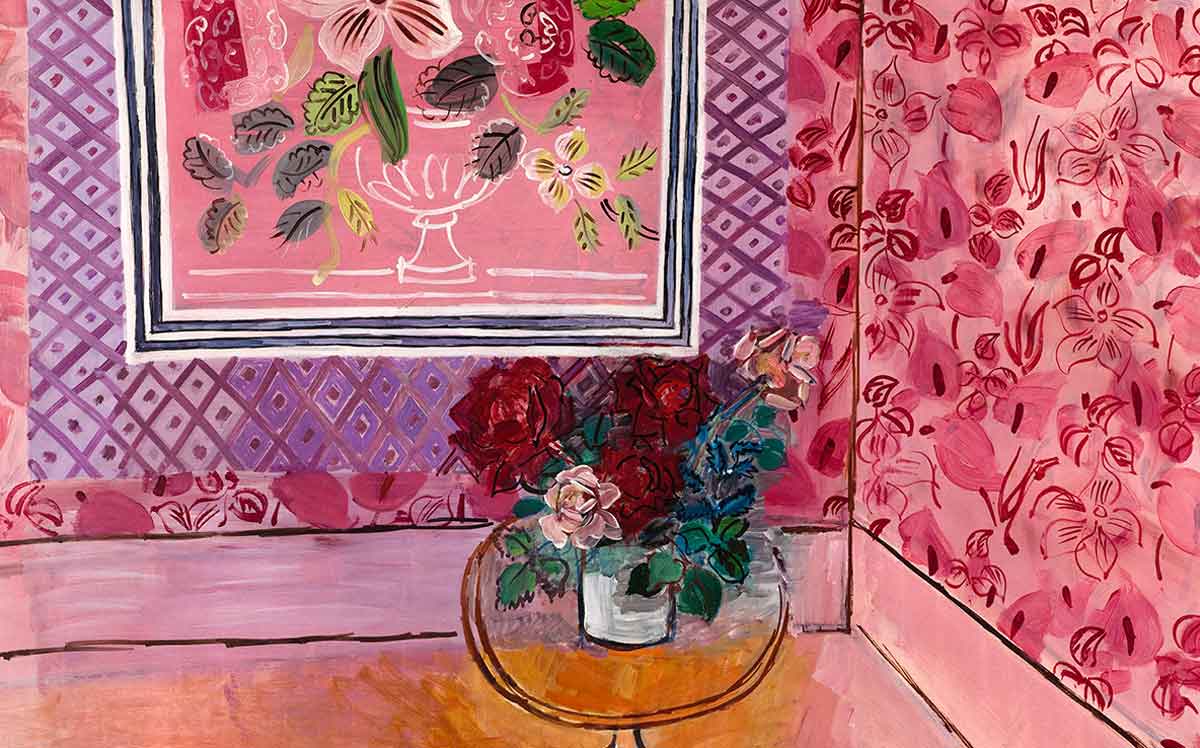
Berthe Weill was also the dealer for many Fauvist artists. As early as 1902, she began exhibiting Matisse, followed by André Derain, Vlaminck and Kees Van Dongen. She was one of the first art dealers to recognize and support them.
Her favorite was Raoul Dufy, who affectionately called her little Mother Weill in his letters. She exhibited him most frequently in her gallery, with one solo exhibition and 35 group exhibitions. She also played a part in establishing Dufy as a Fauvist artist, even though Matisse, the movement’s leading figure, refused to do so.
4. Henri de Toulouse-Lautrec and the Commercial Avant-Garde
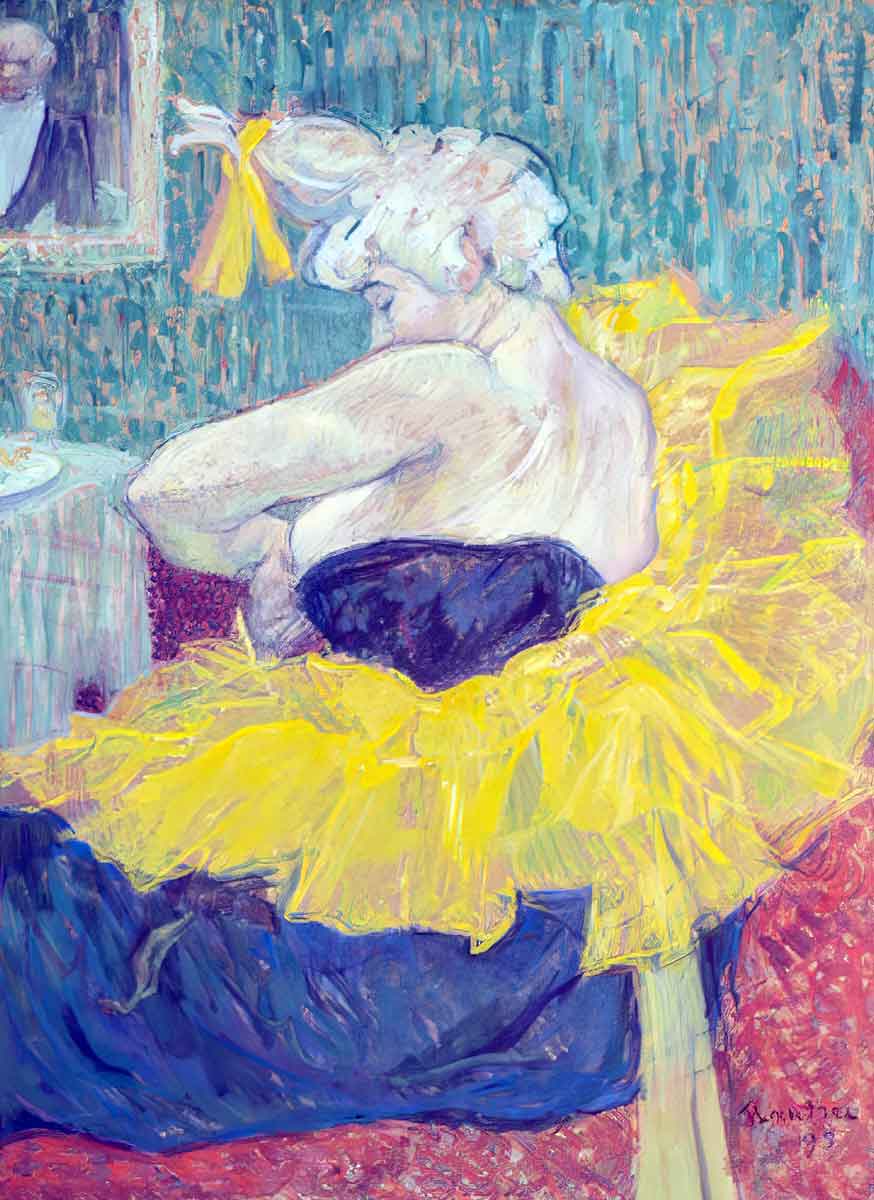
Toulouse-Lautrec was another artist who caught Weill’s eye. She was drawn to his depictions of Montmartre, from cabaret performers to its more marginal figures. Although he was already known for his posters, Weill remained interested in his paintings and pastels, including his 1895 Clownesse Cha-U-Kao. She helped keep this side of his work in view, beyond the posters that had made him famous.
5. Marie Laurencin and a Friendship That Shaped Berthe’s Career
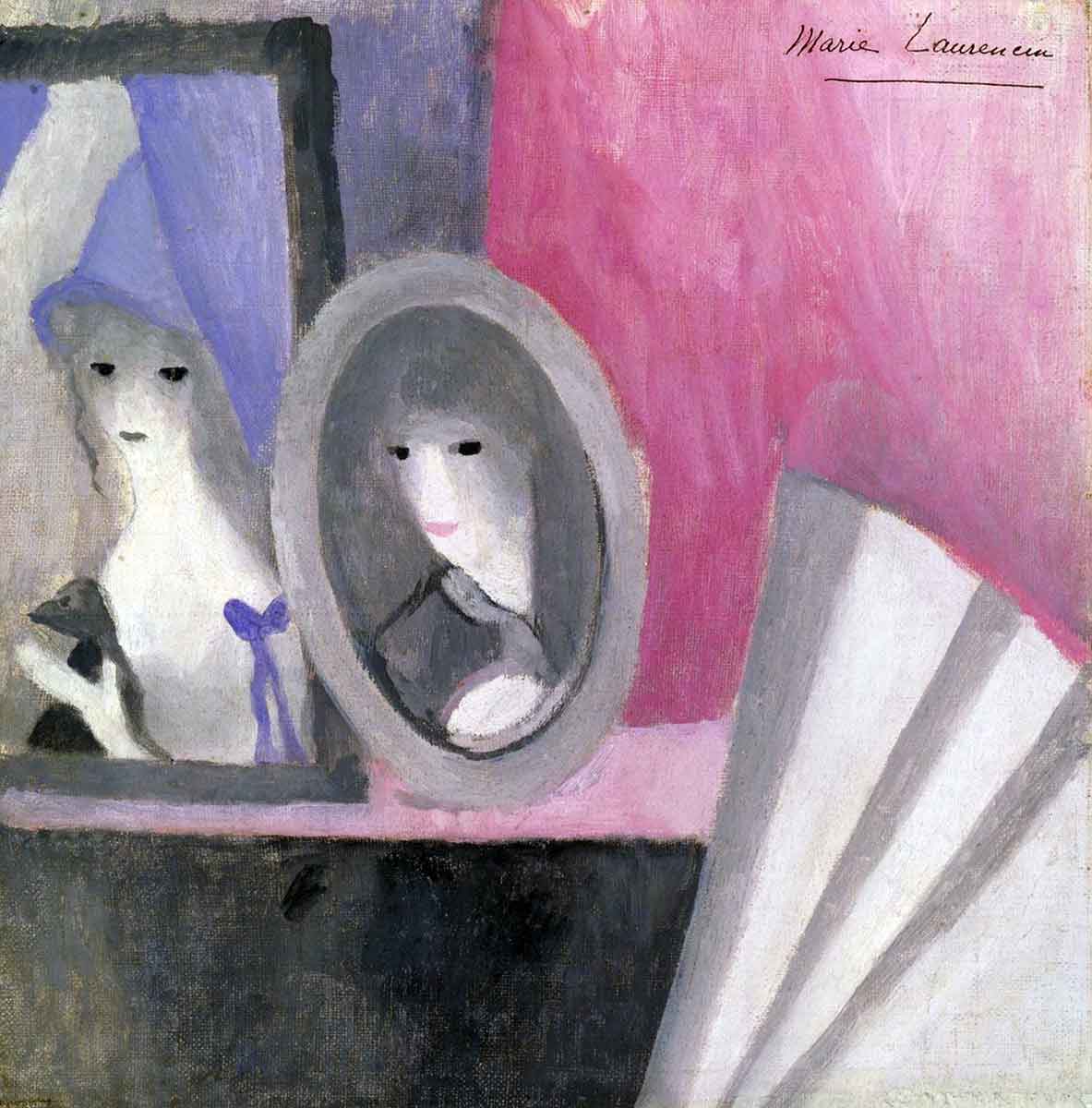
While she represented many male artists, she also promoted women artists in her gallery. In fact, she was one of the first gallerists to sell works by women artists, whether contemporary or from earlier periods. She gave women a rare space to exhibit: 29 of the 149 solo shows at the Galerie were dedicated to women artists.
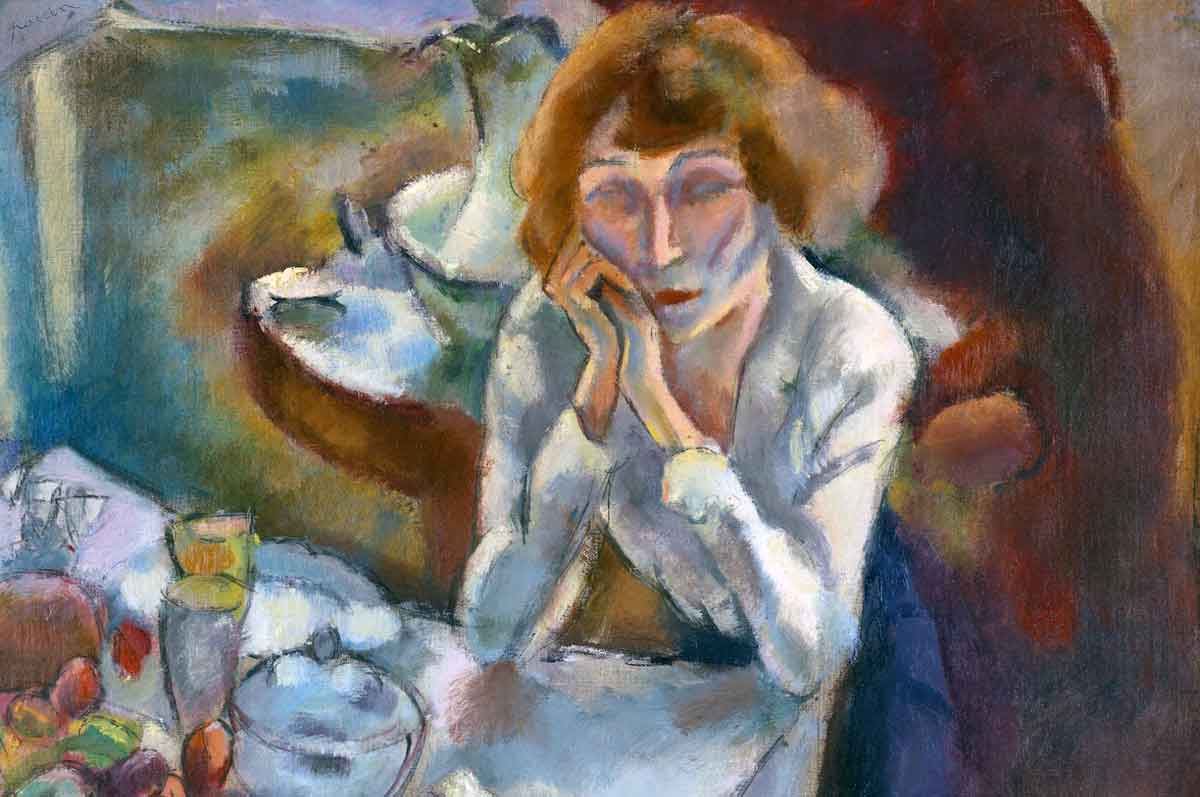
Weill played a crucial role in promoting Laurencin’s work through exhibitions, helping establish her as a prominent artist. They shared a deep friendship and moved in the same social circle. She sold many of her works, such as The Three Friends and Women with a Fan. Her exhibitions provided visibility that contributed to Laurencin’s success, which led to her works being included in significant collections and exhibitions.
6. Suzanne Valadon and Their Shared Taste for Provocation
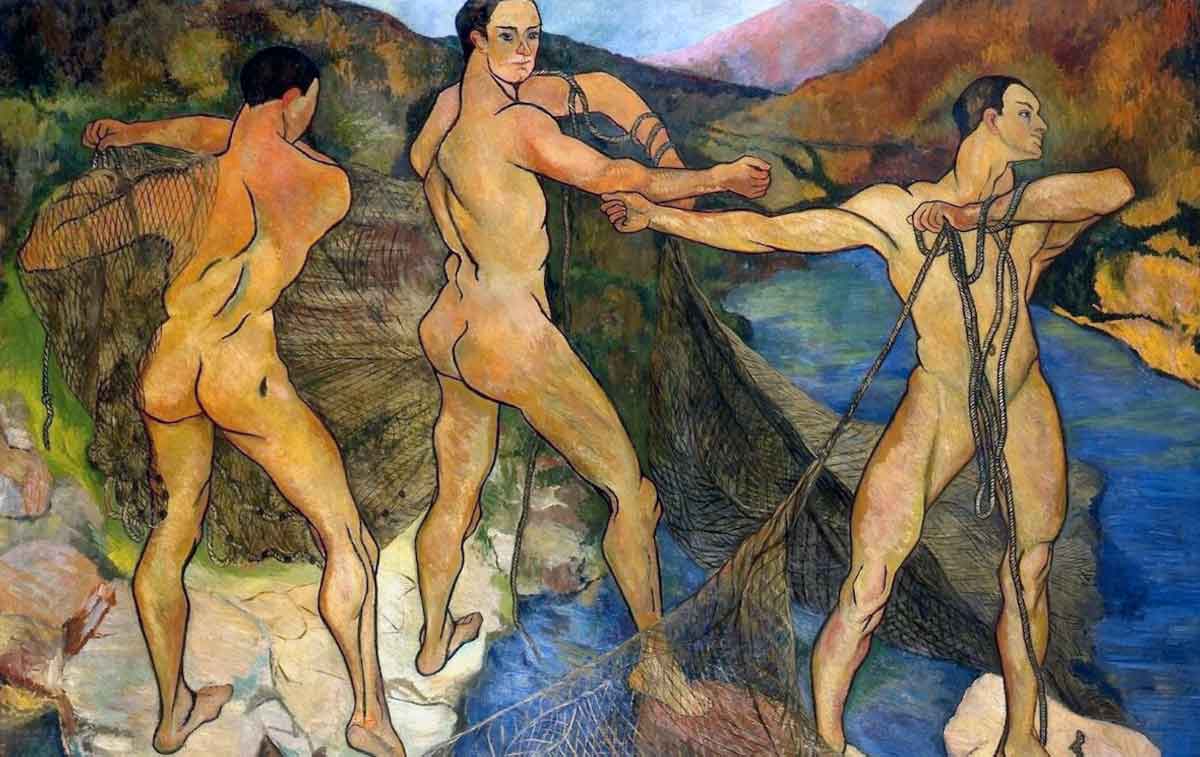
Beyond Laurencin, Weill represented many women artists like Berthe Morisot, Tamara de Lempicka, Léonie de Maistre, and Valentine de Saint-Point. One in particular, Suzanne Valadon, left a lasting mark on the gallery! She represented her from 1913 to 1932 and hosted three personal retrospectives. Weill worked with Valadon for 20 years, despite her reputation for scandalous yet realistic nudes. Weill brought her work to a broader audience.
Why Has History Forgotten the Mother of the Parisian Avant-Garde?
“Every painter who has a name today, everyone who has played a role in contemporary art, was welcomed by her when they were just starting out and had no support. They all came through her.” André Warnod, 1923
This quote highlights the paradox of Berthe Weill’s significant influence on the discovery of avant-garde artists, while simultaneously noting her absence from art history books. She was well known during her lifetime. However, after her death, her name gradually fell into obscurity. A renewed interest in women in art history has helped to bring her back into the spotlight. Since 2007, she has been rediscovered, particularly after Picasso’s portrait of her was declared a national treasure. In 2009, her memoirs were reissued and translated into English in 2022. That same year, a commemorative plaque was placed at the former address of her gallery in Paris, and the city even named a garden after her in the 3rd district near the Picasso Museum.
Berthe Weill was the patron and dealer of around a hundred artists. She had a unique way of exhibiting artworks, often hanging them before paint was even dry. Weill installed electric lighting before anyone else. She maintained an intense schedule, hosting an exhibition every two weeks and producing a catalog for each one.
Nevertheless, at that time, Weill was regarded as an amateur by her peers due to her gender. Beyond this factor, she was a poor manager, which is a point she acknowledges in her memoirs. Her main flaw was her inability to distinguish between masterpieces and lesser-quality works. Weill occupied a dual role as both a patron and a dealer, but she often ignored the commercial side of her business. She did not establish exclusive contracts, a common practice among her colleagues. As a result, she never achieved financial prosperity, and her artists eventually left for larger galleries.
In 1940, she closed her gallery for economic reasons and because of the dangerous rise of Nazism. She escaped the Nazis’ anti-Semitic persecutions but lived in extreme poverty. After the war, Maurice Rheims organized a sale of artwork featuring all the artists she had represented. All the proceeds were given to her so that she could spend her final years in better conditions. She died at the age of 85 on April 17, 1951.