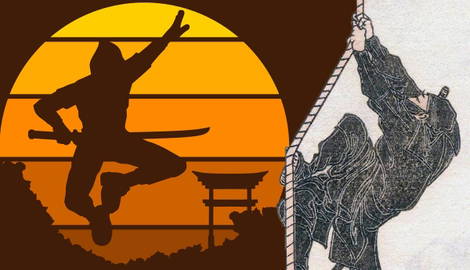

The ninja is one of the most recognizable icons in international pop culture. However, the ninja is also one of history’s most misunderstood figures. Popular media stereotyped ninjas since the early 1900s as hooded assassins dressed in black outfits, who used straight blades and performed superhuman acrobatic movements. In reality, these stealth warriors were espionage agents, unconventional soldiers, and deception specialists who operated outside the feudal hierarchy.
Shinobi-no-mono is the more accurate term for these agents who emerged and peaked during the Sengoku Period, which lasted from 1467 to 1600. While the word ninja became the standard term during the 1960s, it also appeared in Sino-Japanese texts written in earlier times.
How Iga and Koka Created the First Shinobi
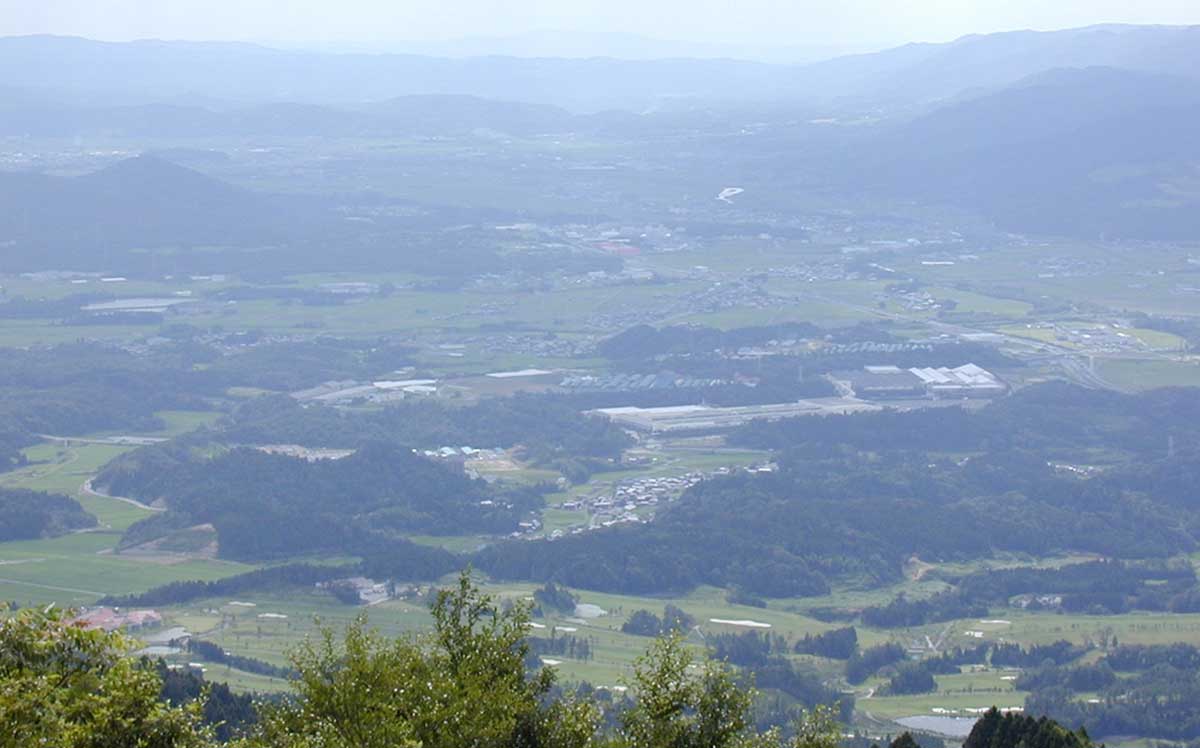
Pop culture often suggests that ninjas were legendary warriors operating within society, but that was not actually the case. Ninjas were, in fact, established in very specific regions. Two major areas of shinobi development were Iga Province and the Koka District. Rugged mountains bordered these lands to keep outsiders away, meaning that for much of the Muromachi and Sengoku periods, these areas operated as self-governing confederacies that existed outside the decentralized shogunate ruling Japan during this time.
People living in these regions were considered to be ji-samurai, meaning rural warriors who were also working farmers. They created their own unique covert tactics, espionage, sabotage, survival skills, and unconventional guerrilla methods in order to repel their enemies.
What Real Shinobi Wore Instead of Black Hoods?
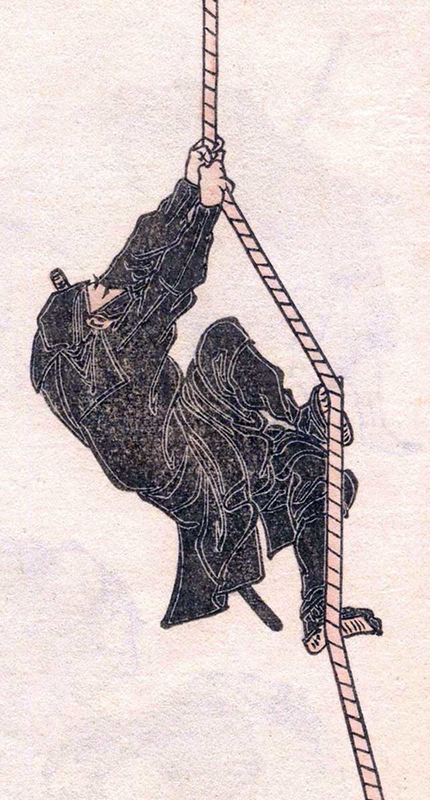
Perhaps the most infamous ninja myth in modern pop culture is the costume these warriors wore. Popular media portrays ninjas as wrapped in black hoods and tunics as they sneak around unseen during the night. In actuality, a man in all black would stick out like a sore thumb against the moonlit sky or in the earth-toned forest surrounding him. Documented history and ninja manuals, such as the Shoninki, advised the shinobi to wear colors that would best suit the brightness of the moon and the surrounding area when moving around at night. While most Japanese work clothes were tinted with indigo dye to ward off insects because it acted as a natural insect repellent, there was no defined “ninja uniform.” At the end of the day, the best ninja uniform was a great disguise, and the deadliest ninja was one who went unnoticed.
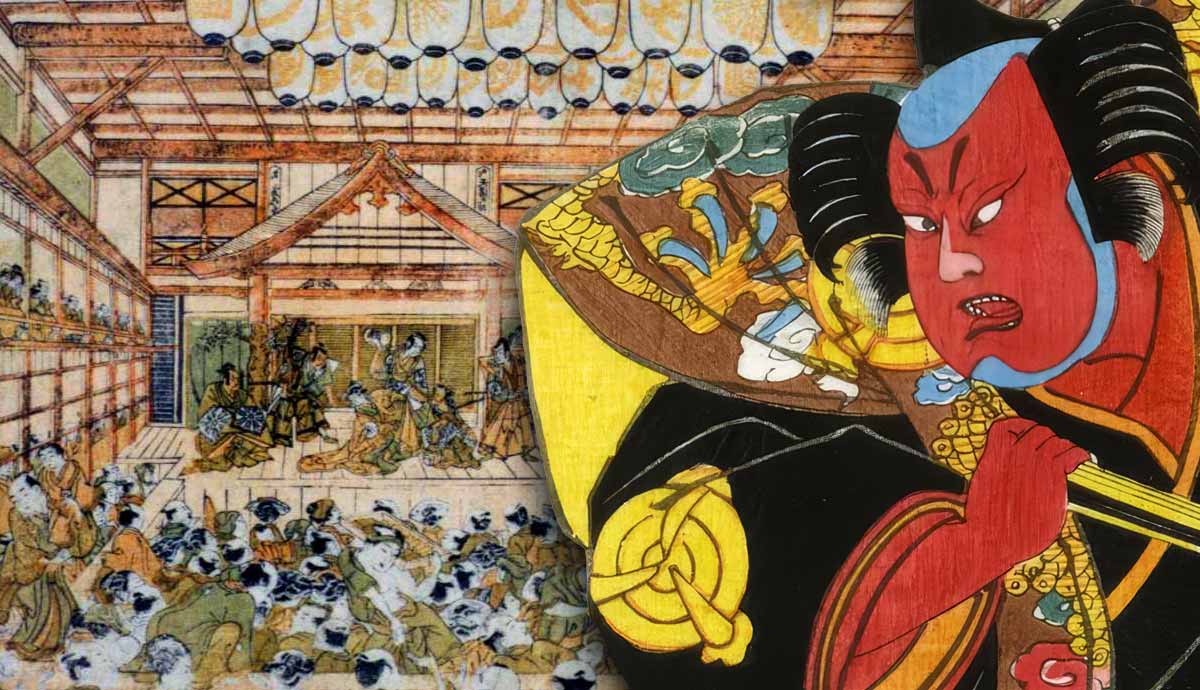
Ninjas utilized the shichihode, or seven disguises, to appear as many different types of people such as priests, merchants, and farmers. By disguising themselves as ordinary civilians, they could travel between provinces and into enemy territory without raising suspicion. That said, the all-black ninja costume popularized today stemmed from the theater. Stagehands called kuroko in the Kabuki style of theater wore all black to represent artistic invisibility while they moved props on stage. Playwrights then adopted this style to stage surprise ninja attacks. This stage trend turned into an international historical misconception with 20th-century films and media.
The Actual Weapons and Tools Used by Shinobi
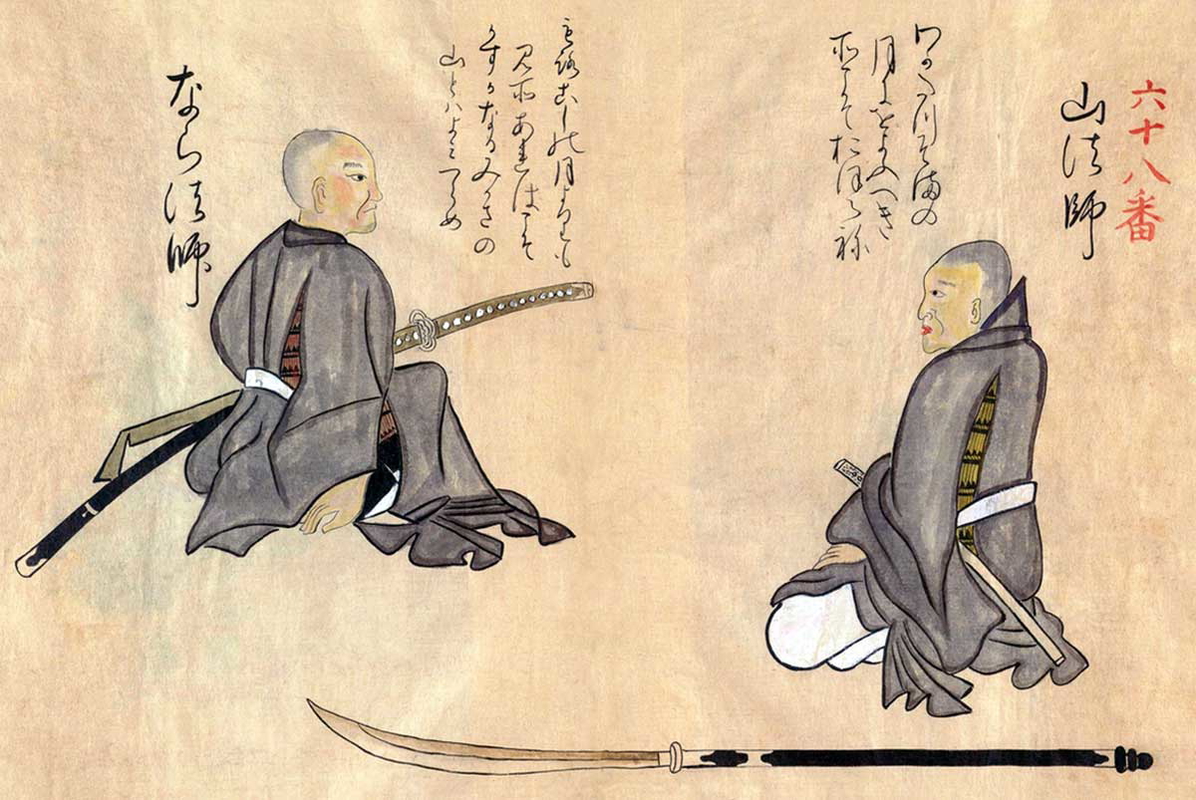
Pop culture often depicts shinobi as using a fictional sword called a ninjatō, which translates directly to “ninja sword.” However, the ninjatō is actually a modern fictional weapon, typically characterized by a straight blade and a square guard. In reality, historians have found no evidence of its existence during the Japanese feudal era. Shinobi used standard curved swords like the katana or the shorter wakizashi to ensure that they looked like regular samurai. Carrying a specialized sword would immediately expose them as shinobi agents.
Real shinobi also often modified tools that civilians would use in their everyday lives. They used folding ladders to climb high walls and used adapted masonry tools commonly referred to as kunai that functioned primarily as small spades or trowels. Kunai doubled as multi-functional tools for prying things and digging. Besides this, shinobi adapted to cutting-edge technology quicker than most. They were experts in gunpowder and used early grenades, smoke bombs, and incendiary fire arrows to create havoc when attacking castles.
Why Shinobi Were Spies First and Assassins Second
Some skills ninja learned included meteorology, pharmacy, and linguistics. They also used cryptography to communicate in order to keep secret messages safe from enemies. Understanding pharmacy allowed them to prepare medicine or poisons, while meteorology was important when preparing for night attacks. Additionally, learning various dialects and linguistics was crucial, as speaking with an unfamiliar accent would instantly expose a spy operating in foreign territory.
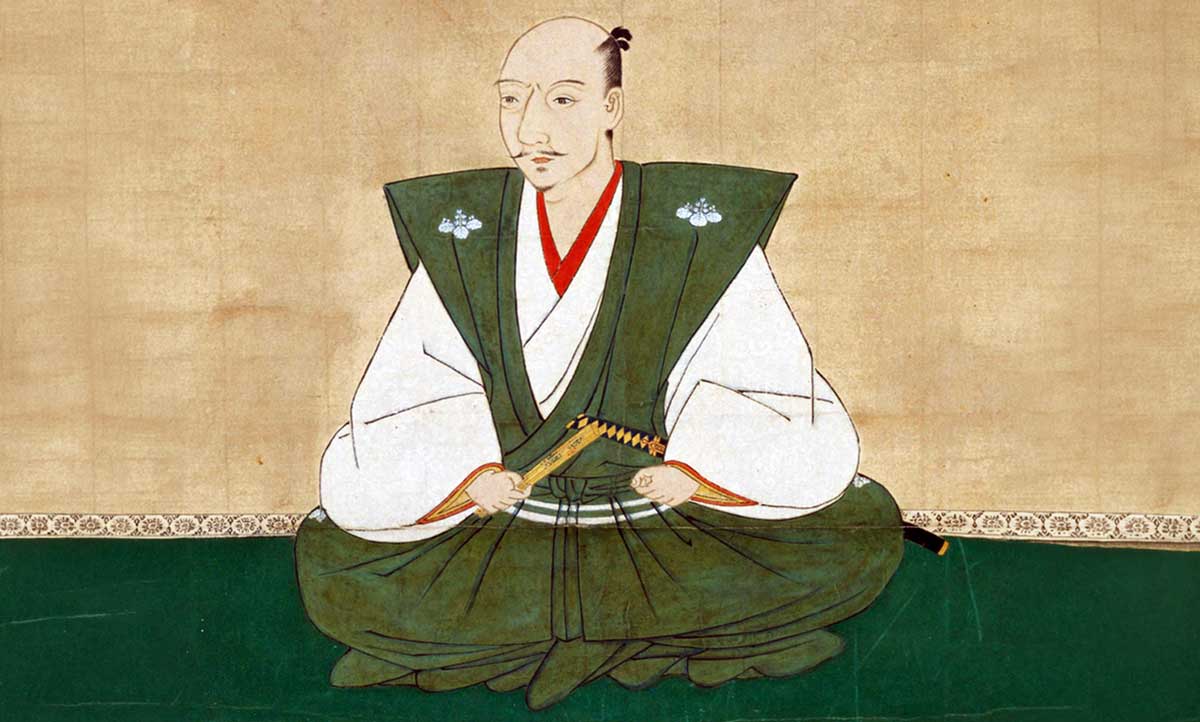
As Japan unified under Oda Nobunaga, Toyotomi Hideyoshi, and Tokugawa Ieyasu, active warfare came to a lull during the relatively peaceful Tokugawa Era (1603 to 1868). While there were no major wars, the government still needed spies to keep an eye on regional lords. Soon, many ninja clans found work as hereditary bodyguards or government security guards. While their era of scaling castle walls had come to an end, their secret techniques and philosophies lived on in written manuals. As years passed, ninja lore was dramatized by theater and literature, developing into what popular culture depicts today.